Fifty places, ranked on a single question: how different would the car world be without this person? Two of the places are shared, so there are fifty-two names. They include inventors, factory managers, stylists, team owners, a lawyer and a woman who took the car without asking.
What counts Anyone whose work changed what cars are, how they are made, how they are sold, how they are raced or how safe they are. The person does not need to have built a car. Several here never did.
Fame does not count, and nor does how much we like the cars. A list ranked on affection would have Enzo Ferrari first and nobody from a production line near the top. This one has him seventh, behind two men most readers will have to look up.
How we ranked them We asked what would be missing if the person had never worked. If the answer is the car itself, or the cheap car, or the modern factory, that person is near the top. If the answer is a great marque or a great racing team, the person is on the list but further down, because the rest of motoring would have carried on. Where two people share an achievement that cannot be divided, they share a place.
Road transport outweighs racing. That is why engineers and businessmen fill the top of the order, and why racing designers who are giants in their own field are in the forties.
The calls we expect to be argued with Enzo Ferrari at seven. He is the highest-ranked person whose business was speed, not transport, and we think seventh is the ceiling for that. His entry sets out the reasoning.
Alfred Sloan and Taiichi Ohno above him. Sloan worked out the way cars are sold and Ohno the way they are now built. Neither designed a car. Both changed every car company, Ferrari's included.
Ralph Nader at 26. Many enthusiasts hold him responsible for the end of the Corvair and for a duller sort of car. He is here because the rules that govern every car on sale began with his book.
Elon Musk at 27. The placing is provisional and is about electric cars only. He is ranked for forcing the industry to build them, well below the people who invented what he sells.
Only one driver. Jackie Stewart is at 40 for what he did about safety. Fangio, Senna and the rest changed races, and they have a list of their own.
One woman. Bertha Benz is at 19 on merit. For most of the car's history women were kept out of the drawing offices, boardrooms and pit lanes this list draws on, and the order reflects that history without excusing it.
The hard chapters. Henry Ford published antisemitic material for years. Ferdinand Porsche worked for Hitler's government and the factory built for his car used forced labour. Louis Renault died awaiting trial for collaboration. Each entry says so plainly. Importance is not a character reference.
How to read this list The top fifteen get the longest entries, the next fifteen a shorter one, and the last twenty a paragraph. Each ends with a one-line verdict. Who is lower or higher than you might expect, and who is missing, is set out at the end.
See the full ranking, 1 to 50
50 to 31
50. Zora Arkus-Duntov
1909–1996
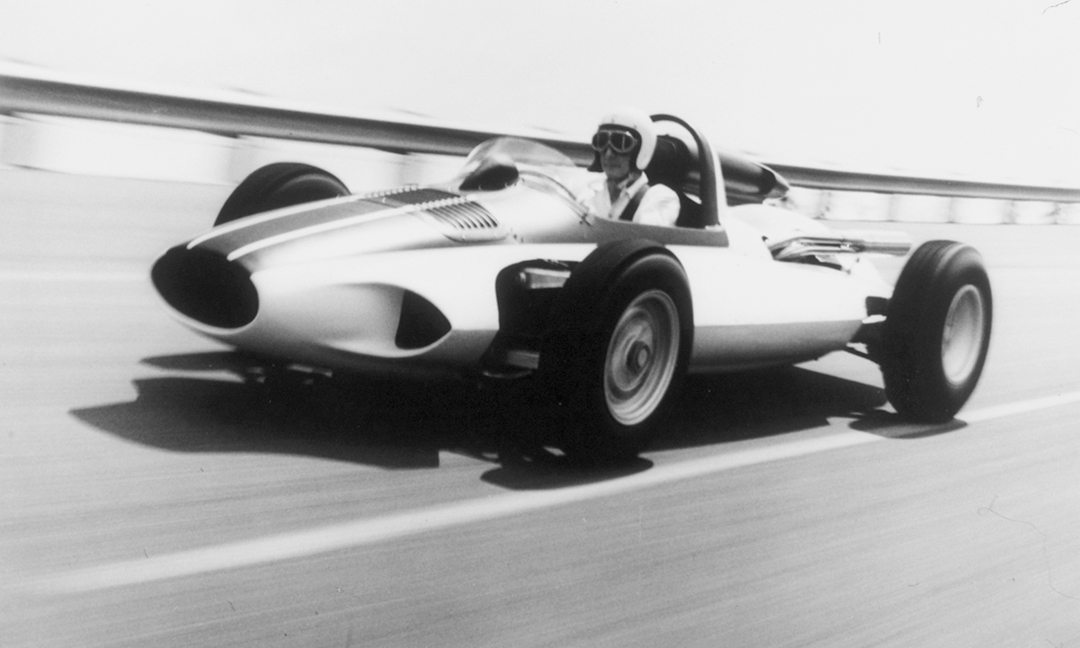
Zora Arkus-Duntov joined Chevrolet in 1953 after writing to say what was wrong with the new Corvette. It had a six-cylinder engine and a two-speed automatic. He gave it a V8, fuel injection, racing brakes and a reason to exist, and argued for thirty years that the engine should go behind the driver. That car arrived in 2020, 24 years after he died.
Verdict He made the Corvette a sports car, and was right about the engine in the end.
49. Adrian Newey
Born 1958
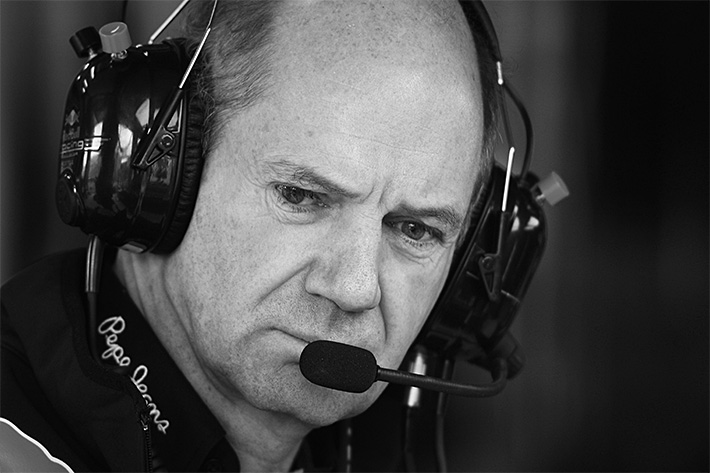
Adrian Newey is the most successful designer Formula 1 has had. Cars he was responsible for at Williams, McLaren and Red Bull have won a dozen constructors' championships across four decades of changing rules, and he joined Aston Martin in 2025. He is 49th because his work, so far, has stayed on the circuit. He may not have finished.
Verdict The best of his trade, ranked low only because racing is where it stayed.
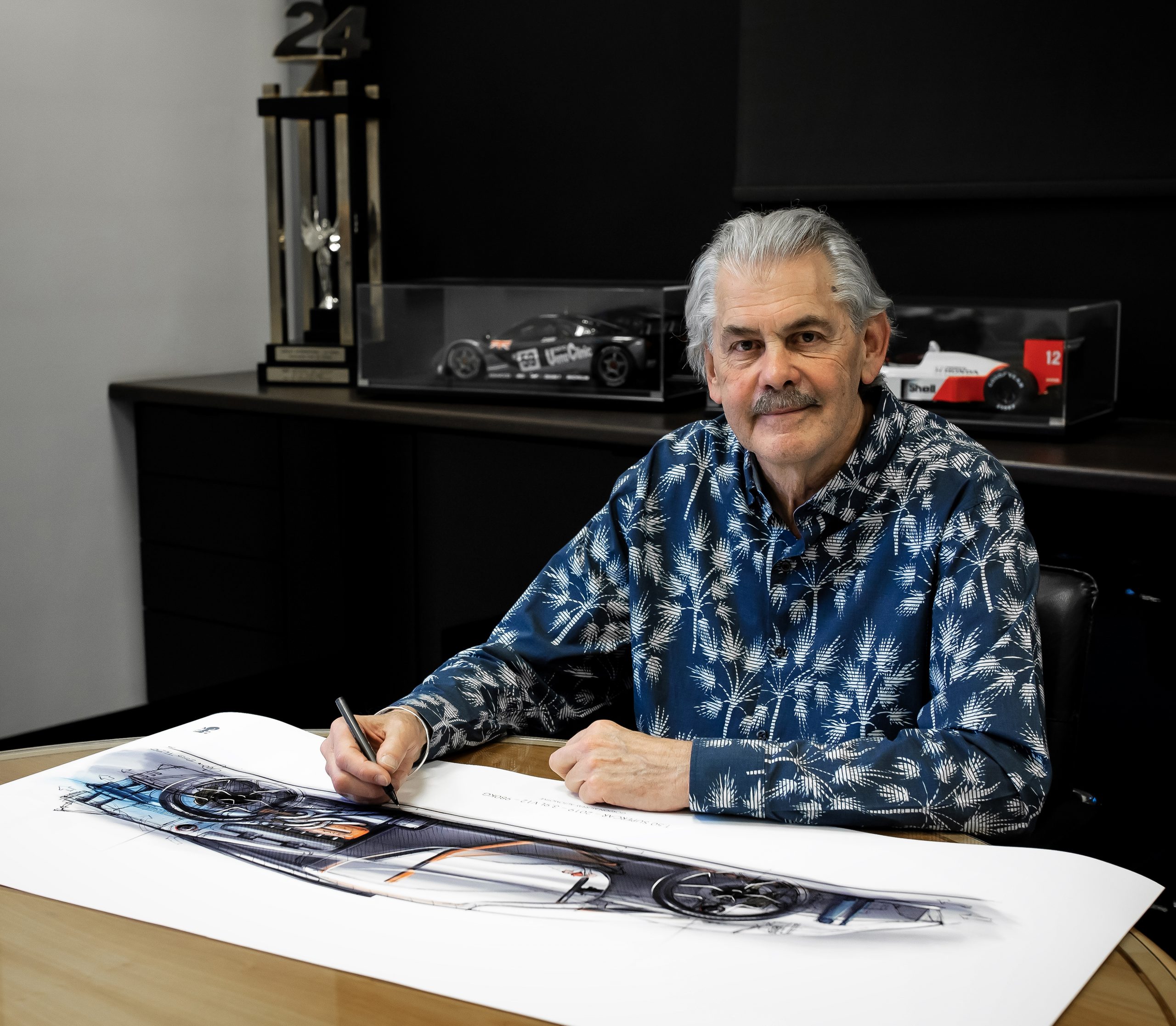
48. Gordon Murray
Born 1946
Gordon Murray's Brabhams included the fan car, which won its only race in 1978, and two championship winners. He brought back the planned pit stop. At McLaren he worked on the MP4/4 and then designed the F1 road car of 1992, with three seats and no compromise on weight. He is still making the argument for lightness with cars under his own name.
Verdict The designer other designers quote, on the track and on the road.

47. Keith Duckworth
1933–2005
Keith Duckworth founded Cosworth with Mike Costin in 1958 and designed the DFV for Ford and Lotus in 1967. It won on its first outing and 154 more times after that. Because Ford sold it to anyone, a small team could buy a winning engine off the shelf. Tyrrell, McLaren and Williams became champions on that basis.
Verdict One engine, sold to all comers, made the modern Formula 1 grid.
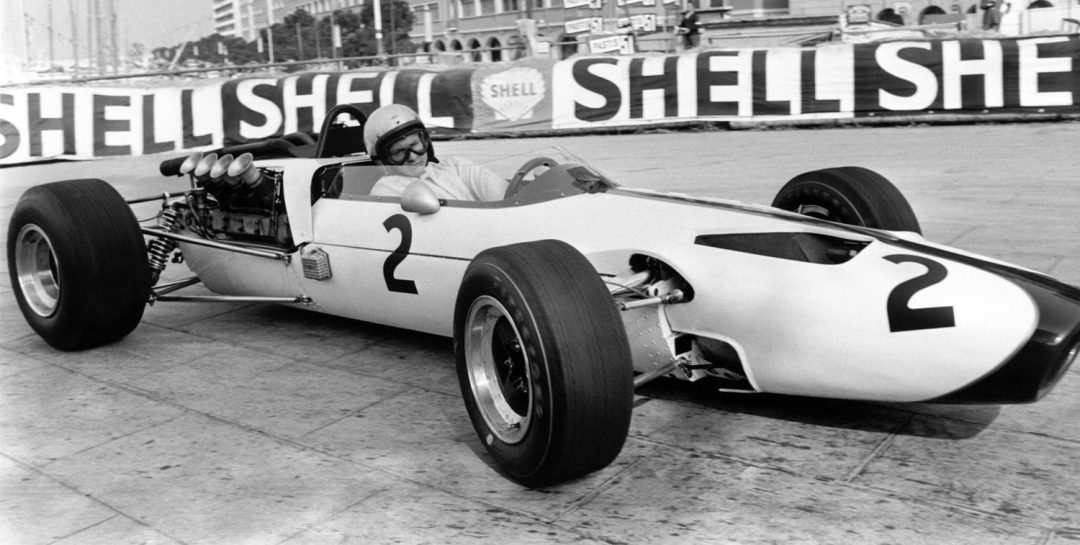
46. Bruce McLaren
1937–1970
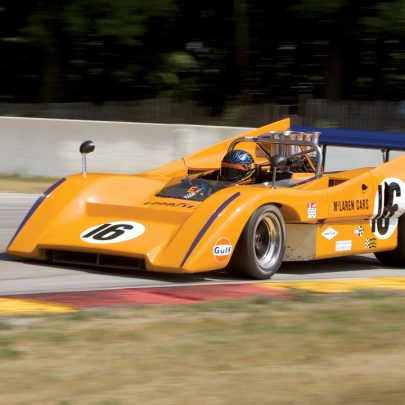
Bruce McLaren was a fine driver, but he is here for founding a team in 1963 and setting how it worked: led by engineers, well funded, calm. He won a Grand Prix in his own car in 1968 and dominated Can-Am. He was killed testing at Goodwood in 1970, aged 32. The team went on to become one of the two most successful in Formula 1, and a car maker.
Verdict He died at 32. The team he built is past sixty.
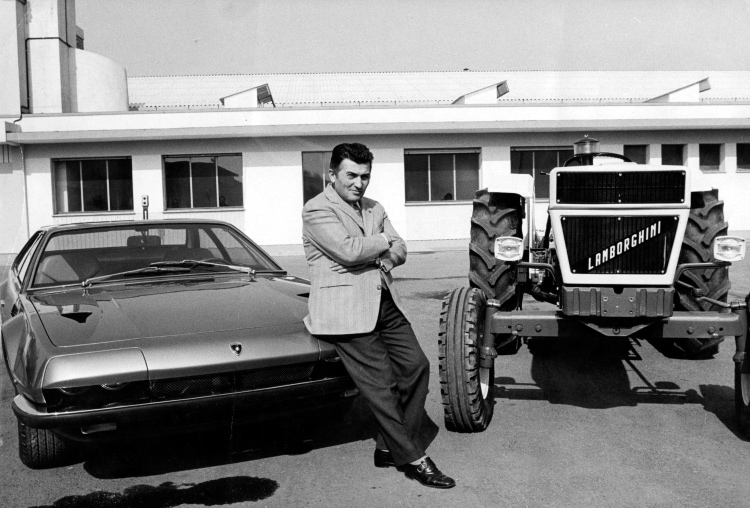
45. Ferruccio Lamborghini
1916–1993
Ferruccio Lamborghini made tractors, bought Ferraris, and by his own account was told by Enzo Ferrari to stick to tractors when he complained about a clutch. He set up his own car company in 1963. Three years later it showed the Miura, with its V12 behind the seats, and the supercar became a class with a rivalry at its centre. He sold up within a decade.
Verdict He started a car company out of spite, and it gave us the supercar.
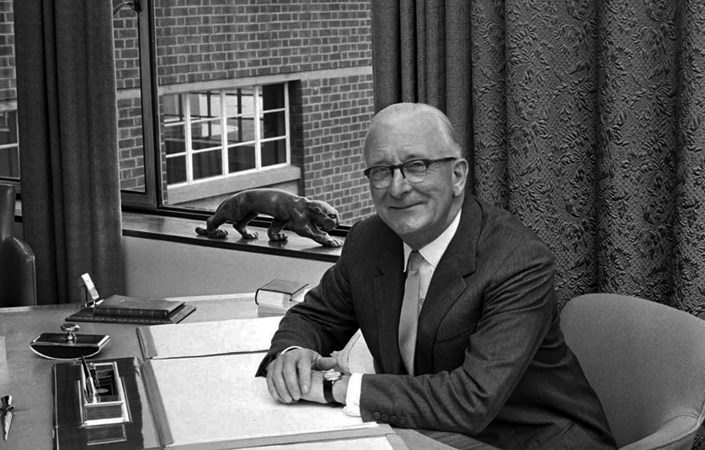
44. William Lyons
1901–1985
William Lyons went from sidecars to coachbuilt bodies to complete cars, and renamed the firm Jaguar in 1945. He was not an engineer. He judged shapes by eye, in his garden, and priced the results far below anything comparable: the XK120, the Mark 2, the E-type. His cars also won Le Mans five times in the 1950s.
Verdict He sold beauty and speed at half the going rate.
43. Lee Iacocca
1924–2019
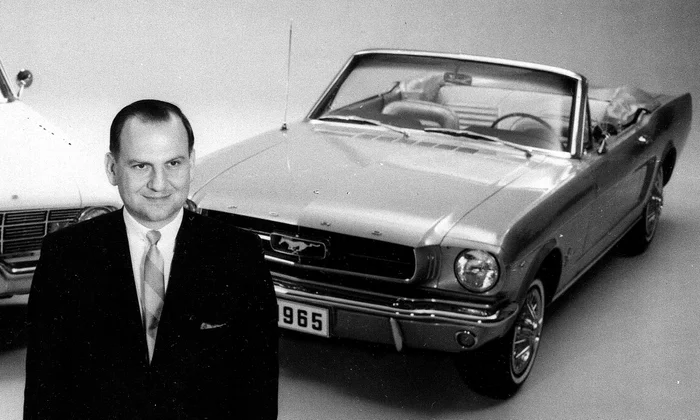
Lee Iacocca was a salesman, and he did it twice. At Ford he pushed through the Mustang of 1964, a cheap saloon in sporting clothes that sold more than 400,000 in a year and started a class. Sacked in 1978, he took over a dying Chrysler, won loan guarantees from Congress, repaid them early, and launched the minivan.
Verdict The Mustang and the minivan, and a company saved in between.
42. Marcello Gandini
1938–2024
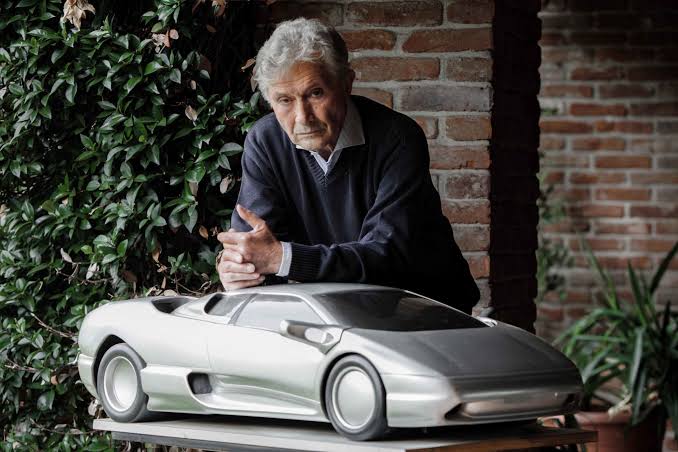
Marcello Gandini followed Giugiaro at Bertone in 1965 and within months had drawn the Lamborghini Miura. The Alfa Romeo Carabo show car of 1968 introduced the wedge and the doors that open upwards, and the Countach and Lancia Stratos followed. For twenty years every fast car, and a great many toys and posters, looked the way he had decided they should.
Verdict He drew the wedge, and the supercar has been one ever since.
41. Bill France Sr.
1909–1992
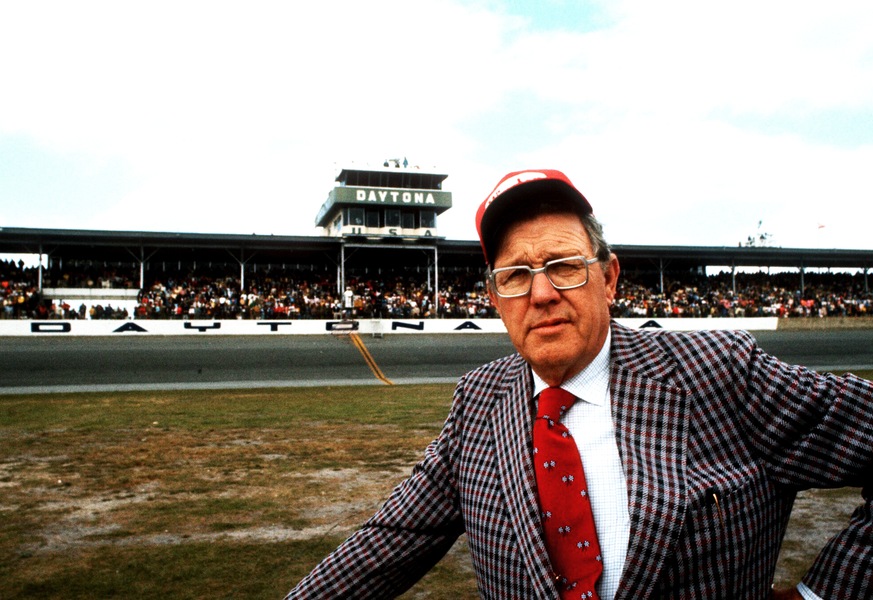
Bill France was a mechanic and promoter at Daytona Beach who saw that stock car racing would stay a fairground act until it had one set of rules and one champion. He founded NASCAR in the winter of 1947 to 1948, built the Daytona speedway in 1959 and Talladega ten years later. His family still controls the series.
Verdict He turned bootleggers' racing into America's biggest motorsport.
40. Jackie Stewart
Born 1939
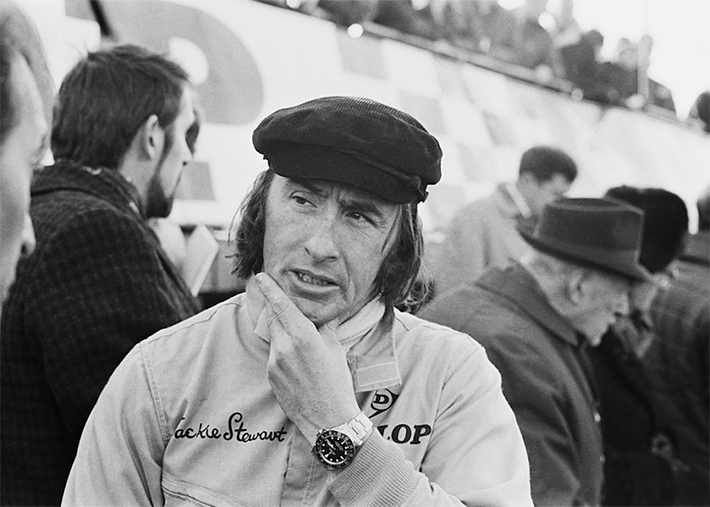
Jackie Stewart is the only person here as a driver, and it is not for the three world titles. After a crash at Spa in 1966 left him trapped in a car soaked with fuel, he campaigned for barriers, seat belts, full-face helmets and proper medical cover, and led drivers in refusing to race where they were missing. He was unpopular for it. The sport he left was survivable.
Verdict Drivers change results. He changed whether drivers lived.
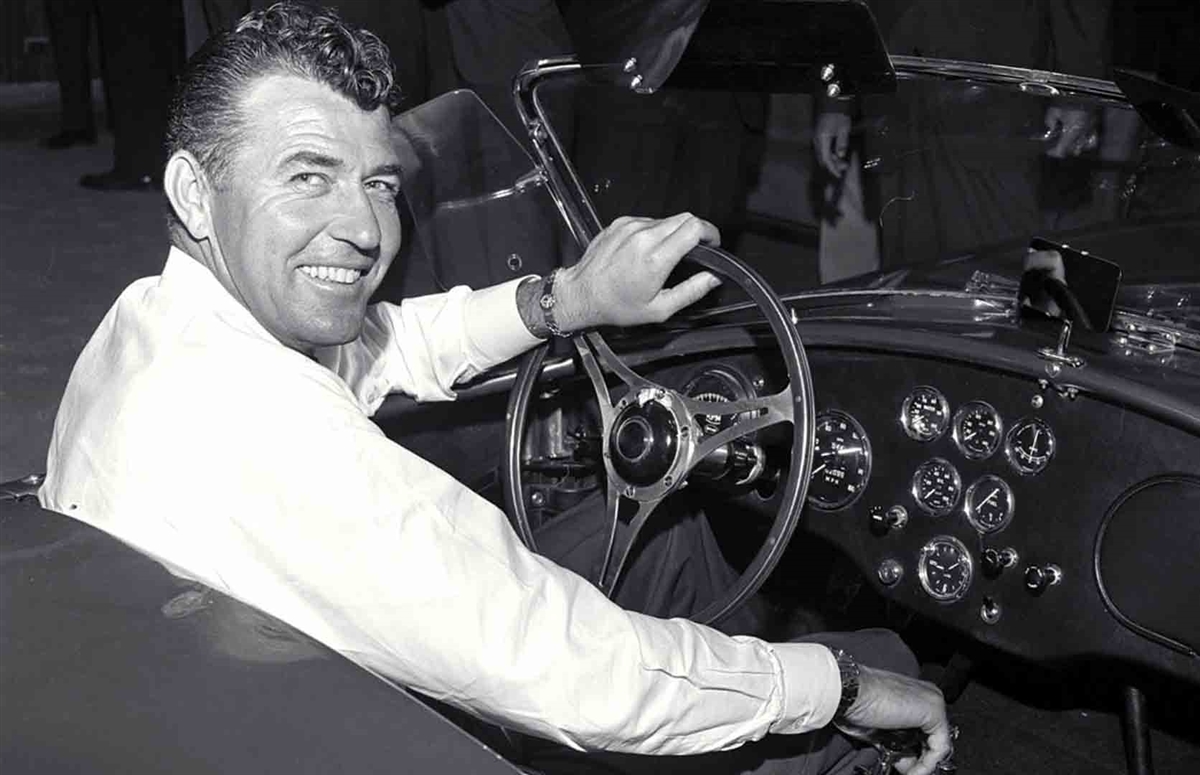
39. Carroll Shelby
1923–2012
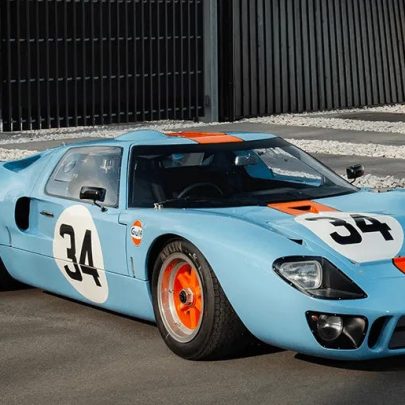
Carroll Shelby won Le Mans for Aston Martin in 1959 and stopped driving the next year because of his heart. He then asked AC in England for a chassis and Ford for a V8 and called the result the Cobra. Ford gave him its GT40 programme, which won Le Mans in 1966 and 1967, and the Mustang to make faster. The tuner as a brand starts with him.
Verdict A failed chicken farmer from Texas who beat Ferrari with Ford's money.
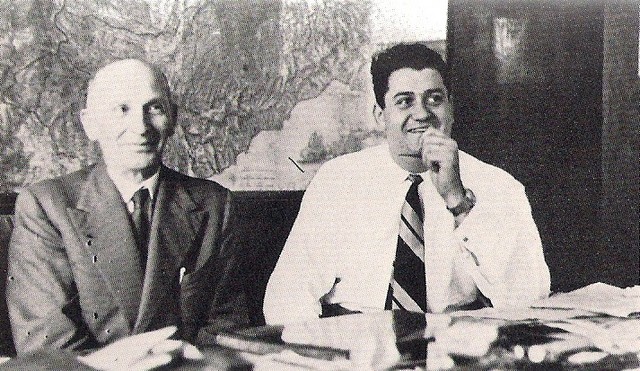
38. Vittorio Jano
1891–1965
Vittorio Jano designed the Alfa Romeos that won everything between the wars: the P2, the 6C and 8C sports cars, and the Tipo B. He then gave Lancia its D50 Grand Prix car, which Ferrari took over and won a championship with, and worked on Ferrari's first V6. Twin camshafts in a road car were his habit long before they were common.
Verdict The engineer behind Alfa Romeo's best years, and some of Ferrari's.
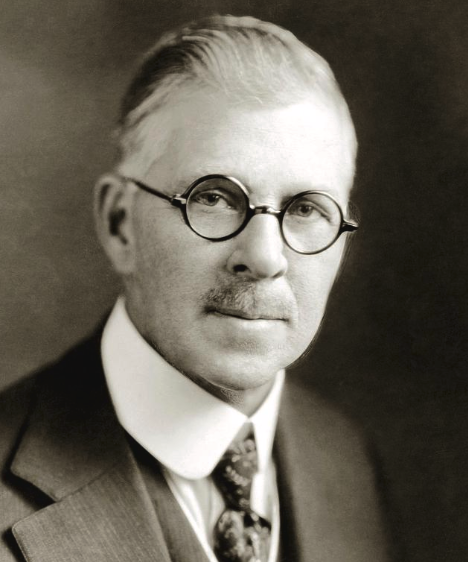
37. Ransom Olds
1864–1950
Ransom Olds built the Curved Dash Oldsmobile from 1901, a light runabout at $650, and made it in thousands by buying parts from outside suppliers and moving the cars between fixed work stations. It was America's first volume-produced car, twelve years before Ford's line moved. He fell out with his backers, left, and founded REO.
Verdict He was mass-producing cars before Ford, on a smaller scale.
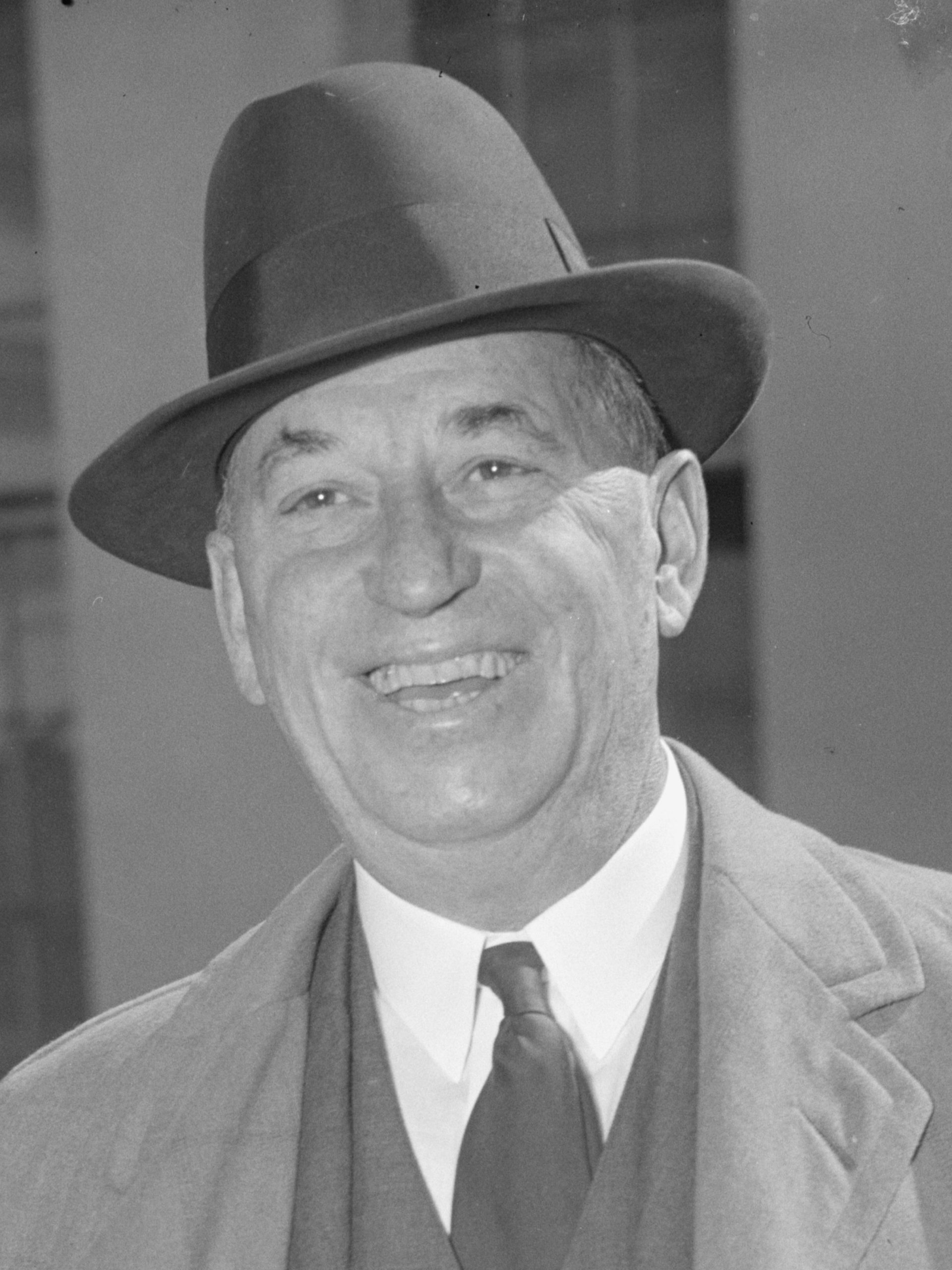
36. Walter Chrysler
1875–1940
Walter Chrysler began as a railway mechanic, ran Buick's factory for Durant, and retired rich in his forties. He came back to rescue two failing makers and in 1924 launched a car under his own name with a high-compression engine and hydraulic brakes on all four wheels at a middling price. He bought Dodge in 1928 and made the Big Two three.
Verdict The engineer's car maker, and the third of Detroit's three.
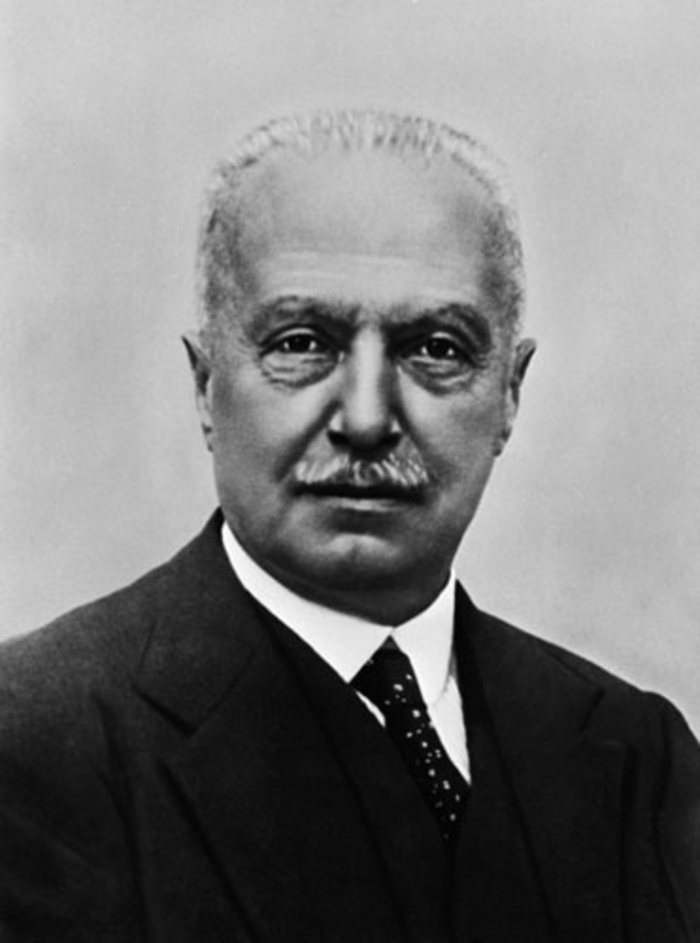
35. Giovanni Agnelli
1866–1945
Giovanni Agnelli was a cavalry officer who helped found Fiat in Turin in 1899 and soon controlled it. After visiting Ford he built Lingotto, five storeys high with a test track on the roof. He prospered under Mussolini, who made him a senator. Fiat motorised Italy, and his family's firm later took in Lancia, Alfa Romeo, Ferrari and Maserati.
Verdict He built Italy's car industry, and his family ended up owning most of it.
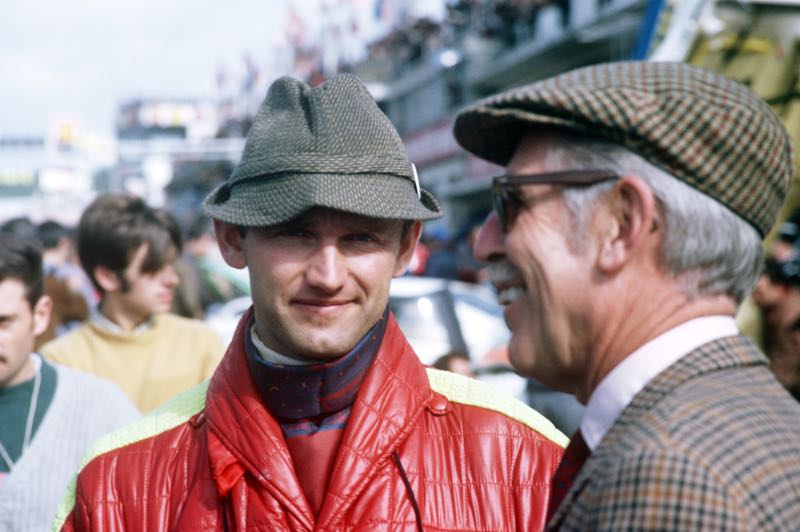
34. Ferdinand Piëch
1937–2019
Ferdinand Piëch, grandson of Ferdinand Porsche, built the 917 that gave Porsche its first Le Mans wins, then made Audi a rival to Mercedes with five cylinders, four-wheel drive and galvanised bodies. As head of Volkswagen from 1993 he bought Bentley, Bugatti and Lamborghini, ordered the Veyron, and showed how many brands one set of parts could support.
Verdict The 917, the Quattro and the Veyron, by order of the same man.
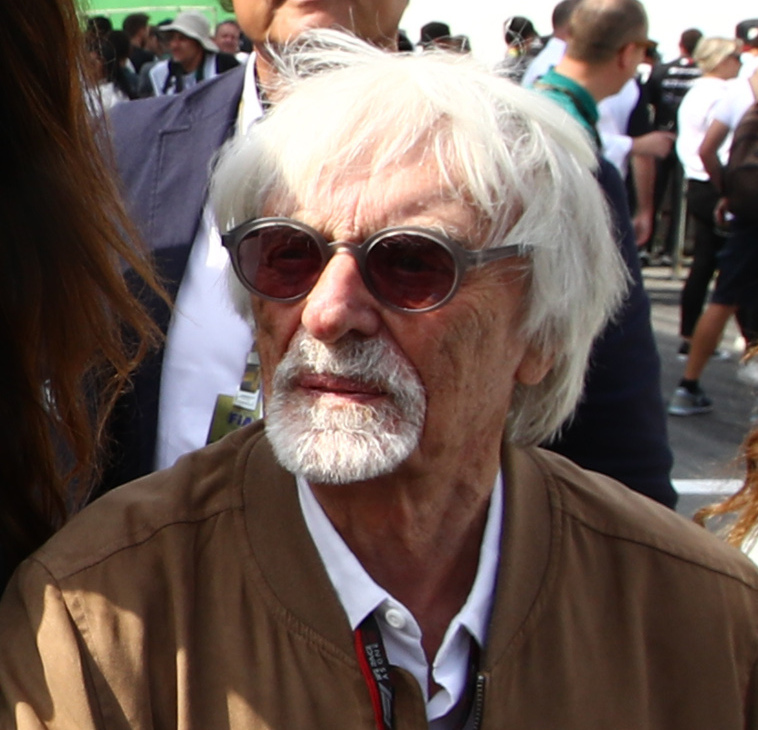
33. Bernie Ecclestone
Born 1930
Bernie Ecclestone sold used cars and motorcycles, managed drivers, and bought the Brabham team in the early 1970s. He then persuaded the other teams to let him negotiate for all of them, with circuits first and television after. Over forty years he turned a set of loosely organised races into one of the most watched sports in the world, and stayed in charge of it until 2017.
Verdict Formula 1 was a sport. He made it a business.
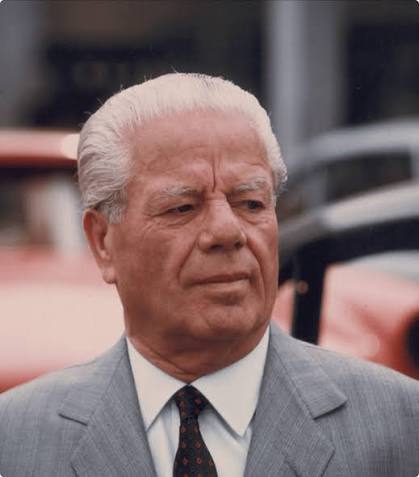
32. Battista "Pinin" Farina
1893–1966
Battista Farina, called Pinin, opened his coachworks in Turin in 1930. His Cisitalia 202 of 1947 had its wings, bonnet and body drawn as one smooth form, and the Museum of Modern Art in New York put one on display. From 1952 his firm clothed most Ferrari road cars, and Peugeots and Austins by the hundred thousand.
Verdict He drew the post-war car's shape, and Ferrari's with it.
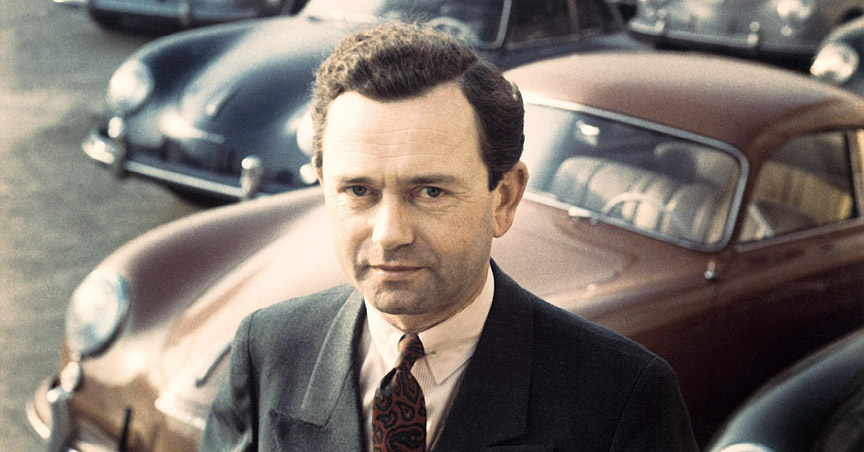
31. Ferry Porsche
1909–1998
His father's name is on the company, but Ferry Porsche built it. In 1948, in a former sawmill at Gmünd in Austria, he made a light sports car from Volkswagen parts, the 356. He moved production to Stuttgart, went racing to sell it, and approved the 911 that replaced it. He showed that a small firm could live on sports cars alone.
Verdict The father designed the Beetle. The son made Porsche a car maker.
30 to 16
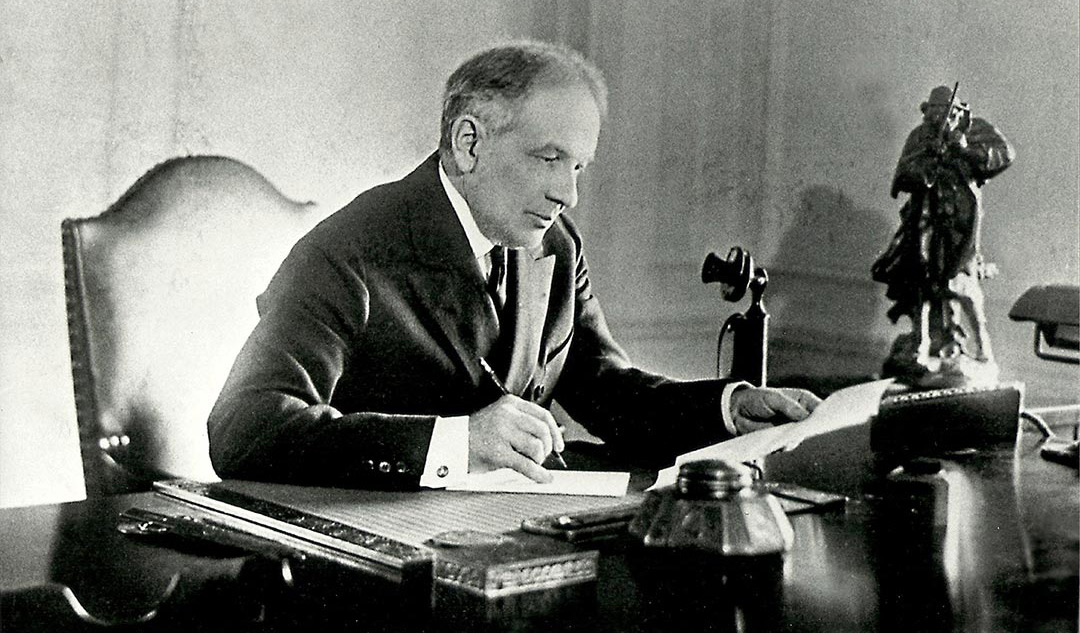
30. William Durant
1861–1947
William Durant was one of the biggest carriage makers in America when he took over a failing Buick in 1904. In 1908 he founded General Motors and bought Oldsmobile, Cadillac and Oakland inside two years, on the theory that a group of makes would outlast any one. He overspent and the bankers removed him in 1910. He started Chevrolet with a racing driver of that name, made it a success, and used its shares to take General Motors back in 1916. He lost it again in 1920, for good. Sloan made the group work. Durant was the one who thought of it.
Verdict He founded General Motors, lost it twice, and invented the car group on the way.
Did you know: He founded General Motors, lost control of it twice, and ended his working life managing a bowling alley.
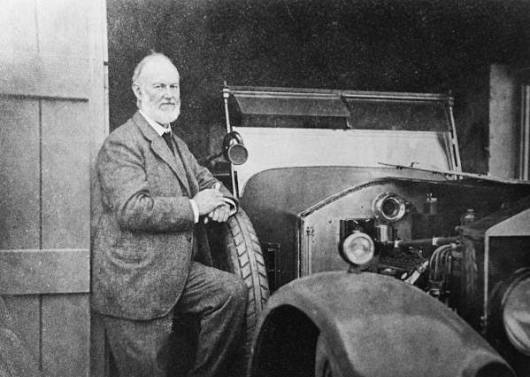
29. Henry Royce
1863–1933
Henry Royce was an electrical engineer who bought a French car in 1903, found it badly made, and built three of his own to show how it should be done. Charles Rolls drove one in 1904 and agreed to sell every car Royce could make. The 40/50 of 1907, the Silver Ghost, ran 15,000 miles under observation almost without fault, and gave the firm its claim to make the best car in the world. He applied the same standard to aero engines. What he left the industry was the idea that refinement is an engineering result, reached by fixing one small thing after another.
Verdict He set the standard for how well a car could be made.
Did you know: He started work at ten, selling newspapers, and had one year of formal schooling.
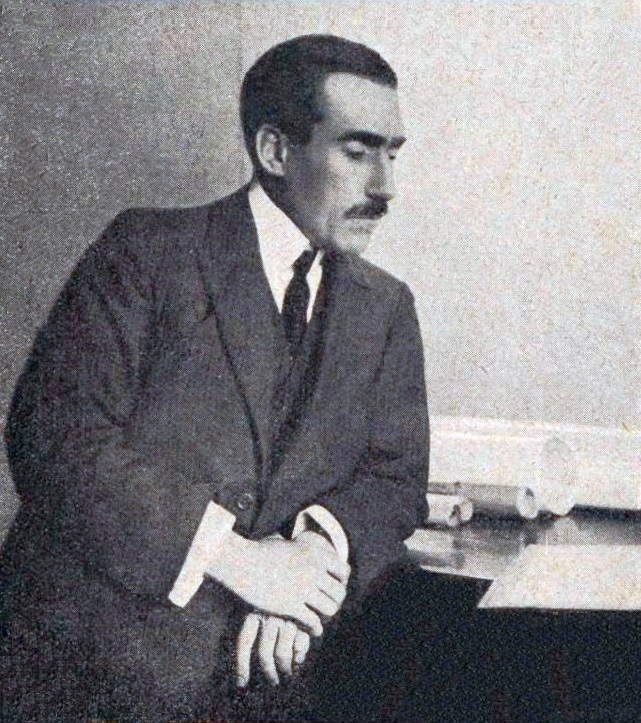
28. Louis Renault
1877–1944
Louis Renault built his first car in a shed at Billancourt in 1898 and gave it a top gear that drove straight through to the axle by a shaft, with no chain. He patented the arrangement and much of the industry paid to use it. Renault taxis carried French troops to the Marne in 1914, and his light tank of 1917 set the pattern for tanks. During the occupation his factories built vehicles for the German army. He was arrested for collaboration in September 1944 and died in custody a month later, untried. The state took the company and kept it for fifty years.
Verdict The shaft-drive gearbox, a national car maker, and an end that France still argues about.
Did you know: He built his first car in a garden shed in 1898 and drove it up the steepest street in Montmartre for a bet.
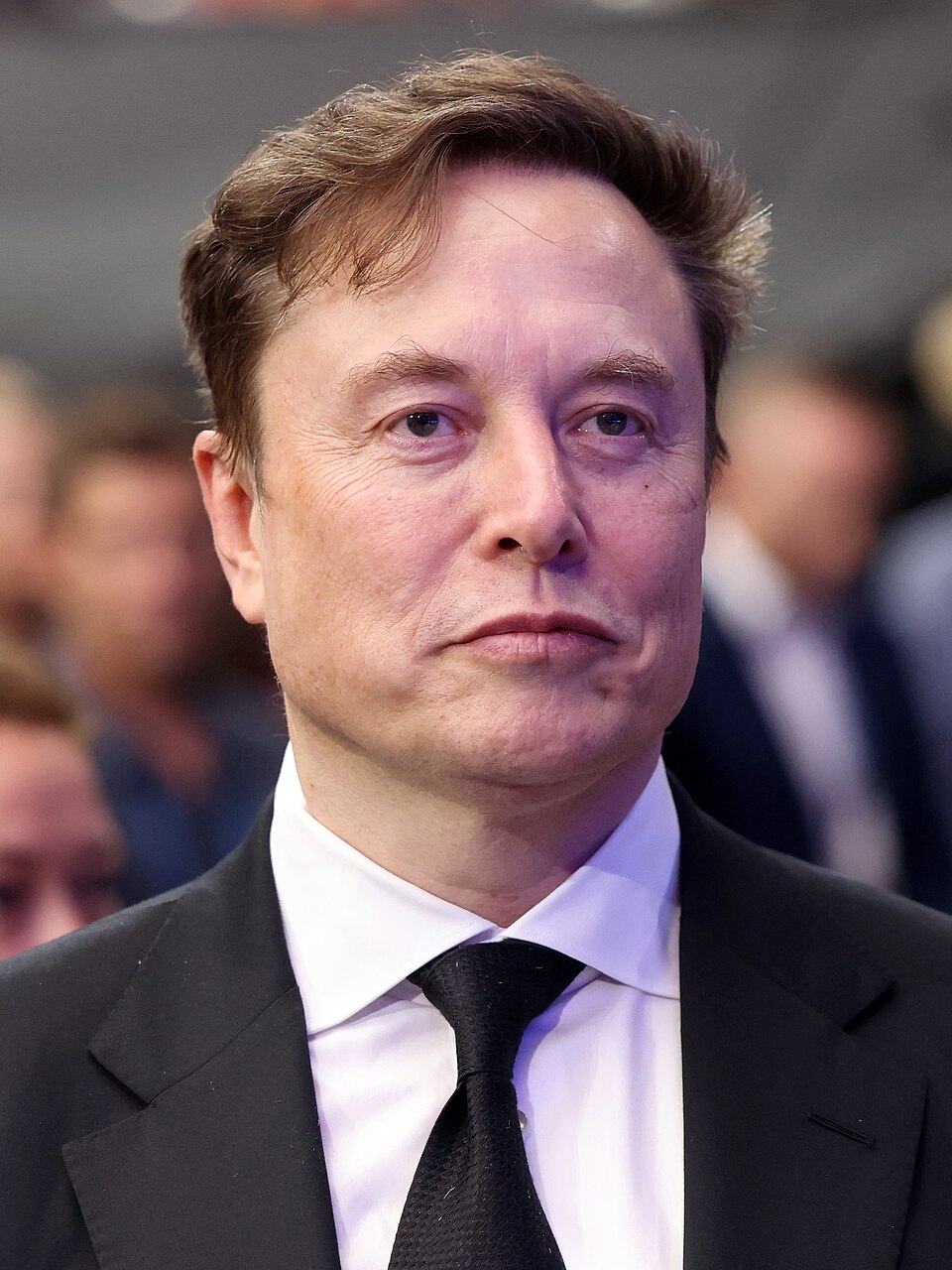
27. Elon Musk
Born 1971
This is the placing most likely to look wrong in ten years, in one direction or the other, and it is marked provisional. Elon Musk did not found Tesla or invent the electric car. He put in most of the early money in 2004 and became chief executive in 2008, and under him the company did what the industry said could not be done: it made an electric car people wanted, the Model S of 2012, then one built in the millions, and a charging network to go with them. Every large maker rewrote its plans in response. That is the whole basis of the ranking. This is a list about cars, and it takes no view on anything else.
Verdict He did not invent the electric car. He made the rest of the industry build one.
Did you know: He did not found Tesla. He joined as its main investor and chairman in 2004, a year after it was started.
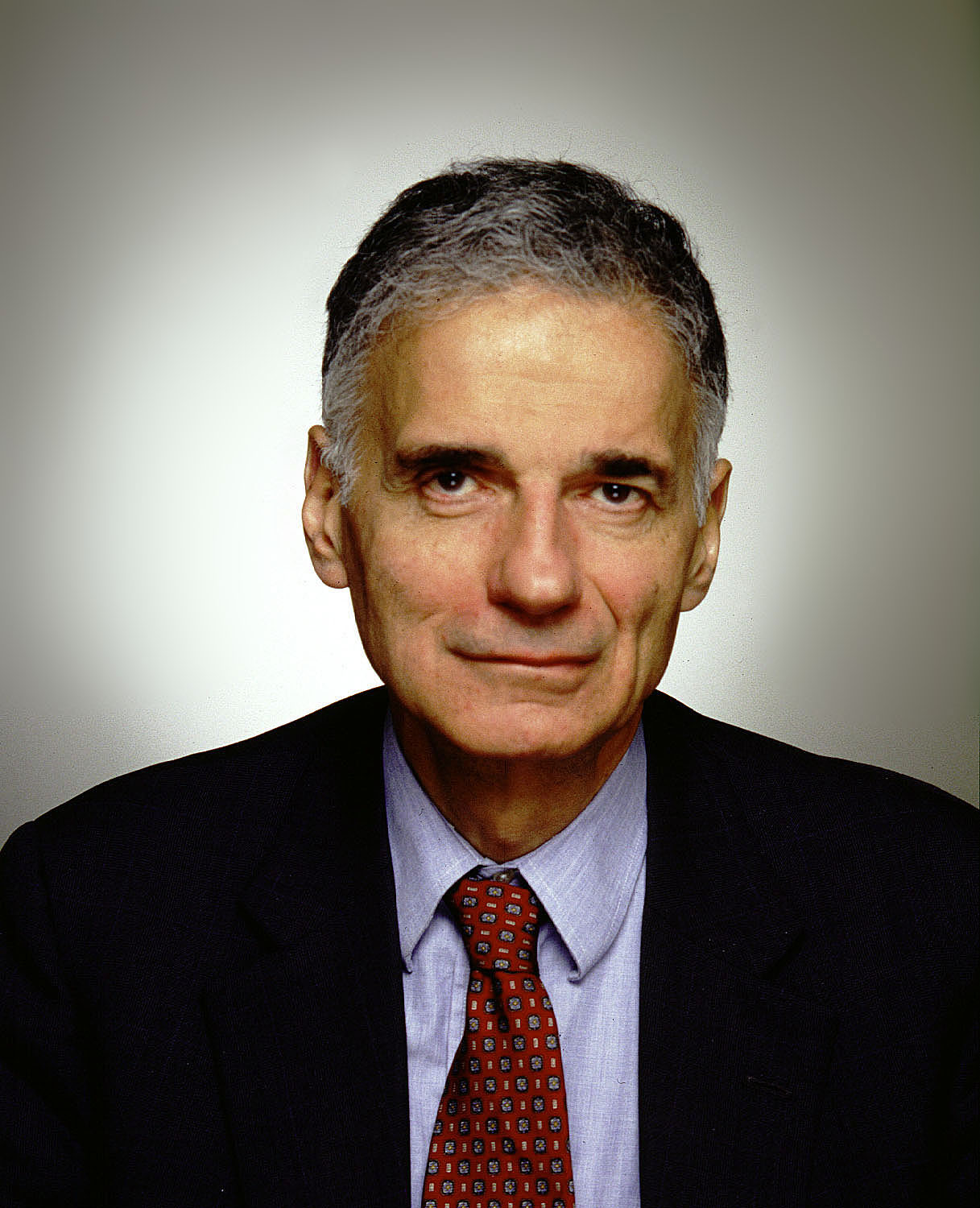
26. Ralph Nader
Born 1934
Ralph Nader has never designed, built or sold a car, and plenty of enthusiasts would say he is here for spoiling them. In 1965 he published Unsafe at Any Speed, which argued that makers knew how to build safer cars and chose not to. General Motors hired detectives to look into his private life, was found out, and its president apologised before the Senate. Congress passed the first federal vehicle safety law within months. Every car sold since has been shaped by rules that began there. The Corvair, the subject of his first chapter, was cleared by a government study in 1972. The argument about cars in general was not, and he won it.
Verdict Enthusiasts blame him for the Corvair. Every safe car since is partly his.
Did you know: General Motors hired private detectives to investigate him, and its president had to apologise to the Senate.
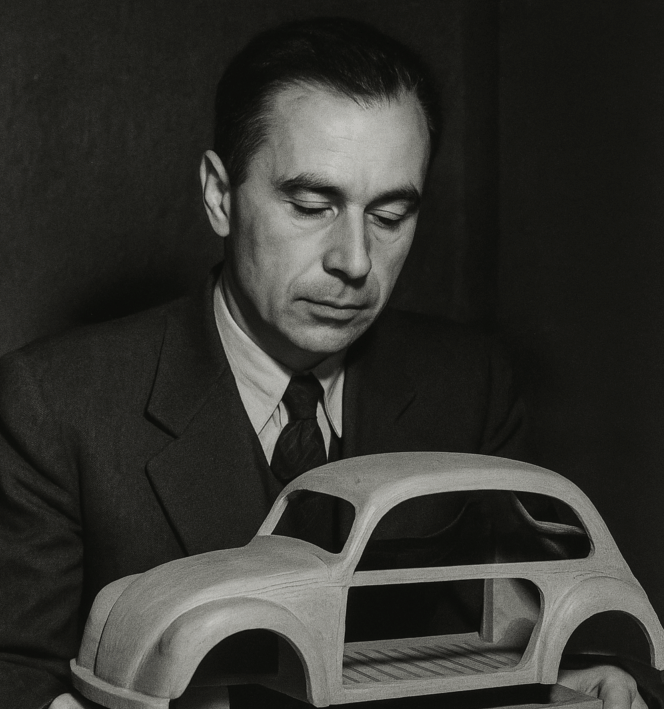
25. Béla Barényi
1907–1997
Béla Barényi worked out that a car which does not bend in a crash passes the whole blow to its occupants. His answer, patented in 1951, was a rigid cell for the people with a front and rear designed to crumple and absorb the impact. Mercedes-Benz built it into its saloons of 1959, and it is now the basis of every car's structure. He also developed the collapsing steering column. As a student in the 1920s he had drawn a rear-engined people's car, and a German court later accepted that parts of the Volkswagen idea were his before they were Porsche's.
Verdict He taught the car to break in the right places.
Did you know: He held more than 2,500 patents.
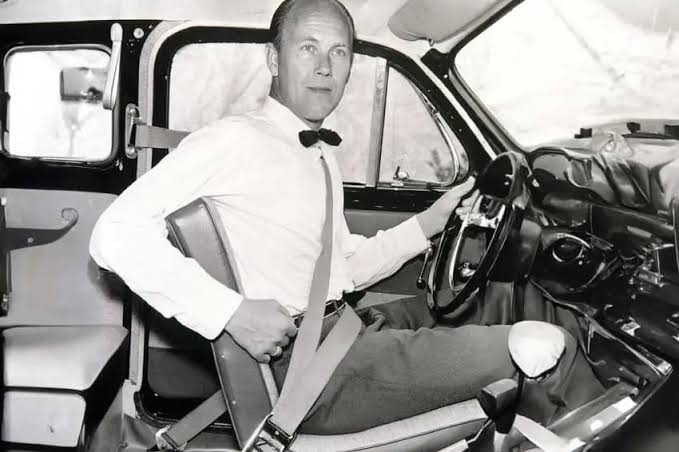
24. Nils Bohlin
1920–2002
Nils Bohlin joined Volvo in 1958 as its first safety engineer, having designed ejector seats for Saab. Within a year he had the three-point seat belt: one strap across the hips, one across the chest, joined low at the side and fastened with one hand. Volvo fitted it as standard in 1959 and then let every other maker use the patent without charge. It has been credited with saving more than a million lives. Nothing else in a car has done as much for the people inside it, and almost nothing about the design has needed to change.
Verdict One belt, three points, given away. No single part has saved more lives.
Did you know: Before he joined Volvo he designed ejector seats for Saab's jet fighters.
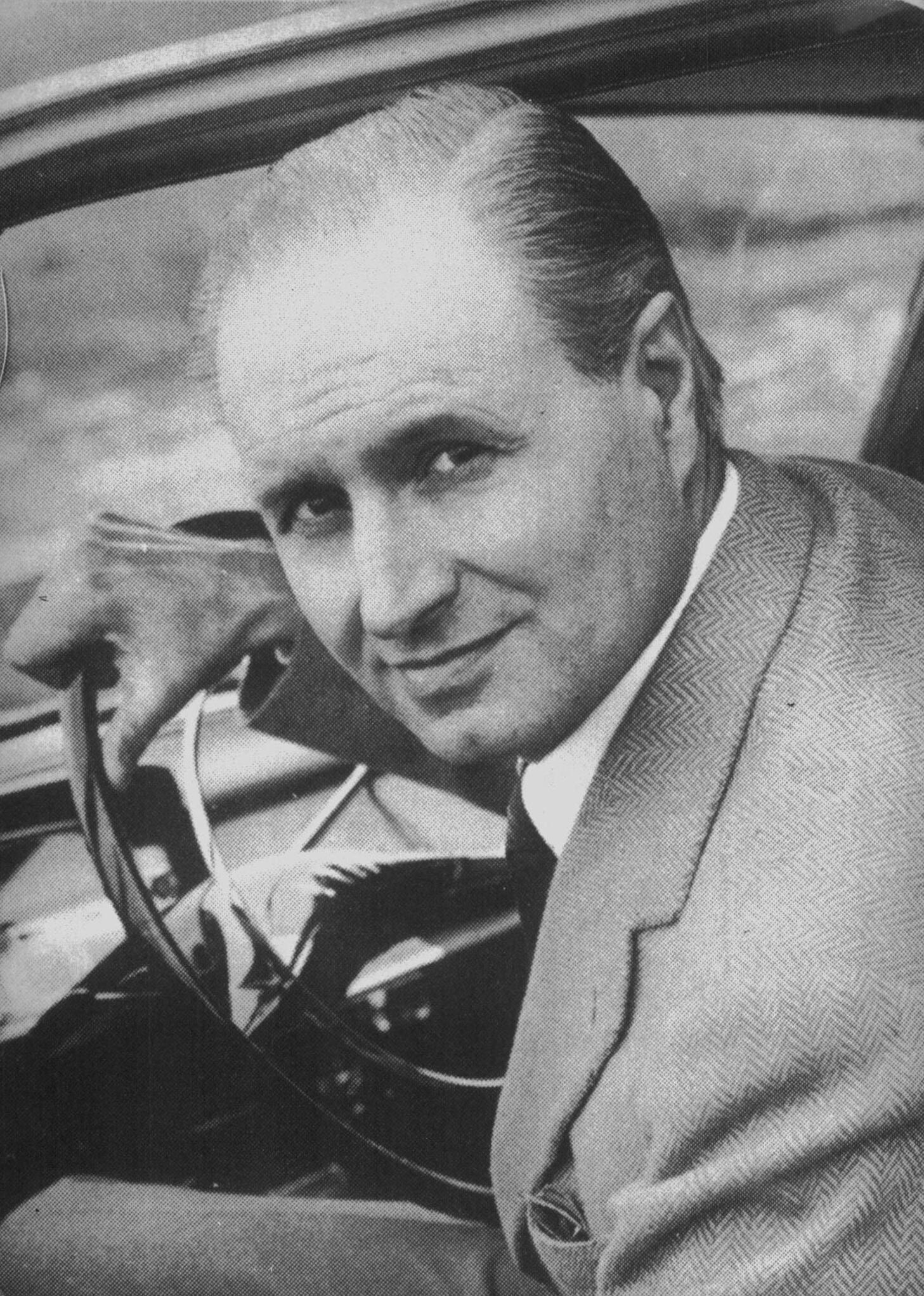
23. Dante Giacosa
1905–1996
Dante Giacosa designed the small Fiats that motorised Italy: the Topolino of 1936, the 600 of 1955, the 500 of 1957. His larger claim came later. Issigonis had put the Mini's gearbox under the engine, sharing its oil. Giacosa put it on the end of the engine instead, with driveshafts of unequal length, first in the Autobianchi Primula of 1964 and then in the Fiat 128 of 1969. It was cheaper to make and easier to service. That arrangement, not the Mini's, is the one under the bonnet of almost every front-wheel-drive car built since.
Verdict Issigonis had the idea. Giacosa's version is the one the world builds.
Did you know: He designed Fiat's small cars for forty years, from the Topolino of 1936 to the 128.
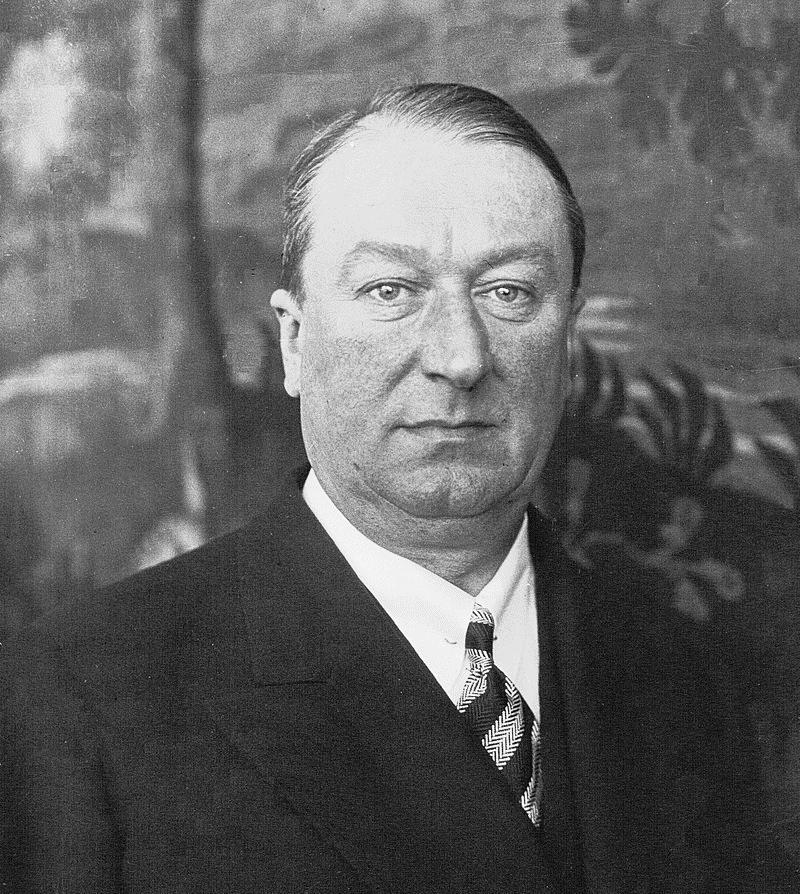
22. Ettore Bugatti
1881–1947
Ettore Bugatti came from a family of furniture makers and sculptors, and built cars as if that were the family trade. He set up at Molsheim in Alsace in 1909. The Type 35 of 1924 is credited with more than a thousand race wins, most of them in the hands of private owners who had simply bought one. He made the engine, the axle and the wheel handsome as well as functional, and he is the reason anyone talks about a car as a work of art. The Royale, the Atlantic and the modern company's entire pitch follow from that.
Verdict He made the case that a car could be art, and won races to prove it was not only that.
Did you know: He was born in Milan to a family of artists and built his cars in Alsace.
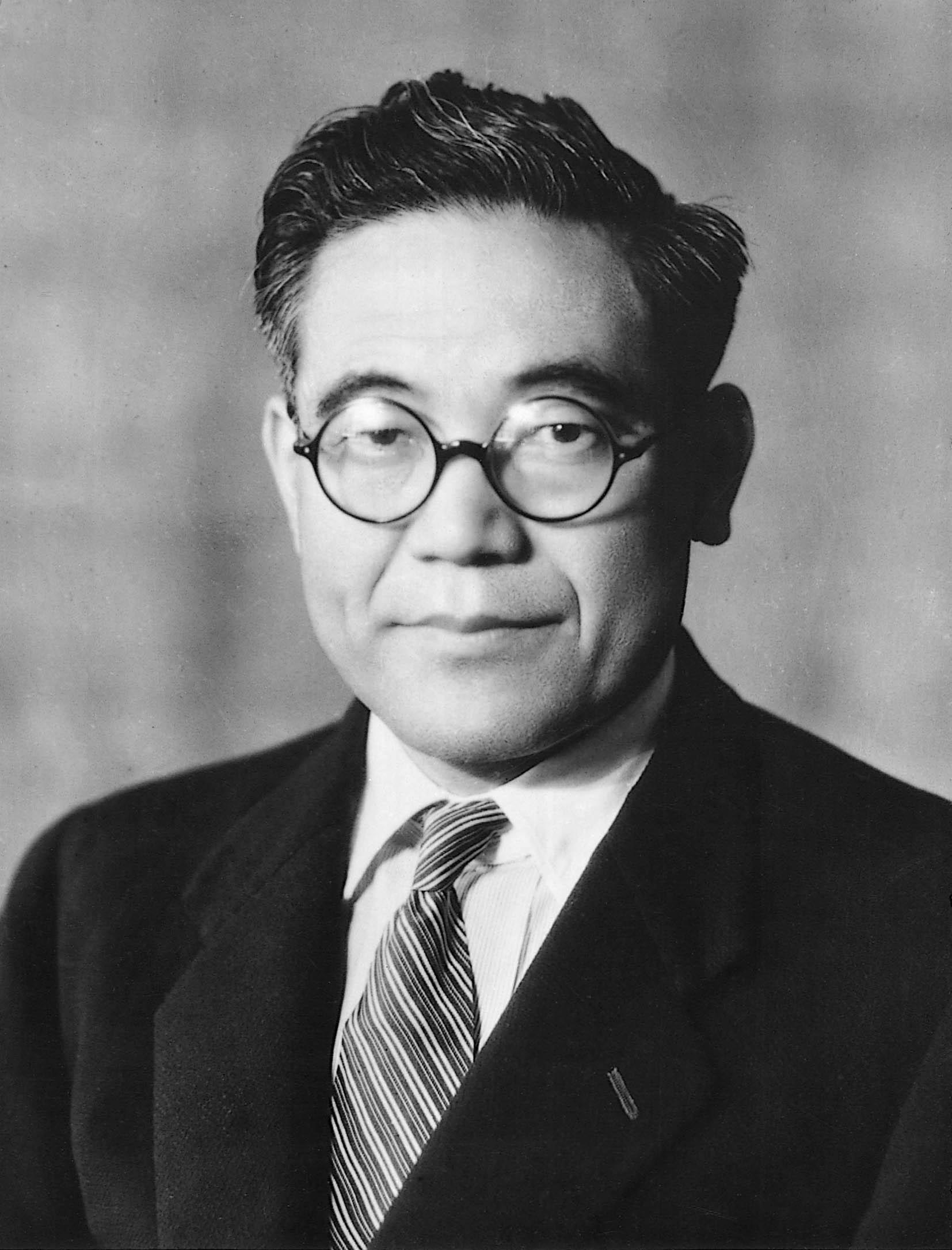
21. Kiichiro Toyoda
1894–1952
His father invented an automatic loom, and the family expected Kiichiro Toyoda to make looms. He used the money from selling the loom patents to start a car department in 1933, against the doubts of much of the board, and it became the Toyota Motor Company in 1937. He set the principle that a part should arrive just in time to be used, which Taiichi Ohno later turned into a system. In 1950, with the company near collapse and its workers on strike, he resigned to take the blame. He died two years later, before it recovered. Toyota became the largest car maker in the world.
Verdict He bet a loom company on cars, and did not live to see the bet pay.
Did you know: The family name is Toyoda. The company was called Toyota because it takes eight brush strokes to write, a lucky number.
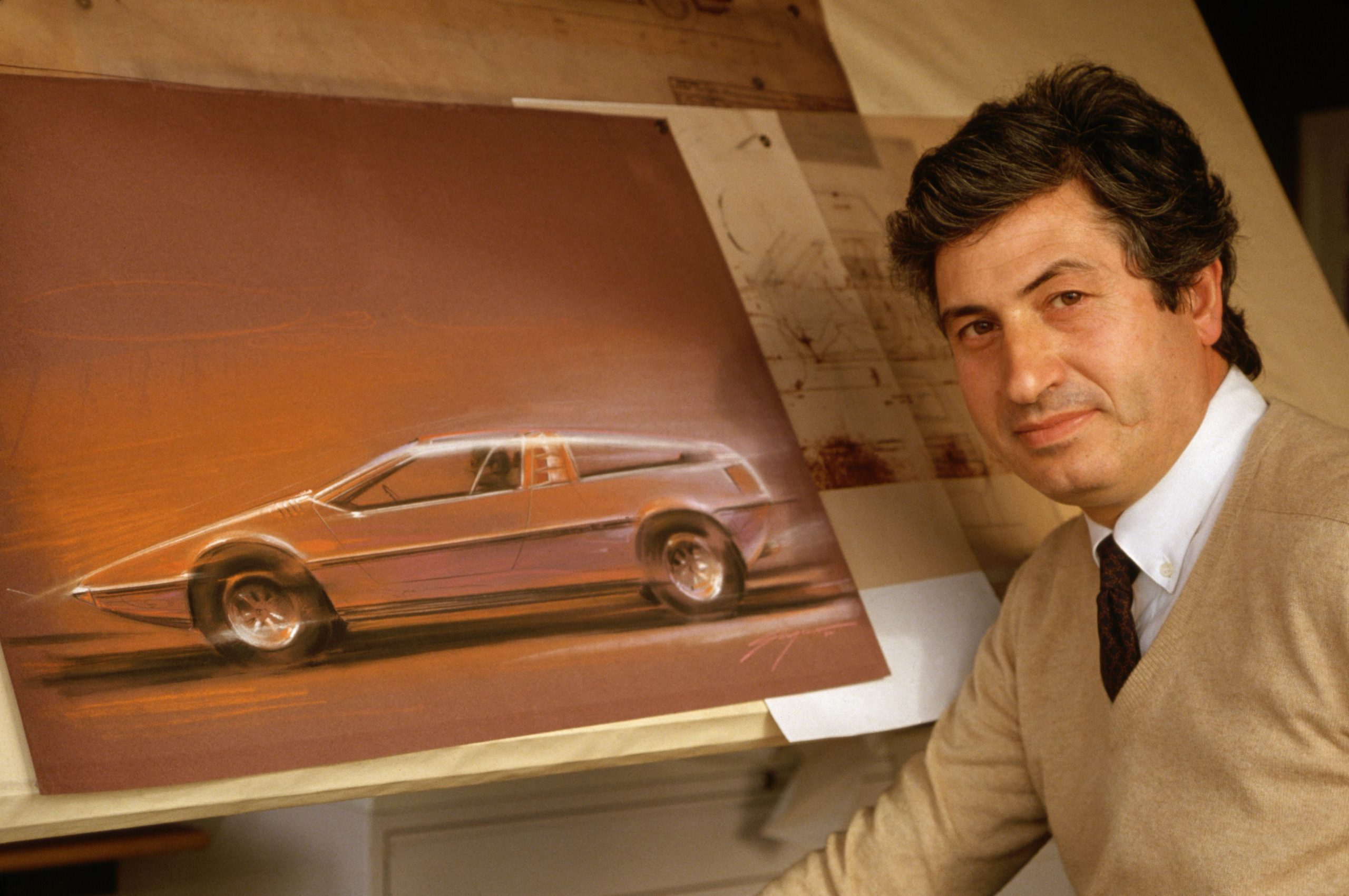
20. Giorgetto Giugiaro
Born 1938
Giorgetto Giugiaro was running Bertone's styling at 21 and founded Italdesign in 1968. He has drawn low, sharp cars that people put on their walls, among them the Lotus Esprit, the BMW M1 and the DeLorean. He is at 20 for the others. The first Volkswagen Golf of 1974 replaced the Beetle and set the shape of the family hatchback: upright, square-cut, a tailgate at the back. The Fiat Panda and Uno did the same job a size down. It is likely that more people have owned a car he designed than one by anyone else in his trade.
Verdict He drew supercars for a living and the Golf for everybody.
Did you know: In 1999 a jury of motoring journalists voted him car designer of the century.
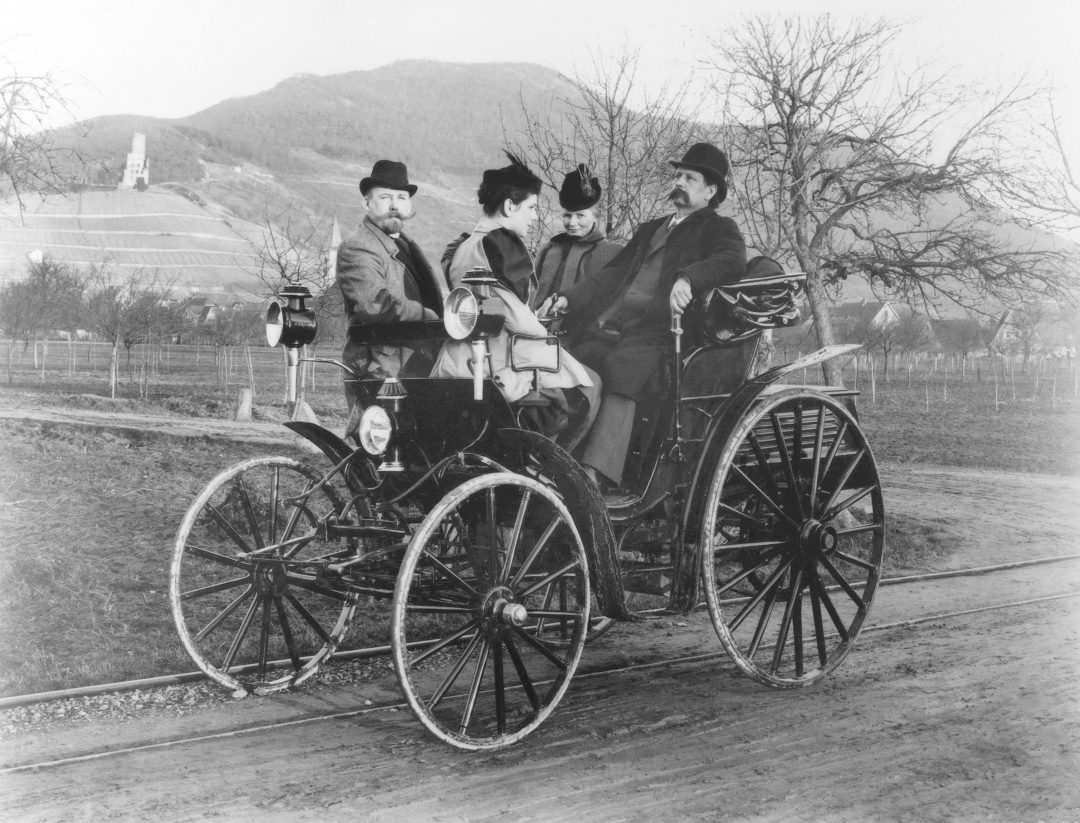
19. Bertha Benz
1849–1944
In August 1888 Bertha Benz took her husband's car without telling him and drove it, with their two teenage sons, about 65 miles from Mannheim to her mother's in Pforzheim. Nobody had driven a car any real distance before. She cleared a blocked fuel line with a hatpin, had a cobbler nail leather to the brake blocks, and bought fuel at a chemist's. The trip showed buyers that the thing worked, and it was her dowry that had paid for the company. She is the only woman on the list, a fact we take up in the introduction. She is here on merit.
Verdict The first long drive, the first road test, and the money behind the first car.
Did you know: On her 1888 journey she bought fuel from a chemist's shop, which makes it the first filling station.
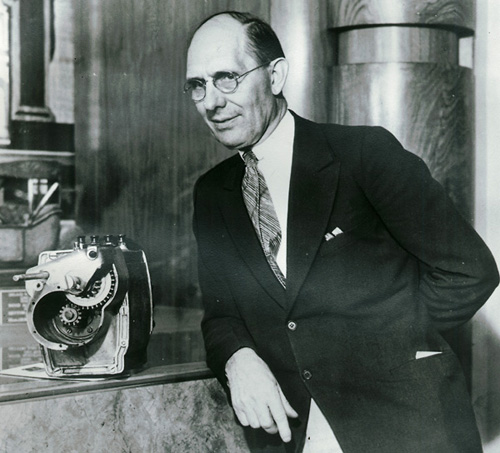
18. Charles Kettering
1876–1958
Charles Kettering's electric starter went on the 1912 Cadillac. Until then starting a car meant swinging a handle that could break an arm, and that kept a great many people from driving at all. The starter removed the need for strength, and with it the main advantage of the electric cars of the day. He then ran General Motors' research for 27 years. His laboratory's fast-drying paints cut days from building a car. It also found, in 1921, that adding lead to petrol stopped engine knock, and the world breathed the result for the rest of the century.
Verdict He made the car something anyone could start. The lead was his laboratory's too.
Did you know: His electric starter was fitted to the 1912 Cadillac, after a friend of the company's founder was killed by a starting handle.
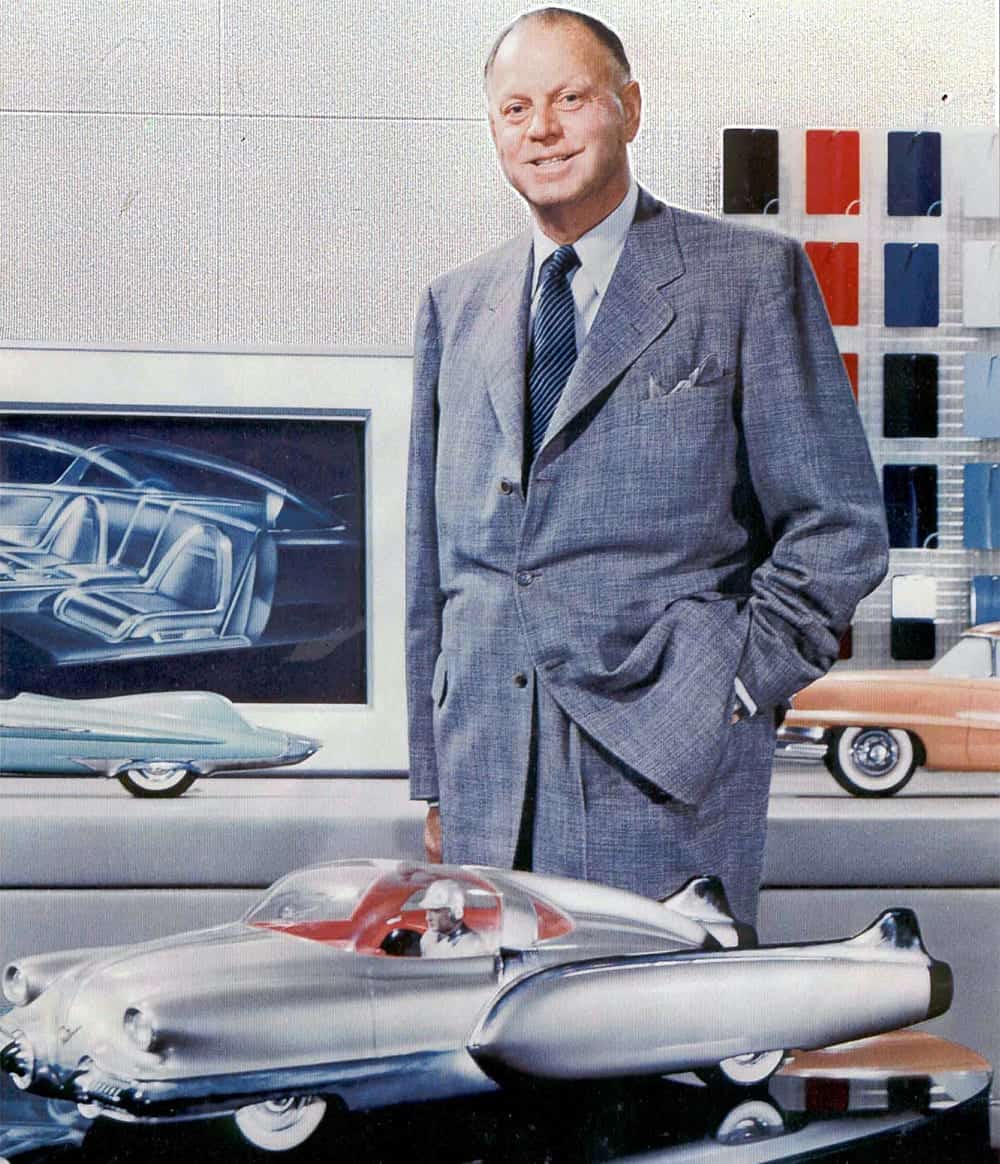
17. Harley Earl
1893–1969
Before Harley Earl, engineers decided what a car looked like. Alfred Sloan hired him from a Hollywood coachbuilder in 1927 to run a new department at General Motors, and for the next 31 years he decided instead. He modelled full-size cars in clay, which every studio still does. His Buick Y-Job of 1938 is generally counted as the first concept car, built to test the public's taste. The tailfin, the wraparound windscreen, the Motorama shows and the Corvette all came from his studio. He made the look of a car the main reason to buy a new one.
Verdict He invented the job of car designer, and the concept car with it.
Did you know: He introduced the clay model to car design. Studios still use it.
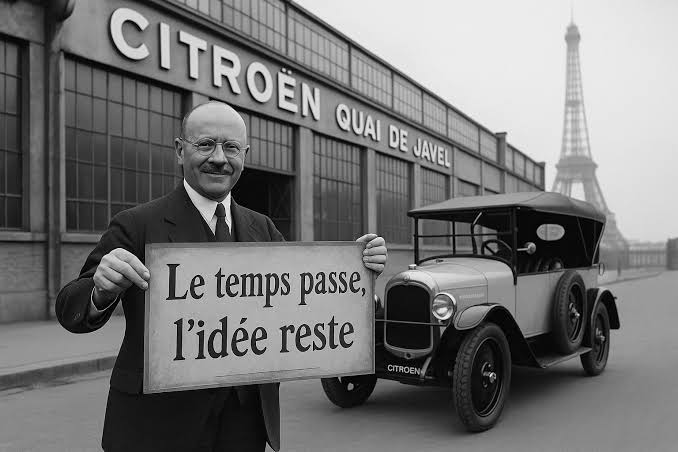
16. André Citroën
1878–1935
André Citroën made gears and then artillery shells, and in 1919 turned the shell factory on the Quai de Javel into the first European plant to build cars the way Ford did. The Type A was the first mass-produced car on the continent. He sold it with a flair nobody had seen: his name in lights on the Eiffel Tower, expeditions across Africa and Asia in his half-tracks. In 1934 he launched the Traction Avant, with front-wheel drive and a welded steel body with no separate chassis. Developing it bankrupted him. Michelin took the company, and he died the next year.
Verdict He brought mass production to Europe and went broke building the future.
Did you know: From 1925 to 1934 his name was spelled out in lights down the side of the Eiffel Tower.
The top 15
- Years
- 1928–1982
Person · UK
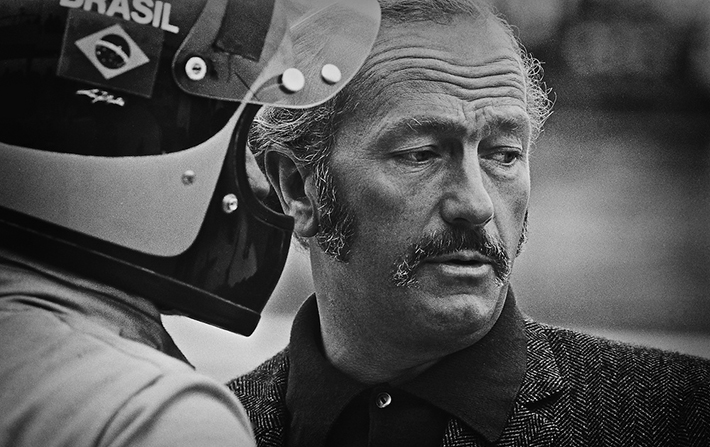
15. Colin Chapman
Colin Chapman is the first racing man on the list after Enzo Ferrari, and the only one in the top fifteen who is here as a racing engineer. The case is that the modern racing car is his in almost every part. The Lotus 25 of 1962 replaced the tube frame with a monocoque. The 49 of 1967 bolted its engine, the Cosworth DFV, to the back of the tub and hung the suspension from it. In 1968 his cars carried wings and, in the same season, a tobacco company's colours instead of national green. A decade later the 78 and 79 used the underside of the car to pull it to the road. His team won seven constructors' titles.
The road cars, from the Seven to the Elan, taught the same lesson at lower speed: weight is the enemy. He died in 1982, aged 54, with questions about money from the DeLorean project unanswered.
He is ahead of the other designers because they refined ideas. He kept having new ones.
Verdict Monocoque, stressed engine, wings, sponsorship, ground effect: one man's list.
His rule for design was to simplify, then add lightness.
- Years
- 1906–1988
Person · UK
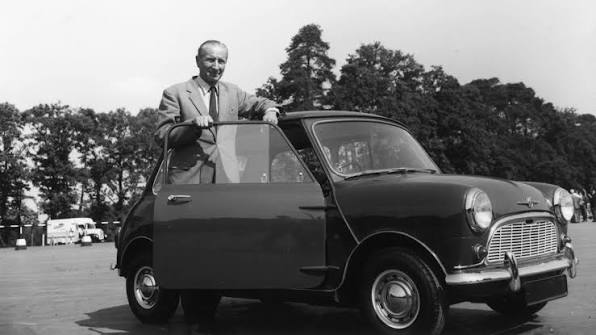
14. Alec Issigonis
Alec Issigonis was born in Smyrna to a father of Greek descent with British nationality, and came to England in his teens. His Morris Minor of 1948 was the first British car to sell a million. Then the Suez crisis brought petrol rationing, and the head of the British Motor Corporation asked him for a proper small car to drive the bubble cars off the road.
The Mini of 1959 was ten feet long and four-fifths of that length was for people and luggage. He got there by turning the engine sideways, putting the gearbox underneath it in the sump, driving the front wheels and fitting ten-inch wheels at the corners. More than five million were made over 41 years.
Its importance is the layout. A transverse engine driving the front wheels is how nearly every small and medium car has been built since the 1970s. Dante Giacosa, at 23, tidied up the gearbox; the proof that it could be done in a cheap car was this one.
Verdict He turned the engine sideways, and most of the world's cars followed.
He drew the first sketch of the Mini on a tablecloth, and disliked market research.
- Years
- 1861–1942
Person · Germany
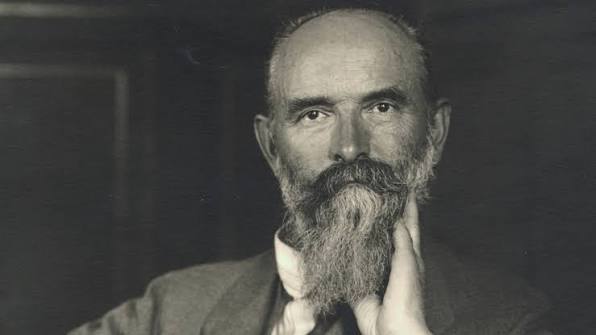
13. Robert Bosch
Robert Bosch opened a workshop in Stuttgart in 1886, the year of Benz's patent. Early engines were hard to light: hot tubes and weak sparks made them unreliable at anything above a crawl. In 1897 his firm adapted a magneto to fire a vehicle engine, and in 1902 it delivered the high-voltage version with a spark plug, which solved the problem for good. By the First World War nearly every serious car engine in the world used a Bosch magneto.
The pattern held after him. The company that carries his name produced the diesel injection pump in 1927, electronic fuel injection in the 1960s, anti-lock brakes in 1978 and stability control in 1995, each time selling to every maker at once. Much of what a modern car does is done by parts its maker bought in.
He also gave his workers an eight-hour day in 1906, and left most of the company to a charitable foundation, which still owns it.
Verdict He made the engine fire reliably, and founded the firm that has supplied the clever parts ever since.
He introduced the eight-hour working day in his factory in 1906.
- Years
- 1853–1931 and 1859–1940
Person · France
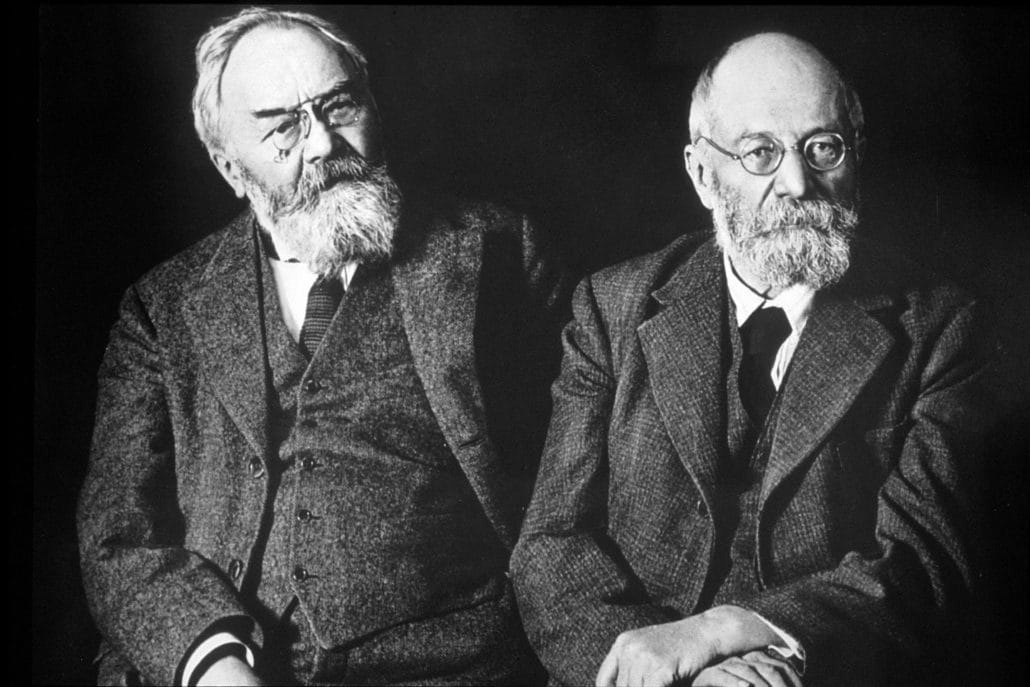
12. André and Édouard Michelin
A car is only as good as the four patches of rubber it stands on, and for most of its history the people who understood that best were in Clermont-Ferrand. André Michelin ran the business and the publicity; his younger brother Édouard ran the factory. In 1891 they made a pneumatic bicycle tyre that could be taken off and repaired in minutes. In 1895 they fitted air-filled tyres to a car for the first time and drove it in the Paris-Bordeaux-Paris race. It had puncture after puncture and finished far behind, and within a few years no one built a car on anything else.
In 1900 they published a guide to garages, hotels and places to eat, to give motorists somewhere to drive. The company they built went on, after their deaths, to introduce the radial tyre in the late 1940s, the largest single advance in grip and tyre life since the pneumatic itself. It also owned Citroën for forty years.
Verdict They put the car on air, then gave its owner somewhere to go.
They published a guide to hotels and restaurants in 1900 to encourage people to wear out their tyres.
- Years
- 1906–1991
Person · Japan
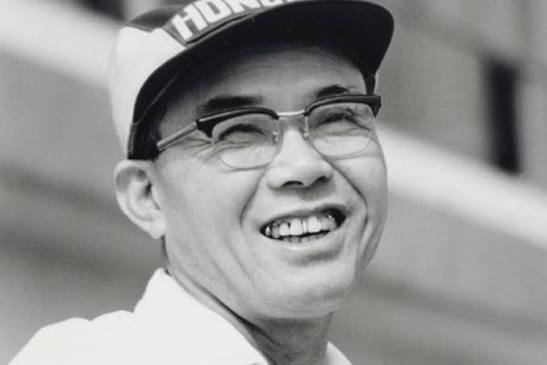
11. Soichiro Honda
Soichiro Honda was a blacksmith's son who started in 1946 by fitting surplus generator engines to bicycles. The company he founded two years later became the world's largest maker of motorcycles within about a decade, and its Super Cub of 1958 has since been built more than 100 million times, which makes it the most produced motor vehicle there has been. For much of the world, that machine and its descendants are motoring.
He came to cars late, in 1963, against the wishes of a government that wanted fewer Japanese car makers, and had a Formula 1 win by 1965. In 1972 his engineers produced the CVCC engine, which met the new American emissions law without a catalytic converter at a time when Detroit said the law could not be met. The Civic it went into, and the Accord that followed, were built with a care that reset what buyers expected of an ordinary car.
He is the highest-placed founder from outside Europe and America.
Verdict He put more people on powered wheels than anyone, and then taught Detroit about engines.
He began by fitting army-surplus generator engines to bicycles in 1946.
- Years
- 1858–1913
Person · Germany
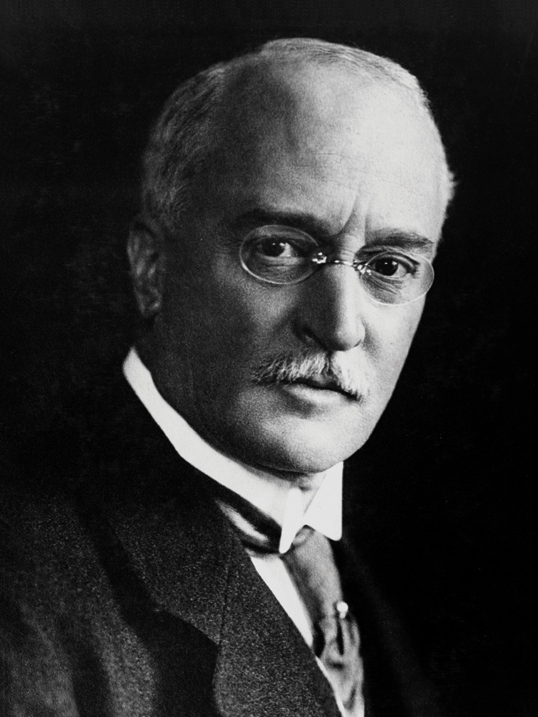
10. Rudolf Diesel
Rudolf Diesel patented his engine in 1892 and had one running properly in 1897. It needed no spark. Air was compressed until it was hot enough to ignite the fuel, and because the compression was so high it turned far more of the fuel into work than any petrol or steam engine of the day.
He never saw one in a car. In 1913 he boarded a steamer from Antwerp to Harwich and was not on it when it arrived; the first diesel passenger cars went on sale in 1936. But this list is about motoring, and motoring is more than cars. Every lorry, bus, tractor and ship that carries what the modern world eats and buys runs on his principle, and at its peak so did half the new cars sold in Europe.
He is tenth, below Otto, because the petrol engine put the world on wheels first. The diesel is what kept the shops full.
Verdict He never saw a diesel car. The world's goods still move on his engine.
He disappeared from a steamer crossing the English Channel in 1913. His body was found ten days later.
- Years
- 1843–1897
Person · France
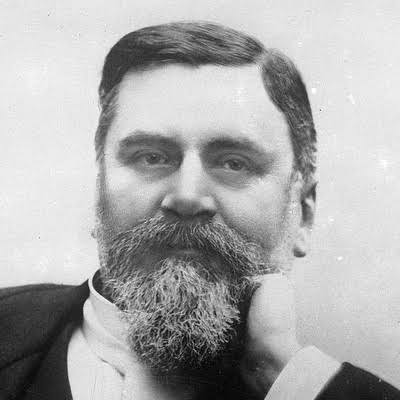
9. Émile Levassor
Benz put the engine under the seat and Daimler put it in a carriage. Émile Levassor decided where it should go. In 1891 the Panhard et Levassor had its engine upright at the front under a cover, a clutch behind it, a gearbox behind that, and drive to the rear wheels. The French called it the Système Panhard. It was the layout of most cars for the next seventy years and it is still the layout of a great many.
He also showed what the machine could do. In 1895 he drove from Paris to Bordeaux and back, 732 miles, in 48 hours and 48 minutes, without handing over to his relief driver, and finished hours ahead of the next car. He was denied first prize because his car had two seats and the rules asked for four. He was hurt in a race the following year and died in 1897.
Of his own gearbox he is supposed to have said that it was brutal, but it worked.
Verdict Engine at the front, gearbox behind it, drive to the back: he drew the car's plan.
He won the 1895 Paris-Bordeaux-Paris race by driving for 48 hours without a relief driver.
- Years
- 1832–1891
Person · Germany
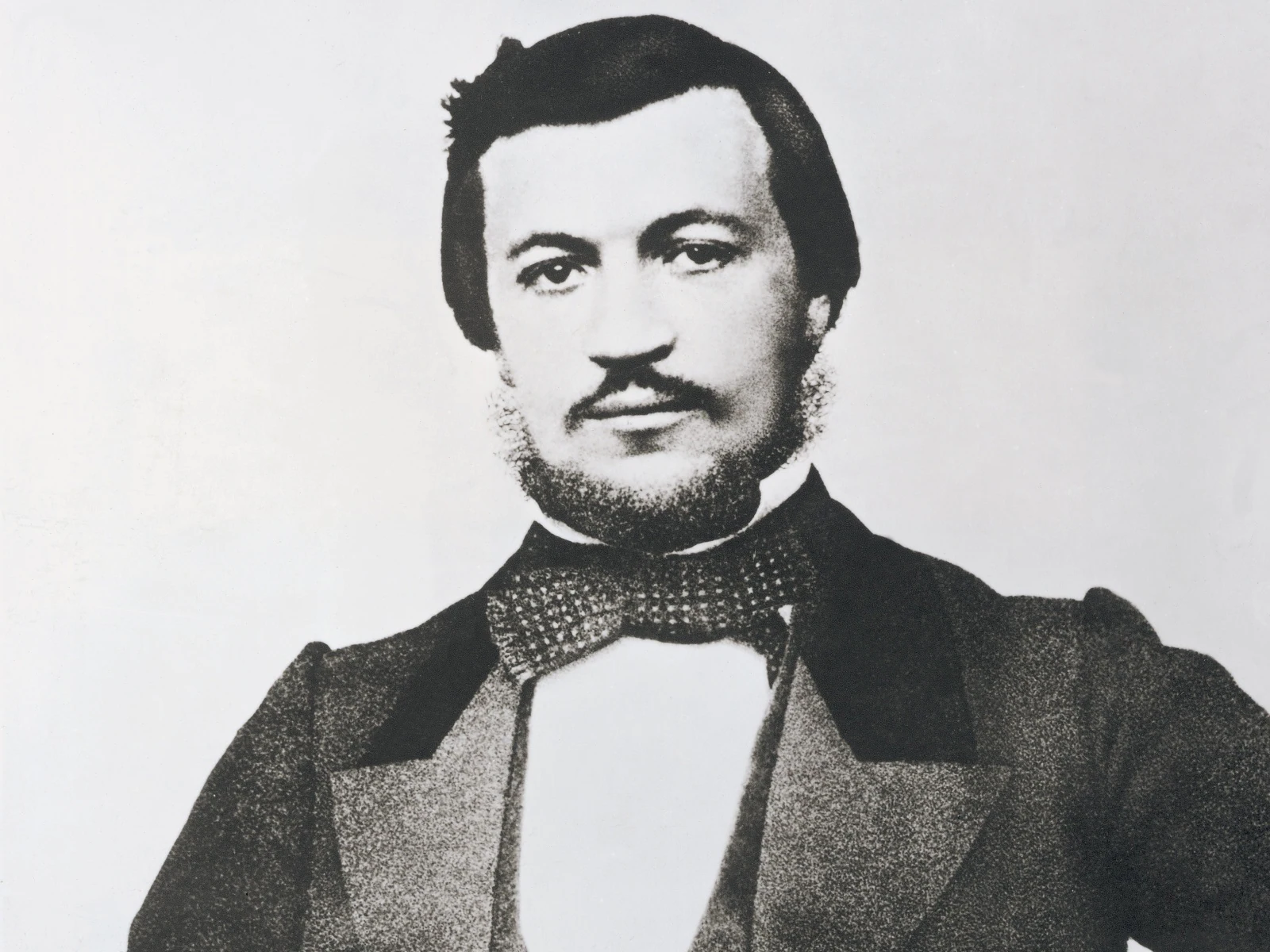
8. Nikolaus Otto
Nikolaus Otto never built a car, and his engine ran on town gas and stayed bolted to a factory floor. He is eighth because of what happened inside it. In 1876, at the Deutz works near Cologne, he made the first practical engine to work on four strokes: draw in the mixture, compress it, burn it, push it out. Nearly every petrol car engine since has run on that cycle, and it still carries his name.
The connection to the car is direct. His factory manager was Gottlieb Daimler and his chief designer was Wilhelm Maybach, who left in 1882 to make the engine small and fast enough to move a vehicle. In 1886 a German court struck down Otto's patent, on the grounds that a Frenchman had described the cycle years earlier, and anyone could then build a four-stroke without paying him. That was the year Benz got his patent.
He had no engineering training. He had been a salesman.
Verdict He never built a car, and almost every car since has run on his cycle.
He was a travelling salesman of groceries with no engineering training.
- Years
- 1898–1988
Person · Italy
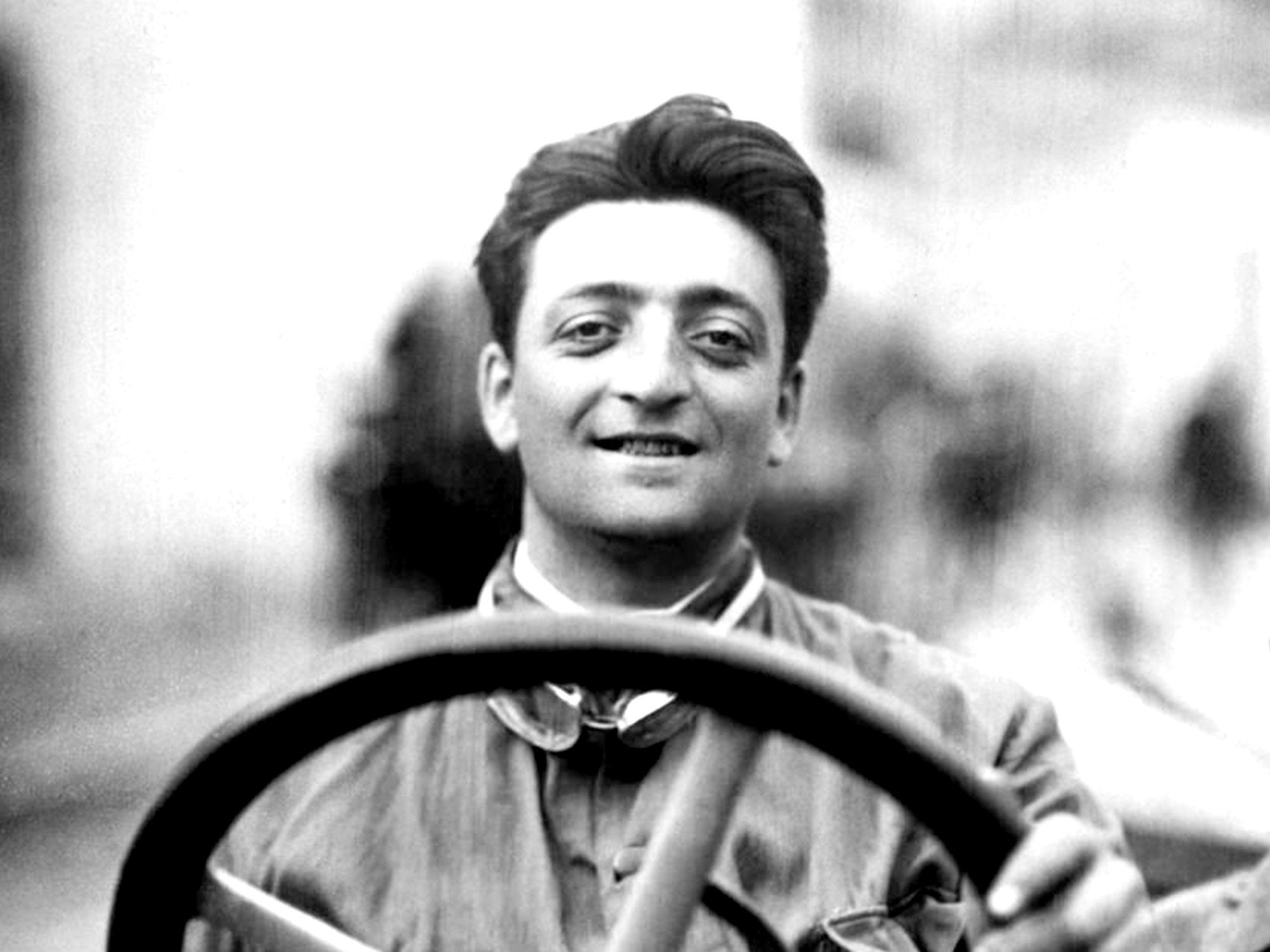
7. Enzo Ferrari
Seventh will look low to anyone who came to cars through racing, and absurdly high to anyone who thinks a list like this should be about transport. Both objections are fair, so here is the reasoning.
The test is how different the car world would be without the person. Without the six above there is no car, or no cheap car, or no industry in the form we know. Without Enzo Ferrari, people would still drive to work. That keeps him out of the top five.
But nobody did more to make the car an object of desire. He raced for Alfa Romeo, ran its team from 1929 under his own shield, and built the first car with his name on it in 1947, at the age of 49. His team is the only one to have entered every season of the Formula 1 world championship. He said the road cars existed to pay for the racing, and in doing so he set the arrangement every sports car maker has copied since: win on Sunday, charge accordingly. The name is among the most valuable in any industry.
He is the highest-placed person here whose business was speed, and we think that is the right ceiling.
Verdict The highest anyone gets for building fast cars, and the placing we expect to defend most often.
He said he built road cars only to pay for the racing.
- Years
- 1912–1990
Person · Japan
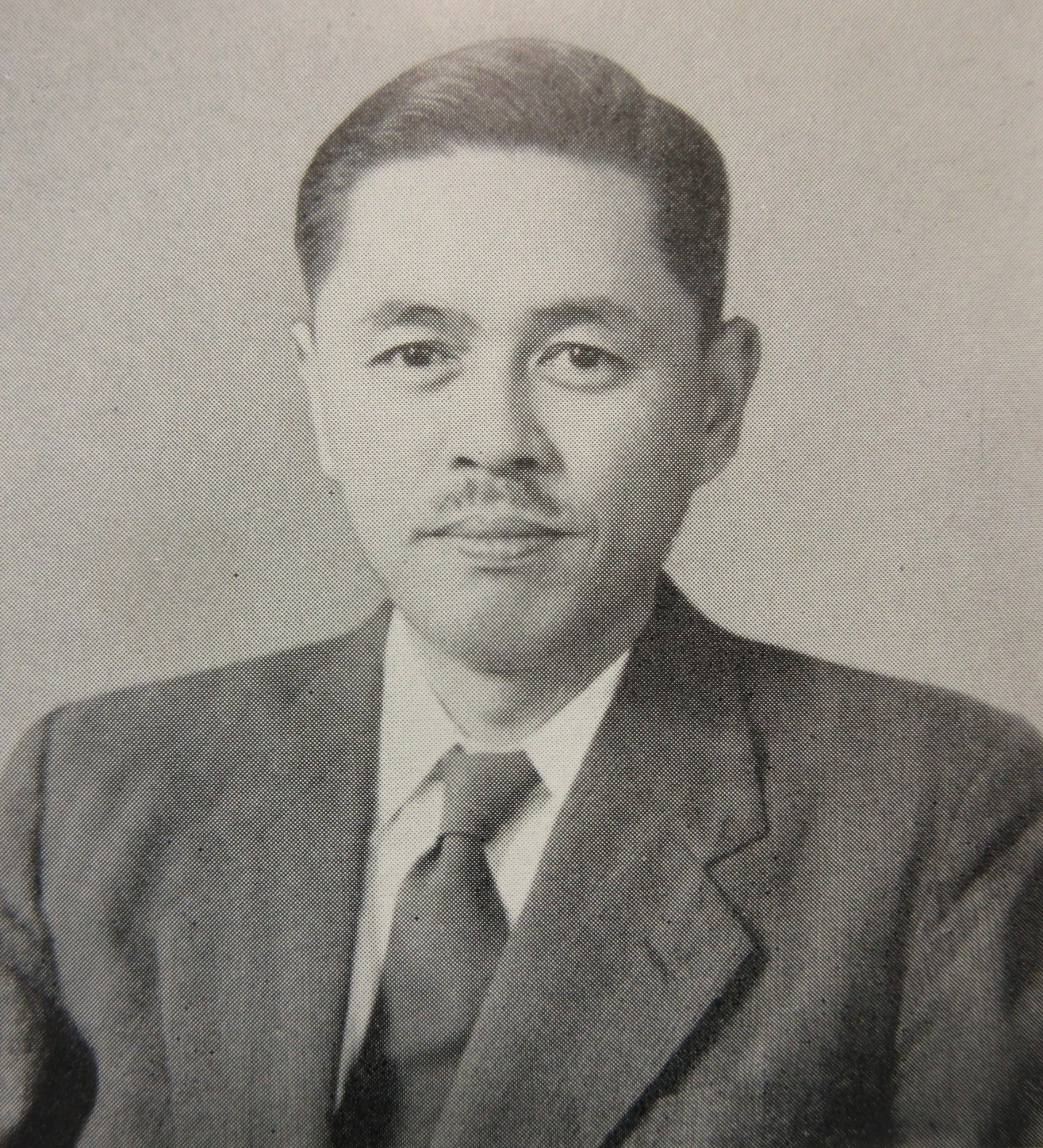
6. Taiichi Ohno
If Sloan is the least-known name in the top five, Taiichi Ohno is the least known on the whole list, and he is sixth. He moved to Toyota's car business in 1943 from the family's textile company and spent thirty years on its factory floors working out how to build cars with almost no money, space or stock.
The result was the Toyota Production System. Parts are made only when the next station asks for them. Any worker can stop the line when something is wrong, so that a fault is fixed where it starts. Everything that does not add value is treated as waste and removed. Western makers ignored it until the 1970s, when Toyota's cars turned out to be both cheaper and better made than theirs. American researchers gave it the name lean production in 1990.
Every car factory in the world now runs some version of it, and so do hospitals and software firms. Ford showed how to make cars in quantity. Ohno showed how to make them in quantity without making them badly.
Verdict No car carries his name. Every factory carries his method.
He said he got the idea of making parts only as they were needed from watching an American supermarket restock its shelves.
- Years
- 1875–1966
Person · USA
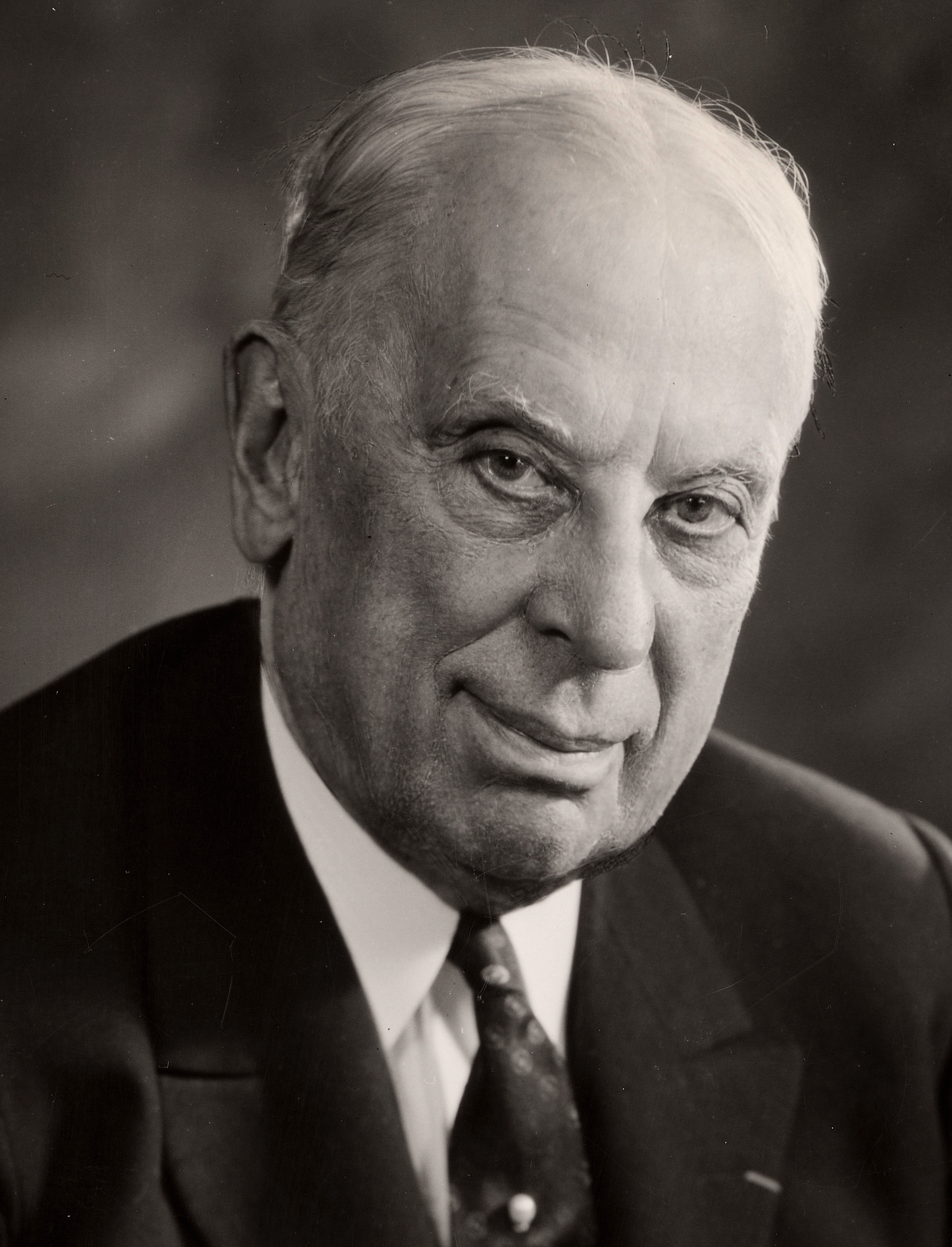
5. Alfred Sloan
This is the first placing we expect to be argued with, because Alfred Sloan never designed a car and most enthusiasts could not pick him out of a photograph. He ran General Motors from 1923 and chaired it until 1956, and in that time he worked out how the car business operates.
Ford offered one car and cut the price. Sloan offered a ladder: Chevrolet at the bottom, Cadillac at the top, and a step between for each rise in income. He changed the models every year so that last year's looked old. He lent customers the money, took their old car in part exchange, and set up the first styling department under Harley Earl to give them a reason to come back. By the end of the 1920s General Motors had passed Ford, and it stayed the largest car maker in the world for more than seventy years.
Model years, trading up, finance, brands arranged by price: all of it is his. He is ahead of Enzo Ferrari because every car maker, Ferrari included, sells cars his way.
Verdict He never drew a car. He designed the business that sells all of them.
His slogan for General Motors was a car for every purse and purpose.
- Years
- 1875–1951
Person · Austria / Germany
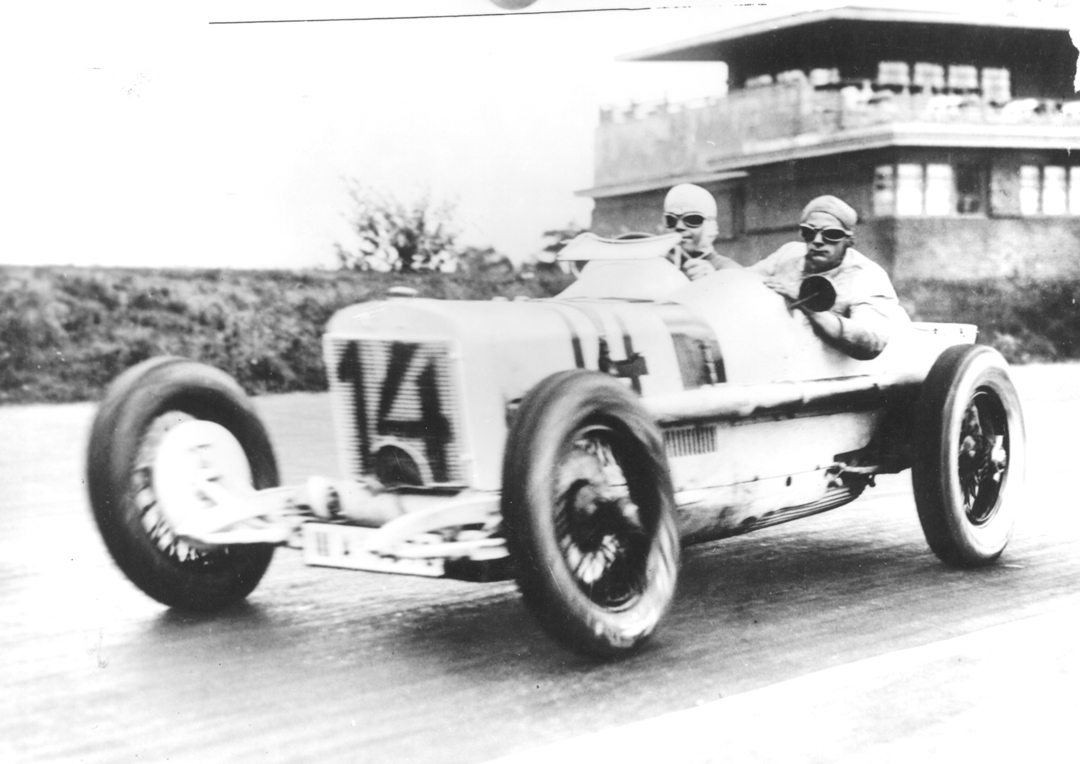
4. Ferdinand Porsche
No engineer's career covers more of the car's history. In 1900 he showed a Lohner with electric motors in its wheel hubs, and soon after a version with a petrol engine to charge the batteries, a hybrid more than a century early. He designed for Austro-Daimler and then Daimler-Benz, where the supercharged Mercedes S-series were his. In 1931 he opened his own design office in Stuttgart. From it came the Auto Union Grand Prix cars, with sixteen cylinders behind the driver, and the Volkswagen, of which more than 21 million were eventually built.
The Volkswagen was a commission from Hitler's government. Porsche joined the Nazi party and designed military vehicles during the war, and the factory built for his car was run with forced labour. The French held him for twenty months afterwards without trial. Those are facts, and they belong beside the engineering.
The sports car company that carries the name was his son's work, and Ferry Porsche is at 31.
Verdict The hybrid, the Beetle and the mid-engined Grand Prix car, with a record that has to be read whole.
In 1900 he built a car with an electric motor in each wheel hub, and a petrol engine to charge its batteries.
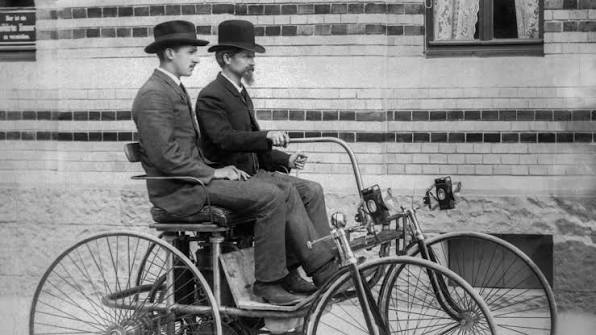
- Years
- 1834–1900 and 1846–1929
Person · Germany
3. Gottlieb Daimler and Wilhelm Maybach
They are ranked together because the work cannot be divided. Gottlieb Daimler had the money and the purpose; Wilhelm Maybach did most of the design. In 1885 they produced a small petrol engine that ran several times faster than anything before it, light enough to move a vehicle. They put it in a wooden motorcycle that year and a four-wheeled carriage the next.
Benz is ahead because he conceived a whole car and they began by motorising a coach. But their engine travelled further than his. Panhard and Peugeot built it under licence, so the French industry, the first of any size, started on Daimler power. Maybach added the spray carburettor in 1893. Then, within a year of Daimler's death, he designed the Mercedes of 1901: pressed-steel frame, honeycomb radiator, engine low at the front. It made everything else on the road look like a carriage, and it is the pattern the next half-century followed.
Verdict One man built the first car. These two built the engine everyone else used.
Their first engine went into a wooden motorcycle in 1885, a year before it went into a carriage.
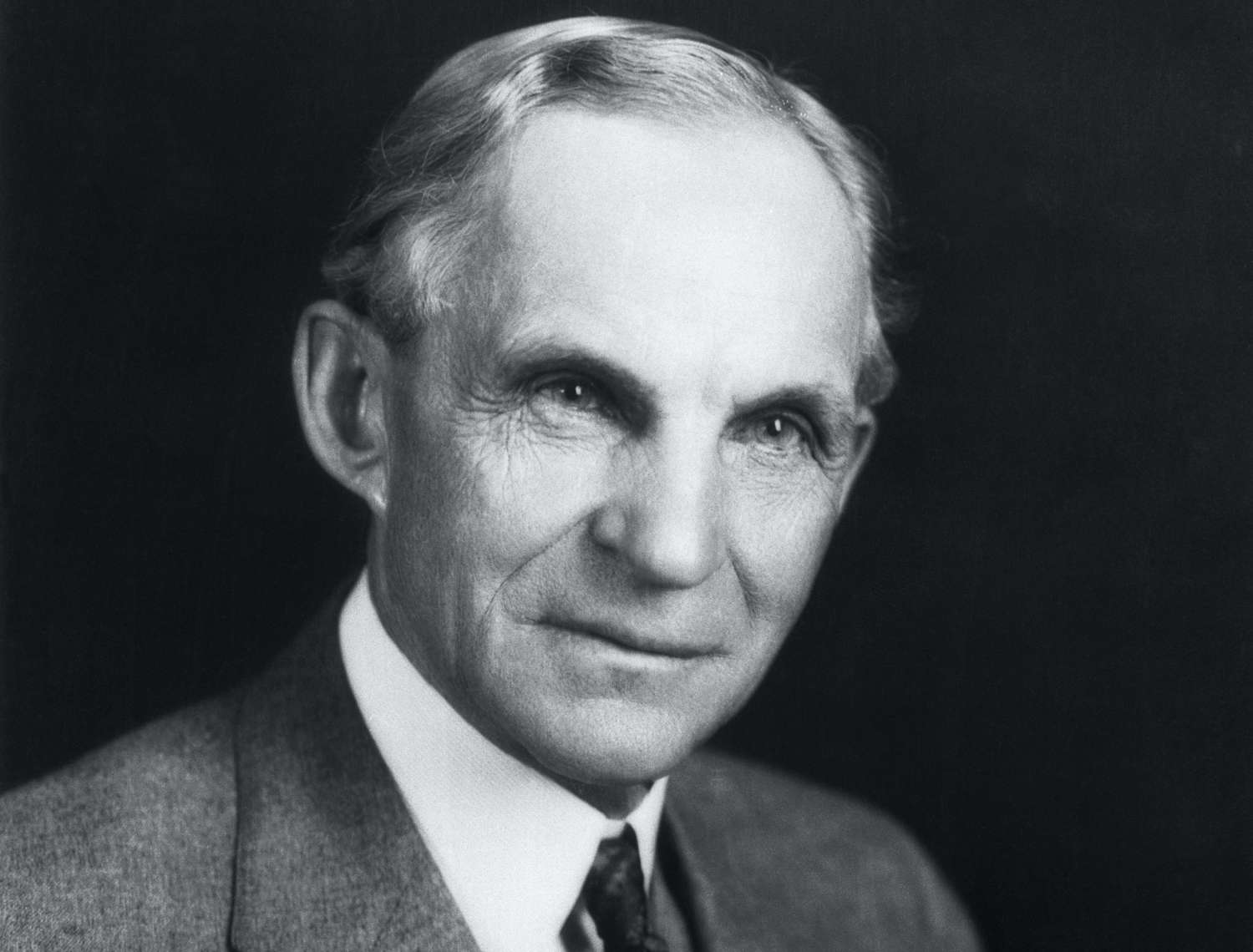
- Years
- 1863–1947
Person · USA
2. Henry Ford
Benz made the car. Henry Ford made it something a farmer could buy, and that is the nearest thing to a challenge for first place. The Model T arrived in 1908 at $850. In 1913 his engineers at Highland Park set the chassis moving past the men who built it, and the time to assemble one fell from more than twelve hours to about an hour and a half. By the mid-1920s a new one cost under $300, and more than fifteen million were made before it ended in 1927. In 1914 he doubled his workers' pay to five dollars a day, which cut the rate at which they left and gave them the means to buy the product.
The record has to include the rest. For most of the 1920s his own newspaper, the Dearborn Independent, published a long series of antisemitic articles, which were reprinted and circulated abroad. He issued an apology in 1927. It is part of what he did with the power the car gave him, and a list about importance should not leave it out.
He is second because he did not invent the car. He decided who it was for.
Verdict He did not invent the car. He decided who it was for.
In 1914 he doubled his workers' pay to five dollars a day, partly so that they could afford the cars they built.
The best of the 50 · Person · Germany
1. Karl Benz
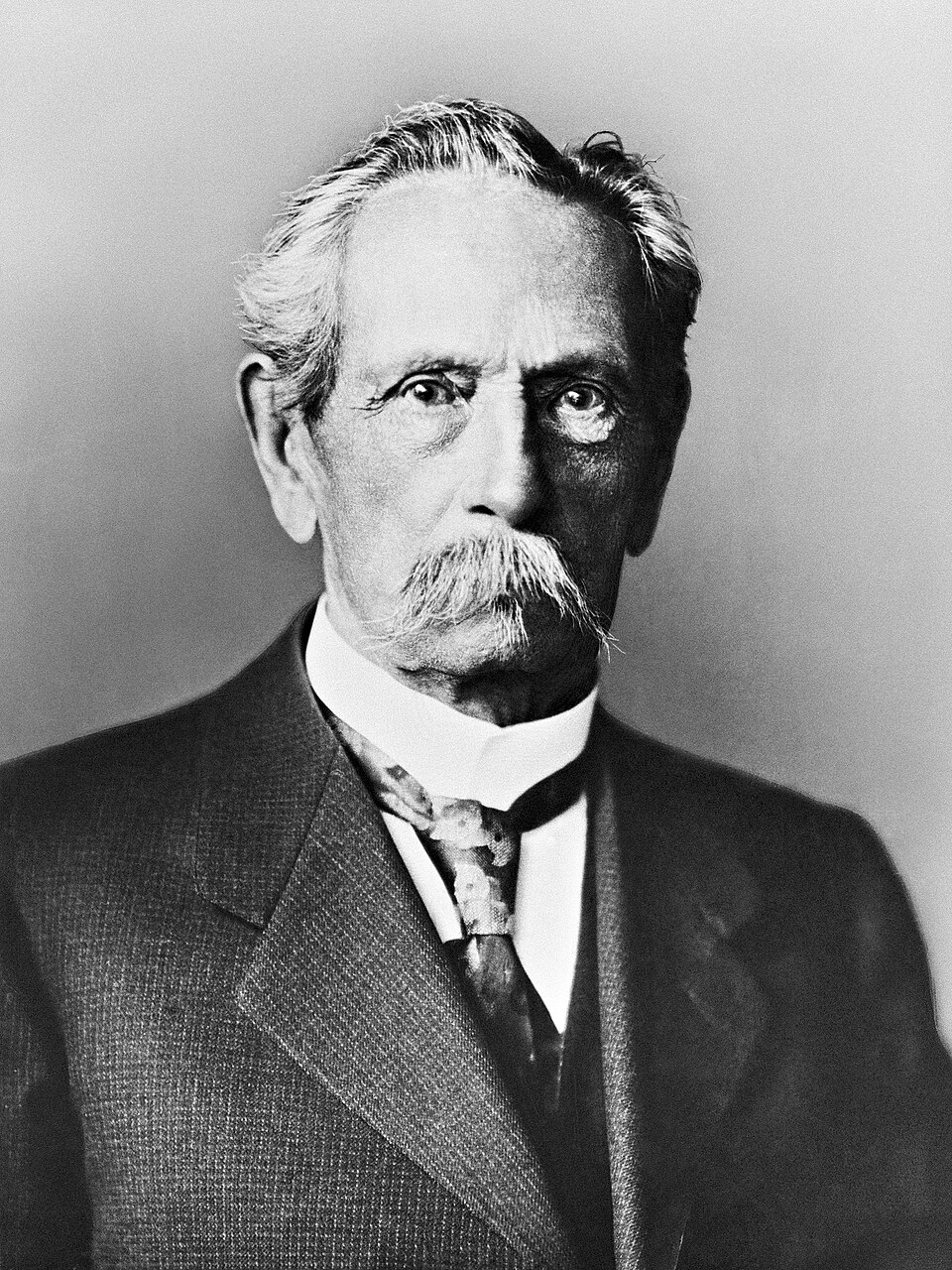
- Years
- 1844–1929
First place goes to the man who built the thing. In January 1886 Karl Benz was granted German patent 37435 for a vehicle powered by a gas engine. It had three wheels, a single-cylinder four-stroke engine of just under a litre, and rather less than one horsepower. What matters is how it was conceived. Daimler and Maybach, working sixty miles away in the same year, put an engine into a horse carriage. Benz designed the engine, the chassis, the ignition, the cooling and the drive as one machine, which is the definition of a car and the reason he is ahead of them here.
He then did the second thing, which was to sell it. The Velo of 1894 was built in the hundreds to a single pattern, and by 1900 Benz & Cie was the largest car maker in the world. His company merged with Daimler's in 1926, three years before he died. The two men are said never to have met.
Every other person on this list improved, organised, sold or raced something that began here. That is the whole argument for number one, and we do not think it is close.
Verdict Everyone else on the list improved the car. He made it.
His patent of January 1886, number 37435, is treated as the birth certificate of the motor car.
What we left off, and why
Lower than you might expect Enzo Ferrari, at 7. See his entry. The short version: without him the car world loses much of its glamour and none of its function.
Colin Chapman, at 15. He changed racing car design more than anyone, but racing counts for less here than road transport, and the people above him changed what everybody drives.
Ferry Porsche at 31, William Lyons at 44 and Ferruccio Lamborghini at 45. Each founded a marque this site writes about every week. Each could be removed from history without altering what the average car is. They are ranked on the question, not on our affection.
Gordon Murray at 48 and Adrian Newey at 49. Measured against other racing designers they would be at or near the top. Here they are measured against Benz and Ford.
Higher than you might expect Alfred Sloan at 5 and Taiichi Ohno at 6. Neither name sells a poster. Between them they decided how every car is sold and built.
Émile Levassor at 9. Few people know the name, but the layout he settled on in 1891 lasted most of a century.
Nils Bohlin at 24 and Béla Barényi at 25. Safety engineers rarely make lists like this. The seat belt and the crumple zone have a better claim than any engine.
Ralph Nader at 26 and Elon Musk at 27. Neither is loved by the readers of a site about sports cars, and both changed what the industry builds. Musk's place is provisional.
Not on the list W. O. Bentley, Charles Rolls and John DeLorean. Great names on the bonnet, but the test is influence, and at Rolls-Royce it was Royce who did the engineering.
Frederick Lanchester and Hans Ledwinka. Two of the most original engineers the car has had, and the hardest omissions. Lanchester's ideas were mostly taken up by others, decades later. Ledwinka's backbone chassis and air-cooled rear engines fed into the Volkswagen. Either could have had the fiftieth place.
Felix Wankel. His rotary engine was a remarkable machine that the industry tried and gave up.
Eiji Toyoda. He ran Toyota through its rise. We gave the family's place to Kiichiro, who started it, and the method's place to Ohno.
Sergio Pininfarina and Nuccio Bertone. Both ran great design houses. We ranked the founder of one and the two best-known designers to come out of the other.
Mauro Forghieri and Roger Penske. Both belong in a ranking of racing engineers and team owners, where the competition is fairer to them.
Juan Manuel Fangio, Ayrton Senna and every other driver but one. They are ranked in our list of the greatest racing drivers. Driving a car better than anyone else is not the same as changing it.
Mary Anderson, who patented the windscreen wiper in 1903, and the other women whose work the industry used and seldom credited. We found one case strong enough for the fifty and would be glad to be shown more.
Tell us what we got wrongQuestions about this list
Who is the most important person in the history of the car?
We rank Karl Benz first. His patent of January 1886 covered a complete vehicle designed around its engine, and he went on to sell it in numbers. Henry Ford is second for making the car affordable, and Gottlieb Daimler and Wilhelm Maybach share third for the engine that most early makers used.
Why is Enzo Ferrari only seventh?
The list ranks people on how different the car world would be without them. The six above him are responsible for the car itself, its mass production, and the way it is sold and built. Ferrari made the car an object of desire and set the pattern for every sports car maker, which is why he is the highest-placed person whose business was speed.
Why are Ralph Nader and Elon Musk on the list?
Both changed what the industry builds. Nader's 1965 book led to the first federal safety law in America, and safety rules have shaped every car since. Musk is ranked for making the established makers commit to electric cars. His placing is provisional and covers cars only.
Why is there only one racing driver?
Drivers are ranked in our list of the greatest racing drivers. This list is about people who changed cars or motoring, and winning races rarely does that. Jackie Stewart is included for his safety campaign, which changed the sport for everyone who came after. Bruce McLaren and Carroll Shelby raced, but are here for what they founded.
Who invented the car, Benz or Daimler?
Both built petrol-engined vehicles in 1886, working about sixty miles apart. Benz is usually given the credit, and has it here, because he designed a complete vehicle and patented it, while Daimler and Maybach first fitted their engine to a carriage. Their engine, though, was the one licensed across Europe.
Each person was judged on one question: how different motoring would be had they never worked. Changing road transport was weighted above changing racing, and doing something first above refining it. Work that cannot be divided between two people shares a place. People still working are ranked on what they have done so far, and those placings are the most likely to move. Conduct outside the work does not raise or lower a ranking, but where it is part of the record the entry states it.