
To homologate a car is to have it approved for competition. For most of motor racing's history the people who write the rules have insisted that racing cars be based on something the public can buy, and have set a number: build 200, or 500, or 5,000, and you may race. Makers have responded by building exactly that many of something they would never otherwise have made. Those cars are the subject of this list.
What counts
A road car that was built because a rule required it, and sold to customers. The competition it was built for can be rallying, touring cars, GT racing or stock cars. Cars made only once or twice to satisfy a rule are left out, because nobody could buy them. A car still counts if the series it was built for was cancelled before it raced.
How we ranked them
We ranked the road car, not the racing car: how good it is, how far it departs from anything its maker would normally sell, and what it led to. The competition record is the reason each car exists and counts in its favour, but a great racing car with a dull road version ranks below a great road car that never raced.
How to read this list
The list counts down from thirty to one. The top ten have the longest entries, the next ten are shorter and the last ten are brief. Seven of the thirty were built for Group B, the rally category of 1982 to 1986, which asked for only 200 cars and so produced the wildest of them.
See the full ranking, 1 to 30
| Rank | The Greatest Homologation Specials | Years |
|---|---|---|
| 1 | Ferrari 250 GTO | 1962–64 |
| 2 | Lancia Stratos HF | 1973–78 |
| 3 | Porsche 911 Carrera RS 2.7 | 1972–73 |
| 4 | BMW M3 (E30) | 1986–91 |
| 5 | Ferrari 288 GTO | 1984–87 |
| 6 | Porsche 959 | 1986–88 |
| 7 | Mercedes-Benz CLK GTR | 1998–99 |
| 8 | Audi Sport Quattro | 1984–85 |
| 9 | Ford RS200 | 1984–86 |
| 10 | Lancia Delta HF Integrale | 1987–94 |
| 11 | Porsche 911 GT1 Strassenversion | 1996–98 |
| 12 | Peugeot 205 Turbo 16 | 1984–85 |
| 13 | Ford Sierra RS500 Cosworth | 1987 |
| 14 | Mercedes-Benz 190E 2.5-16 Evolution II | 1990 |
| 15 | Toyota GR Yaris | From 2020 |
| 16 | Plymouth Superbird | 1970 |
| 17 | Lancia 037 Stradale | 1982–84 |
| 18 | BMW M1 | 1978–81 |
| 19 | Maserati MC12 | 2004–05 |
| 20 | Nissan Skyline GT-R (R32) | 1989–94 |
| 21 | Mitsubishi Lancer Evolution VI Tommi Mäkinen | 1999–2001 |
| 22 | Ford Escort RS Cosworth | 1992–96 |
| 23 | Alfa Romeo Giulia Sprint GTA | 1965–69 |
| 24 | Renault 5 Turbo | 1980–86 |
| 25 | Toyota Celica GT-Four | 1986–99 |
| 26 | BMW 3.0 CSL | 1971–75 |
| 27 | Ford Escort RS1600 | 1970–74 |
| 28 | Lancia Delta S4 Stradale | 1985–86 |
| 29 | Chevrolet Camaro Z/28 (1967) | 1967 |
| 30 | Ford Mustang Boss 429 | 1969–70 |
30 to 21
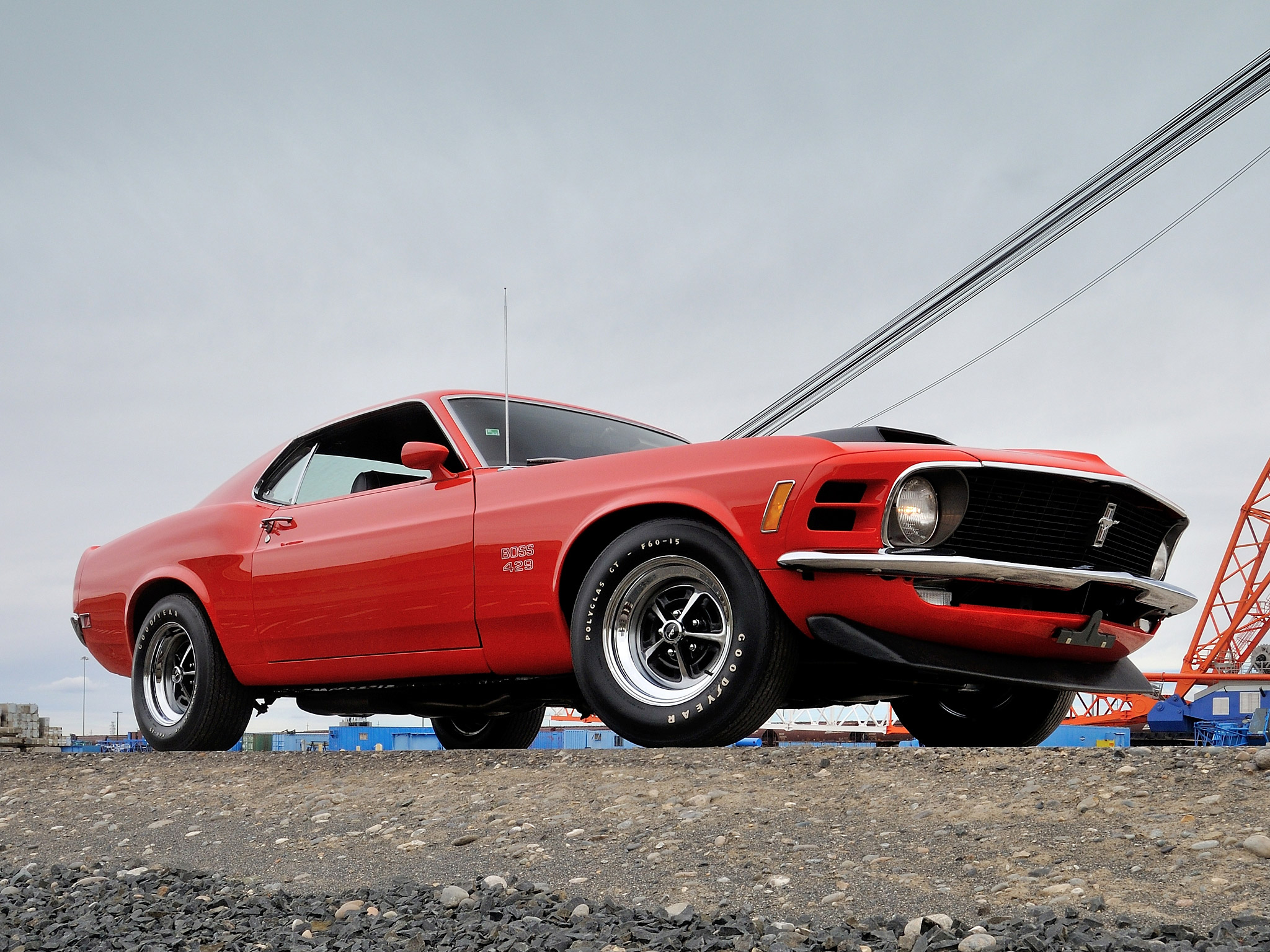
30. Ford Mustang Boss 429
1969–70 · 7.0 V8 · 375 hp · ~ 1,360
This one was built to homologate an engine, not a car. Ford needed its new 429 cubic inch V8 approved for NASCAR, where it would race in a different model, and chose to sell it in the Mustang. The engine was too wide, so an outside firm rebuilt the front of each car by hand. About 1,360 were made. It ranks last because the car it legalised was not the car that raced.
Verdict A Mustang built so that a different Ford could race.
29. Chevrolet Camaro Z/28 (1967)
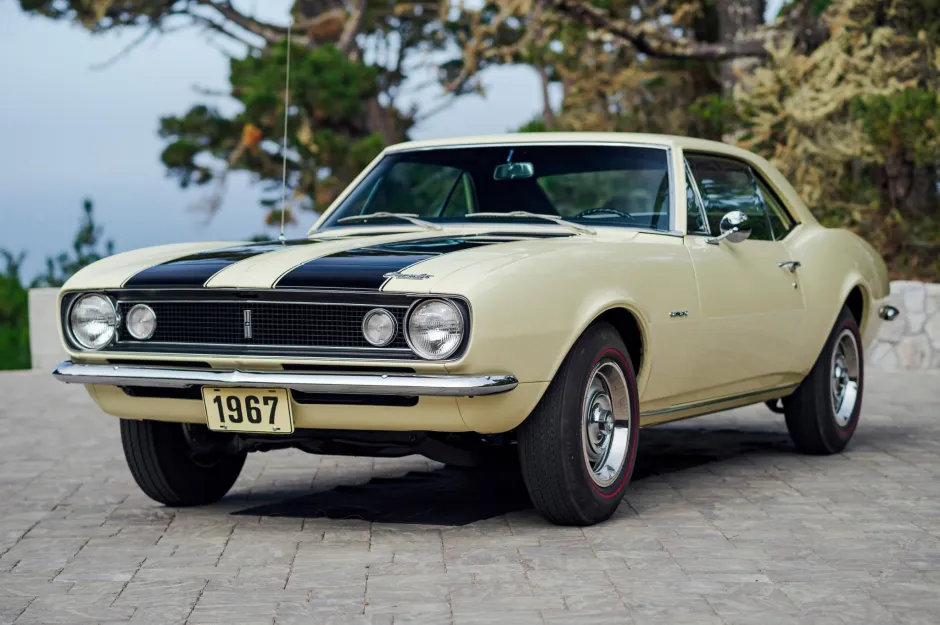
1967 · 5.0 V8 · 290 hp, officially · 602
The Trans-Am series limited engines to five litres. Chevrolet created a 302 cubic inch V8 by putting a short-stroke crankshaft in a larger block, and offered it under an order code, Z/28, that most buyers never noticed. It was rated at 290 horsepower and made a good deal more. Only 602 were sold in 1967. The racing cars won the title in 1968 and 1969.
Verdict An option code that hid a racing engine.
28. Lancia Delta S4 Stradale
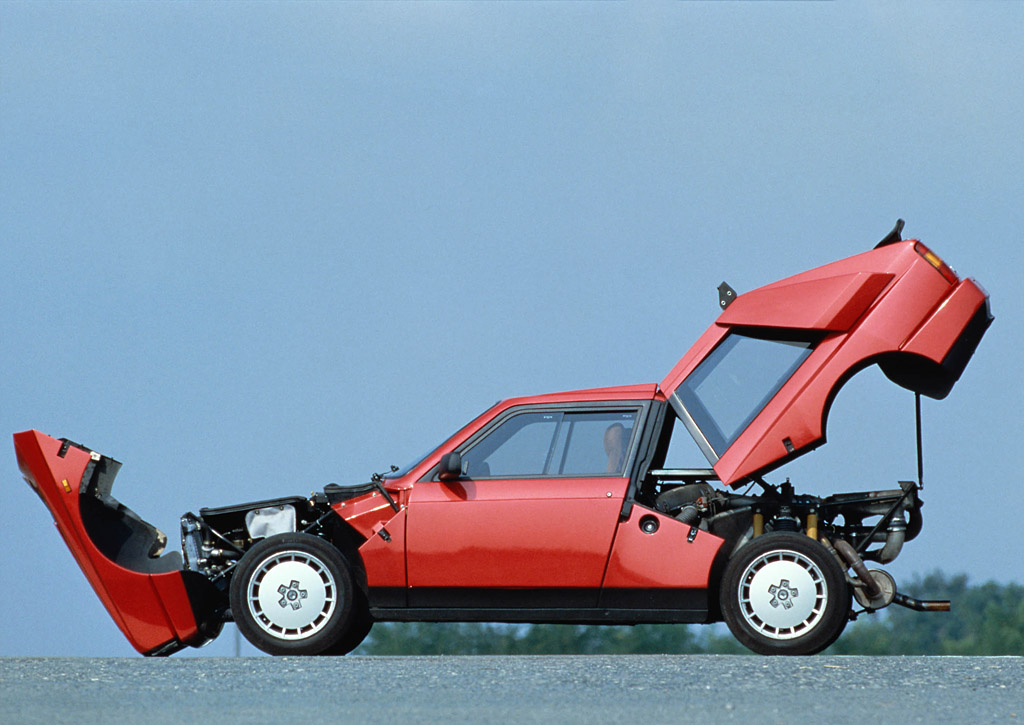
1985–86 · 1.8 four with a supercharger and a turbocharger · 247 hp · Fewer than 200
Lancia's last Group B car had a tubular frame, four-wheel drive and an engine with both a supercharger and a turbocharger, so that there was no pause in the power. The rally car was fearsomely fast. Henri Toivonen died in one in 1986, and the category was ended. Fewer than the required 200 road cars were finished. It ranks here as the last and darkest chapter of Group B.
Verdict Supercharged and turbocharged, and the car that closed Group B.
27. Ford Escort RS1600
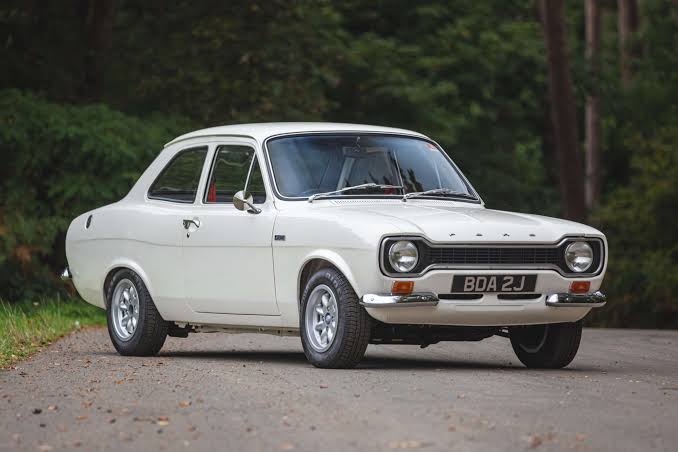
1970–74 · 1.6 Cosworth BDA four, 16 valves · About 115 hp · ~ 1,100
Ford fitted the Escort with a sixteen-valve engine designed by Cosworth, a relation of its Formula Two unit, and built about a thousand so the car could rally and race. It looked like any other Escort. In the hands of Roger Clark and others it won most of what it entered in the early 1970s, and it set the pattern for fast Fords.
Verdict A plain Escort with a racing engine, and a habit of winning.
26. BMW 3.0 CSL
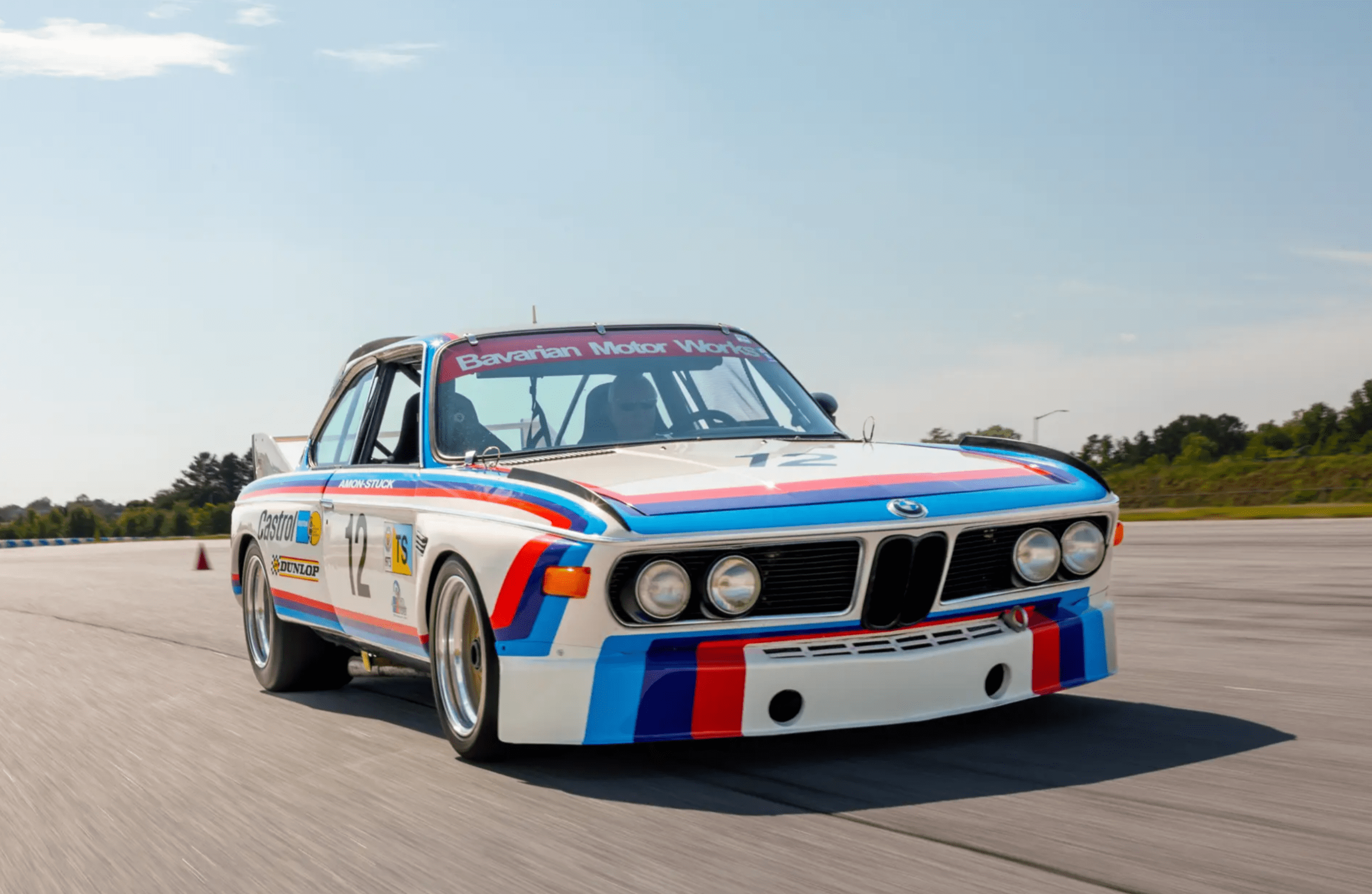
1971–75 · 3.0 and 3.2 straight-six · 200 to 206 hp · ~ 1,265
The L is for leicht, light. BMW made the 3.0 CSL with thinner steel, aluminium doors and bonnet and no sound deadening so that it could race in the European Touring Car Championship, which it won six times. The final version came with a set of wings, delivered in the boot because they were not legal on German roads, and was nicknamed the Batmobile.
Verdict The Batmobile: its wings came in the boot for the owner to fit.

25. Toyota Celica GT-Four
1986–99 · 2.0 turbo four · 182 to 252 hp
Three generations of four-wheel-drive Celica were built in the thousands so that Toyota could rally them under Group A. They won four drivers' titles and two manufacturers' titles. The last version came with an anti-lag system and a water spray for the intercooler already fitted, neither of which did anything on the road. It ranks here as the most usable car of its kind.
Verdict The Celica that Toyota built so it could win in the forests.
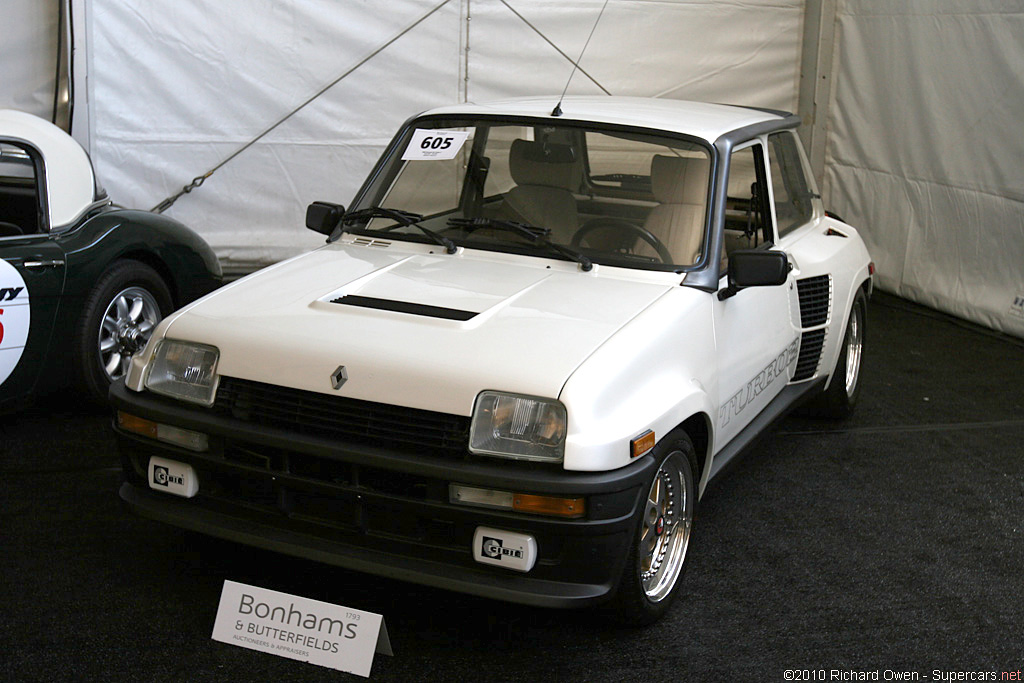
24. Renault 5 Turbo
1980–86 · 1.4 turbo four · 160 hp · ~ 4,900
Renault took its smallest hatchback, removed the back seat and put a turbocharged engine there, driving the rear wheels. The arches were widened by a hand's breadth each side. It was built to beat the Stratos in rallies and won the Monte Carlo at its first attempt in 1981. Four-wheel drive then made it obsolete. The road car has 160 horsepower and a great deal of character.
Verdict A shopping car with its engine where the back seat was.
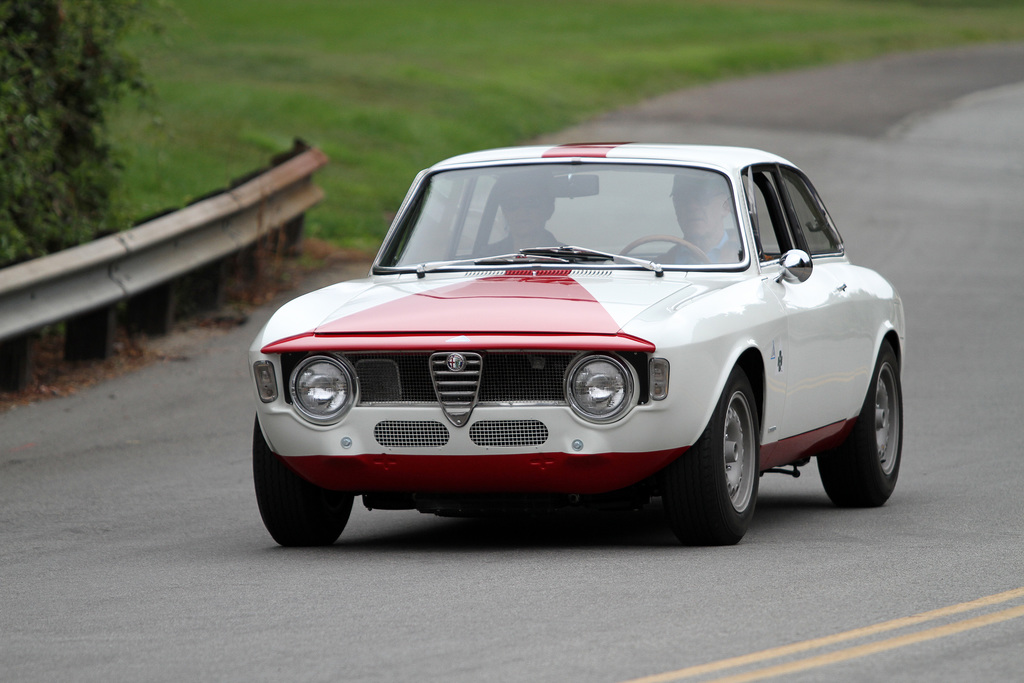
23. Alfa Romeo Giulia Sprint GTA
1965–69 · 1.6 twin-cam four, two plugs per cylinder · 115 hp · ~ 500
To race the Giulia coupé in the touring car class, Alfa Romeo had to build 500 lightweight versions. Autodelta made the outer panels in aluminium, thinned the glass and fitted an engine with two spark plugs per cylinder. The GTA won the European Touring Car Championship from 1966 to 1968. The road car weighs about 200 kg less than the steel one and is a joy.
Verdict Five hundred aluminium coupés, and three European titles.
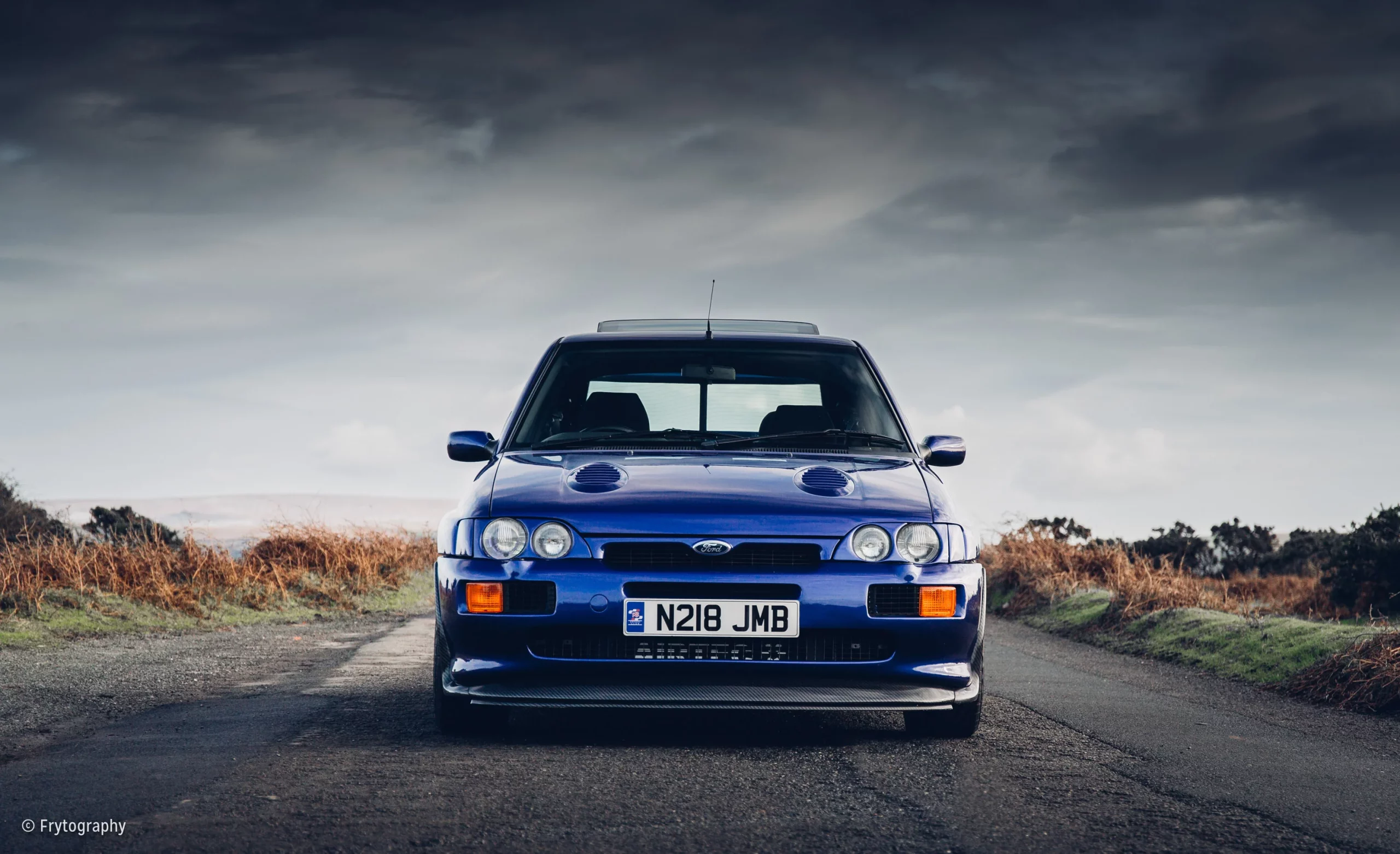
22. Ford Escort RS Cosworth
1992–96 · 2.0 turbo four · 224 hp · ~ 7,100
Ford wanted a smaller rally car than the Sierra, so it shortened the Sierra's floor, engine and four-wheel drive and fitted an Escort body over them. Group A required 2,500. The first cars had a large turbocharger for the rally team's benefit and a rear wing in two tiers. It won eight world championship rallies and was stolen more than almost any car in Britain.
Verdict A Sierra underneath, an Escort on top, and a wing nobody forgot.
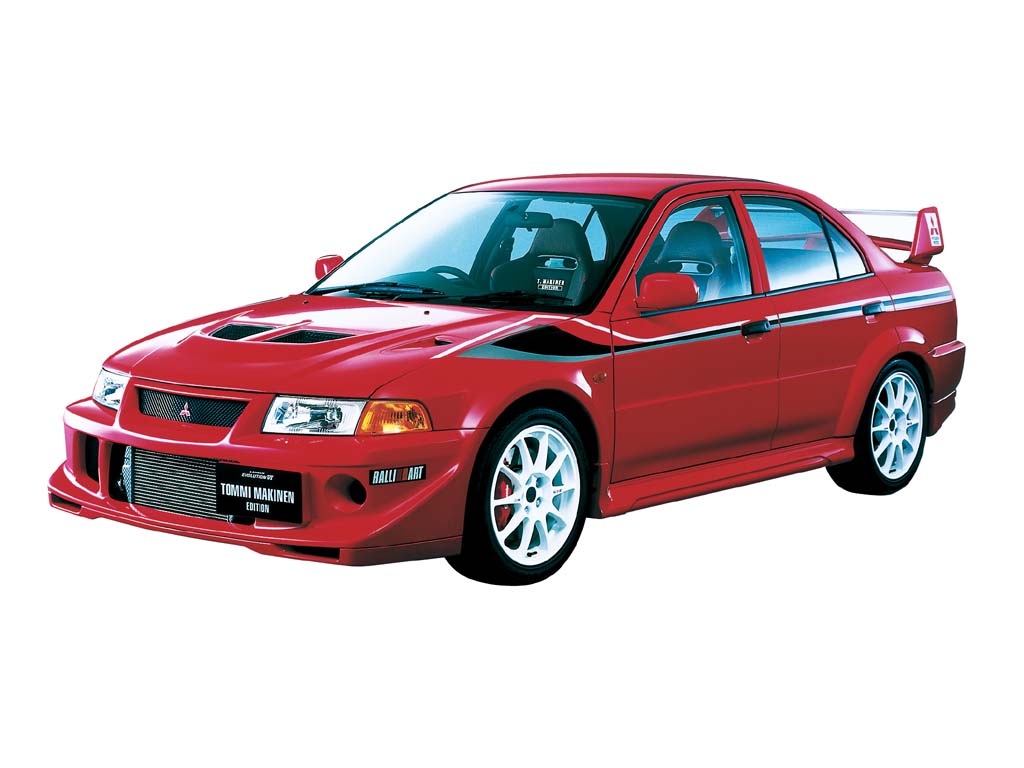
21. Mitsubishi Lancer Evolution VI Tommi Mäkinen
1999–2001 · 2.0 turbo four · 276 hp · ~ 4,000
Each Lancer Evolution was built so that Mitsubishi's rally team could use its improvements. The sixth was the best of the early cars, and a special edition marked Tommi Mäkinen's four drivers' titles from 1996 to 1999, with a quicker turbocharger, lower suspension and his rally car's red paint and stripes. It is among the fastest cars ever made for a wet, twisting road.
Verdict A rally champion's car, with number plates and four doors.
20 to 11
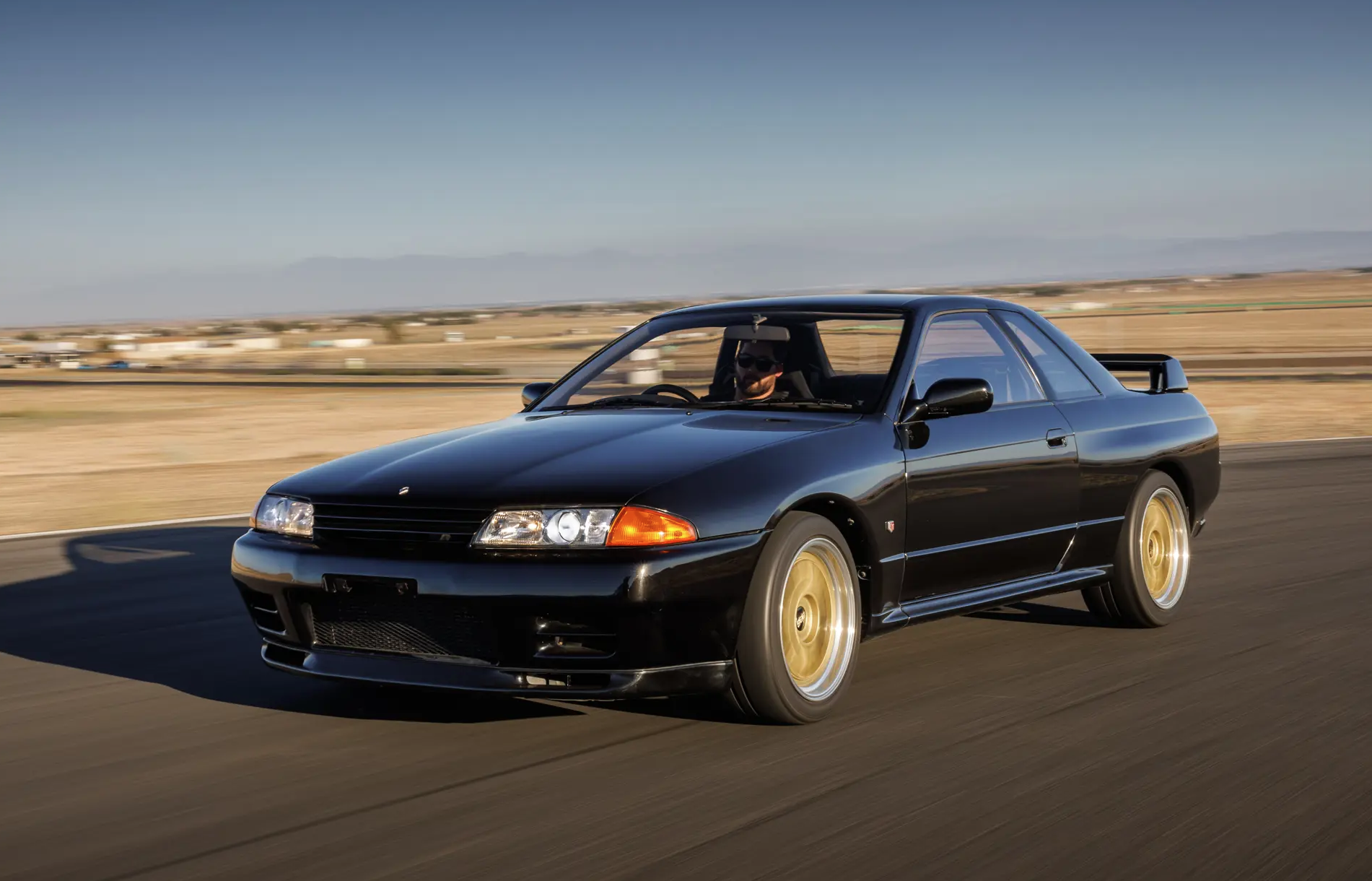
20. Nissan Skyline GT-R (R32)
1989–94 · 2.6 twin-turbo straight-six · 276 hp · ~ 44,000
Nissan built the R32 GT-R to win Group A touring car races and worked backwards from the rulebook. The engine is 2.6 litres because that size, with turbochargers, put the car in a class allowed wide tyres. It has four-wheel drive that sends power forward only when the rear wheels slip, and four-wheel steering.
In Japan it won every race it entered for four seasons. In Australia it won Bathurst twice and was called Godzilla, and the rules were changed to exclude it. The road car was officially 276 horsepower and in truth rather more.
Verdict Designed backwards from the rules, and banned for winning too much.
Did you know: It won all 29 rounds of the Japanese Touring Car Championship from 1990 to 1993.
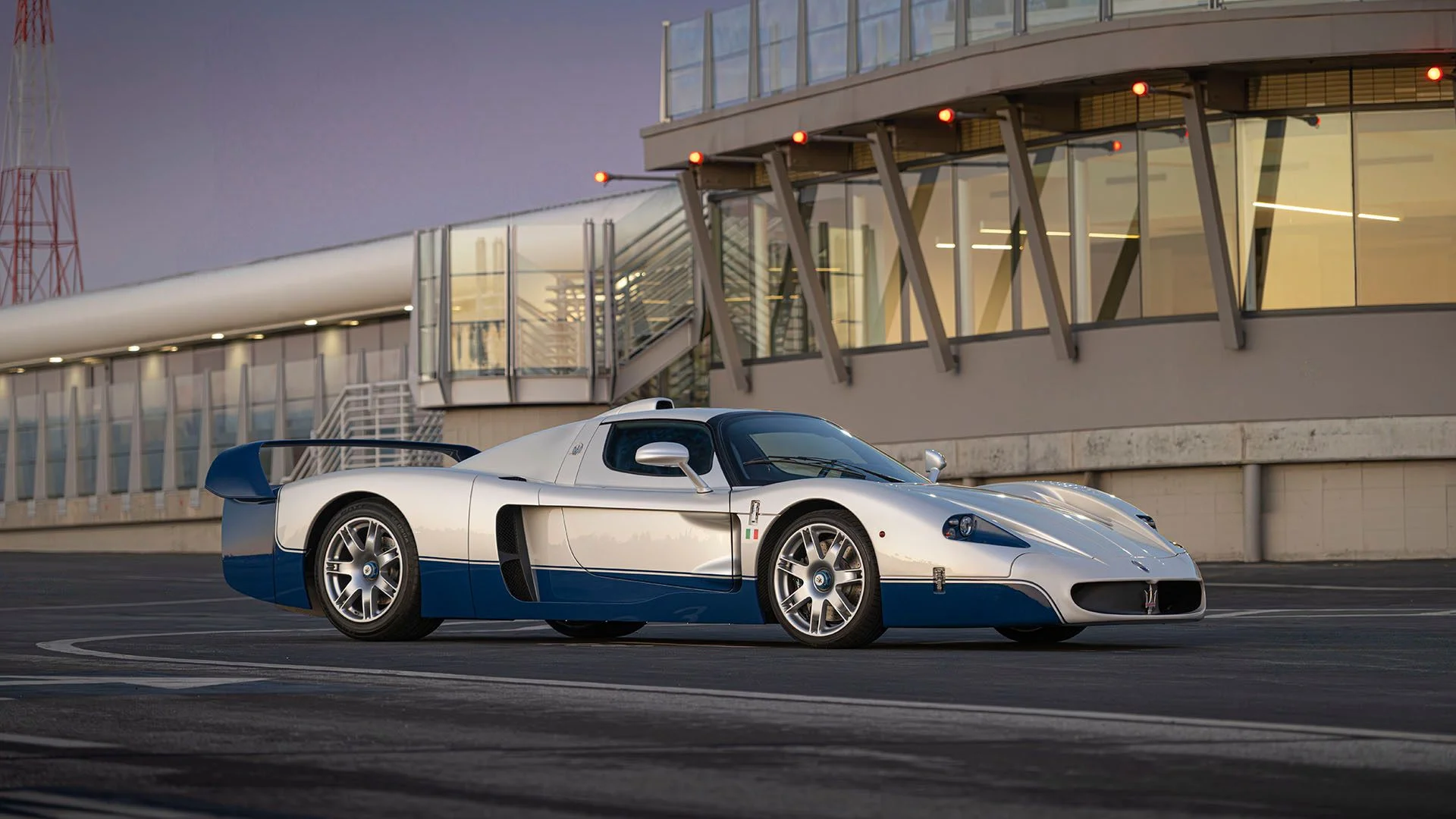
19. Maserati MC12
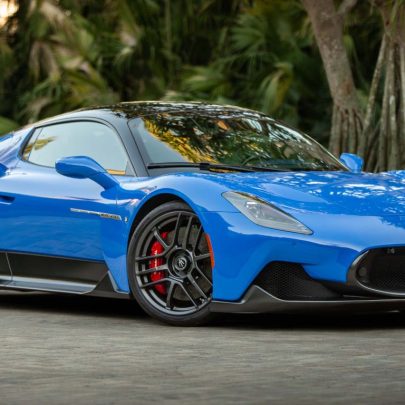
2004–05 · 6.0 V12 · 621 hp · 50
Maserati returned to GT racing in 2004 with a car built on the chassis and V12 of the Ferrari Enzo. The rules required road cars, so 50 were made, each more than five metres long with a lift-off roof and no rear window.
The racing version won the FIA GT teams' title five times and the Spa 24 Hours three times, after early arguments about whether it should be allowed at all. The road car is awkward and very fast. It ranks here as the most successful homologation special of this century.
Verdict Fifty road cars, so that Maserati could go and win.
Did you know: The roof panel lifts off, and there is nowhere in the car to put it.
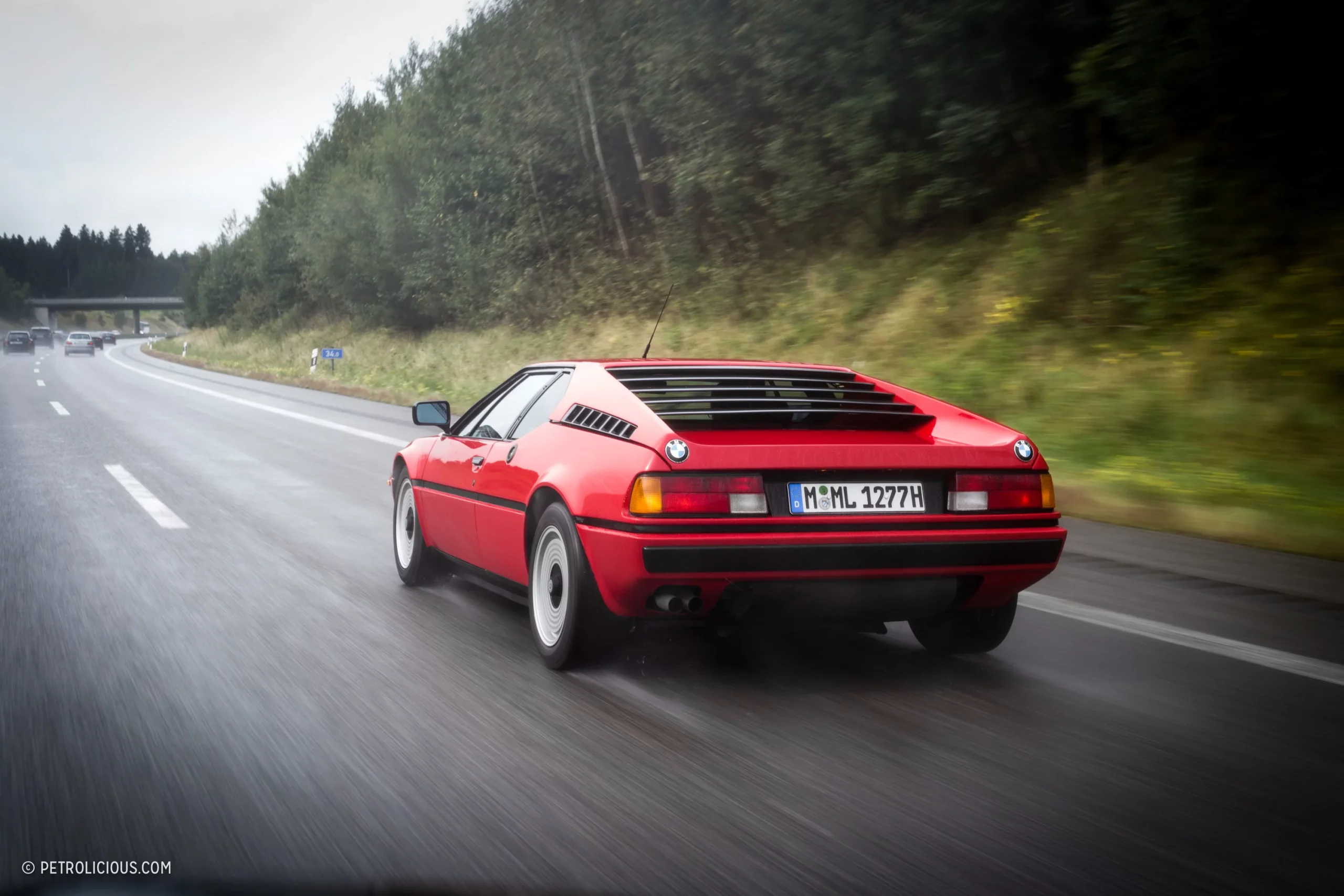
18. BMW M1
1978–81 · 3.5 straight-six · 277 hp · 453
BMW planned the M1 for sports car racing, where it needed 400 road cars. The body was drawn by Giugiaro and the car was to be built by Lamborghini, which ran out of money. Production was shared among several firms and took so long that the rules had changed by the time 453 were finished.
BMW created its own series instead, with Formula One drivers racing identical M1s before Grands Prix. The road car, with a 3.5-litre six and 273 horsepower, is the only mid-engined BMW sold in numbers, and the first car from the M division.
Verdict Late for its own race, so BMW invented another one.
Did you know: Lamborghini was hired to build it and ran out of money before it could.
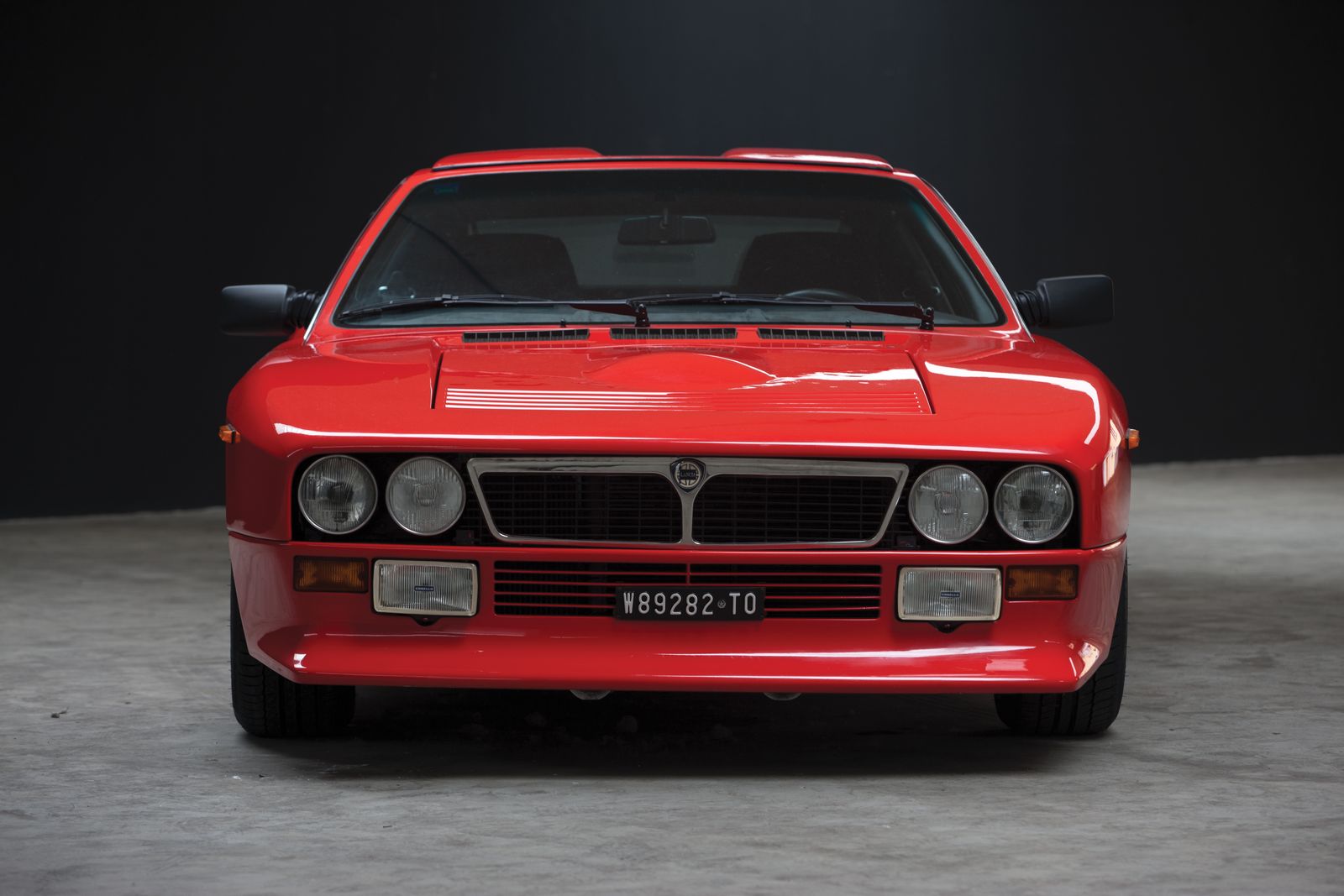
17. Lancia 037 Stradale
1982–84 · 2.0 supercharged four · 205 hp · ~ 207
Lancia's first Group B car was mid-engined and rear-wheel drive, with a supercharged 2.0-litre engine built by Abarth and a centre section taken from a small coupé. About 207 road cars were made, with 205 horsepower.
In 1983 it beat the four-wheel-drive Audis to the manufacturers' championship, on skill, reliability and dry roads. No two-wheel-drive car has done it since. The road car is light, simple and a delight to drive. It ranks behind the Stratos it followed and the Integrale that came after.
Verdict The last two-wheel-drive car to win the world championship.
Did you know: It was the last two-wheel-drive car to win the World Rally Championship for manufacturers.

16. Plymouth Superbird
1970 · 7.2 V8, or 7.0 Hemi V8 · 375 to 425 hp · ~ 1,935
In 1969 Dodge fitted a pointed nose and a rear wing two feet high to its Charger so that it could win on NASCAR's fastest ovals. Plymouth did the same to the Road Runner for 1970. The rules required road cars, about 500 Daytonas and nearly 2,000 Superbirds, and dealers struggled to sell them.
On the track they were the first stock cars to lap at 200 mph. NASCAR restricted their engines for 1971, and they disappeared. The wing is that tall so the boot can open under it.
Verdict A wing two feet high, a nose like a rocket, and 200 mph.
Did you know: The rear wing is as tall as it is so that the boot lid can open underneath it.
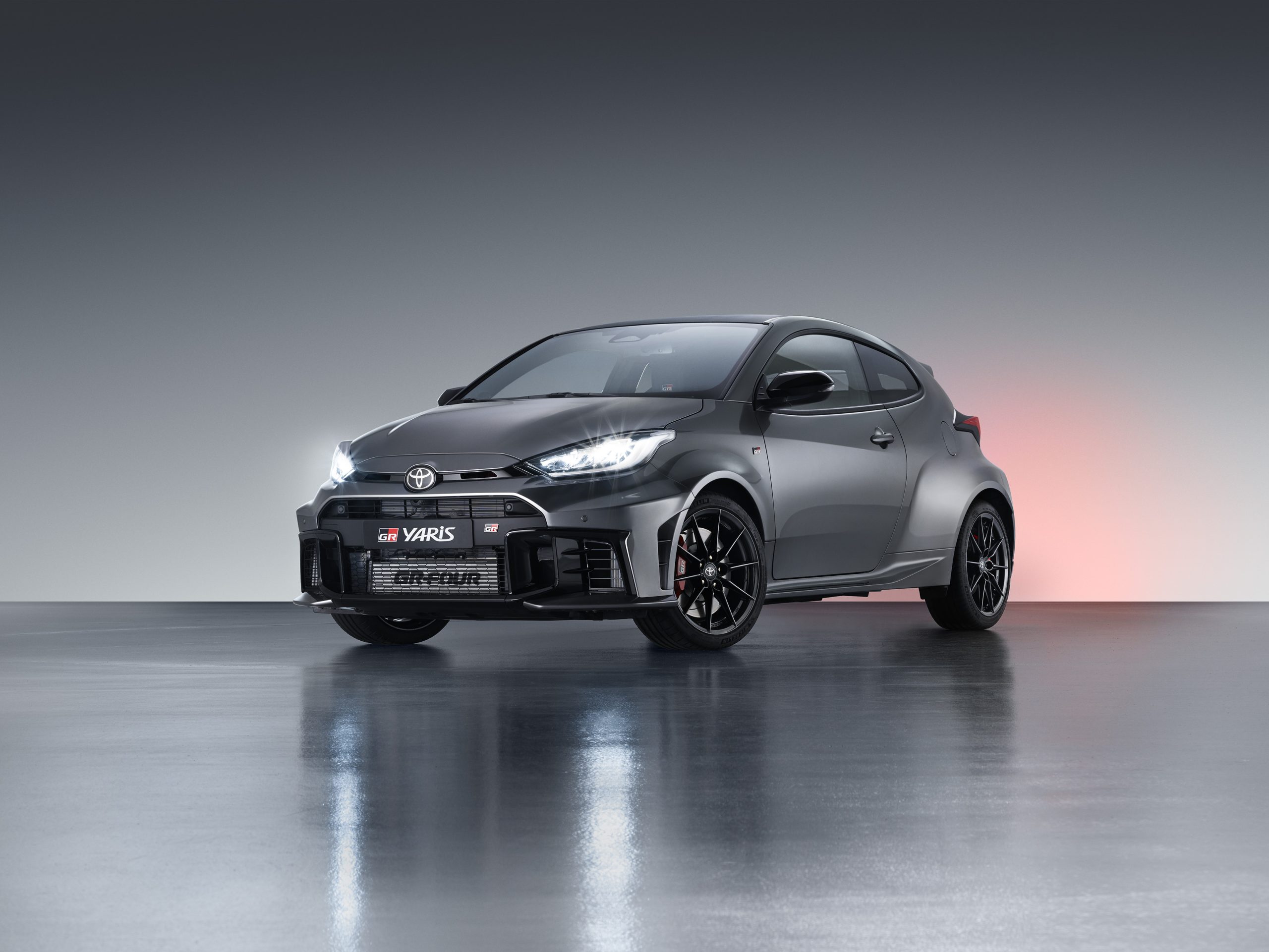
15. Toyota GR Yaris
From 2020 · 1.6 turbo three · 257 hp at launch
The most recent car here. World rally rules required 25,000 road cars before Toyota could compete with a new Yaris, so it designed a special three-door body with a lower roof, four-wheel drive and a 1.6-litre three-cylinder turbo.
The rally car it was made for never ran, because the rules changed. Toyota sold the road car anyway, from 2020, and it was the best small performance car in years. It proves that a homologation special does not need its race to be worth building.
Verdict Made for a rally car that never ran, and none the worse for it.
Did you know: The three-door body is shared with no other Yaris. The roof is carbon fibre.
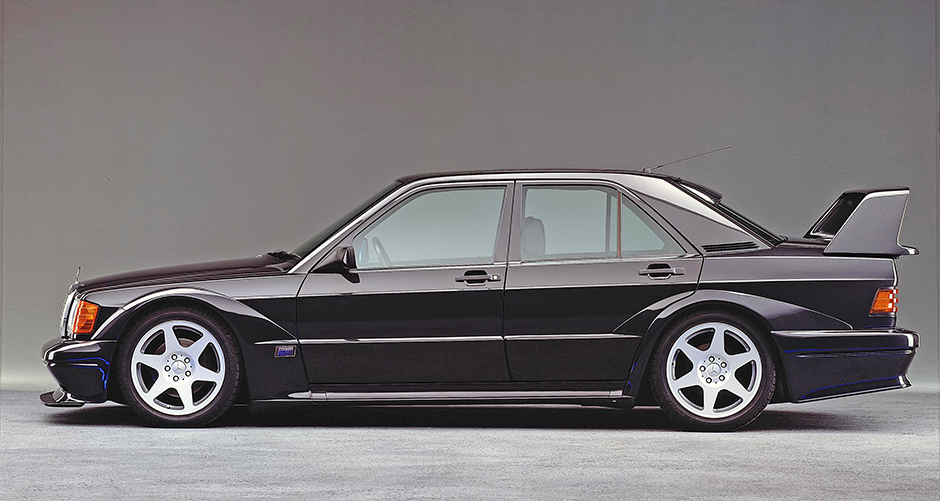
14. Mercedes-Benz 190E 2.5-16 Evolution II
1990 · 2.5 four, 16 valves · 232 hp · 502
Mercedes and BMW fought the German touring car championship through a series of ever more extreme road cars. The last from Mercedes was the 190E 2.5-16 Evolution II of 1990: 502 built, all in dark blue-black, with 232 horsepower, wide arches and a rear wing tall enough to be seen over the roof.
The wing was developed in a wind tunnel and worked. A BMW engineer is supposed to have said that if it did, his own company would have to redesign its wind tunnel. Mercedes won the championship in 1992.
Verdict A sober saloon with the wildest wing of its day.
Did you know: All 502 were painted the same blue-black metallic.
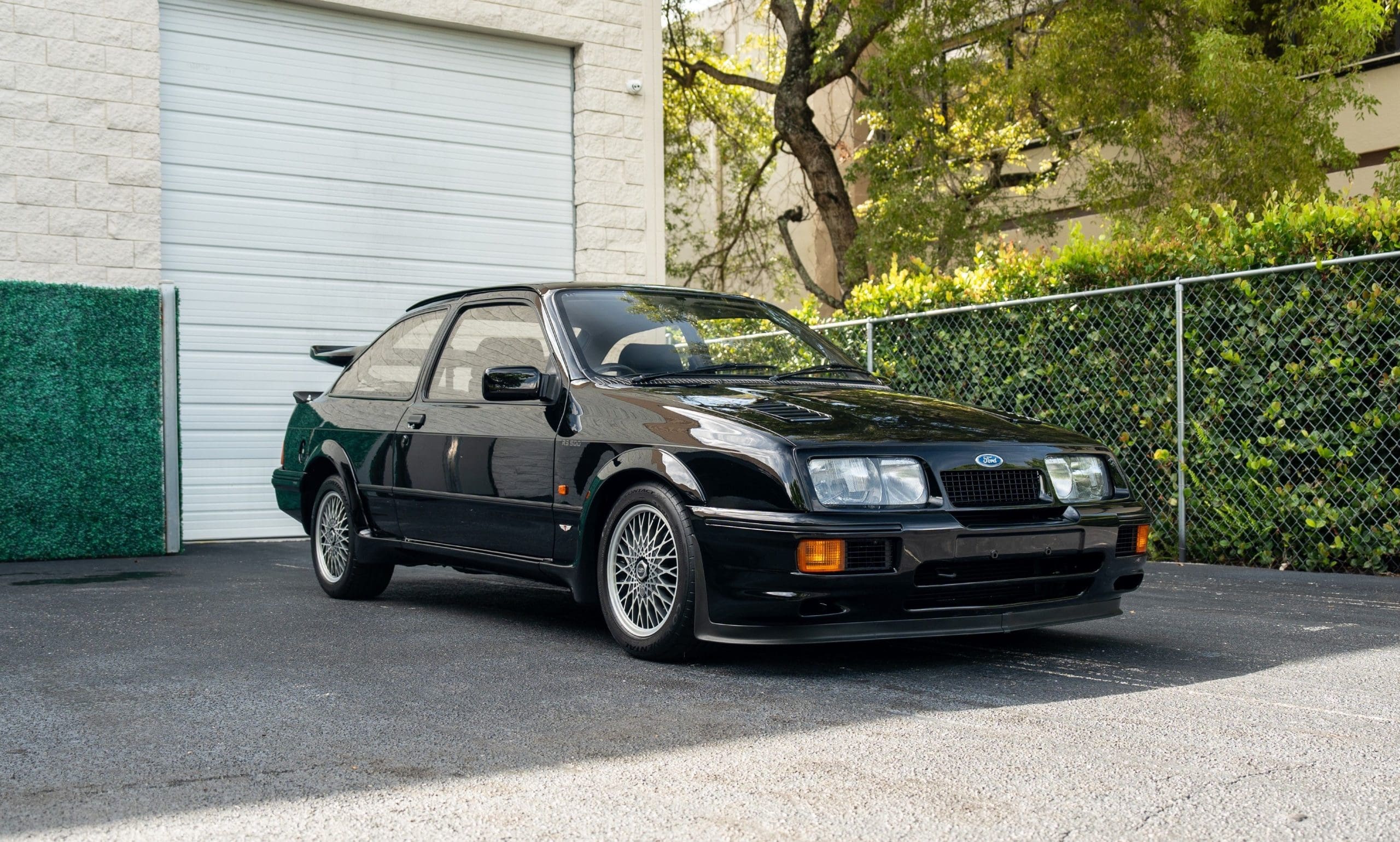
13. Ford Sierra RS500 Cosworth
1987 · 2.0 turbo four · 224 hp · 500
Ford took 500 unsold Sierra RS Cosworths and had them converted for Group A touring car racing: a larger turbocharger, a stronger engine block, a second rear spoiler and a second row of fuel injectors that were not connected on the road cars.
In racing trim it made more than 500 horsepower. It won the Bathurst 1000 and championships in Britain and Germany, and was so dominant that the rules were rewritten to stop it. The road car has 224 horsepower and a great deal of turbo lag.
Verdict Five hundred saloons built so that the racing cars could have bigger turbos.
Did you know: Each engine has a second set of four fuel injectors that do nothing on the road. They were there for the racing cars.
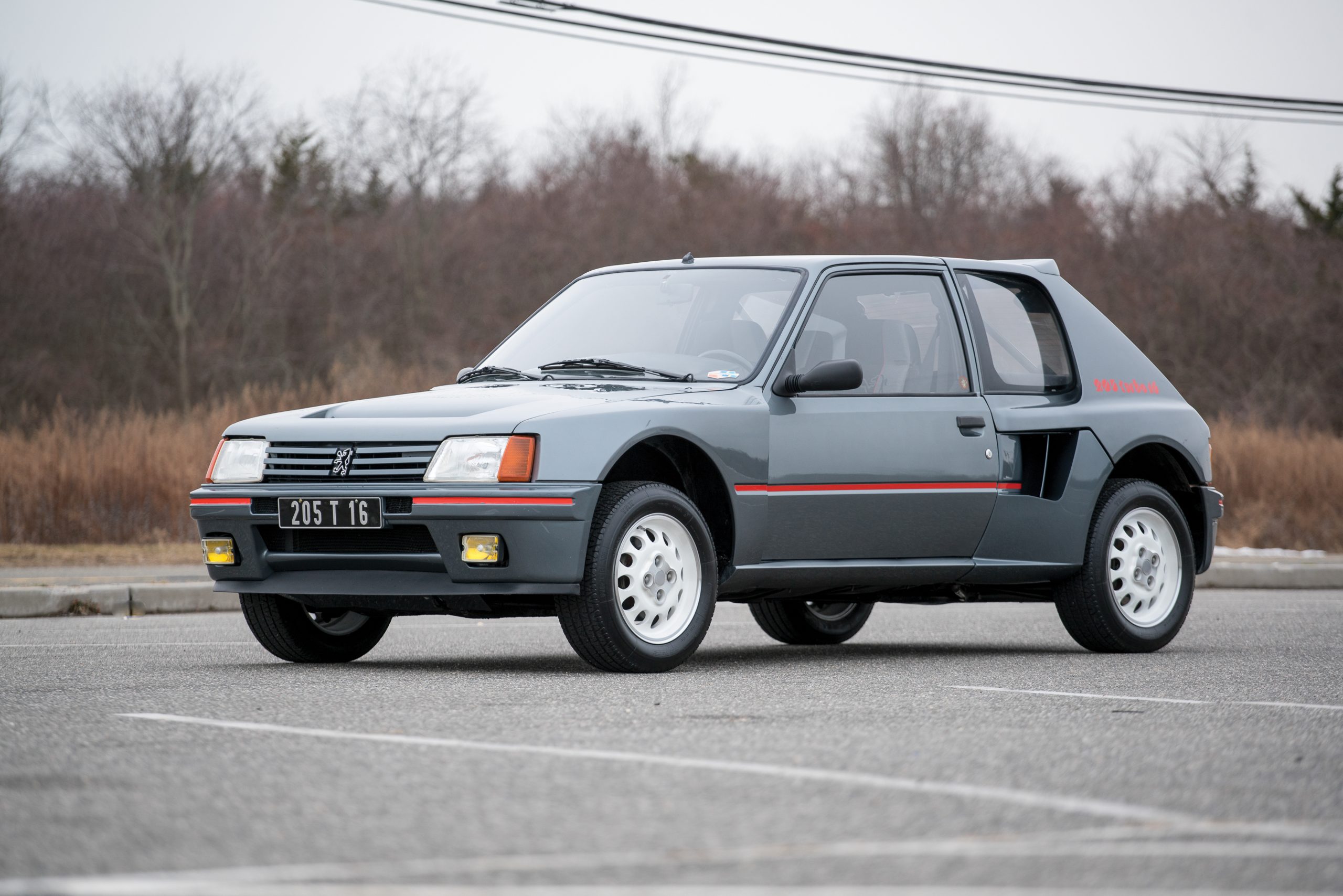
12. Peugeot 205 Turbo 16
1984–85 · 1.8 turbo four · 197 hp · 200
From the front it is a 205 hatchback. Behind the doors it is a different machine: a tubular frame with a 1.8-litre turbo engine mounted across the car where the back seat should be, driving all four wheels. Peugeot built the 200 road cars that Group B required, each with 197 horsepower.
The rally version won the world championship in 1985 and 1986. The road car is slow by the standards of this list and tame to drive. It is here for the rally car, and for doing wonders for sales of the ordinary 205.
Verdict It looked like a hatchback and won two world championships.
Did you know: It shares its doors, windscreen and headlamps with the 205 hatchback, and almost nothing else.
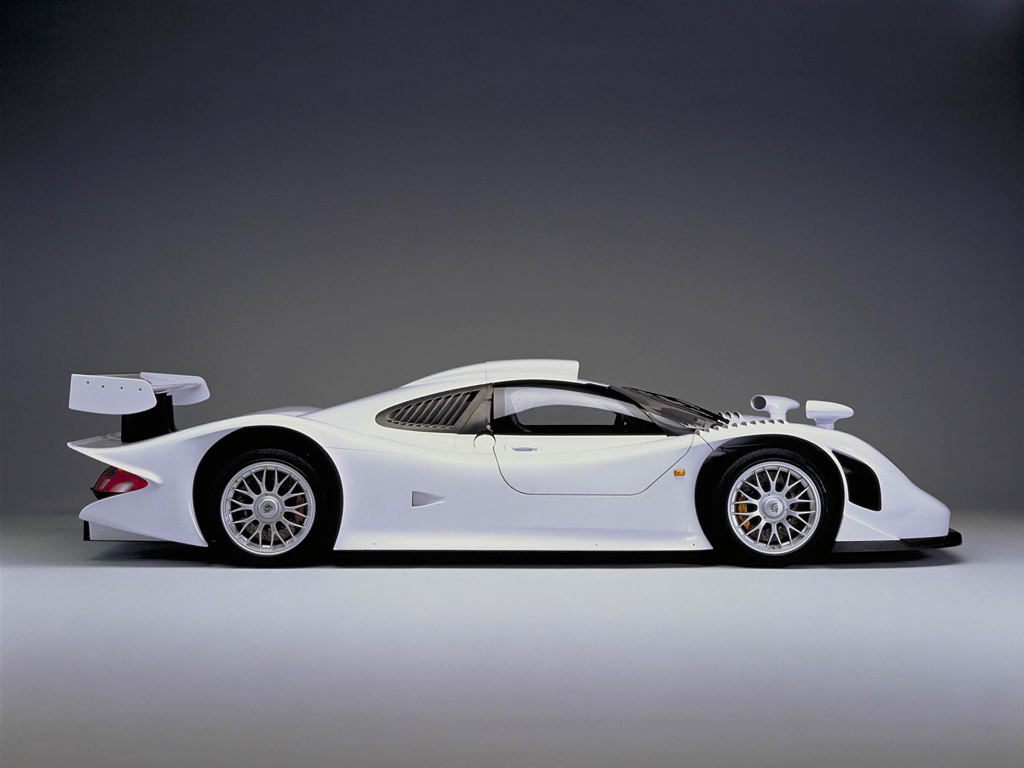
11. Porsche 911 GT1 Strassenversion
1996–98 · 3.2 twin-turbo flat-six · About 537 hp · ~ 20
In 1996 Porsche built a mid-engined racing car, gave it the nose and lamps of a 911 and called it one. The GT1 rules needed a road version, so about twenty were made, with a 3.2-litre twin-turbo flat-six detuned to 536 horsepower and leather on the seats.
The racing car won Le Mans in 1998. The road car is wide, loud and hard to see out of. It ranks below the Mercedes it raced against because Porsche made more of them, and they were a little more like cars.
Verdict A Le Mans winner wearing a 911's face.
Did you know: The front of the car is 911. From the cabin back it is a mid-engined racing car.
The top 10

- Years
- 1987–94
- Engine
- 2.0 turbo four
- Power
- 182 to 212 hp
- Built
- ~ 44,000
Road car · Italy
10. Lancia Delta HF Integrale
When Group B ended, the world championship moved to Group A, which required 5,000 road cars. Lancia was the only maker with a suitable one ready: a family hatchback with a turbocharged engine and four-wheel drive. It developed that car, year after year, into the Integrale, each version with wider arches and more power, and each built in the thousands so the rally team could use the changes.
The Delta won the manufacturers' championship six years running, from 1987 to 1992, a record that still stands, with 46 rally wins.
The road cars were left-hand drive only, rusted readily and broke often. They were also fast, compact and wonderful on a wet road. It is tenth because it is the homologation special as a way of life: a production line that existed, for six years, to keep a rally team supplied.
Verdict A family hatchback that won six world titles in a row.
The Delta won the World Rally Championship for makes six years running, from 1987 to 1992.
- Years
- 1984–86
- Engine
- 1.8 turbo four
- Power
- 250 hp
- Built
- ~ 200
Road car · United Kingdom
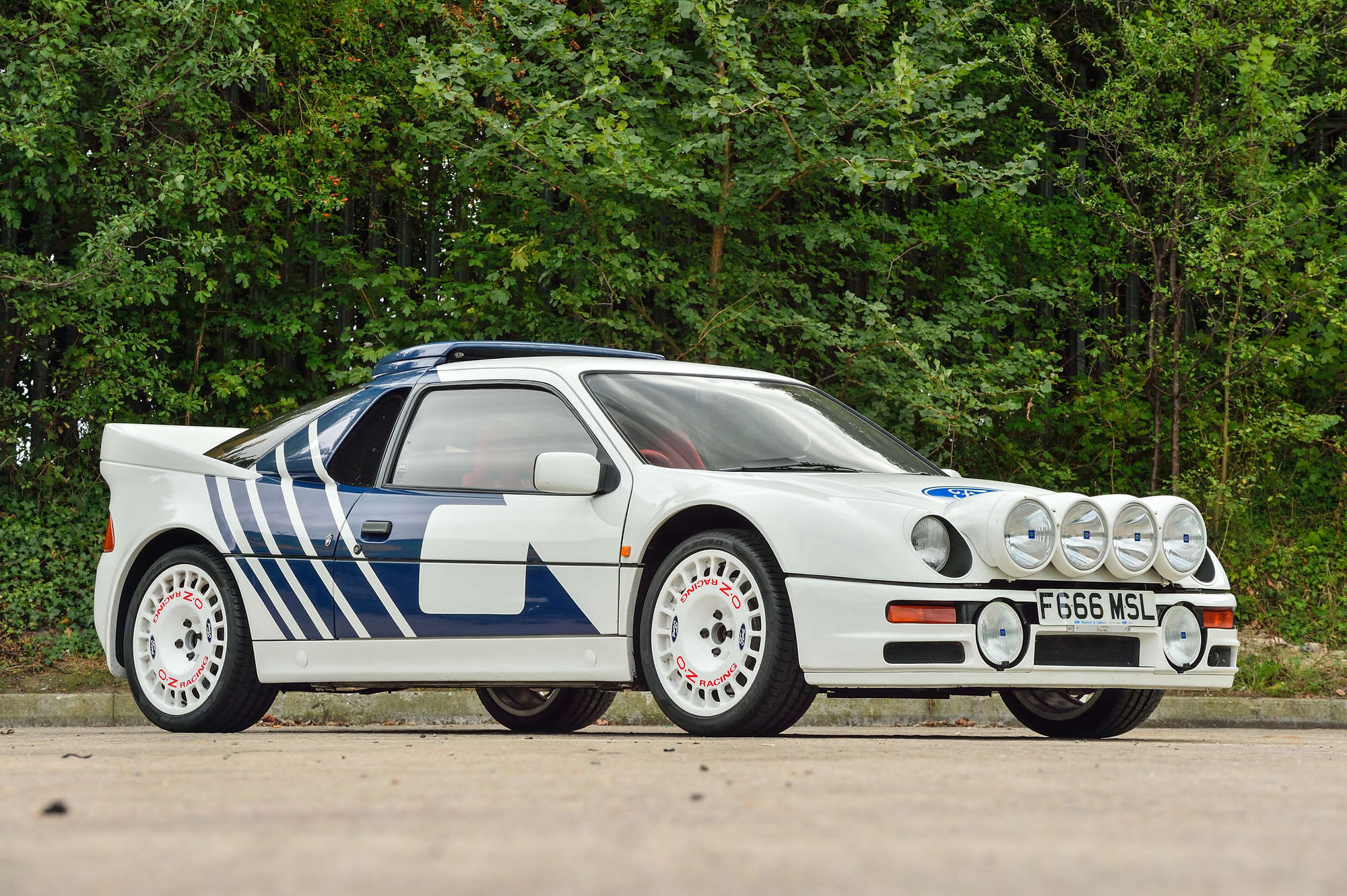
9. Ford RS200
Ford came late to Group B and designed a car from nothing: a mid-engined, four-wheel-drive two-seater with a 1.8-litre turbocharged Cosworth engine and the gearbox at the front for balance. Unlike its rivals it was not based on any showroom model, so it could be shaped purely for the job.
It competed for one full season. In 1986 one left the road in Portugal and killed three spectators, and Group B was cancelled at the end of that year. Ford was left with 200 road cars to sell. They had about 250 horsepower, and 24 were later rebuilt to Evolution form with around 600.
It is ninth because, as a piece of design, it was the best of the Group B cars, and it never had the chance to prove it. The road car rides well and is easier to drive than its reputation suggests.
Verdict Designed from a clean sheet for Group B, and finished just as it ended.
Twenty-four of the road cars were later rebuilt to Evolution specification, with about 600 hp.
- Years
- 1984–85
- Engine
- 2.1 turbo five
- Power
- 306 hp
- Built
- 214
Road car · Germany
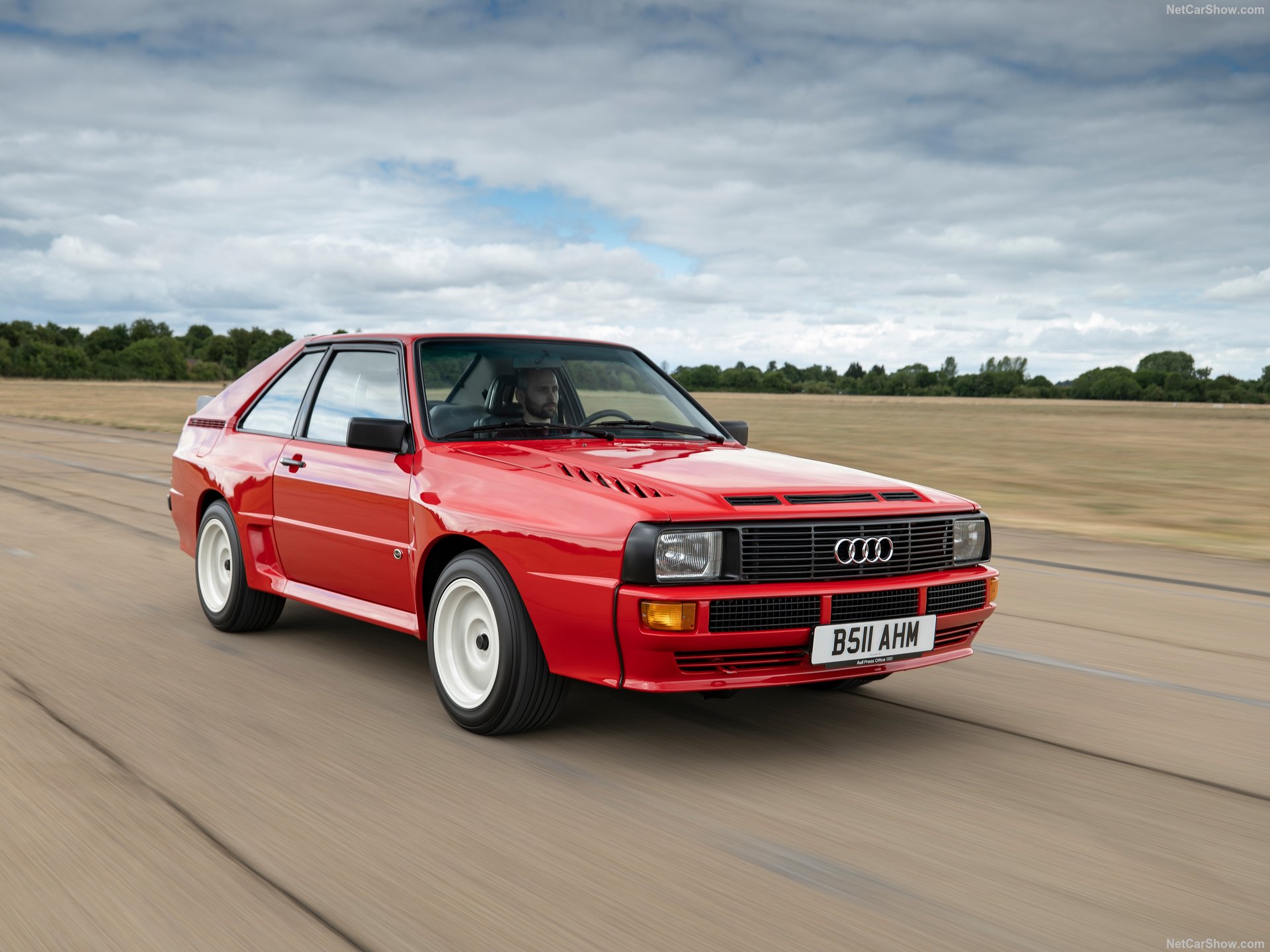
8. Audi Sport Quattro
By 1983 the original Quattro was too long and too heavy to beat the new mid-engined rally cars. Audi cut 32 cm from the wheelbase, made the body from Kevlar and carbon fibre, and built a new twenty-valve five-cylinder engine with 306 horsepower. Group B required 200. Audi made 214.
The road car is odd to look at and nervous at speed, and it cost more than any other German car on sale. The rally cars developed from it had over 500 horsepower and wings front and rear. Audi's Stig Blomqvist was world champion in 1984, the year it arrived, and Walter Röhrl later drove one up Pikes Peak in record time.
It is eighth because it is the rarest and most extreme road car to come out of Group B rallying from a major maker, and still very much a usable car.
Verdict The Quattro, shortened by a foot and sold 214 times.
It is 32 cm shorter than the Quattro, and all of it came out of the wheelbase.
- Years
- 1998–99
- Engine
- 6.9 V12
- Power
- 604 hp
- Built
- ~ 25
Road car · Germany
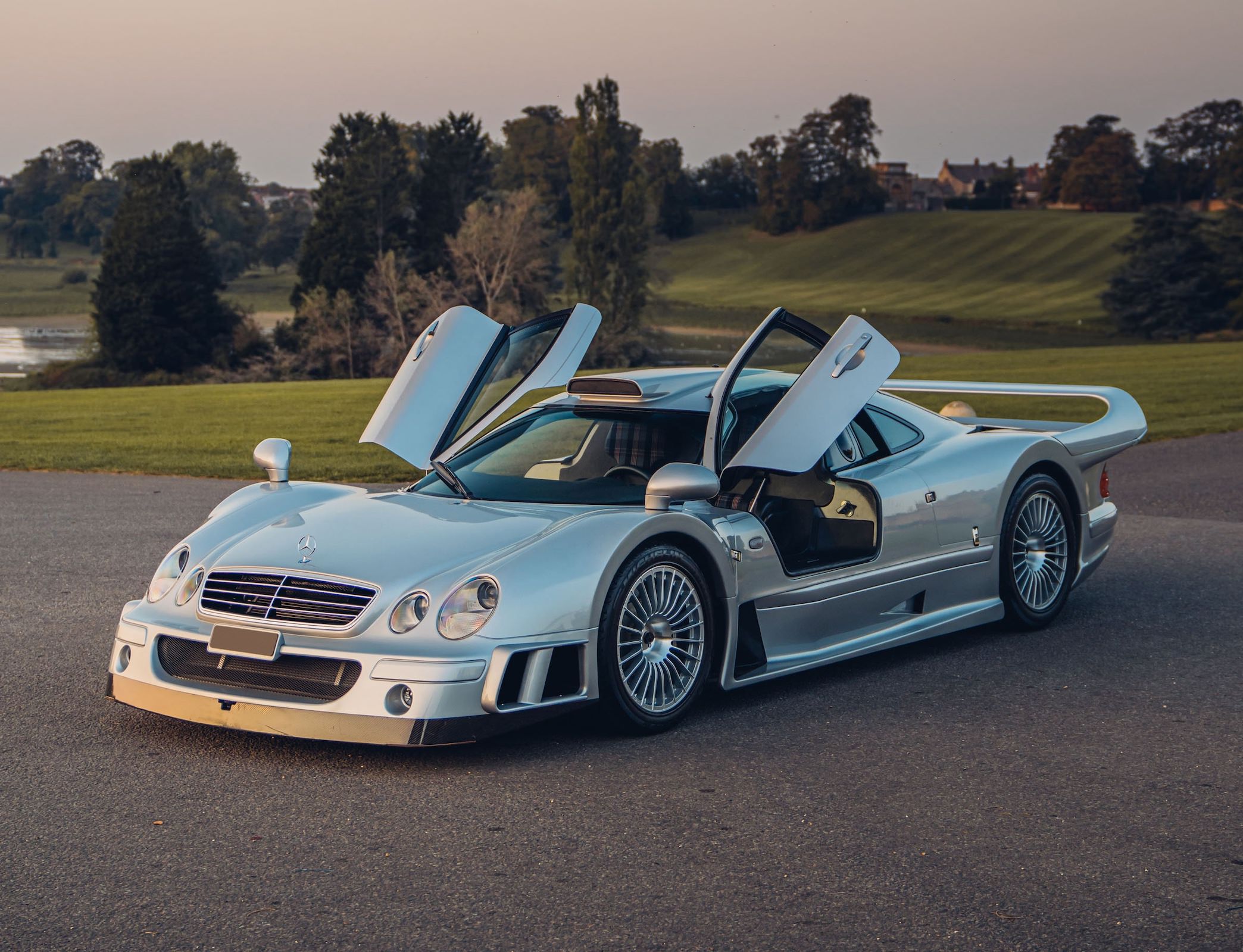
7. Mercedes-Benz CLK GTR
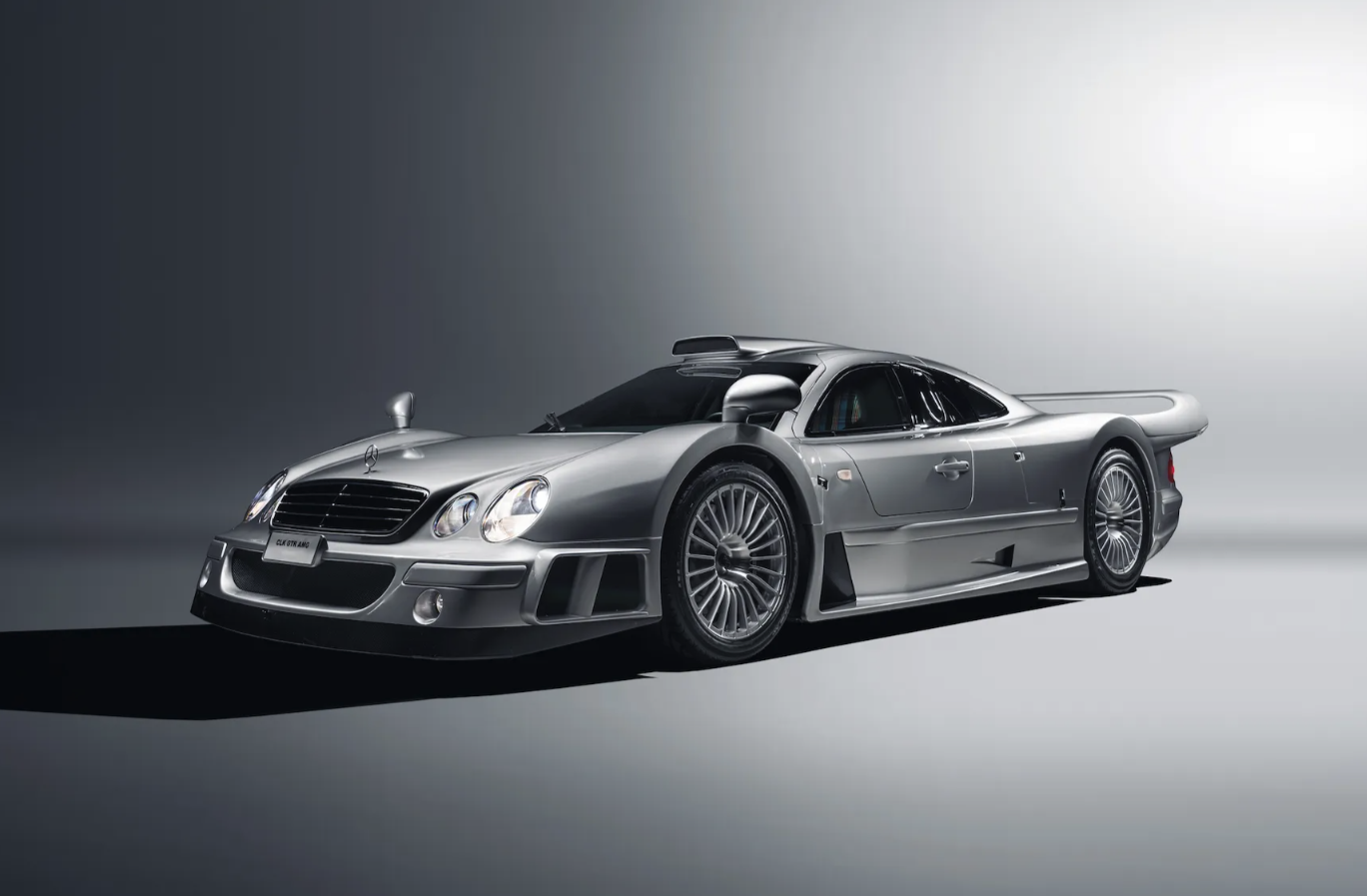
The GT1 class of 1997 required a road-going version of each racing car. Mercedes designed and built its racing car in 128 days and satisfied the rule by completing a single road car in time. The rest followed after the season: about 25 in all, coupés and a few roadsters.
It shares its name and its lights with the CLK coupé and nothing else. The chassis is carbon fibre, the 6.9-litre V12 sits behind the driver and makes over 600 horsepower, and the gearbox is a racing sequential unit. When new it was the most expensive production car in the world.
The racing cars won the FIA GT championship in 1997 and 1998. It is seventh because it shows the rule stretched as far as it would go: a pure racing car with number plates, made because the regulations asked for one.
Verdict A Le Mans-style prototype with a boot, because the rules said so.
It was listed as the most expensive production car in the world when new.
- Years
- 1986–88
- Engine
- 2.85 twin-turbo flat-six
- Power
- 450 hp
- Built
- 337
Road car · Germany
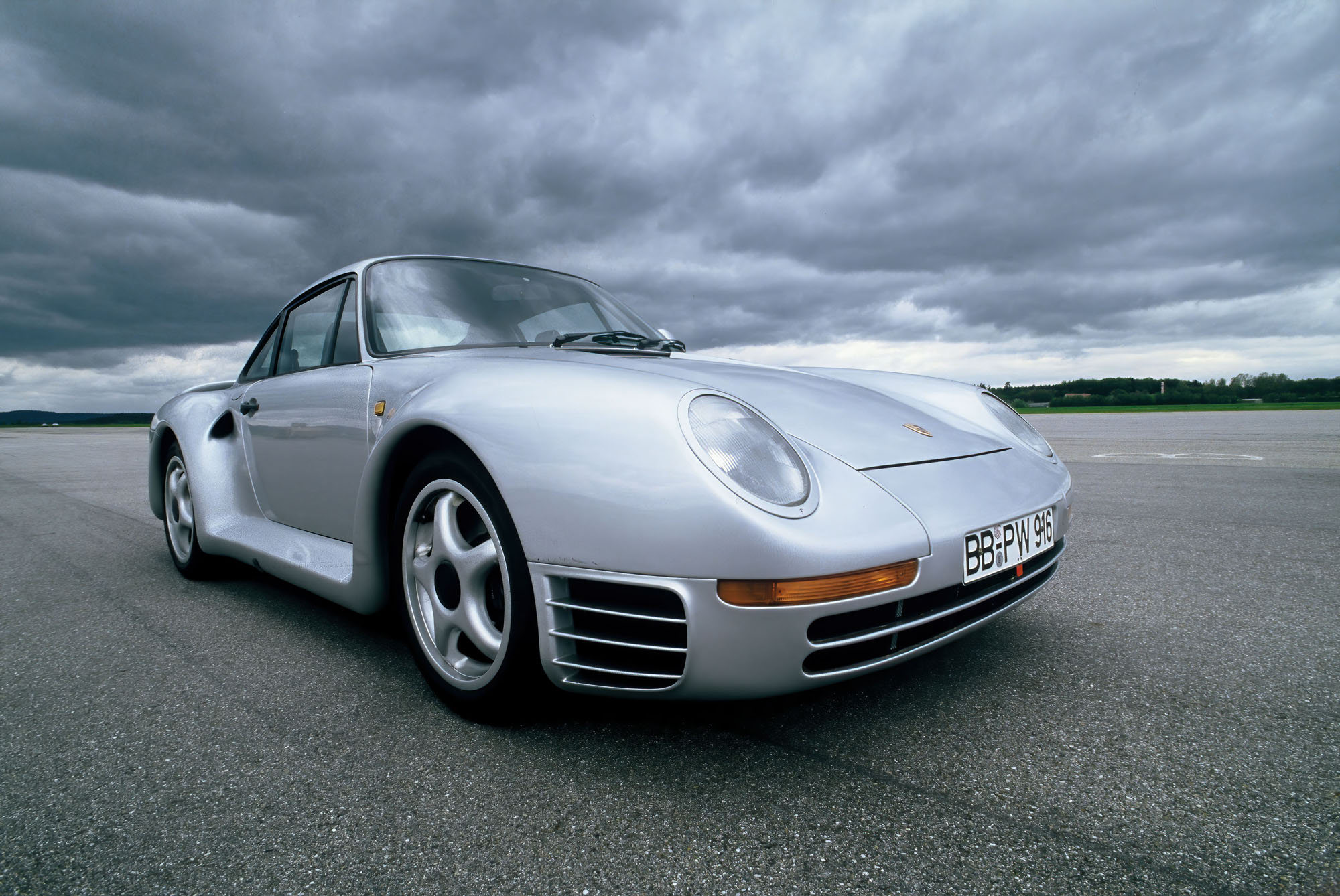
6. Porsche 959
Porsche's entry for Group B was the most advanced car of the 1980s. It had four-wheel drive that moved power between the axles by computer, a twin-turbo flat-six with 444 horsepower, suspension that adjusted its own height and a body of aluminium and Kevlar. It would do 195 mph and could be driven in snow.
Like the 288 GTO, it lost its series before it was ready. Porsche took it elsewhere. The 959 finished first and second on the Paris-Dakar rally in 1986, and the racing version won its class at Le Mans.
Porsche sold 337, each at a loss said to be about as large as the price. It is sixth because most of what it introduced, from four-wheel drive to twin turbochargers working in sequence, became normal on fast cars over the next twenty years.
Verdict Built for a series that vanished, and twenty years ahead of the road cars around it.
A 959 won the 1986 Paris-Dakar Rally, with another second.
- Years
- 1984–87
- Engine
- 2.85 twin-turbo V8
- Power
- 400 hp
- Built
- 272
Road car · Italy
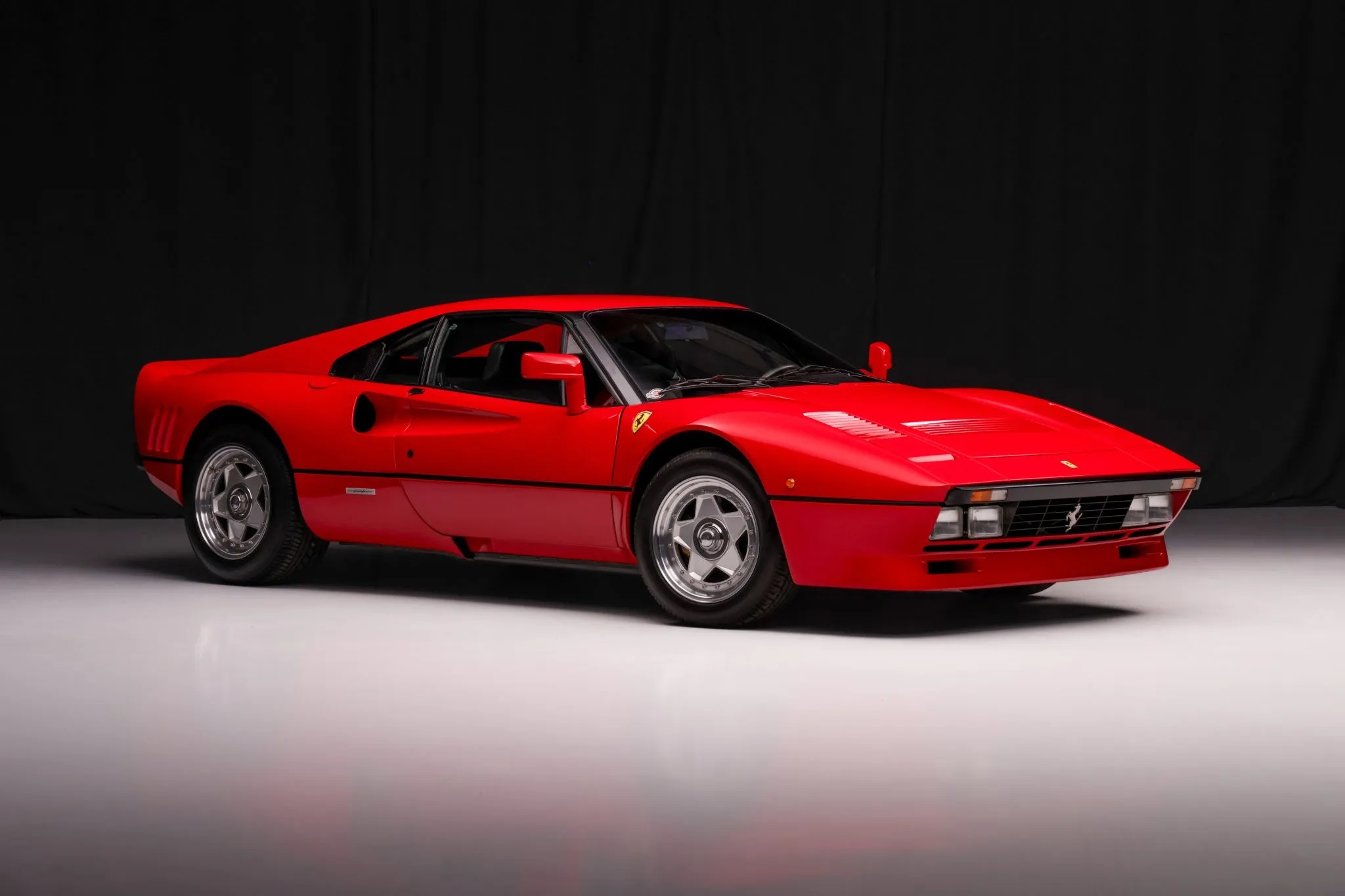
5. Ferrari 288 GTO
Group B allowed a maker to race almost anything as long as 200 were built. Ferrari took the shape of the 308, lengthened the wheelbase, turned the V8 to sit lengthways and added two turbochargers for 400 horsepower. The body was made of glass fibre, Kevlar and carbon. It was the first road car to reach 300 km/h.
The circuit series it was built for never happened, and Group B itself was cancelled in 1986 after a run of fatal accidents in rallying. The GTO never raced. Ferrari built 272, all sold before the first was finished.
It is fifth, and the highest-placed car here that never competed, because of what it led to. The development cars became the F40, and the idea of a limited, numbered Ferrari supercar sold to chosen customers begins with this one.
Verdict A racing car with no race to go to, and the first of Ferrari's supercars.
Homologated for a Group B circuit series that never ran.
- Years
- 1986–91
- Engine
- 2.3 and 2.5 four
- Power
- 192 to 235 hp
- Built
- ~ 17,970
Road car · Germany
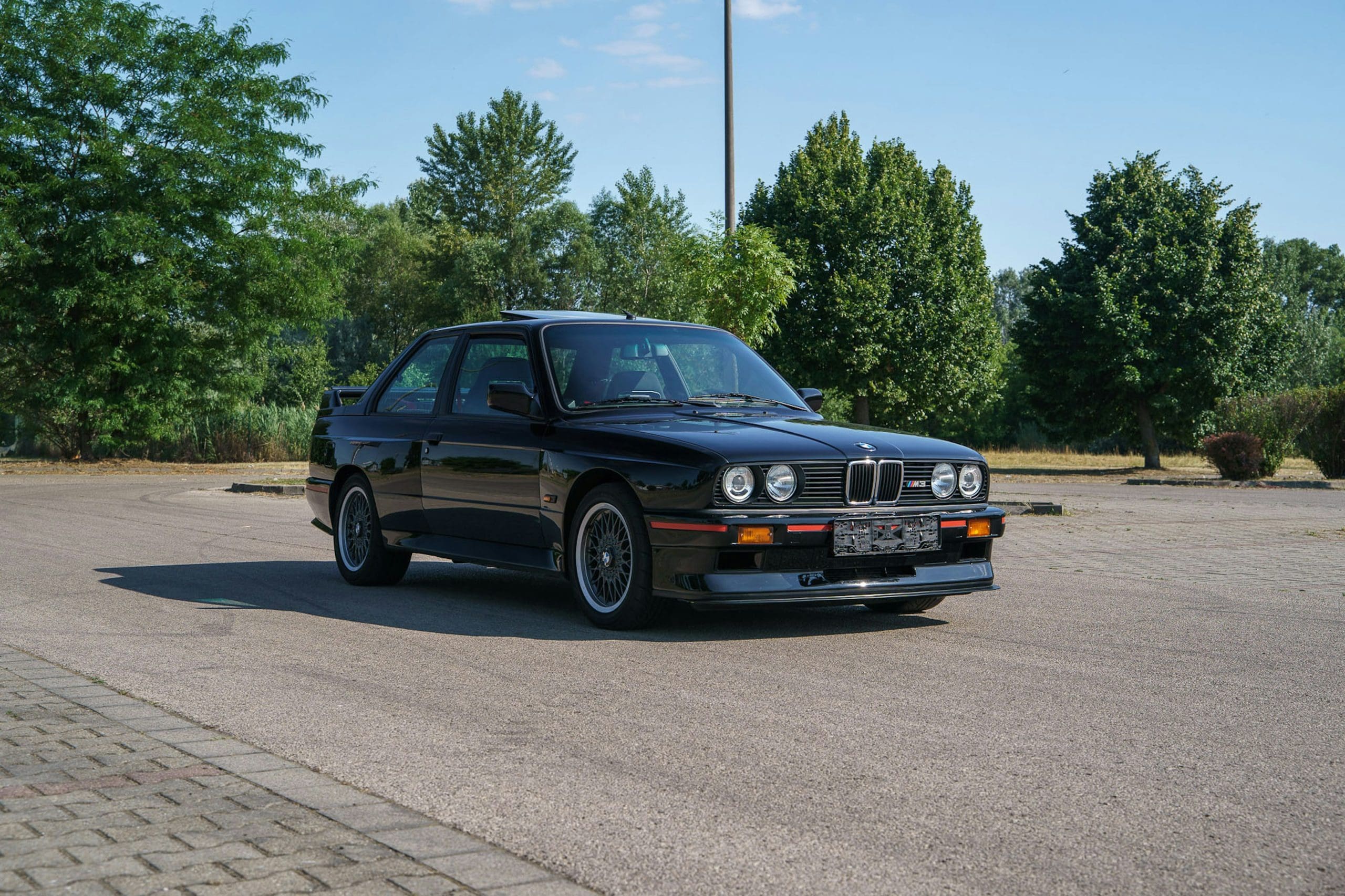
4. BMW M3 (E30)
Group A touring car rules required 5,000 road cars in a year. BMW's motorsport division started with the two-door 3 Series and changed almost everything. The wheel arches were widened to cover racing tyres, the rear window was set at a shallower angle and the boot lid raised to feed air to the wing, and the engine was a new 2.3-litre four with four valves per cylinder and about 195 horsepower.
Almost every outer panel was new. It was built for a rulebook, and it happened to be the best-handling saloon anyone had made.
The racing version won more touring car races than any other car, with titles in Germany, Britain, Italy, Australia and Europe. BMW sold nearly 18,000 road cars, more than three times what it needed. It is fourth because it is the homologation special that the most people have been able to own and drive.
Verdict Built for 5,000 and a rulebook, and better than anyone needed it to be.
It shares very few body panels with the ordinary 3 Series. Even the rear window sits at a different angle.
- Years
- 1972–73
- Engine
- 2.7 flat-six
- Power
- 210 hp
- Built
- 1,580
Road car · Germany
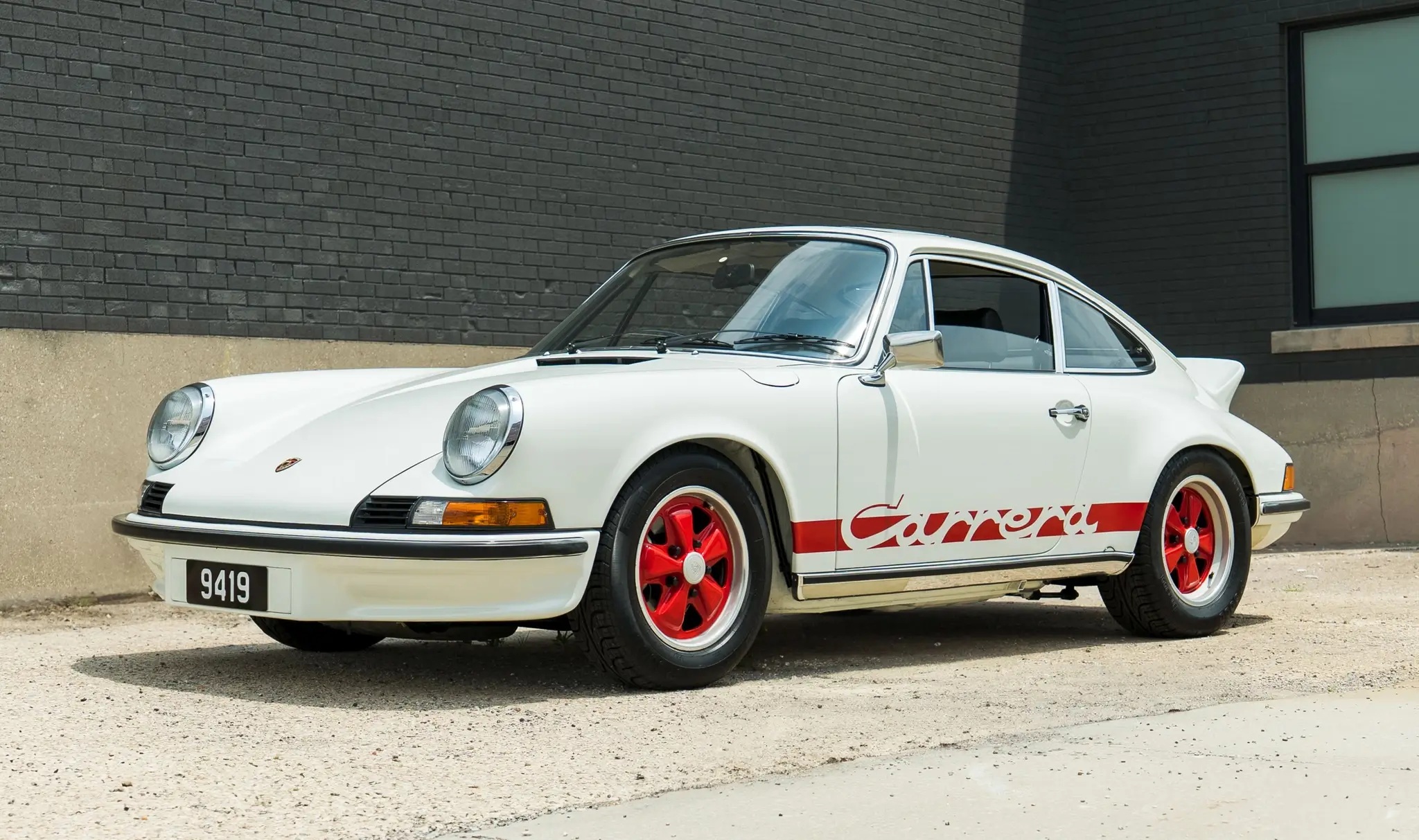
3. Porsche 911 Carrera RS 2.7
To race the 911 in Group 4, Porsche had to build 500 examples of a lighter, more powerful version. Its sales department doubted it could sell that many. The car had thinner steel, thinner glass, no rear seats, a 2.7-litre engine with 210 horsepower and a small upturned spoiler on the engine lid that everyone called the ducktail.
All 500 were sold within a week of the Paris show in 1972. Porsche built 1,580 in the end, most of them with some comfort put back.
It is the best 911 of its period to drive and the model that set the pattern for every RS since: take weight out, add a little power, change the aerodynamics, and sell it to people who would have bought the standard car anyway. It is third because no homologation car has had more influence on its maker's ordinary business.
Verdict Porsche needed 500 and doubted it could sell them. It sold 1,580.
Porsche needed to sell 500 to qualify the car for racing and doubted it could. It sold 1,580.
- Years
- 1973–78
- Engine
- 2.4 V6
- Power
- 190 hp
- Built
- 492
Road car · Italy
2. Lancia Stratos HF
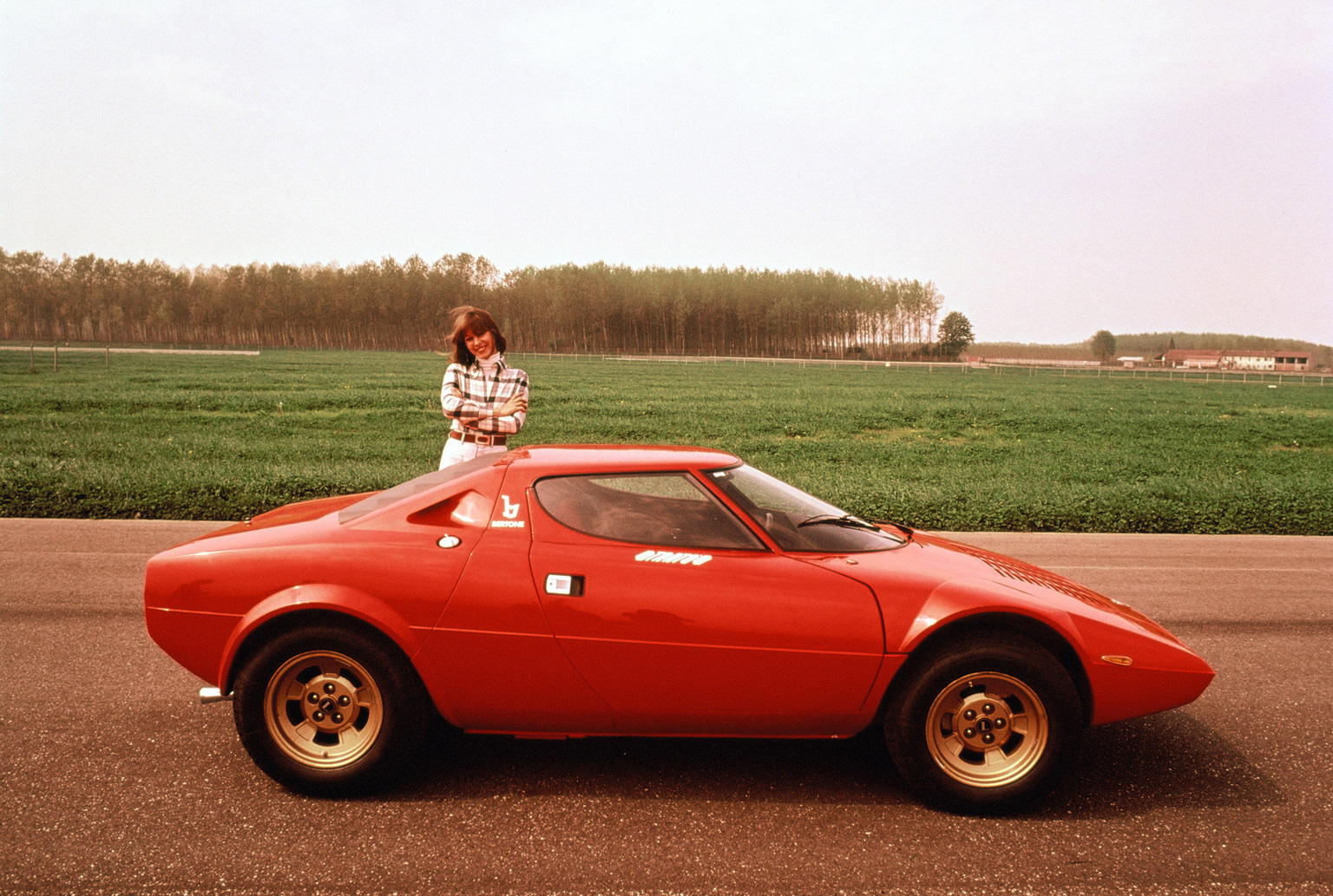
Until 1973 rally cars were road cars made faster. The Stratos turned that round. Lancia designed a rally car first and then built the road version the rules demanded, which is why it looks as it does: very short, very wide, with a wraparound windscreen for seeing sideways and room in the door pockets for a crash helmet.
The engine is the 2.4-litre V6 from the Ferrari Dino, mounted across the car behind the seats, with about 190 horsepower in road form. The wheelbase is so short that it changes direction at once and needs quick hands to hold in a straight line. Lancia was meant to build 500 and probably made a little under that.
It won the World Rally Championship in 1974, 1975 and 1976. It is second because every purpose-built rally car since, including several further down this list, follows the method it invented.
Verdict The first car designed to win rallies, with the road version as an afterthought.
The engine is the Ferrari Dino V6. The door pockets are shaped to hold crash helmets.
The best of the 30 · Road car · Italy
1. Ferrari 250 GTO
- Years
- 1962–64
- Engine
- 3.0 V12
- Power
- 300 hp
- Built
- 36
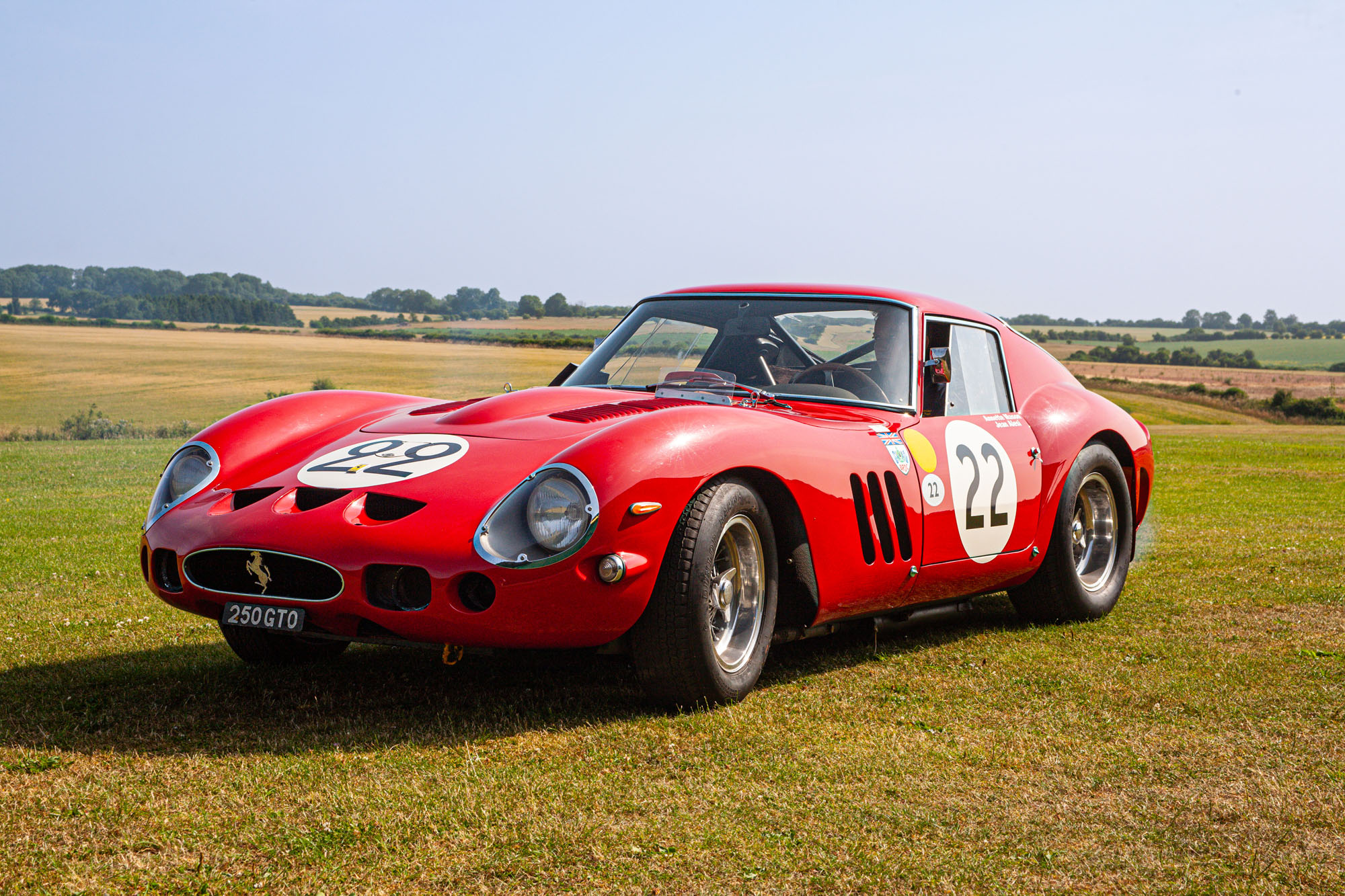
The O in GTO stands for omologato, the Italian for homologated, so the idea is in the name. To race in the GT class of 1962 a car had to exist in a run of at least a hundred. Ferrari built fewer than forty. It argued that the GTO was only a development of the 250 GT short-wheelbase car, which had been made in sufficient numbers, and the authorities accepted that. The story that chassis numbers were skipped to make the total look larger has followed the car ever since.
What Ferrari had actually done was put the dry-sump 3.0-litre V12 from the Testa Rossa sports racer, with about 300 horsepower, into a lighter, lower chassis with a body shaped in the wind tunnel and on the track. It won the GT manufacturers' championship three years running, from 1962 to 1964.
Every one was sold to a customer chosen by the factory, and every one could be driven on the road. Owners still do. It is first because it is the most successful bending of a homologation rule in history, and because the result is among the two or three most valuable cars in the world. Nothing else on this list did so much with so few.
Verdict The rule said a hundred. Ferrari built fewer than forty and won everything.
All 36 survive. Buyers needed Enzo Ferrari's personal approval.
The full story of the Ferrari 250 GTO →239 stories in the archive →
What we left off, and why
One-offs and near one-offs are out: the Nissan R390 GT1 and Toyota GT-One road cars, the Nissan Skyline GT-R LM and the BMW M3 GTR, each built once or a handful of times and never properly sold. The Dauer 962, a Le Mans car converted for the road, belongs with them.
The McLaren F1 GT was built to legalise the long-tailed racing car, but only three were made. The Subaru Impreza 22B is often called a homologation special and was not one: it was a celebration of titles already won. The Dodge Charger Daytona is counted with the Plymouth Superbird that followed it.
Cars that came close include the Porsche 924 Carrera GT and 911 SC RS, the Fiat 131 Abarth, the MG Metro 6R4, the Citroën BX 4TC, the Mitsubishi Pajero Evolution, the Volvo 242 Turbo and the earlier Lancer Evolutions. Australia's Falcon GTHO and Commodore Group A cars would make a list of their own.
Tell us what we got wrongQuestions about this list
What is a homologation special?
A road car built because racing or rally rules required it. To stop makers entering pure racing cars, the rules set a minimum number of road cars that must be made and sold, such as 200 or 5,000. The cars built to meet that number are called homologation specials.
What is the greatest homologation special?
By our ranking, the Ferrari 250 GTO of 1962. The rules required a hundred cars and Ferrari built fewer than forty, arguing it was a version of an existing model. It won the GT championship three years running. The Lancia Stratos and Porsche 911 Carrera RS 2.7 are second and third.
What was Group B?
Group B was a set of rally and racing rules that ran from 1982 to 1986. It required only 200 road cars, which let makers build very fast and very specialised machines such as the Audi Sport Quattro, Peugeot 205 Turbo 16 and Ford RS200. It was cancelled after a series of fatal accidents in 1986.
Do carmakers still build homologation specials?
Rarely. Most modern racing rules no longer require road cars in the same way. The Toyota GR Yaris of 2020 is the best recent example: it was built to qualify a rally car, and 25,000 were required.
Why is the Subaru Impreza 22B not on this list?
The 22B is often described as a homologation special, but it was not built to meet a rule. Subaru made it in 1998 to celebrate rally titles it had already won. It is a great car, and it belongs on a different list.
We started from the road cars that were built to meet a production requirement in racing or rallying, and cut the list to thirty. Each was judged first as a road car and then on what its competition version achieved.
There is no limit on the number from one maker. Ford has five and Lancia four, which reflects how much each depended on this way of going racing.
Most of these cars already appear on our lists for their makers, and the specifications are the same ones used there. Production numbers for homologation cars are often disputed, because makers had every reason to overstate them at the time, and we have said so where it matters.