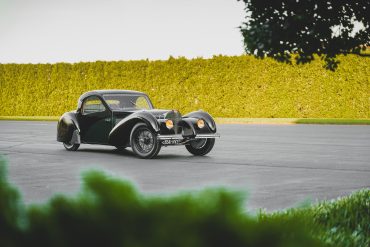
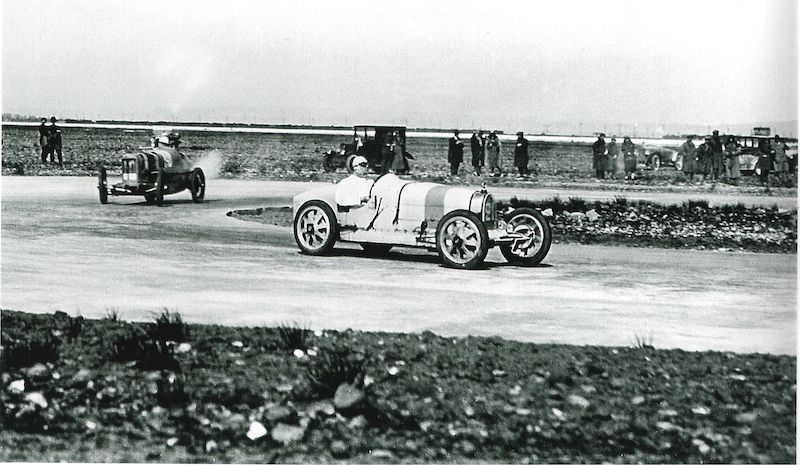
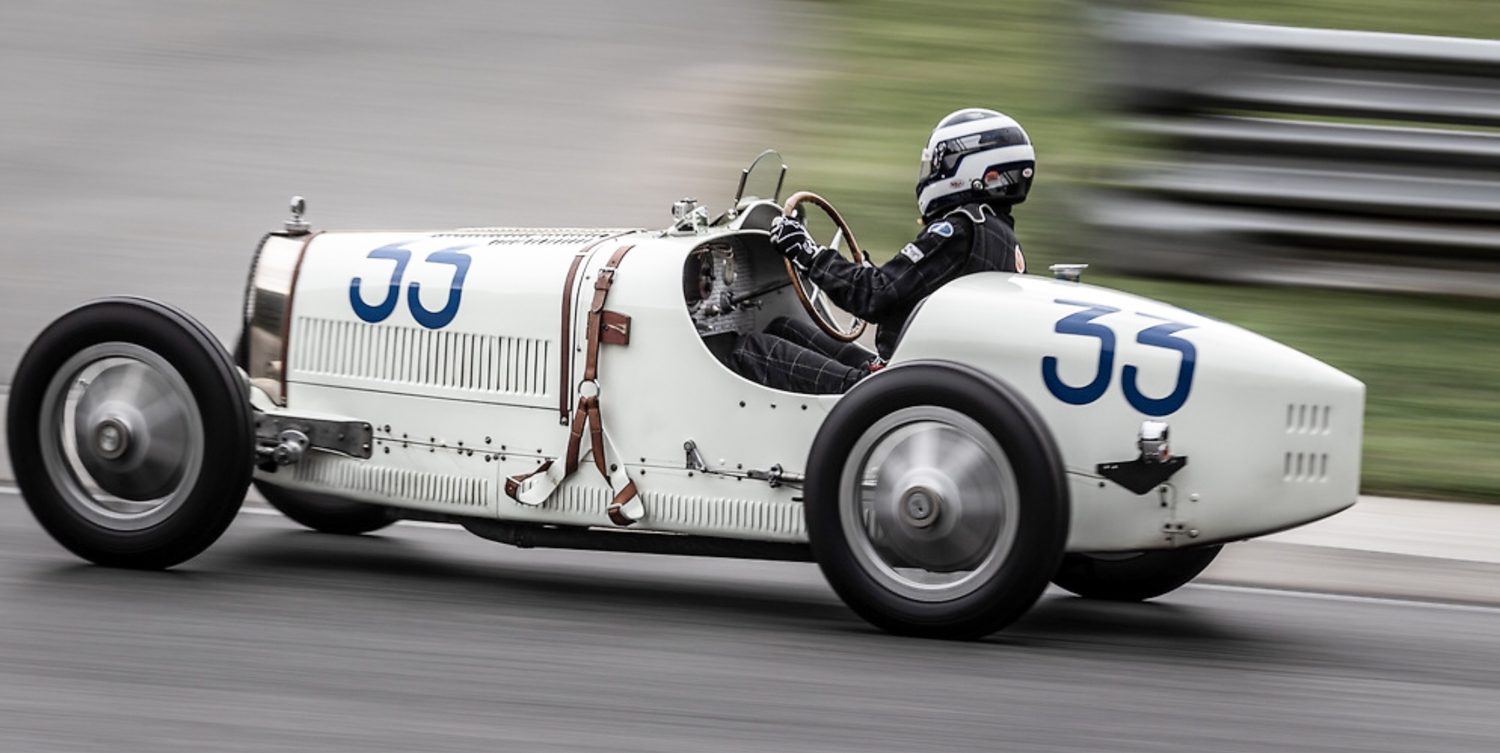
Chassis 37265, a 1927 Bugatti Type 37A still raced by Andrew Larson, was once driven by Anne-Cécile Itier against the men. Peter Linsky on why Bugatti sold Grand Prix cars to anyone with a bank draft.

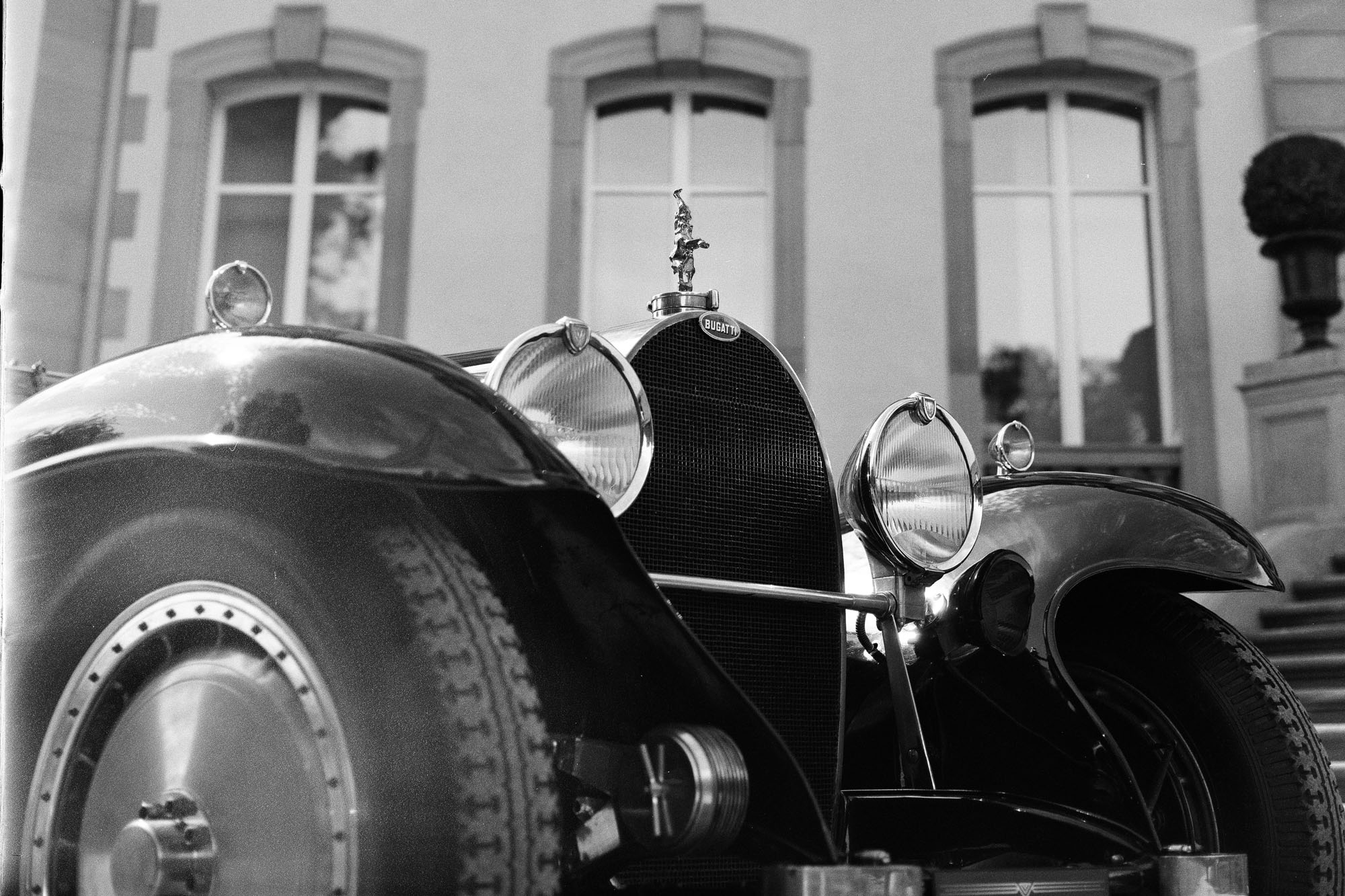
Le pur-sang des automobiles: Ettore Bugatti's thoroughbreds from Molsheim, the Brescia and the Type 35 that won more races than any car before or since, the Royale, Jean Bugatti's Type 57 and the Atlantic, two Le Mans wins, the long silence after 1956, Artioli's EB110, and the Volkswagen cars, Veyron to Tourbillon, that made the name mean 250 mph again. The archive has 380 Bugatti stories, from Robert Newman's Superbugs to the Royale's centenary, and this page puts them in order.
The pieces to start with
Eight pieces that explain the marque: Quinn's Le Pur-Sang for the Road, Newman's Superbugs and the Type 35 profile, McDonough's Brescia in Black, Linsky's Type 37A, Atlantic Crossing, Ludvigsen's Type 101 and the EB110 history.
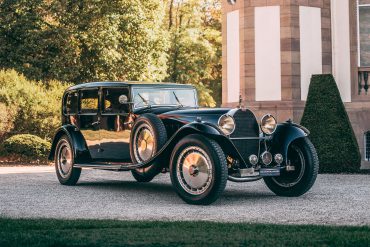
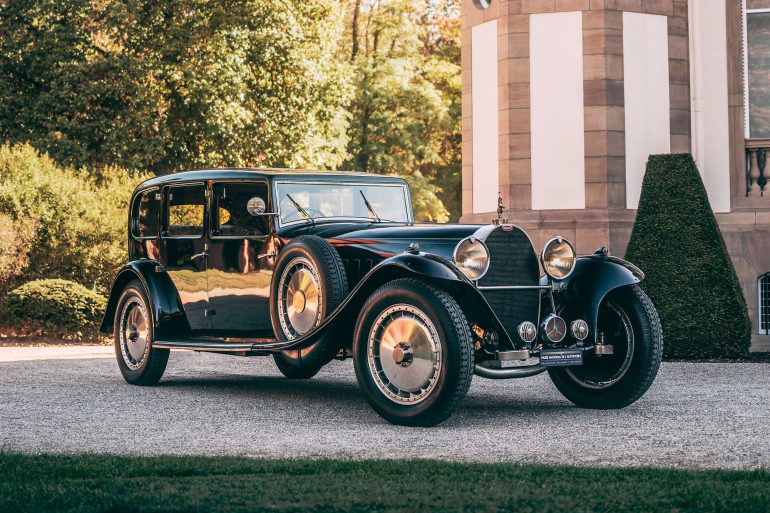
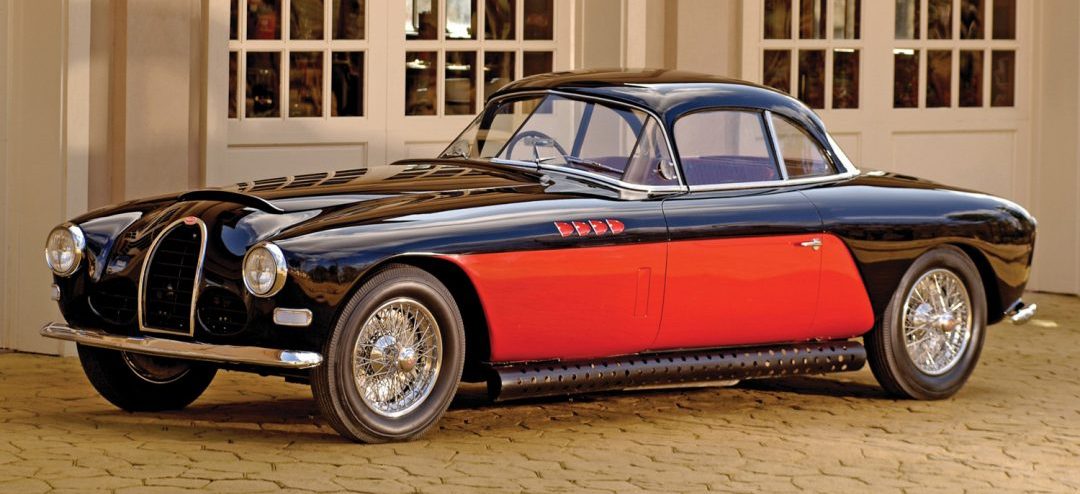
Between the six Royales, 169 inches of wheelbase and a $30,000 chassis, and the Type 35 that won more than anything before or since, Bugatti needed cars that paid the bills. Patrick Quinn on the everyday Bugattis of the 1920s.
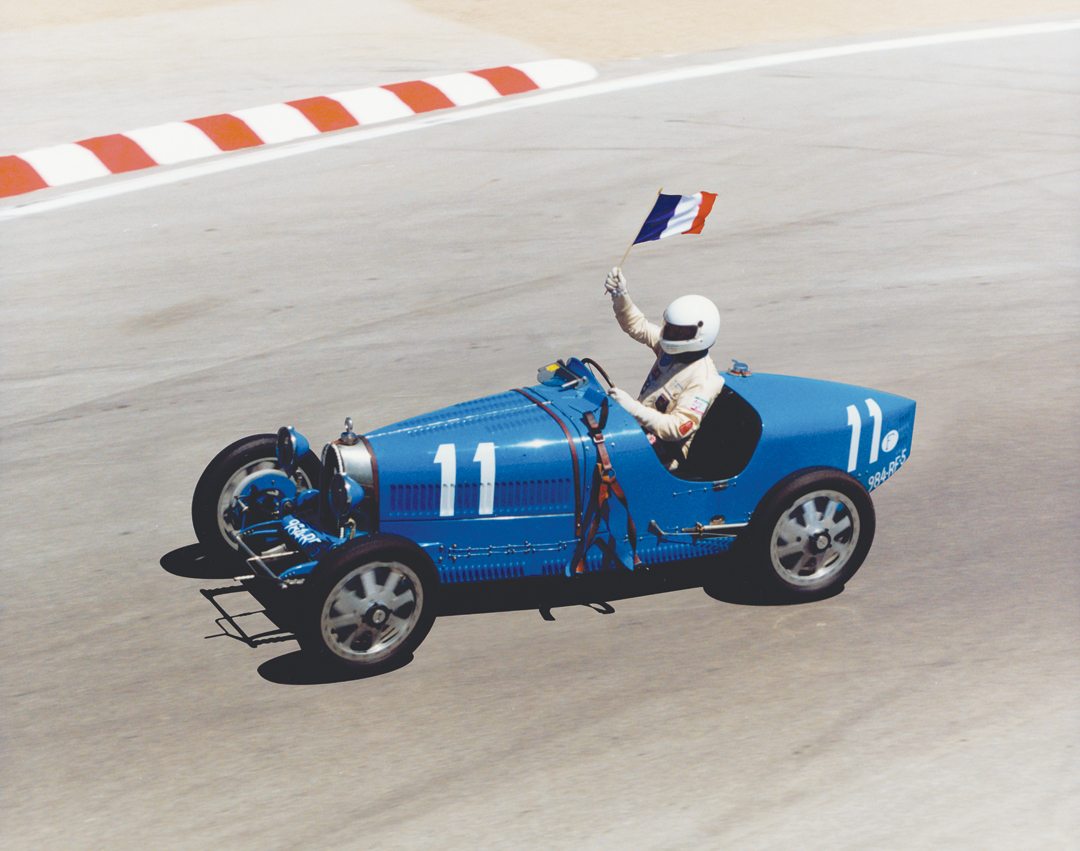
Six Type 35s were driven from Molsheim to Lyon for the 1924 French Grand Prix, with 45 staff housed in a tent with beds, baths and an ice-box. Two finished, 7th and 8th; the tires’ treads came off. Robert Newman.
Some of the world’s most evocative Grand Prix cars are those originally manufactured during the 1920s, not necessarily for racing team use but primarily for sale to private customers, providing them with the equipment necessary to take the…
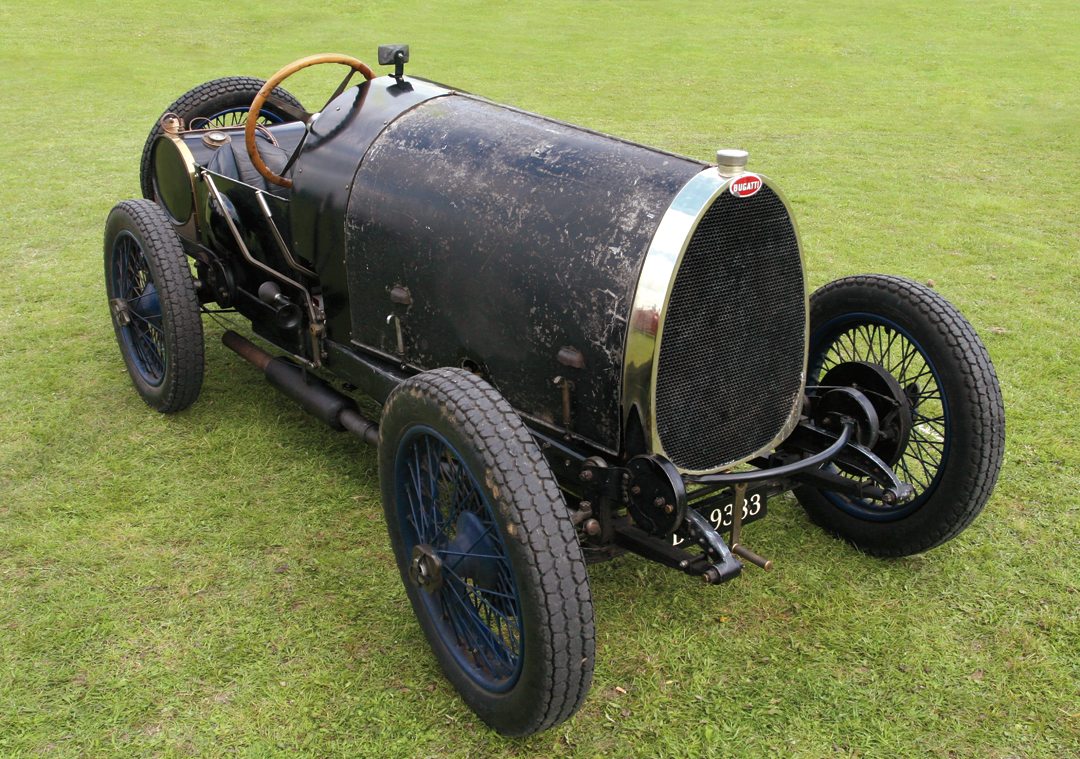
The Type 13 was the first Bugatti built at Molsheim and the first to carry a type number from Ettore himself, a small car ridiculed until it handled better than the big ones. Ed McDonough on a 1924 Brescia.
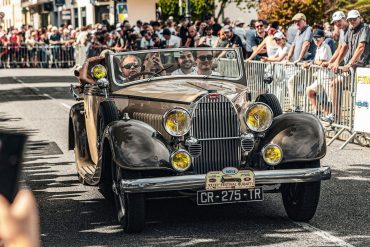
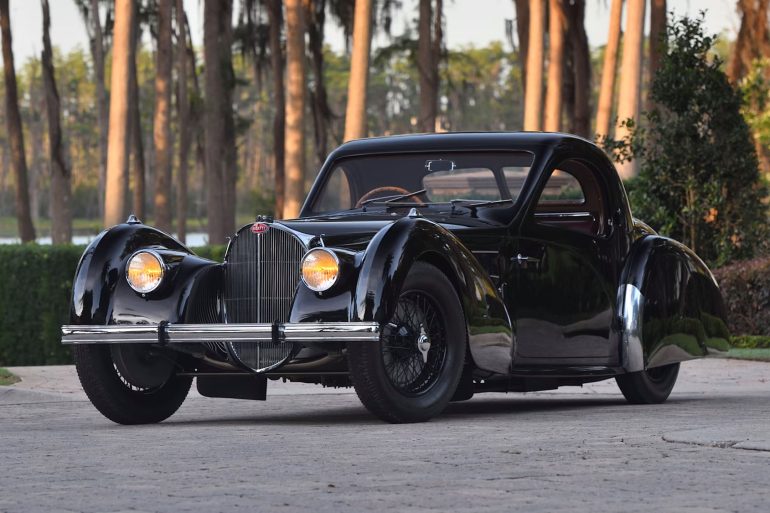
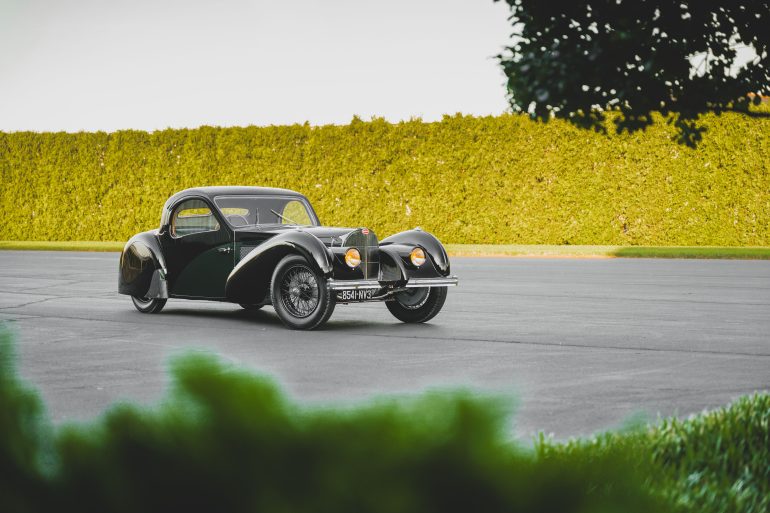
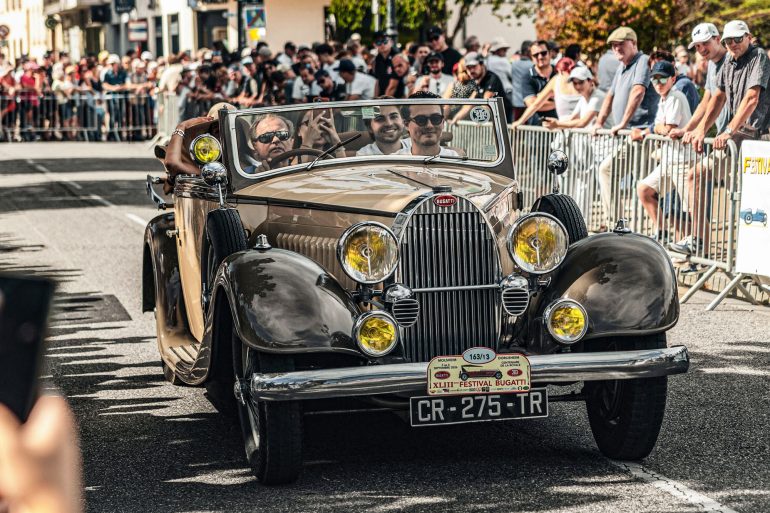
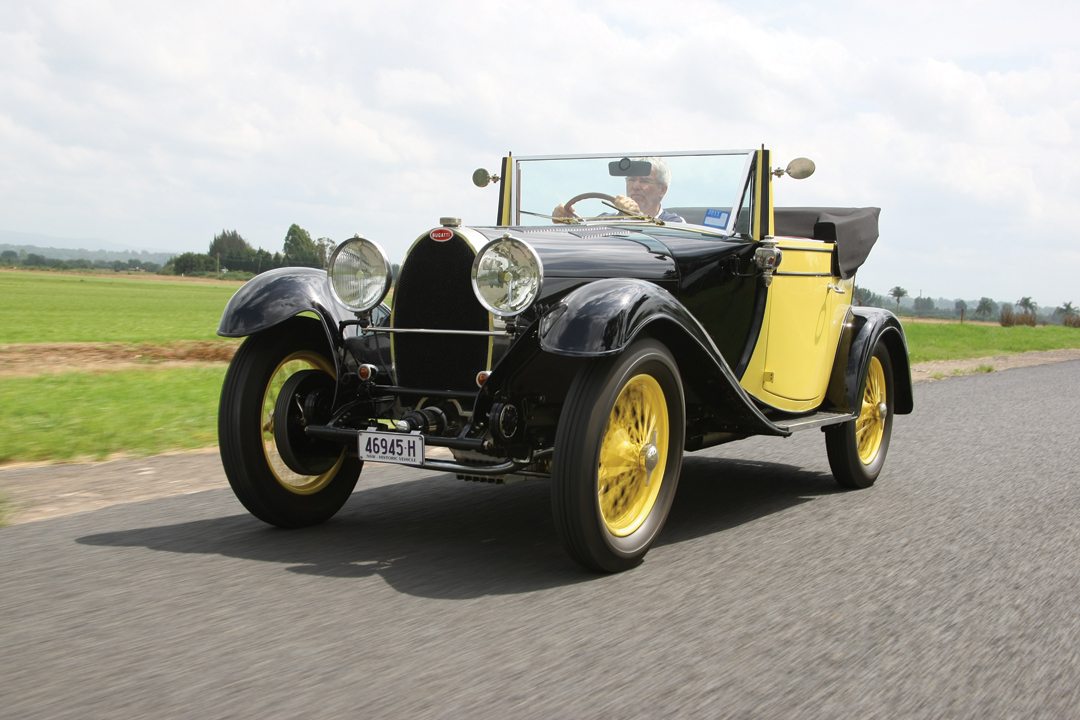
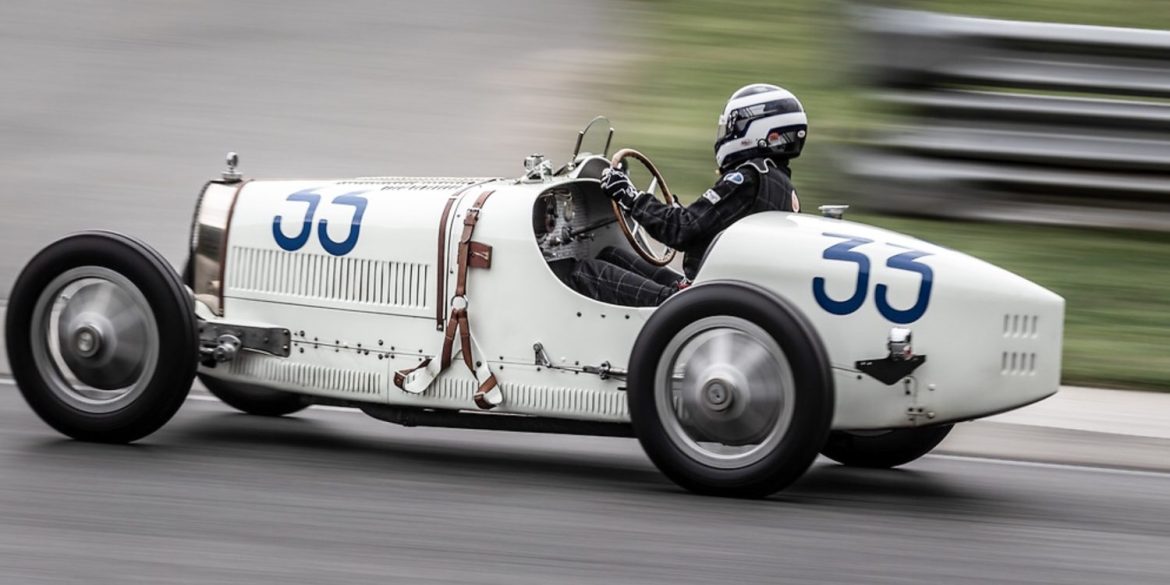
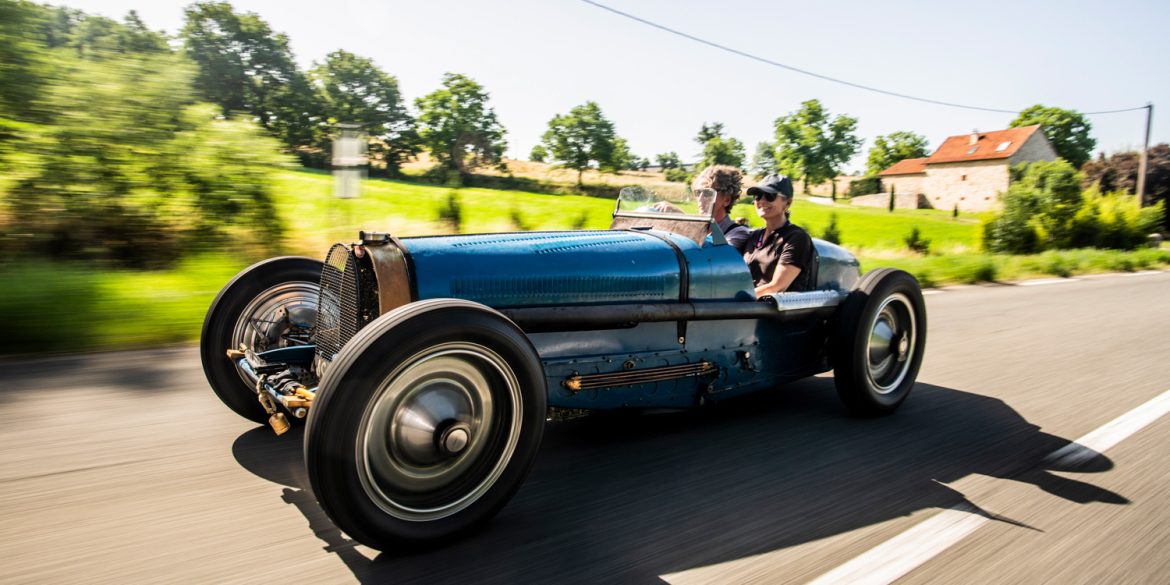
Chassis 37265, a 1927 Bugatti Type 37A still raced by Andrew Larson, was once driven by Anne-Cécile Itier against the men. Peter Linsky on why Bugatti sold Grand Prix cars to anyone with a bank draft.
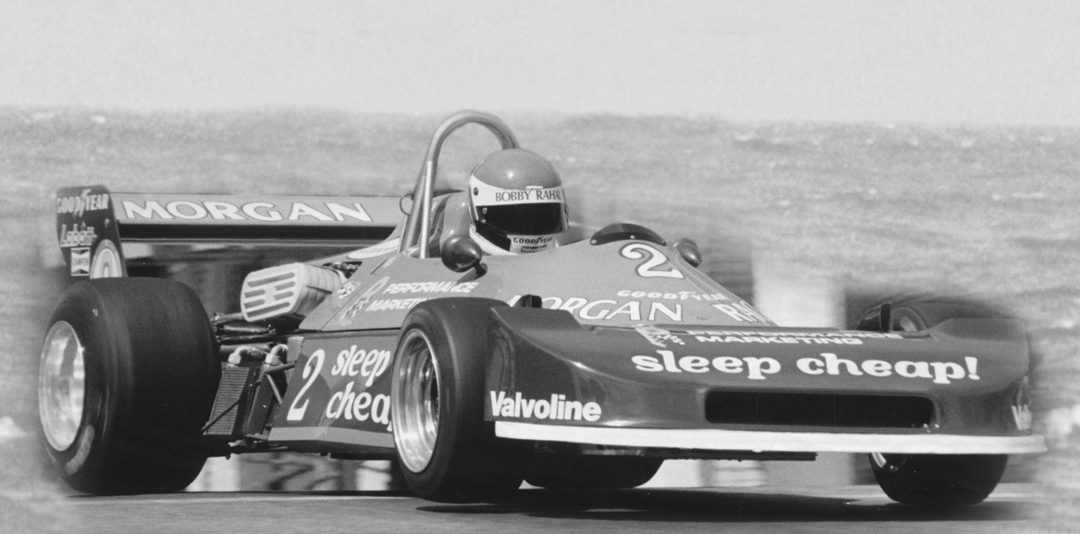
By the late 1960s Formula 3 grids needed two heats and a final, the top ten sat within a couple of seconds. Formula Atlantic was Britain’s 1971 answer, built on an American idea and exported back to North America.
Bugatti built 687 Type 57s between 1934 and 1939 and won Le Mans with versions of it in 1937 and 1939. After Ettore’s death the family bet on a post-war grand tourer in its image. Karl Ludvigsen on the wager.
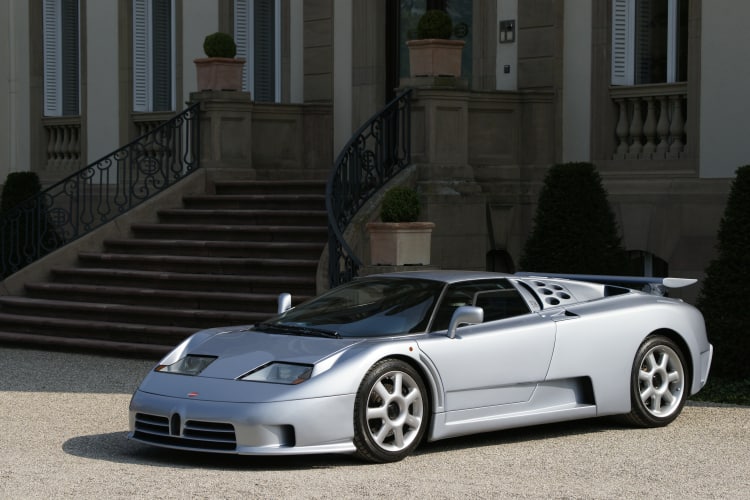
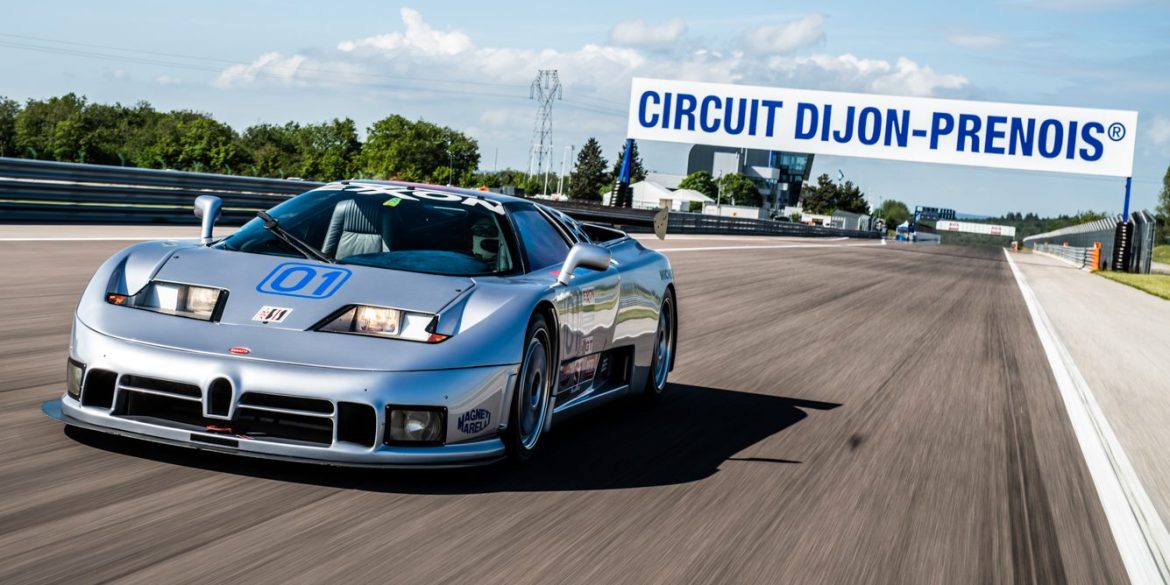
Jean Bugatti died days before the war, the Molsheim works was wrecked and Ettore, an Italian in liberated France, saw his property confiscated. Djordje Sugaris on Romano Artioli’s EB110, the third revival and the one that nearly worked.
The newest long-form writing on Bugatti, as it is published.
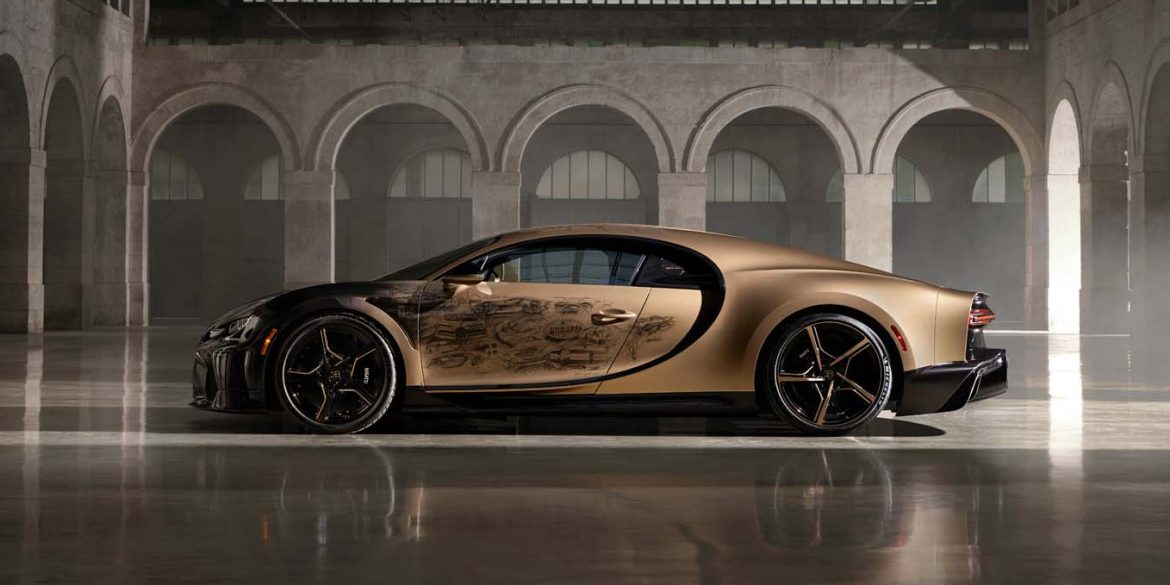
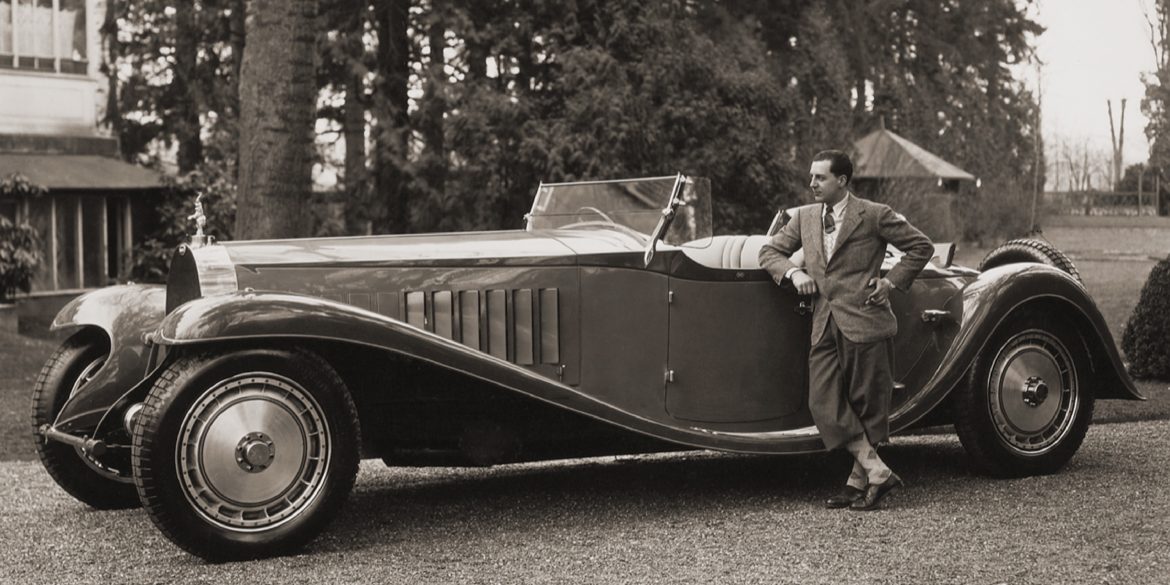
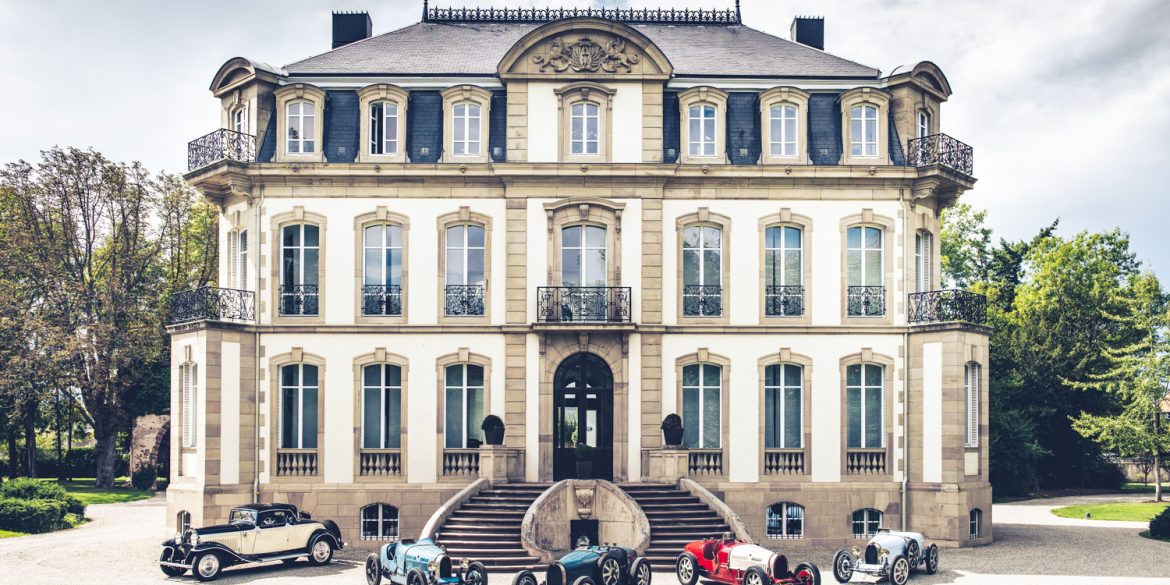
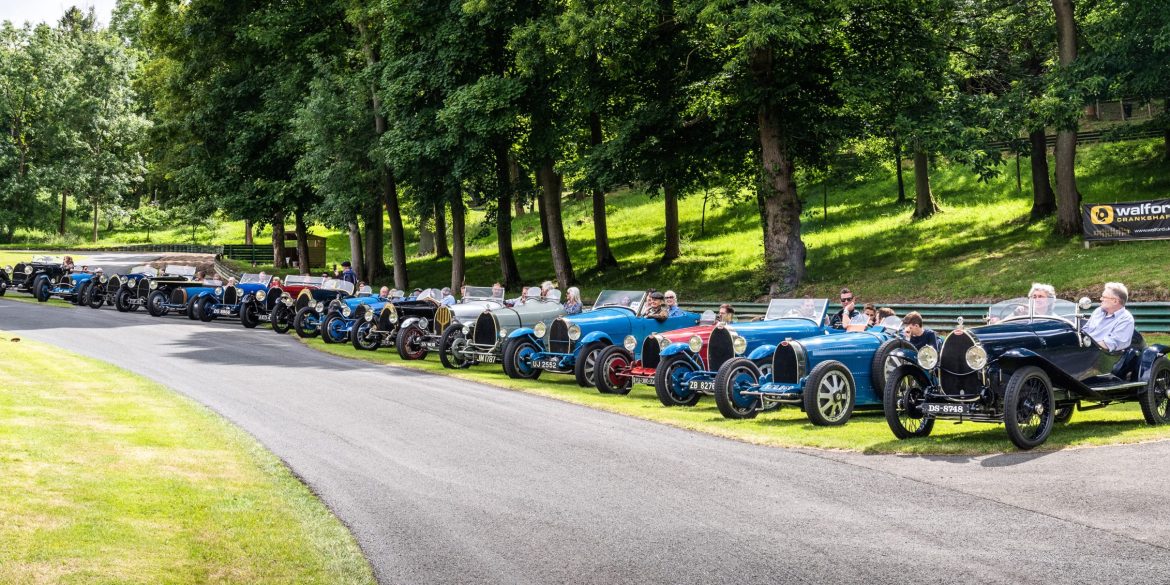
Bugatti is the maker of racing, sports and luxury cars that Ettore Bugatti, a Milanese of twenty-eight, founded at Molsheim in Alsace in 1909, when Alsace was German, and ran as an artist's workshop as much as a factory until his death in 1947: every Bugatti of the first era, from the Type 13 of 1910 to the Type 57 of the 1930s, had the horseshoe radiator, the engine-turned aluminium, the polished straight-eight and the engineering-as-sculpture that made the cars as prized by collectors as by racing drivers. The Type 35 and its relations won something like two thousand races in the 1920s and 1930s, including five Targa Florios in a row and the first Monaco Grand Prix; the Type 41 Royale was the most expensive and the largest car ever offered; the Type 57SC Atlantic is the most valuable car in the world in private hands. The factory never recovered from the war, Jean Bugatti's death in 1939 and Ettore's in 1947, and closed in 1956.
The name has been revived twice. Romano Artioli's Bugatti Automobili built the EB110, the first four-wheel-drive quad-turbo supercar, at Campogalliano from 1991 until the money ran out in 1995; and Volkswagen, which bought the name in 1998, built the Veyron at Molsheim from 2005, the first production car past 1,000 horsepower and 250 mph, and the Chiron from 2016, which passed 300 mph in 2019, before merging Bugatti with Rimac in 2021 to make the Tourbillon. The archive's Bugatti coverage, from Patrick Quinn's Le Pur-Sang des Automobiles for the Road to this autumn's Royale centenary, follows all three lives, and the chapters below put them in order.
Ettore Arco Isidoro Bugatti was born in Milan on 15 September 1881 into a family of artists: his father Carlo made furniture and jewellery, his brother Rembrandt was a sculptor of animals whose dancing elephant became the Royale's mascot. He went to work for Prinetti and Stucchi at seventeen, designed cars for De Dietrich, Mathis and Deutz, and in 1909 took a lease on a dyeworks at Molsheim, near Strasbourg, and built his own: the Type 13, a 1.3-litre four with an overhead camshaft and a chassis that weighed almost nothing, which finished second overall in the 1911 French Grand Prix at Le Mans behind a Fiat of ten times its capacity. The war, which made Molsheim French when it ended, interrupted everything; in 1920 the Type 13 won the Voiturette Grand Prix at Le Mans and in 1921 four of them finished first, second, third and fourth at Brescia, which gave the sixteen-valve cars their name. Ed McDonough's Brescia in Black in the archive follows one, and the Model (Bugatti Type 13 Brescia) thread the rest.
The Type 35 was shown at the 1924 French Grand Prix at Lyon, six cars driven there on the road from Molsheim, and failed, its tyres throwing their treads, before becoming the most successful racing car ever built: a two-litre straight-eight in a chassis of exquisite proportion, with the cast-aluminium wheels that carried their own brake drums, built in some 340 copies for customers who raced them everywhere. Robert Newman's The Superbugs in the archive is the history, and the magazine's Type 35 Grand Prix profile the car in detail. The Type 35 won the Targa Florio five years running from 1925 to 1929, the first Monaco Grand Prix in 1929 with William Grover-Williams in a 35B, and the world championship of makes in 1926; its sisters, the Type 37 four-cylinder of Peter Linsky's Everyman's Racecar and the Type 39, James Beckett's Natural Born Thriller, took the smaller classes, and the supercharged 35C and 35B the bigger ones. Louis Chiron, Jean-Pierre Wimille, Robert Benoist, Albert Divo, Meo Costantini and the rest drove them, and most of them had been pilots, which the archive's Dare Devils by Land and Air explains.
The twin-cam Type 51 of 1931 kept Bugatti competitive against Alfa Romeo and Maserati for two more seasons, Chiron winning Monaco in it that year; the Type 54 was the brute and the Type 59 of 1933 and 1934, the last great Bugatti Grand Prix car with its piano-wire wheels, was beautiful and a year too late against the German teams, though Wimille won the Algiers Grand Prix in one and Dreyfus the Belgian in 1934. Ettore turned to railcars, the Autorail, powered by Royale engines, and in Grand Prix racing Bugatti faded; the Grand Prix History hub and the Silver Arrows era page carry the rest of the decade.
The Type 41 Royale was Ettore's idea of a car for kings: a 12.7-litre straight-eight, a wheelbase of fourteen feet, a radiator cap of Rembrandt's elephant and a chassis price of 500,000 francs, conceived in 1926 for a market that the Depression removed. Six were built between 1927 and 1933 and three were sold, none of them to a king; the family kept the rest, walled two up during the war, and the Schlumpf brothers' hoarding of two of them is part of the story Leigh Dorrington tells from Mulhouse in the archive's Schlumpf Collection profile. The Royale's centenary in 2026, which Rex McAfee covers, brought the survivors together for the first time. Patrick Quinn's Le Pur-Sang des Automobiles for the Road follows the Type 43, 44, 46, 49 and 50 road cars of the same years, Grand Sport to the Type 50's twin-cam.
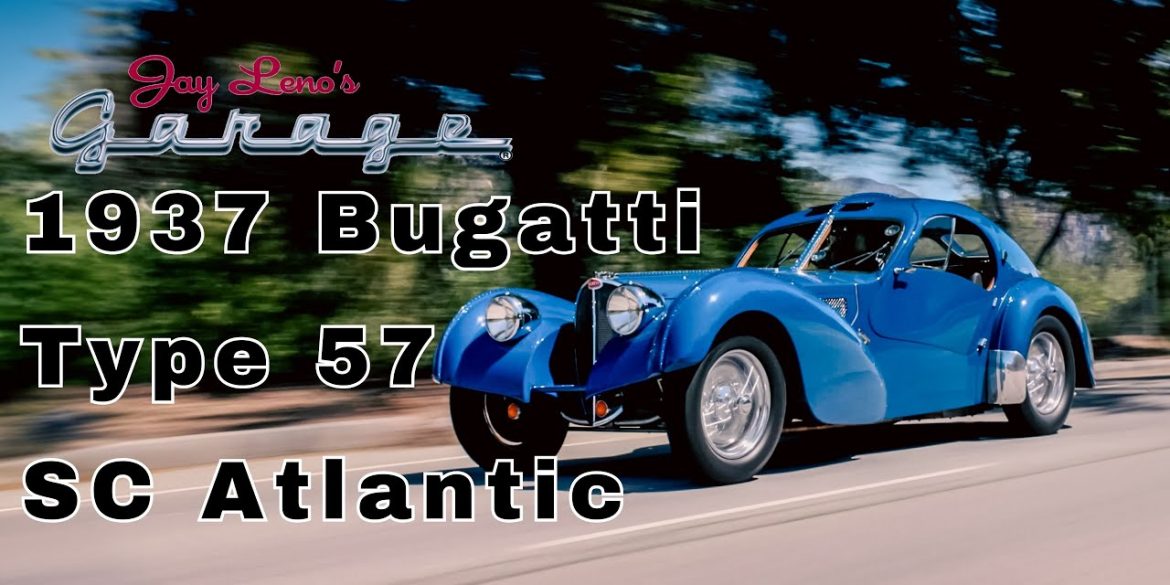
Jean Bugatti, Ettore's elder son, born in 1909, was the designer of the 1930s: the Type 55 roadster of 1932, the Type 57 of 1934, the car that kept the company alive with 710 built in five years, and its lowered, short-chassis 57S and supercharged 57SC, of which the four Atlantic coupés of 1936 to 1938, with their riveted dorsal seam and teardrop shape, are the most valuable cars in the world; the Aérolithe show car of 1935 in Elektron magnesium preceded them and vanished. Three Atlantics survive, the Rothschild car now with Peter Mullin's and Rob Walton's partnership, the Pope car with Ralph Lauren and the Holzschuch car rebuilt in Mulhouse; Jean's own car, the fourth, was lost when the factory was evacuated in 1940 and is the most sought-after lost car in the world. The archive's Atlantic Crossing, Steve Natale's Corsican Bug on a 57SC tourer, the Type 57 thread of 110 stories and the Peter Mullin and Randy Ema profiles carry the car, and Casey Annis's Grümmer follows the French coachbuilders who dressed Bugattis beside the factory's own Gangloff bodies. The 57G Tank won Le Mans in 1937 with Wimille and Benoist and the 57C in 1939 with Wimille and Pierre Veyron; on 11 August 1939 Jean Bugatti was killed testing the Le Mans car on the road near Molsheim, swerving to miss a cyclist. He was thirty.
The cars and the racing, year by year, with the archive's story of each linked. Car names link to every story on the site about that model.
| Year | The cars | The racing | In the archive |
|---|---|---|---|
| 1909 | Automobiles E. Bugatti, Molsheim | Ettore, 28, leases a dyeworks in German Alsace | Ettore Bugatti |
| 1910–11 | Type 13 | The first production Bugatti; second overall in the 1911 French Grand Prix behind a Fiat of ten times its capacity | The Pioneers era |
| 1921 | Type 13 Brescia | First, second, third and fourth at Brescia; the sixteen-valve cars take the name | Brescia in Black |
| 1924 | Type 35 | Shown at the Lyon Grand Prix, six cars driven there by road; the tyres fail | The Superbugs |
| 1925–29 | Type 35 · Type 37 | Five Targa Florios in a row; the world championship of makes in 1926; some two thousand wins | Type 35 Grand Prix profile · Everyman's Racecar: Type 37A |
| 1926–33 | Type 41 Royale | The car for kings: six built, three sold, none to a king | The Royale at 100 |
| 1929 | Type 35 | Grover-Williams wins the first Monaco Grand Prix in a 35B | Monaco Grand Prix hub |
| 1931 | Type 51 | The twin-cam Grand Prix car; Chiron wins Monaco | Louis Chiron |
| 1932 | Type 55 | Jean Bugatti's roadster on the Type 51's engine; 38 built | Jean Bugatti |
| 1933–34 | Type 59 | The last great Bugatti Grand Prix car, a year too late; Wimille at Algiers, Dreyfus in Belgium | The 1934 French Grand Prix |
| 1934 | Type 57 | Jean's Type 57, the car that keeps the company alive: 710 built | Le Pur-Sang for the Road |
| 1936 | Type 57SC Atlantic · Type 57S | The Atlantic, four built; the lowered 57S | Atlantic Crossing · Corsican Bug |
| 1937 | Type 57 | Le Mans won by the 57G Tank, Wimille and Benoist | Jean-Pierre Wimille · Le Mans hub |
| 1939 | Type 57 | Le Mans again, Wimille and Veyron in the 57C; Jean Bugatti killed testing it, 11 August | Robert Benoist |
| 1947 | Molsheim regained | Ettore Bugatti dies in Paris, 21 August, aged 65 | Ettore Bugatti |
| 1951 | Type 101 | Roland Bugatti and Pierre Marco's Type 57 in new clothes; seven or eight built | Bugatti's Type 101 |
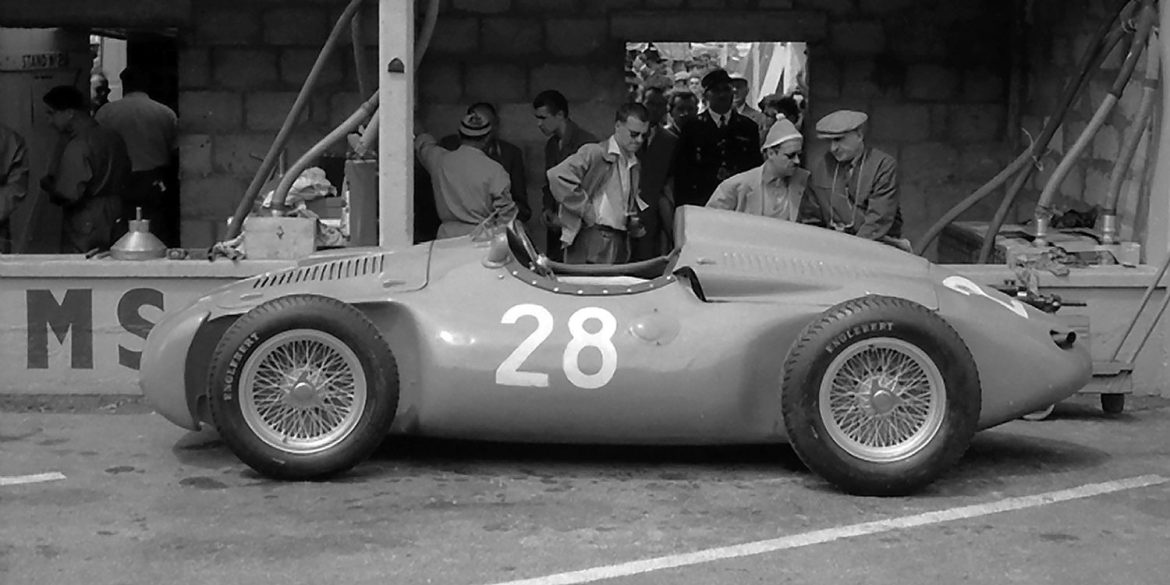
| 1956 | Type 251 | Colombo's mid-engined Grand Prix car starts once, at Reims; car production ends | |
| 1963 | Hispano-Suiza buys the company | The name goes to the collectors, the Owners' Club and Prescott | Prescott |
| 1977 | The Schlumpf collection seized | The Mulhouse hoard, two Royales among it, becomes the national museum | The Schlumpf Collection |
| 1987 | Bugatti Automobili | Romano Artioli buys the name; the Campogalliano factory | |
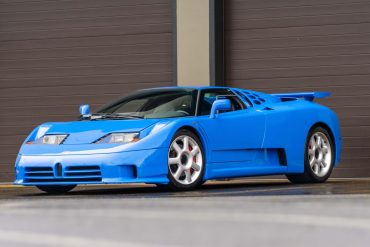
| 1991 | EB110 | Launched on Ettore's 110th birthday: quad-turbo V12, four-wheel drive, 212 mph | The EB110 |
| 1995 | EB110 | Artioli's company fails in September; about 140 built | |
| 1998 | Volkswagen buys the name | Piëch's brief: 1,001 horsepower and 400 km/h | |
| 2005 | Veyron | The Veyron 16.4 at Molsheim: 408 km/h, €1 million, 450 built by 2015 | The W16 engine |
| 2010 | Veyron | The Super Sport's 431 km/h; the Atlantic sold privately for a reported $30–40 million | |
| 2016 | Chiron | 1,500 horsepower; 500 to be built | |
| 2019 | Chiron · Centodieci · Divo | Andy Wallace's 304.773 mph in the Super Sport 300+; La Voiture Noire and the coachbuilt cars | Andy Wallace's Latest Act · Chiron Super Sport 300+ |
| 2020 | Bolide · Type 59 | The track-only Bolide; the Type 59 Sports makes £9.5 million in London | The Type 59 Sports sale |
| 2021 | Chiron | Bugatti Rimac formed; Rimac 55 per cent, Porsche 45 | Rimac |
| 2024 | Tourbillon · Mistral | The Cosworth V16 hybrid Tourbillon; the last Chiron and the Mistral roadster | The Tourbillon's sound |
| 2026 | Type 41 Royale · Brouillard | The Royale's centenary reunion; the first Programme Solitaire car | Bugatti looks forward |
Molsheim Bugattis carry type numbers in rough order of design, not production; the 57S is the lowered chassis and the C the supercharged engine, so a 57SC is both. The Great Races pages carry each race in full.
The factory was sold under duress to the Germans in 1940 and Ettore spent the war in Paris; he regained Molsheim after a lawsuit in 1947 and died on 21 August that year, aged 65, before he could restart it. His younger son Roland and the engineer Pierre Marco tried: the Type 101 of 1951 was a Type 57 with new bodies, of which seven or eight were built, and Karl Ludvigsen's Bugatti's Type 101: A New Beginning? in the archive is the fullest account of it; the Type 251 Grand Prix car of 1956, designed by Gioacchino Colombo with the engine behind the driver, started one race, the French Grand Prix at Reims, with Maurice Trintignant and retired, and the factory stopped making cars that year. Hispano-Suiza bought the company for its aero-engine work in 1963, and the Bugatti name went to the collectors and the Bugatti Owners' Club at Prescott, whose hillclimb and the archive's Prescott stories kept the cars running; Pete Lyons's Before Their Time and the Pau Grand Prix stories keep the racing in view.
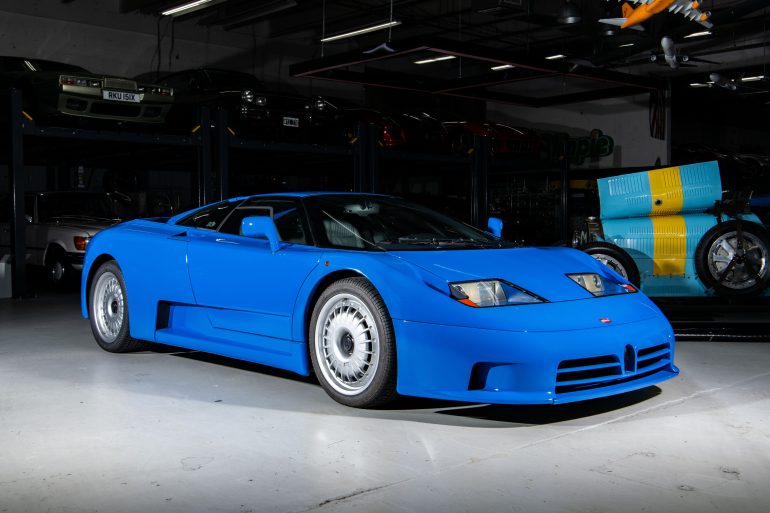
Romano Artioli, an Italian Ferrari and Suzuki dealer, bought the rights to the name in 1987, built a futuristic factory at Campogalliano outside Modena, and on 15 September 1991, Ettore's 110th birthday, launched the EB110: a 3.5-litre quad-turbo V12 with sixty valves in a carbon tub by Aérospatiale, four-wheel drive and 553 horsepower, 212 mph, styled by Marcello Gandini and finished by Giampaolo Benedini, with the 603-horsepower Super Sport following in 1992 and Michael Schumacher as a customer. About 140 were built before Artioli, who had also bought Lotus, ran out of money in September 1995; the EB110 story in the archive and the Supercar Era page have the car, and its survivors now make $2–3 million. The Dauer company bought the parts and built a few more, and the EB110's engineers went to Lamborghini and to Pagani.
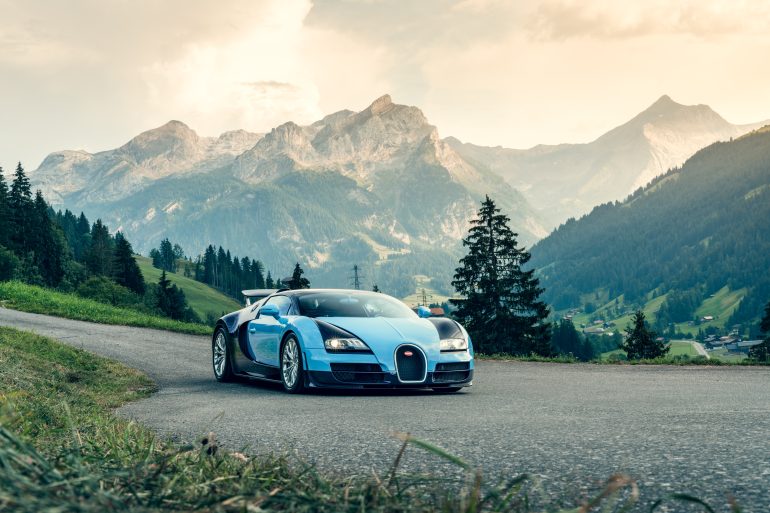
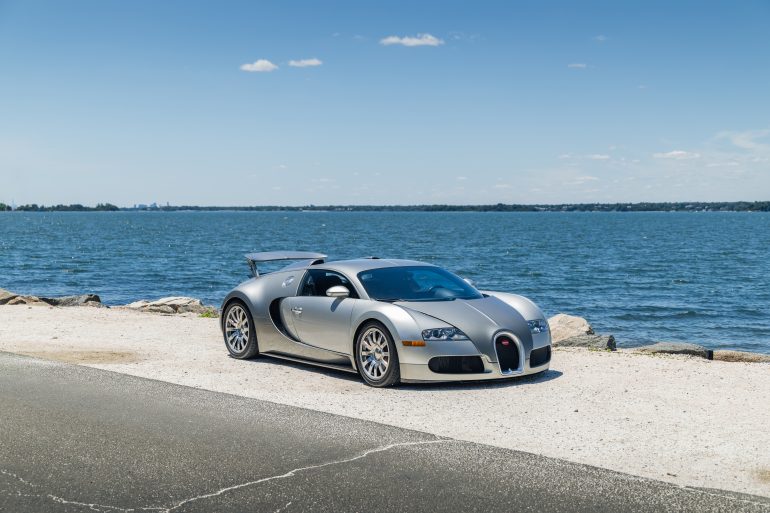
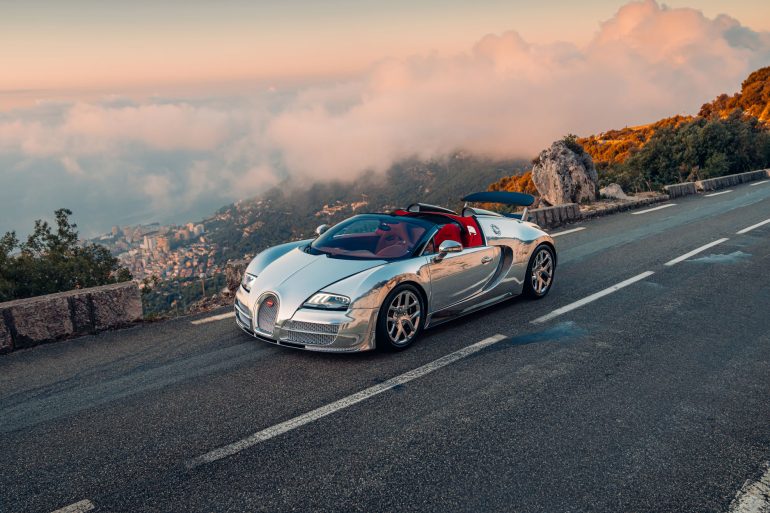
Volkswagen bought the name in 1998, under Ferdinand Piëch, who wanted a car with 1,001 horsepower and a top speed over 400 km/h and spent seven years and several engineering crises getting it. The Veyron 16.4 of 2005, built in a new atelier beside the old château at Molsheim, had an eight-litre W16 with four turbochargers, four-wheel drive, a seven-speed dual-clutch gearbox and a price of €1 million; it did 408 km/h, 253 mph, at Ehra-Lessien and the Super Sport of 2010 did 431 km/h, and 450 were built in ten years, every one sold at a loss. The archive's W16 history by Rex McAfee and the Veyron thread carry it. The Chiron of 2016, 1,500 horsepower and a 420 km/h limiter, was its successor; on 2 August 2019 Andy Wallace, the 1988 Le Mans winner and Bugatti's test driver, took a lengthened Chiron Super Sport 300+ to 304.773 mph at Ehra-Lessien, the first production-based car past 300, and the archive's Andy Wallace's Latest Act and Chiron Super Sport 300+ have the run. The coachbuilt cars of the Chiron years, the Divo, the Centodieci that honoured the EB110, La Voiture Noire that recalled Jean's lost Atlantic, the track-only Bolide and the Mistral roadster, each have threads of their own; 500 Chirons were built, the last in 2024.
The Chiron, its coachbuilt variants and the Tourbillon, newest first.
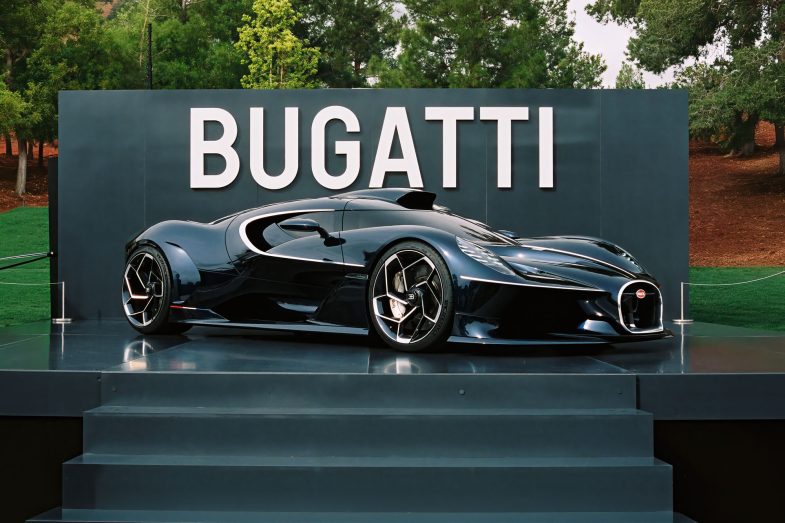
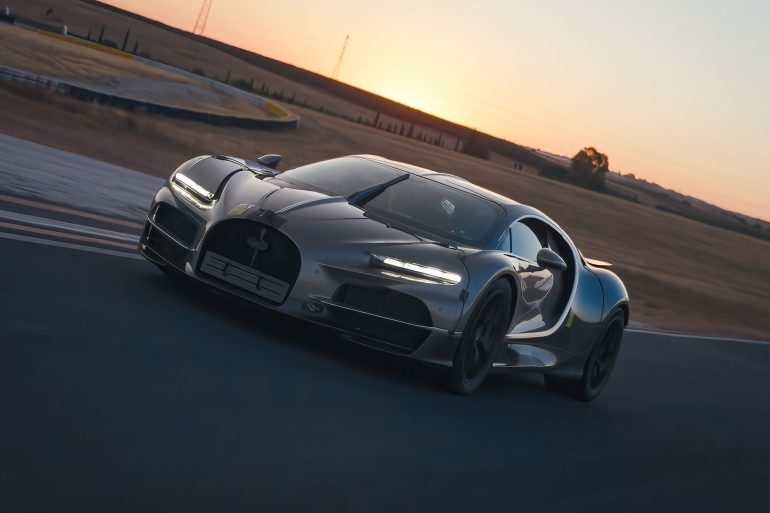
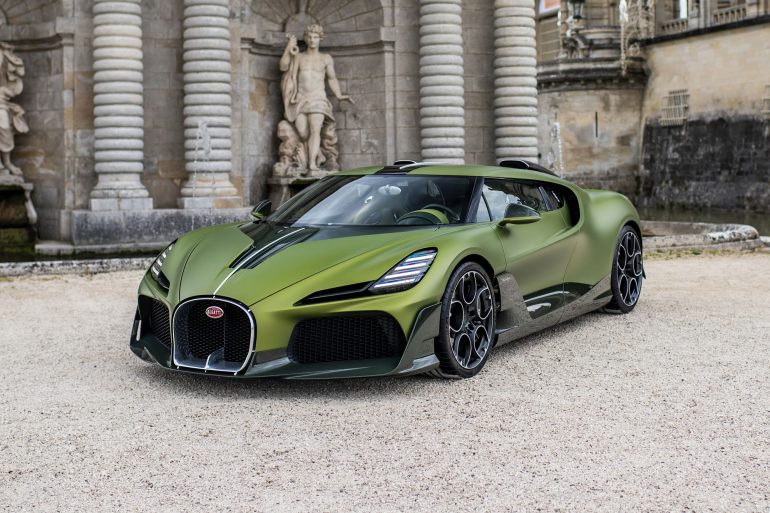
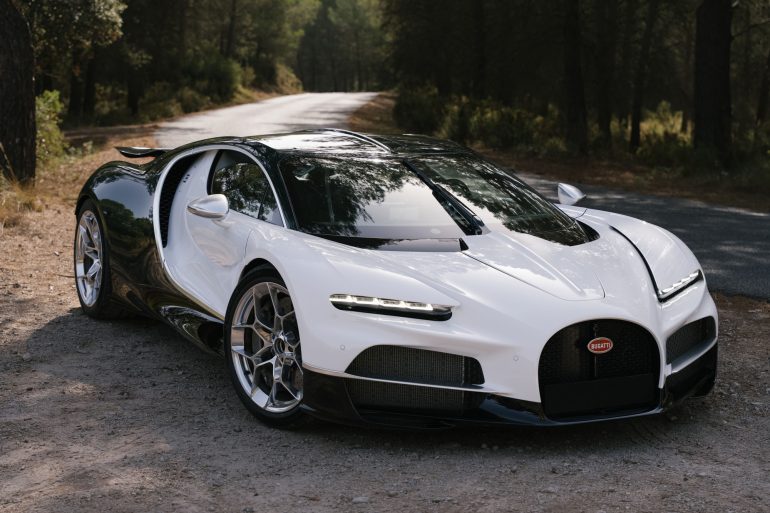
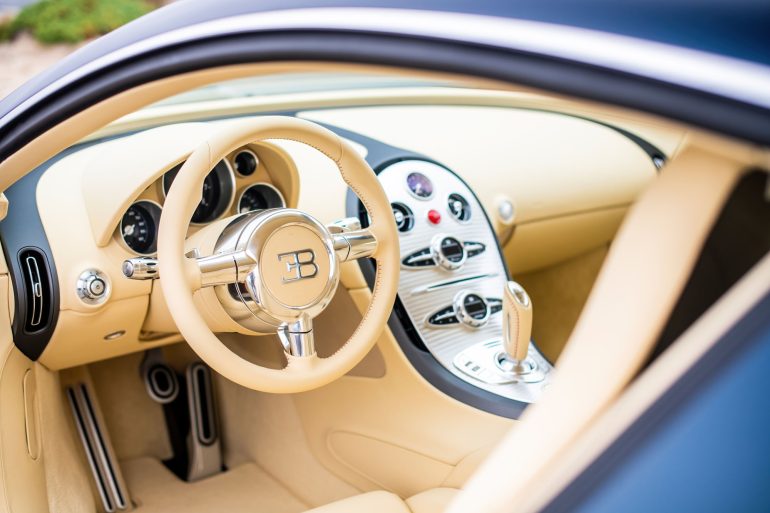
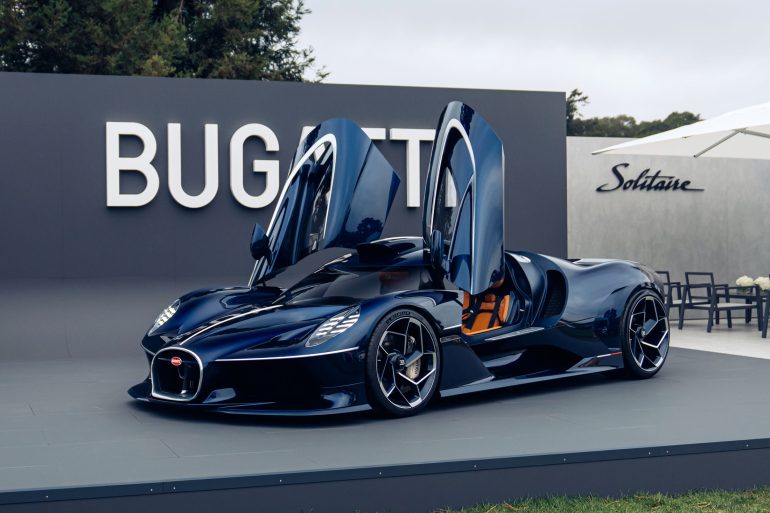
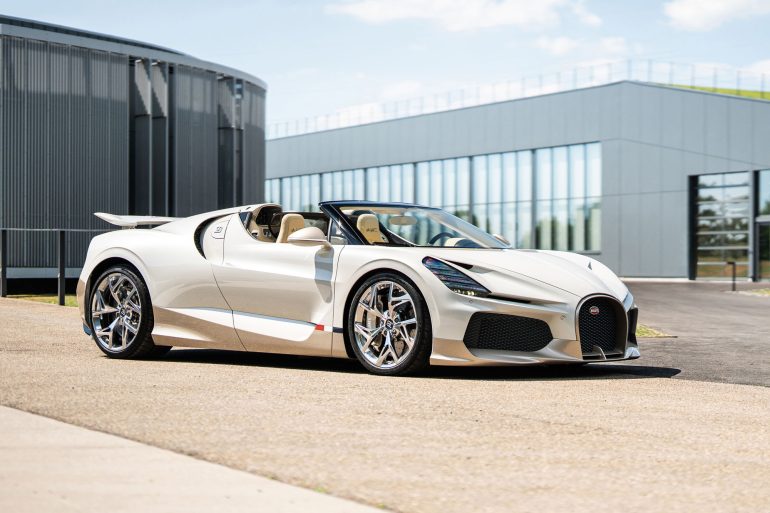
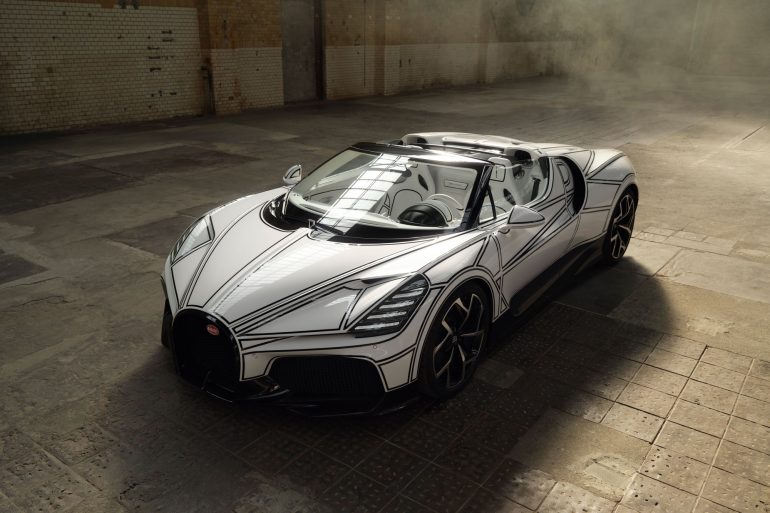
In 2021 Volkswagen placed Bugatti into a joint venture with Mate Rimac's Croatian electric-car company, Bugatti Rimac, with Rimac holding the majority, and the archive has followed the question of what a Bugatti would be without the W16 ever since. The answer came in June 2024: the Tourbillon, with a naturally aspirated 8.3-litre Cosworth V16 and three electric motors, 1,800 horsepower, an analogue instrument cluster made by watchmakers and a price of €3.8 million, 250 to be built from 2026; the Brouillard of 2025, the first of the Programme Solitaire one-offs, followed it. Molsheim remains the factory, the Bugatti Trust at Prescott the archive, and the archive's Bugatti news, the Tourbillon thread and the Rimac Nevera stories carry the present.
The Model tags on this site cover the Bugattis the archive has most to say about: the Type 13 Brescia; the Grand Prix Types 35, 37, 51 and 59; the Royale; the Types 46, 49, 50 and 55; the Type 57, 57S, 57SC and the Atlantic, the archive's largest Bugatti thread; the EB110; the Veyron and the Chiron; and the Divo, Centodieci, Bolide, Mistral, Tourbillon and Brouillard. The nine cards below are the ones with most to read behind them, and the Model tag opens every story on each.
Nine the archive has most to say about; each links to every story on the site about that car.
Single-car and chassis stories: the Brescias and Type 35s, the 57s and Atlantics, the Royales and the modern cars that surface at auction.
Bugatti's racing sits on the archive's hubs as well as here. The Targa Florio hub has the five wins of 1925 to 1929, Costantini's two and Divo's two among them; the Monaco Grand Prix hub the first race in 1929, won by Williams's Type 35B, and Chiron's 1931 win; the Le Mans hub the Tanks of 1937 and 1939; the Grand Prix History hub the 1920s, when the Type 35 was the Grand Prix car, and the 1930s, when it was not; the Pioneers era page the Type 13 at Le Mans in 1911; and the Eras pages the Brescia and the Type 35 in their time. The Prescott and Shelsley Walsh hillclimbs, the Vintage Sports-Car Club meetings and the Goodwood Revival's Grover Williams Trophy keep the pre-war cars racing, and the Racing (Bugatti) feed below gathers the race reports and profiles with a Bugatti in them.
Race profiles and reports with a Bugatti in them, newest first.
Ettore and Jean Bugatti first, and Rembrandt, whose elephant is on the Royale; Carlo Bugatti the father; Roland Bugatti and Pierre Marco, who tried after the war; the drivers, Louis Chiron, Jean-Pierre Wimille, Robert Benoist, William Grover-Williams, who was shot by the Gestapo in 1945 as a British agent, Albert Divo, Meo Costantini, René Dreyfus and Pierre Veyron; the collectors who saved the cars, Fritz and Hans Schlumpf, Briggs Cunningham, Peter Williamson, Peter Mullin, Ralph Lauren, Fritz Burkard, and the Bugatti Trust; the restorers, Randy Ema and Simon Carter; and the revivers, Romano Artioli, Ferdinand Piëch and Mate Rimac, and Andy Wallace who drives the modern cars. Each name with a People thread links to every story on the site about them, and the People page gathers the portraits.
The founder in the archive, newest first.
The Bugatti market has no cheap end. The Atlantic is unpriced, the Mullin-Walton car having changed hands privately for a reported $30–40 million in 2010 and the Lauren car never; a Royale has not sold publicly since 1987, when the Kellner car made £5.5 million, then the most ever paid for a car. The Type 57S and 57SC make $4–10 million depending on body, a Type 35 Grand Prix car with history $3–5 million and a 35B more, the Type 59 Sports £9.5 million in 2020, a Brescia $300,000–500,000, a Type 37 $1 million and up, the Type 57 saloons and coupés $1–3 million, the Type 55 roadster $5–7 million. The EB110 is $2–3 million, the Veyron $1.5–2.5 million, the Chiron $3–4 million and the coachbuilt cars whatever their first owners paid plus a premium. The Auctions (Bugatti) and For Sale (Bugatti) threads below are the live market; the Market page has the auction calendar and the record prices.
Auction previews and results for Bugattis, newest first.
Bugattis offered by dealers and collectors, newest first.
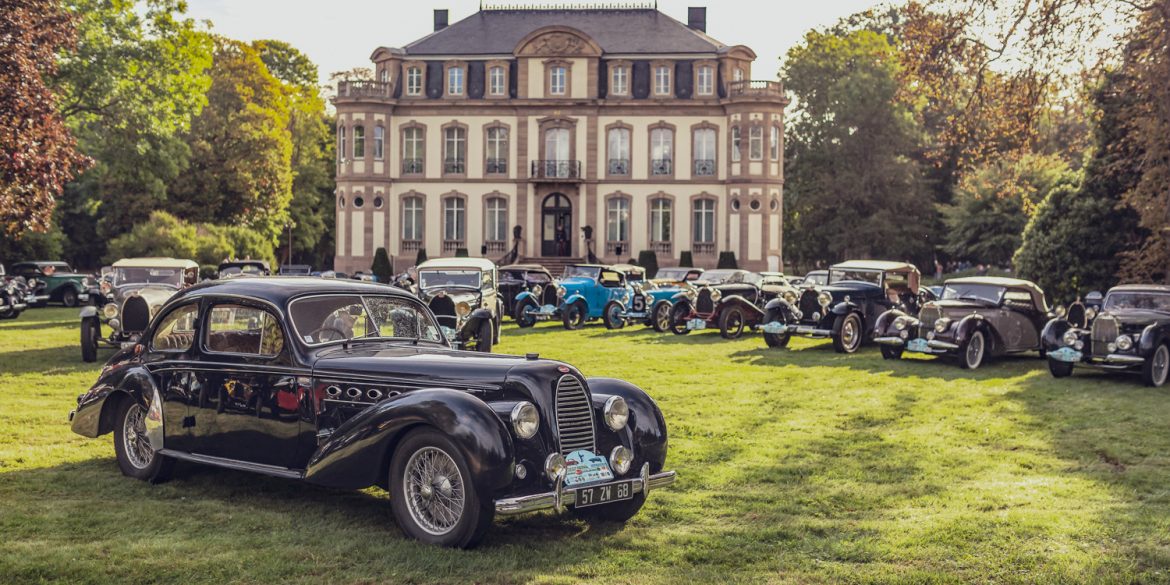
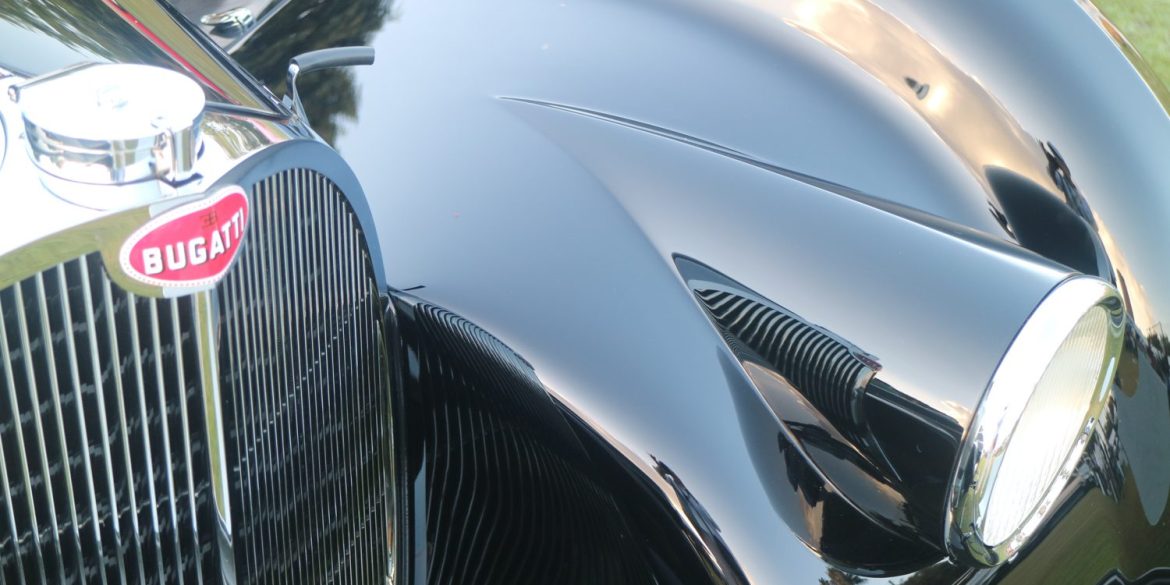
The archive's Bugatti galleries come from the concours lawns, where the 57S and the Atlantics win Best of Show at Pebble Beach, Villa d'Este and Chantilly; from Prescott, Goodwood and the Vintage Sports-Car Club meetings, where the Brescias and Type 35s still race; from Rétromobile and the Mullin museum; and from Molsheim, where the modern cars are shown. The Galleries (Bugatti) feed below gathers them.
Bugatti galleries from Pebble Beach, Villa d'Este, Prescott, Goodwood and Molsheim.

Founded 1909, Molsheim, Alsace; closed 1956; revived 1987–95 (Campogalliano) and since 1998 (Molsheim) under Volkswagen, in partnership with Rimac since 2021. Racing: about 2,000 wins claimed for the Type 35 family 1924–34; Targa Florio 1925–29; Monaco Grand Prix 1929, 1930, 1931, 1933; Le Mans 1937, 1939; world championship of makes 1926. Built: Type 13 and Brescia about 2,000; Type 35 family about 340; Type 41 Royale 6; Type 55 38; Type 57 about 710, 57S 42, Atlantic 4; EB110 about 140; Veyron 450; Chiron 500. Speed: Veyron 408 km/h (2005), Veyron Super Sport 431 km/h (2010), Chiron Super Sport 300+ 490.48 km/h, 304.773 mph (2019). Record prices: the Kellner Royale £5.5 million (1987); the Type 59 Sports £9.5 million (Gooding, 2020); the Type 57SC Atlantic $30–40 million privately (2010); the 57S Atalantes and Gangloff cabriolets $4–10 million at auction.
Short answers, with the long ones above.
Ettore Bugatti, a Milanese designer of twenty-eight, in 1909 at Molsheim in Alsace, which was then in Germany and has been in France since 1918. His first production car was the Type 13 of 1910.
"The thoroughbred of automobiles", Bugatti's own description of its cars from the 1920s, a reference to the horses Ettore kept at Molsheim and to the cars' breeding and lightness. The archive's Patrick Quinn borrowed it for his history of the road cars.
The two-litre straight-eight Grand Prix car of 1924 to 1931 and its variants, the most successful racing car ever built, with some two thousand wins claimed, five Targa Florios in a row and the first Monaco Grand Prix; about 340 were made and sold to private drivers.
Six, between 1927 and 1933, of which three were sold; all six survive, two in the Schlumpf collection at Mulhouse, one at the Henry Ford Museum, and three in private hands or on loan. It was the largest and most expensive car ever offered when new.
Three of the four Type 57SC Atlantics built in 1936–38 survive: the Rothschild car, the Pope car owned by Ralph Lauren and the Holzschuch car, rebuilt after a 1955 crash. Jean Bugatti's own car, La Voiture Noire, disappeared in 1940 and has never been found.
Jean Bugatti's death in 1939, the war, which took the factory, and Ettore's in 1947 left no one to rebuild it; the Type 101 of 1951 and the Type 251 Grand Prix car of 1956 failed to revive the business, and car production ended in 1956. Hispano-Suiza bought the company in 1963.
Bugatti Rimac, a joint venture formed in 2021 in which Mate Rimac's Rimac Group holds 55 per cent and Porsche, for the Volkswagen Group, 45; Volkswagen had owned the name since 1998. The cars are still built at Molsheim.
With Patrick Quinn's Le Pur-Sang des Automobiles for the Road, Robert Newman's The Superbugs, Ed McDonough's Brescia in Black and Karl Ludvigsen's Type 101, then the Type 57 and Type 35 threads for the cars.
The whole archive on one thread, newest first.