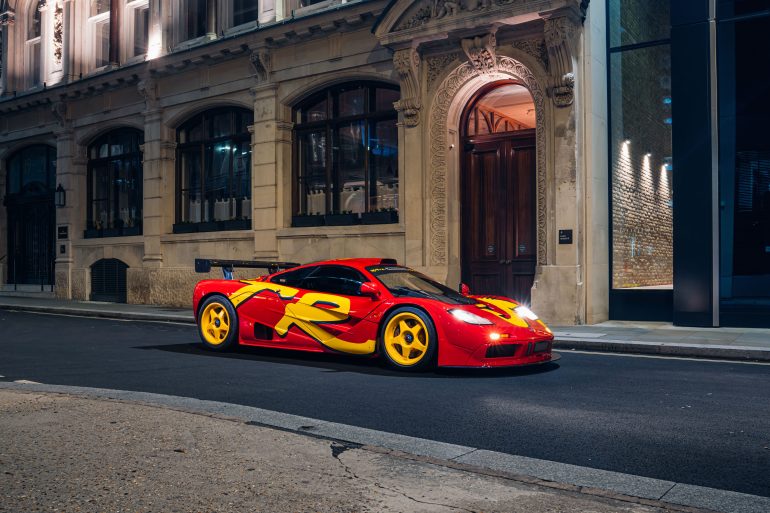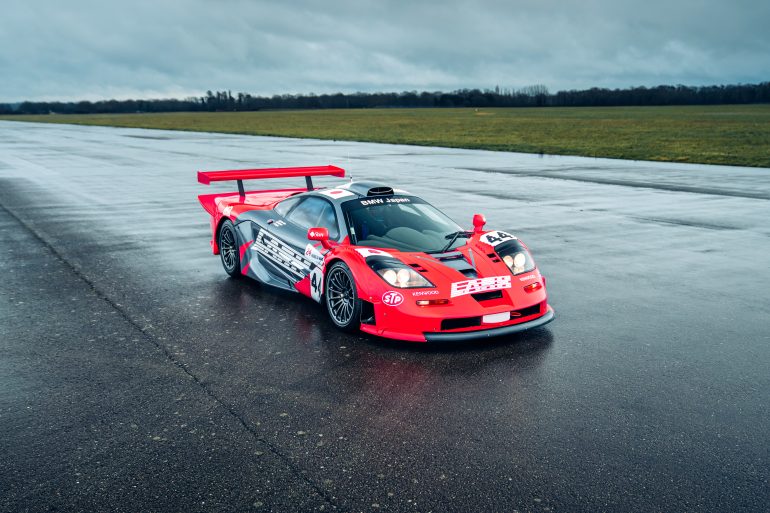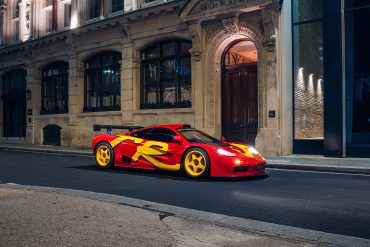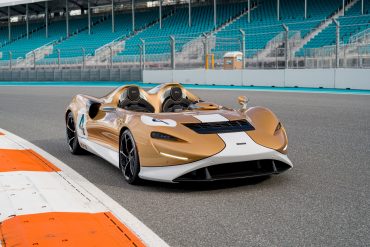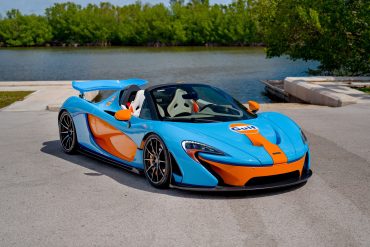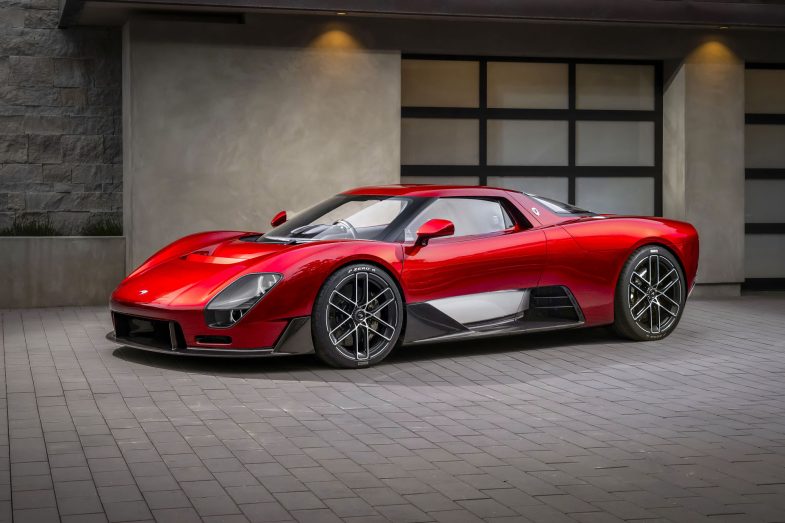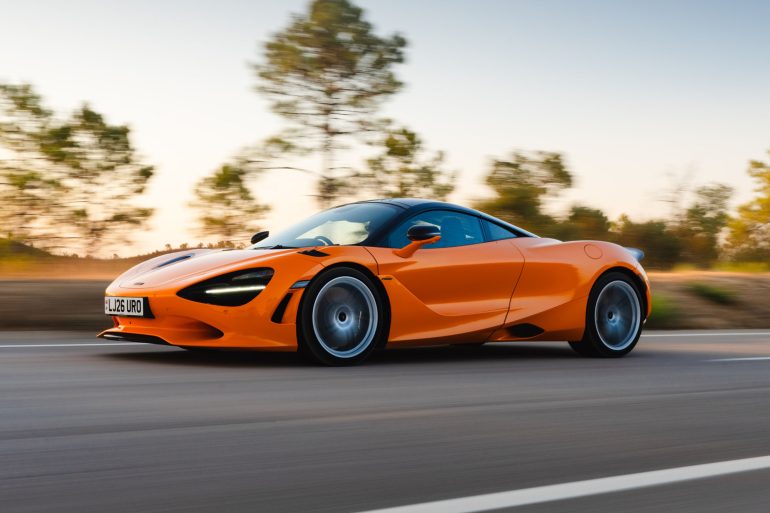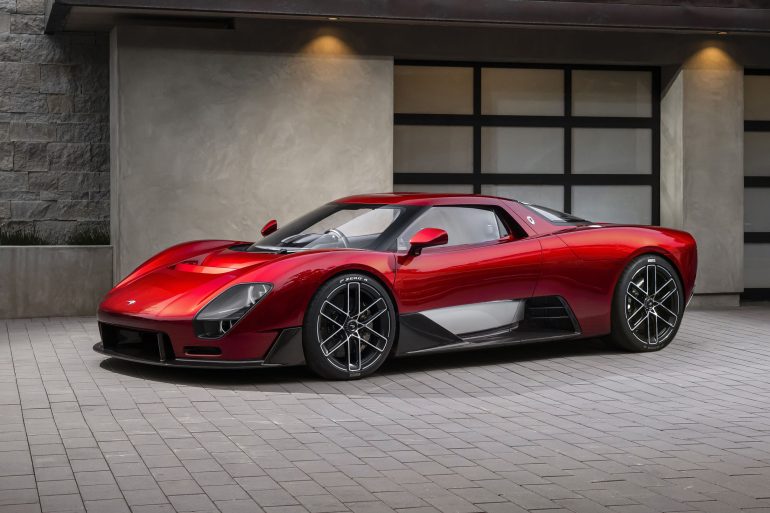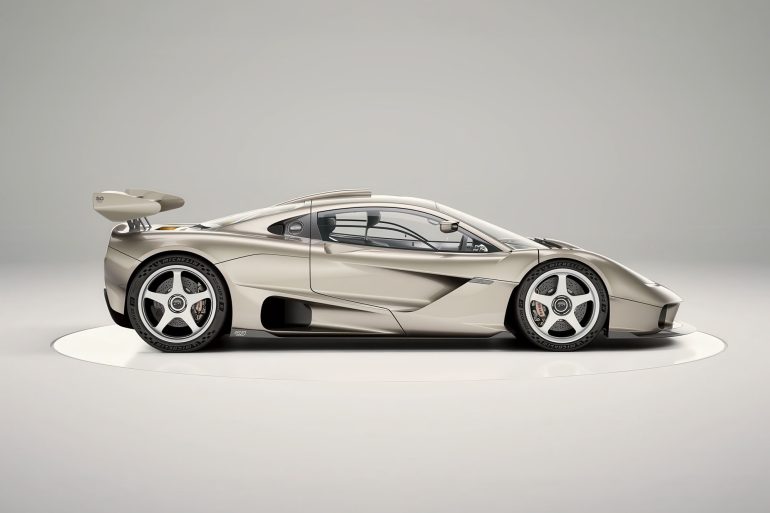
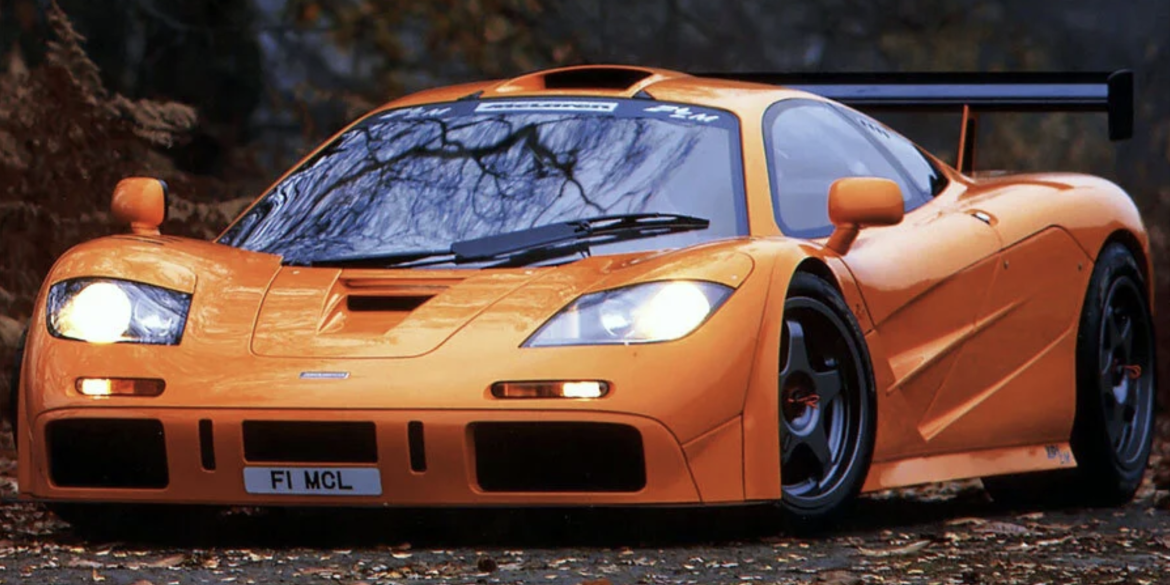
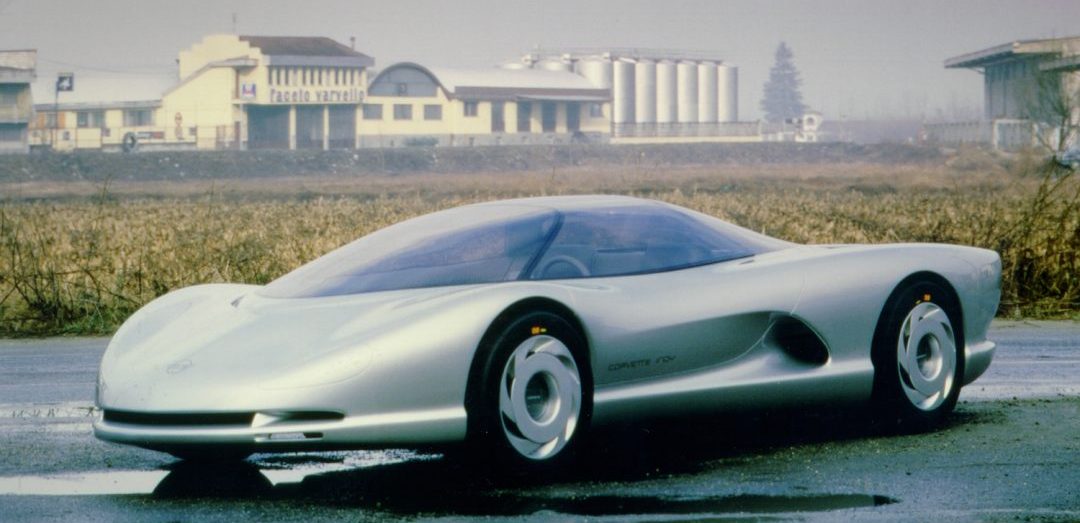
Plenty has been written about the F1's carbon monocoque and its borrowings from Formula 1, much less about why it looks the way it does. Raffi Minasian on the exterior design of the 1992 three-seater, 30 years on.

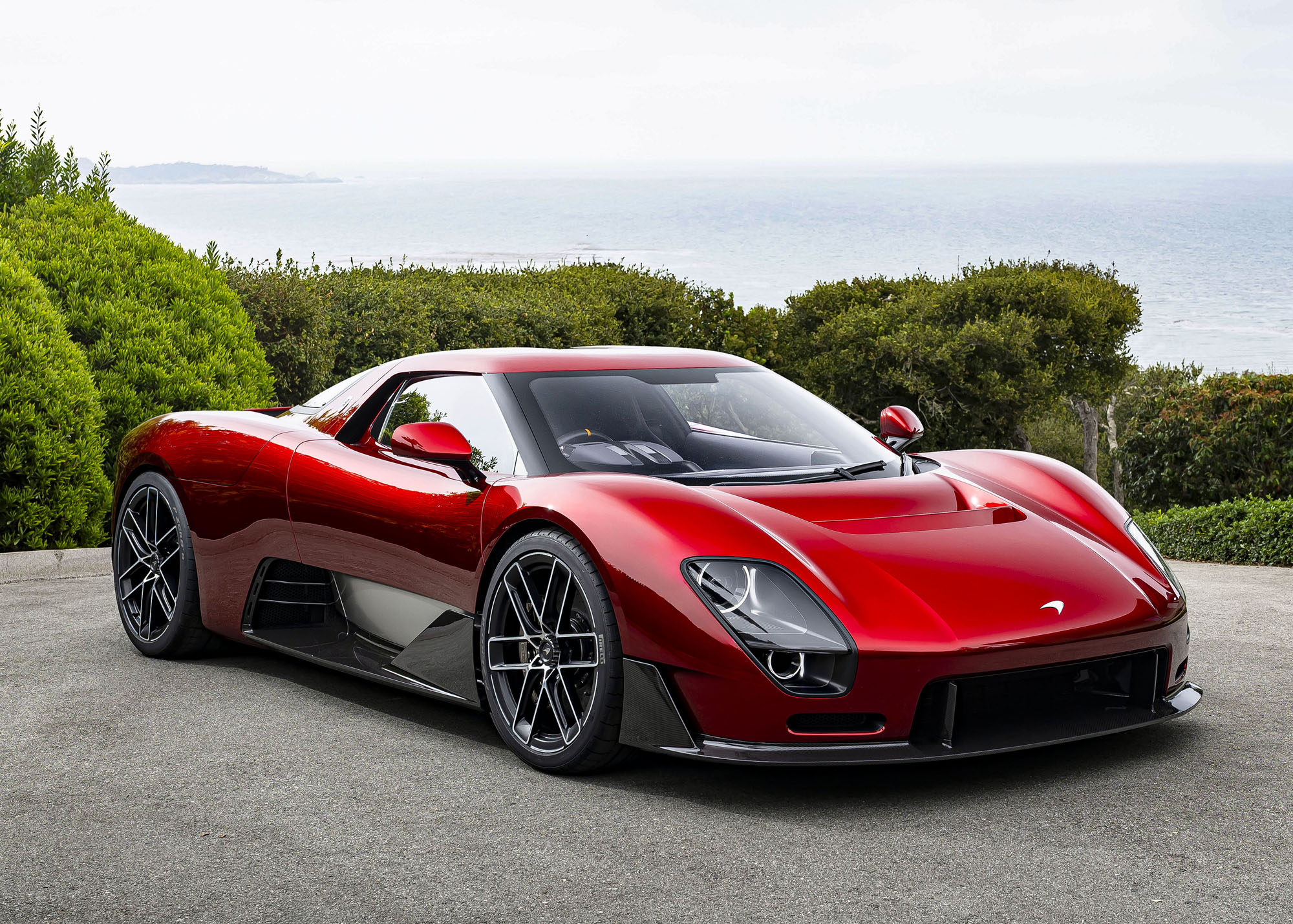
A New Zealander's racing team that became the only company to win the Formula One championship, the Indianapolis 500, the Can-Am and Le Mans: Bruce McLaren's orange cars that owned the Can-Am from 1967 to 1971, the M23 of Fittipaldi and Hunt, Ron Dennis's carbon-fibre MP4s with Lauda, Prost, Senna, Häkkinen and Hamilton, Gordon Murray's F1, the fastest car in the world for a decade and a Le Mans winner first time out, and the road-car company that grew out of it. The archive has 314 McLaren stories, from Patrick Quinn's McLaren's Dawn to this year's championship, and this page puts them in order.
The pieces to start with
Eight pieces that explain the marque: Quinn's McLaren's Dawn, the Bruce McLaren profile, Lyons's Can-Am Legends, Ely's M6-GT, Zimmermann's M23, Baer's M25, Prost's Teammates and the $20 million F1.
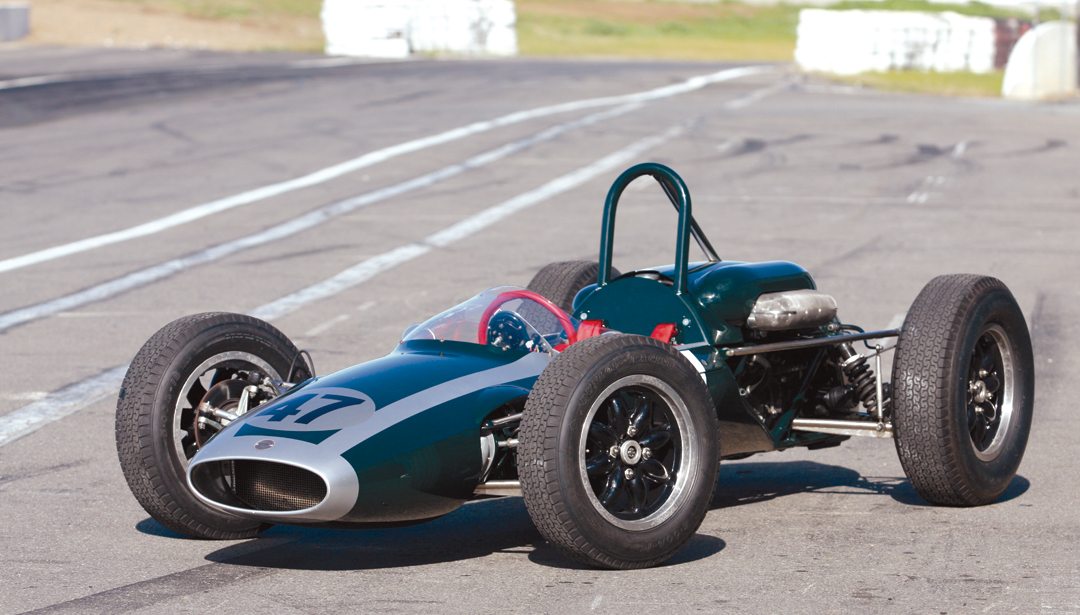
Bruce McLaren recorded faster times than his father in the family Austin-Healey 100 at Ohakea in 1956 and was soon lead driver. Patrick Quinn on the 1964 Cooper T70 built for the Tasman Series and what it started.
McLaren won 43 of 71 Can-Am races from 1967 to 1971, 23 in a row. Bruce McLaren, limping after two boyhood years in traction, won two of the titles and was 32 when he died testing at Goodwood in 1970.
Laguna Seca 1972, raining, Denny Hulme wanting the cars on the trailer, and Carroll Shelby quietly tipping a bottle of vodka into the chili before qualifying. Charlie Kemp’s story opens the second half of Pete Lyons’s Amelia Island transcript.
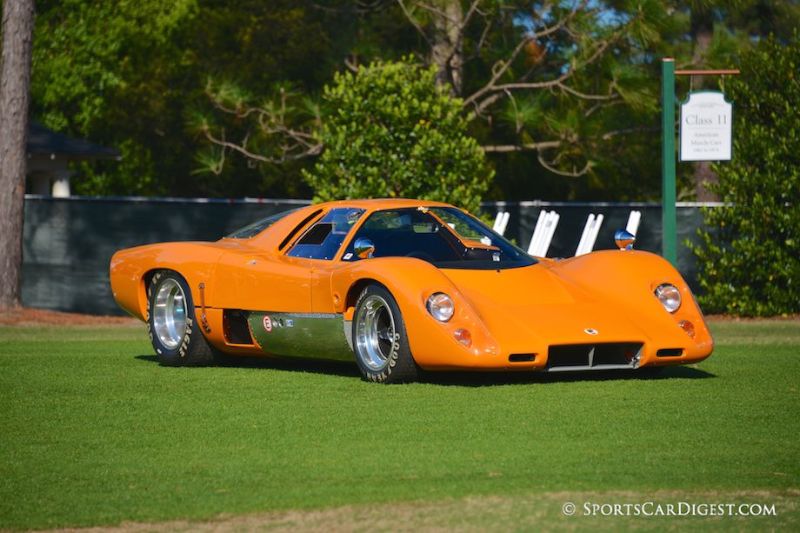
Bruce McLaren followed his mentor Jack Brabham into building cars under his own name in 1963; the road car he wanted did not arrive until the F1 of 1992. Trevor Ely on the M6-GT, the project left unfinished in between.
The Alfetta, Ferrari 500 and Maserati 250F each stayed competitive across several seasons on updates alone. John Zimmermann on the McLaren M23, the car that did the same in the 1970s and made the team what it became.
McLaren’s deal with Trojan let Colnbrook concentrate on Formula 1 while Trojan built customer cars, and the M10 ruled Formula 5000 in 1969–70. Nothing after it sold as well, and the partnership frayed. Lorenzo Baer on the M25.
Three world titles with McLaren and a nickname, “the Professor”, that he never asked for and does not quite understand. Alain Prost explains why he never shared a race strategy: like showing your cards at poker.
Monterey Car Week is all about celebrating motoring, in whatever form it takes. There was the Pebble Beach Concours d’Elegance for the art that is the automobile.
The newest long-form writing on McLaren, as it is published.


McLaren is the racing team Bruce McLaren founded in Britain in September 1963 and the car maker that grew from it, now two companies at Woking in Surrey: McLaren Racing, the second-oldest and second most successful team in Formula One, and McLaren Automotive, which has built supercars since 2011 and whose ancestor, the McLaren F1 of 1992, is the most valuable car of the modern era. Bruce McLaren was twenty-two when he won the 1959 United States Grand Prix for Cooper, the youngest winner of a championship race for forty-four years, twenty-six when he started his own company, and thirty-two when he died testing one of its cars at Goodwood in June 1970; the team he left behind won the Can-Am championship that autumn and the next, Indianapolis twice in the next six years and the world championship in 1974, and has never stopped.
The record is the reason the name matters. McLaren has won more than 200 Grands Prix, ten Formula One constructors' championships, from 1974 to the back-to-back titles of 2024 and 2025, and thirteen drivers' championships, Emerson Fittipaldi's in 1974, James Hunt's in 1976, Niki Lauda's in 1984, Alain Prost's three, Ayrton Senna's three, Mika Häkkinen's two, Lewis Hamilton's first in 2008 and Lando Norris's in 2025. Its Can-Am cars won five championships in a row and 43 races; its Indianapolis cars won the 500 in 1972, 1974 and 1976; its F1 GTR won Le Mans on the marque's first attempt in 1995; and the F1 road car held the production-car speed record at 240 mph for twelve years. The archive's McLaren coverage runs from the Tasman Cooper of 1964 to the 2025 title, and the chapters below follow it.
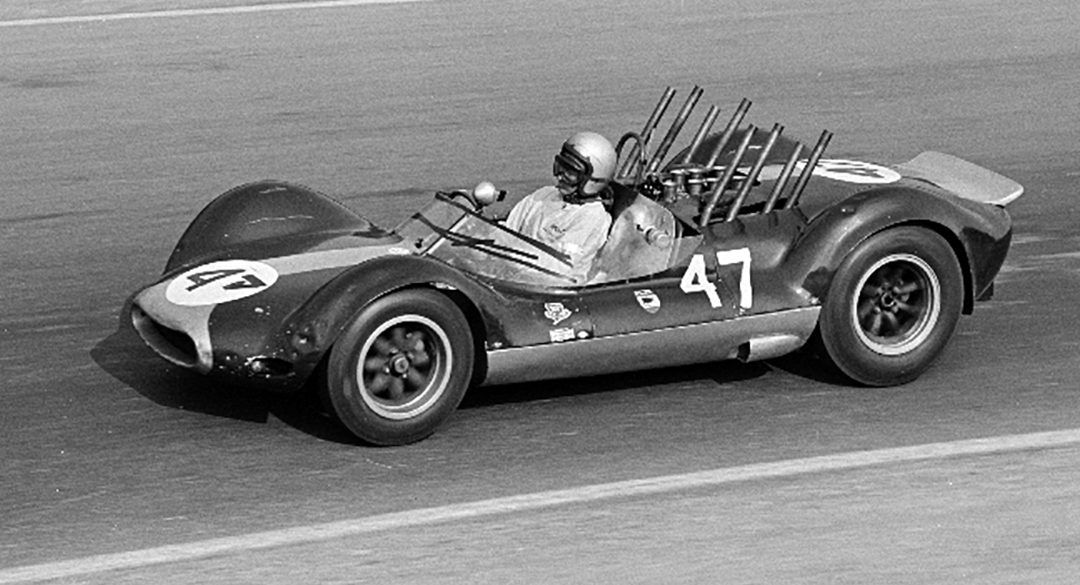
Bruce Leslie McLaren was born in Auckland on 30 August 1937, the son of a garage owner, spent two years of his childhood in a frame for Perthes disease, which left one leg shorter than the other, and raced his father's Austin Seven Ulster in hillclimbs at fifteen. He came to Europe in 1958 as the first New Zealand Driver to Europe scholar, joined Cooper's Formula Two and then Formula One team under Jack Brabham, and on 12 December 1959 won the United States Grand Prix at Sebring aged 22 years and 104 days, the youngest Grand Prix winner until Fernando Alonso in 2003; he won in Argentina six weeks later and at Monaco in 1962, and was second in the 1960 world championship. Patrick Quinn's McLaren's Dawn in the archive is the story of the 1964 Cooper T70, the two-and-a-half-litre Tasman car Bruce built with Cooper's blessing and his own money and won the New Zealand Grand Prix with, the first car to carry his name, and of that Tasman summer of 1964, when Timmy Mayer, his team-mate, was killed at Longford. Bruce McLaren Motor Racing was registered on 2 September 1963; the first McLaren, the M1A sports car with an Oldsmobile V8, raced in 1964 and was sold to customers as the Elva-built M1 in the dozens, and the archive's Bruce McLaren profiles and People thread, 63 stories, carry the man.
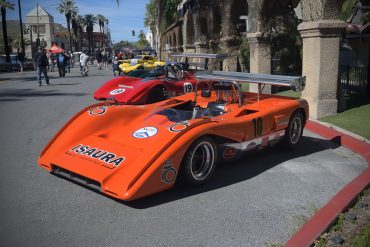
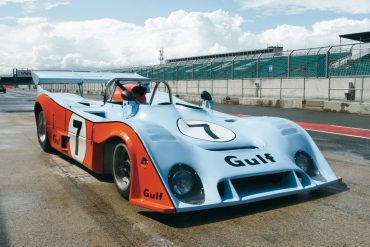
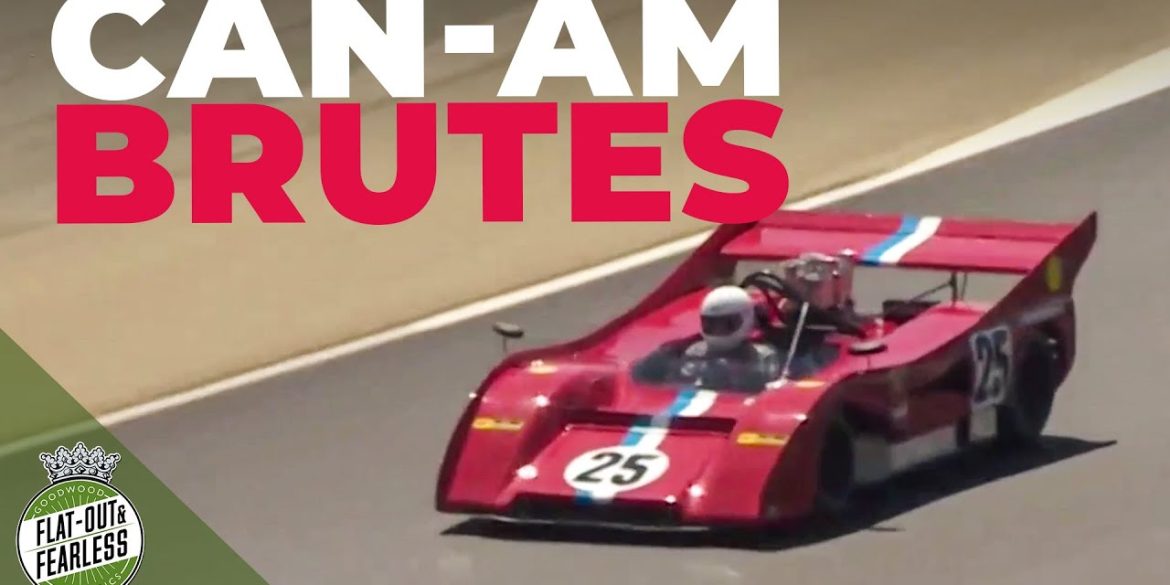
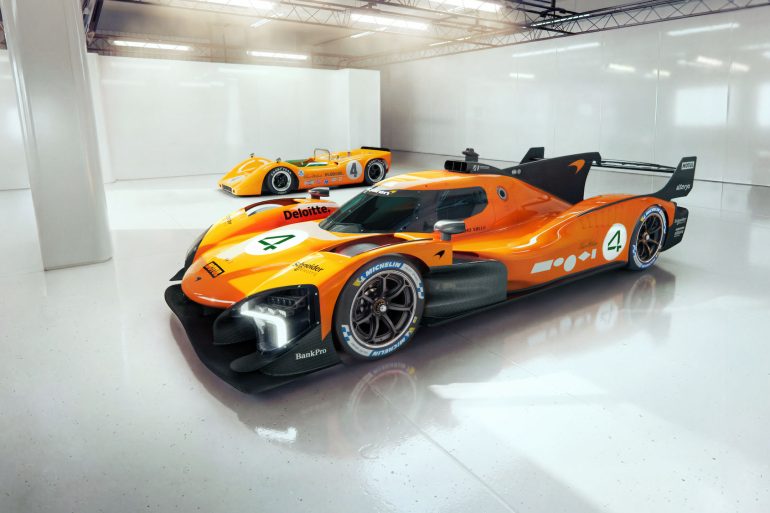
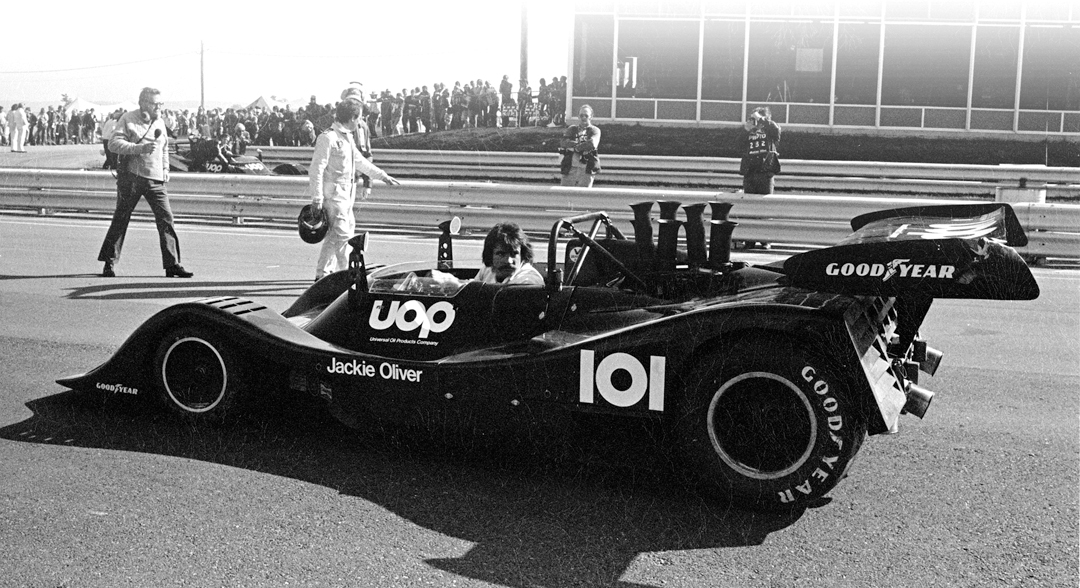
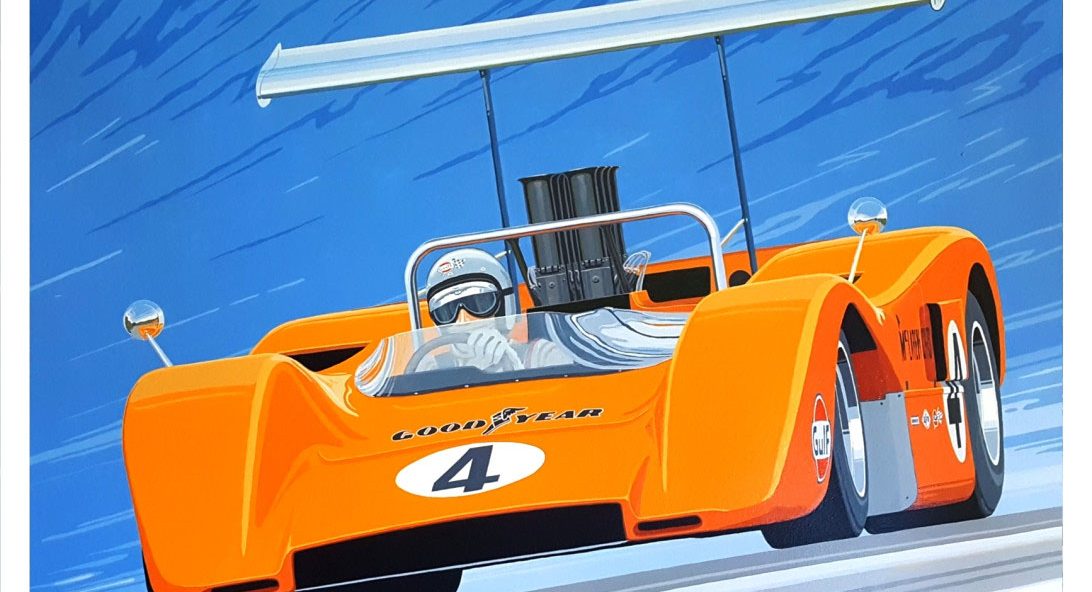
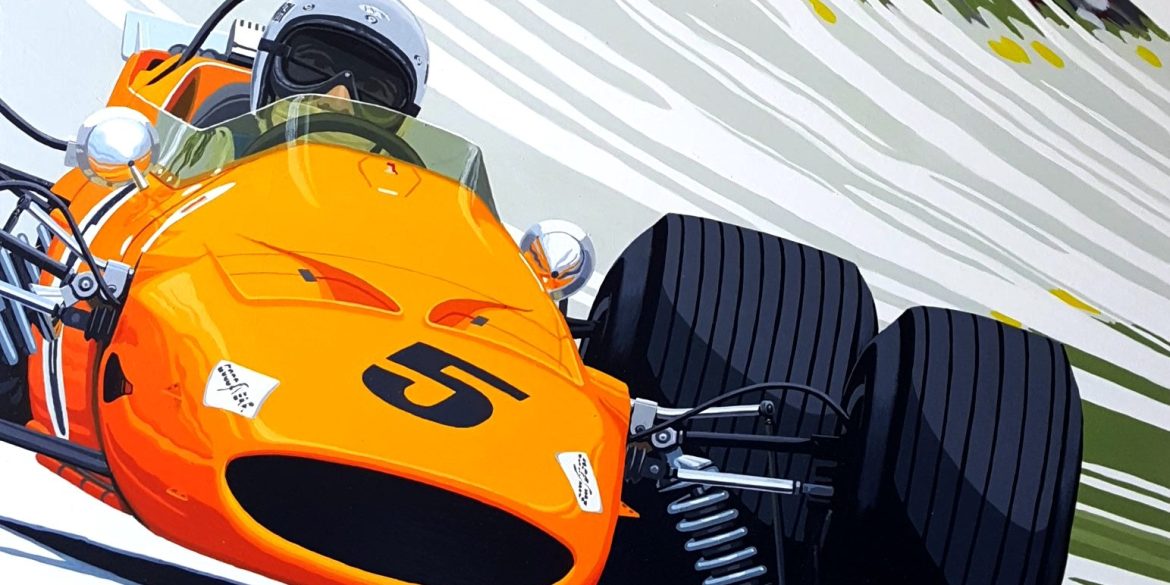
The Canadian-American Challenge Cup began in 1966 and McLaren was built for it: unlimited Group 7 sports cars, big American V8s, six rich races in the autumn and prize money that paid for the Formula One team. John Surtees's Lola won the first season, and then the Bruce and Denny Show took over. Bruce McLaren won the 1967 championship in the papaya-orange M6A with the small-block Chevrolet; Denny Hulme, the 1967 world champion and his fellow New Zealander, won 1968 in the M8A with the aluminium big-block; Bruce won 1969 in the M8B, when McLarens won all eleven races; Hulme won 1970 in the M8D after Bruce's death; and Peter Revson won 1971 in the M8F, five titles and 43 wins in a row until Porsche's 917/10 arrived with twice the power in 1972. The M8 is the archive's second-largest McLaren thread, Pete Lyons's Can-Am Legends interviews and Hal Crocker's Through the Viewfinder carry the paddock, Trevor Ely's M6-GT follows the road-going coupé Bruce was building when he died, and the Can-Am and the Unlimiteds era page, with the archive's 17,000-word history of the series inside it, has every season and every car.
Bruce McLaren died on 2 June 1970 at Goodwood, testing the new M8D, when the rear bodywork came off at 170 mph on the Lavant straight and the car hit a marshals' post. He was thirty-two. Teddy Mayer, Timmy's brother, and Tyler Alexander ran the company with Phil Kerr and the designers Gordon Coppuck and Jo Marquart, and Hulme won the next two Can-Am races; the archive's Tyler Alexander obituary and the Teddy Mayer thread carry the men who kept it alive.
The McLarens and their rivals in the Can-Am, newest first.
McLaren's Formula One began badly, with the M2B and an underpowered Ford Indianapolis engine at Monaco in 1966, and came right with the Cosworth DFV: Bruce won the 1968 Belgian Grand Prix at Spa in the M7A, the team's first, and Hulme won in Italy and Canada that year and in Mexico in 1969. The Indianapolis programme that followed was Coppuck's: the wedge-shaped M16 of 1971, inspired by the Lotus 72, put Peter Revson on pole, won the 500 for Mark Donohue and Roger Penske in 1972 in a customer M16B and for Johnny Rutherford and the works in 1974 and 1976, and the McLaren M16 was the car to have at the Speedway for five years; John Zimmermann's Ten Masters of Indy and the Indianapolis 500 hub carry them.
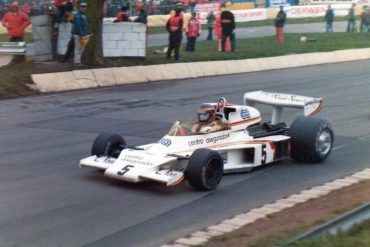
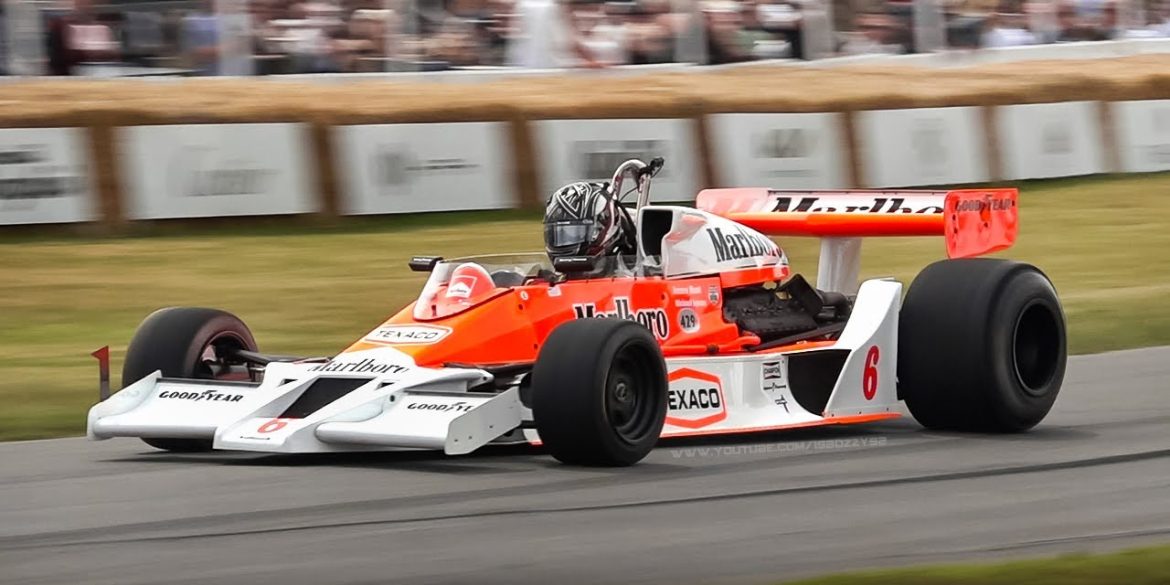
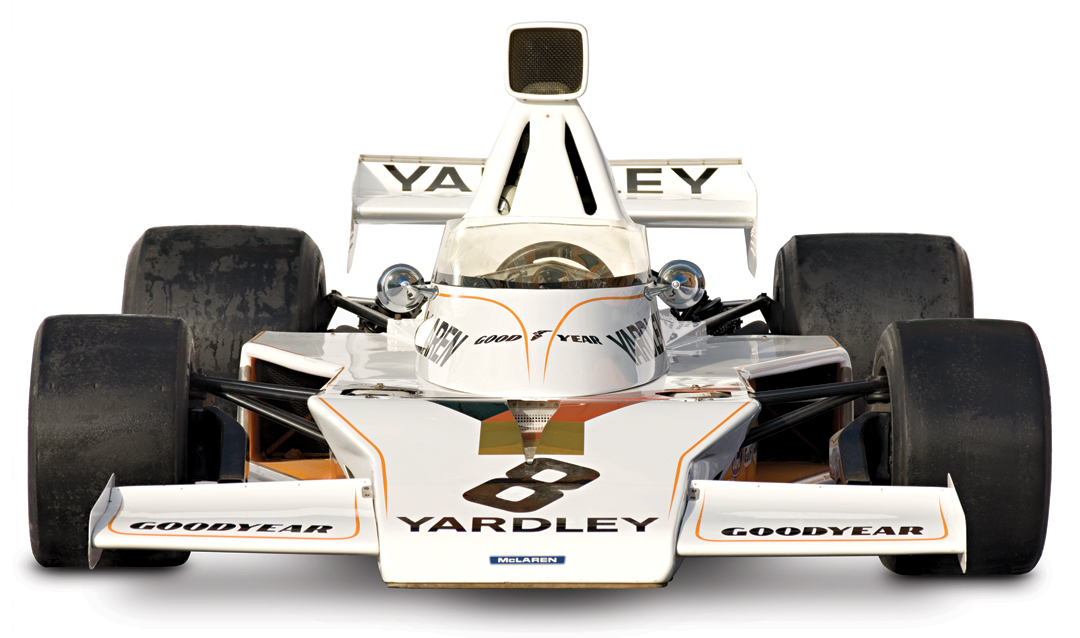
The M23 of 1973, Coppuck's deformable-structure car with the M16's wedge and the DFV, was the team's first great Grand Prix car and raced for five seasons: Hulme and Revson won with it in 1973, Emerson Fittipaldi won the 1974 world championship and McLaren its first constructors' title in the Marlboro and Texaco colours, and James Hunt, hired for 1976 when Fittipaldi left, won six Grands Prix and the championship by a point from Lauda at Fuji in the rain, the season of the Nürburgring fire and the Brands Hatch and Monza disqualifications; John Zimmermann's The McLaren M23, Lorenzo Baer's The Many Lives of the McLaren M25 and the James Hunt and Fittipaldi threads carry the years, and Pete Lyons's Fast Lines columns have the paddock as he saw it. The M26 of 1977 won three races and then the ground-effect era left McLaren behind until Ron Dennis arrived.
The cars and the racing, year by year, with the archive's story of each linked. Car names link to every story on the site about that model.
| Year | The cars | The racing | In the archive |
|---|---|---|---|
| 1959 | Cooper T51 | Bruce McLaren wins the United States Grand Prix at Sebring aged 22, the youngest winner for 44 years | Bruce McLaren |
| 1963 | Bruce McLaren Motor Racing, 2 September | The company founded; the Tasman Cooper T70 built that winter | McLaren's Dawn |
| 1964 | M1A | The first McLaren, an Oldsmobile-engined sports-racer; the New Zealand Grand Prix won in the Cooper; Timmy Mayer killed at Longford | |
| 1966 | M2B | Formula One debut at Monaco; the first Can-Am season, lost to Surtees's Lola | Can-Am era page |
| 1967 | M6A | Bruce wins the Can-Am in the papaya-orange M6A; Hulme world champion for Brabham joins | Denis Hulme |
| 1968 | M8A · M7A | Spa: McLaren's first Grand Prix win, by Bruce; Hulme's Can-Am title and his wins in Italy and Canada | Monaco 1968 |
| 1969 | M8B | Eleven Can-Am races, eleven McLaren wins; Bruce's second title | Can-Am Legends |
| 1970 | M8D | Bruce McLaren killed at Goodwood, 2 June; Hulme wins the Can-Am for him | Bruce McLaren · The M6-GT |
| 1971 | M8F · M16 | Revson's Can-Am, the fifth in a row; the M16 on pole at Indianapolis | Peter Revson · Through the Viewfinder |
| 1972 | M16B | Donohue wins Indianapolis for Penske in a McLaren; Porsche's 917/10 ends the Can-Am run | Mark Donohue · Indianapolis 500 hub |
| 1973 | M23 | Coppuck's M23: Hulme and Revson win; the car races for five seasons | The McLaren M23 |
| 1974 | M23 · M16C | Fittipaldi world champion and the first constructors' title; Rutherford wins Indianapolis | Emerson Fittipaldi · Ten Masters of Indy |
| 1976 | M23 · M16E | Hunt champion by a point at Fuji; Rutherford's second Indianapolis | James Hunt · The Many Lives of the M25 |
| 1977 | M26 | Hunt's three wins; the last of the Coppuck cars | |
| 1980 | M30 | Marlboro forces the merger with Ron Dennis's Project Four | Ron Dennis |
| 1981 | MP4/1 | Barnard's carbon-fibre monocoque, the first in Formula One; Watson wins at Silverstone | |
| 1984 | MP4/2-TAG Porsche | Twelve wins from sixteen; Lauda champion by half a point from Prost | Niki Lauda |
| 1985–86 | MP4/2B, MP4/2C | Prost's first two championships | Alain Prost · Teammates, by Prost |
| 1988 | MP4/4 | Honda: fifteen wins from sixteen; Senna champion | Ayrton Senna |
| 1989–91 | MP4/5, MP4/6 | Prost's third title, Senna's second and third; four constructors' championships in a row | Brazilian Players |
| 1992 | F1 | Gordon Murray's three-seat road car shown at Monaco: 627 horsepower, 1,138 kg | Gordon Murray |
| 1995 | F1 GTR | Le Mans won at the first attempt, Dalmas, Lehto and Sekiya; the Mercedes partnership begins | Le Mans hub |
| 1998 | MP4-13 · F1 | Häkkinen's first title and the constructors' championship; the F1's 240.1 mph at Ehra-Lessien | Mika Hakkinen |
| 2003 | SLR McLaren | The Mercedes-Benz SLR built at Woking | The Mercedes-Benz page |
| 2008 | MP4-23 | Hamilton champion at the last corner in Brazil | Lewis Hamilton |
| 2011 | MP4-12C | McLaren Automotive's first series car | |
| 2013 | P1 | The 903-horsepower hybrid; 375 built | The McLaren P1 |
| 2018–19 | Senna · 720S | The Senna and the Speedtail; the 720S | Senna GTR LM |
| 2021 | F1 · Artura | A 1995 F1 makes $20.465 million at Pebble Beach; the Artura hybrid; Mercedes power again | The F1 sale |
| 2024 | 750S | The constructors' championship, the first since 1998; the W1 | |
| 2025 | 750S | Norris world champion at Abu Dhabi; the constructors' title again; the 200th Grand Prix win | The Formula 1 page |
McLaren's cars were numbered M1 to M30 under Bruce and Teddy Mayer, MP4 under Ron Dennis (Marlboro Project Four, later McLaren Project 4), and by name since 2011. The Can-Am and Formula 1 pages carry the championships in full.
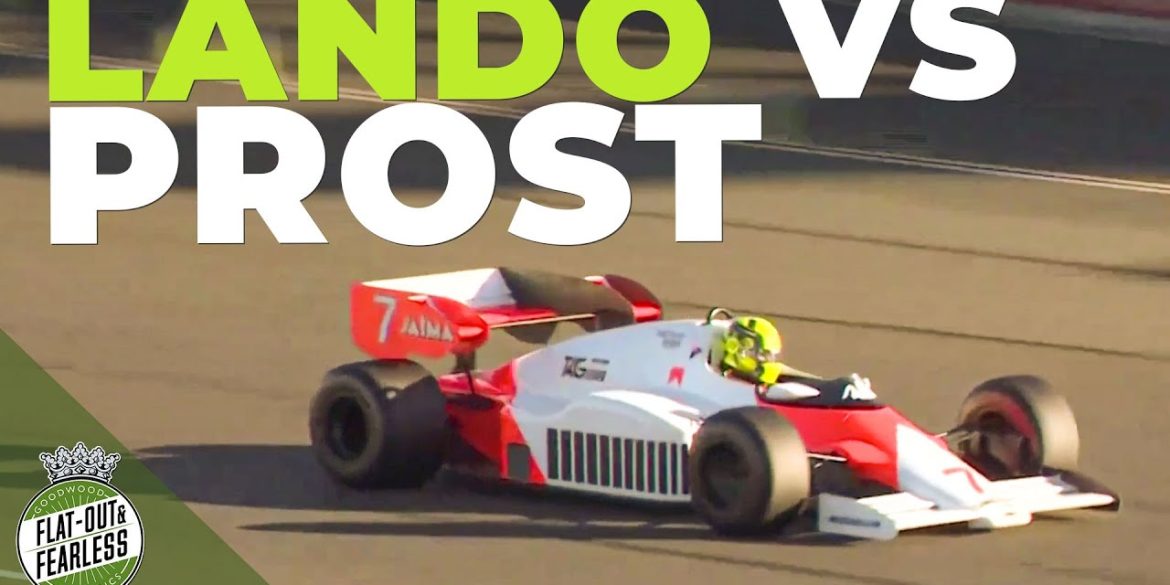
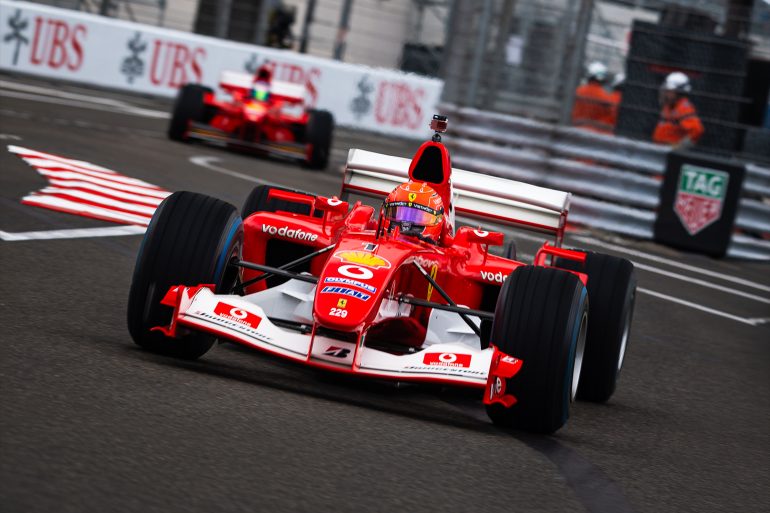
Marlboro forced the merger of McLaren with Ron Dennis's Project Four in September 1980, and Dennis brought John Barnard, who designed the MP4/1 of 1981, the first Formula One car with a carbon-fibre composite monocoque, moulded by Hercules Aerospace in Utah when every rival said it would shatter; John Watson won the British Grand Prix in it that July and walked away from a 140 mph crash at Monza in September that proved the point. Dennis persuaded Mansour Ojjeh's TAG to pay Porsche to build a 1.5-litre V6 turbo to Barnard's packaging, and the MP4/2 of 1984 won twelve of sixteen races, Niki Lauda taking the championship from Alain Prost by half a point, the closest ever; Prost won the next two titles in 1985 and 1986 and McLaren the constructors' championships of 1984 and 1985. Dennis's McLaren was a different kind of racing team, obsessive about finish, finance and secrecy, and the Woking factory, the MP4 designation and the grey and red livery date from these years; the archive's Alain Prost pieces, including Teammates, his own account of racing alongside Lauda, Rosberg and Senna, and the Lauda thread carry them.
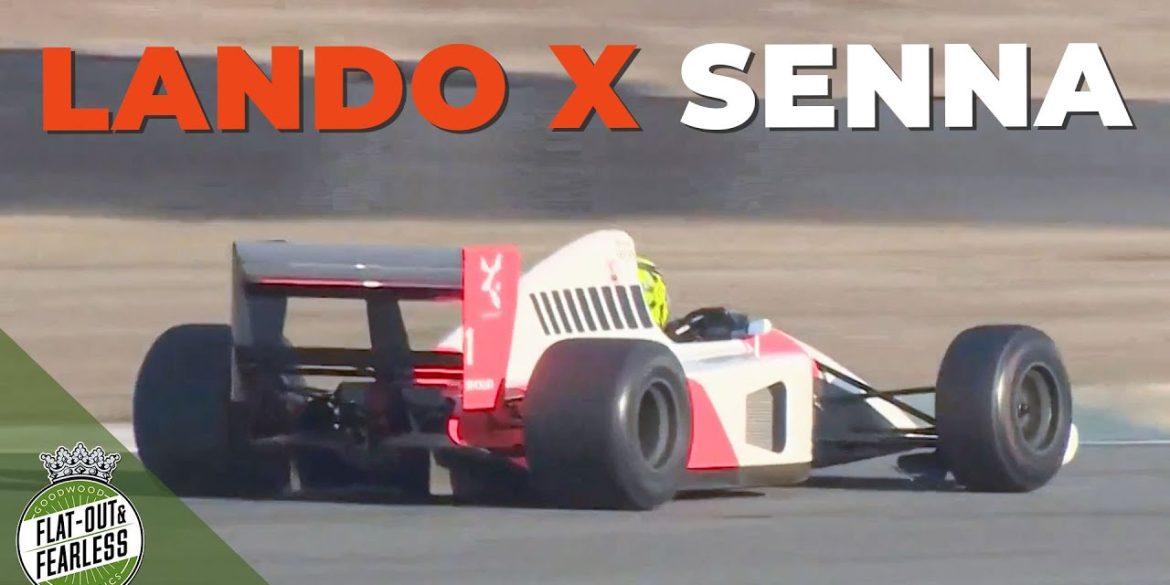
The MP4/4 of 1988, Steve Nichols's and Gordon Murray's low-line car with the Honda V6 turbo, won fifteen of the sixteen Grands Prix, the most dominant season in the sport's history, and Ayrton Senna beat Prost to the championship by one win; the two were team-mates for two years and enemies for the second, Prost won the 1989 title when they collided at Suzuka and left for Ferrari, and Senna won in 1990, colliding with Prost at Suzuka again, and in 1991, McLaren's fourth constructors' championship in a row. Honda left after 1992, Senna won five races in 1993 with a customer Ford engine, including his sixth Monaco and the Donington drive in the rain, and left for Williams, where he was killed at Imola on 1 May 1994. The archive's Ayrton Senna thread, 49 stories, Prost's Teammates and Ed McDonough's Brazilian Players, which drives Senna's Lotus 98T beside Fittipaldi's 72, carry the era; the Formula 1 page has the championship table.
Every story on the site about Ayrton Senna, newest first.
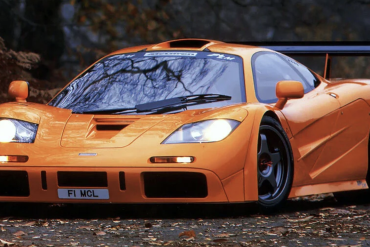
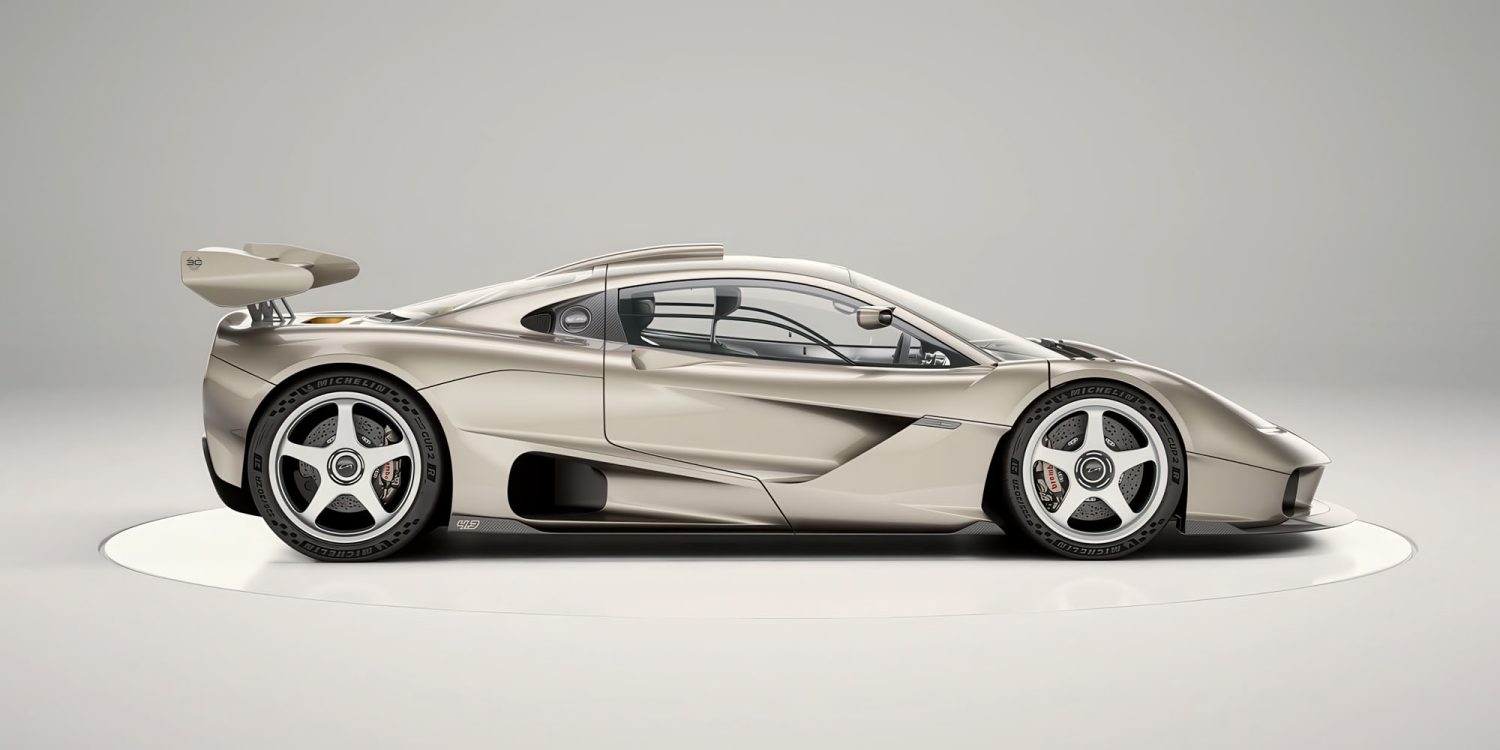
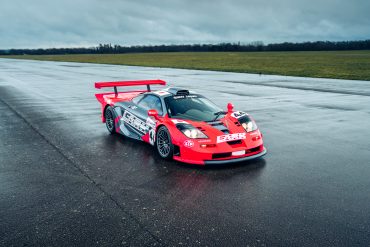
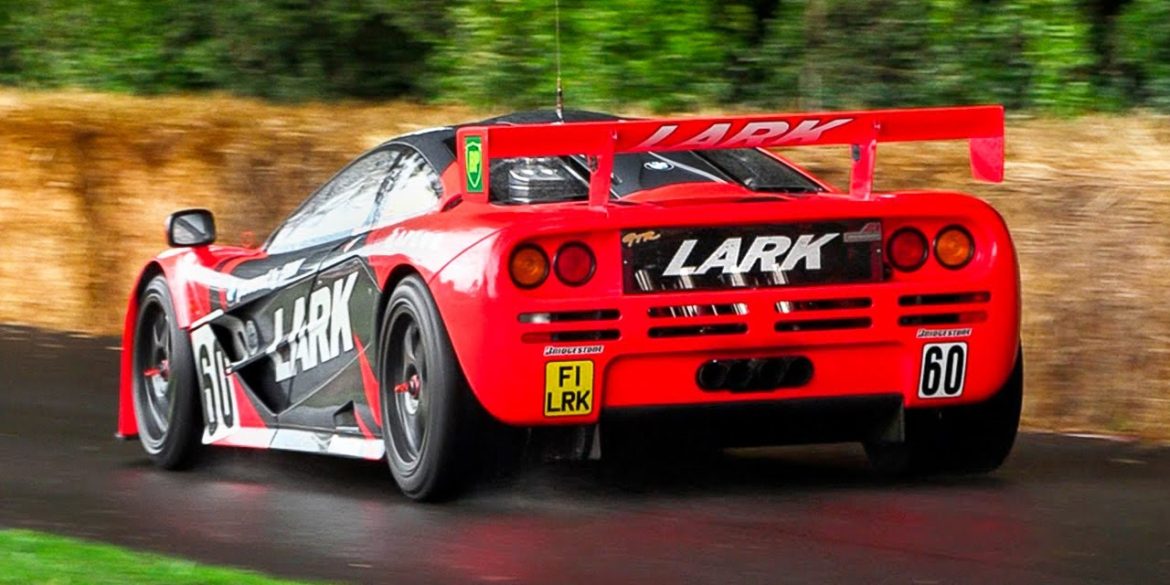
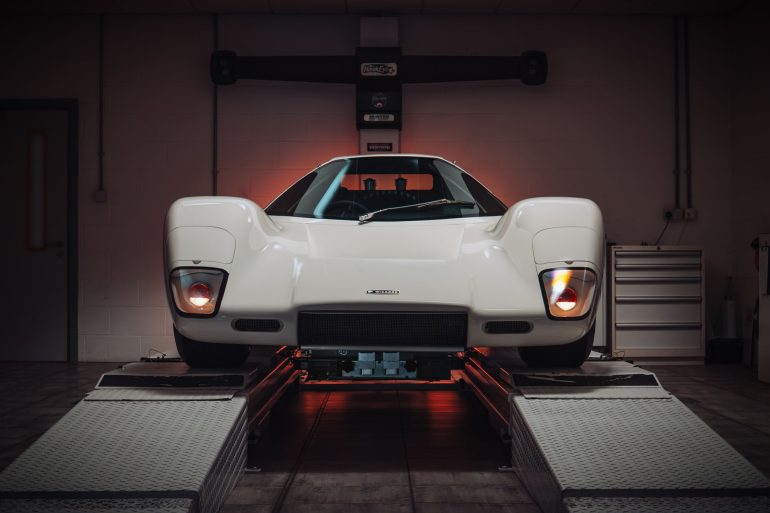
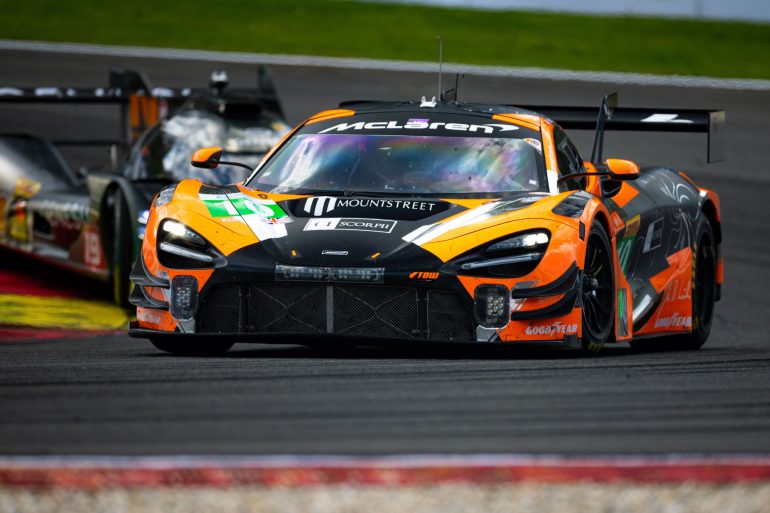
In the Milan airport lounge after the 1988 Italian Grand Prix, Gordon Murray sketched a three-seat road car with the driver in the middle, and Ron Dennis let him build it. The McLaren F1, shown at Monaco in May 1992, had a carbon-fibre monocoque, a 6.1-litre BMW V12 of 627 horsepower that Paul Rosche built because Honda would not, gold foil in the engine bay, no turbos, no power steering and no driver aids, weighed 1,138 kg and did 240.1 mph at Ehra-Lessien in 1998 with Andy Wallace driving, the production-car record until the Veyron. Murray never meant it to race, but customers did: the F1 GTR won the 1995 Le Mans 24 Hours on McLaren's first attempt, Yannick Dalmas, JJ Lehto and Masanori Sekiya in the Kokusai Kaihatsu car, with F1 GTRs third, fourth, fifth and thirteenth, and the BPR championships of 1995 and 1996 before the Long Tail of 1997 fought the Porsche 911 GT1 and the Mercedes CLK GTR. Of 106 F1s built, 64 were road cars, 28 GTRs and the rest prototypes and LMs; the archive's McLaren F1 thread, 75 stories, follows them from the 1995 car that made $20.5 million at Pebble Beach in 2021, the record for any McLaren, to the Marketplace cars of 2025, and the Supercar Era and GT1 to Hypercar pages have the context.
McLaren's Mercedes partnership began in 1995 and produced the team's second golden age: Adrian Newey's MP4-13 of 1998, with which Mika Häkkinen won the championship and McLaren the constructors' title, Häkkinen's second title in 1999, the Mercedes SLR McLaren road car of 2003, built at Woking, and the 2008 championship for Lewis Hamilton in his second season, won at the last corner of the last lap in Brazil. The MP4-20 of 2005 was the fastest car of its year and lost the title to Alonso's reliability; the 2007 season brought Alonso and Hamilton as team-mates, the spying scandal and a $100 million fine. Mercedes bought a stake and then sold it, building its own team from 2010, and McLaren used customer Mercedes engines until 2014; the archive's Häkkinen and Hamilton threads and the Formula 1 page carry the years, and the SLR sits on the Mercedes-Benz page as well as here.
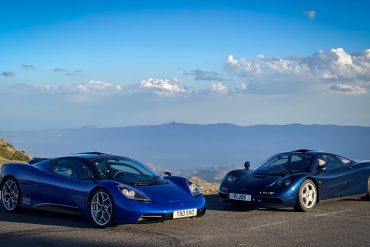
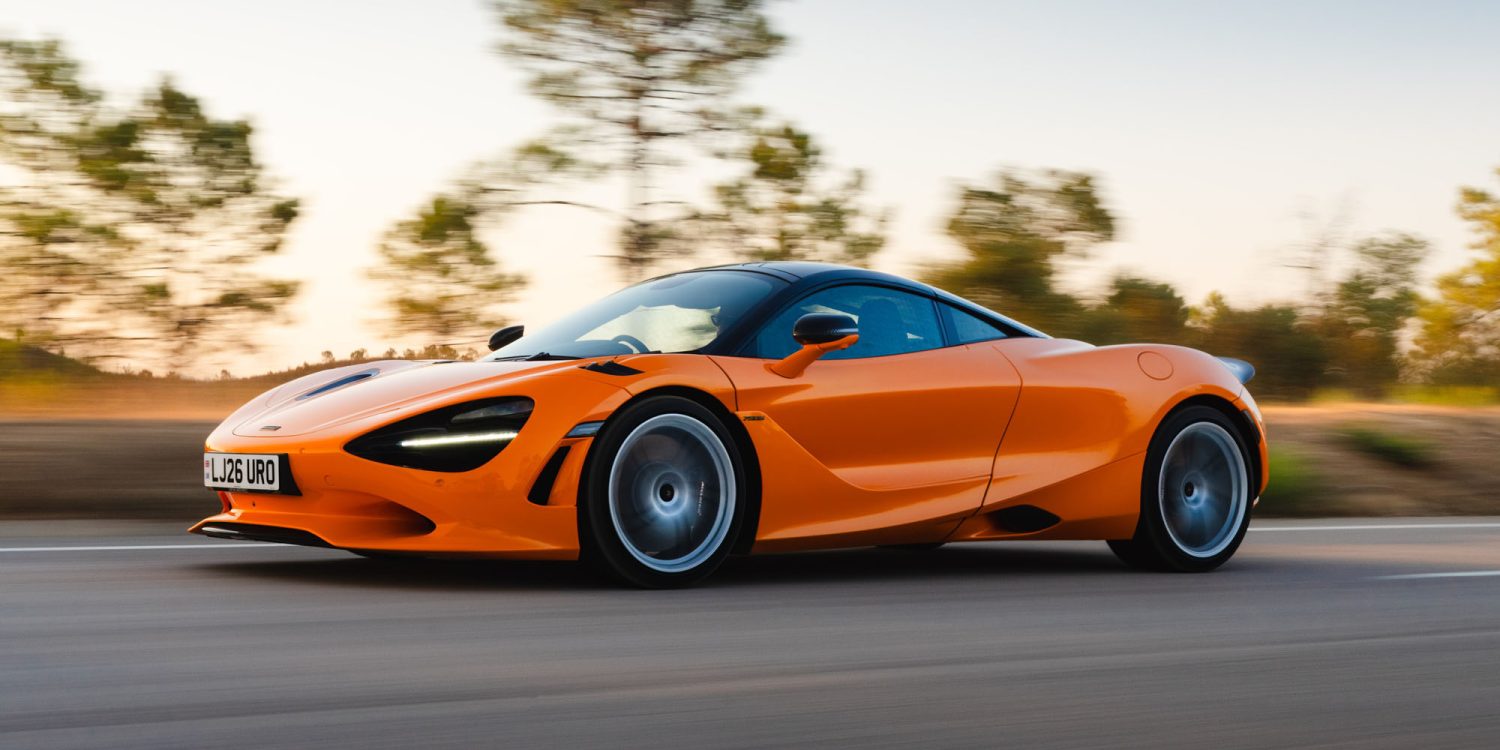
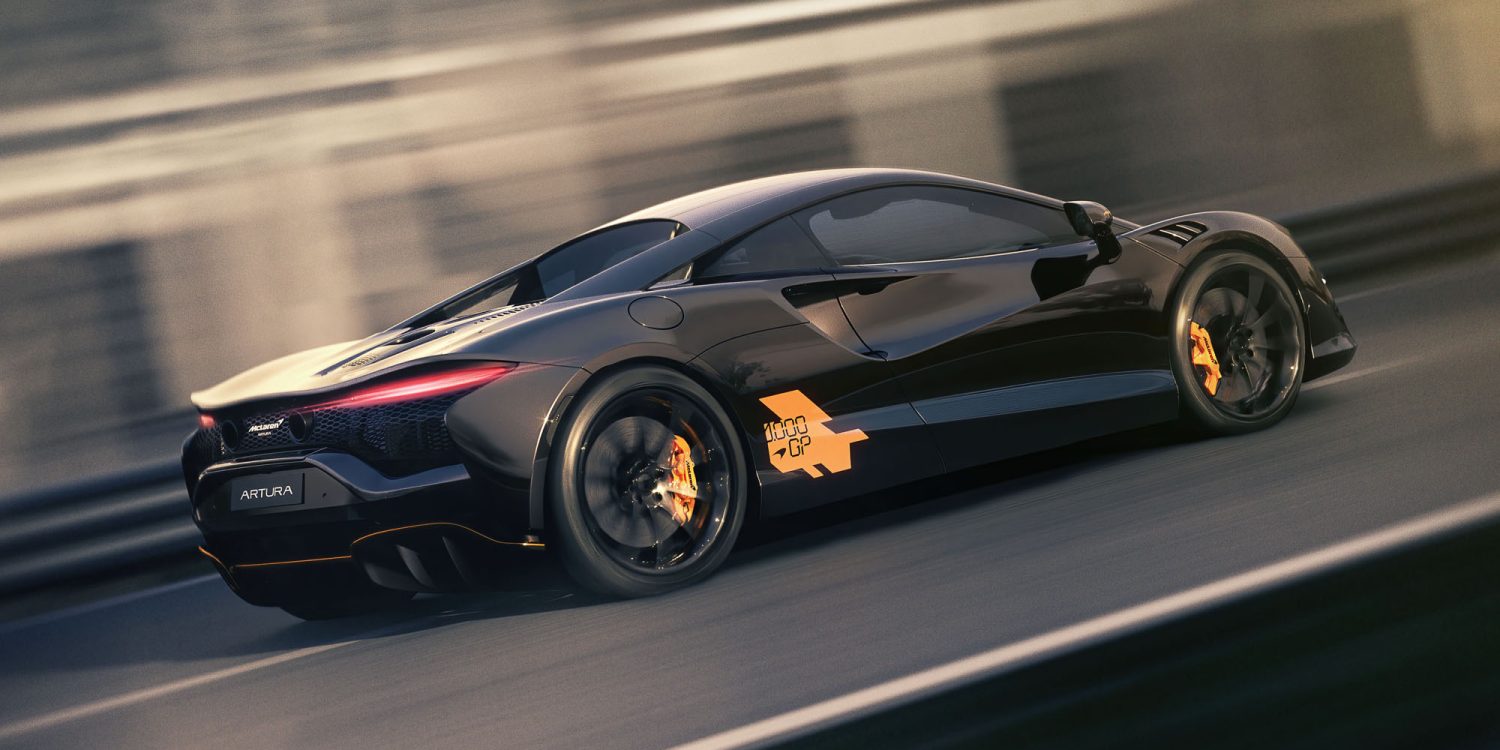
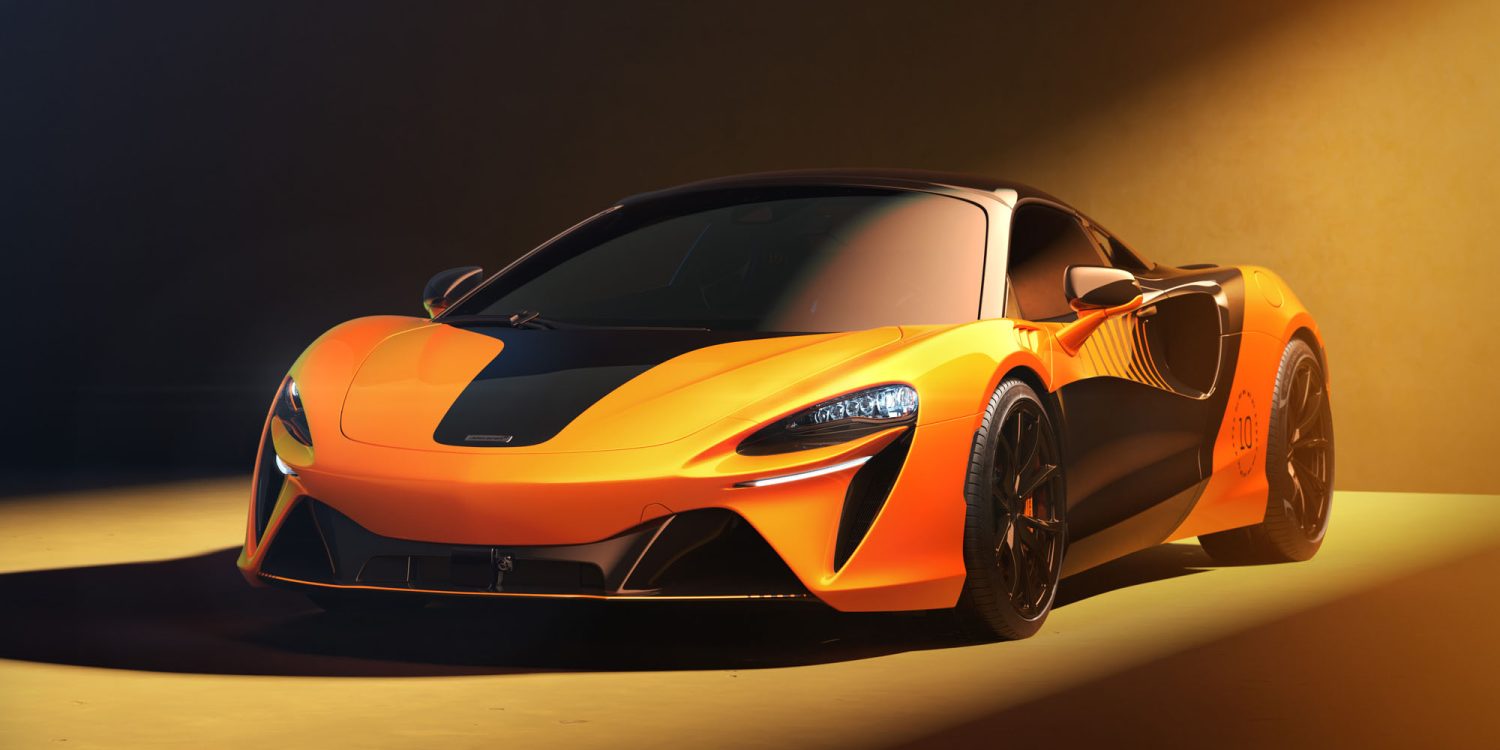
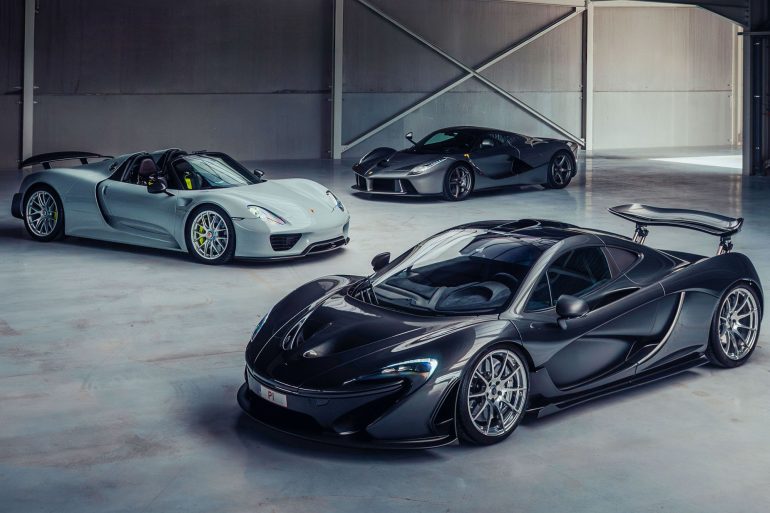
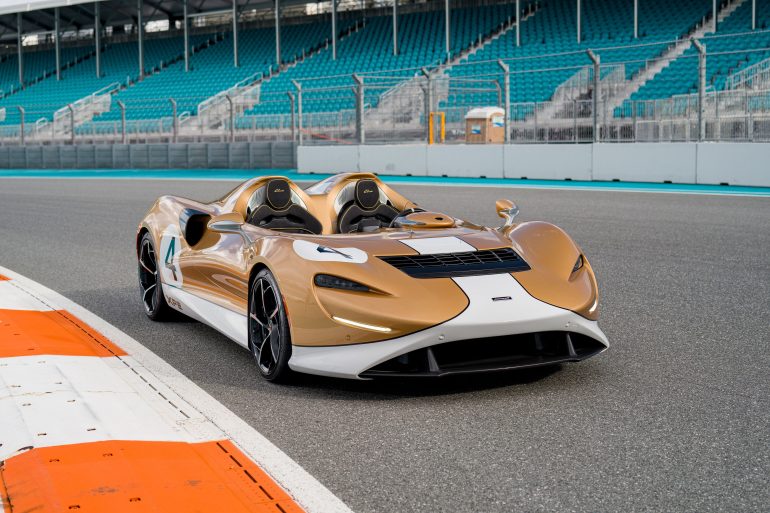
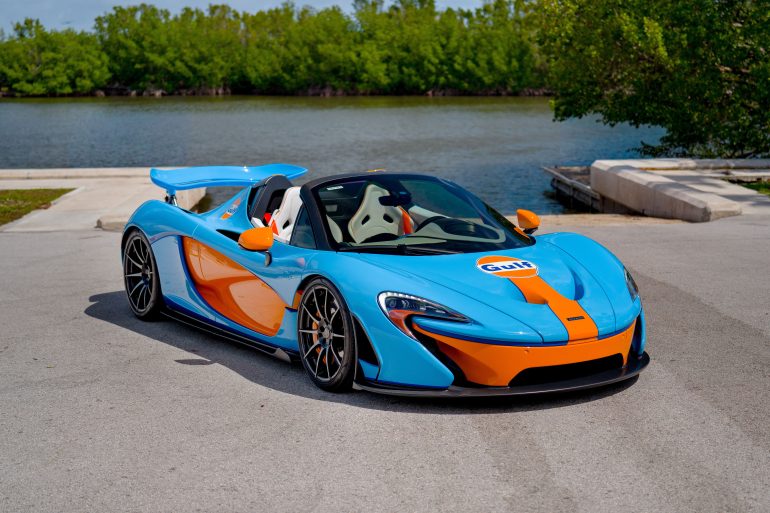
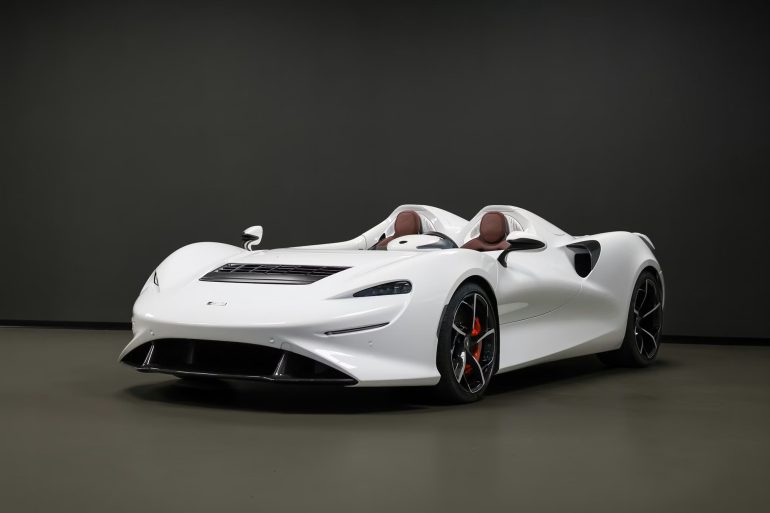
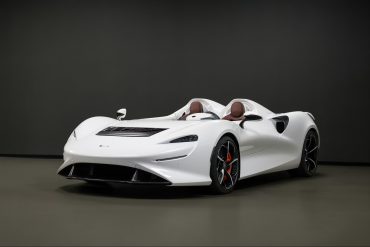
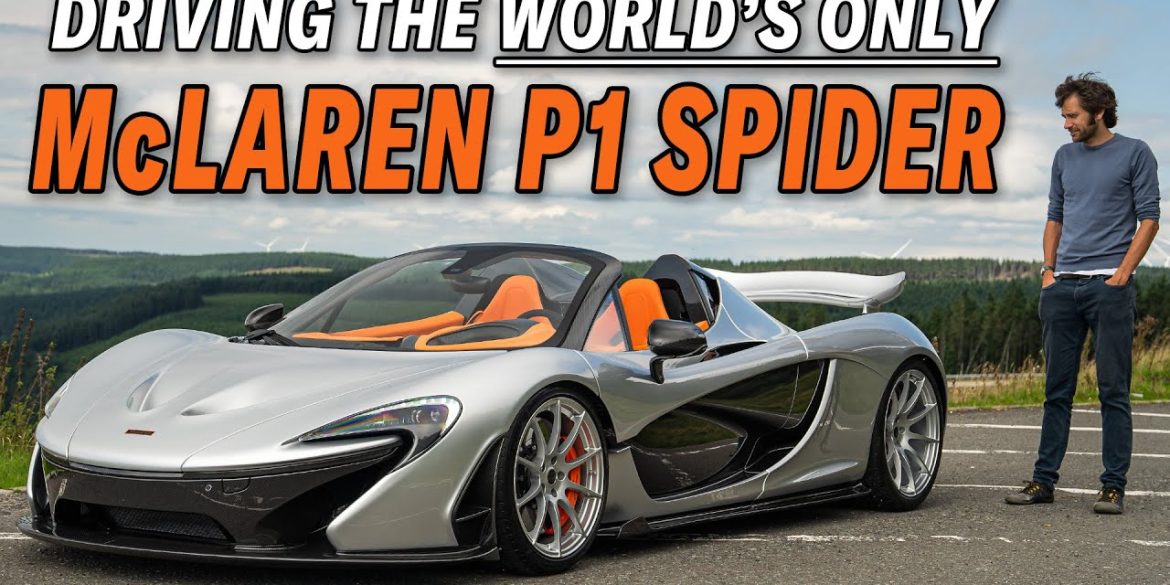
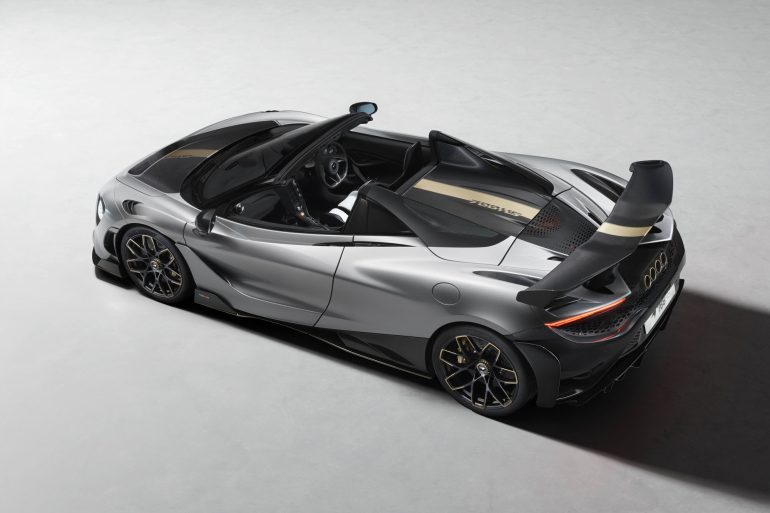
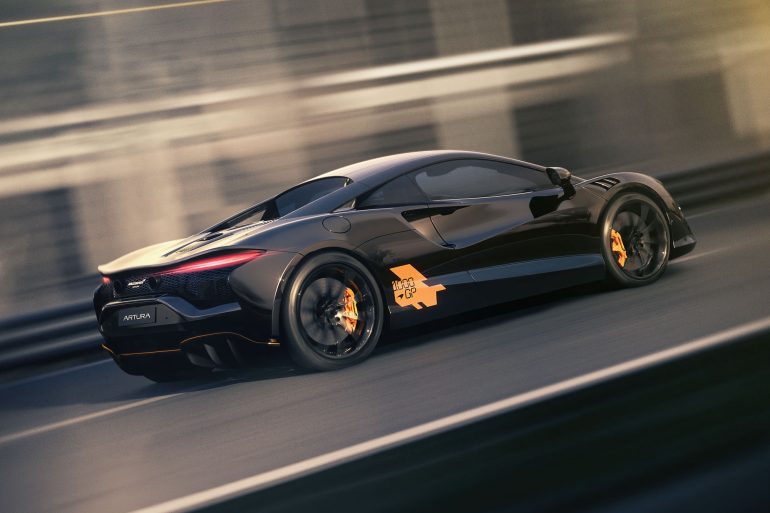
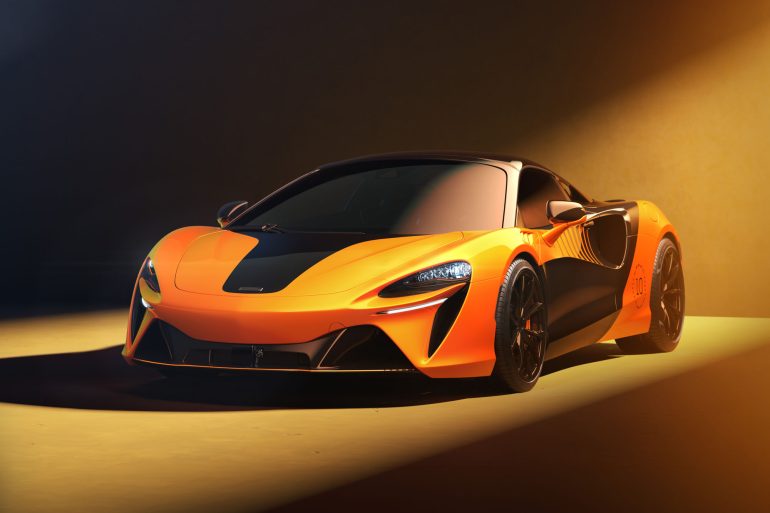
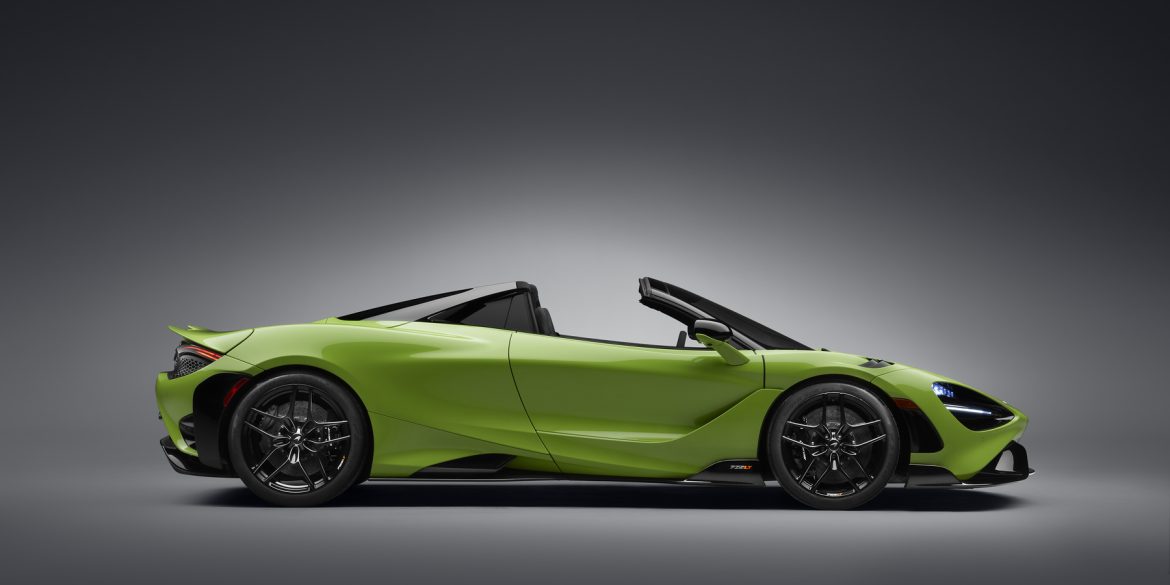
McLaren Automotive was founded in 2010 to make road cars in series for the first time, in Norman Foster's Technology Centre at Woking and a new production centre beside it. The MP4-12C of 2011, with a carbon tub and a 3.8-litre twin-turbo V8, took on the Ferrari 458; the P1 of 2013, a 903-horsepower hybrid, was the McLaren of the holy trinity with the LaFerrari and the 918, 375 built; the 650S, 675LT, 570S and 720S followed, and the Senna of 2018, the Speedtail of 2019, the three-seat successor to the F1 with 250 mph, the Elva, the Artura hybrid of 2021, the 750S of 2023 and the W1 of 2024, the P1's 1,258-horsepower successor, built out the range. Gordon Murray, meanwhile, built his own successor to the F1, the T.50 of 2020, under his own name. The archive follows the modern cars as they are launched and as they come to auction, and the McLaren P1, Senna, 720S and 750S threads gather them.
The Honda years of 2015 to 2017 were the worst in the team's history, Alonso's "GP2 engine" radio message at Suzuka the epitaph; Renault engines and Zak Brown's management from 2018, Andreas Seidl's and then Andrea Stella's engineering, Mercedes power again from 2021 and a return to Indianapolis as Arrow McLaren rebuilt it. Lando Norris, who joined in 2019, and Oscar Piastri, who joined in 2023, won McLaren's first constructors' championship since 1998 in 2024 and the second in a row in 2025, when Norris took the drivers' title, the team's first since Hamilton, at the last race in Abu Dhabi; McLaren's 200th Grand Prix win came the same season. The archive's Formula One coverage and the Formula 1 page carry the present, and the Latest Features feed below the newest writing.
The Model tags on this site cover the McLarens the archive has most to say about: the M1, M6A and M6B and the M8 Can-Am cars; the M16 Indianapolis car; the M23, M26 and MP4/1, MP4/4 and MP4-13 Formula One cars; the F1 and F1 GTR; and the road cars, MP4-12C, P1, Senna, 720S, 750S, Artura and Elva. The nine cards below are the ones with most to read behind them, and the Model tag opens every story on each.
Nine the archive has most to say about; each links to every story on the site about that car.
Single-car and chassis stories: the Can-Am cars, the Grand Prix cars, the F1s and the road cars that surface at auction.
McLaren's racing sits on the archive's hubs as well as here. The Can-Am and the Unlimiteds era page has the five championships and 43 wins season by season; the Formula 1 page the champions' table with the thirteen McLaren drivers' titles and ten constructors'; the Indianapolis 500 hub the M16's wins of 1972, 1974 and 1976 and the Arrow McLaren years; the Le Mans hub the F1 GTR's 1995 victory; the Grand Prix History hub the Cosworth, turbo, V10 and hybrid eras that McLaren won in. The Racing (McLaren) feed below gathers the race reports and profiles with a McLaren in them, from the Tasman Series to this year's Grands Prix, and the Goodwood Revival and Members' Meeting reports have the Can-Am cars and the M23s running again.
Race profiles and reports with a McLaren in them, newest first.
Bruce McLaren first, and Denny Hulme, the Bear, his friend and champion; Teddy and Timmy Mayer, Tyler Alexander, Phil Kerr and Gordon Coppuck, who built and kept the first team; Ron Dennis, John Barnard, Mansour Ojjeh, Gordon Murray, Steve Nichols, Neil Oatley, Adrian Newey and Zak Brown; and the drivers, Peter Revson, Mark Donohue and Johnny Rutherford at Indianapolis, Emerson Fittipaldi, James Hunt, John Watson, Niki Lauda, Alain Prost, Ayrton Senna, Gerhard Berger, Mika Häkkinen, David Coulthard, Kimi Räikkönen, Lewis Hamilton, Jenson Button, Fernando Alonso, Lando Norris and Oscar Piastri. Each name with a People thread links to every story on the site about them, and the People page gathers the portraits.
The founder in the archive, newest first.
The McLaren market is the F1 and then everything else. The F1 is the most valuable car of the modern era: $20.5 million for a 242-mile 1995 car at Pebble Beach in 2021, $15–20 million for a good road car, more for an LM or a GTR with Le Mans history. The Can-Am M8s and M6s with works history are $1–3 million, the customer M1s and M6Bs $300,000–800,000, the M23s and other Grand Prix cars $1–5 million depending on who drove them, and an ex-Senna MP4/4 or MP4/6, when one appears, far more. Among the road cars the P1 is $1.5–2 million, the Senna and Speedtail $1–1.5 million and $2.5–3 million, the Elva and the 765LT already above list, the SLR McLaren $300,000–500,000 and the 12C and 570S the cheapest way into a carbon tub at under $100,000. The Auctions (McLaren) and For Sale (McLaren) threads below are the live market; the Market page has the auction calendar and the record prices.
Auction previews and results for McLarens, newest first.
McLarens offered by dealers and collectors, newest first.
The archive's McLaren galleries come from the Goodwood Festival of Speed and Revival, where the Can-Am cars run up the hill and the M23s race, the Monterey Reunion and the Rolex Reunion's Can-Am groups, the Monaco Historique, the Le Mans Classic, where the F1 GTRs returned, and the Pebble Beach lawn, where the F1 road cars gathered for the model's thirtieth anniversary. The Galleries (McLaren) feed below gathers them.
McLaren galleries from Goodwood, Monterey, Monaco and Le Mans.
Founded 2 September 1963, Bruce McLaren Motor Racing; Colnbrook, then Woking since 1981; McLaren Automotive 2010. Formula One: first race Monaco 1966, first win Spa 1968; more than 200 Grand Prix wins; 10 constructors' championships (1974, 1984, 1985, 1988, 1989, 1990, 1991, 1998, 2024, 2025); 13 drivers' championships (Fittipaldi 1974, Hunt 1976, Lauda 1984, Prost 1985, 1986, 1989, Senna 1988, 1990, 1991, Häkkinen 1998, 1999, Hamilton 2008, Norris 2025). Can-Am: championships 1967–71, 43 wins. Indianapolis 500: 1972 (Donohue), 1974 and 1976 (Rutherford). Le Mans: 1995 (F1 GTR, Dalmas, Lehto, Sekiya). McLaren F1: 106 built, 240.1 mph (1998), the production-car record until 2005. Built: P1 375; Senna 500; Speedtail 106; Elva 149. Record prices: 1995 McLaren F1 $20.465 million (Gooding, Pebble Beach, 2021); F1 LM and GTR private sales above $20 million; Can-Am M8F ex-Revson about $1.5 million.
Short answers, with the long ones above.
Bruce McLaren, a New Zealand racing driver who had won Grands Prix for Cooper from the age of 22, founded Bruce McLaren Motor Racing on 2 September 1963 in England. The first McLaren car, the M1A sports-racer, ran in 1964.
Testing the new M8D Can-Am car at Goodwood on 2 June 1970, when the rear bodywork lifted at about 170 mph and the car left the road. He was 32. The team won the Can-Am championship that year and the next in his memory.
The Canadian-American Challenge Cup of 1966 to 1974, a championship for unlimited Group 7 sports cars with big American V8s. McLaren's M6 and M8 cars, with Chevrolet engines and Bruce McLaren and Denny Hulme driving, won every championship from 1967 to 1971 and 43 races, until Porsche's turbocharged 917/10 ended it.
Ten constructors' championships, from 1974 to 2025, and thirteen drivers' titles, for Fittipaldi, Hunt, Lauda, Prost, Senna, Häkkinen, Hamilton and Norris, with more than 200 Grand Prix wins since Bruce McLaren's at Spa in 1968.
It was: 240.1 mph at Ehra-Lessien in 1998, the production-car record for twelve years. It was also the first road car with a carbon-fibre monocoque, seated three with the driver in the middle, and won Le Mans in 1995 as the F1 GTR. The Bugatti Veyron passed it in 2005.
The F1: a 1995 road car with 242 miles sold for $20.465 million at Pebble Beach in 2021, and the LMs and GTRs trade privately for more. Among the racing cars the works Can-Am M8s and the championship Grand Prix cars lead.
The Bahraini sovereign fund Mumtalakat has owned McLaren Group outright since 2024, with CYVN Holdings of Abu Dhabi taking control of McLaren Automotive in 2025; Ron Dennis sold his shares in 2017. McLaren Racing and McLaren Automotive are run as separate companies at Woking.
With Patrick Quinn's McLaren's Dawn, the Bruce McLaren profiles, Pete Lyons's Can-Am Legends, Trevor Ely's M6-GT, John Zimmermann's M23 and Alain Prost's Teammates, then the M8 and McLaren F1 threads.
The whole archive on one thread, newest first.