

Ferrari has built road cars since 1948, at first only to pay for the racing. Seventy-odd years later the road cars are the business, and there are a great many of them to argue about.
This is our ranking of the fifty best. Road cars only: the sports racers and Formula One cars get a list of their own. We counted what each car achieved, how it drives, how it looks and what it changed for Ferrari. We ignored what it costs.
We start at fifty and count down. You will think some are too low, a few too high, and at least one should not be here at all. Tell us in the comments.
Production road Ferraris only: no sports racers, no Formula One cars, no one-offs. Ranked on four things: what the car achieved, how it drives, how it looks, and what it changed for Ferrari. Rarity and price do not count by themselves.
50 to 26
Ferrari Mondial
1980–93 · 3.0 to 3.4 V8 · 214 to 300 hp · About 6,100
The entry that will start the argument. A mid-engined Ferrari with four seats, built for thirteen years and mocked for most of them. The later cars are quick and well balanced, and it remains the cheapest way into the marque. Better than its reputation, which is all we claim.
Ferrari F80
From 2025 · 3.0 twin-turbo V6 hybrid · 1,184 hp · 799
Too new to judge properly, and placed here on engineering alone. Ferrari put a V6 hybrid in its flagship, the layout of the 499P that won Le Mans, and the purists objected before anyone had driven it. They said similar things about the F50. It may move a long way up this list.
Ferrari 12Cilindri
From 2024 · 6.5 V12 · 819 hp
A new naturally aspirated V12 flagship, launched in 2024, when few expected another. Its nose looks back to the Daytona and its engine to the 812. Too new to rank higher. That it exists at all is the reason it is on the list.
Ferrari 512 TR
1991–94 · 4.9 flat-12 · 422 hp · About 2,260
The Testarossa, fixed. The engine sits lower, the chassis is stiffer, and the gearchange and brakes are far better. It looks almost the same and drives like a different car. For anyone who wants the flat-12 experience to match the image, this is the one to buy.
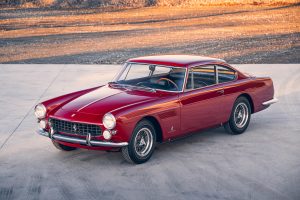
Ferrari 250 GTE 2+2
1960–63 · 3.0 V12 · 240 hp · About 950
The first series-built four-seat Ferrari, and the car that funded the rest. Nearly a thousand were sold in three years, more than any Ferrari before it. Many were later cut up to make replicas of more valuable 250s. The survivors are fine grand tourers and deserve better.
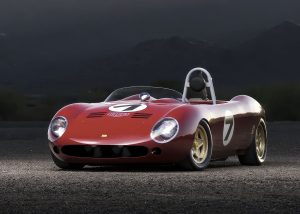
Ferrari Dino 308 GT4
1973–80 · 2.9 V8 · 255 hp · About 2,830
Ferrari's first V8 road car, with four seats and a wedge body by Bertone when every other Ferrari came from Pininfarina. It wore Dino badges at first and was ignored for decades. Many who have driven both rate it above the 308 GTB that followed, and the market has finally noticed.
Ferrari 360 Modena
1999–2005 · 3.6 V8 · 395 hp
Ferrari's first road car with an all-aluminium chassis, which made it lighter and stiffer than the F355 it replaced. It was also the first that owners used without fear. The styling has aged well, the engine is on show under glass, and manuals are climbing.
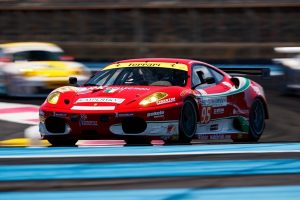
Ferrari F430
2004–09 · 4.3 V8 · 483 hp
The car that introduced the manettino and the electronic differential, and the last mid-engined Ferrari offered with a gated manual gearbox. A manual F430 is now worth far more than a paddle-shift car, and deserves to be.
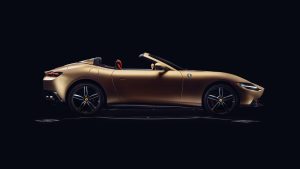
Ferrari Roma
From 2020 · 3.9 twin-turbo V8 · 612 hp
A front-engined V8 coupé with clean surfaces and almost no decoration, at a time when most new cars had too much. It is the prettiest series-production Ferrari in years and an easy car to live with. Purists want more edge. As a grand tourer it needs none.
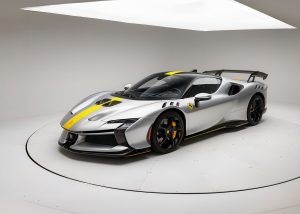
Ferrari SF90 Stradale
From 2019 · 4.0 twin-turbo V8 hybrid · 986 hp
Ferrari's first plug-in hybrid: a twin-turbo V8, three electric motors, nearly a thousand horsepower and four-wheel drive. The numbers are extraordinary, and the car is heavier and more complicated than anything before it. Respected more than loved. It is here for what it made possible.
Ferrari GTC4Lusso
2016–20 · 6.3 V12 · 680 hp
A four-seat, four-wheel-drive V12 with a hatchback. Nobody else would have built it. It carries four adults and their luggage at very high speed and sounds like a Ferrari while doing it. The V12 is the one to have. Production has ended and nothing replaces it directly.
Ferrari F8 Tributo
2019–23 · 3.9 twin-turbo V8 · 710 hp
The last mid-engined V8 Ferrari without a hybrid system. It took the Pista's engine and made it civil, with 710 horsepower in a car that can be used every day. It was overshadowed by what came before and after, and it may be remembered more kindly than it was received.
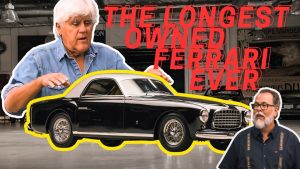
Ferrari 212 Inter
1951–52 · 2.6 V12 · 150 hp · About 80
The road car that paid for the racing in the early years. Around eighty were built, with bodies by half a dozen coachbuilders, and one of them in 1952 began Ferrari's long association with Pinin Farina. Small, light and pretty. It is where the Ferrari road car became a business.
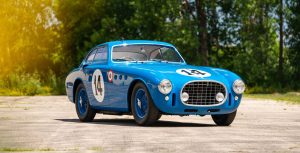
Ferrari 340 America
1950–52 · 4.1 V12 · 220 hp · About 23
The start of the big-engined America line. Its 4.1-litre V12 came from Ferrari's Grand Prix programme, and Ferrari sold it to road customers in coachbuilt form. One won the 1951 Mille Miglia. As a road car it was a handful, and that was what its buyers wanted.
Ferrari 456 GT
1992–2003 · 5.5 V12 · 436 hp · About 3,290
The front-engined V12 2+2 had been missing from the range when the 456 arrived in 1992. It is one of the cleanest Ferrari shapes of its decade, it came with a six-speed manual, and it carries four people across a continent. Good ones still cost less than they should.
Ferrari 410 Superamerica
1955–59 · 5.0 V12 · 340 hp · About 35
A five-litre V12 in a road chassis, bodied by several coachbuilders, no two quite alike. Some borrowed fins from American show cars; others were calmer. Enormous, fast and built for a handful of very rich clients. The excess is the appeal.
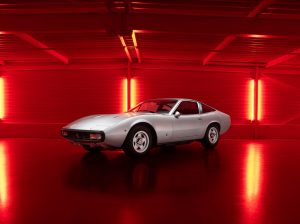
Ferrari 365 GTC/4
1971–72 · 4.4 V12 · 340 hp · About 500
The overlooked 365. Built for barely two years alongside the Daytona, it shares that car's V12 in softer tune and adds power steering and two small rear seats. More usable and far cheaper than a Daytona. Its day has been predicted for decades and may yet come.
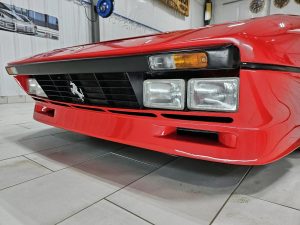
Ferrari 328 GTB and GTS
1985–89 · 3.2 V8 · 270 hp · About 7,400
The 308 perfected. A larger V8, better build, and the same shape tidied for the late 1980s. It is the most usable classic Ferrari there is, simple to run by the standards of the marque, and still affordable next to almost everything above it here.
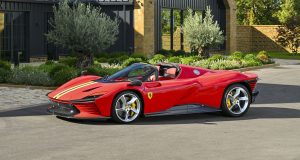
Ferrari Daytona SP3
From 2021 · 6.5 V12 · 829 hp · 599
A modern tribute to the sports prototypes of the 1960s, with a mid-mounted V12 and no hybrid system. Critics call it a styling exercise for the very rich. The engine alone earns its place, and the shape will look better in twenty years than most of its contemporaries.
Ferrari 500 Superfast
1964–66 · 5.0 V12 · 400 hp · 36
The grandest of the early grand tourers: five litres, 400 horsepower, and a body of real restraint. Thirty-six were built, for customers who did not ask the price. It was the fastest and most expensive Ferrari road car of its day, and it still defines the type.
Ferrari 575M Maranello
2002–06 · 5.75 V12 · 508 hp · About 2,060
The 550, modified: more power, a better interior, and the option of paddle shifters. Early cars were criticised as softer, and a handling package answered that. The handful of manuals are now among the most sought-after modern Ferraris. As a fast, usable V12 it has few rivals at the price.
Ferrari 166 Inter
1948–50 · 2.0 V12 · About 110 hp · About 38
Ferrari's first road car. Enzo needed money for racing, and customers wanted a car they could drive to dinner, so the two-litre V12 went into a touring chassis and each was bodied to order. Crude by later standards. Every car on this list descends from the decision to build it.
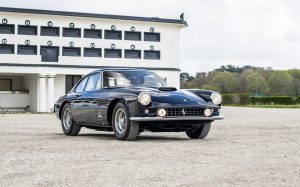
Ferrari 400 Superamerica
1959–64 · 4.0 V12 · 340 hp · 47
Ferrari for kings and industrialists. Coachbuilt in small numbers, very expensive, and faster than almost anything else on the road in 1960. It is the best of the Superamerica line and the high point of the bespoke Ferrari.
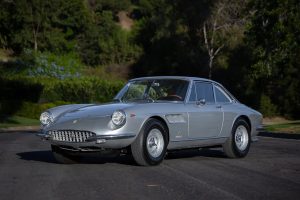
Ferrari 330 GTC
1966–68 · 4.0 V12 · 300 hp · About 600
The connoisseur's 1960s Ferrari. It combines the 275's chassis layout with a four-litre V12 in an understated two-seat coupé, and it is among the best-balanced road cars of its decade. Never the most valuable, always among the most recommended by people who own several.
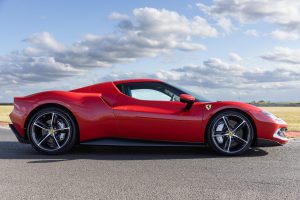
Ferrari 296 GTB
From 2021 · 3.0 twin-turbo V6 hybrid · 819 hp
The car that showed a V6 hybrid could feel like a Ferrari. It is short, light on its feet, and has an engine note good enough that the factory nicknamed it the little V12. It will also cross a village at dawn on electric power alone. It may age better than its peers.
25 to 11
Ferrari 488 Pista
2018–20 · 3.9 twin-turbo V8 · 710 hp
The turbocharged answer to the Speciale. It lost a little sound and gained a great deal of speed, with throttle response good enough to make the turbos easy to forget. It is the most complete of the modern V8 specials, if not the most charismatic.
Did you know: Its V8 family was named International Engine of the Year four years running.
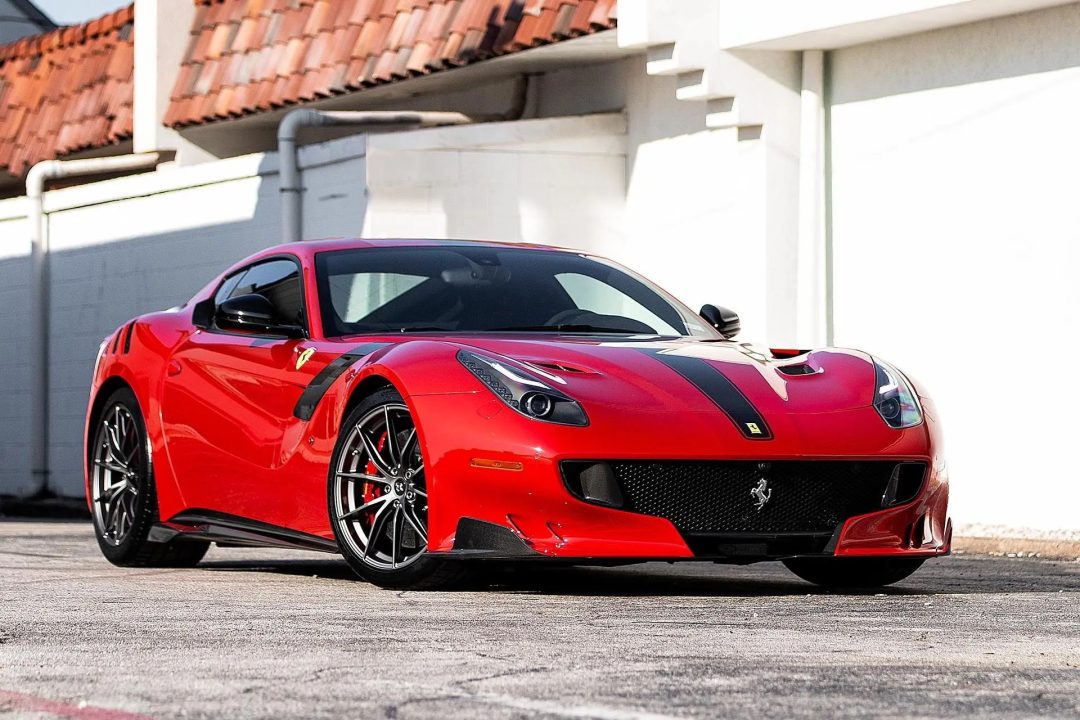
Ferrari F12tdf
2015–17 · 6.3 V12 · 769 hp · 799
The F12 taken as far as Ferrari dared: more power, much less weight, and rear-wheel steering to make a short, wide car turn. It is demanding in a way modern Ferraris rarely are, and it punishes clumsiness. Seven hundred and ninety-nine were built. It is the front-engined V12 at its most extreme.
Did you know: Named for the Tour de France Automobile, the road race Ferrari's 250 GT dominated in the 1950s.

Ferrari 365 GT4 BB and 512 BB
1973–84 · 4.4 and 4.9 flat-12 · About 360 hp
Ferrari's delayed reply to the Miura, and the first mid-engined twelve-cylinder road car from Maranello. Enzo had thought the layout too much for customers. It is called a Boxer, though the engine is strictly a flat V12. It was never officially sold in the United States, which adds to its appeal there now.
Did you know: Called a Boxer, though the engine is a 180-degree V12. Ferrari never sold it officially in the United States.
Ferrari 812 Superfast
From 2017 · 6.5 V12 · 789 hp
Nearly eight hundred horsepower through the rear wheels alone, from a V12 that revs to 8,900 rpm without a turbocharger. It is excessive and wonderful. The Competizione that closed the run pushed the same engine further still. Whatever follows, this is a high point for the naturally aspirated Ferrari.
Did you know: The V12 revs to 8,900 rpm without a turbocharger.
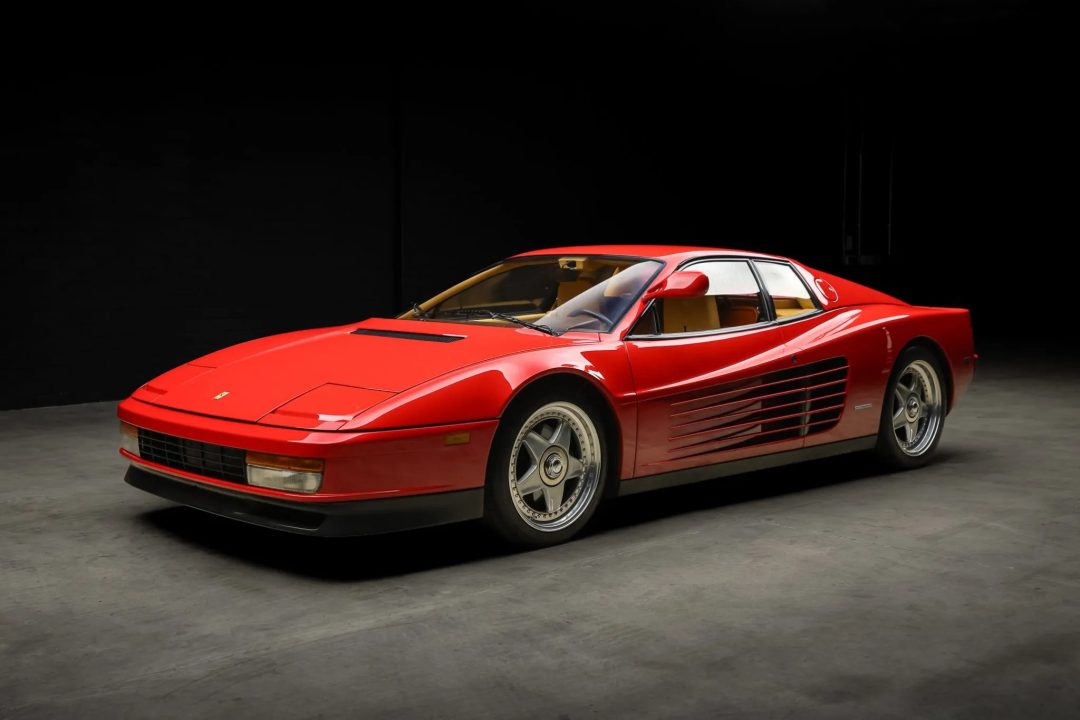
Ferrari Testarossa
1984–91 · 4.9 flat-12 · 390 hp · About 7,180
The poster car of the 1980s. The side strakes exist because the radiators moved to the flanks, which also made it nearly two metres wide. It is better to drive than its image suggests: a fast, comfortable flat-12 grand tourer. Clean early cars have been rediscovered.
Did you know: The side strakes are there because the radiators moved to the flanks.
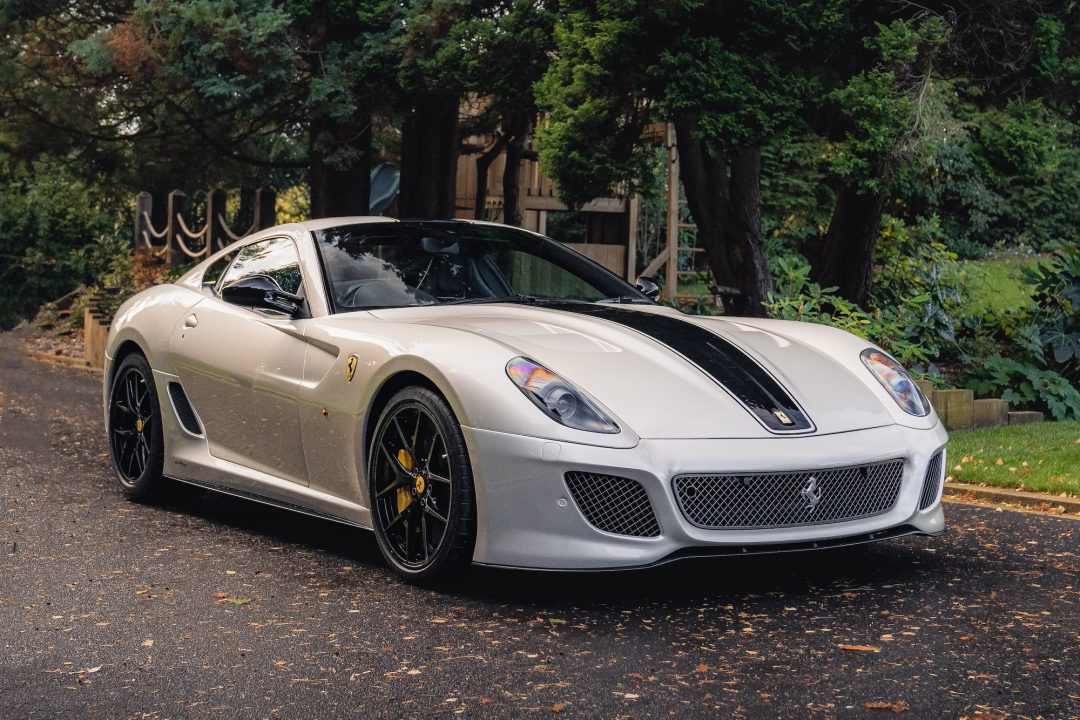
Ferrari 599 GTO
2010–11 · 6.0 V12 · 661 hp · 599
A road-legal relative of the 599XX track car, and only the third Ferrari to carry the GTO name. Divisive when new, because it never raced. It lapped Fiorano faster than the Enzo, and it set the pattern for every hard-edged front-engined Ferrari since.
Did you know: It lapped Fiorano faster than the Enzo.
Ferrari 430 Scuderia
2007–09 · 4.3 V8 · 503 hp
Lighter, louder and sharper than the F430, with gearshifts quick enough to make the single-clutch system finally work. Michael Schumacher helped develop it. The open Scuderia Spider 16M that followed is rarer and worth more, but the coupé is the driver's choice.
Did you know: Michael Schumacher worked on its development.
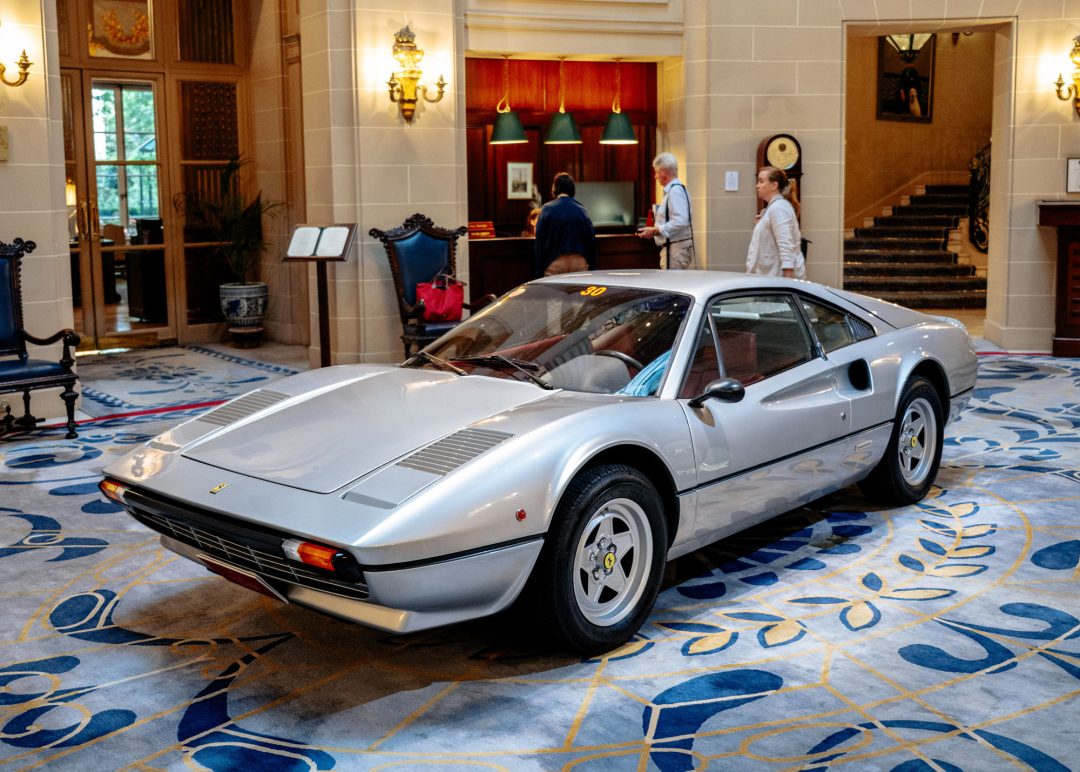
Ferrari 308 GTB
1975–85 · 2.9 V8 · 255 hp
The shape most people draw when asked for a Ferrari. The 308 made the mid-engined V8 the centre of the range, where it has stayed for fifty years. Early cars with glassfibre bodies and carburettors are the ones to have. Television made it famous; it deserved to be anyway.
Did you know: The first 700 or so had glassfibre bodies.
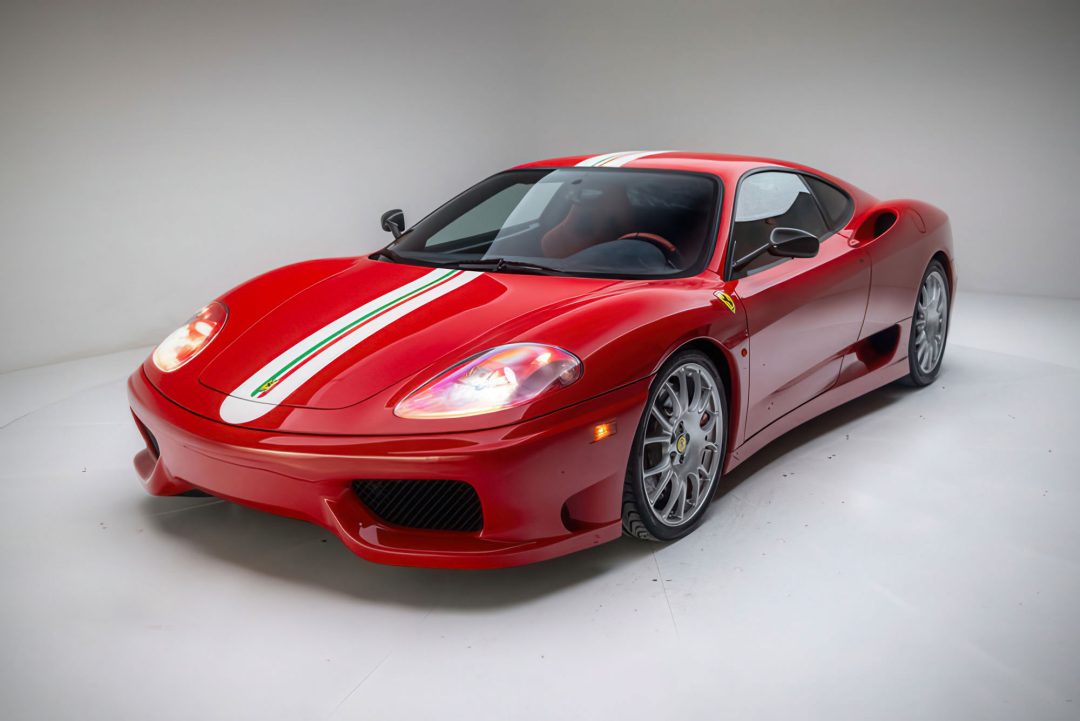
Ferrari 360 Challenge Stradale
2003–04 · 3.6 V8 · 420 hp · About 1,290
The first of the stripped-out V8 specials. Lighter than the Modena by about 110 kg, louder and stiffer, it began the line that runs through the Scuderia, Speciale and Pista. It is the least powerful of them and, for many, the most involving.
Did you know: About 110 kg lighter than the 360 Modena.
Ferrari 550 Maranello
1996–2001 · 5.5 V12 · 478 hp · About 3,080
Proof that the engine belonged in the front after all. After two decades of mid-engined flagships, Ferrari built a two-seat V12 grand tourer with a six-speed manual in an open gate, and it was quicker around Fiorano than the car it replaced. It still feels right today.
Did you know: Ferrari's first front-engined two-seat V12 since the Daytona.
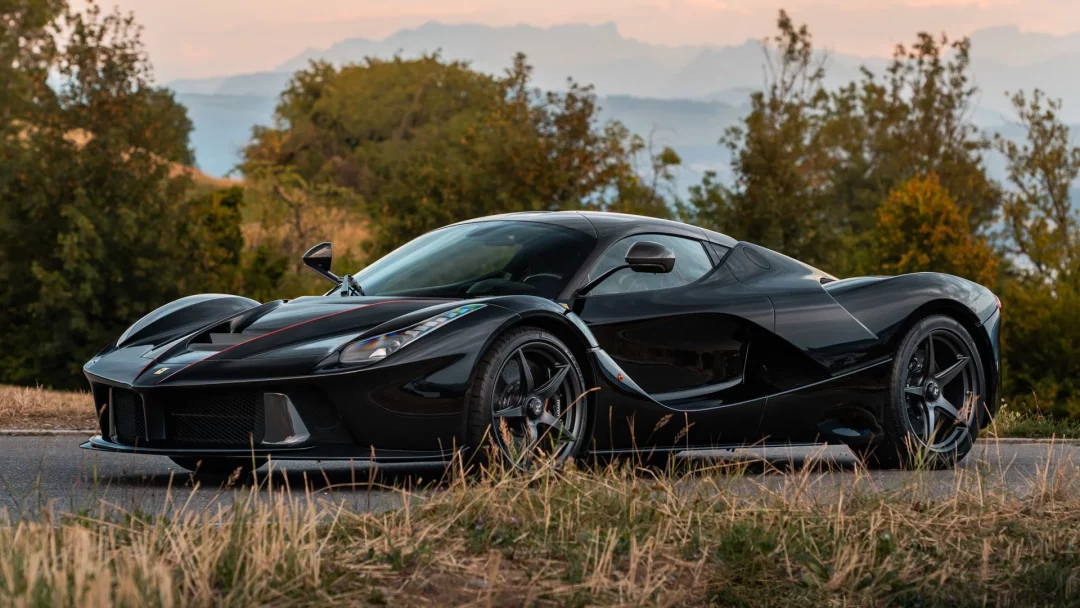
LaFerrari
2013–16 · 6.3 V12 hybrid · 950 hp · 499 coupés
A 9,250 rpm V12 with electric help. Of the three hybrid hypercars of 2013, it was the one that used the technology only to sharpen the car, with no electric-only mode at all. It is also the best of the three to listen to. Ferrari's first hybrid, and still the most convincing.
Did you know: Ferrari's first hybrid road car.
Ferrari F355
1994–99 · 3.5 V8, five valves per cylinder · 375 hp · About 11,270
The car that restored Ferrari's reputation after the 348. Five valves per cylinder, 8,500 rpm, and the best exhaust note of the 1990s. It was also the first Ferrari most owners could use every day. A manual berlinetta is the one to find; budget properly for the upkeep.
Did you know: In 1997 it became the first road car sold with a Formula One style paddle gearbox.
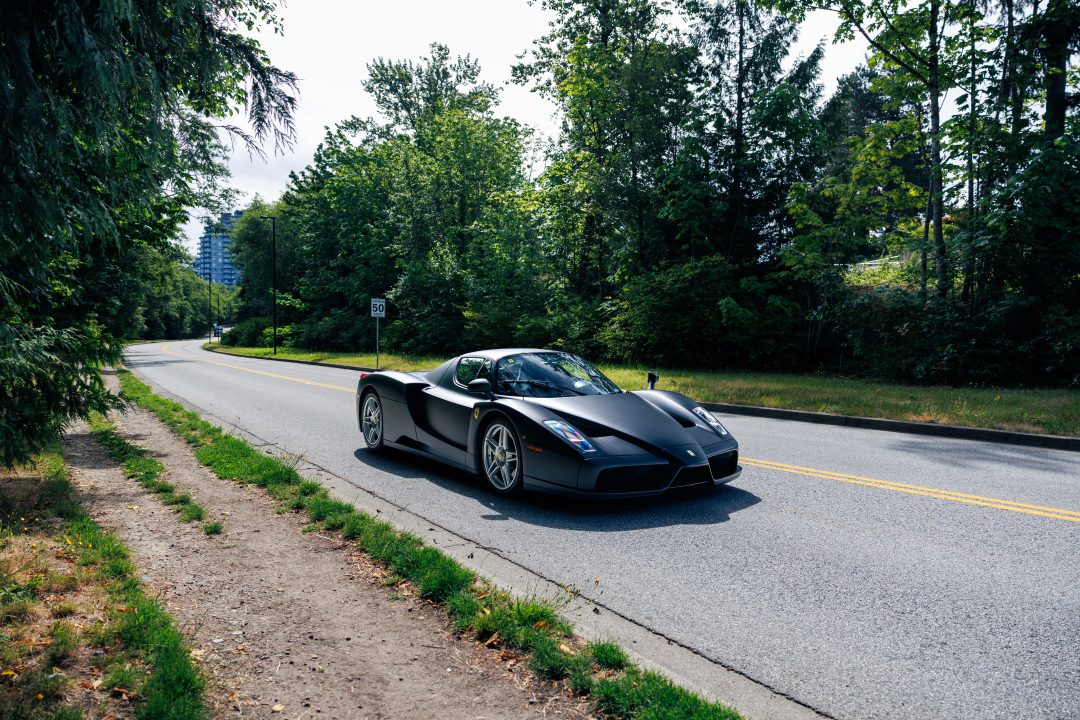
Ferrari Enzo
2002–04 · 6.0 V12 · 651 hp · 400
Schumacher-era technology for the road: a carbon tub, ceramic brakes, and the first of a V12 family that powered Ferraris for two decades. It is not pretty, and it was not meant to be. Offered only to customers Ferrari invited, it set the pattern for how every later flagship has been sold.
Did you know: The 400th car was given to Pope John Paul II and auctioned for charity.
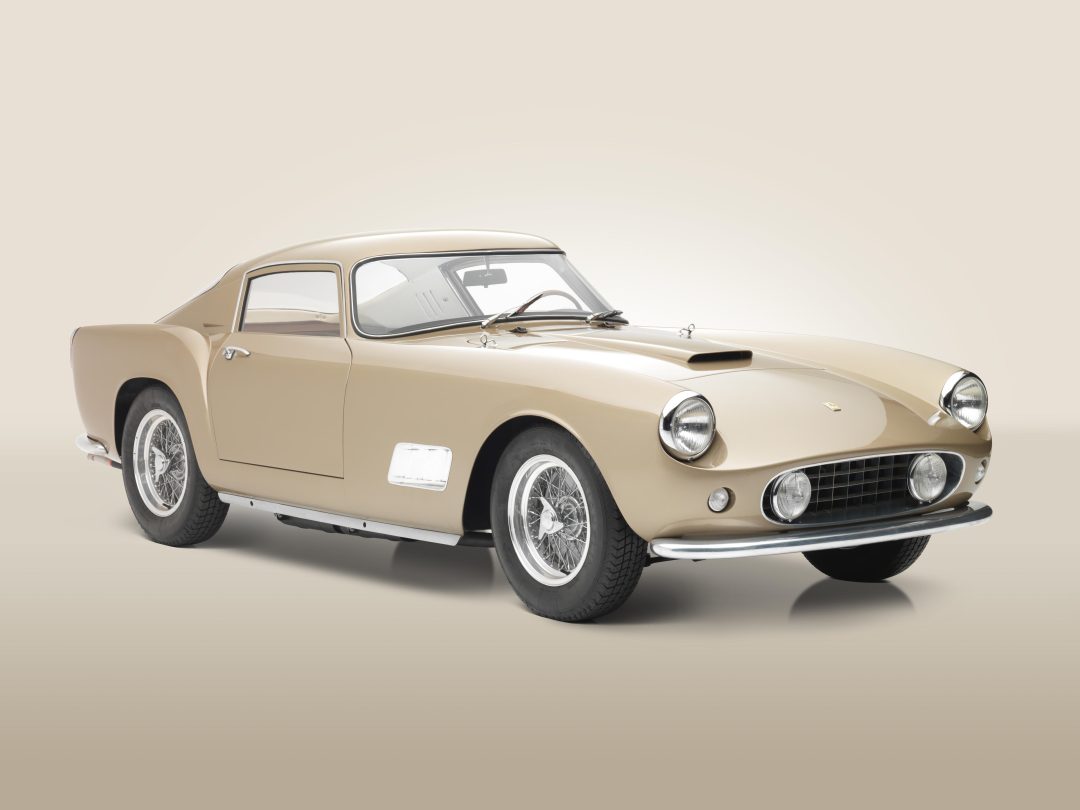
Ferrari 250 GT Tour de France
1956–59 · 3.0 V12 · 240 to 260 hp · About 77
The long-wheelbase berlinetta that owned GT racing before the SWB, named for its run of wins on the Tour de France Automobile. It is here because owners drove it on the road between stages, exactly as intended. The dual-purpose Ferrari starts with this car, and the SWB and GTO follow from it.
Did you know: Named after Alfonso de Portago won the 1956 Tour de France Automobile in one.
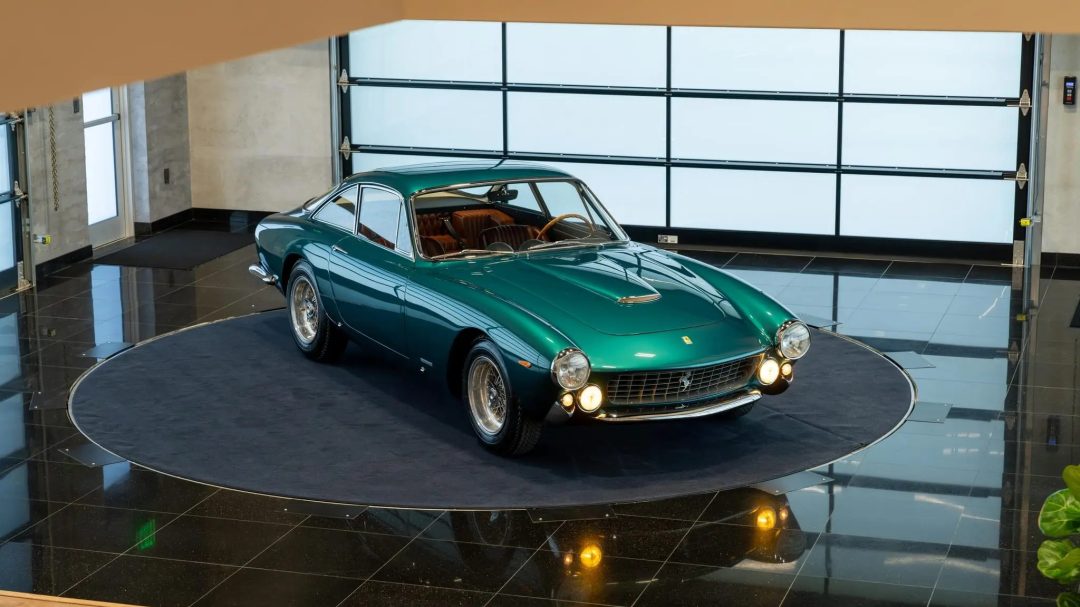
Ferrari 250 GT Lusso
1962–64 · 3.0 V12 · 240 hp · About 350
The most elegant of the 250s, and the last of them. It has no racing purpose at all, which is the point: a short-wheelbase chassis, a three-litre V12 and a cabin trimmed for two people going somewhere pleasant. Steve McQueen owned one. So should anyone who could.
Did you know: Steve McQueen's was a present from his wife, Neile Adams.
The top 10
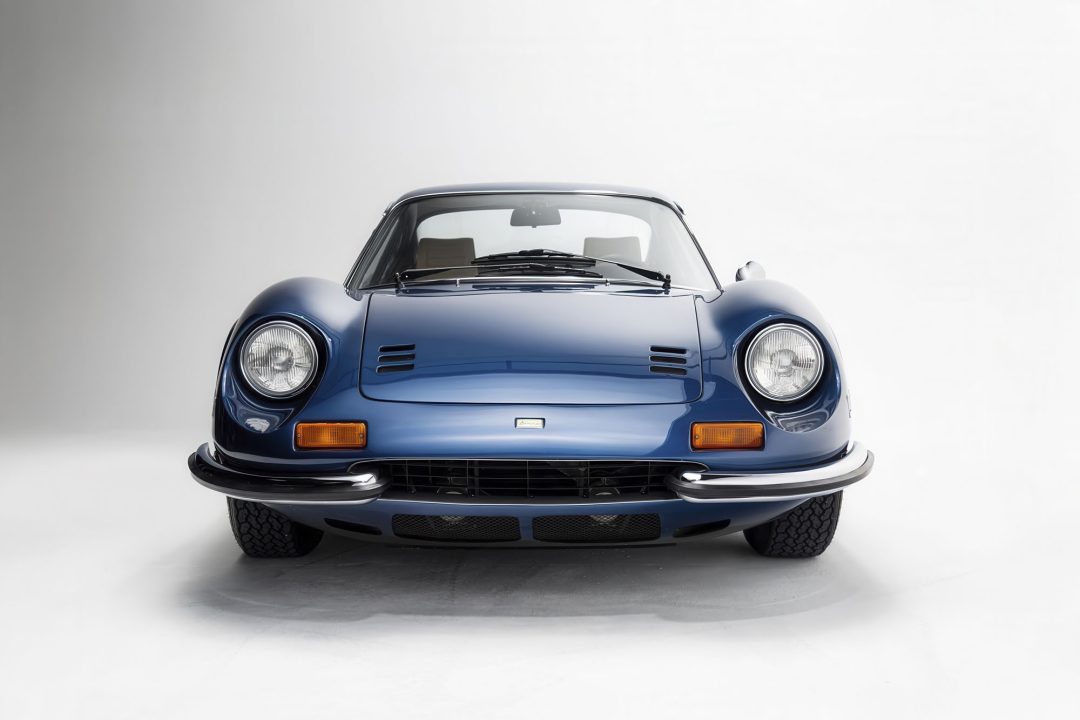
- Years
- 1969–74
- Engine
- 2.4 V6
- Power
- 195 hp
- Built
- About 3,570 with GTS
10Road car · Italy
Ferrari Dino 246 GT
No V12 and no Ferrari badge, because Enzo held that a road Ferrari had twelve cylinders. None of that matters from the driver's seat. The 246 is light, mid-engined and balanced in a way the big front-engined cars of its day were not. Every mid-engined Ferrari road car since starts here.
It left the factory without a single Ferrari badge.
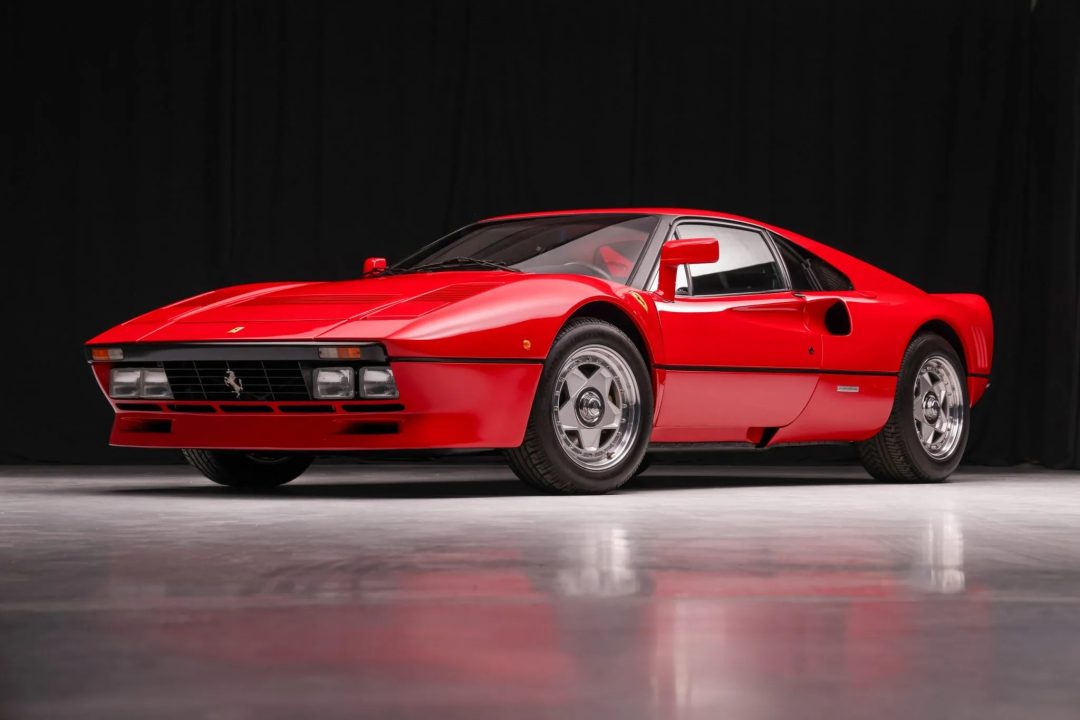
- Years
- 1984–87
- Engine
- 2.85 twin-turbo V8
- Power
- 400 hp
- Built
- 272
9Road car · Italy
Ferrari 288 GTO
The first of the limited-run flagships, and the quiet one. It was homologated for a Group B series that never ran, so the 272 cars went to the road. Smaller, lighter and better looking than the F40 that followed, and for years it lived in that car's shadow. It no longer does.
Homologated for a Group B circuit series that never ran.
- Years
- 1957–63
- Engine
- 3.0 V12
- Power
- 240 to 280 hp
- Built
- 106
8Road car · Italy
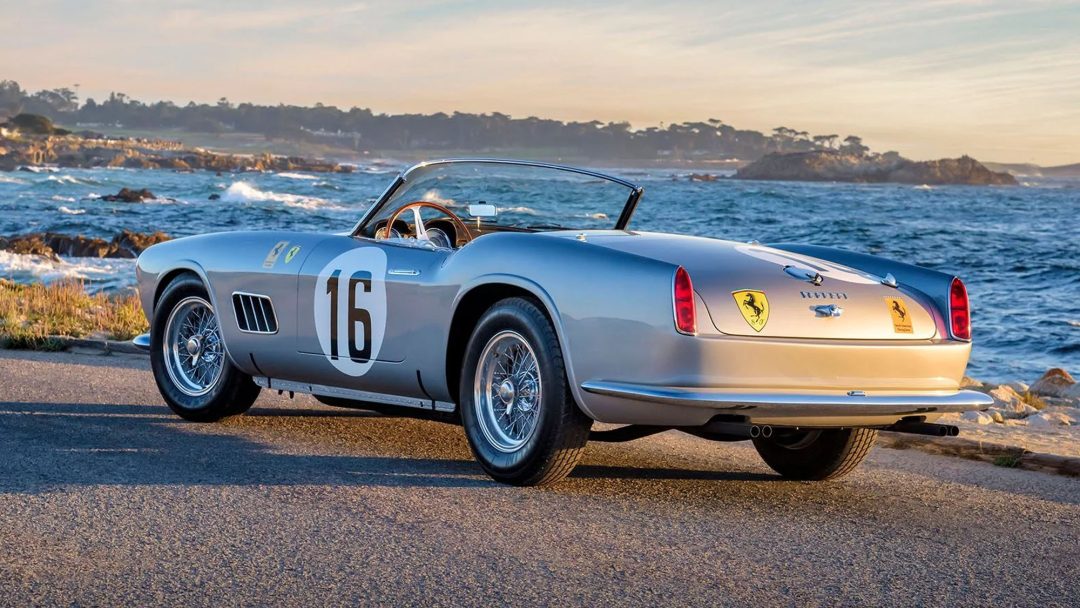
Ferrari 250 GT California Spider
An SWB with the roof off, built because Ferrari's American importers asked for one. It has the berlinetta's chassis and engine with none of its seriousness, and it may be the best-looking open car of any make. The market agrees: it is the most valuable open Ferrari road car by a distance.
Built at the urging of Ferrari's American importers, Luigi Chinetti and John von Neumann.
- Years
- 1968–73
- Engine
- 4.4 V12
- Power
- 352 hp
- Built
- About 1,400 with Spiders
7Road car · Italy
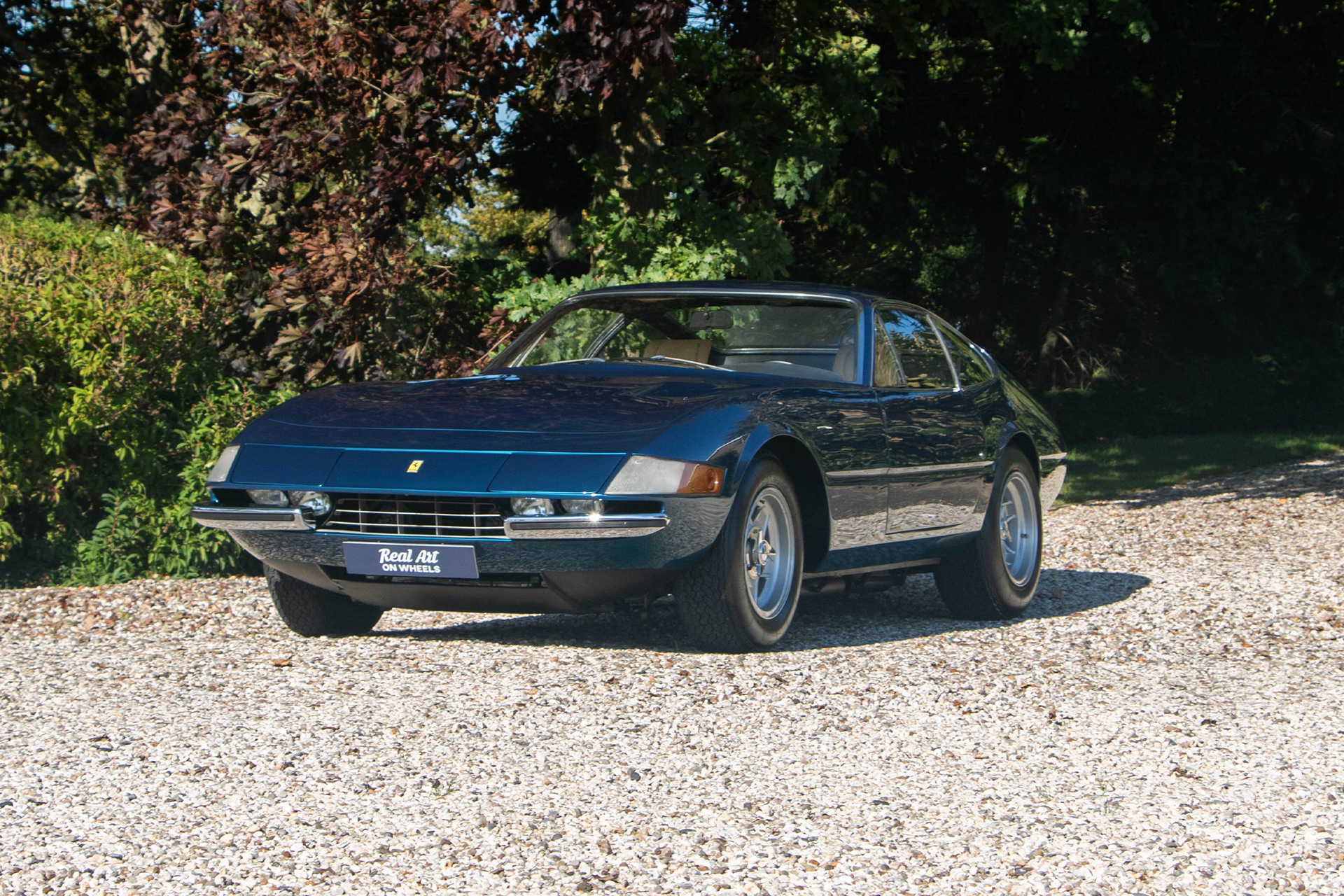
Ferrari 365 GTB/4 Daytona
The last of the great front-engined Ferraris of Enzo's era, launched just as the Miura made the layout look old. The Daytona answered with 174 mph and a shape that still looks fast standing still. Heavy at parking speeds, superb at three figures, and good enough to win its class at Le Mans.
Ferrari never called it Daytona. The press did, after the 1967 Daytona result.
- Years
- 1966–68
- Engine
- 3.3 V12, four cams
- Power
- 300 hp
- Built
- About 330
6Road car · Italy
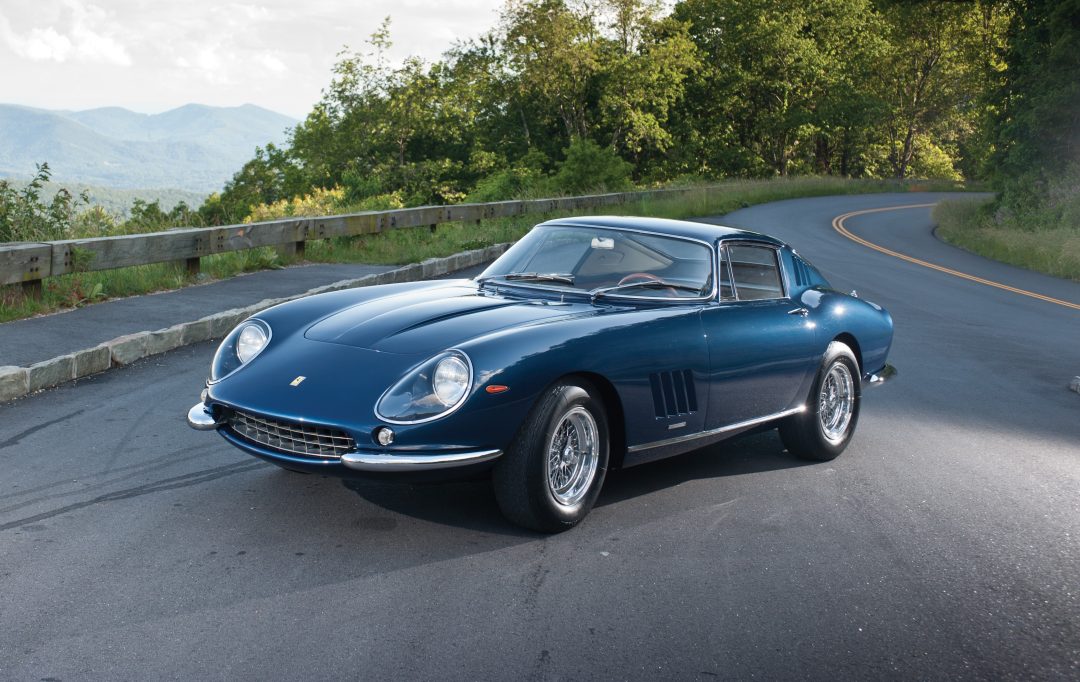
Ferrari 275 GTB/4
The 275 with the engine it deserved. The long-nose body, rear transaxle and independent rear suspension were already there; the four-cam V12 finished the job. It is the point where the 1960s Ferrari berlinetta stopped being a racing car with trim and became a great road car in its own right.
The first Ferrari road car with four overhead camshafts.
- Years
- 2013–15
- Engine
- 4.5 V8
- Power
- 597 hp
5Road car · Italy
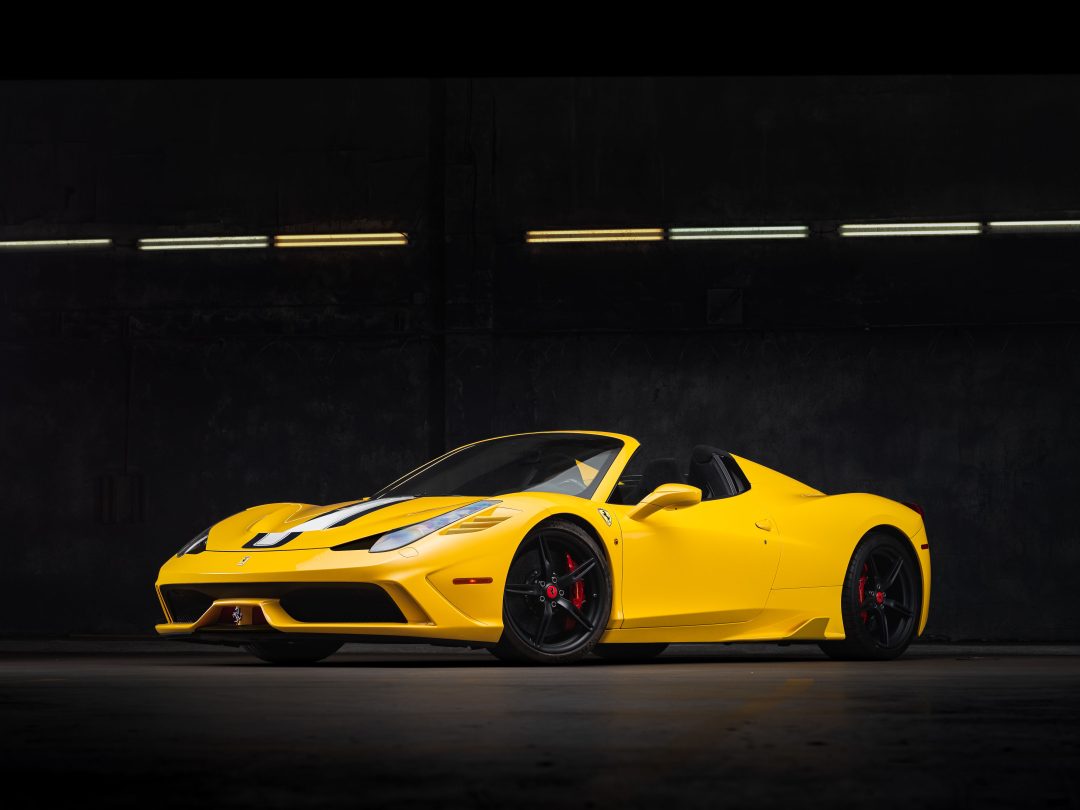
Ferrari 458 Speciale
The best modern V8 Ferrari to drive, and the last mid-engined one without turbochargers. Nine thousand rpm, steering that tells you everything, and electronics that flatter without getting in the way. Every Ferrari since has been faster. Few have been as satisfying, and values reflect that.
The last naturally aspirated mid-engined V8 Ferrari.
- Years
- 1959–62
- Engine
- 3.0 V12
- Power
- 240 to 280 hp
- Built
- About 165
4Road car · Italy
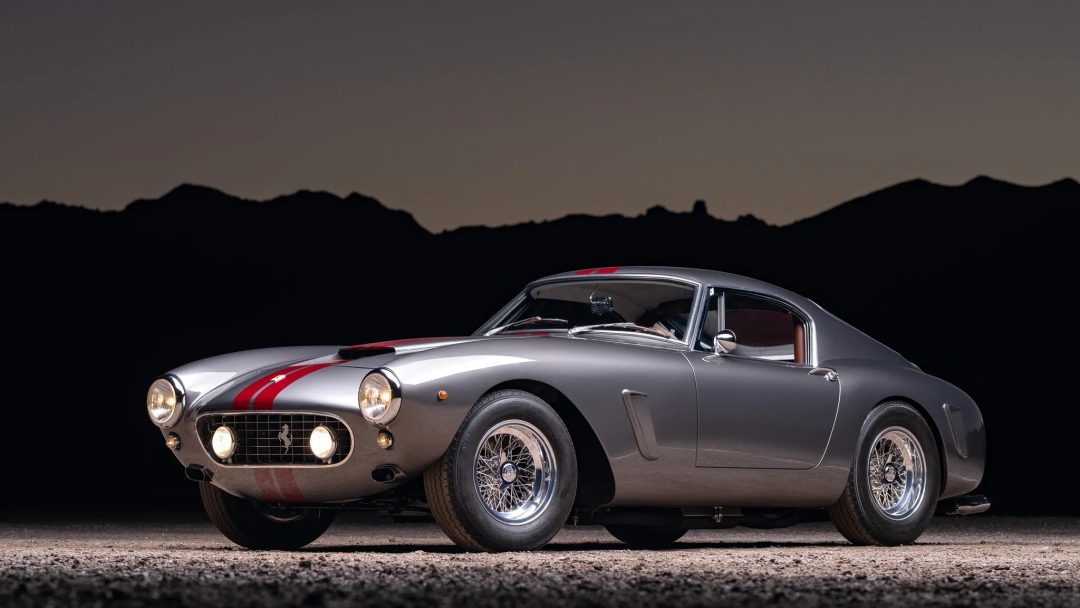
Ferrari 250 GT SWB
The car you could drive to the circuit, win with, and drive home. Offered in steel for the road or aluminium for racing, it is the same car either way, and that is the point. Smaller than it looks in photographs and friendlier than its record suggests. Many who have owned both prefer it to the GTO.
Stirling Moss won the Tourist Trophy at Goodwood in one in 1960 and again in 1961.
- Years
- 1962–64
- Engine
- 3.0 V12
- Power
- 300 hp
- Built
- 36
3Race car · Italy
Ferrari 250 GTO
The line between road and racing Ferrari is thinnest here: the GTO was built to win the GT championship and did, three years running, yet it wore number plates and was driven to the circuits. Thirty-six were made and all survive. On value and legend nothing touches it. As a road car, two others do.
All 36 survive. Buyers needed Enzo Ferrari's personal approval.
The full story of the Ferrari 250 GTO →239 stories in the archive →
- Years
- 1995–97
- Engine
- 4.7 V12
- Power
- 513 hp
- Built
- 349
2Road car · Italy
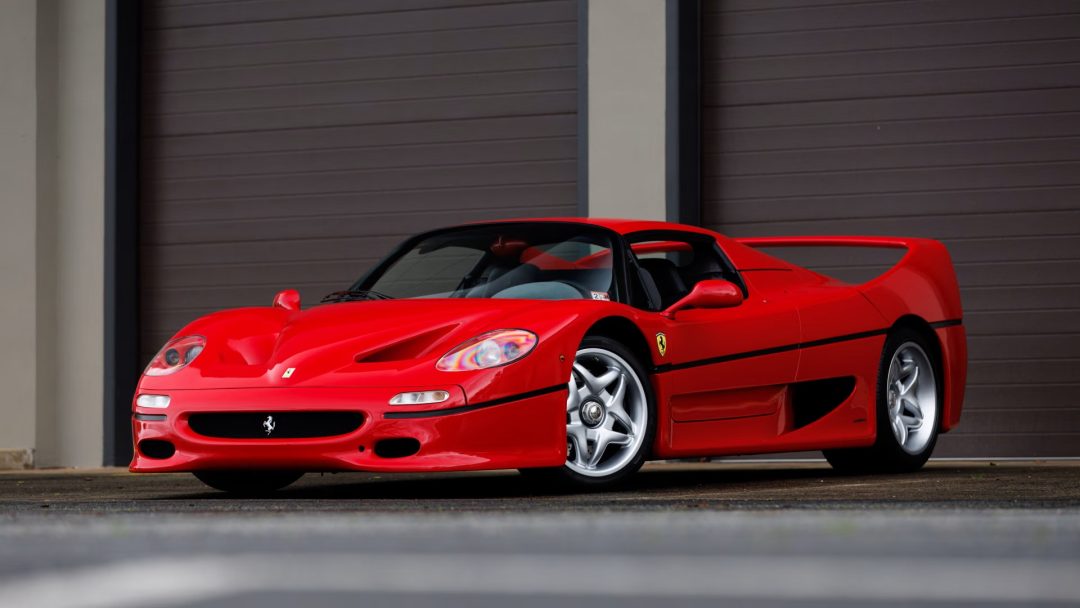
Ferrari F50
Dismissed when new for not being an F40. The verdict has reversed. A V12 descended from the 1990 Formula One engine, bolted directly to a carbon tub, with a manual gearbox and a roof that comes off: nothing like it will be built again. It is now the flagship collectors want most.
The V12 descends from the 1990 Formula One engine and is bolted to the tub as part of the structure.
- Years
- 1987–92
- Engine
- 2.9 twin-turbo V8
- Power
- 478 hp
- Built
- 1311
1Road car · Italy
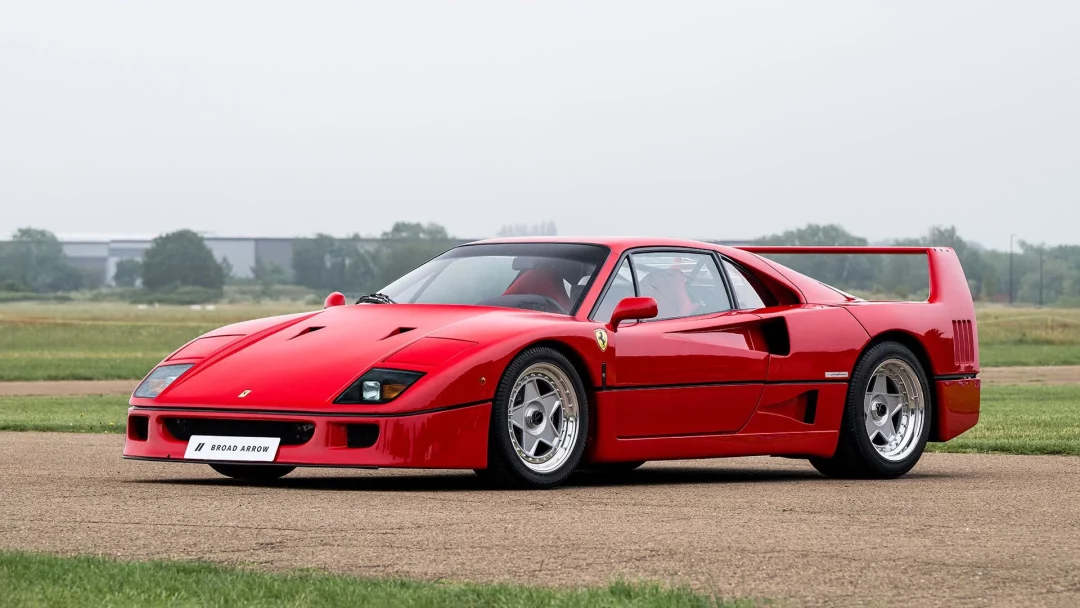
Ferrari F40
Turbo lag, no power steering, no carpets, and Kevlar weave visible through the paint. The F40 is the supercar reduced to raw material, and the last car Enzo Ferrari signed off. Faster cars arrived within a few years. None has replaced it on a bedroom wall, or in the affections of people who have driven one hard.
The last car Enzo Ferrari signed off. No carpets, and the doors open with a pull cable.
What we left off, and why
To write. Candidates: 250 LM (a racing car with plates), the standard F12berlinetta (the tdf is the one listed), 16M (counted with the 430 Scuderia), 348, California, Purosangue, 400 and 412, the one-offs and special projects (P4/5, SP cars).
Tell us what we got wrong
