

A sports car leaves a driveway at two in the morning without its owner. The claim gets filed, the insurer pays out, the owner grieves for a month and buys something with a better alarm, and then, six weeks later, a patrol officer runs a plate in an impound lot two states away and up comes the same car, dusty, sitting on a flat tire, with a screwdriver hole where the ignition used to be. What happens next is one of the odder corners of the used-car business, and the label the car wears from here on confuses more buyers than any other on the lot card.
What “Theft Recovery” Actually Means at Auction

Start with who owns the thing. Once an insurer settles a theft claim it takes title to the car. If the car surfaces later it doesn’t go back to the original owner, who has been paid and has moved on; it goes to the insurer, which has no particular use for a Miata and sells it at auction along with the rest of its total losses. The label on the lot card says “theft recovery.” It describes how the car arrived, and nothing else.
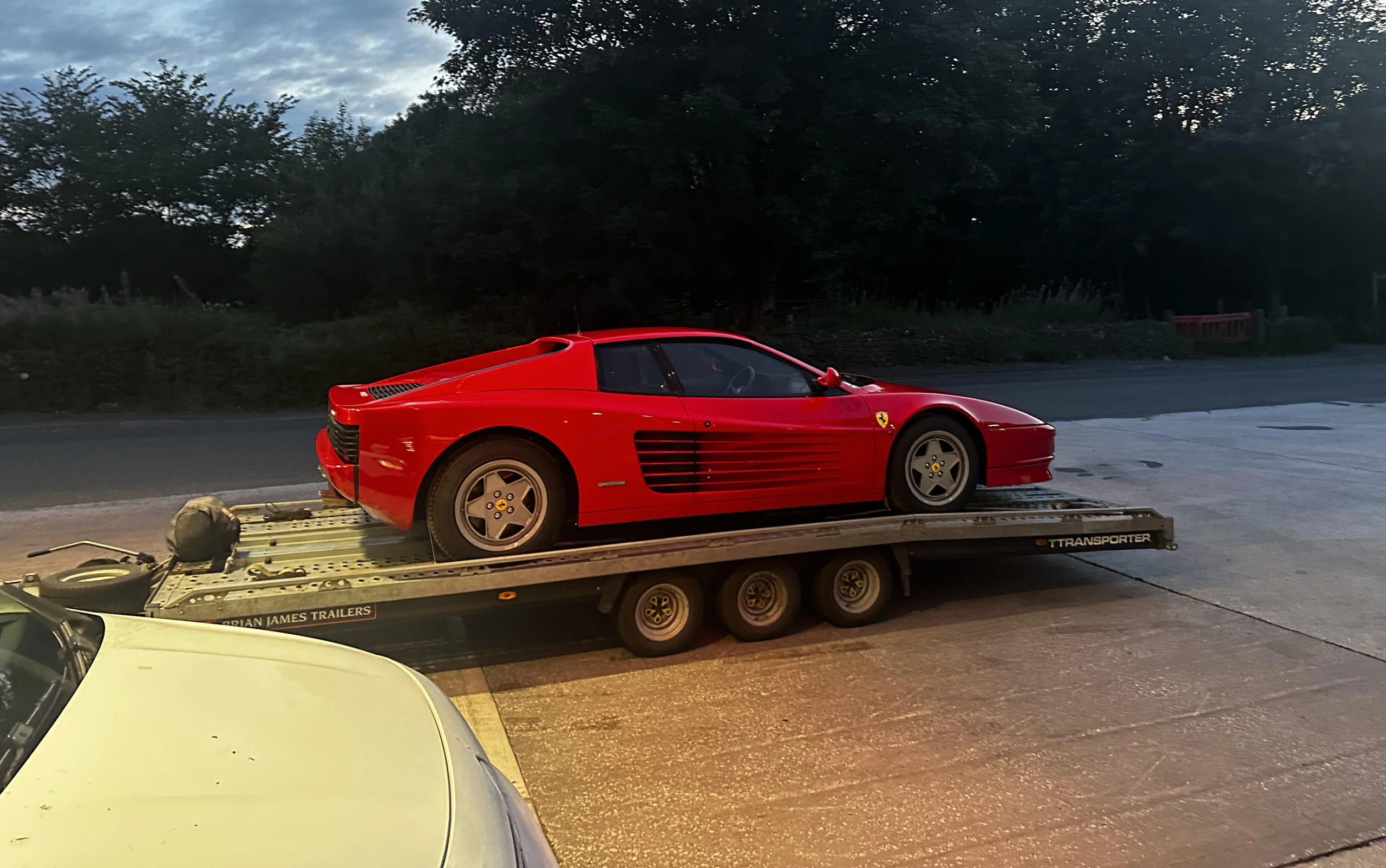
Condition is the part the label leaves out. A car recovered within a week from a joyrider might need a window and a steering column and not much more. A car that spent three months in a chop shop’s waiting room might come back without wheels, seats, catalytic converters, airbags or the module that tells the engine it’s allowed to run. A car the thief drove into a bridge abutment arrives as a theft recovery and a collision at the same time. The title can be clean or branded depending on the state and on how the insurer processed the claim, which is why two recovered cars in the same shape can sit side by side, one clean and one marked salvage.
The Dino that came out of a Los Angeles front yard in February 1978 is the canonical case. Stolen in December 1974 after its owner’s anniversary dinner, claim paid, case gone cold, and then two kids digging in the dirt on West 119th Street hit a roof. By that point the insurer held the title, so the insurer sold the car; a Californian named Brad Howard bought it, had it restored and by most accounts still drives it. (The whole affair turned out to be an insurance fraud, bungled when the perpetrators forgot where they’d buried the evidence.)
Why Sports Cars Keep Turning Up in This Category

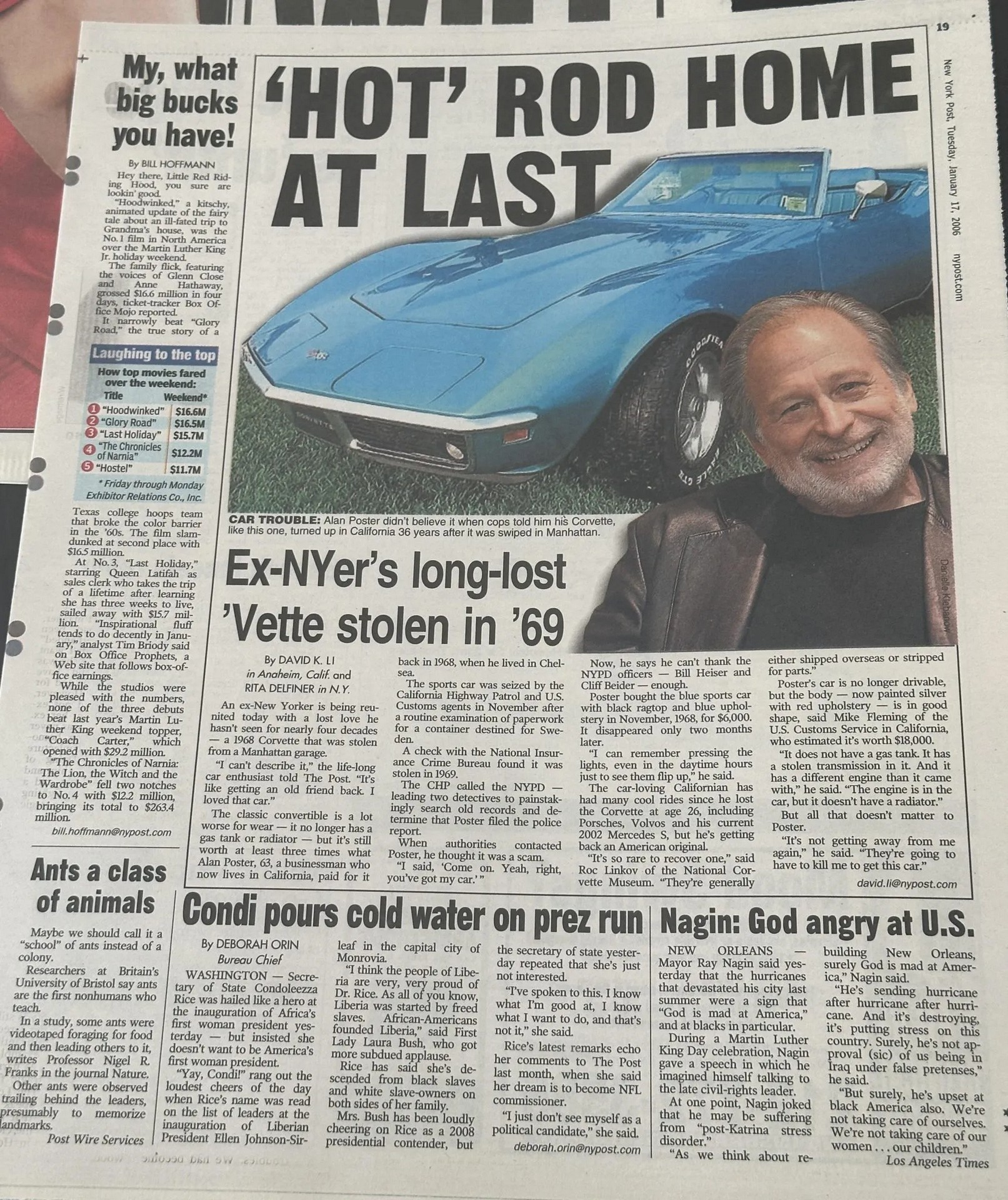
Sports cars get stolen for the same reasons they get bought: they’re conspicuous, they’re worth more than the sedan parked next to them, and the parts hold their value long after the car as a whole has stopped. That was true in the coachbuilt era and it’s true now. A 1968 Corvette belonging to a New Yorker named Alan Poster vanished from a parking garage in January 1969 and turned up in a shipping container at the Port of Long Beach in late 2005, bound for a buyer in Sweden who had paid ten thousand dollars and knew nothing.
Somewhere along the way it had been repainted silver, fitted with a different engine and relieved of its fuel tank. Poster got it back in January 2006, and the detail that matters for our purposes is that he got it back only because he’d never carried theft coverage and had never been paid. An insured Corvette would have gone to the insurer, and from there to the block.
Modern thieves are less romantic about it. Relay attacks on keyless cars, Challengers and Camaros stripped down to the unibody and sold as wheels and seats and converters, the Hyundai and Kia wave a few years back that filled the yards with column-less Elantras. Scroll a theft-recovery listing today and the sports cars sit in there among the rest of it: a Challenger SRT8 marked “theft, stripped” with one mile on a non-actual odometer, a CTS-V that won’t start, and every so often a clean-title car with nothing wrong that anyone has managed to find.
Where They Turn Up and How to Sort Them
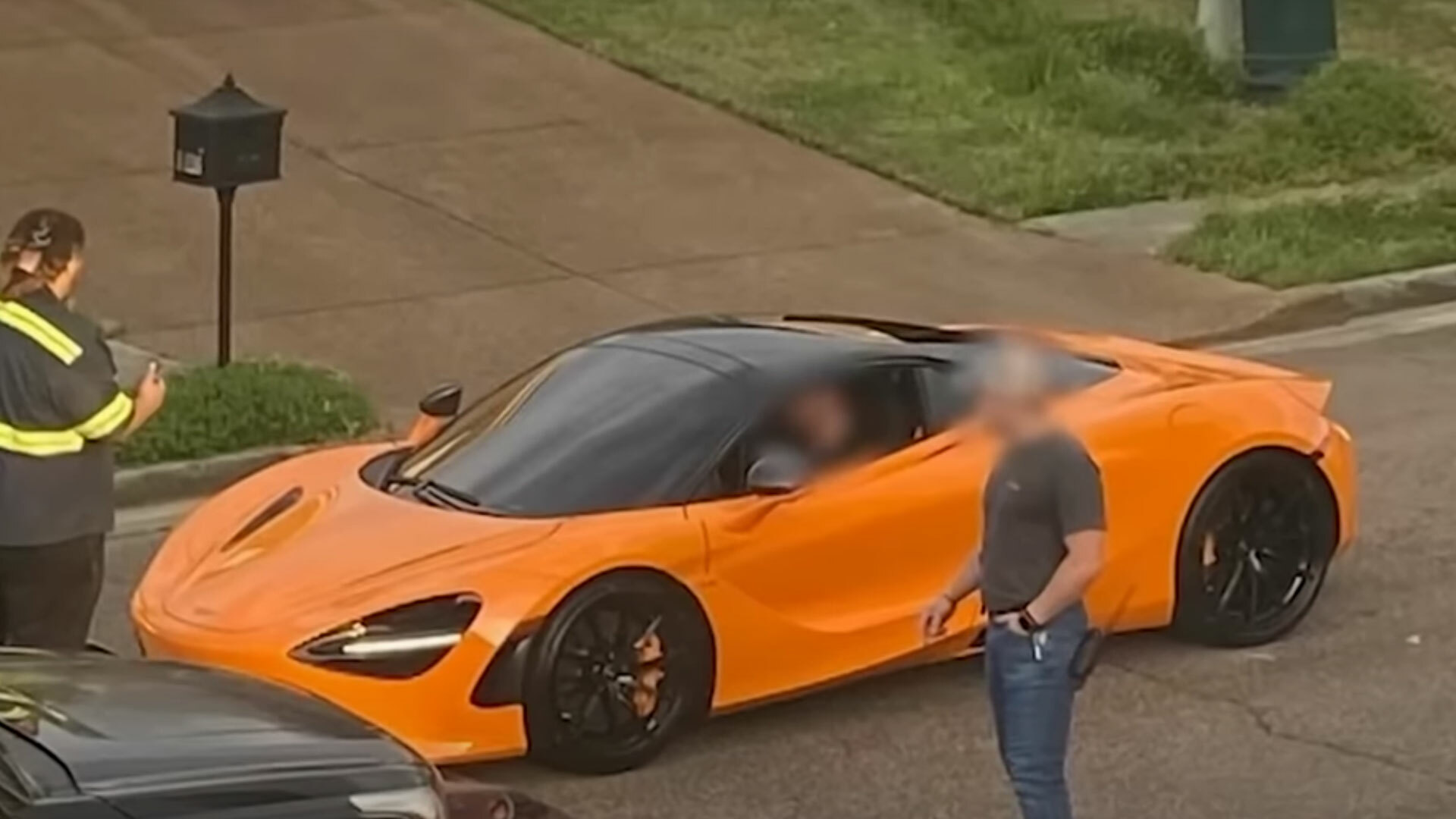
There’s no sports-car-only channel for any of this. A recovered Miata sits in the same insurance auction inventory as a recovered Altima, and the closest thing to a dedicated lane is the luxury car auctions, where the Astons, Ferraris and McLarens are grouped by badge rather than by what happened to them, so a theft recovery sits beside a hail car and a flood car and you have to read the code to tell them apart. Either way the work is the same. You want the Copart and IAAI lots in one search, no dealer license at the door and filters for make, model, secondary damage, document type and whether the car starts, because “theft” by itself tells you nothing about the shape of the metal.
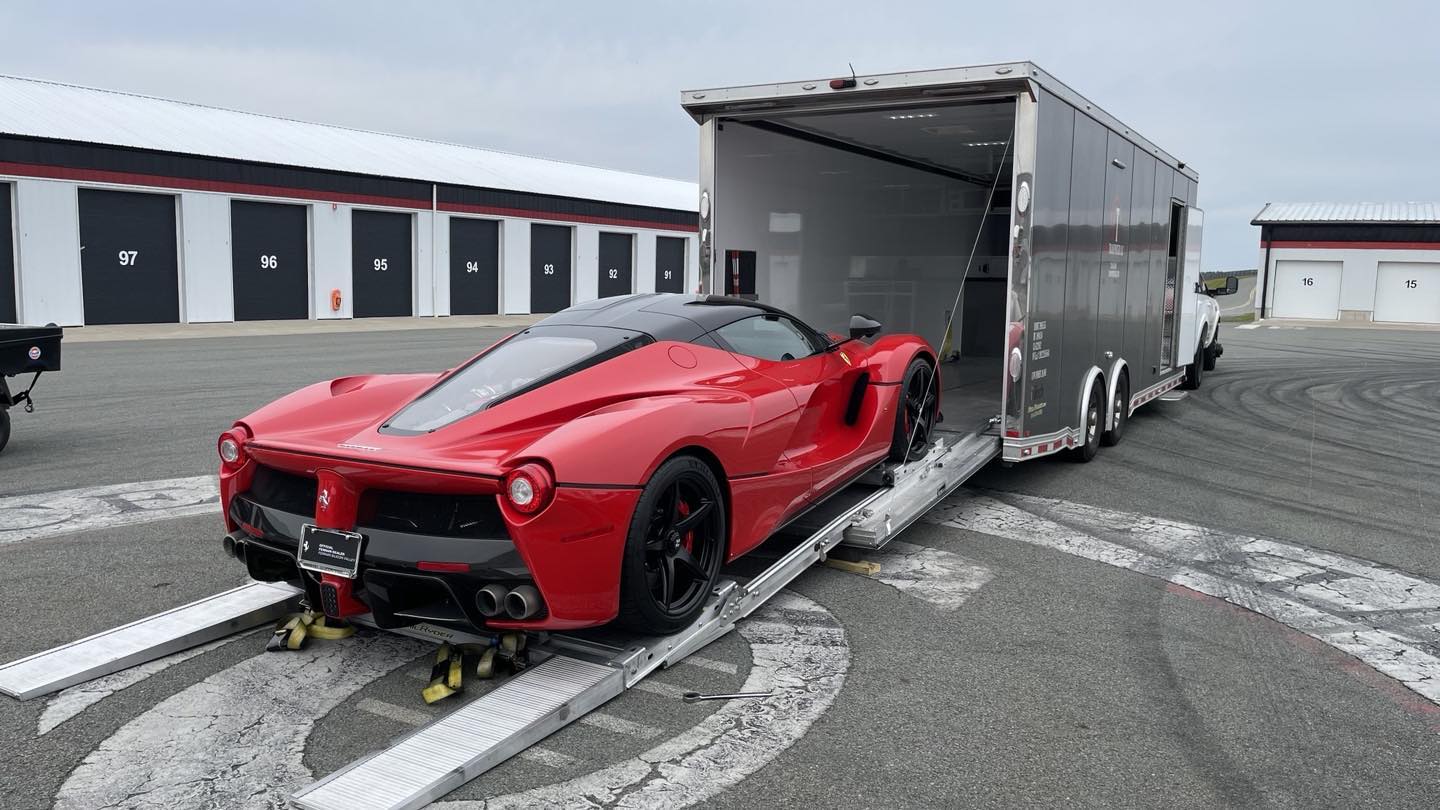
The secondary code is where the information lives. “Theft, none” and “theft, unknown” are two very different lots. “Theft, stripped” means budget for an interior. “Theft, front end” means the thief found the bridge abutment. “Theft, biohazard” means somebody lived in it, or worse. Key status matters more in this category than in any other, since a modern sports car with no keys is an expensive afternoon at the dealer, and “missing/altered VIN” ends the conversation before it starts. Run the number through the National Motor Vehicle Title Information System for the title and total-loss history, then through the National Insurance Crime Bureau’s free VINCheck to confirm the theft record has been cleared, because a car still flagged as stolen cannot be registered.
What the Thief Left Behind
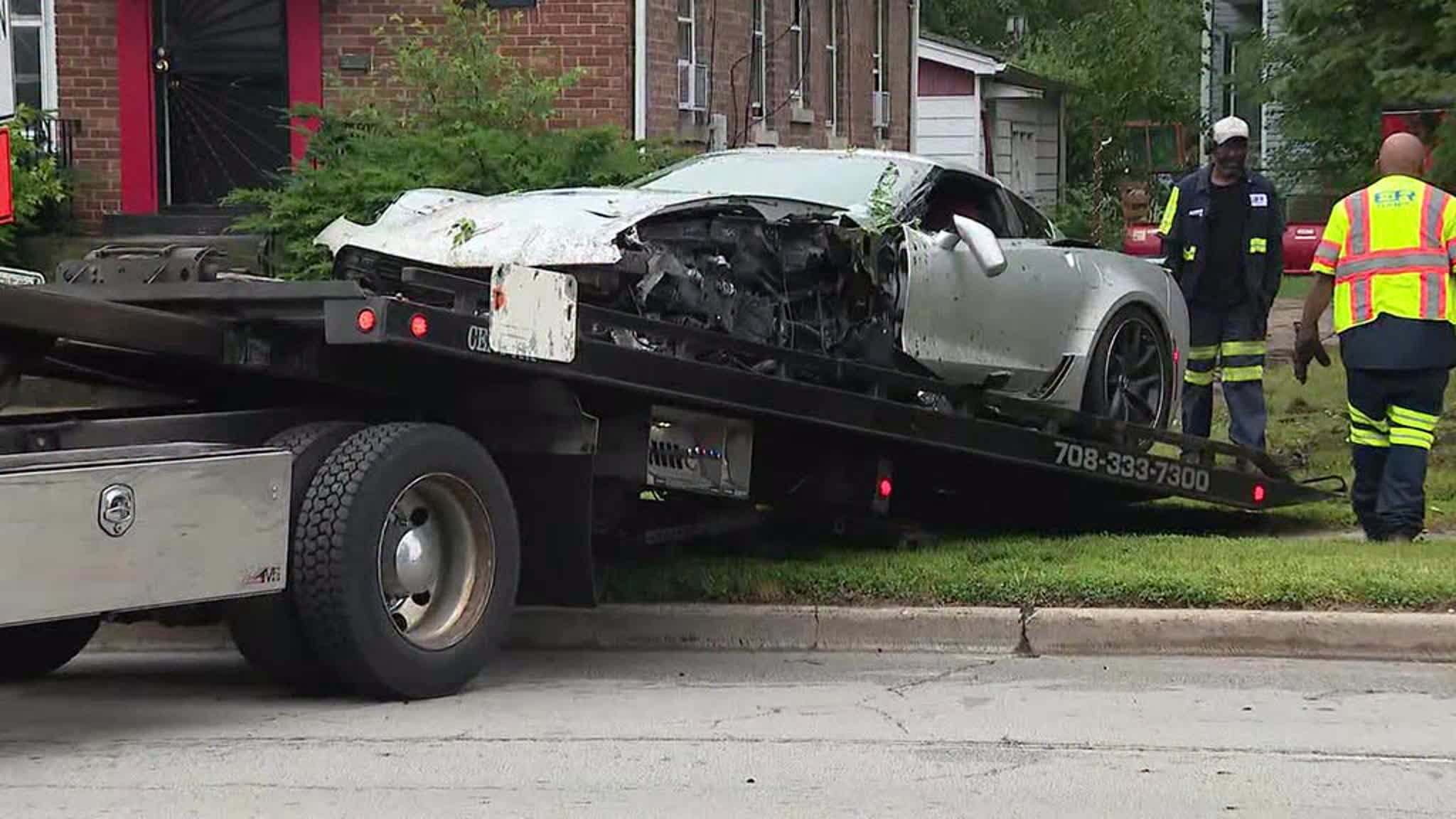
Crash damage is honest; it’s all in one place. Theft damage wanders. Start at the driver’s door and work inward: the lock cylinder, the window regulator, the column shroud and the ignition behind it, which on anything with a physical key has usually been attacked with a screwdriver and considerable enthusiasm. Then the immobilizer and the body control module, since thieves who couldn’t defeat them tend to cut them out, and thieves who could have left you a car that now trusts the wrong key. On older sports cars, look under the dash for wiring that’s been sliced and twisted back together with electrical tape. A hot-wired MGB is still a hot-wired MGB forty years on.
Then take stock of what’s missing. Wheels go first, then seats, then the catalytic converters. Look at the tires and brakes for evidence of a week of somebody else’s driving; joyriders do not warm the oil up. And remember that recovered cars sit in impound lots and auction yards for months before they sell, so flat-spotted tires, dead batteries and calipers seized from disuse are as likely to be storage damage as theft damage.
The Money, and the Story the Car Carries Afterward
The hammer price is the deposit. Add the buyer’s fees, transport, keys and the programming to go with them, whatever walked off, and the rebuilt-title inspection if the title came back branded. Then decide what the car is for. A clean-title theft recovery with nothing missing can land close to market value once it’s sorted. A branded one takes the usual discount, the size of which tracks how much was taken and how well it was put back.
For anything collectible, keep every scrap of paper. The theft becomes part of the car’s history whether you like it or not, and the next buyer will want the police report, the recovery record, the receipts and the inspection, in that order. The buried Dino is the most famous 246 GTS in the world precisely because of the four years it spent underground, so a well-documented theft can be a story rather than a stain. A badly documented one is a question you’ll be answering at every sale for the rest of the car’s life.
A sports car that came back isn’t automatically a bargain, and anyone who says so has a stripped Challenger to sell you. Often enough, though, it’s the least damaged car on the lot, sold under the most alarming label. Read the secondary code, check for keys and look hard at the column. Somewhere in this week’s listings there’s a car that was gone for a month and came home with nothing wrong but a broken window and a bad reputation.