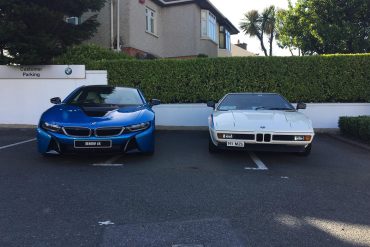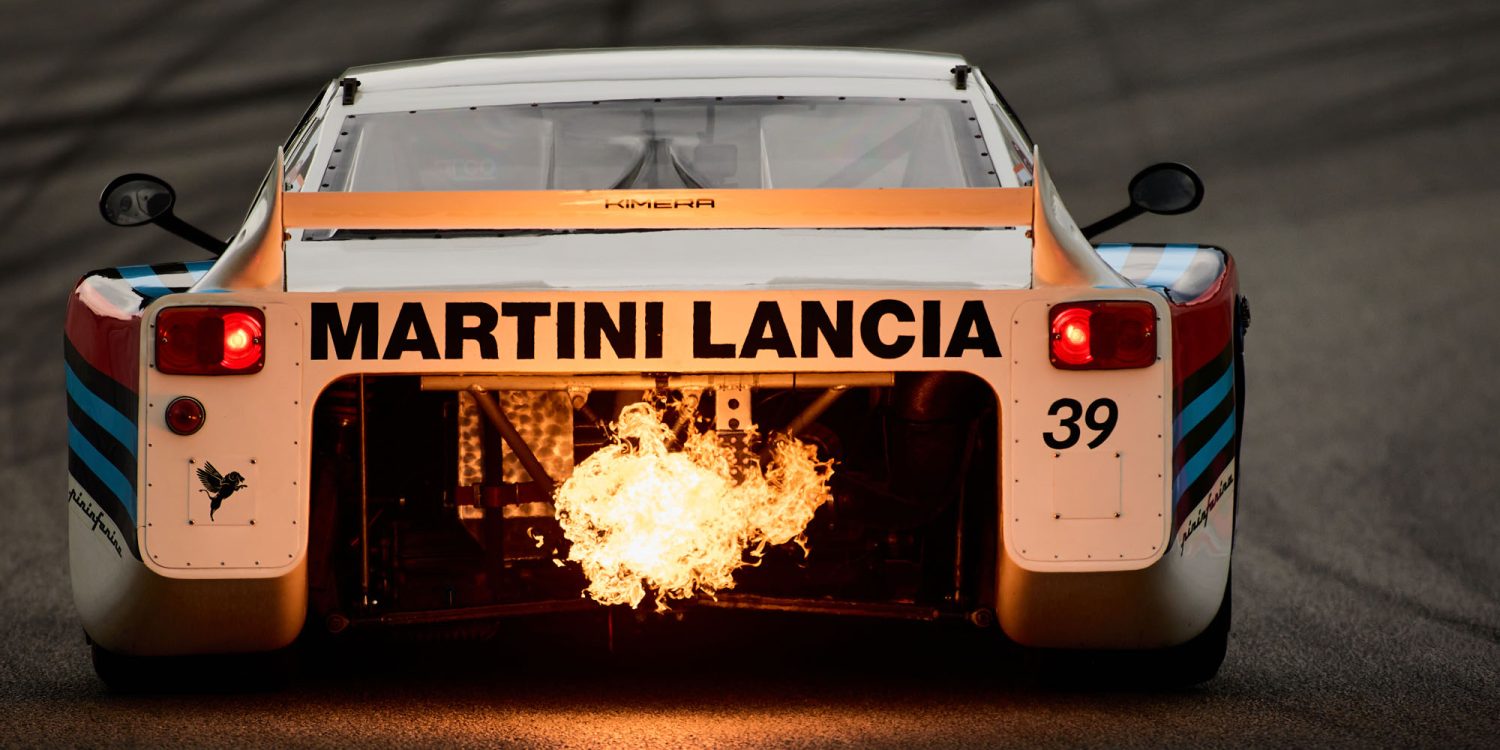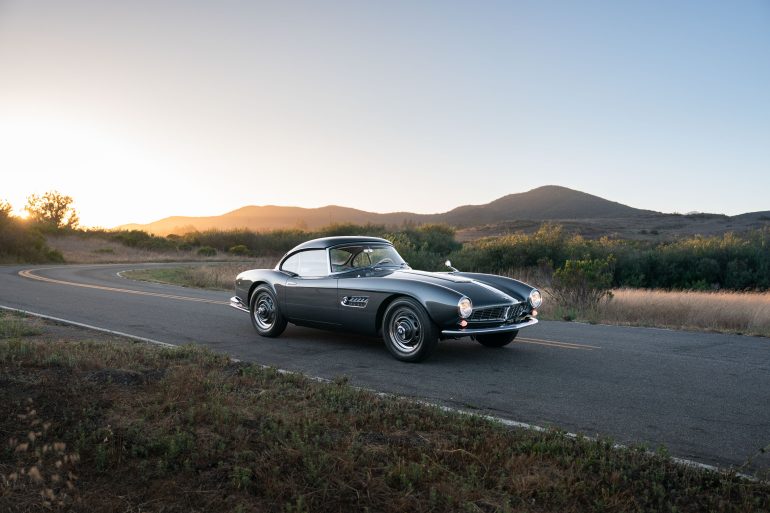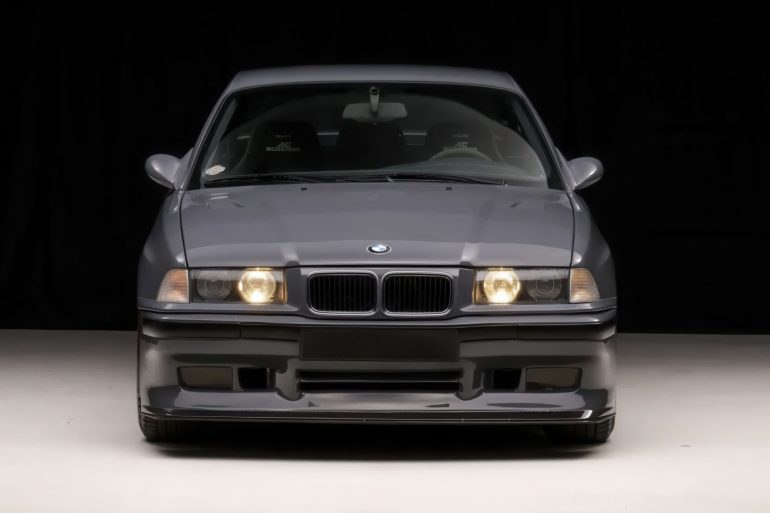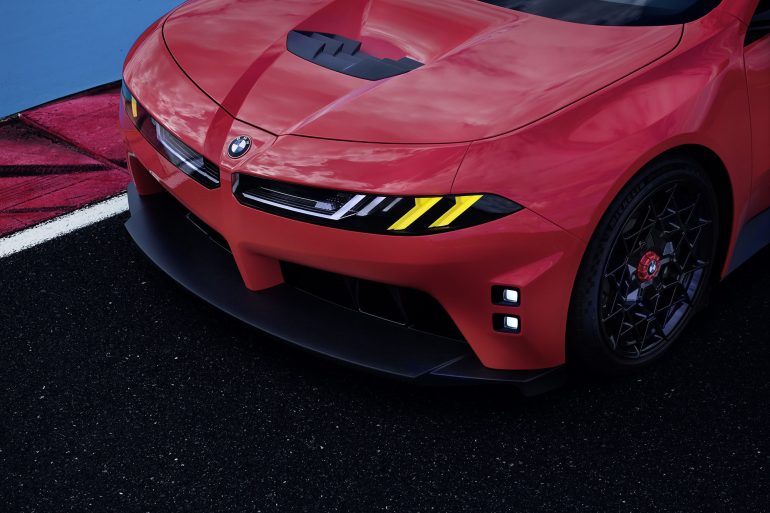
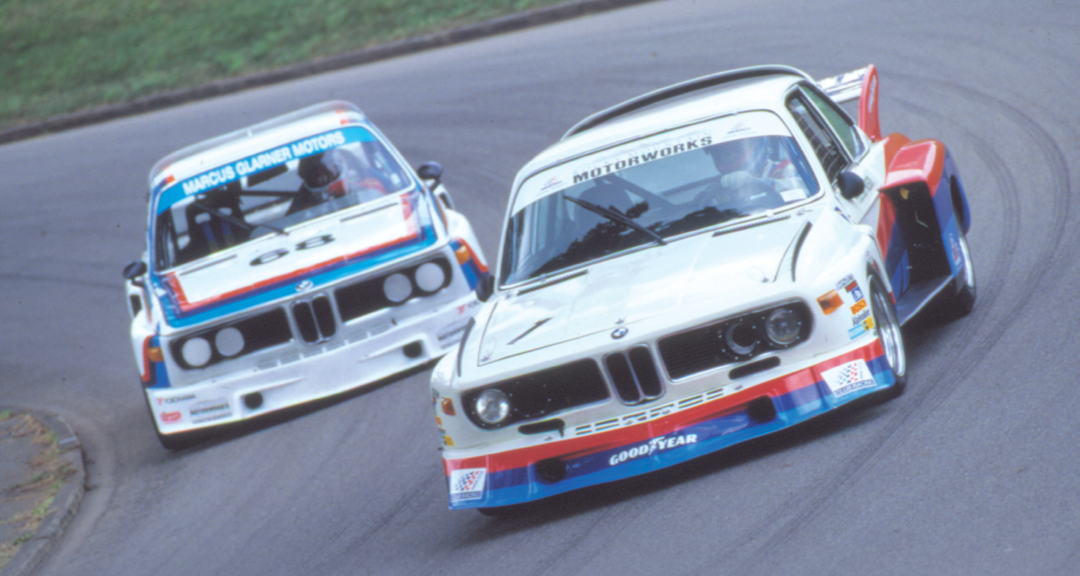
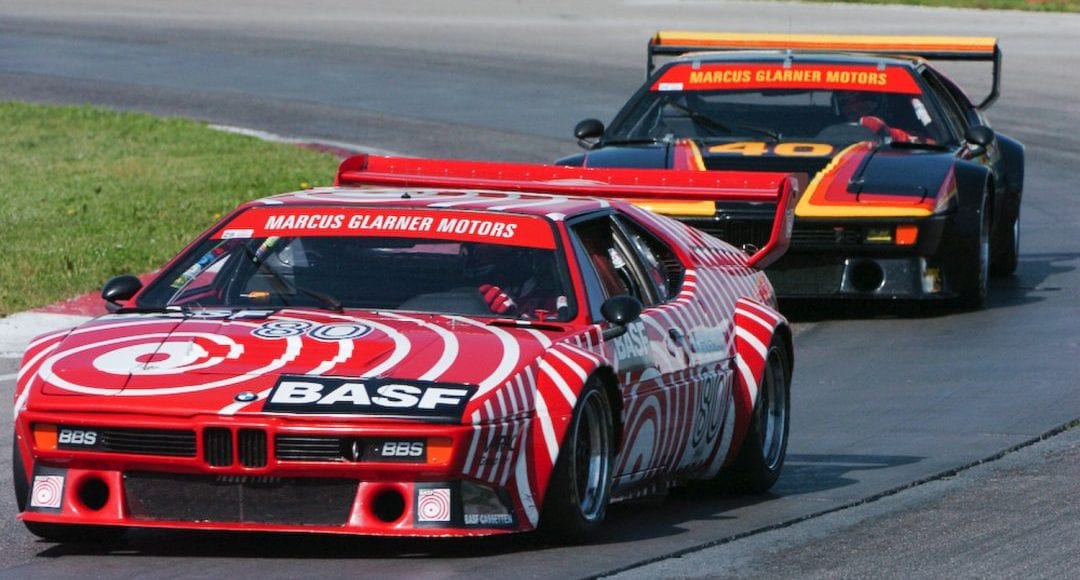
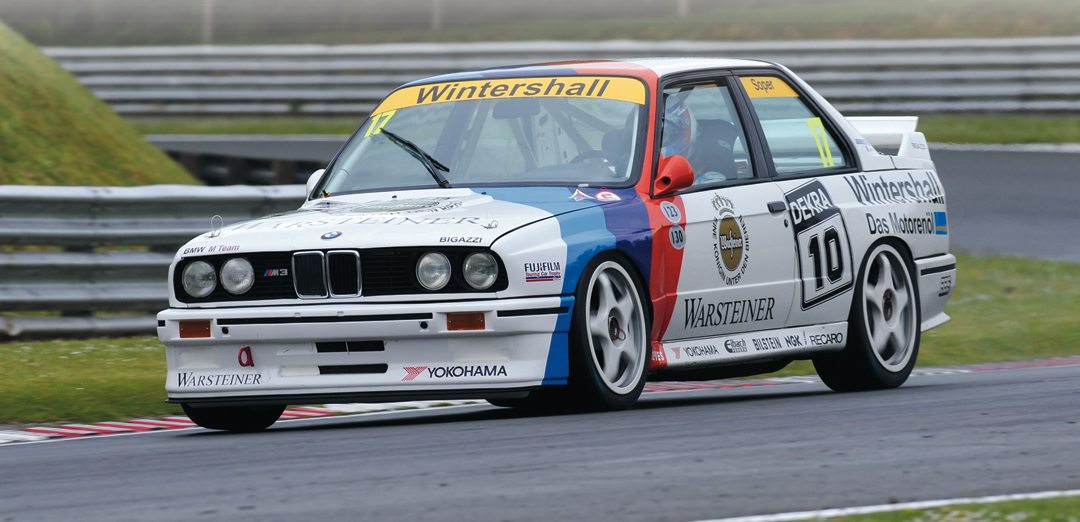
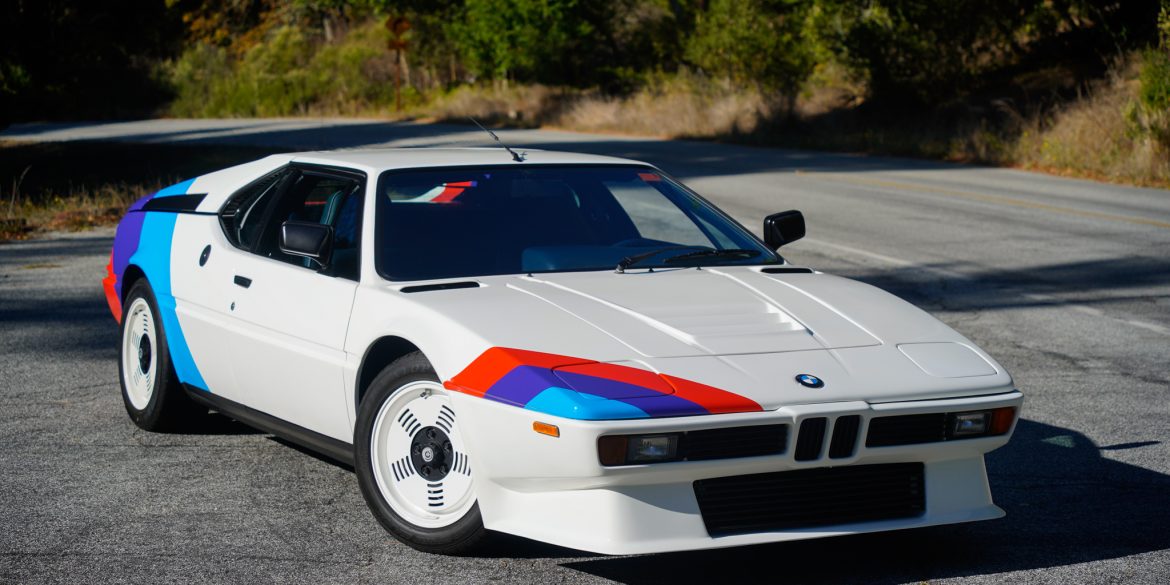
Paul Bracq's gullwing turbo concept of 1972 was too extreme, so the M1 went to Giugiaro for its body, Dallara for its spaceframe and Lamborghini for assembly, until Lamborghini's 1978 bankruptcy. A Bavarian-Italian car from the Malaise era.

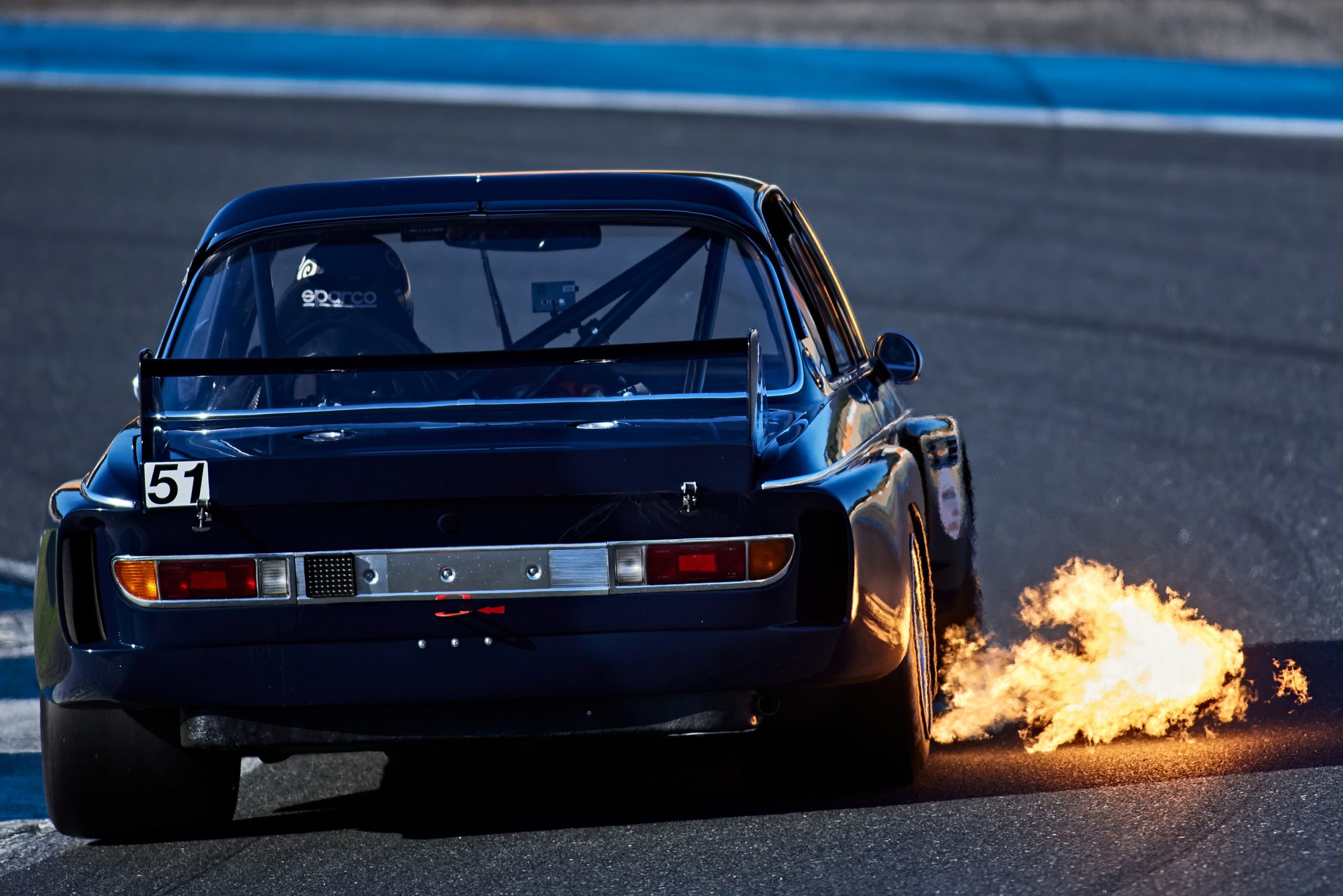
The Munich aero-engine maker that came to cars late and nearly left them twice: the 328 that won the 1940 Mille Miglia and powered half the sports cars of postwar Europe, the Isetta and the 700 that kept the company alive, the 507 that nearly killed it, the Neue Klasse that made it, and then the touring cars, the 3.0 CSL Batmobile, the 2002, the M1 and the E30 M3, that gave the world "the Ultimate Driving Machine", the first turbocharged world championship and a Le Mans win. The archive has 305 BMW stories, from Casey Annis on the 328 Mille Miglia roadster to this year's marketplace, and this page puts them in order.
The pieces to start with
Eight pieces that explain the marque: Annis on the 328 MM Touring roadster, the 700 and the CSL, Willows on the 328's afterlife and BMW's touring cars, Richardson on the Isetta and America, the M1 at forty and Jiggle on the E30 M3.
BMW began with aircraft engines and motorcycles, bought a licensed Austin Seven builder in 1928, and in 1929 sent 15 hp Dixi 3/15s to the Alpine Rally and won the team trophy. Casey Annis on the 1940 Brescia roadster.
Ernst Henne won on the BMW 328’s debut at the Nürburgring in June 1936, and the 1,971 cc car and its M328 engine went on racing for more than two decades, fathering a flock of specials into the 1950s.
Postwar BMW made bicycles from melted aircraft aluminum; the 501, 502, 503 and 507 lost money. In 1954 it found the Isetta at Geneva and trucked the production line over the Alps. Casey Annis on the years before the 700.
The first BMW Jim Richardson saw waddled into his Union 76 station in the late 1950s: an Isetta, one door at the front, 79 cents to fill, driven by a laughing 300-pound man. BMW’s humble American start.
Until the Williams V10 of 2000, every engine BMW raced came from a production unit. The 700 Sport Coupé of 1960, with its twin motorcycle engine, started the touring car line that became the company’s competitive heartland. A centenary survey.
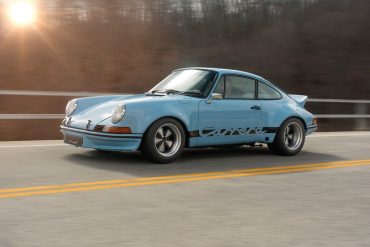
BMW’s 1965 Karmann-built coupe was praised for its looks and criticized for its 2.0-liter four’s lack of power. A 2.8-liter six with 170 bhp arrived in 1968, and the European Touring Car Championship turned it into the 3.0 CSL “Batmobile”.
Jochen Neerpasch put the strategy to BMW’s board in September 1975: a car designed as a racer first, qualifying for FIA Groups 1 to 5, then made civil for the 400 road cars homologation required. Giugiaro’s Italdesign drew it.
Orson Welles sold Carlsberg with one word, “probably”. The Group A BMW M3 needed no such hedge: the car to have and the car to beat, and the one that sold road cars. Mike Jiggle profiles a 1989 E30 racer.
The newest long-form writing on BMW, as it is published.
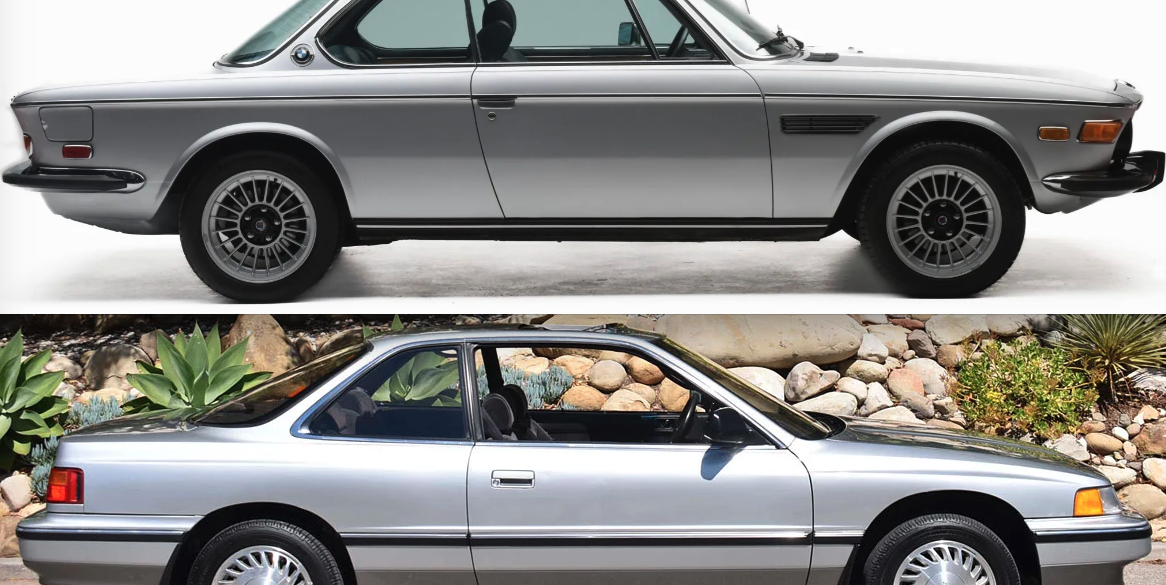
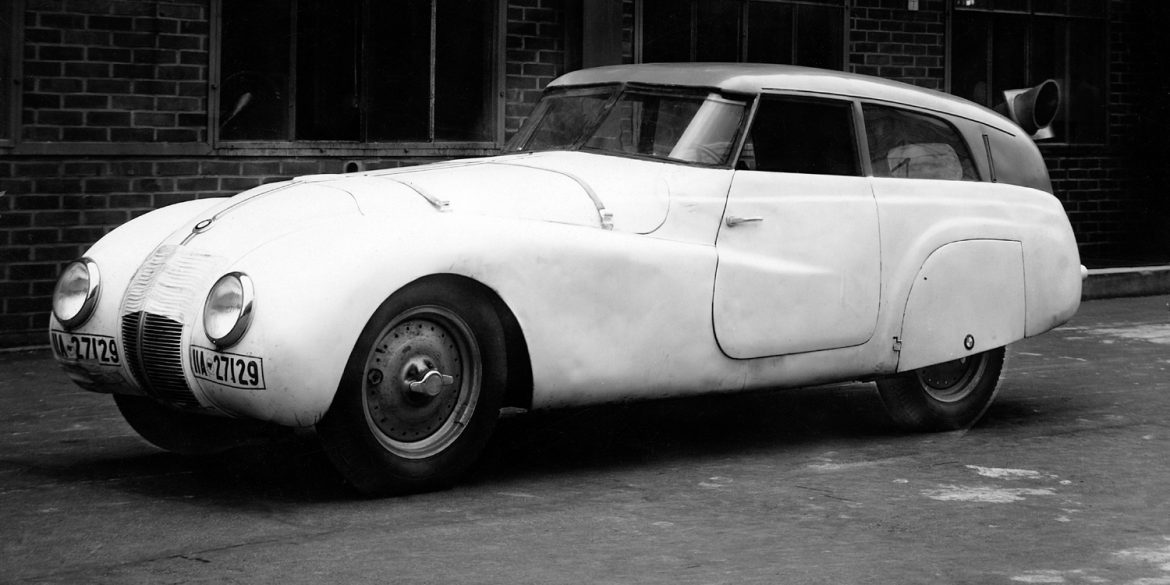
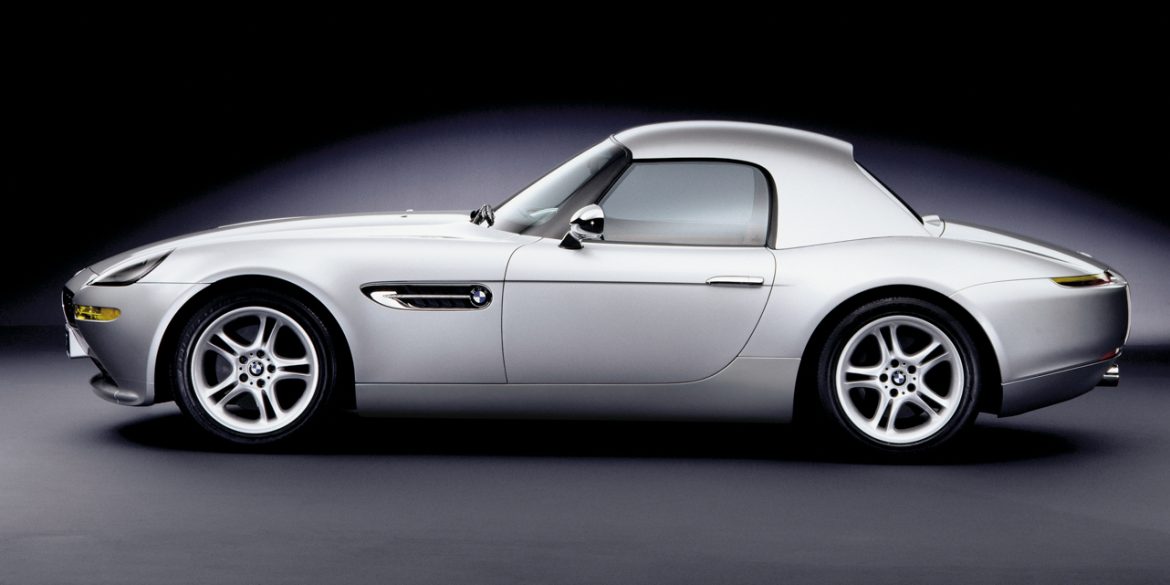
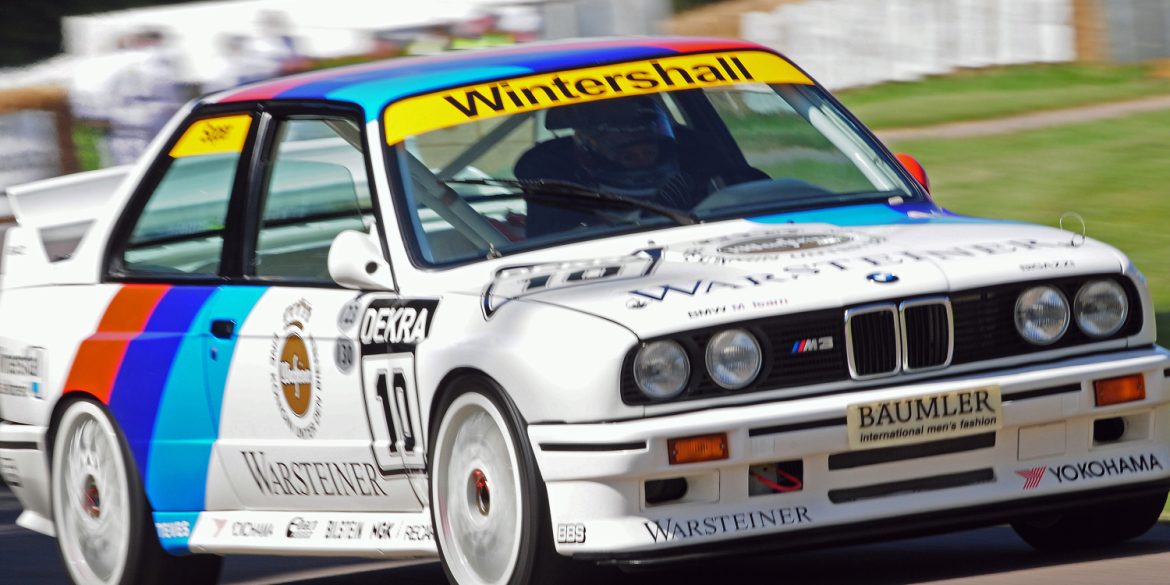
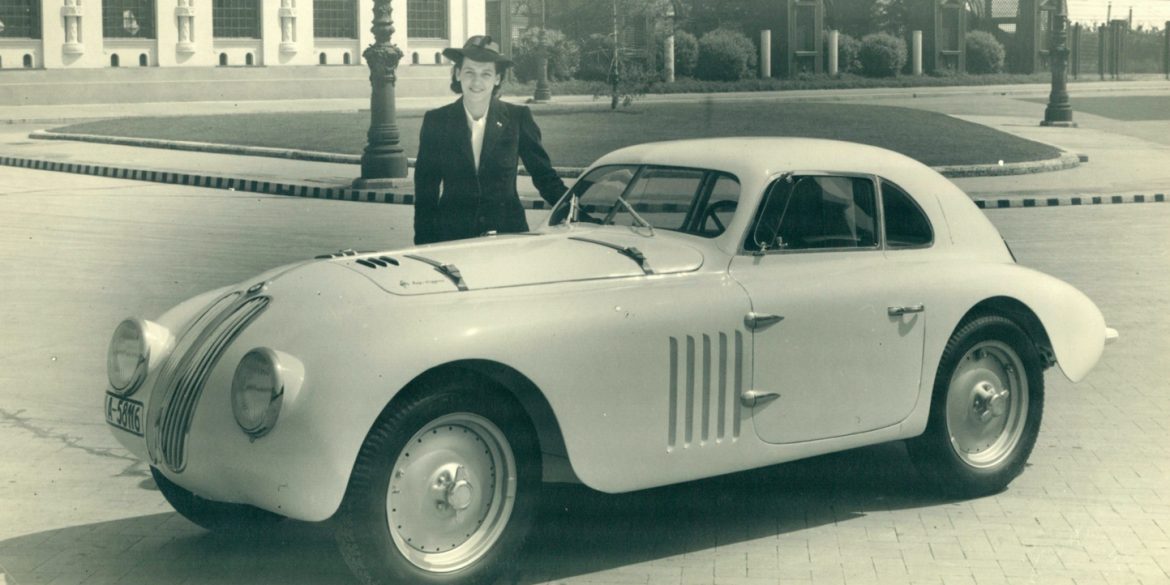
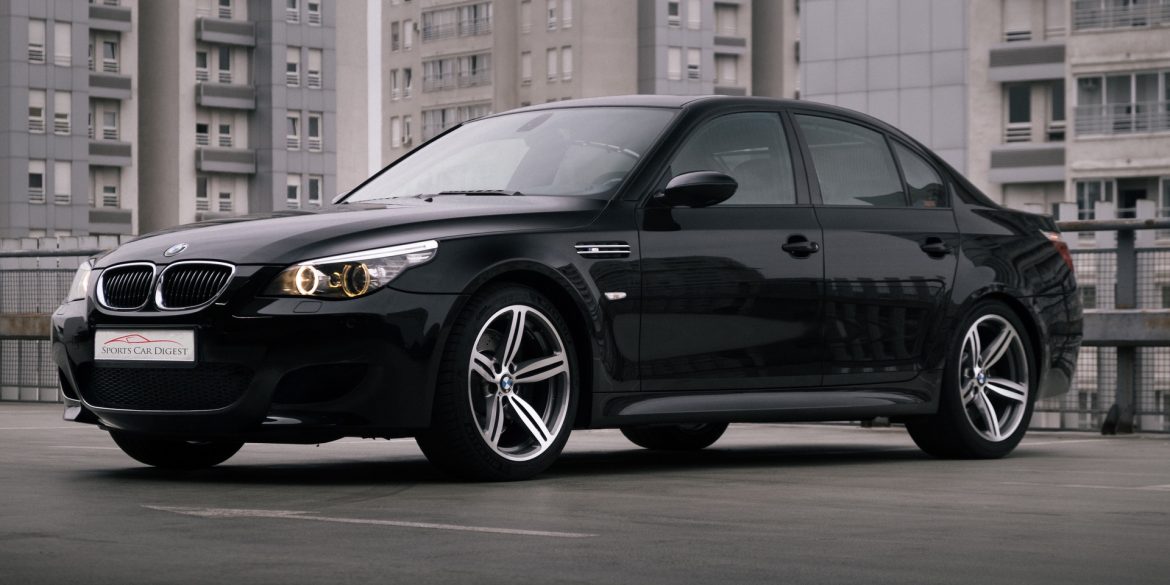
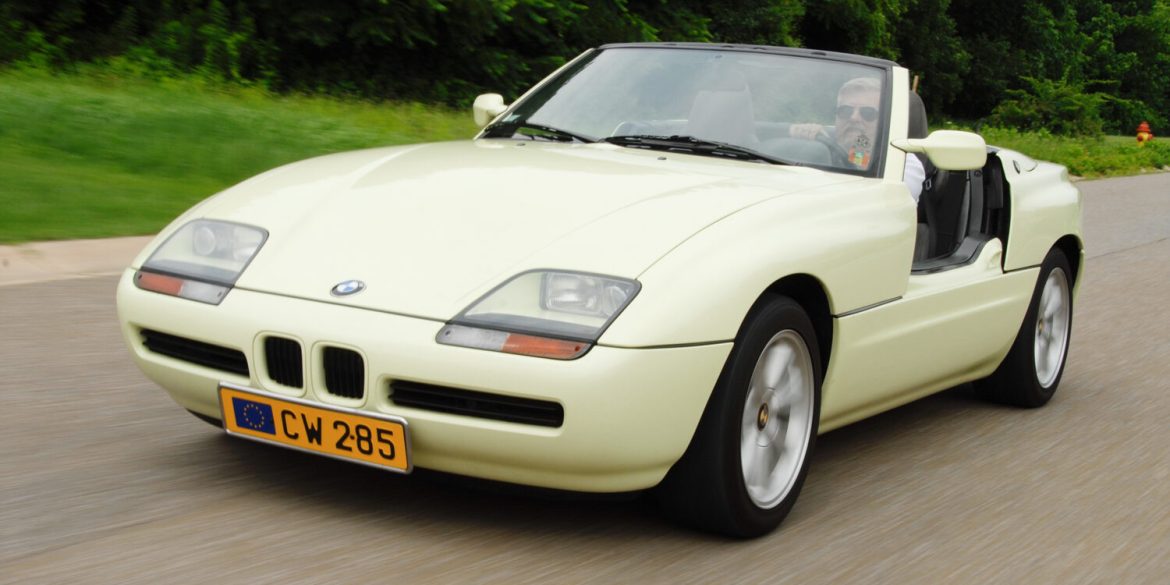
BMW, Bayerische Motoren Werke, is the Munich company that dates its founding to 7 March 1916 and built aircraft engines and motorcycles for twelve years before it made a car. It is now one of the world's three great premium car makers, owner of Mini and Rolls-Royce, and the one whose identity rests most heavily on what it did on the racetrack: the pre-war 328, the touring cars of the 1960s and 1970s, the M division founded in 1972, the turbocharged engine that won the 1983 Formula One world championship and the V12 that won Le Mans in 1999. The kidney grille, the "Hofmeister kink" in the rear pillar, the inline six and the badge that is not, despite the legend, a spinning propeller are the visual signatures; the cars that collectors and the archive care about are the 328, the 507, the 2002, the 3.0 CSL, the M1, the E30 M3 and the Z8, and the racing versions of all of them.
The record is why the name matters. BMW won the Mille Miglia outright in 1940, Le Mans outright in 1999 and in class many times, the Sebring 12 Hours in 1975 and the Daytona 24 Hours in 1976, the European Touring Car Championship nine times, six of them with the 3.0 CSL and two with the M3, the Formula One drivers' championship with Nelson Piquet and Brabham in 1983, a record twenty-one Nürburgring 24 Hours and most of the Formula Two championships of the 1970s with engines descended from a 1961 road-car four. Its M cars defined the sporting saloon, and its 507 is the most expensive series-production BMW, at $5 million for John Surtees's car in 2018. The archive's BMW coverage runs from the Dixi of 1928 to this year's cars for sale, and the chapters below follow it.
Bayerische Flugzeugwerke was registered in Munich on 7 March 1916, the date BMW counts as its birth; the Rapp Motorenwerke next door became Bayerische Motoren Werke in 1917, and Max Friz's BMW IIIa high-altitude aero engine of 1917 made the company's name in the last year of the war. The Treaty of Versailles banned German aircraft engines, so BMW built railway brakes and, from 1923, the R32 motorcycle, Friz's flat twin with shaft drive, the layout BMW motorcycles still use; Ernst Henne's world speed records on supercharged BMWs through the 1930s were the company's first racing fame. Cars came by purchase: in November 1928 BMW bought the Fahrzeugfabrik Eisenach in Thuringia and with it the Dixi 3/15, an Austin Seven built under licence, and the first car badged BMW was the 3/15 DA 2 of 1929. The first BMW proper was the 303 of 1933, a small six with the twin kidney grille that has been on every BMW since, and the 315/1 and 319/1 roadsters of 1934–35 were the first sports BMWs. Mike Lawrence's German Cars and J. Michael Hemsley's Art Deco and the Automobile set the scene; Casey Annis's Brescian Bridesmaid tells the Eisenach story on the way to the 328.
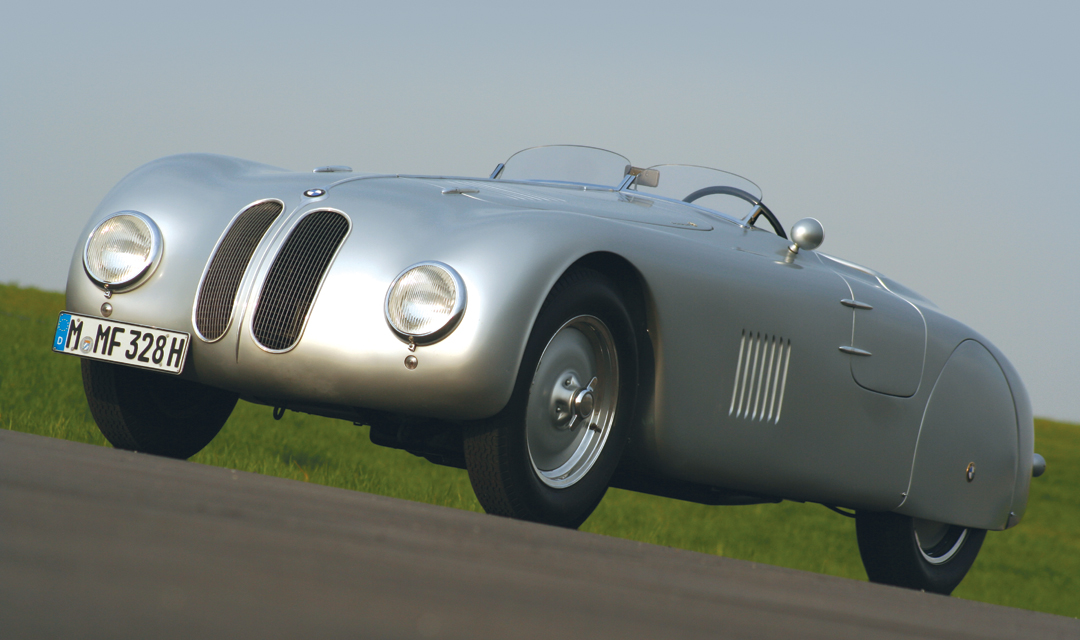
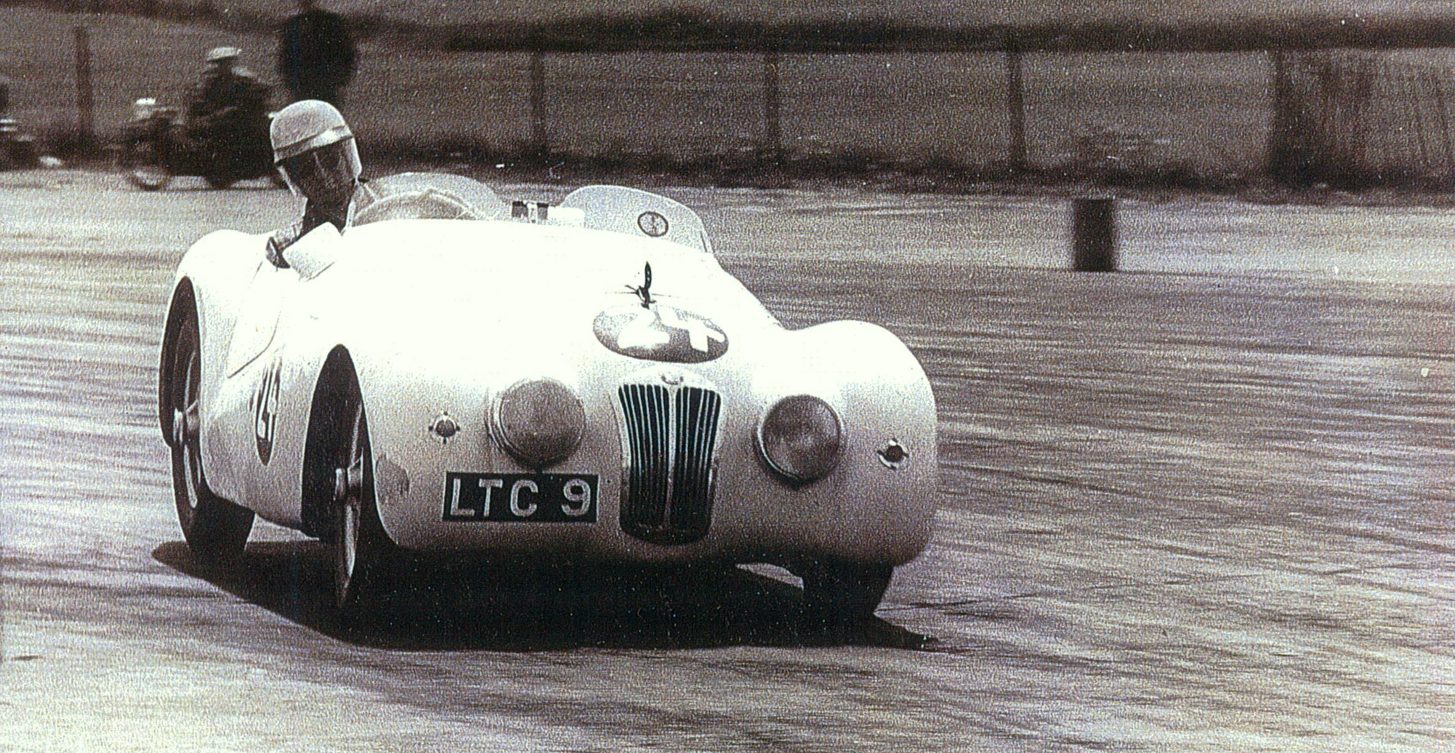
The 328 is the car that made BMW a sporting marque. Fritz Fiedler's chassis and Rudolf Schleicher's cylinder head, hemispherical chambers fed by cross-pushrods from a single low camshaft, gave the two-litre six 80 horsepower and the 1,800-pound roadster 93 mph, and Ernst Henne won the two-litre class with it on its first outing at the Nürburgring Eifelrennen on 14 June 1936. About 464 were built to 1940. The 328 won its class in the 1938 Mille Miglia, finished fifth overall and won the two-litre class at Le Mans in 1939 with Prince Max zu Schaumburg-Lippe and Hans Wencher in a Touring-bodied coupé, and on 28 April 1940 Huschke von Hanstein and Walter Bäumer won the Mille Miglia outright in the Touring Superleggera coupé at 103.6 mph, with the Touring and works roadsters third, fifth and sixth; Will Silk's account of that race and Casey Annis's drive in the 1940 328 MM "Berlin-Rome" Touring roadster, built for a Rome–Berlin road race that the war cancelled, are the archive's long reads on the car. Chris Willows's Is There an Afterlife? follows the engine for the next fifteen years, because the 328 outlived its maker's factory: Eisenach ended up in the Soviet zone and built BMW-badged, then EMW-badged, 327s and 340s until 1955, Fiedler and the 328 drawings went to Bristol as war reparations and became the Bristol 400 and its engine, which powered Frazer Nash, AC, Cooper and Lister into the 1960s, and in West Germany Ernst Loof's Veritas and Alex von Falkenhausen's AFM built 328-engined sports and Formula Two cars. Karl Ludvigsen's Germany's Quart and a Half Brigade has the 1.5-litre EMW and BMW racers of the 1950s, and Robert Young's The Colin Chapman of E. Germany is Heinz Melkus, who built his racing cars behind the Wall.
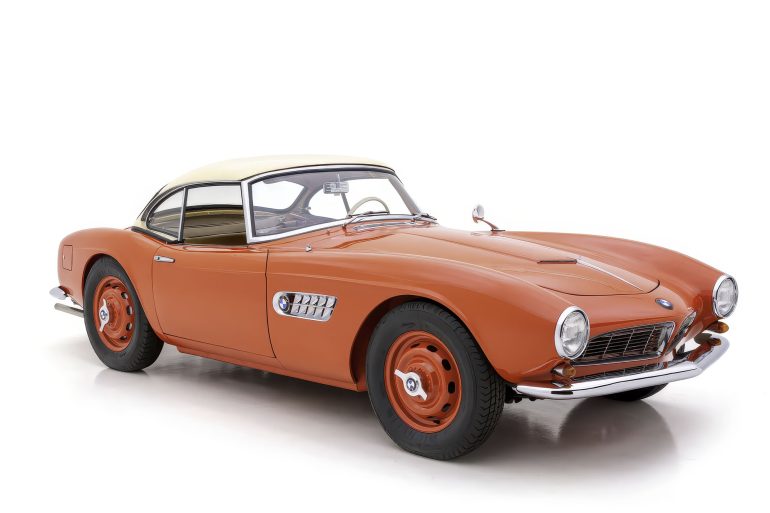
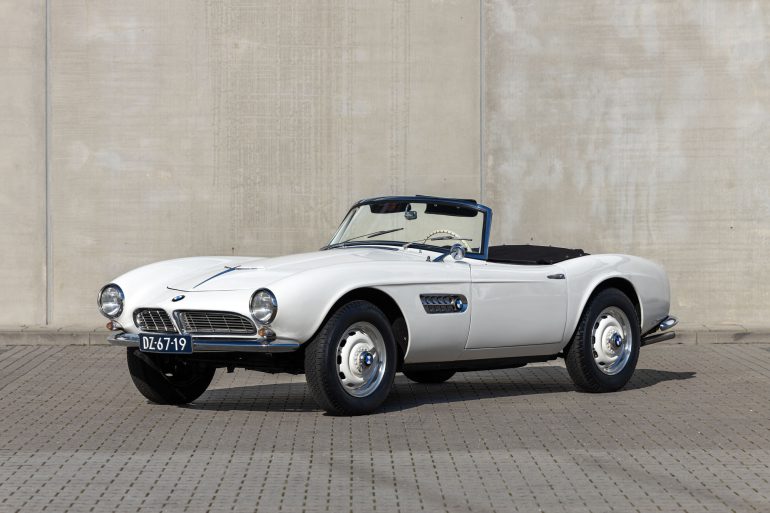
Munich in 1945 was a bombed engine plant with no car factory, and BMW made pots, pans, bicycles and from 1948 motorcycles before the 501 "Baroque Angel" saloon appeared at the 1951 Frankfurt show, a big, old-fashioned car at DM 15,000 that few Germans could afford. The 502 of 1954 gave it Europe's first postwar light-alloy V8, 2.6 and then 3.2 litres, and that engine went into the two cars Max Hoffman, the New York importer, talked BMW into building for America: the 503 coupé and the 507 roadster, both styled by Albrecht Goertz and shown at Frankfurt in 1955. Hoffman had wanted a $5,000 car; the hand-built 507 cost DM 26,500 and then DM 29,950, about $9,000, more than a 300 SL, and BMW lost money on each of the 252 it built between 1956 and 1959. It is the most beautiful BMW and now the most expensive, and the archive has the 507 that Elvis Presley bought in Germany, the one Surtees was given for his 1956 world championship and the Series II cars that appear at Bonhams and the marketplace every season. The 500-series cars nearly finished BMW: Casey Annis's Did the 700 Save BMW? tells how the Isetta licence of 1955, the egg-shaped Iso bubble car with the refrigerator door that BMW gave a motorcycle engine and built 161,728 of, and the 600 of 1957 kept the factory busy while the losses mounted, and Jim Richardson's From the Egg to the Ultimate starts with the first Isetta he ever saw at a Union 76 station in the 1950s.
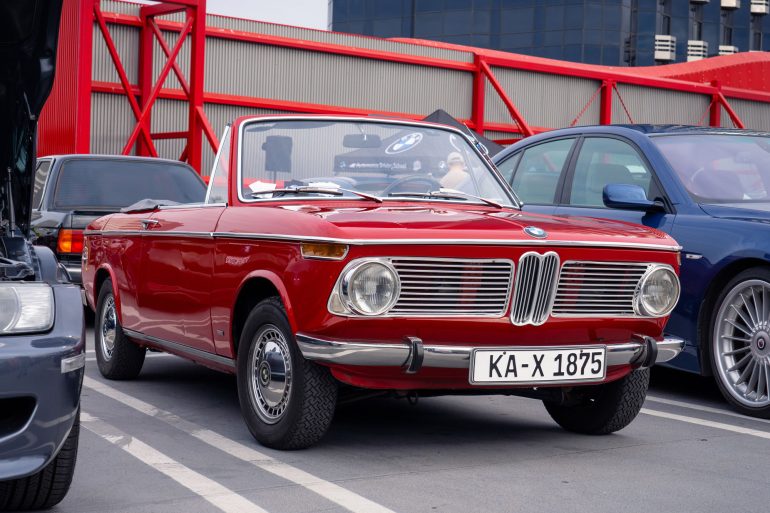
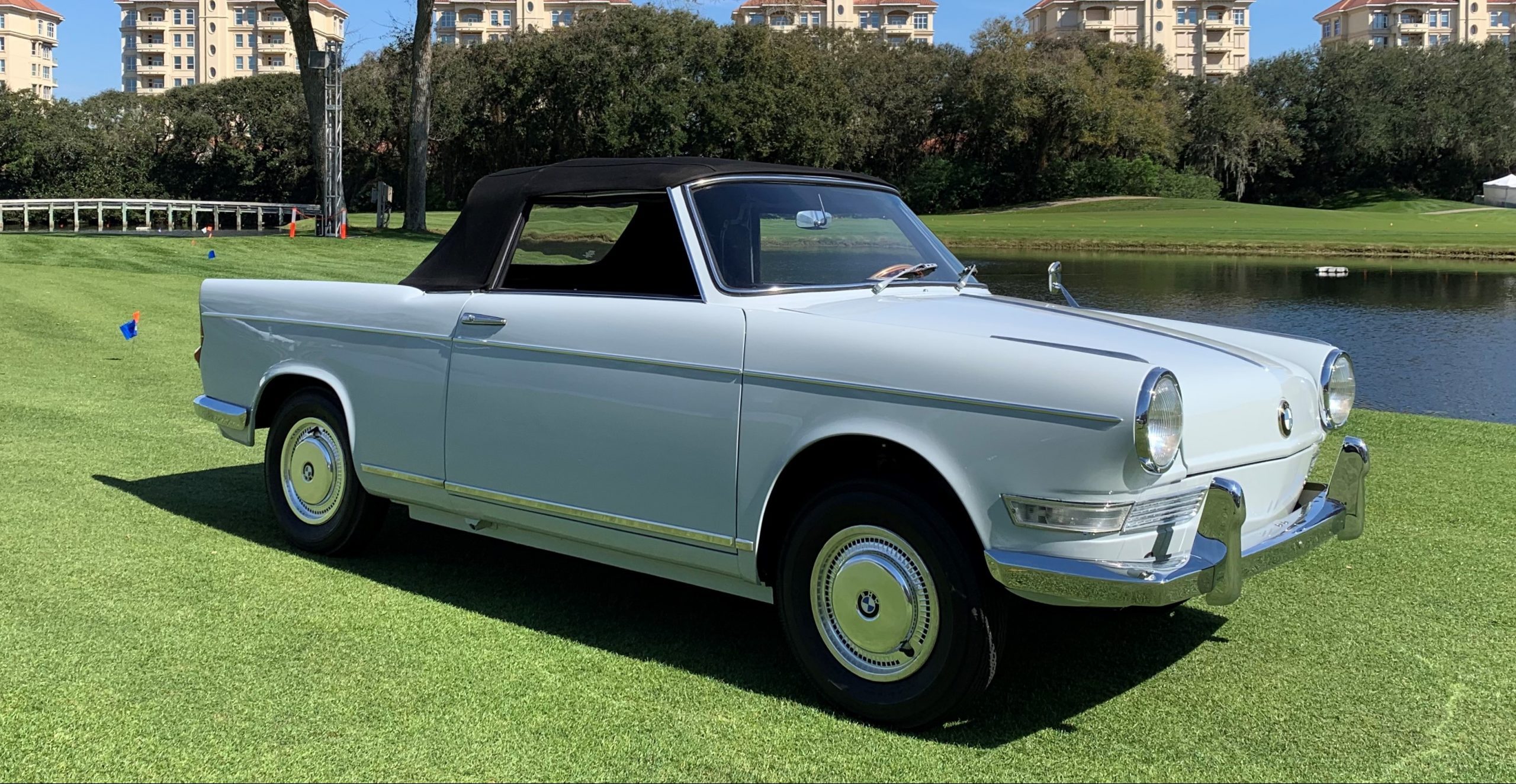
On 9 December 1959, with Deutsche Bank proposing to sell BMW to Daimler-Benz, the small shareholders and dealers at the annual meeting in Munich voted the plan down, and Herbert Quandt, who had been ready to sell, instead built his holding to a controlling stake; the Quandt family has controlled BMW since. The car that bought the time was the 700, Giovanni Michelotti's little rear-engined coupé and saloon with the 697 cc motorcycle twin, launched in 1959 and 188,000 sold, and the 700 RS, the racing version in which Hans Stuck won the 1960 German hillclimb championship at sixty, is Jim Richardson's Stuck in the Past. The company's future was shown at Frankfurt in September 1961: the 1500, the "Neue Klasse", a compact four-door with Alex von Falkenhausen's new overhead-camshaft M10 four, MacPherson struts, disc brakes and Wilhelm Hofmeister's forward-angled rear pillar, the "Hofmeister kink". The 1800 TI and 1800 TI/SA of 1964–65 were its racing versions, winning the Spa 24 Hours in 1965 and 1966 and the Nürburgring six-hour races, and Hubert Hahne's 2000 TI was the first touring car to lap the Nordschleife in under ten minutes in 1966; Peter Collins's She'll Be Comin' Round the Mountain remembers those touring-car years at the Ring, with Helmut Marko's Alpina 1600 Ti on the Steilstrecke. The 1600-2 of 1966 and the 2002 of 1968, the Neue Klasse engine in a lighter two-door, were the cars that made BMW in America, where Hoffman's dealers and David E. Davis's Car and Driver review turned the 2002 into the first sports sedan; Sean Smith's 1976 BMW 2002 and the Model (BMW 2002) thread have the car, and the 2002 turbo of 1973, Germany's first turbocharged production car, 1,672 built, closes the series.
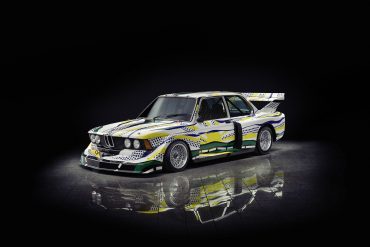
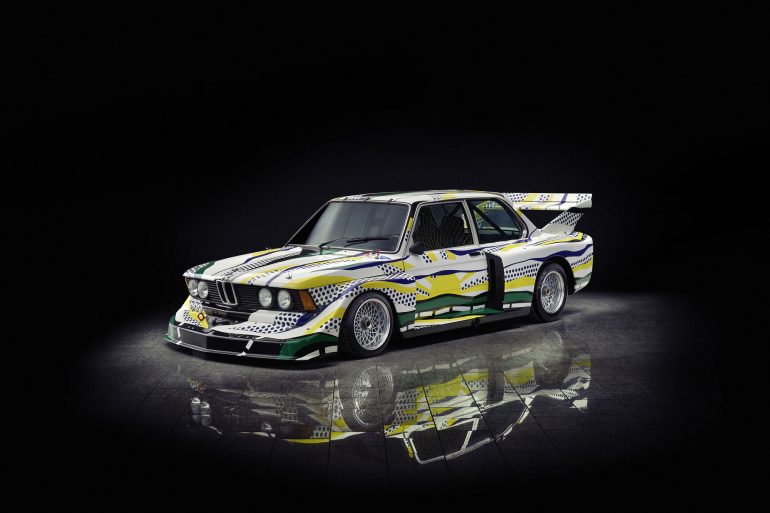
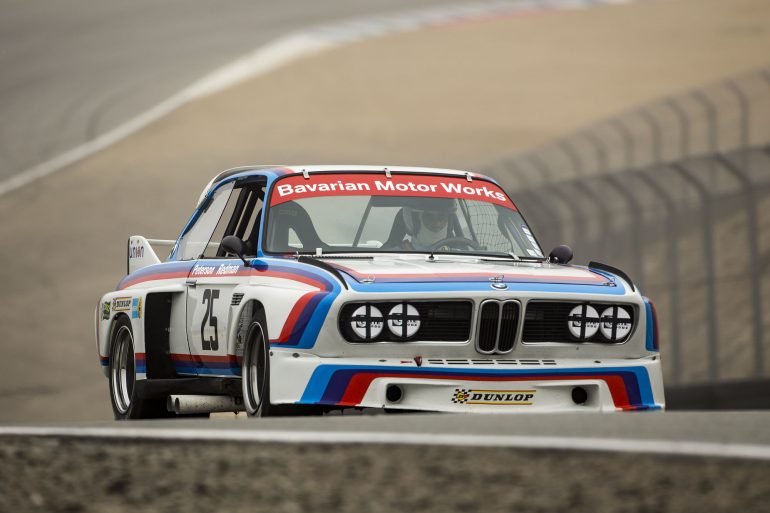
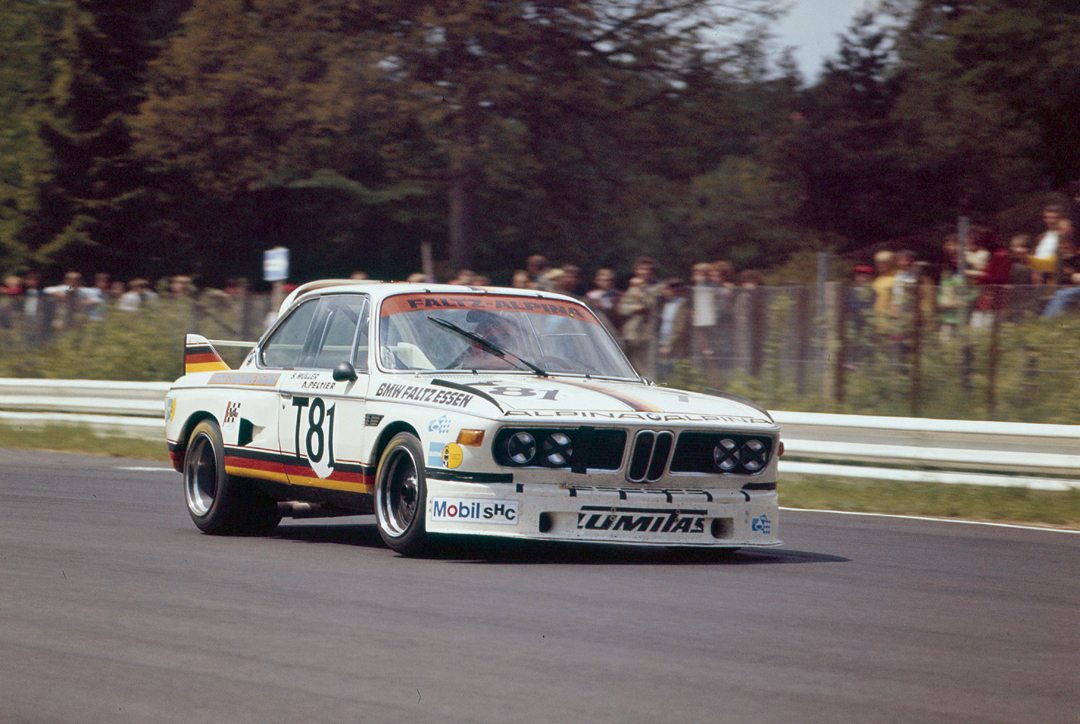
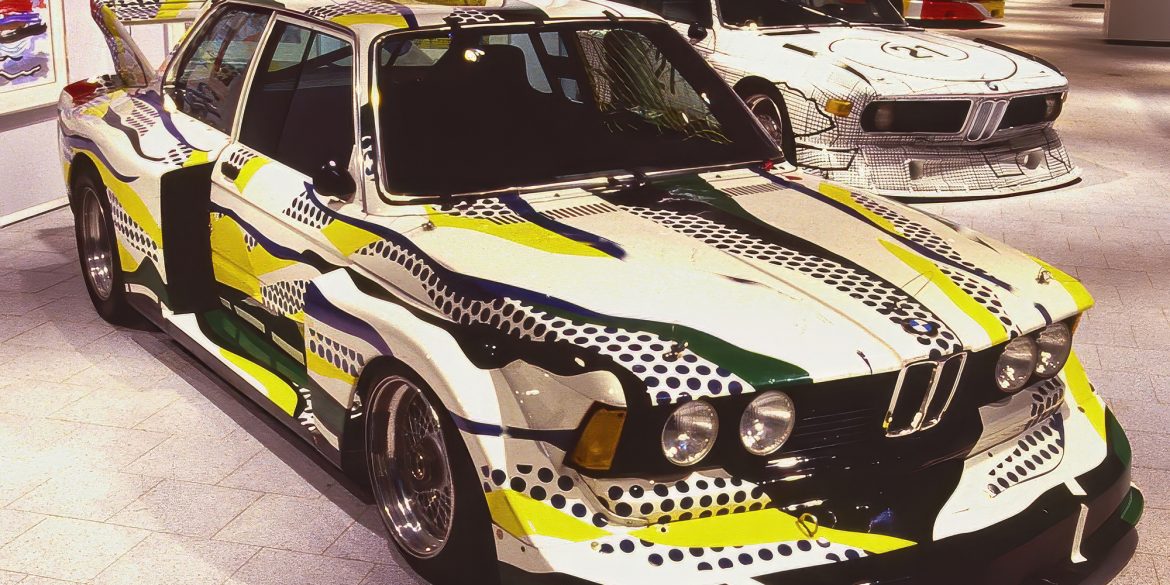
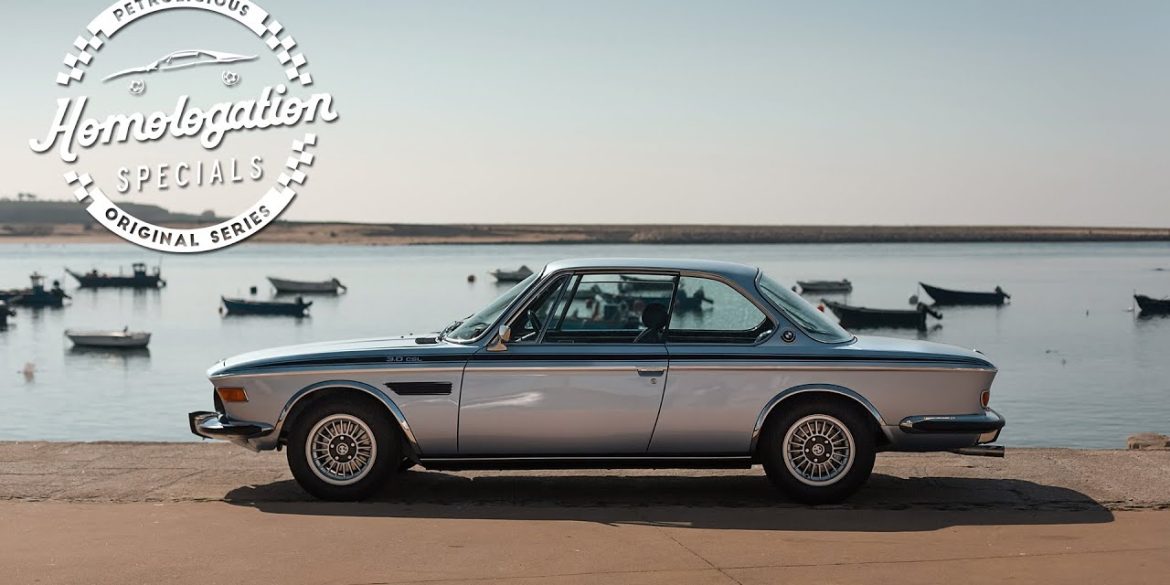
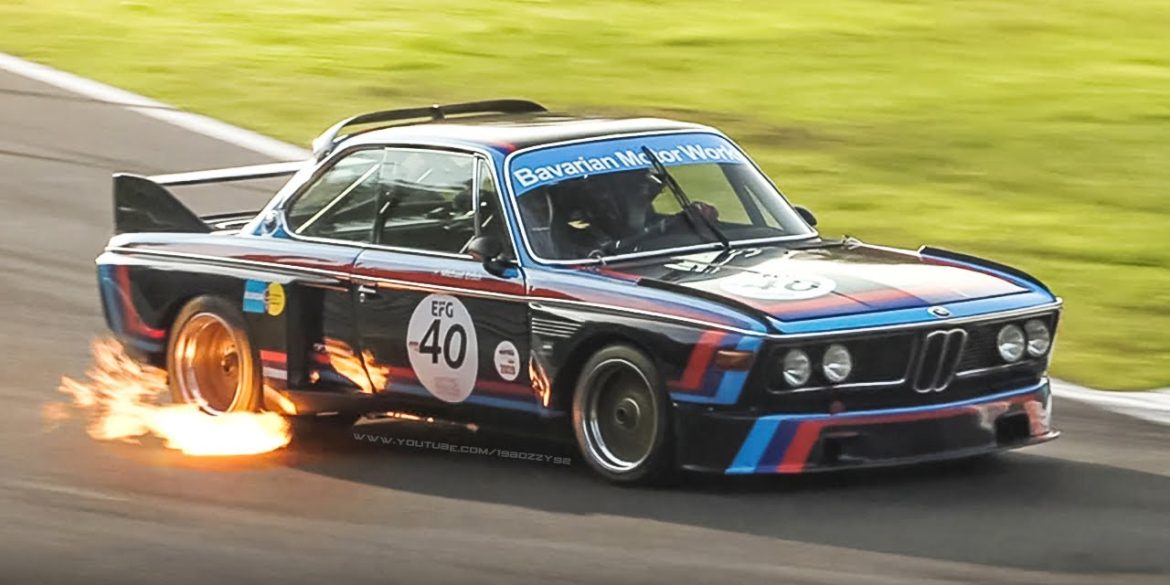
The 2800 CS of 1968 brought the new M30 six to Karmann's coupé body, the 3.0 CS followed in 1971, and the 3.0 CSL, the lightweight homologation special that Alpina had developed, went into production in August 1971 so that BMW could fight Ford's Capri RS in the European Touring Car Championship. BMW Motorsport GmbH was founded in May 1972 with Jochen Neerpasch, hired from Ford, in charge and Paul Rosche and Martin Braungart behind him, and the 1973 CSL, with its 3.2 and then 3.5-litre engine, roof hoop, fins and rear wing that were sold in the boot because they were illegal on German roads, became the Batmobile: Toine Hezemans won the 1973 European championship, Hezemans and Dieter Quester won the class at Le Mans, and the CSL won the championship every year from 1975 to 1979. Casey Annis's Bavarian Brawler, the archive's oldest BMW story, is the CSL's biography, and Chris Willows's BMW's Motorsport Heart & Soul, written for the centenary, is the touring-car history around it. In America Bob Lutz, fighting Hoffman for the import rights and forbidden to advertise, sent the 3.5 CSL to IMSA in 1975: Brian Redman, Allan Moffat, Sam Posey and Hans Stuck won the Sebring 12 Hours in March, Redman and Posey won at Riverside and Laguna Seca, and in February 1976 Peter Gregg, Redman and John Fitzpatrick won the Daytona 24 Hours. Rex McAfee's BMW Wins the 1975 12 Hours of Sebring and 50 Years of BMW at Sebring, Hal Crocker's Peter Perfect on Gregg and Jim Busby's Baptism by Fire, on running the Group 5 320i turbos that lost nineteen engines in eight races, are that era in the archive. The 1976 Group 5 CSL turbo with 750 horsepower, Alexander Calder's 1975 CSL, Frank Stella's 1976 CSL and Roy Lichtenstein's 1977 320i, the first three Art Cars, and the 320i Junior Team of Marc Surer, Manfred Winkelhock and Eddie Cheever in 1977 belong to the same shop; so does the McLaren North America 320i turbo that David Hobbs raced in IMSA from 1977 to 1979.
The cars and the racing, year by year, with the archive's story of each linked. Car names link to every story on the site about that model.
| Year | The cars | The racing | In the archive |
|---|---|---|---|
| 1916 | Bayerische Flugzeugwerke, 7 March | Aircraft engines; Max Friz's IIIa of 1917 makes the name | German Cars, by Mike Lawrence |
| 1923 | R32 motorcycle | Friz's shaft-drive flat twin; Ernst Henne's speed records follow | |
| 1928 | Dixi 3/15 | The Fahrzeugfabrik Eisenach bought; the Austin Seven under licence is the first BMW car | Brescian Bridesmaid |
| 1933 | 303 | The first six and the first kidney grille | Art Deco and the Automobile |
| 1936 | 328 | Henne wins the two-litre class at the Eifelrennen on the car's first outing, 14 June | The 328's afterlife |
| 1939 | 328 | Le Mans: fifth overall and the two-litre class, Schaumburg-Lippe and Wencher | Le Mans hub |
| 1940 | 328 MM | The Mille Miglia won outright by von Hanstein and Bäumer in the Touring coupé at 103.6 mph | BMW Wins the 1940 Mille Miglia · Mille Miglia hub |
| 1945–55 | EMW 327 and 340 · Bristol 400 · Veritas · AFM | Eisenach behind the Iron Curtain; the 328 engine goes to Bristol as reparations and to Loof and von Falkenhausen | Quart and a Half Brigade · EMW, an Eastern Story · Melkus |
| 1951 | 501 Baroque Angel | The first postwar BMW at Frankfurt; the 502's alloy V8 follows in 1954 | |
| 1955 | Isetta · 507 | The Iso bubble car licensed; Goertz's 503 and 507 shown at Frankfurt for Max Hoffman | Did the 700 Save BMW? · From the Egg to the Ultimate |
| 1956–59 | 507 | 252 hand-built 507s at a loss on each; Elvis Presley's and John Surtees's among them | The 507 · Elvis's 507 at Pebble Beach |
| 1959 | 700 | The Daimler-Benz takeover voted down on 9 December; Herbert Quandt takes control; Michelotti's 700 launched | Stuck in the Past: the 700 RS |
| 1961 | 1500 Neue Klasse | Frankfurt, September: von Falkenhausen's M10 four and the Hofmeister kink | |
| 1965–66 | 1800 TI/SA · 2000 TI | Spa 24 Hours won twice; Hahne's first sub-ten-minute touring-car lap of the Nordschleife | Round the Mountain |
| 1968 | 2002 · 2800 CS | The 2002 makes BMW in America; the M30 six and Karmann's coupé | 1976 BMW 2002 |
| 1971–72 | 3.0 CSL | The lightweight coupé; BMW Motorsport GmbH founded in May 1972 under Neerpasch | Bavarian Brawler · BMW's Motorsport Heart & Soul |
| 1973 | 3.0 CSL · 2002 turbo | The Batmobile: Hezemans European champion, the Le Mans class won; Germany's first production turbo | |
| 1975 | 3.5 CSL | Sebring won by Redman, Moffat, Posey and Stuck; Calder's Art Car at Le Mans; the ETCC won every year to 1979 | Sebring 1975 · 50 Years at Sebring |
| 1976 | CSL turbo | Daytona 24 Hours won by Gregg, Redman and Fitzpatrick; the 750-horsepower Group 5 CSL | Peter Perfect · Quester's 3.5 CSL |
| 1977–79 | 320i Group 5 · 320 Turbo | The Junior Team; Lichtenstein's 320i; Busby and McLaren North America in IMSA | Baptism by Fire · David Hobbs |
| 1978 | M1 | Giugiaro's mid-engined car shown at Paris; Lamborghini's bankruptcy has delayed it a year | Built to Race · The M1 |
| 1979–80 | M1 Procar · Warhol M1 | Procar: Lauda then Piquet champion; Warhol's M1 sixth at Le Mans | The Warhol M1 · Procar guide |
| 1982–83 | Brabham BT50 and BT52-BMW | The 1.5-litre turbo four on the 1961 block; Piquet's Canadian win, then the 1983 championship, the first for a turbo | Nelson Piquet · Paul Rosche |
| 1985–86 | M5 E28 · BMW GTP | The first M5; Berger's Benetton-BMW win in Mexico; Watson and Hobbs win at Watkins Glen in the 1,400-horsepower GTP | Unfinished Business · Racing with BMW |
| 1986–91 | M3 E30 | Ravaglia's world championship of 1987, the ETCC, DTM and the 24-hour races; 17,970 built | Simply the Best · Box Flared Punch |
| 1989 | Z1 · 850i | The drop-door roadster and the V12 coupé | Plastic Fantastic |
| 1992–95 | McLaren F1 | Rosche's 627-horsepower S70/2 V12; Le Mans won by the F1 GTR in 1995 | The McLaren page |
| 1994 | Rover · Spartanburg | Rover bought, sold in 2000; the South Carolina plant opens, the Z3 in 1995 | |
| 1999 | V12 LMR | Le Mans won outright by Dalmas, Martini and Winkelhock, 13 June | Soper's V12 LMR |
| 2000 | Z8 · M3 E46 | Fisker's 507 homage; the E46 M3; Williams-BMW's Formula One return | The Z8 · E46 M3 buyer's guide |
| 2001–08 | M5 E60 | Ten Williams-BMW wins; Mini relaunched; Rolls-Royce from 2003; the V10 M5; Kubica's win for BMW Sauber in Canada | M5 E60 guide |
| 2010 | Koons M3 GT2 | Koons's Art Car at Le Mans; the ALMS GT championship with Rahal Letterman Lanigan | The Koons Art Car |
| 2016–20 | M6 GT3 · M8 GTE | The centenary; Spa 24 Hours 2018 and 2020; Daytona class wins 2019 and 2020 | Monterey Reunion 2016 |
| 2022–25 | M4 GT3 | M at fifty and the new 3.0 CSL; the M Hybrid V8 at Daytona and Le Mans; Rowe's 2025 Nürburgring 24 Hours, BMW's 21st; the Neue Klasse iX3 | M1 to i8 · Art Cars at Goodwood |
BMW's model codes (E9, E30, E46, G80) are the factory's project numbers and collectors use them; the Mille Miglia, Le Mans, Sebring and Formula 1 pages carry the results in full.
Every story on the site about Peter Gregg, who took BMW to the Daytona win of 1976, newest first.
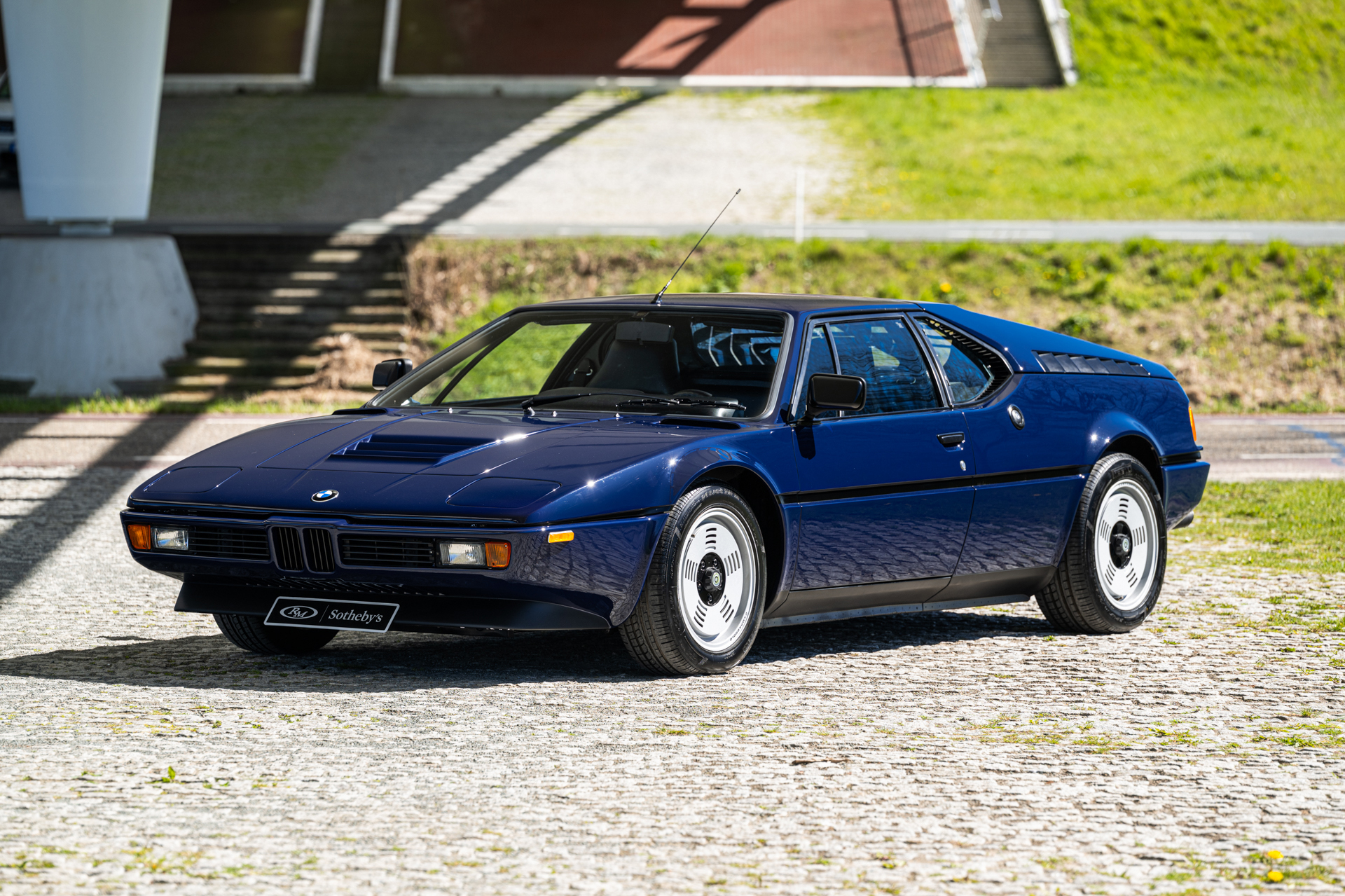
The M1 was Neerpasch's idea: a mid-engined car built to be homologated for Group 4 and Group 5, with Paul Rosche's 3.5-litre twin-cam 24-valve M88 six, Giorgetto Giugiaro's body developed from Paul Bracq's 1972 Turbo concept and a chassis to be built by Lamborghini. Lamborghini's bankruptcy delayed it, the chassis went to Marchesi in Modena, the bodies to Italdesign and final assembly to Baur in Stuttgart, the car appeared at the Paris show in October 1978, and by the time the 400 road cars had been built the Group 4 rules had changed. Neerpasch's answer was the Procar championship of 1979 and 1980, a one-make series on the Saturday of European Grands Prix in which the five fastest Formula One qualifiers raced identical M1s against privateers; Niki Lauda won the first championship and Nelson Piquet the second, and the Group 4 M1s raced at Le Mans, where Andy Warhol painted one in 1979. Casey Annis's Built to Race, written for the car's fortieth birthday, Djordje Sugaris's long M1 profile and the Model (BMW M1) thread have the 453 cars. The same engine shop ran Formula Two: from 1973, when Jean-Pierre Jarier's March-BMW took the European title, to 1982, BMW's two-litre M12 four won most of the championships, and the Series (Formula Two) thread has those seasons.
Calder to Koons: every story on the site about the BMW Art Cars, newest first.
The championship BMW's engines owned in the 1970s, newest first.
In April 1980 BMW announced it would go into Formula One as an engine supplier, and Rosche's M12/13, a 1.5-litre turbocharged four built around the M10 cylinder block of 1961, often from used blocks because seasoned castings were stronger, first raced in the Brabham BT50 at Kyalami in January 1982. Piquet won the Canadian Grand Prix that June, and in 1983 the Brabham BT52-BMW, Gordon Murray's dart-shaped car, won at Brazil, Monza and Brands Hatch and took Piquet to the world championship at Kyalami in October, the first title for a turbocharged engine. The engine went to ATS, Arrows and Benetton, for whom Gerhard Berger won the 1986 Mexican Grand Prix, and in qualifying trim by then gave, Rosche said, more than 1,400 horsepower; BMW withdrew at the end of 1987, Brabham's last season with the lay-down engine, and the upright engines raced on as Megatrons with Arrows in 1987 and 1988. The same four, turbocharged to about 1,400 horsepower, powered the BMW GTP that March built for IMSA in 1986, the car John Watson and David Hobbs won with at Watkins Glen that July; Mike Jiggle's Unfinished Business profiles it and Watson's Racing with BMW tells the season from the cockpit, with John Andretti, Davy Jones and the turtle at Daytona. Neville Hay's Niki Lauda and the People threads on Piquet, Murray and Berger carry the Brabham years.
The M letter, on the M1 first, went onto a saloon with the M535i of 1980 and became a line with the M635CSi coupé of 1984 and the E28 M5 of 1985, a hand-built 535i with the M1's 24-valve six and 286 horsepower, the fastest four-door in the world when it appeared. The M3 followed in 1986 for the same reason as the CSL: homologation, this time for Group A touring-car racing, which needed 5,000 cars. Rosche's S14, a 2.3-litre four with the M88's head design, went into a 3-Series two-door with flared arches, a raised boot and a steeper rear window, and 17,970 were built to 1991, including the 600 Sport Evolutions of 1990. On the track it was the most successful touring car there has been: Roberto Ravaglia won the first World Touring Car Championship in 1987, Winfried Vogt and Ravaglia the European championships of 1987 and 1988, Eric van de Poele and Ravaglia the DTM in 1987 and 1989, and the car won the Nürburgring and Spa 24 Hours, the British, Italian, French and Australian championships and, with Bernard Béguin, the Tour de Corse in the World Rally Championship. Mike Jiggle's Simply the Best, on a 1989 Group A car, Raffi Minasian's The Box Flared Punch of the 1980s and the Model (BMW M3 E30) thread cover it; Chris Willows's touring-car history and the Series (DTM) and (BTCC) threads have the racing.
The 750iL of 1987 brought Germany's first postwar V12, the 850i of 1989 put it in a coupé, and Paul Rosche's last great engine was the S70/2, the 6.1-litre, 627-horsepower V12 he built for Gordon Murray's McLaren F1 in 1992, the engine of the fastest car in the world and of the F1 GTR that won Le Mans in 1995. Bernd Pischetsrieder bought Rover in 1994 and sold it in 2000, "the English Patient" costing BMW billions and leaving it Mini, relaunched in 2001, and from 2003 the Rolls-Royce name, for which it built a new factory at Goodwood. The Spartanburg plant in South Carolina opened in 1994 and built the Z3 from 1995, the car of GoldenEye; the Z1 of 1989, with its drop-down doors, and the Z8 of 2000, Henrik Fisker's 507 homage with the M5's V8, 5,703 built, are the roadsters the archive profiles, in Dom Miliano's Driving the Plastic Fantastic and Djordje Sugaris's Z8. The racing came back in the late 1990s: the V12 LM of 1998 and then the Williams-built, Schnitzer-run V12 LMR, in which Yannick Dalmas, Pierluigi Martini and Joachim Winkelhock won Le Mans outright on 13 June 1999, BMW's only overall win there. The Formula One return followed in 2000 with Williams, ten wins between 2001 and 2004 for Ralf Schumacher and Juan Pablo Montoya, then BMW Sauber from 2006 to 2009 and Robert Kubica's win in Canada in 2008, after which BMW left Grand Prix racing.
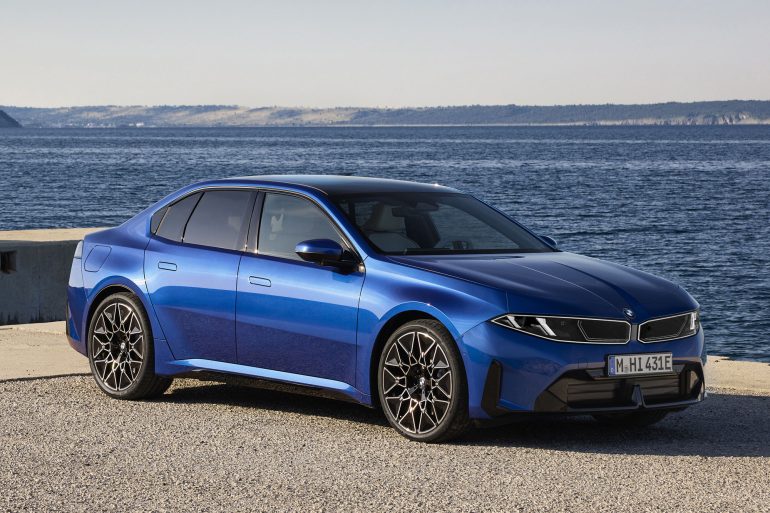
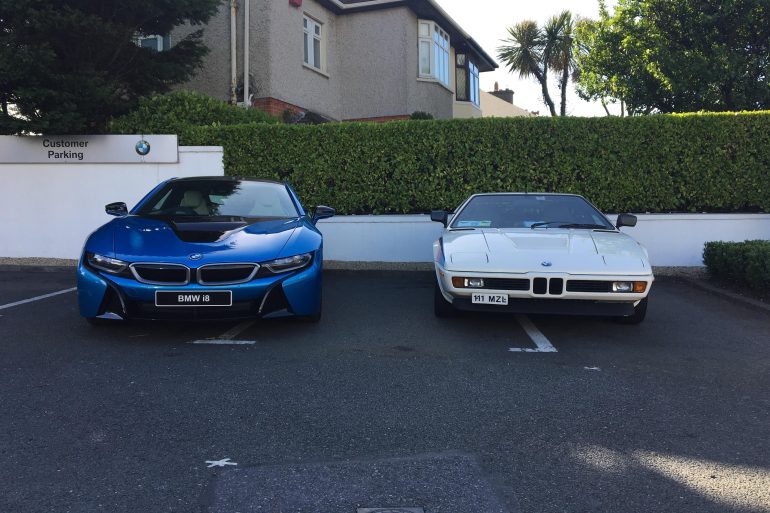
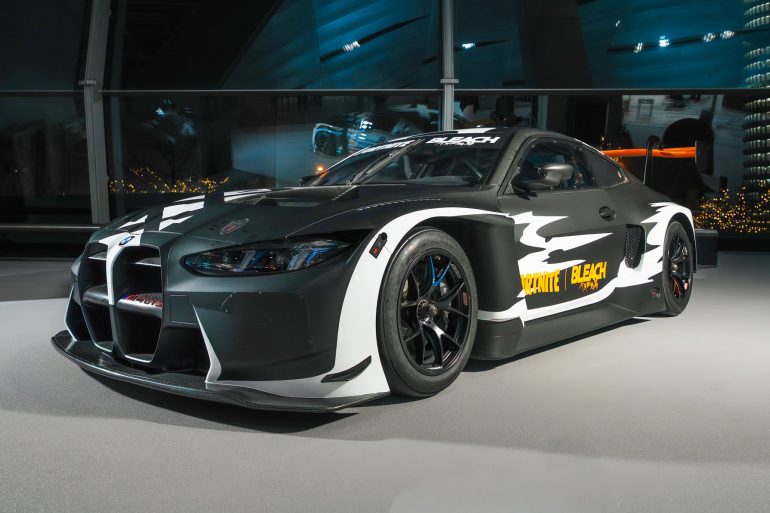
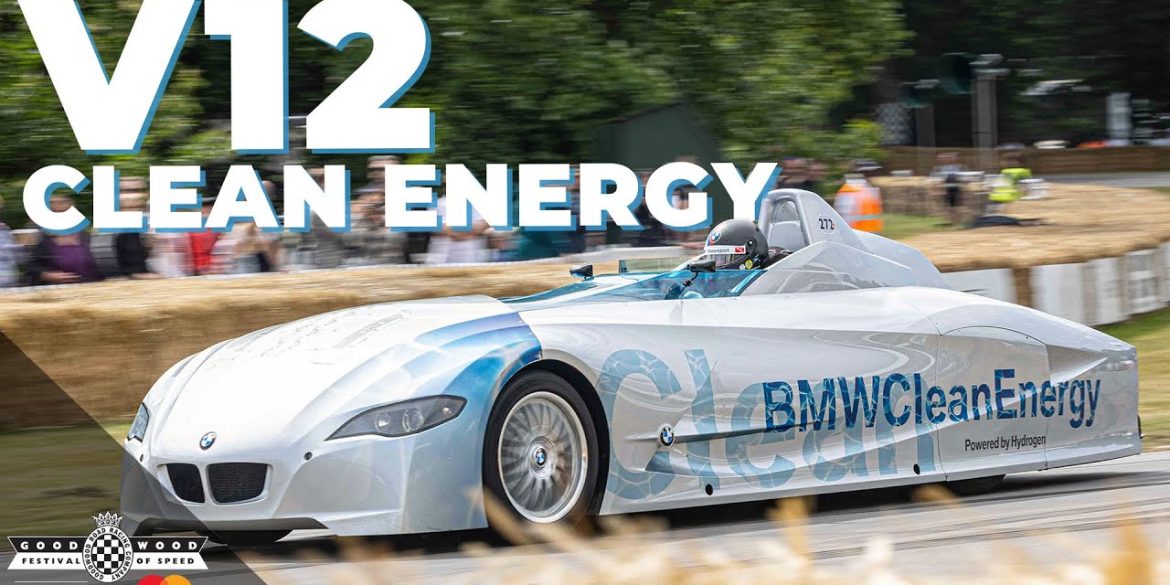
The E46 M3 of 2000, with the 343-horsepower S54 six and the lightweight CSL of 2003, the E60 M5 of 2005 with a 507-horsepower V10, the E92 M3 of 2007 with a V8 and the twin-turbo M cars since are the road-going M line; the archive's buyer's guides cover the E46 M3 and the E60 M5. The racing went to GT cars: the M3 GTR that won the 2001 ALMS GT class and the Nürburgring 24 Hours in 2004 and 2005, the E92 M3 GT2 that won the ALMS GT championship with Rahal Letterman Lanigan in 2010 and wore Jeff Koons's Art Car at Le Mans the same year, the Z4 GT3, the M6 GT3 that won the Spa 24 Hours in 2018 and 2020, the M8 GTE that won its class at Daytona in 2019 and 2020, and the M4 GT3 of 2022, with which Rowe Racing won the 2025 Nürburgring 24 Hours, BMW's record twenty-first. The M Hybrid V8 prototype took BMW back to the top class at Daytona in 2023 and to Le Mans in 2024, its first works entry for the overall win since 1999. The road cars went electric with the i3 and i8 of 2013–14 and, in 2025, the Neue Klasse iX3, a name borrowed from 1961; the 3.0 CSL of 2022, fifty cars at about three-quarters of a million euros each, borrowed its name from 1972. BMW turned a hundred in 2016 and M fifty in 2022, and Rex McAfee's reports from Goodwood, Amelia, Villa d'Este and the Petersen carry the anniversaries.
The Model tags on this site cover the BMWs the archive has most to say about: the 328, the 507 and the Isetta and 700 of the 1950s; the 2002, the 3.0 CS and 3.0 CSL; the M1, the Art Cars, the E30 M3 and the later M3s, M4 and M5; the Z4 and Z8; and the M4 GT3. The nine cards below are the ones with most to read behind them, and the Model tag opens every story on each.
Nine the archive has most to say about; each links to every story on the site about that car.
Single-car and chassis stories: the 328s and 507s, the CSLs and M1s, the M3s and the road cars that surface at auction.
BMW's racing sits on the archive's hubs as well as here. The Mille Miglia hub has the 1940 win and the 328s that have run the retrospective every year since; the Le Mans hub the class wins of 1939 and 1973, the F1 GTR of 1995 and the V12 LMR of 1999; the Sebring hub the 1975 win and fifty years of BMW there; the Formula 1 page the Brabham and Williams years and Piquet's 1983 championship; the Grand Prix History hub the turbo era; the Nürburgring circuit page the twenty-one 24 Hours wins and the Neue Klasse at the Ring. The Racing (BMW) feed below gathers the race reports and profiles with a BMW in them, from the Eifelrennen to this year's IMSA and WEC rounds, and the Legends Speak interviews with John Watson, Jim Busby, Brian Redman and David Hobbs are the drivers' own accounts.
Race profiles and reports with a BMW in them, newest first.
Max Friz and Franz Josef Popp at the start; Fritz Fiedler, Rudolf Schleicher and Ernst Henne of the 328; Ernst Loof of Veritas and Alex von Falkenhausen, racer, AFM builder and then BMW's engine chief for twenty years; Max Hoffman and Albrecht Goertz of the 507; Herbert Quandt, who saved the company, and Eberhard von Kuenheim, who ran it from 1970 to 1993; Wilhelm Hofmeister and Paul Bracq, the designers; Jochen Neerpasch, Paul Rosche and Martin Braungart of BMW Motorsport; Burkard Bovensiepen of Alpina and the Schnitzer brothers; Bob Lutz and Bernd Pischetsrieder; and the drivers, Huschke von Hanstein, Hans Stuck and his son Hans-Joachim, Hubert Hahne, Dieter Quester, Toine Hezemans, Brian Redman, Sam Posey, Peter Gregg, David Hobbs, Ronnie Peterson, Niki Lauda, Nelson Piquet, Marc Surer, John Watson, Roberto Ravaglia, Joachim Winkelhock, Juan Pablo Montoya and Robert Kubica. Each name with a People thread links to every story on the site about them, and the People page gathers the portraits.
The hillclimb king of the 328 and 700 RS and his son of the CSL and M1, newest first.
The BMW market has one car in the millions, the 507, and a long and liquid middle. A 507 is $2–3 million for a good Series II, $5 million for Surtees's car at Bonhams Goodwood in 2018, and $1.8 million was the top sale of Bonhams' 2021 Scottsdale auction; a 328 is $700,000 to $1 million and the Mille Miglia and Touring-bodied cars several times that when they appear. The M1 is $500,000–800,000 for a road car and over $1 million for a Procar, the 3.0 CSL Batmobile $250,000–500,000 as a road car and seven figures with works racing history, as the 1975 Sebring winner showed when it was offered in 2020. An E30 M3 is $60,000–150,000 and a Sport Evolution $200,000 and up, a 2002 turbo $100,000–150,000, a Z8 $200,000–300,000, an E46 M3 CSL and an E28 M5 over $100,000 at the top, and an Isetta $30,000–50,000; the ordinary 2002s, E30s and E9 coupés remain some of the most affordable collector cars with racing bloodlines. The Auctions (BMW) and For Sale (BMW) threads below are the live market, Rex McAfee's marketplace pieces have the current offerings, and the Market page has the auction calendar and the record prices.
Auction previews and results for BMWs, newest first.
BMWs offered by dealers and collectors, newest first.
The archive's BMW galleries come from the Mille Miglia, where the 328s run every May, Amelia Island's CSL and Art Car classes, the Goodwood Revival and Members' Meeting, where the CSLs and M3s race, Monterey's BMW-featured Reunion of 2016, the Oldtimer Grand Prix at the Nürburgring, the Concorso d'Eleganza at Villa d'Este, which BMW has presented since 1999 and where the BMW-only auction was held in 2025, and the BMW Gallery in North America that Rex McAfee celebrated. The Galleries (BMW) feed below gathers them.
BMW galleries from the Mille Miglia, Amelia Island, Goodwood and the Nürburgring.

Founded 7 March 1916, Munich; Fahrzeugfabrik Eisenach bought 1928; first BMW-badged car the 3/15 of 1929; controlled by the Quandt family since 1959–60. Mille Miglia: 1940 (328 Touring coupé, von Hanstein and Bäumer). Le Mans: 1999 (V12 LMR, Dalmas, Martini, Winkelhock); class wins 1939 and 1973; the 1995 winner McLaren F1 GTR was BMW-engined. Sebring 12 Hours 1975; Daytona 24 Hours 1976. European Touring Car Championship: 1973, 1975–79 (3.0 CSL), 1986 (635CSi), 1987–88 (M3). World Touring Car Championship 1987 (Ravaglia). DTM: 1987, 1989. Formula One: drivers' championship 1983 (Piquet, Brabham BT52-BMW); 20 Grand Prix wins with BMW engines, 1982–2008. Nürburgring 24 Hours: 21 wins, 1970 to 2025. Procar champions: Lauda 1979, Piquet 1980. Built: 328 about 464; 507 252; Isetta 161,728; 700 about 188,000; 2002 turbo 1,672; 3.0 CSL about 1,265; M1 453; E30 M3 17,970; Z1 8,000; Z8 5,703. Record prices: 1957 BMW 507 ex-Surtees £3.8 million, about $5 million (Bonhams, Goodwood, 2018); 1959 507 Series II $1.809 million (Bonhams, Scottsdale, 2021).
Short answers, with the long ones above.
BMW counts its founding from 7 March 1916, when Bayerische Flugzeugwerke was registered in Munich. It built aircraft engines, then from 1923 motorcycles, and made its first car, the Dixi 3/15 built under Austin licence at Eisenach, in 1928–29.
No. The blue and white quarters are the colours of Bavaria, arranged to get around a trademark rule that forbade state arms on commercial emblems. The propeller story came from a 1929 advertisement and BMW has since said as much.
The 328, which won its class at the Nürburgring on its first outing in June 1936 and the Mille Miglia outright in 1940, when Huschke von Hanstein and Walter Bäumer drove the Touring coupé to victory at 103.6 mph.
For the aerodynamic kit of the 1973 cars: a front air dam, fins along the front wings, a roof hoop and a large rear wing, which was delivered in the boot because it was illegal on German roads. The lightweight CSL won the European Touring Car Championship six times.
Motorsport. BMW Motorsport GmbH was founded in May 1972 to run the racing programme, and the letter went onto road cars with the M1 of 1978, the M535i of 1980, the M5 of 1985 and the M3 of 1986.
As an engine supplier: Nelson Piquet won the 1983 drivers' championship in the Brabham BT52 with BMW's 1.5-litre turbocharged four, the first turbo title. BMW never won the championship as a constructor; its own team, BMW Sauber, raced from 2006 to 2009 and won once, with Robert Kubica in Canada in 2008.
Once outright, in 1999, with the V12 LMR of Yannick Dalmas, Pierluigi Martini and Joachim Winkelhock. The 1995 winner, the McLaren F1 GTR, used BMW's V12, and BMW has class wins from 1939 onward.
The 507 roadster of 1956–59, of which 252 were built: John Surtees's car made £3.8 million, about $5 million, at Bonhams' Goodwood sale in 2018, and good Series II cars sell for $2–3 million. The 328 Mille Miglia cars and the works CSL and M1 racers are the other seven-figure BMWs.
The 501, 502, 503 and 507 lost money, the Isetta and 600 did not earn enough, and by 1959 Deutsche Bank proposed selling the company to Daimler-Benz. Small shareholders and dealers voted the plan down at the December annual meeting, Herbert Quandt built a controlling stake, and the 700 and then the 1961 Neue Klasse paid for the recovery.
The 1500 saloon of 1961 and the 1600, 1800 and 2000 that followed: compact four-door saloons with the new overhead-cam M10 four, independent suspension and the Hofmeister kink, the cars that defined BMW as a maker of sporting saloons and led to the 2002. BMW gave the name to its electric iX3 of 2025.
It is a public company on the Frankfurt exchange; the Quandt family, through Stefan Quandt and Susanne Klatten, has held a controlling interest since Herbert Quandt rescued the company in 1959–60. BMW owns Mini and Rolls-Royce Motor Cars.
The 2002 and the E30 3-Series for under $50,000 are the usual starting points, with the E30 M3, the E9 coupés and the E28 M5 the next step; the Buyer Guides and the For Sale (BMW) thread below have the current cars.
The whole archive on one thread, newest first.