
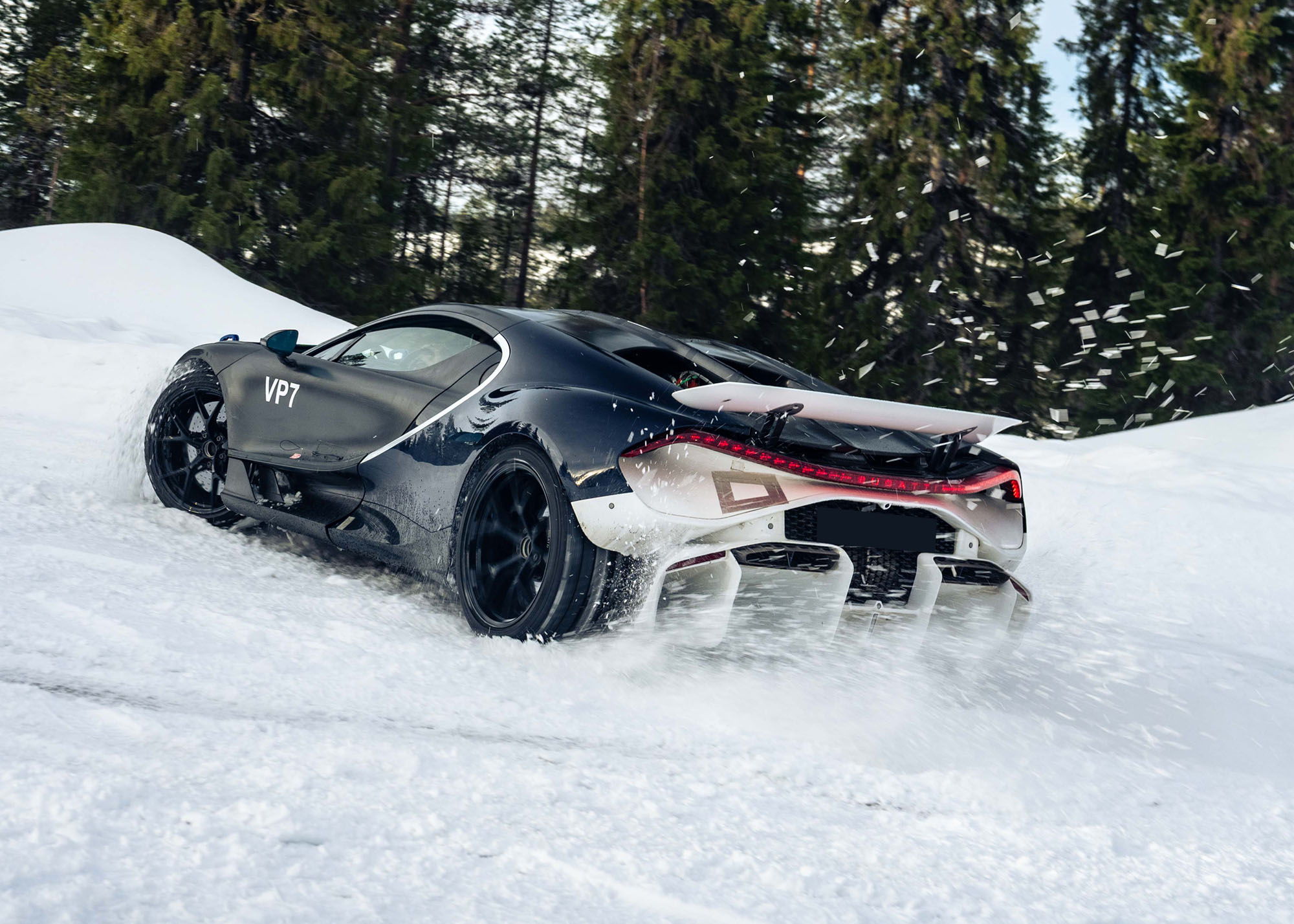

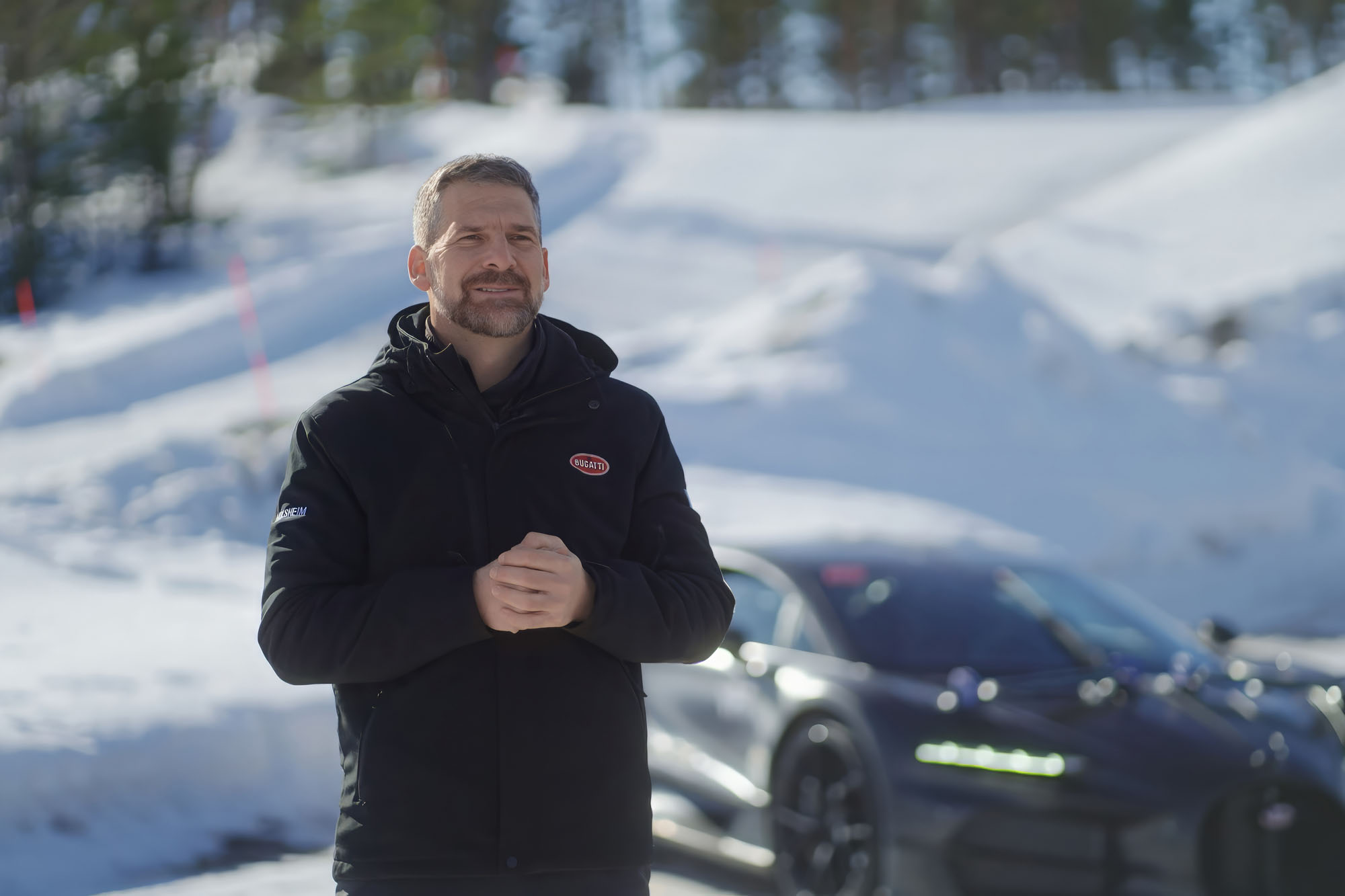
At the Colmis Proving Ground in Arjeplog, a landscape of ice, snow and extreme cold becomes the test site for a new generation of Bugatti hypercar. In the latest episode of the ‘A New Era’ docuseries, Bugatti journeys to the frozen expanses of northern Sweden, where the Tourbillon validation prototypes are immersed in one of the most exacting environments in automotive development.
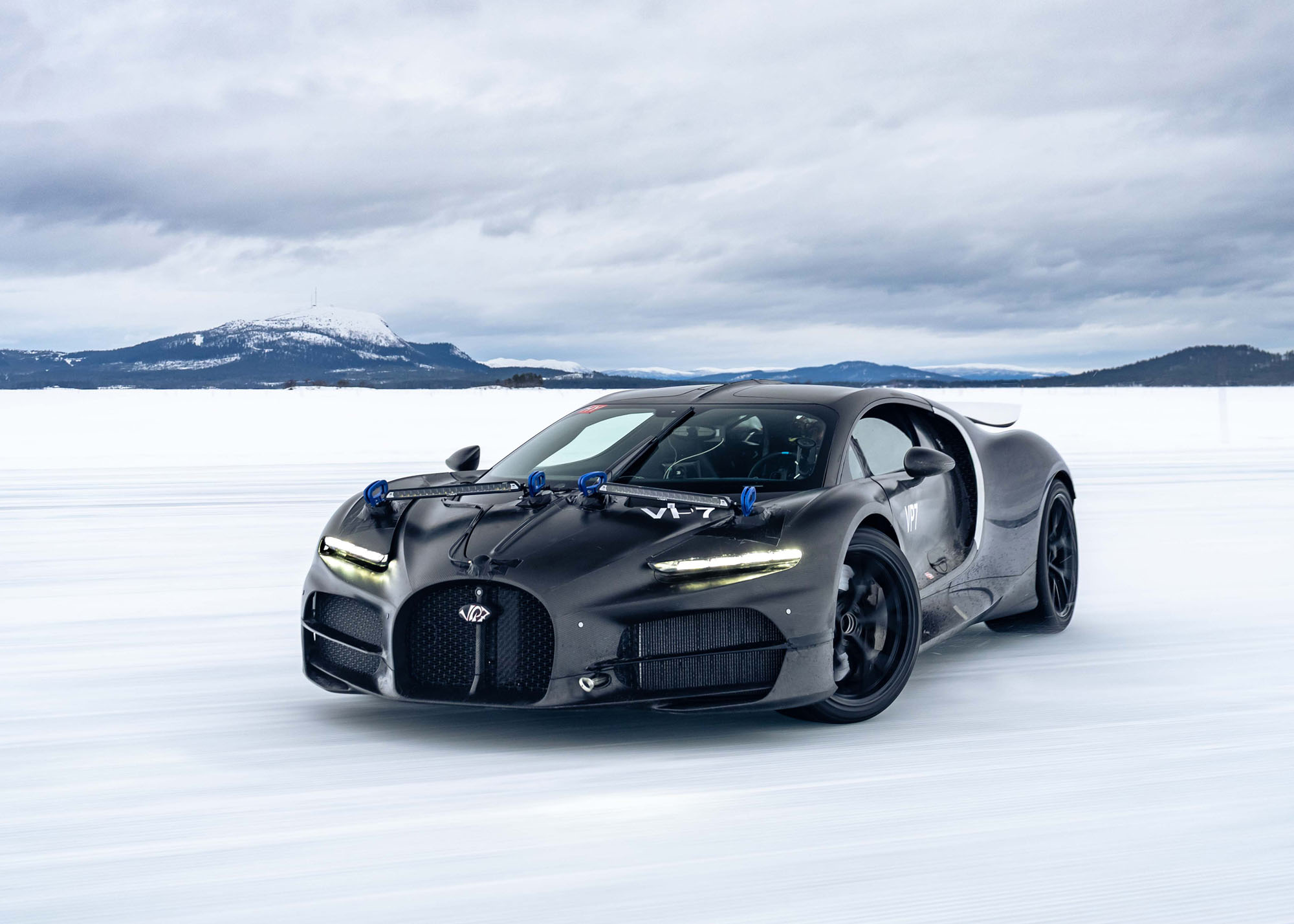
The Tourbillon has been conceived to define a new era for Bugatti; with an all-new platform, a naturally aspirated V16 engine, three electric motors and a hybrid powertrain producing 1,800 HP in total, it represents the epitome of the marque’s engineering philosophy, leading the charge in the perpetual pursuit of performance. Yet the true measure of such a car is found in the way every system operates in harmony, preserving the precision, confidence and emotional intensity expected of a Bugatti in every environment.
In Sweden, that philosophy is tested under some of the harshest conditions a road car can encounter. Here, in the stark frozen beauty of Arjeplog, the pursuit of performance takes the form of a pursuit of control. Grip is reduced to its most fragile state; polished ice, packed snow, slush and asphalt present constantly changing surfaces, each one revealing a different layer of the car’s behavior.
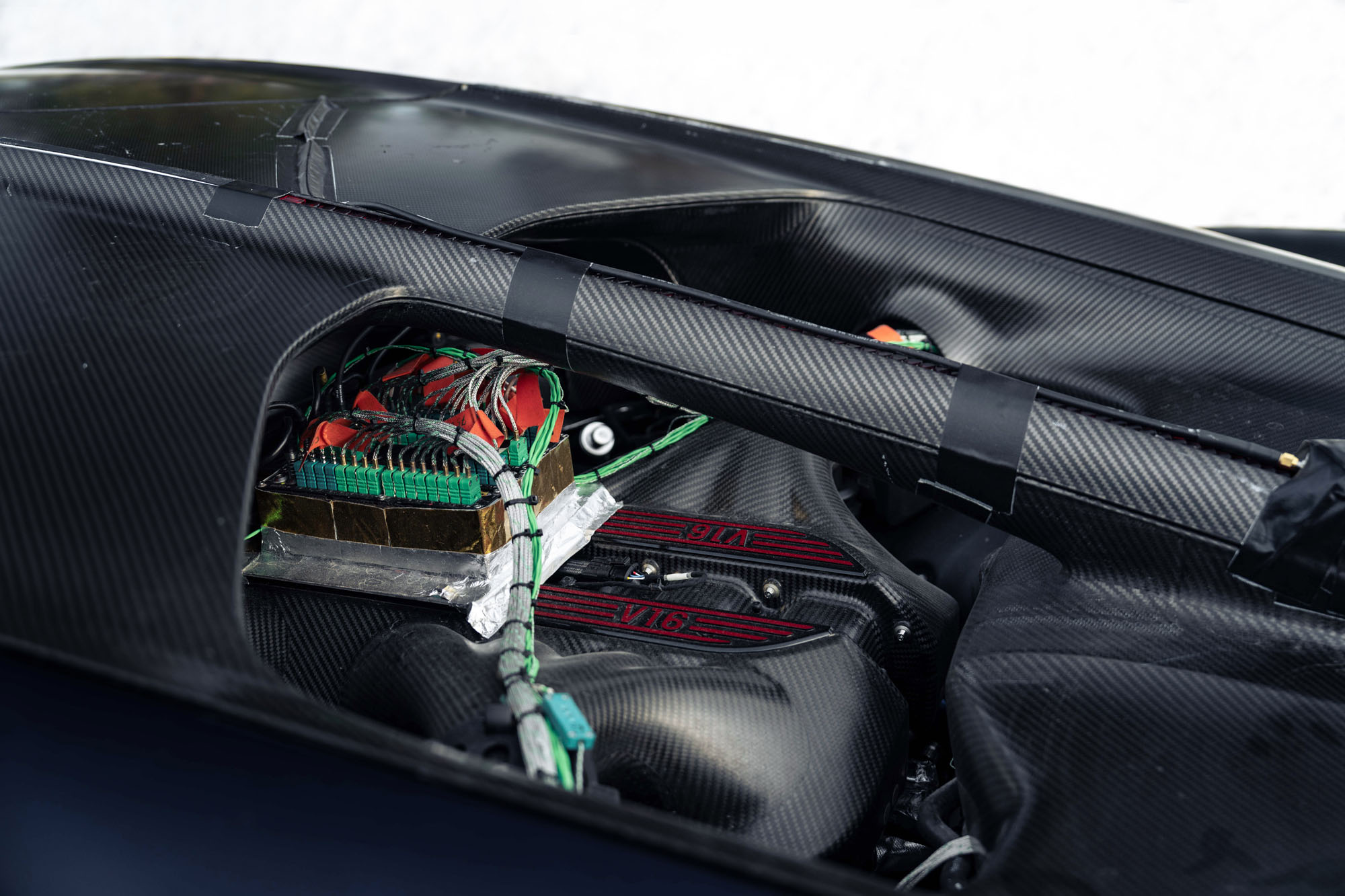
Although hyper sports cars are seldom associated with snow and ice, Bugatti’s development standards demand that the Tourbillon be validated at the boundaries of engineering possibility.
The work in Arjeplog focuses on low-MU conditions – where the coefficient of grip is dramatically reduced. In such an environment, the task is to ensure that the Tourbillon’s immense performance remains accessible, intuitive and faithful to the driver’s inputs. With 1,800 HP available from its hybrid V16 powertrain, that requires the seamless integration of all-wheel-drive torque distribution, traction control, braking systems and electronic stability control.
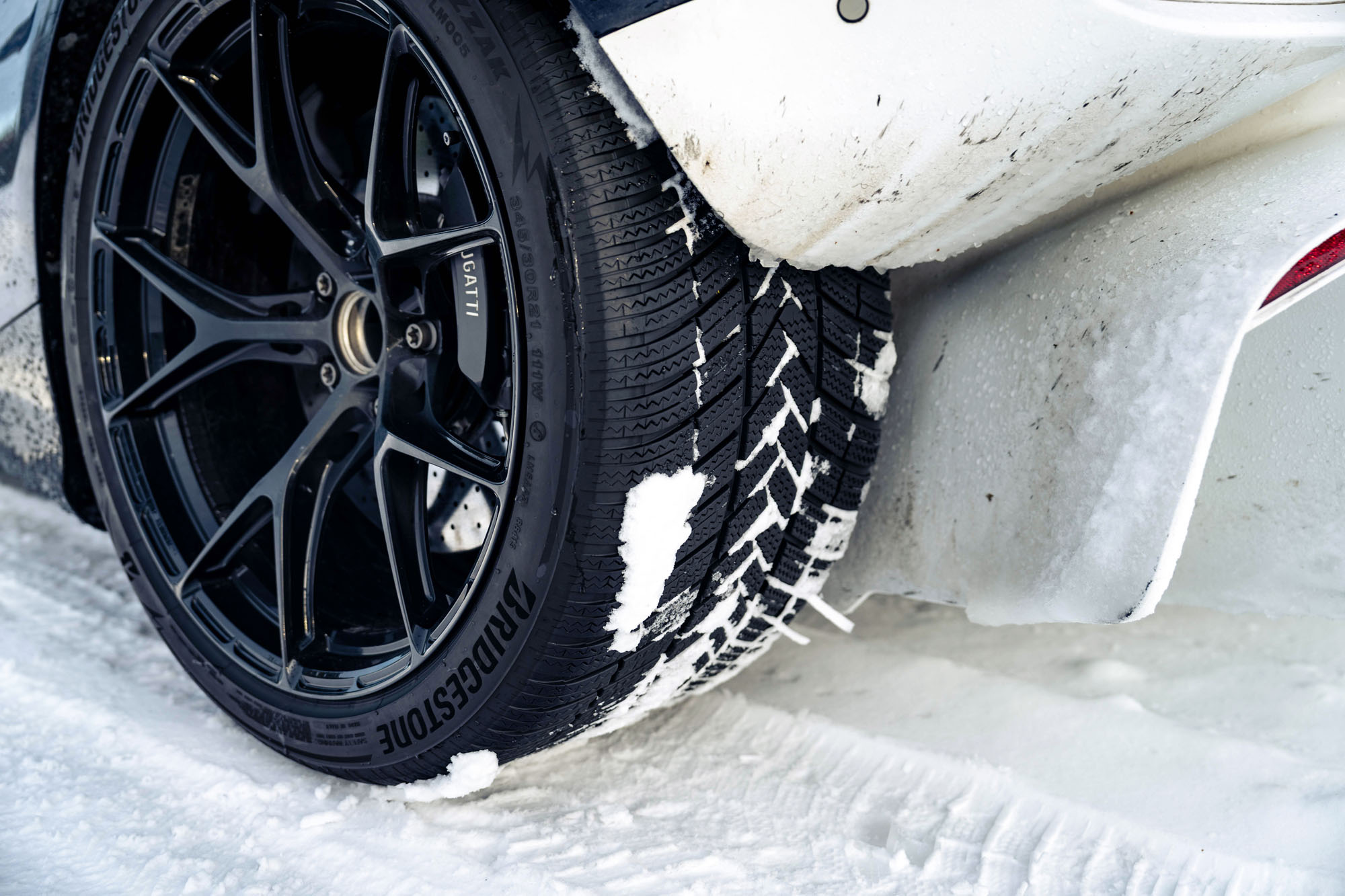
Across four weeks of winter validation, the team adapts continuously to the conditions. During the first part of the program, temperatures reach -30°C, before warmer weather alters the surface profile and introduces new challenges. With the narrowing window for true winter testing upon them, the team extends its work into night sessions, using every hour and every surface to gather data and refine the car.
The program encompasses the full breadth of systems that guide the Tourbillon’s behavior in low-temperature conditions. Climate control is evaluated through both objective, empirical measurement and the subjective perception of comfort among those inside the cabin. Windscreen defogging, cabin warmth and usability in extreme cold are all assessed in the real environment, for which they must be ready.
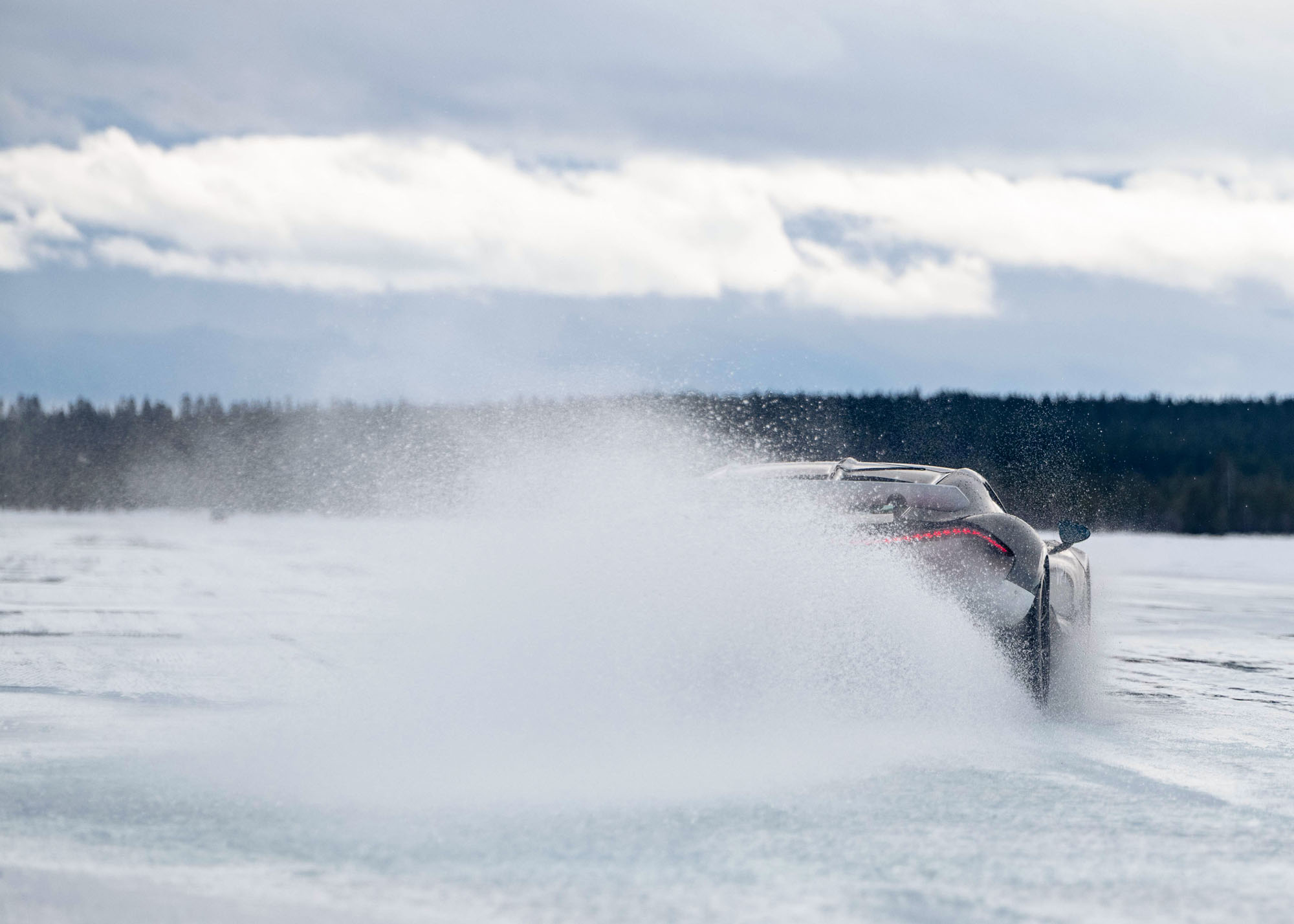
The work then moves to the braking system, one of the most complex areas of the Tourbillon’s hybrid architecture. Through this meticulous assessment, Bugatti’s test-drivers determine the effectiveness of the relationship between regenerative braking from the electric powertrains and the hydraulic foundation brakes – all through a fastidiously engineered brake-by-wire system. All with the objective of ensuring a response that feels natural to the driver while remaining precise across radically different surfaces.
ABS and ESC calibration form the next layer of analysis for the marque’s test-driving talent. Braking takes place on polished ice, packed snow, slush and asphalt, as well as through MU-jumps – moments where the validation prototype transitions from one level of grip to another in a single event. The car may begin braking on dry or heated asphalt before continuing onto polished ice, forcing its systems to recognize and respond to the sudden change in adhesion.
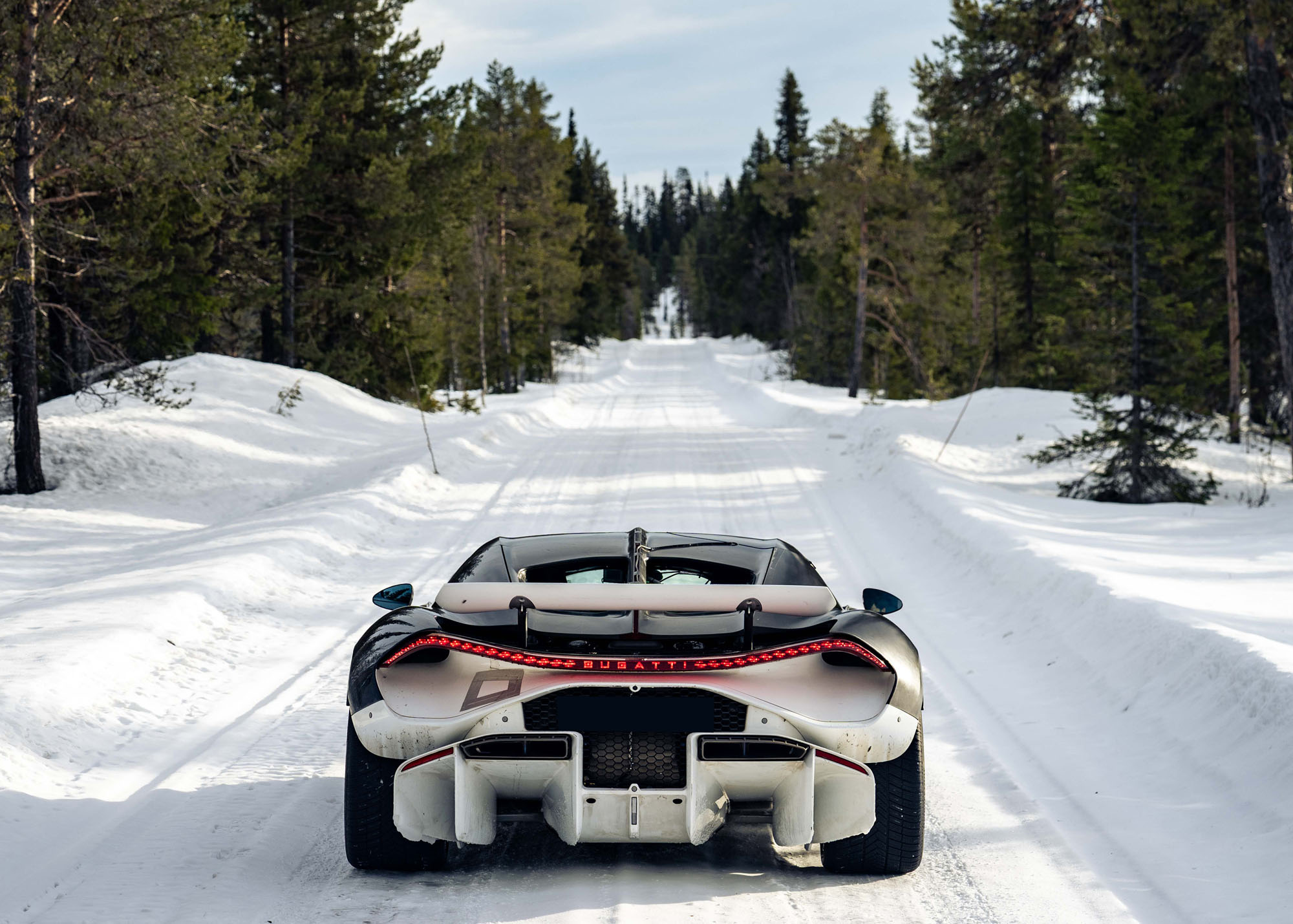
This is where the Tourbillon’s architecture reveals its depth, with two electric motors at the front axle enabling precise all-wheel-drive control and torque vectoring, while the naturally aspirated V16 and a third electric motor send power rearwards.
In Comfort mode, the Tourbillon is calibrated to deliver reassurance and stability, maintaining composure even when the driver calls on significant power in low-grip conditions. The control envelope is protective, but the car stays precise, composed and faithful to the driver’s inputs.

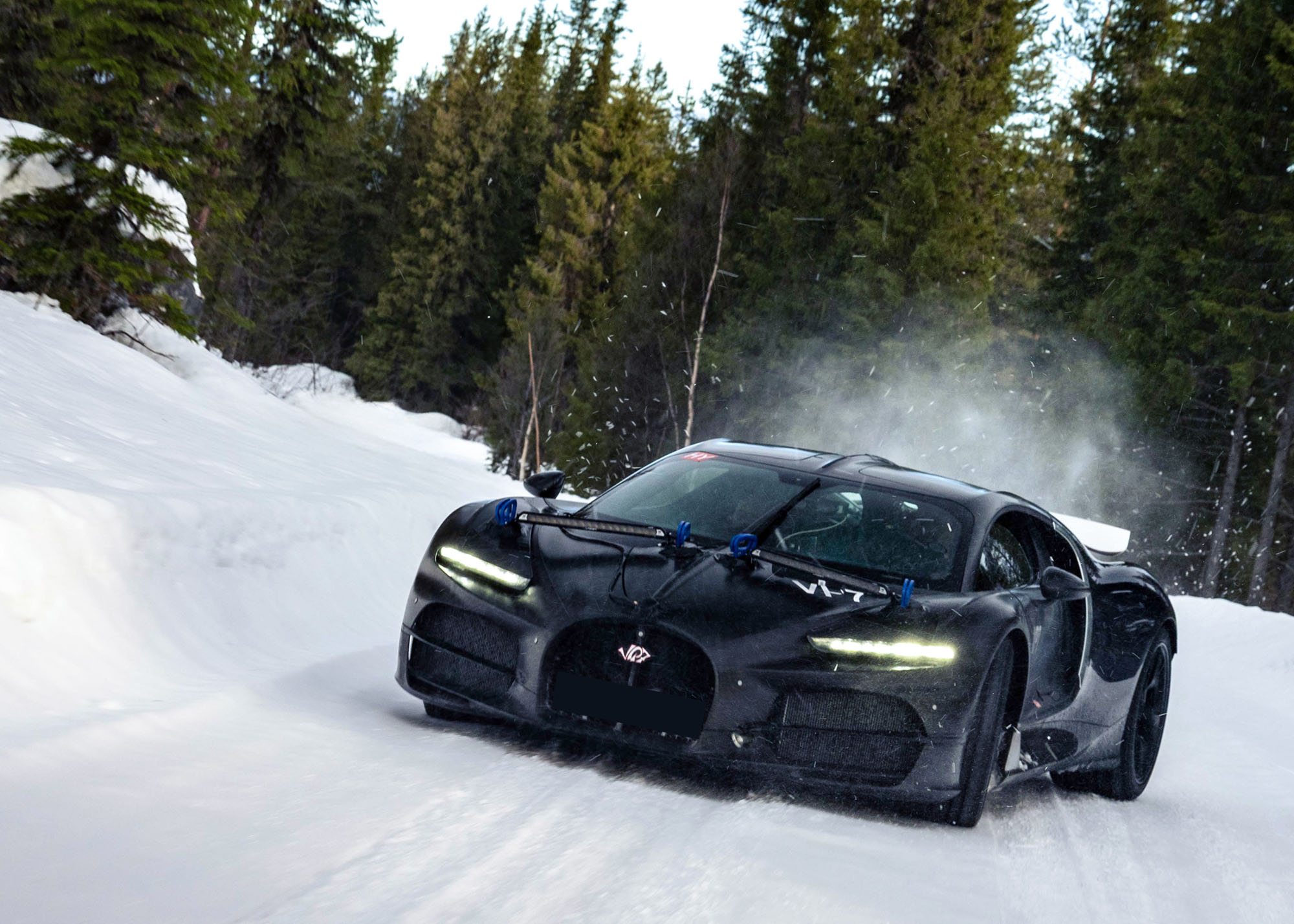
Sport mode opens the character further as the balance becomes more neutral, the engine more present and the car more expressive. The Tourbillon begins to reveal a greater sense of agility, allowing the driver to work with the surface while remaining supported by the systems beneath.
Track mode extends the dynamic envelope yet further. Torque shifts further rearward, the Tourbillon taking it as its cue to permit greater side slip and a more playful response, while the all-wheel-drive system, traction control and ESC continue to operate in harmony. Becoming a hypercar masterpiece that can offer greater freedom without losing the discipline that makes a Bugatti what it is renowned for.
The purpose of the ruggedly rigorous yet beautiful testing program is to make the Tourbillon a car that is complete for customers and fit to take its place in the annals of Bugatti legend. To ensure that the same precision expressed through its design, its interior craftsmanship, its naturally aspirated V16 and its advanced hybrid architecture is present also in the invisible decisions made by its control systems when conditions become most demanding – proving why it has earned its status, and its place in automotive history, in spearheading Bugatti’s new chapter.
Above contents © 2026 Bugatti Automobili, reviewed and edited by Rex McAfee , @rexmcafee