
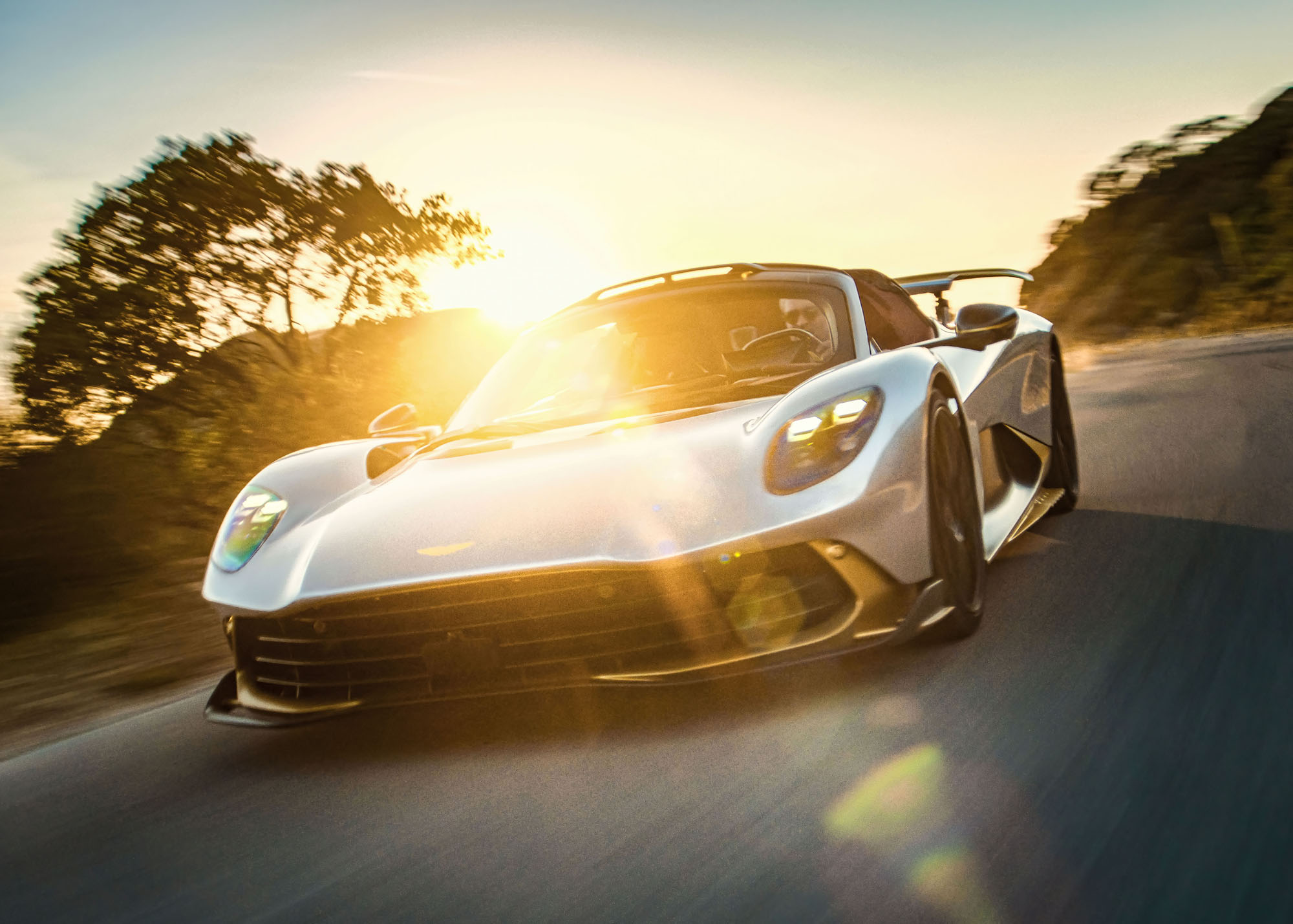

Aston Martin has unveiled the Valhalla Spider, its first mid-engine open-cockpit production supercar and, according to the manufacturer, its fastest open-top model ever. Powered by a 1,079 PS plug-in hybrid V8 powertrain, the Spider can reach an electronically limited 217 mph (350 km/h) with its roof removed.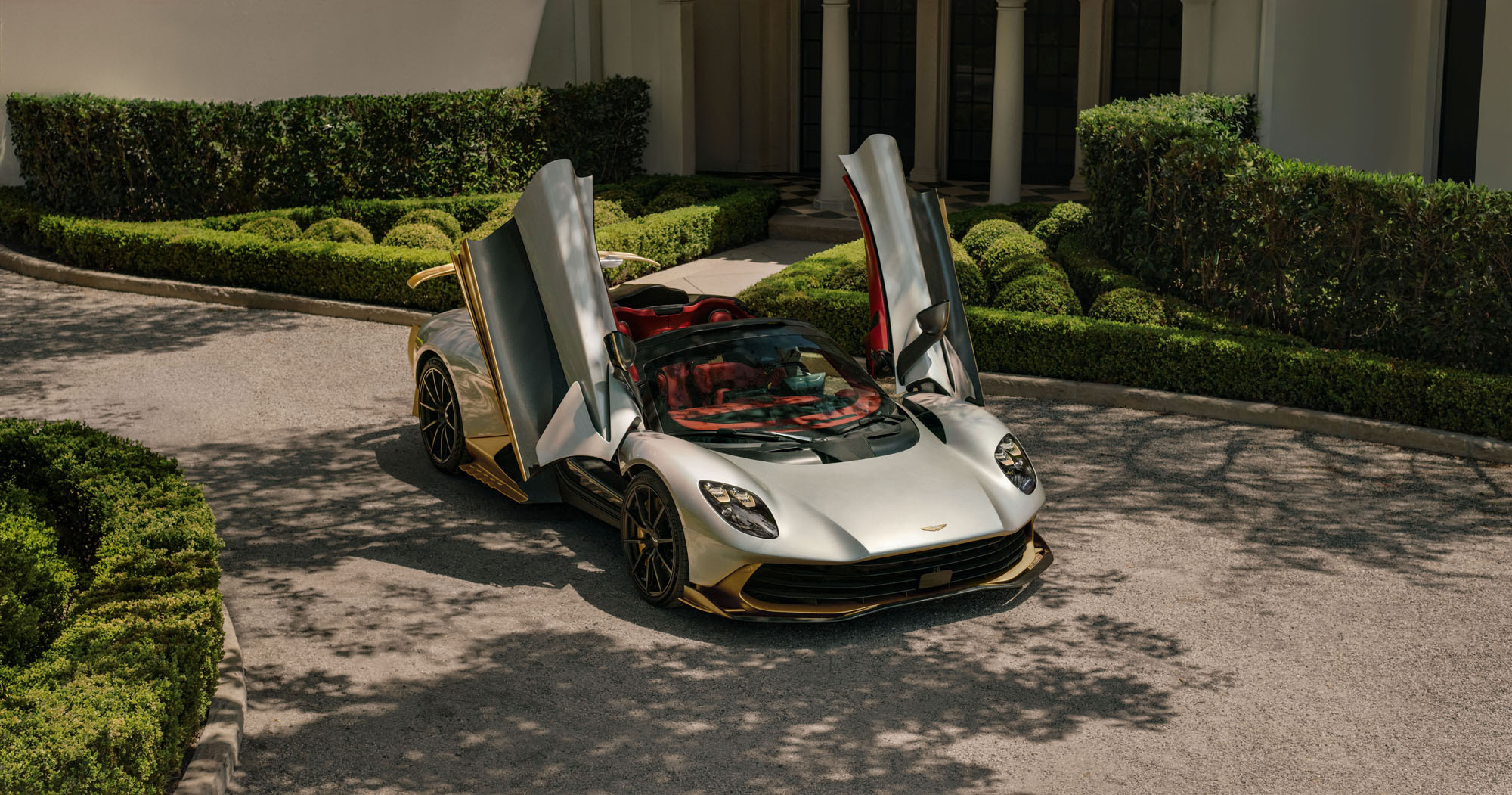
The new model shares its fundamental architecture with the Valhalla Coupe, introduced earlier in 2026, but adds a removable roof and revised aerodynamics. Its global debut is scheduled for the 2026 Concours at Wynn Las Vegas, with pricing and production numbers yet to be announced.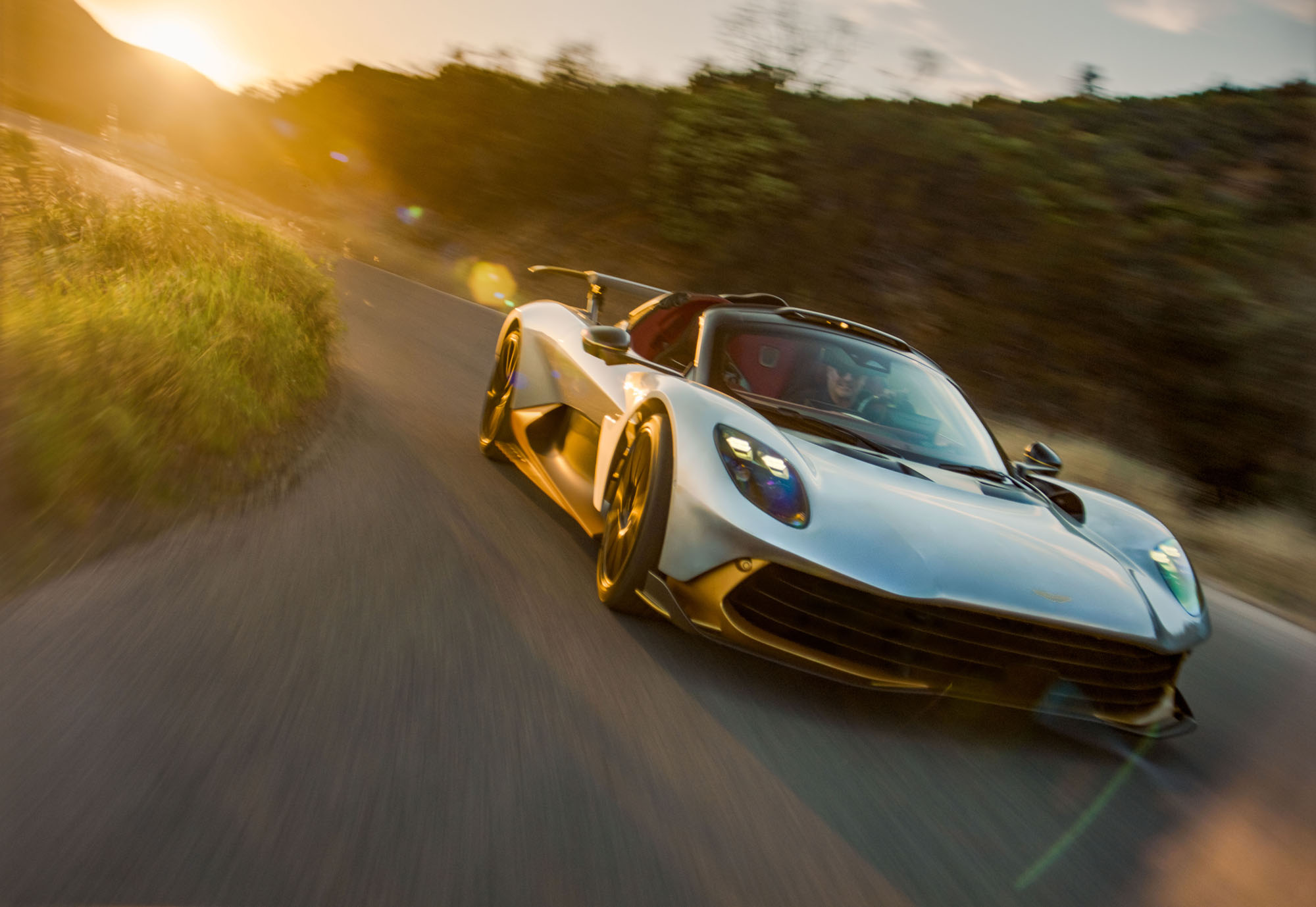
Valhalla Spider Hybrid V8 Produces 1,079 PS
The Valhalla Spider combines a 4.0-liter twin-turbocharged, flat-plane-crank V8 producing 828 PS with three electric motors contributing another 251 PS. Combined output reaches 1,079 PS and 1,100 Nm of torque, while Aston Martin claims the V8’s specific output of 207 bhp per liter is its highest ever for a combustion engine.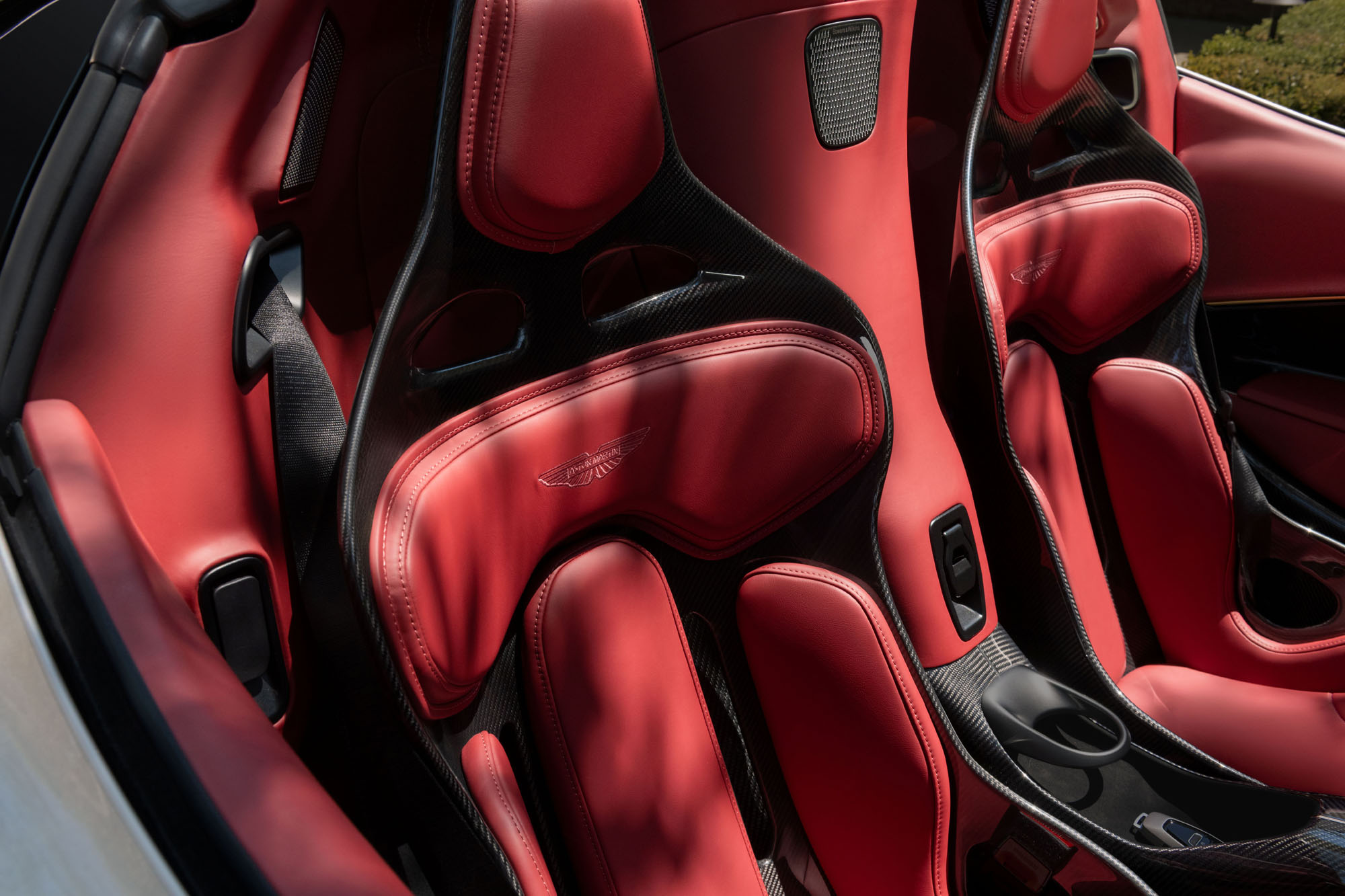
Two electric motors power the front axle with electric torque vectoring, while a third assists the V8 through an eight-speed dual-clutch transmission and rear electronic differential. With no mechanical connection between the axles, Aston Martin’s Integrated Vehicle Dynamics Control system coordinates torque distribution, suspension, braking, steering and aerodynamics across four selectable driving modes.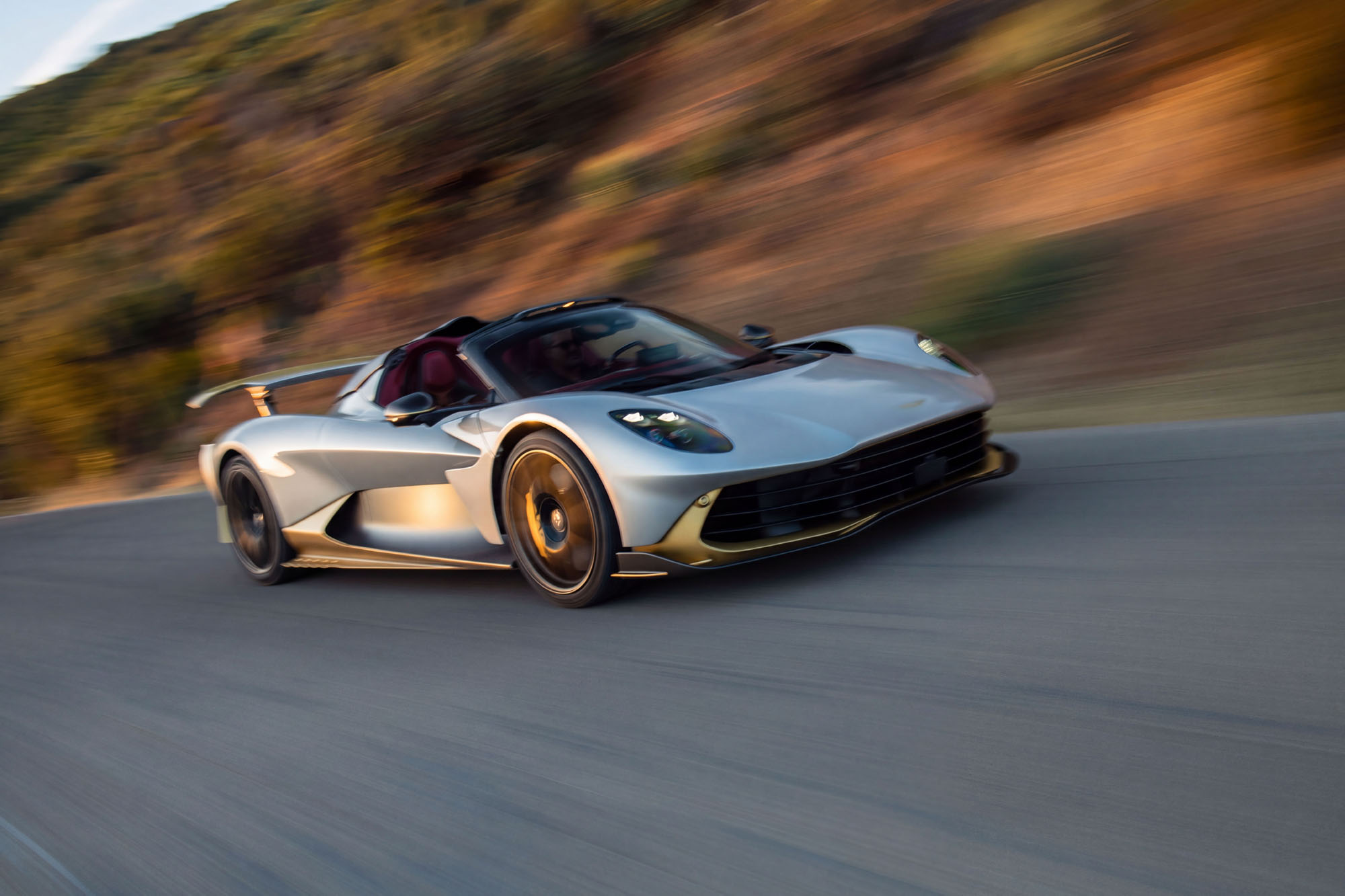
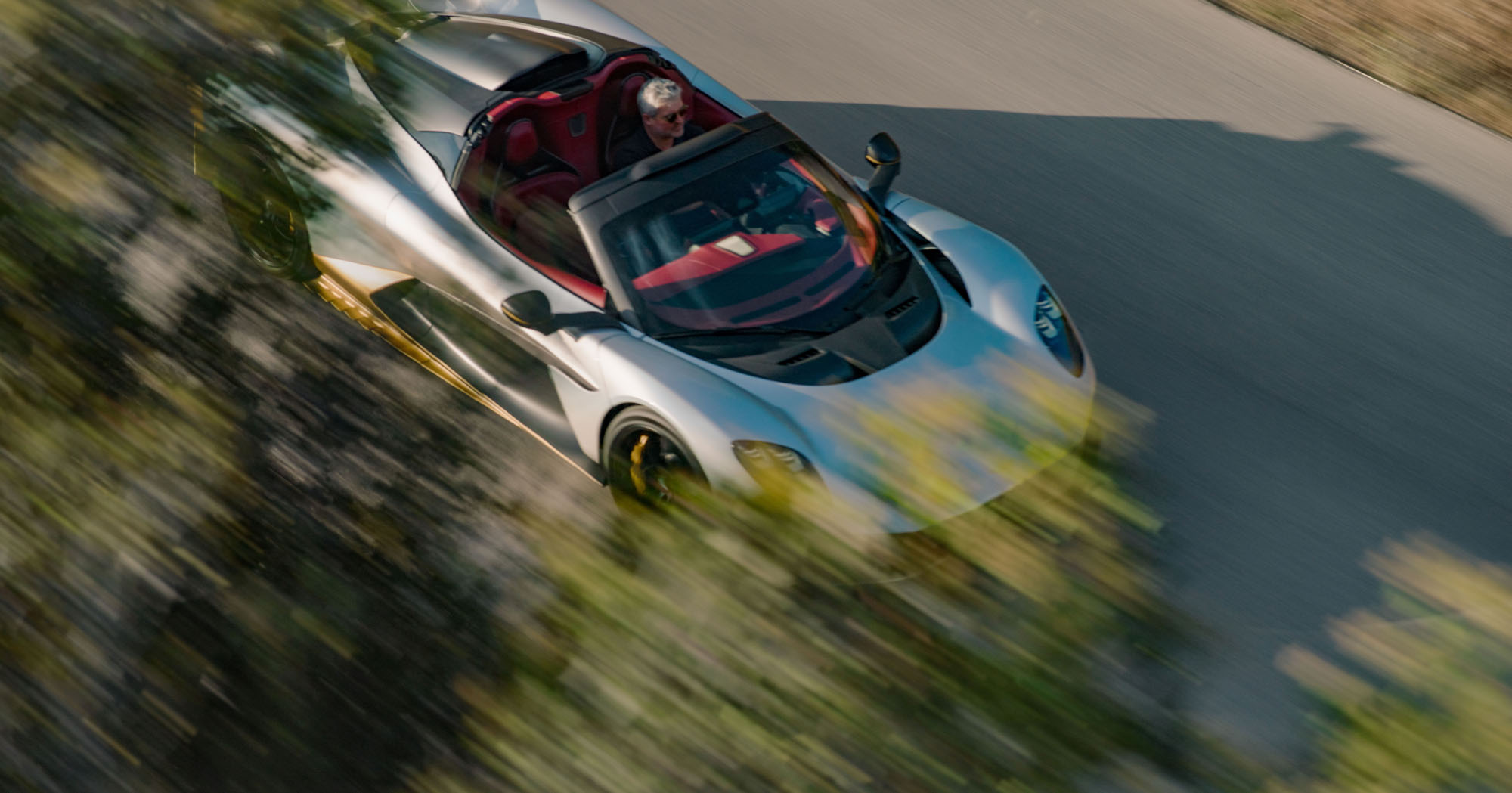
Removable Roof and Revised Aerodynamics
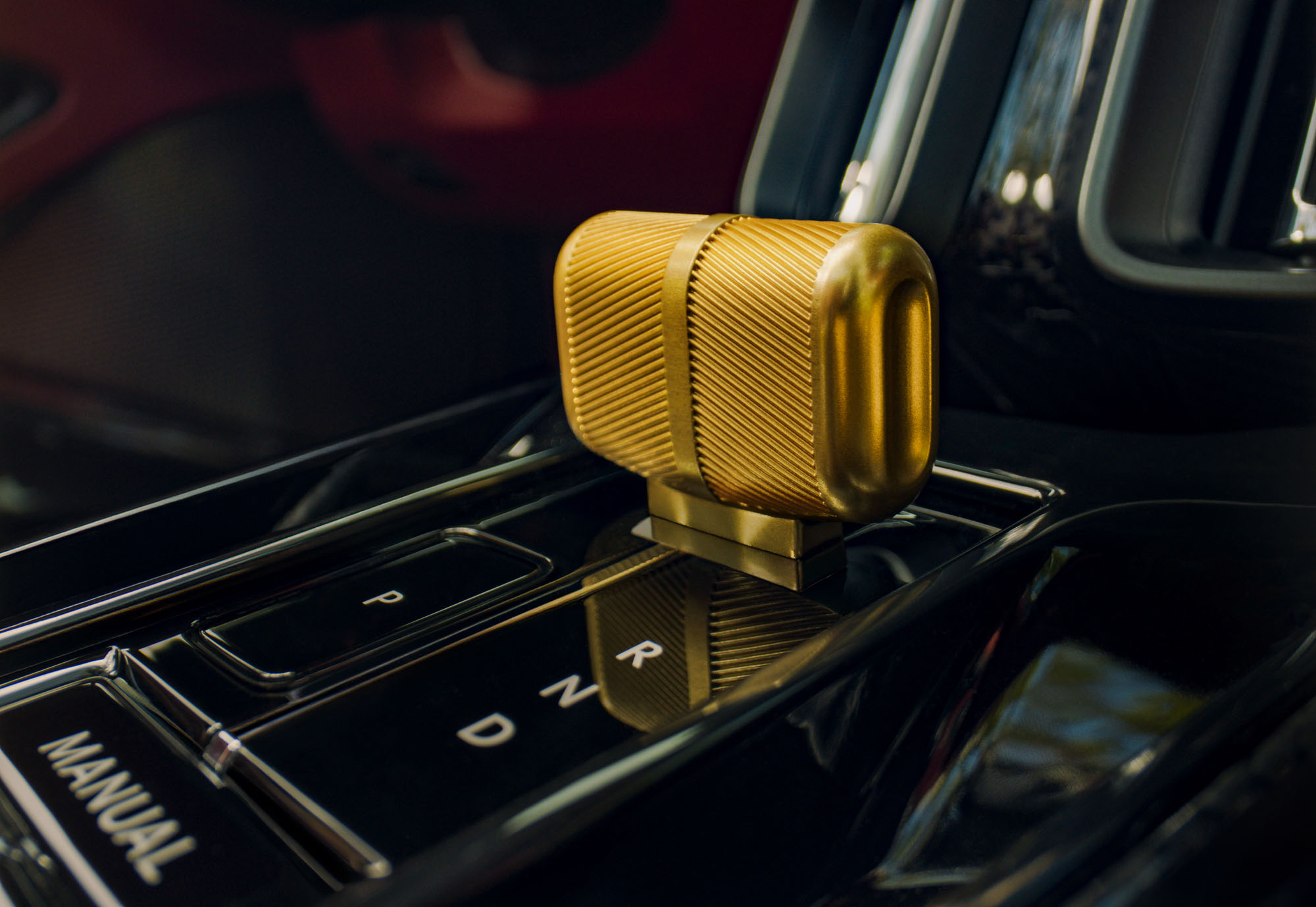
The Spider comes standard with a removable, stowable black fabric roof, which permits speeds up to 124 mph (200 km/h) when fitted. An optional carbon-fiber hardtop allows the full 217 mph maximum speed, which is also achievable with the roof removed. A detachable wind deflector directs airflow above the occupants while feeding the engine intake snorkel, raised 35 mm for the Spider. The deflector folds into three sections for storage in new 15-liter sill compartments, while a separate rain cover is provided for stationary use.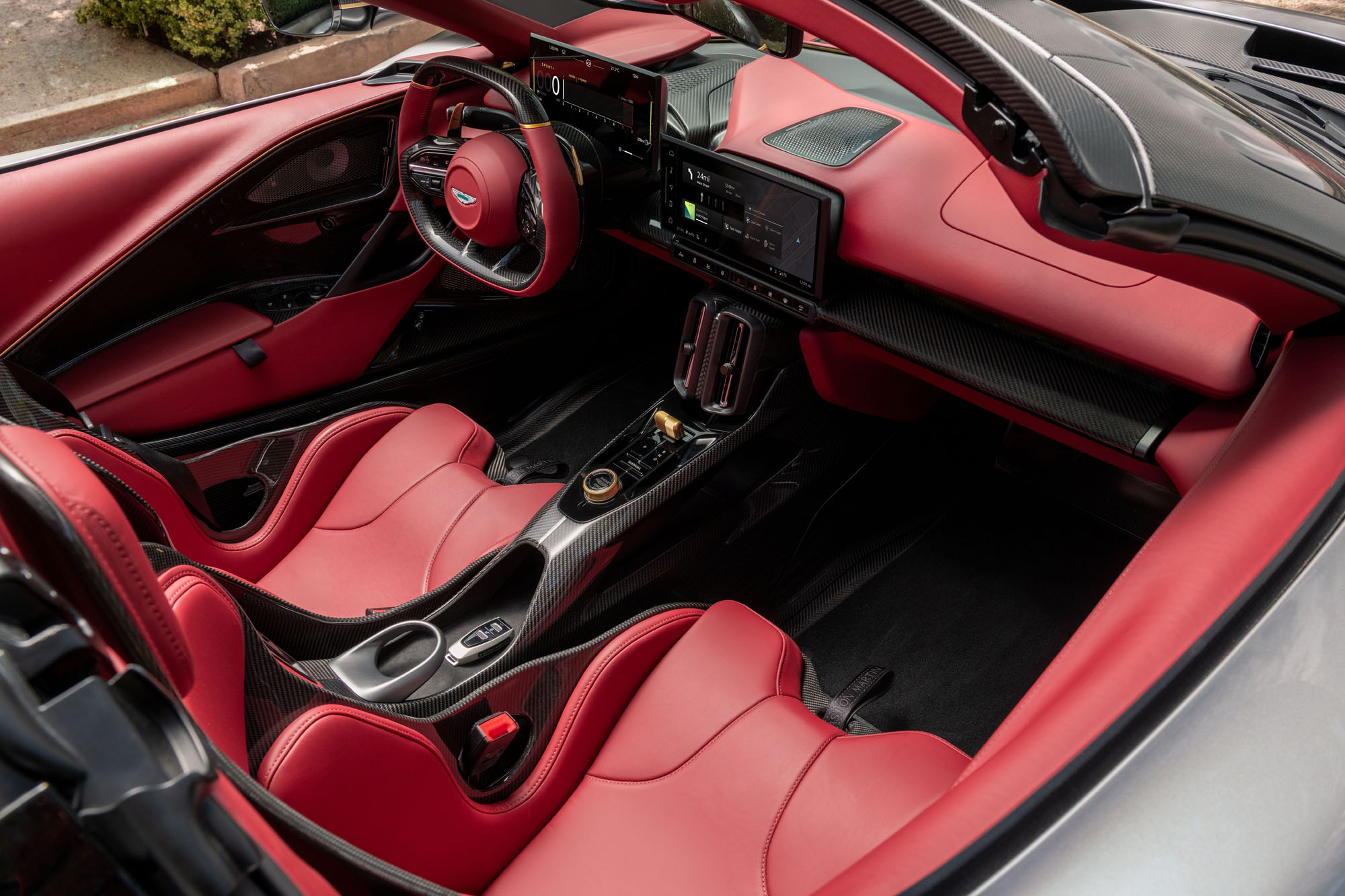
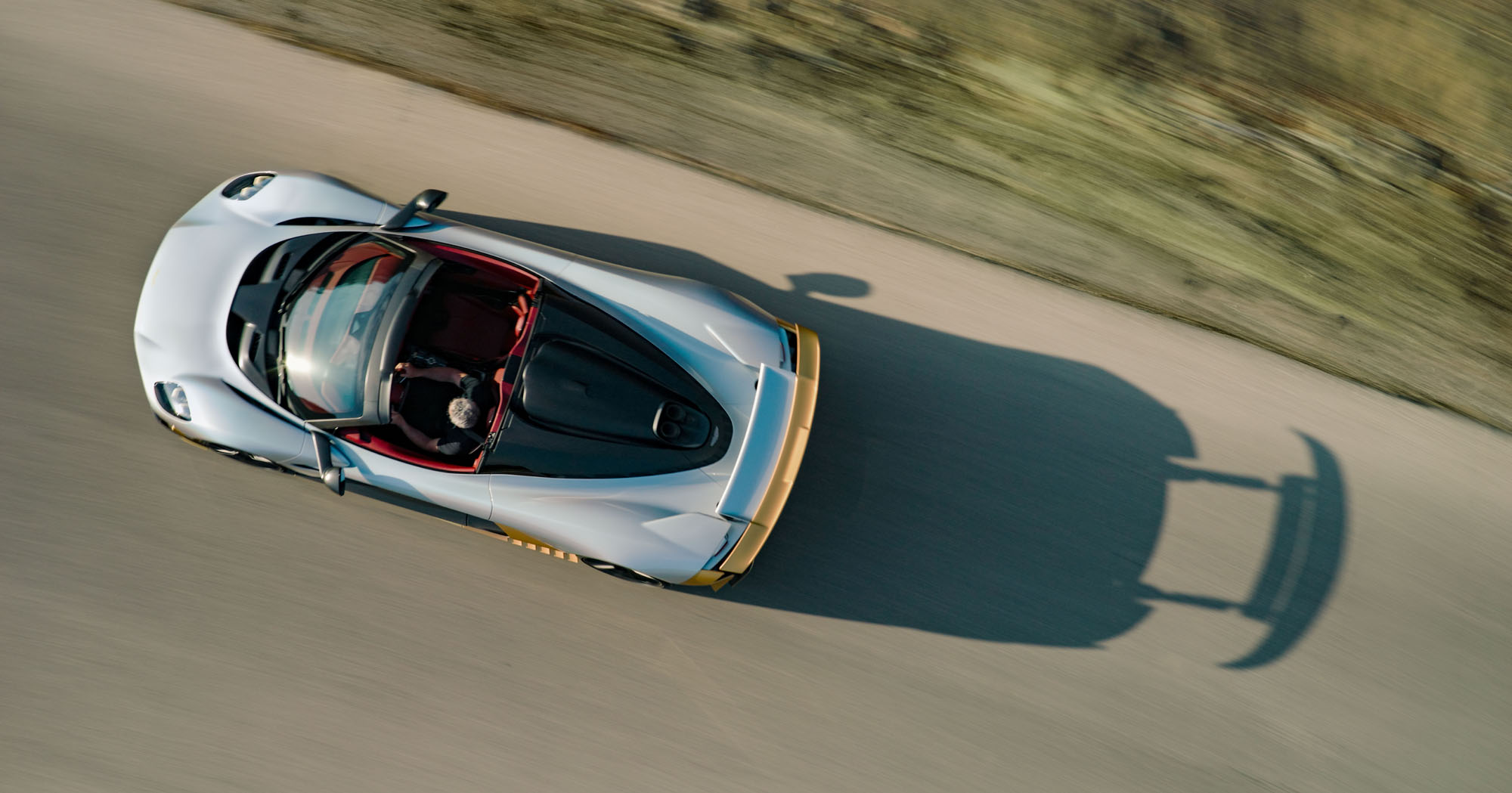
The Coupe’s active aerodynamic system carries over, with revised calibrations for roof-on and roof-off driving. Movable front and rear aerodynamic elements manage downforce and drag, with Aston Martin quoting more than 600 kg of maximum downforce with the roof fitted.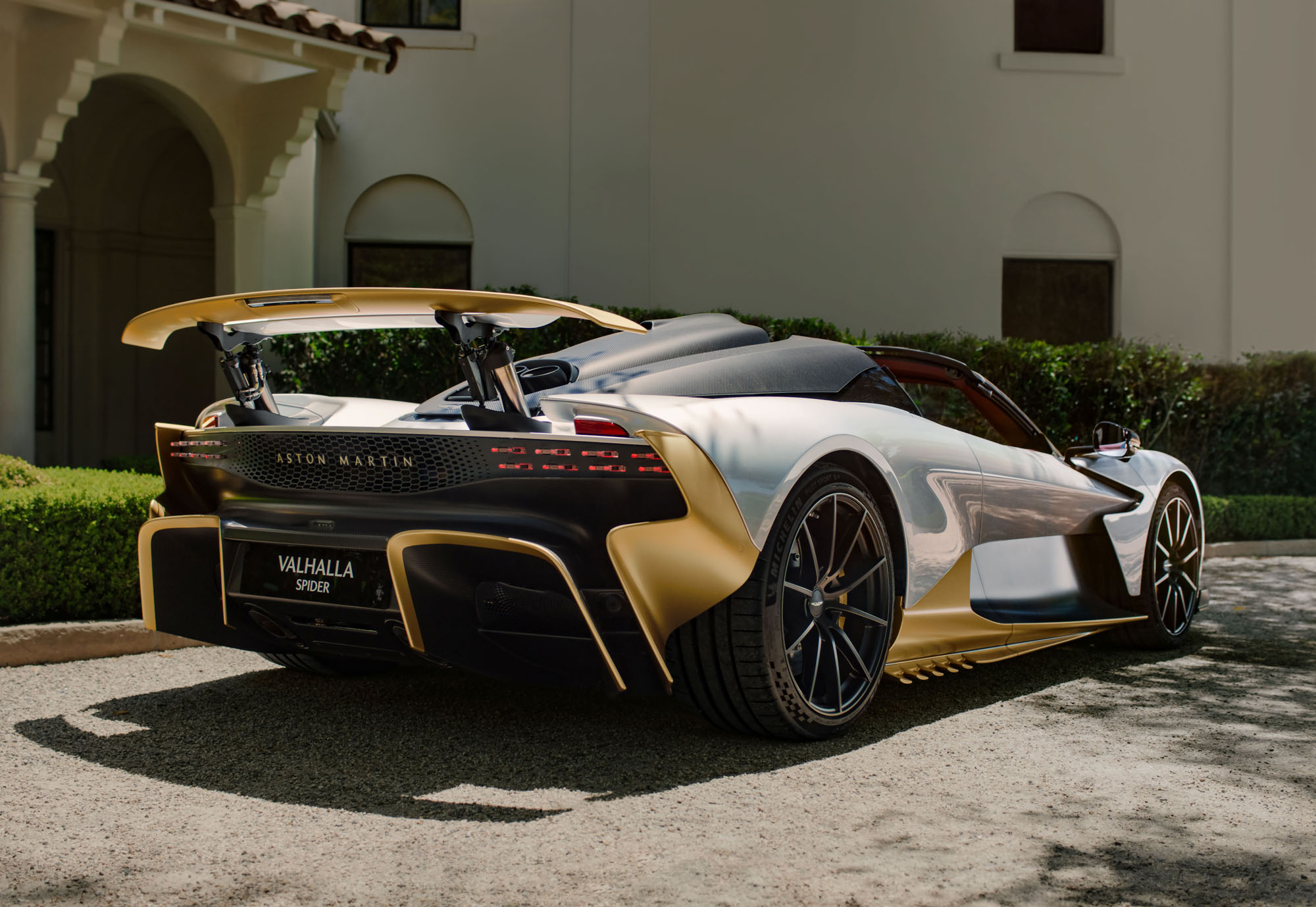
Carbon-Fiber Construction and Interior Changes
Developed with Aston Martin Performance Technologies, the Spider retains a version of the Coupe’s carbon-fiber monocoque, manufactured using resin-transfer molding and Formula 1-derived autoclave technology. Its carbon-fiber dihedral doors now feature frameless windows, revised opening mechanisms and reshaped glass for improved access.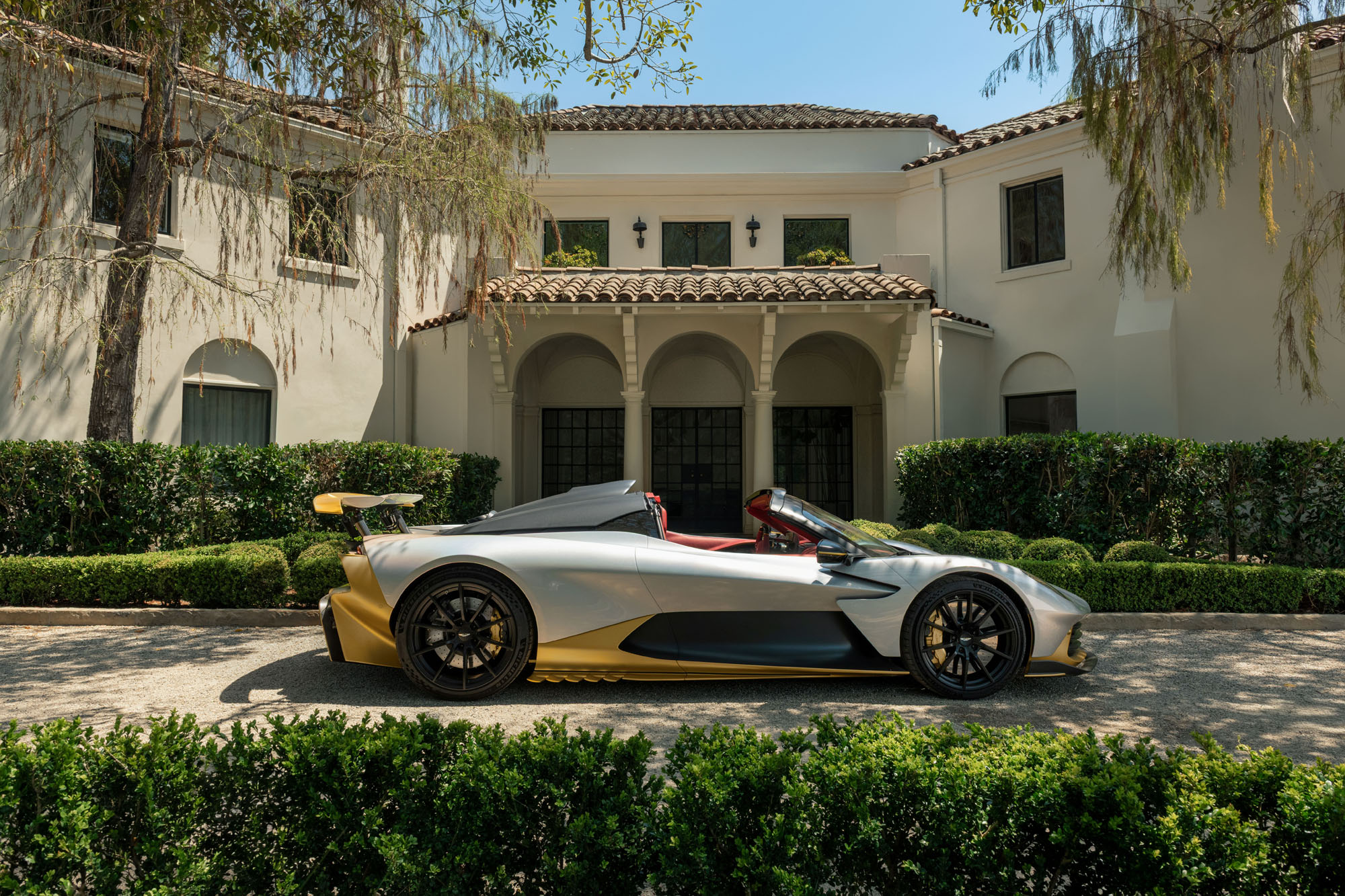
A new carbon-fiber Touring Seat is standard, although buyers can specify the Coupe’s original carbon-fiber seat at no additional cost. Aston Martin CEO Adrian Hallmark describes the Spider as preserving the Coupe’s dynamic capabilities while introducing the additional appeal of open-cockpit driving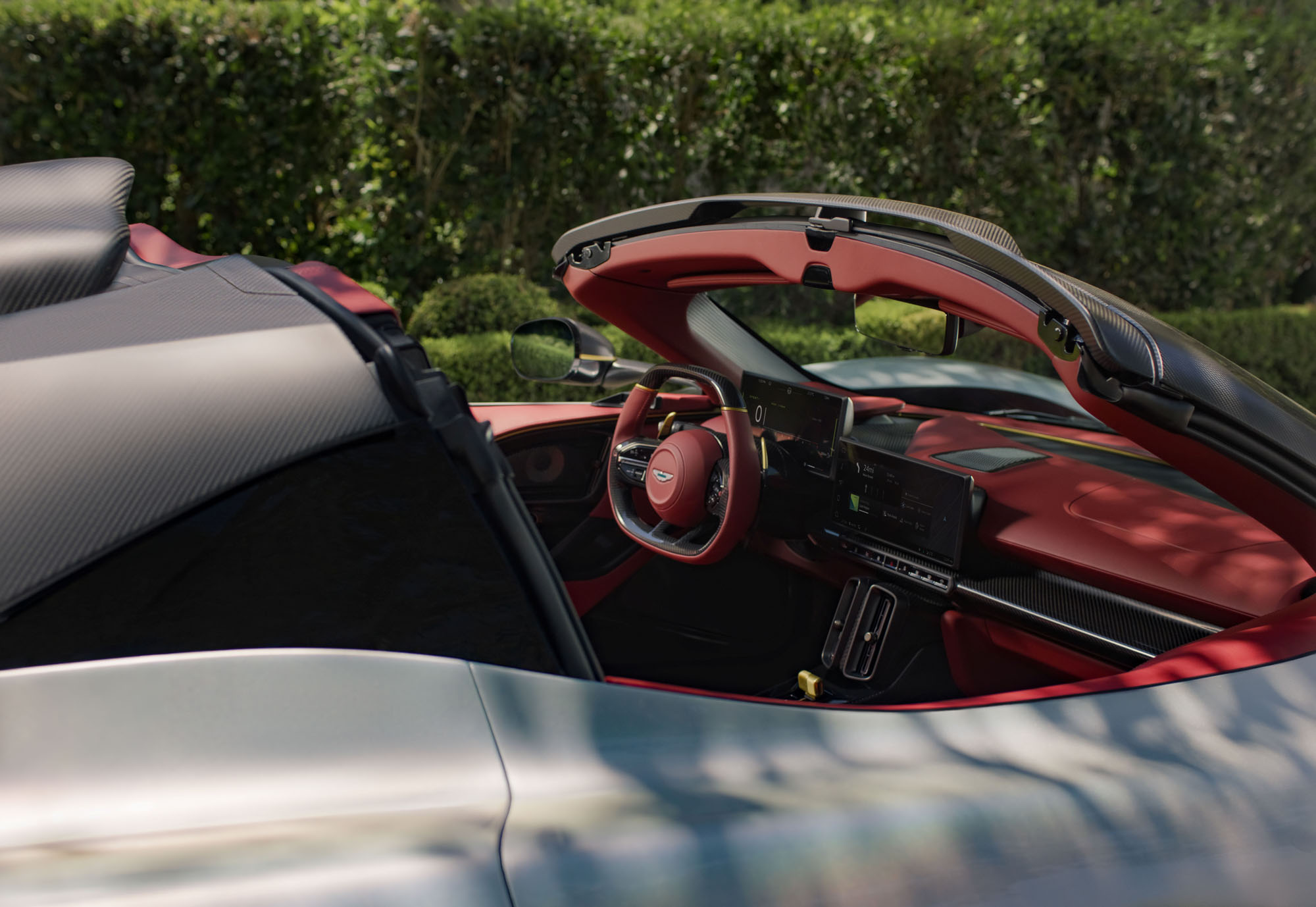

Why It Matters
The Valhalla Spider extends Aston Martin’s hybrid supercar program without sacrificing the Coupe’s stated power output or maximum speed. Its combination of open-air driving, active aerodynamics and hybrid all-wheel drive makes it a significant addition to Aston Martin’s expanding mid-engined performance range. 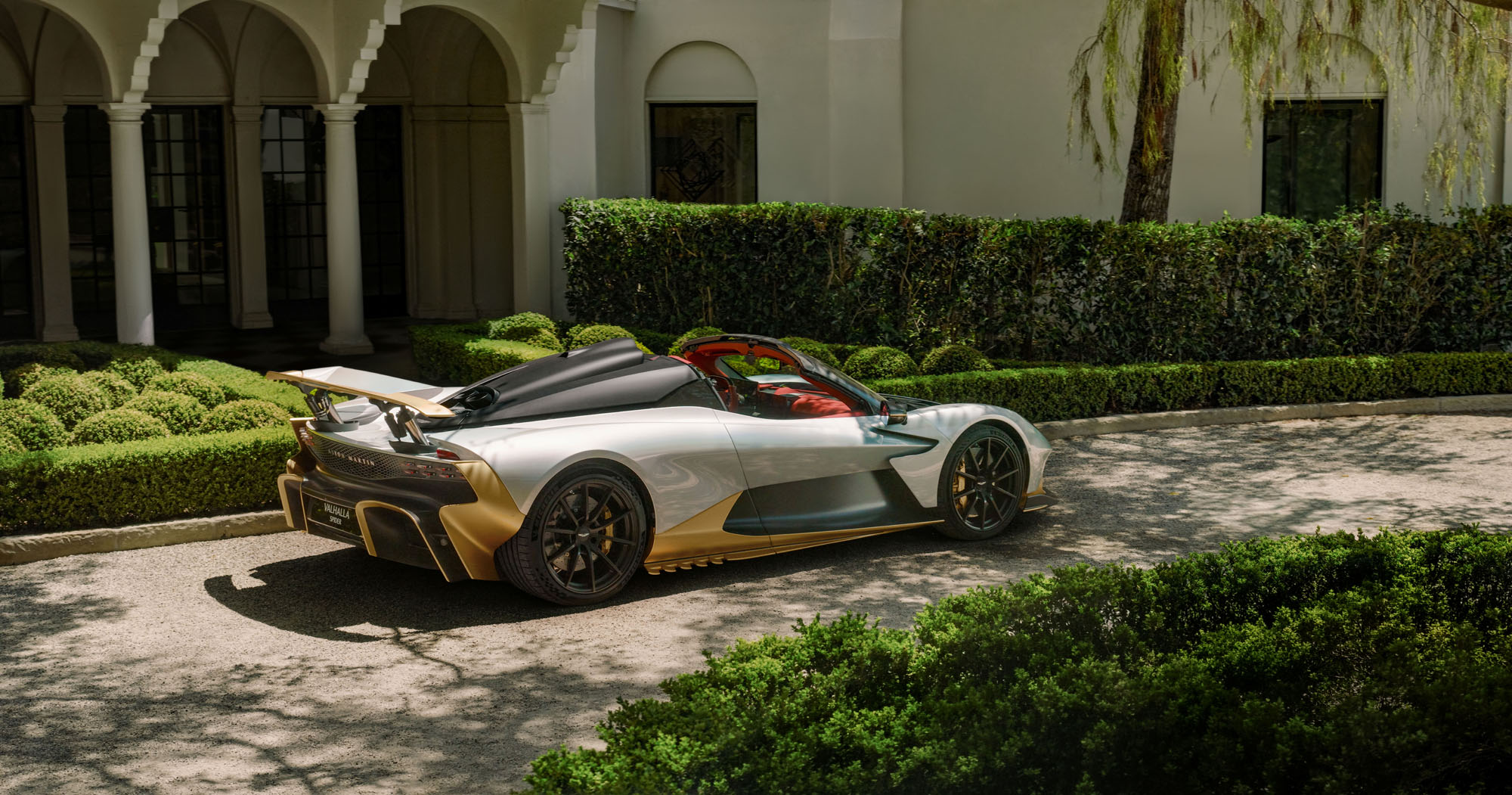
Key Facts
| Specification | Aston Martin Valhalla Spider |
| Engine | 4.0-liter twin-turbo V8 |
| V8 output | 828 PS |
| Electric motors | Three, producing 251 PS |
| Combined output | 1,079 PS (approximately 1,064 hp) |
| Combined torque | 1,100 Nm (approximately 811 lb-ft) |
| Transmission | Eight-speed dual-clutch |
| Drivetrain | Hybrid all-wheel drive |
| Top speed | 217 mph (350 km/h) |
| Standard roof | Removable black fabric |
| Optional roof | Carbon-fiber hardtop |
| Fabric roof speed limit | 124 mph (200 km/h) |
| Maximum downforce | More than 600 kg, roof fitted |
| Chassis | Carbon-fiber monocoque |
| Global debut | 2026 Concours at Wynn Las Vegas |
| Price | Not announced in supplied source |
Specifications
CategorySpecification / OptionBodyEngineHybrid PowertrainTransmissionPerformanceSteeringSuspensionDrive ModesDriver Assistance SystemsWheels and TyresBrakes & Chassis SystemsDimensionsFuel Economy & Emissions
| Carbon Fibre monocoque with aluminium front and rear subframes | |
| Carbon Fibre body panels including front clam, bodysides, rear clam and diffuser | |
| Two door mid-engine coupe with 2 seat configuration | |
| Dihedral doors for class leading ingress / egress | |
| 4.0-litre Twin-Turbo V8 | |
| Unique engine for Valhalla | |
| Flat Plane Crank | |
| Hot V configuration to improve throttle response | |
| Max Boost Pressure: 3.0 bar | |
| Firing order: 1-8-2-7-4-5-3-6 | |
| New turbocharger and exhaust manifold for improved catalyst heating and performance. | |
| Unique intake system & quad exit exhaust | |
| Plug-In Hybrid Powertrain (Aston Martin’s First) | |
| 3 Electric Motors | |
| 2 x Electric Motors Front | |
| Twin Electric Motor EDU (Electric Drive Unit) on the Front Axle | |
| Oil cooled for optimum performance and efficiency | |
| 1 x Electric Motor Rear | |
| Electric Motor integrated within DCT transmission | |
| 400V Hybrid System | |
| Front Electric motor maximum motor speed: 18,800rpm | |
| Rear Electric motor maximum motor speed: 18,800rpm | |
| Bespoke rear mounted eight-speed Dual Clutch transmission with integrated electric motor | |
| Electronic rear limited slip differential | |
| Reverse conducted by EDU on front axle | |
| Maximum power: 1,079PS / 1,064bhp / 793kw @ 6,700rpm | |
| Maximum torque: 1,100Nm / 811lb-ft | |
| ICE maximum power: 828 PS | |
| ICE maximum torque: 868 Nm / 640 lb-ft @ 6,700rpm | |
| ICE maximum RPM: 7,000 rpm | |
| EV maximum power: 251 PS | |
| Top speed: 217mph / 350km/h | |
| 0-62mph / 0-100km/h: 2.5 seconds*Predicted Figure | |
| Variable Electrical Power Assistance | |
| Steering ratio: 13.7 | |
| Turns lock to lock: 2.31 | |
| Front – Double wishbone pushrod suspension with inboard springs and dampers | |
| Rear – Multi-link Suspension, with Coil Springs & Anti-Roll Bar | |
| Bilstein DTX Adaptive Damping System (ADS) with Intelligent Adaptive Dampers | |
| Four selectable drive modes: Sport, Sport+, Race and EV | |
| (Tailoring Drivetrain, Steering and Chassis calibrations) | |
| Autonomous Emergency Braking | |
| Adaptive Cruise control with Stop & Go function | |
| Lane Departure Warning | |
| Lane Keep Assist | |
| Auto High Beam | |
| Matrix Headlamps (Market dependant) | |
| Driver Monitoring | |
| 20” Front and 21” Rear forged alloy wheels | |
| Michelin Pilot Sport S 5 AML (Bespoke Summer Tyre) | |
| Michelin Pilot Alpin 5 (Bespoke Winter Tyre) | |
| Front: 285/30 ZR20 | |
| Rear: 335/30 ZR21 | |
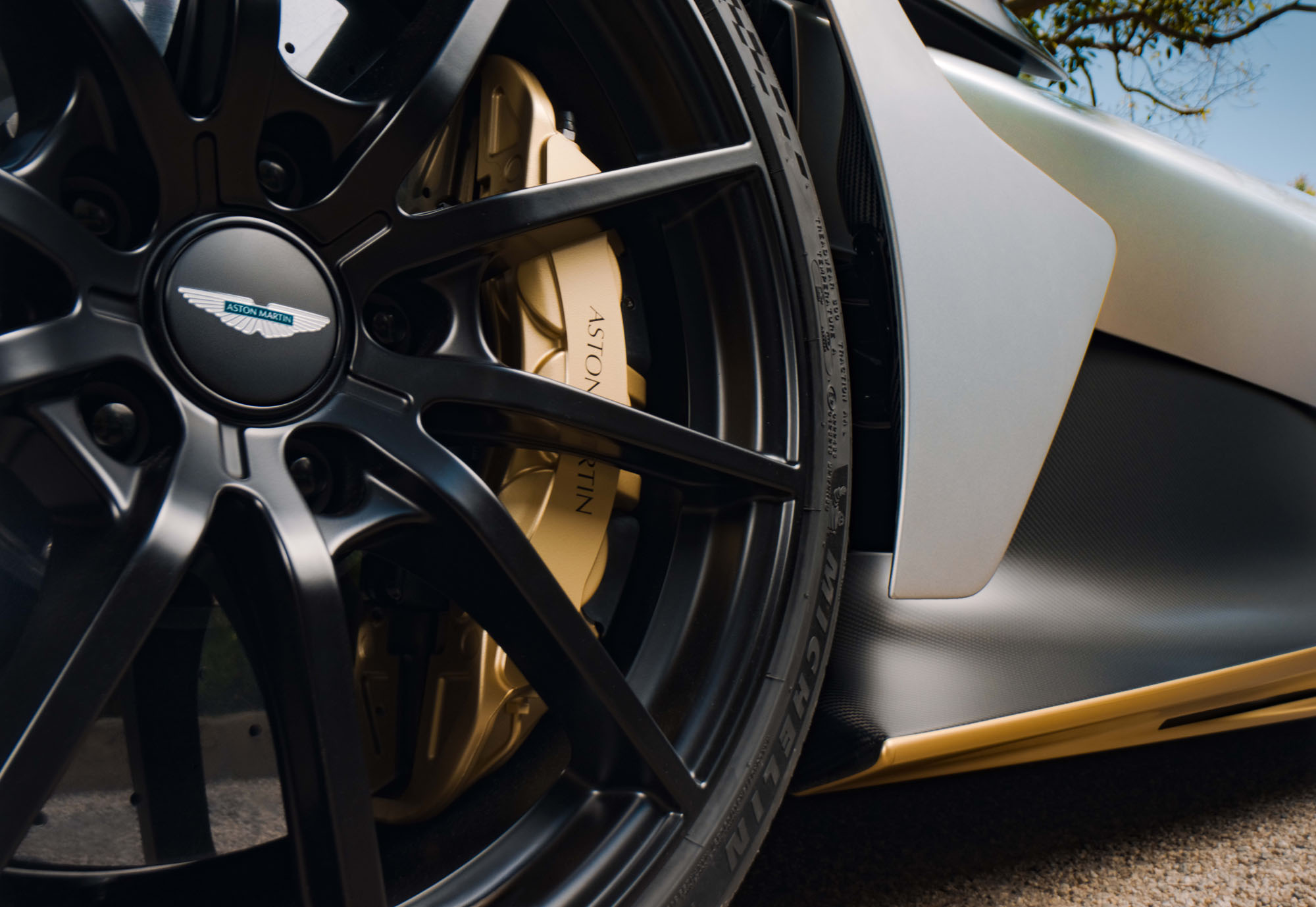
| Carbon Ceramic Brake System | |
| Front: 6-piston Alloy Calipers ; 410mm x 38mm Carbon Ceramic Discs | |
| Rear: 4-piston Alloy Calipers; 390mm x 38mm Carbon Ceramic Discs | |
| Electric Park Brake | |
| Dynamic Stability Control (DSC) | |
| Anti-lock braking system (ABS) | |
| Electronic Brake Distribution (EBD) | |
| Emergency Brake Assist (EBA) | |
| Traction Control (TC) | |
| Hydraulic Brake Assist (HBA) | |
| Height: 1,233mm | |
| Height (Doors Open): 2,110mm | |
| Width (including mirrors): 2,208mm | |
| Length: 4,728mm (Federal = 4,749mm) | |
| Wheelbase: 2,760mm | |
| Ground Clearance (excluding Air Dam):110 mm | |
| Front Overhang (from wheel centre): 1,038mm (Federal = 1,059mm) | |
| Rear Overhang (from wheel centre): 930mm | |
| Approach Angle: 8° | |
| Departure Angle: 16 ° | |
| Fuel Tank: 65 litres | |
| Weight: 1680kg (Dry weight with lightweight options) | |
| Turning circle (kerb to kerb): 12.4m | |
| Turning circle (wall to wall): 12.5m | |
| EU: Awaiting Homologation | |
| ROW: Awaiting Homologation |
Above contents © 2026 Aston Martin Ltd., reviewed and edited by Rex McAfee , @rexmcafee 🏁