
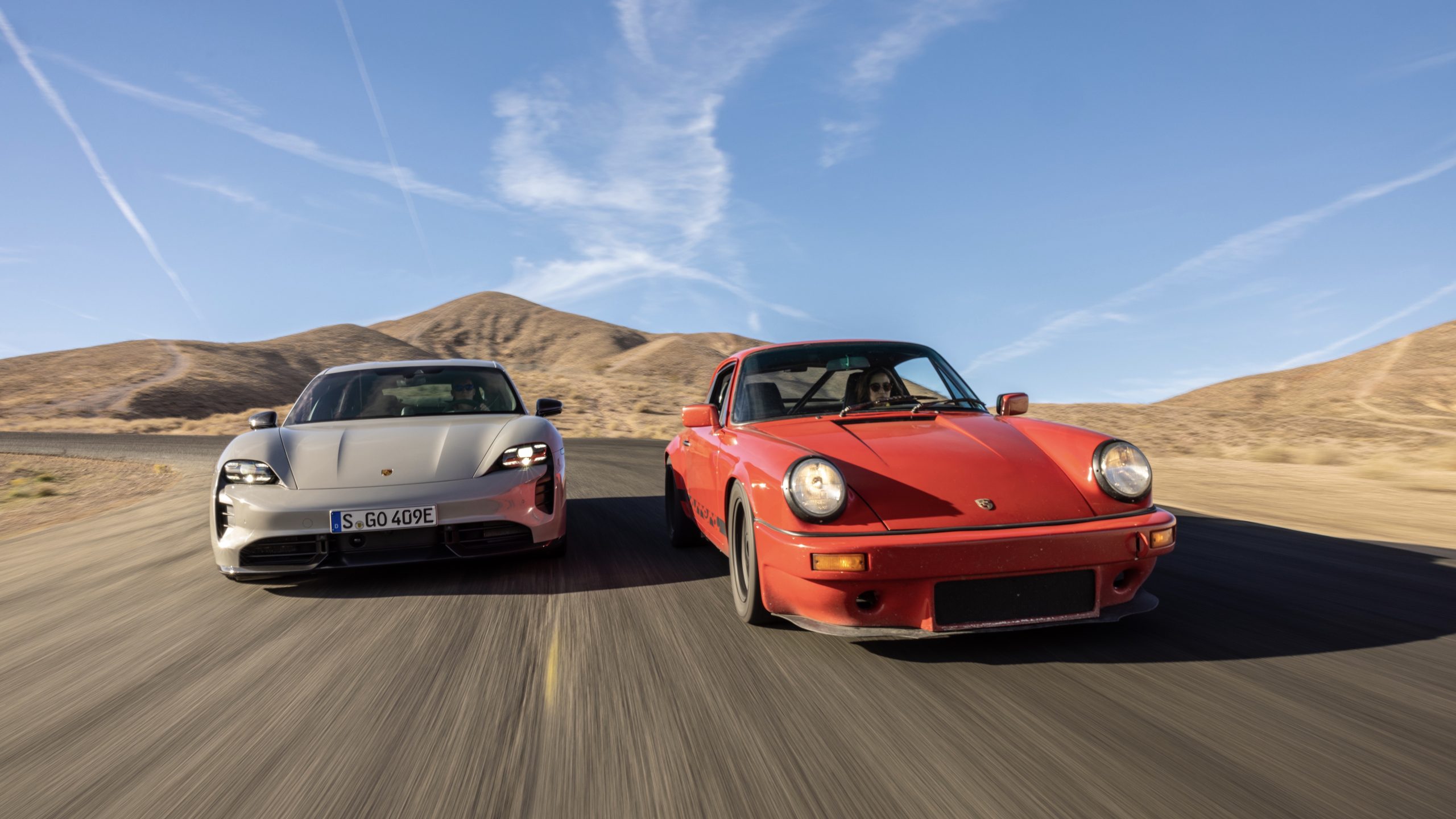

If you talk to the average car enthusiast, there’s a good chance one topic will come up early in the conversation: vintage vs modern sports cars. For instance, modern sports cars either get appreciated for what they can actually do or dismissed outright because of how they “feel” compared to classic models. Most of that tension traces back to feedback. While older sports cars have the noise, vibration, and chassis engagement most drivers praise, newer ones are quiet and full of driving aids. In other words, it’s the raw, analog feel of vintage sports cars vs the precise, digital accuracy of software-defined vehicles.
The truth is, it doesn’t really make sense to frame this as two separate philosophies fighting each other. In most cases, sports cars haven’t abandoned their roots, but they have indeed evolved in how performance is delivered and how much driver input is required. The shift from analog to software-defined reflects broader changes in engineering, safety, and driver expectations. Ultimately, it’s not about determining whether vintage or modern is better, but about what the driving experience is.
The Analog Side of Things
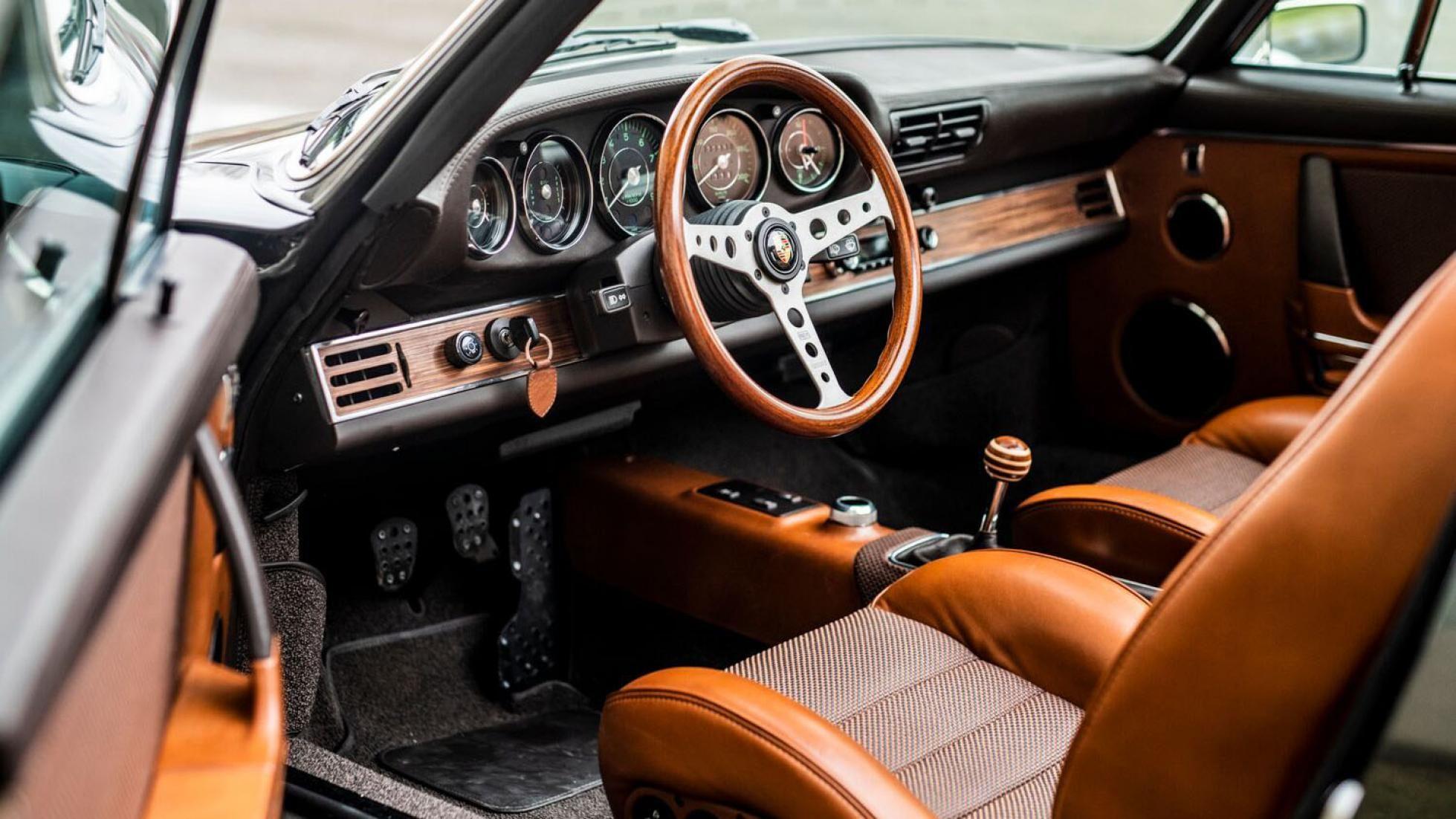
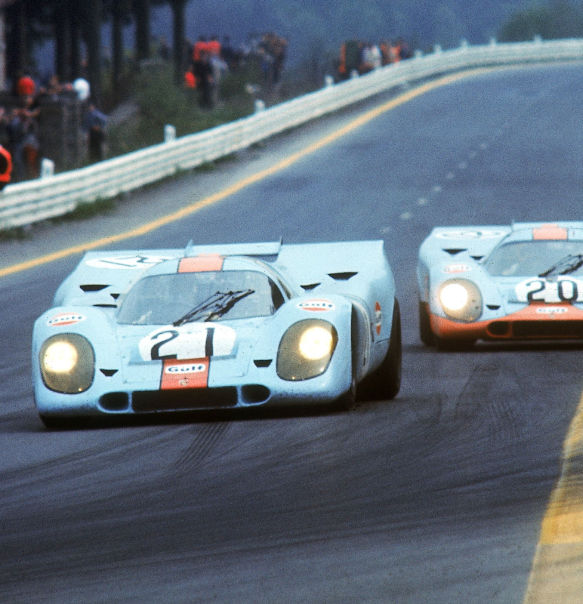
Older sports cars are pretty easy to understand mechanically. The throttle input moves a cable, steering goes through a simple rack, and braking is almost entirely about how much pressure the driver applies and when. Not much sits between the driver and what the car does with that input.
That directness cuts both ways. When everything works and the driver knows what they’re doing, it feels clean. When something starts to go wrong, like the rear stepping out or the front pushing wide, there’s no system waiting to help sort it out. The driver manages it or they don’t. Development under that model was similarly transparent. You added power, you removed weight, you changed suspension geometry, and you could feel what each of those things did pretty directly. The feedback loop between engineer and outcome was short.
The First Wave of Electronics
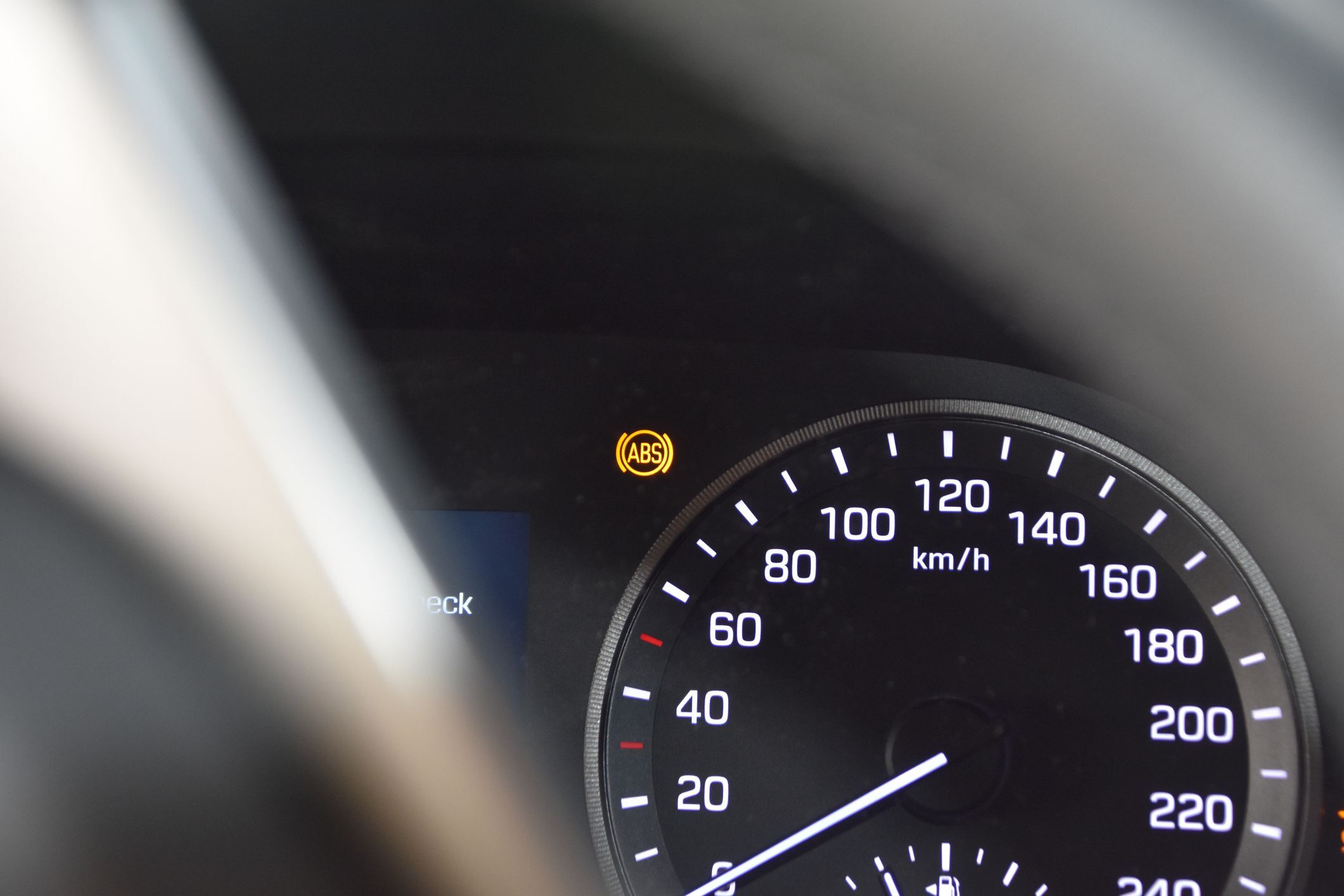
Early electronics in sports cars weren’t trying to change the experience. Fuel injection replaced carburetors because it was more consistent and easier to tune across different temperatures and altitudes. Engine management units handled ignition timing more precisely than a distributor could. ABS gave drivers a better chance of maintaining steering control under hard braking on mixed surfaces. None of this felt like a philosophical shift at the time because it mostly wasn’t. The driving character of the cars didn’t change much. The systems did their thing in specific situations and otherwise stayed out of the way.
The bigger shift came when those systems started talking to each other. That’s really when the dynamic changed. If the ABS unit and the throttle management and the suspension dampers are all operating on shared information and responding together, the car’s behavior becomes something that’s being actively shaped rather than just mechanically determined. A driver input doesn’t just travel down a cable anymore. It gets interpreted first.
What Software Actually Does Now
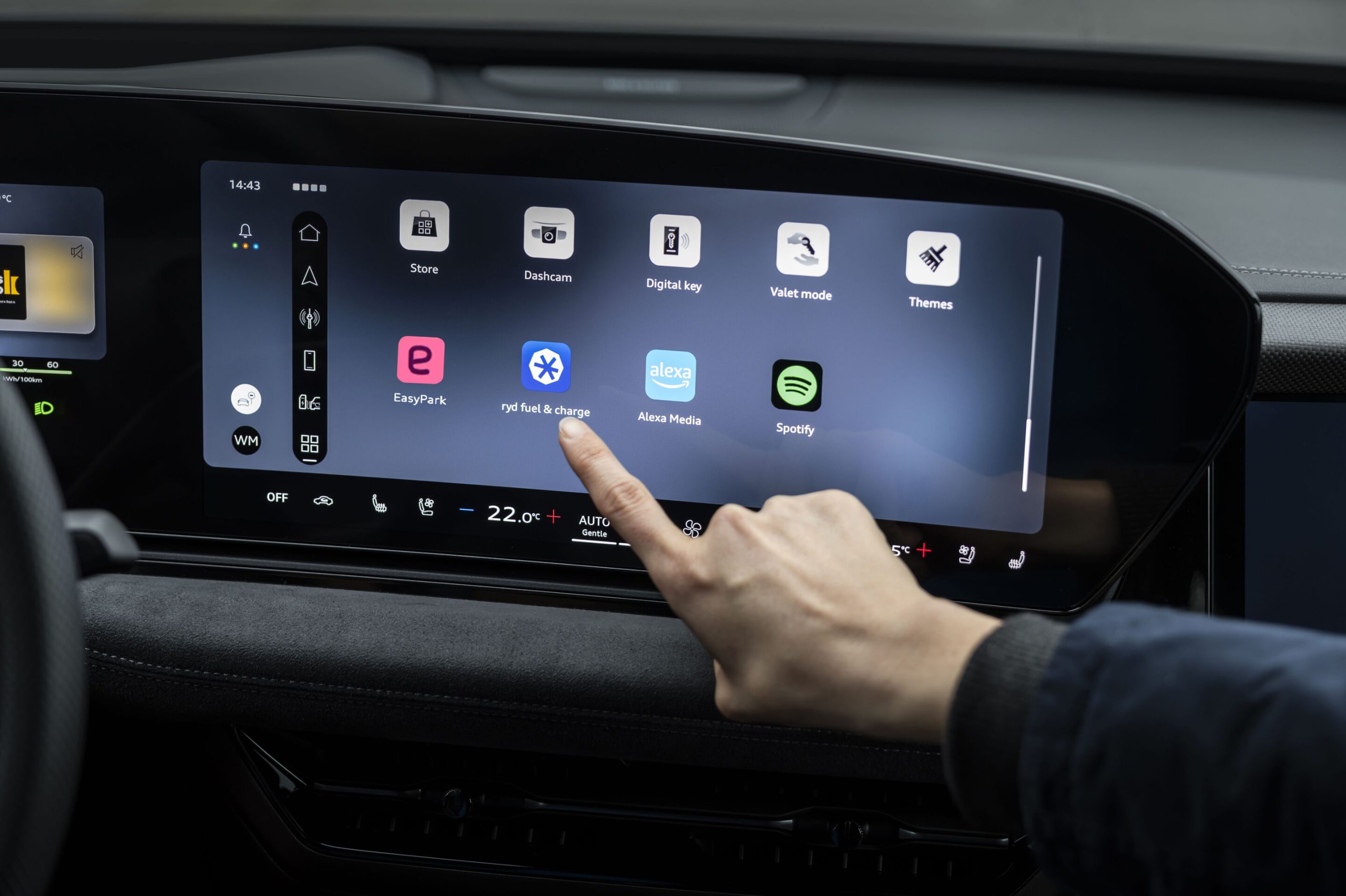
In a current sports car the list of things influenced by software is genuinely long. Throttle mapping, damper rates, torque split between axles, how aggressively stability control intervenes, even steering weight in some cars. Driving modes exist entirely because of software. You can take the same car and have it feel meaningfully different from one setting to the next without changing a single physical component.
Code as a Performance Tool
The development work behind that is also different from traditional vehicle engineering. Getting a car to behave consistently across a wide range of conditions, driver inputs and software states takes a lot of calibration work, and this is where automotive software development services have become a real part of how manufacturers build performance cars, not just as a support function but as something closer to a core part of the product itself. There’s also the question of what happens after the car is sold. A software update can change throttle response or adjust how a stability system intervenes, sometimes noticeably. The hardware still defines what’s physically possible but the software has a lot of say in how the car uses what’s available.
A Different Kind of Driving Experience
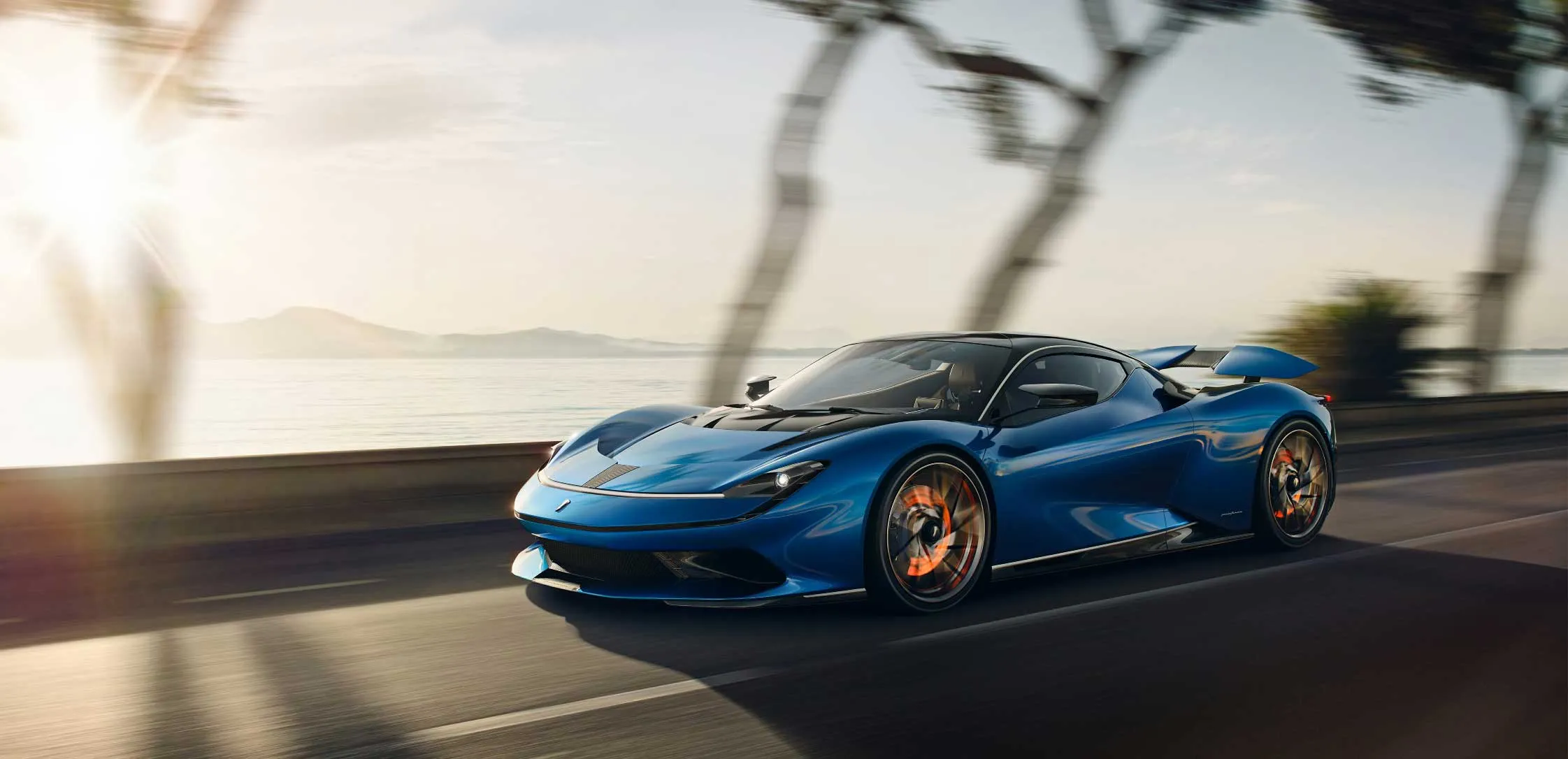
Back to back the differences aren’t always what people expect. Raw numbers aside, older sports cars tend to feel more immediate but they also ask more of the driver more quickly. Push one past a certain point and you’re managing a situation that’s developing fast with not much help. Newer cars are harder to catch out partly because several systems are working to prevent you from getting there in the first place.
That’s not the same as saying the driver becomes passive. The workload shifts more than it disappears. In an older car a lot of mental bandwidth goes toward what the car is doing right now. In a newer one that processing happens somewhere else, which can let the driver think further ahead, about turn-in points, about traffic, about the next corner rather than the current one. Motorsport figured this out earlier than road cars did.
Data logging, real-time telemetry, software-driven setup changes between sessions, all of that became normal in racing well before it filtered into production vehicles. The road car version is less extreme but it follows the same logic. More systems also means more complexity, more potential for conflict between those systems and more for engineers to validate before a car goes on sale.