


McLaren Automotive has unveiled the McL 6GT at the 2026 Monterey Car Week, introducing a new kind of McLaren that draws a direct line from the company’s earliest road-car ambitions to its future. The inspiration is the McLaren M6GT, the road-going supercar envisioned by company founder Bruce McLaren but never fully realized during his lifetime. More than six decades later, the McL 6GT reinterprets that idea through a modern lens, combining the character of the original with contemporary engineering and design.

More than a heritage exercise, the McL 6GT also signals a new direction for McLaren. The company says the car lays the groundwork for a highly exclusive category of supercar positioned beyond its core and expanded portfolio. A production version of the McL 6GT is scheduled to arrive in 2028.
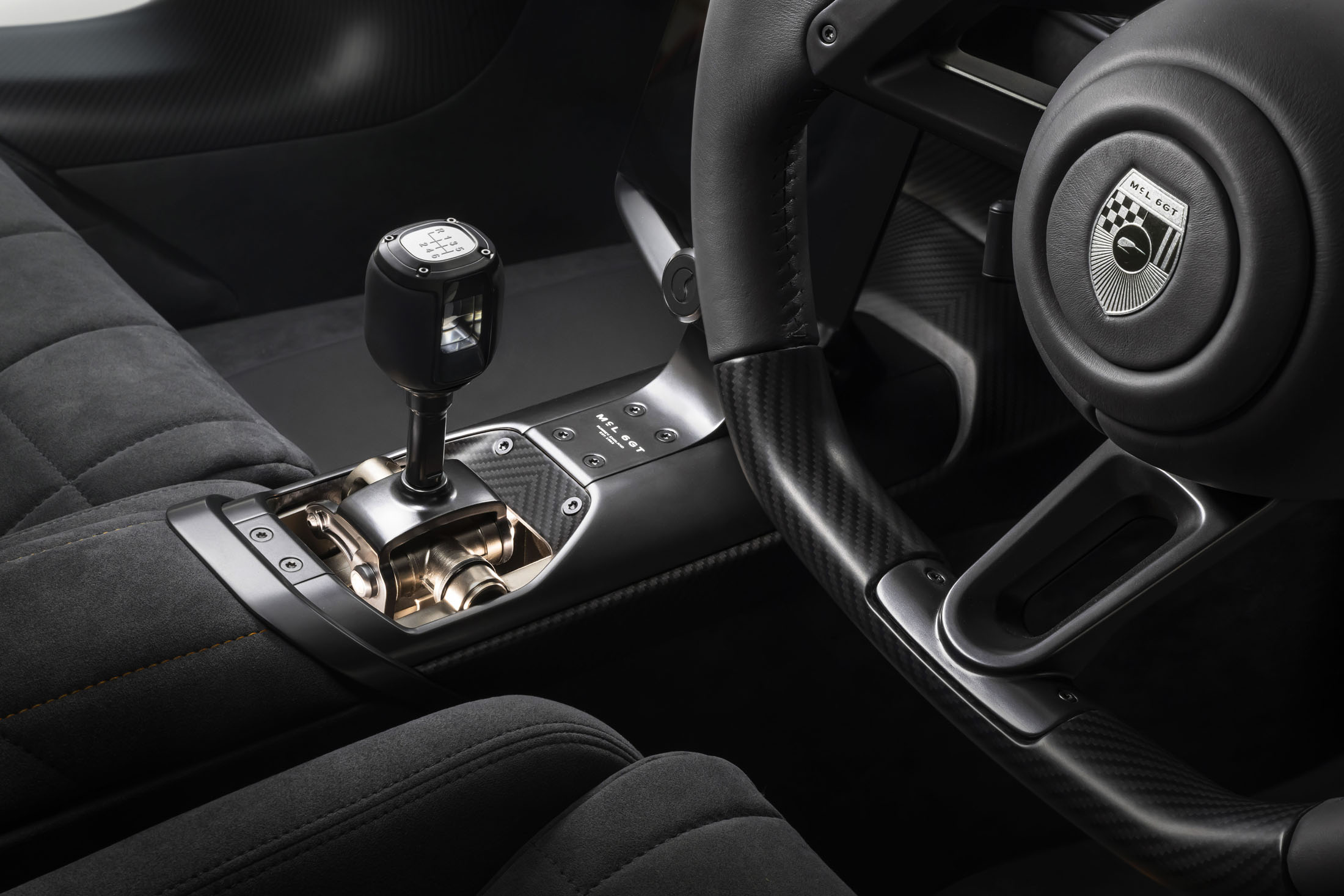
The concept centers on mechanical engagement. Lightweight carbon-fiber construction is paired with V8 internal-combustion power and, for the first time in a McLaren since the legendary McLaren F1, an authentic manual transmission driving the rear wheels.
Celebrating Tactility
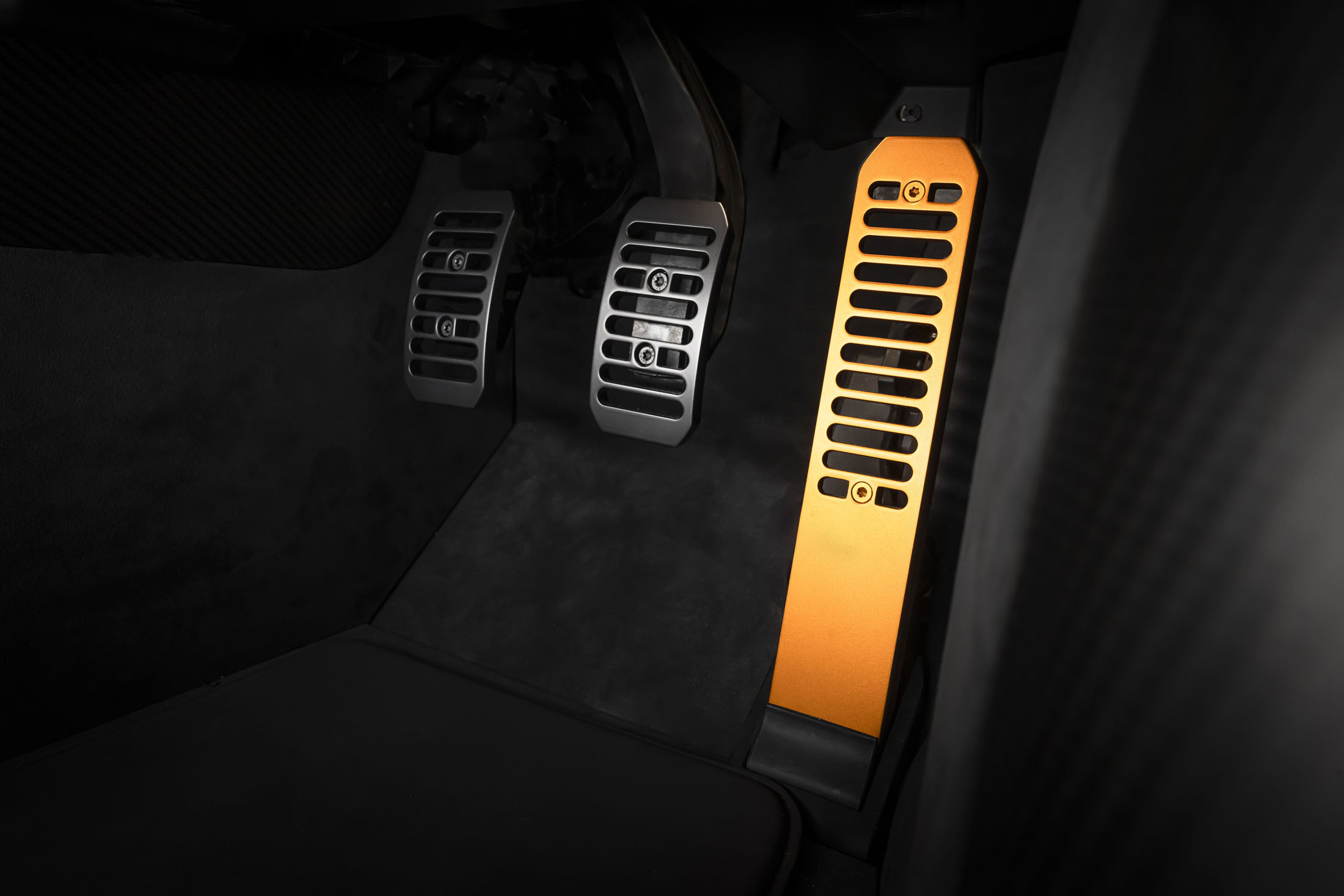
McL 6GT puts the focus on a form of driving engagement that has become increasingly uncommon in modern supercars: tactile, analog and deliberately mechanical. Every gearshift, throttle input and steering movement is intended to deliver a physical connection between driver and machine. That philosophy extends beyond the powertrain, with hydraulic steering, tactile switchgear and exposed engineering details contributing to the car’s sense of mechanical purity.
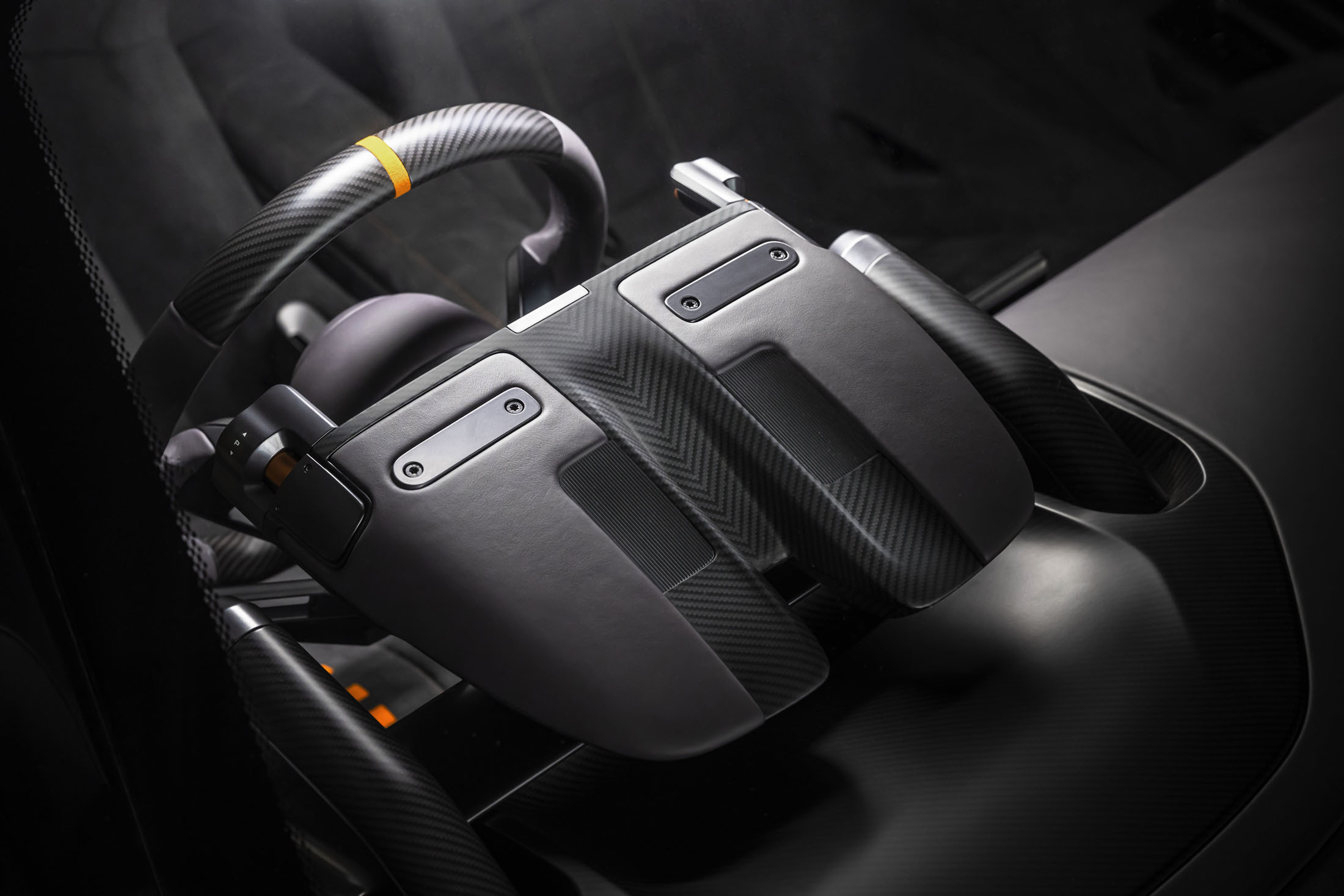
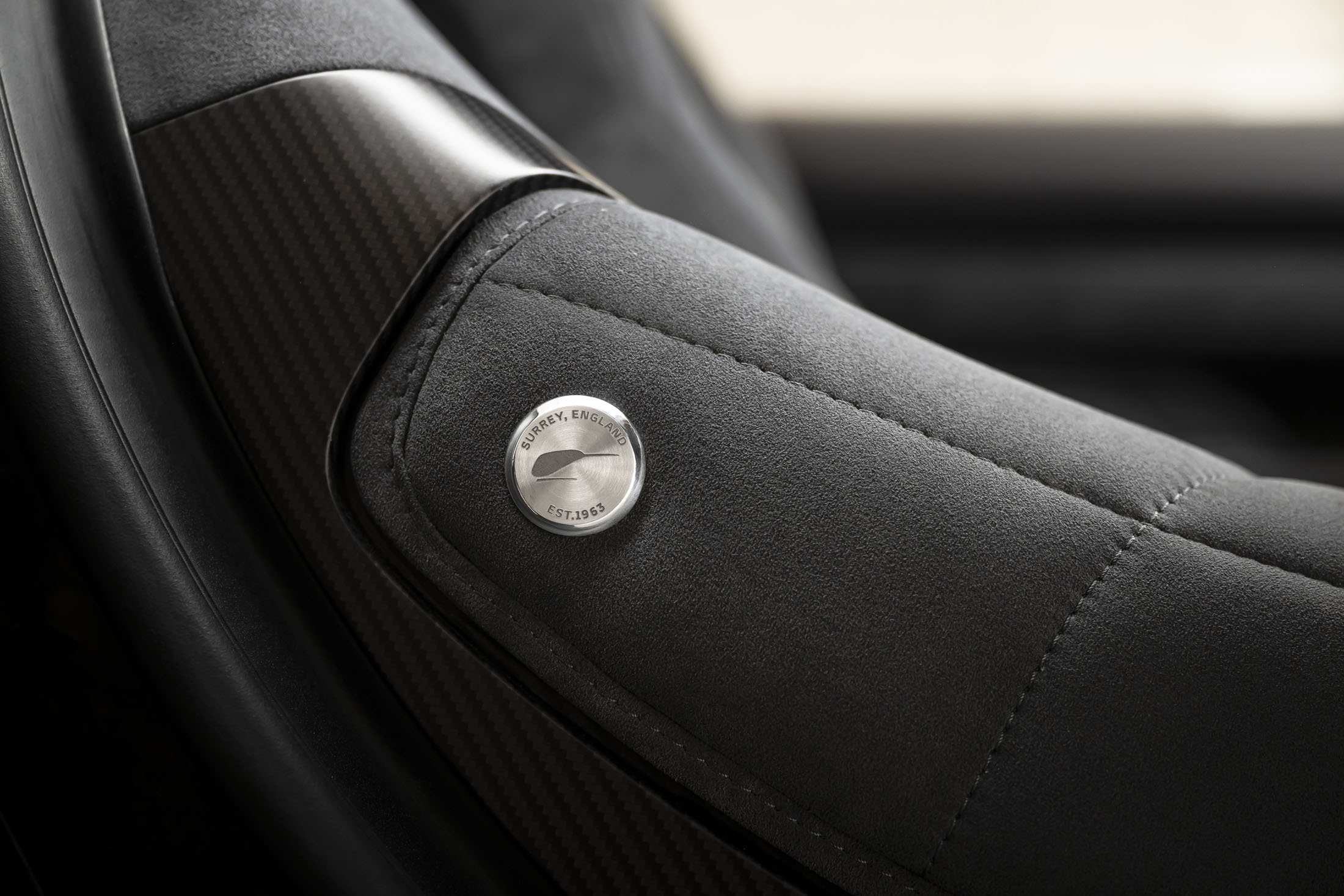
Machined aluminum controls with knurled surfaces reinforce that approach, while carefully considered ergonomics incorporate subtle references to the M6GT. Particular attention has been paid to the gearstick, both for the feel and length of its throw and for its visual connection to McLaren history. Set into its upright is a three-dimensional Speedy Kiwi, one of the company’s earliest emblems.
An Inspired Concept
McLaren Special Operations (MSO) revisited Bruce McLaren’s original M6GT vision earlier this year at the Goodwood Festival of Speed, where it presented a meticulously assembled one-off interpretation of the original car. The McL 6GT takes that exploration of McLaren’s road-car origins significantly further.
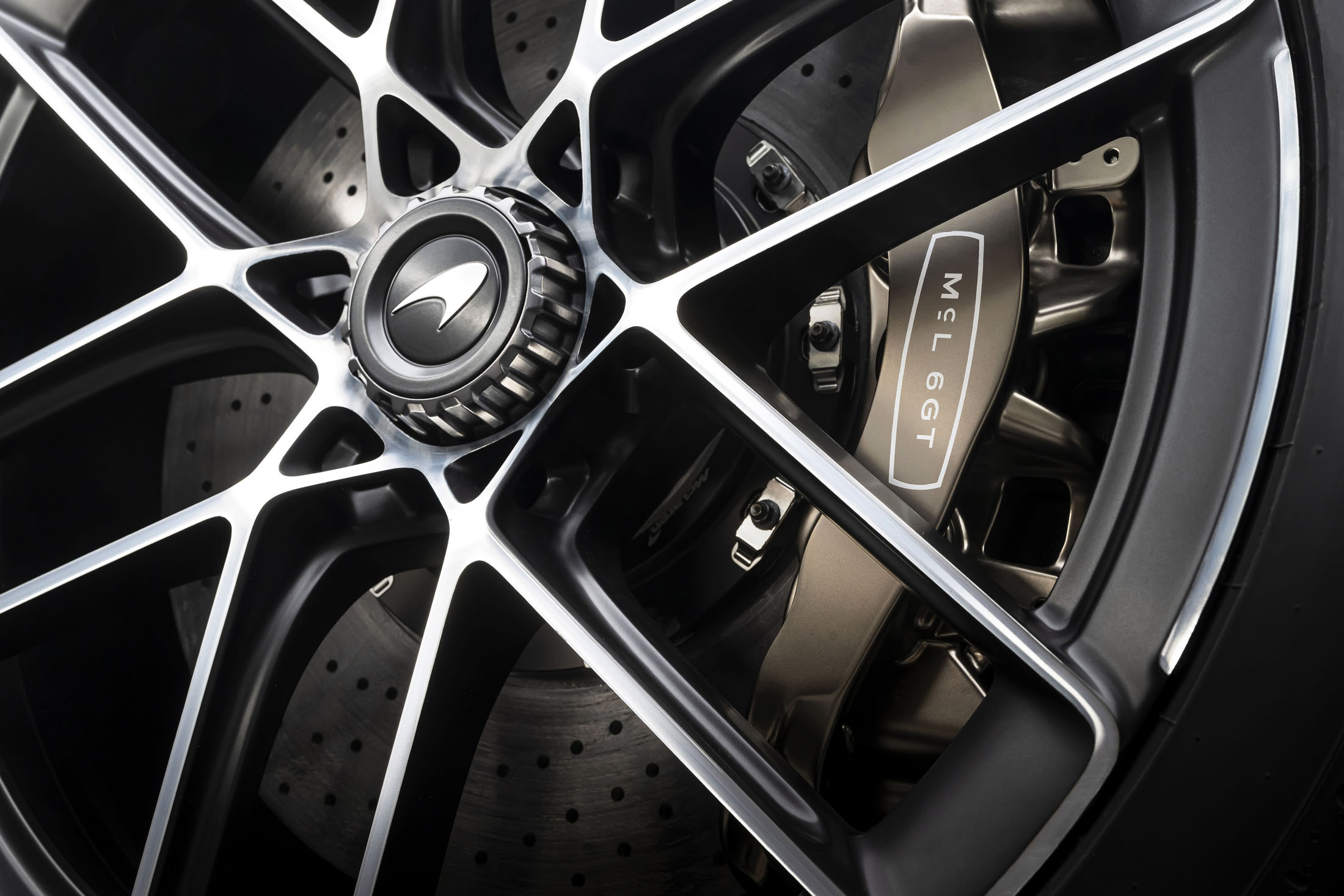
Its name reflects both McLaren’s racing history and the beginnings of its road-car ambitions. In doing so, McL 6GT creates a link between the company’s competition heritage and the vision Bruce McLaren had for the organization he founded — a philosophy McLaren says continues to shape the brand today.
Timeless In Execution
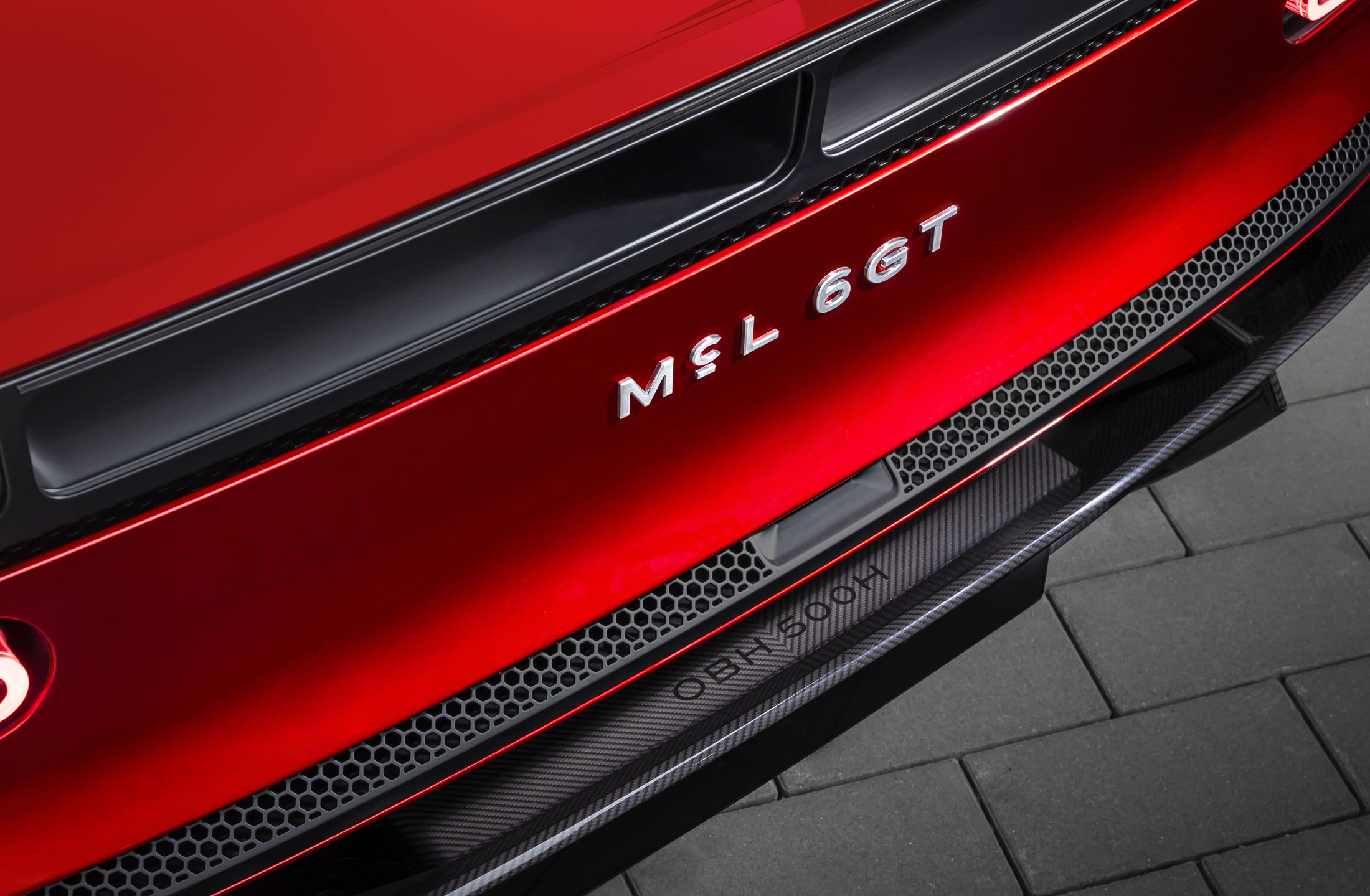
The McL 6GT translates the proportions and racing-inspired surfacing of 1960s sports-prototype racers into a contemporary supercar, with the influence of the M6GT evident throughout its design. That connection begins with the proportions. The McL 6GT sits exceptionally low and wide, with a low nose recalling the stance of the M6A Can-Am racer that inspired the original M6GT. Its bodywork is deliberately clean, with uninterrupted surfaces flowing from the nose toward a distinctive Kammback tail.
Rather than appearing as a collection of separate elements, the car reads as a single continuous form. The roof flows naturally into the rear deck and engine cover, while the cabin appears embedded within the body rather than positioned on top of it. The tightly wrapped surfaces also recall the period’s low-drag aerodynamic thinking.
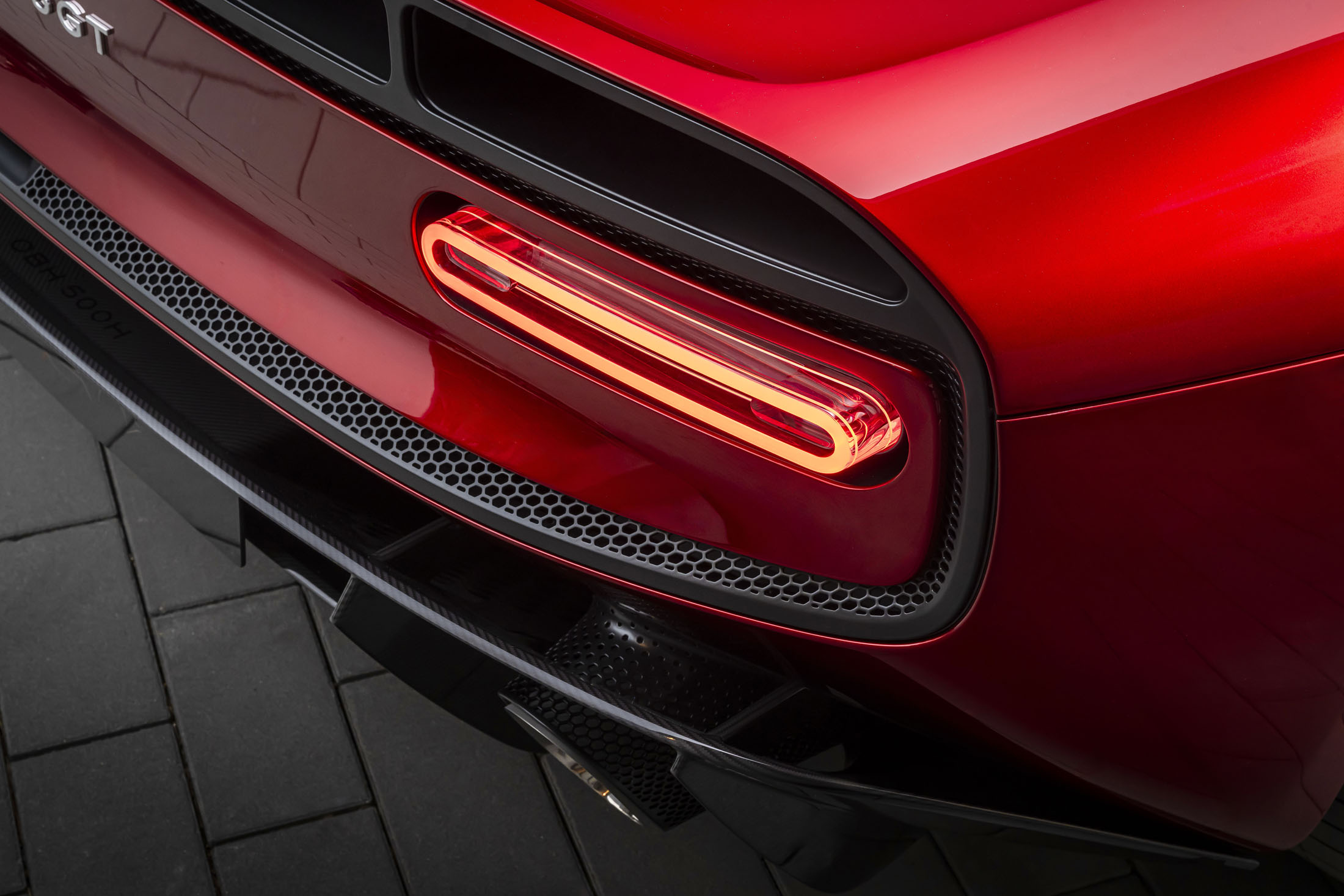
Heritage references are integrated throughout rather than treated as decorative additions. A distinctive ‘Racing Loop’ motif inspired by the M6GT’s original taillights is incorporated into the car’s airflow architecture, while Bruce McLaren’s original M6GT number plate is reinterpreted as a subtle tone-on-tone graphic. His signature appears in the engine bay, and the Speedy Kiwi – the first iconography developed from McLaren’s original logo – is discreetly etched into the fuel filler cap.
The same philosophy carries into the cabin. Boxed quilting has been reinterpreted in a contemporary form, while digital instrumentation retains the clarity and visual appeal of the original. The result is an interior that feels modern without losing its connection to McLaren’s early road-car history.

Pure Lightweight
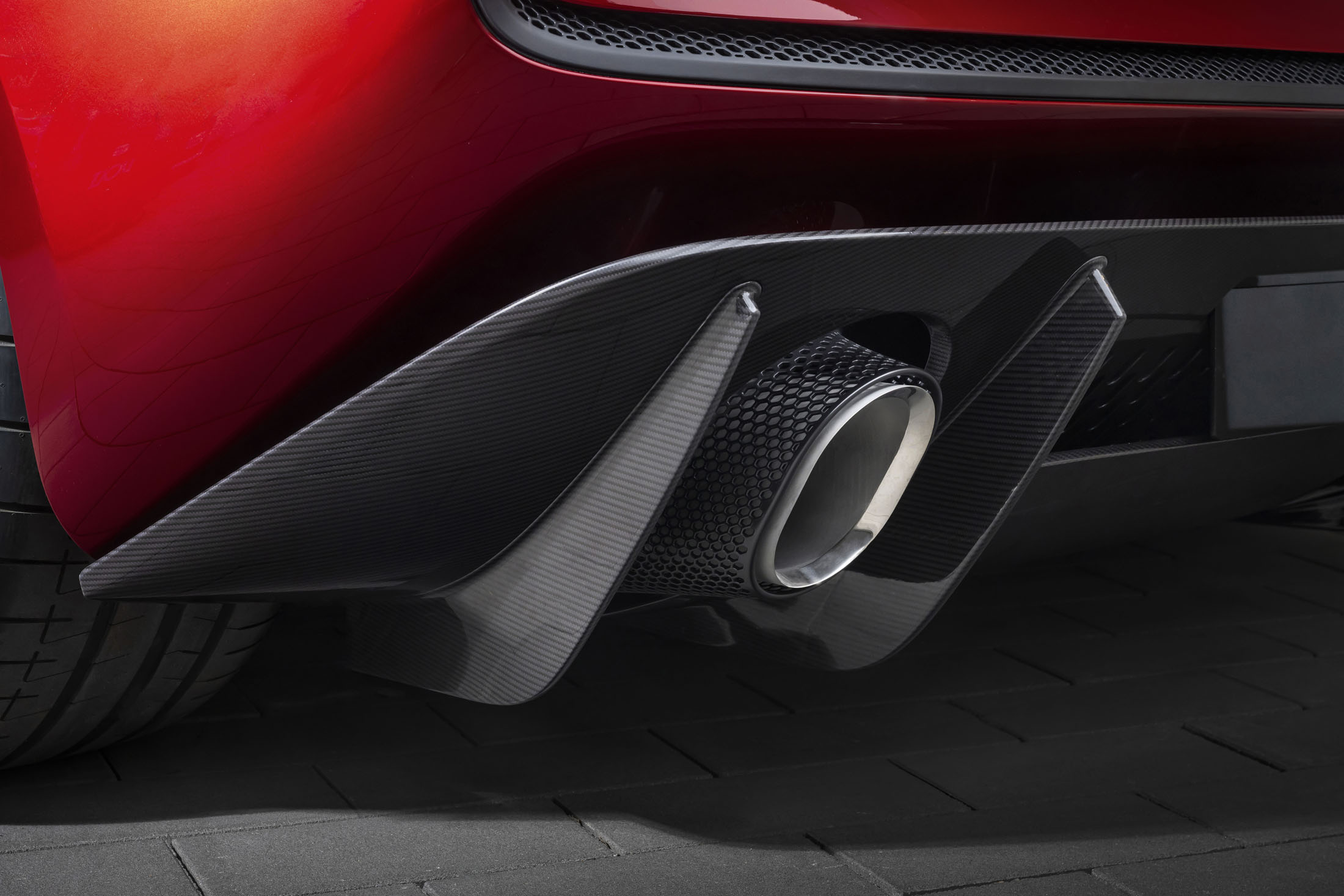
Lightweight carbon fibre construction has long been central to McLaren’s approach in both racing and road cars, and the McL 6GT uses that philosophy to bridge the company’s past and present. Its reinterpretation of McLaren’s road-car origins is underpinned by the company’s latest super-lightweight carbon fibre monocoque technology, complemented by carbon fibre bodywork.

The material is fundamental to the McL 6GT’s character, boosting its power-to-weight performance while reinforcing the car’s focus on simplicity and driver engagement. Inside, exposed gloss carbon fibre references both the original M6GT and McLaren’s racing heritage.

Taken together with the manual gearbox, V8 power and deliberately analog controls, the lightweight construction underscores the McL 6GT’s central premise: a modern McLaren shaped not simply by performance figures, but by the quality of the connection between car and driver.
Above contents © 2026 Dr. Ing. h.c. F. Porsche AG reviewed and edited by Rex McAfee , @rexmcafee 🏁
#McLaren #McL6GT #McLarenM6GT #MontereyCarWeek #Supercar #BruceMcLaren #McLarenF1 #McLarenMSO #CarbonFiber #AutomotiveNews