

When Lamborghini unveiled the Miura at the Geneva Motor Show on March 10, 1966, it did more than launch a new model—it reshaped the idea of the high-performance road car. With a transversely mounted V12 positioned behind the driver, a layout inspired by racing, the Miura broke from traditional GT design. Its radical engineering and striking shape from Bertone quickly made it an icon.
Introduced just three years after Automobili Lamborghini was founded, the Miura was the company’s third model and a defining moment for the young brand. It established principles that would guide Lamborghini for decades: bold engineering, unconventional thinking, and design pushed to extremes.
In doing so, the Miura effectively created the modern mid-engine supercar segment. Six decades later, it remains a symbol of daring engineering and timeless design. With up to 380 horsepower in its later versions and a top speed approaching 290 km/h (174 mph), it became the fastest production car of its era and a cultural icon appearing in film, music, and pop culture.
In 2026, Automobili Lamborghini marks the Miura’s legacy by revisiting its origins, evolution, and lasting impact. Celebrations include events worldwide and a dedicated Lamborghini Polo Storico Tour in Northern Italy from May 6–10.
“The Lamborghini Miura did more than introduce a new car—it changed the course of automotive history,” says Stephan Winkelmann, President and CEO of Automobili Lamborghini. “Its revolutionary architecture, breathtaking design and uncompromising performance defined the supercar and set Lamborghini on a path of fearless innovation.”
The birth of a revolution
Less than two years after Lamborghini was founded, the company had already shown promise with the 350 GT. But Ferruccio Lamborghini wanted something more radical. Engineers Gian Paolo Dallara, Paolo Stanzani, and test driver Bob Wallace developed the concept of a mid-engine super sports car inspired by racing.
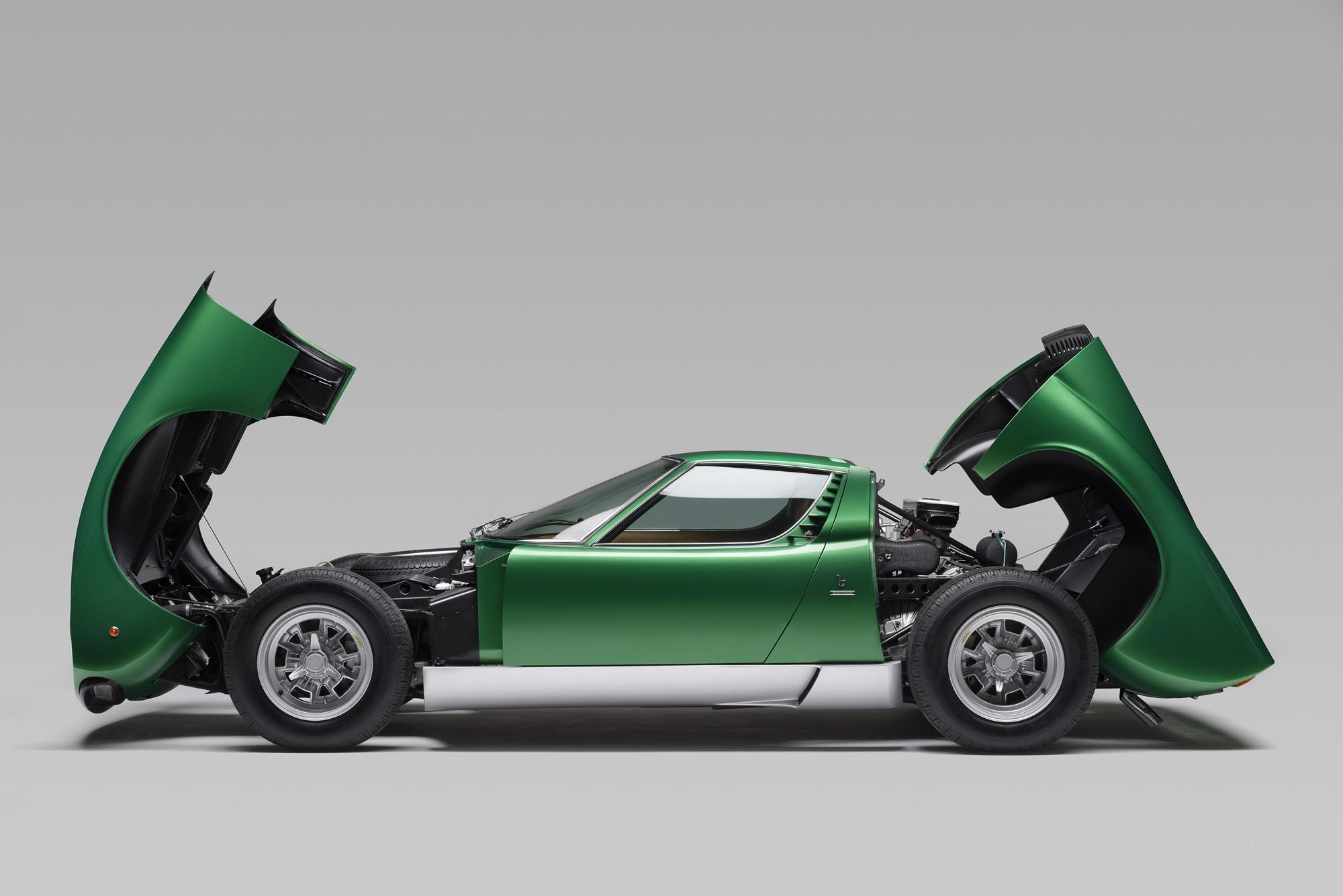
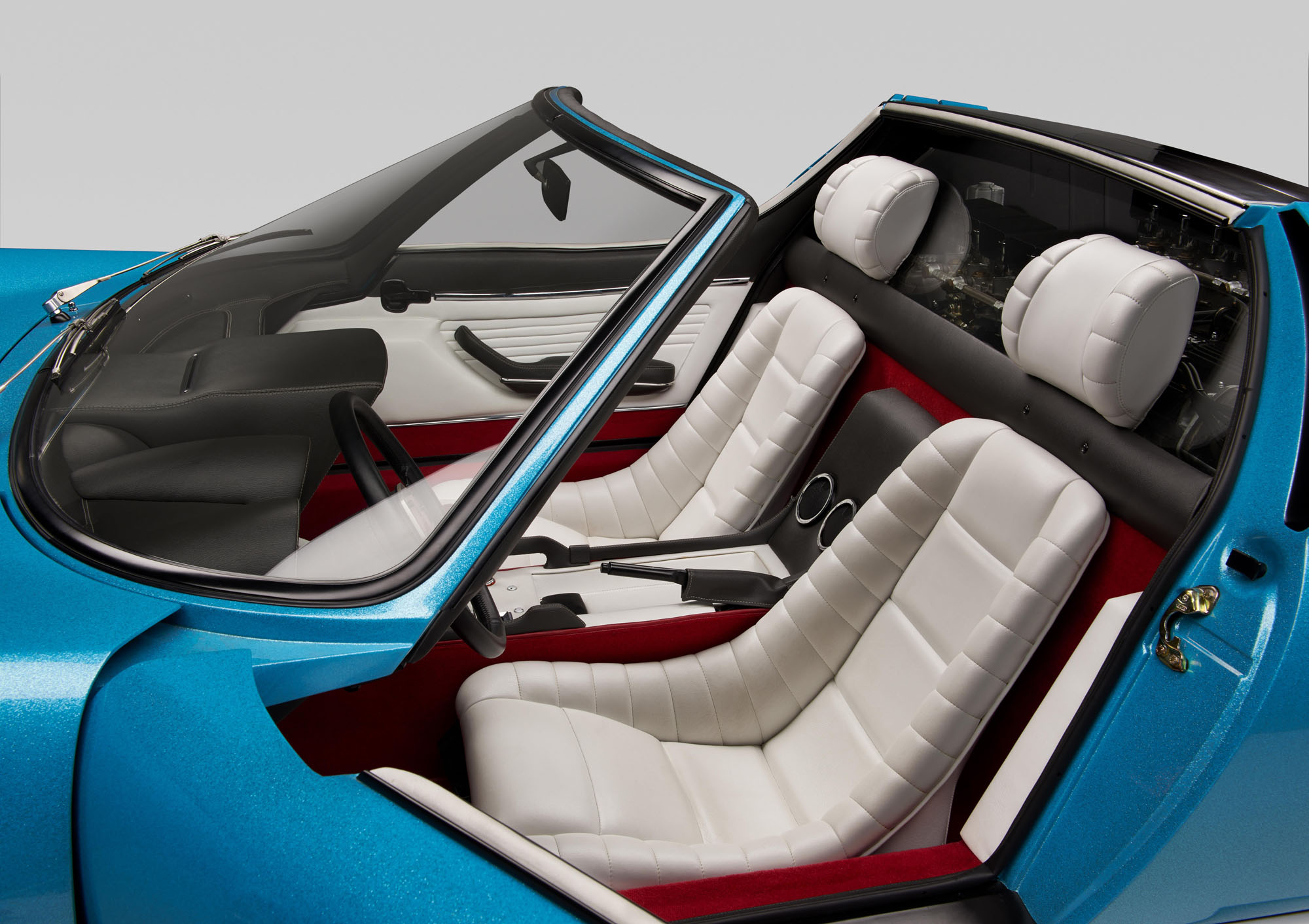
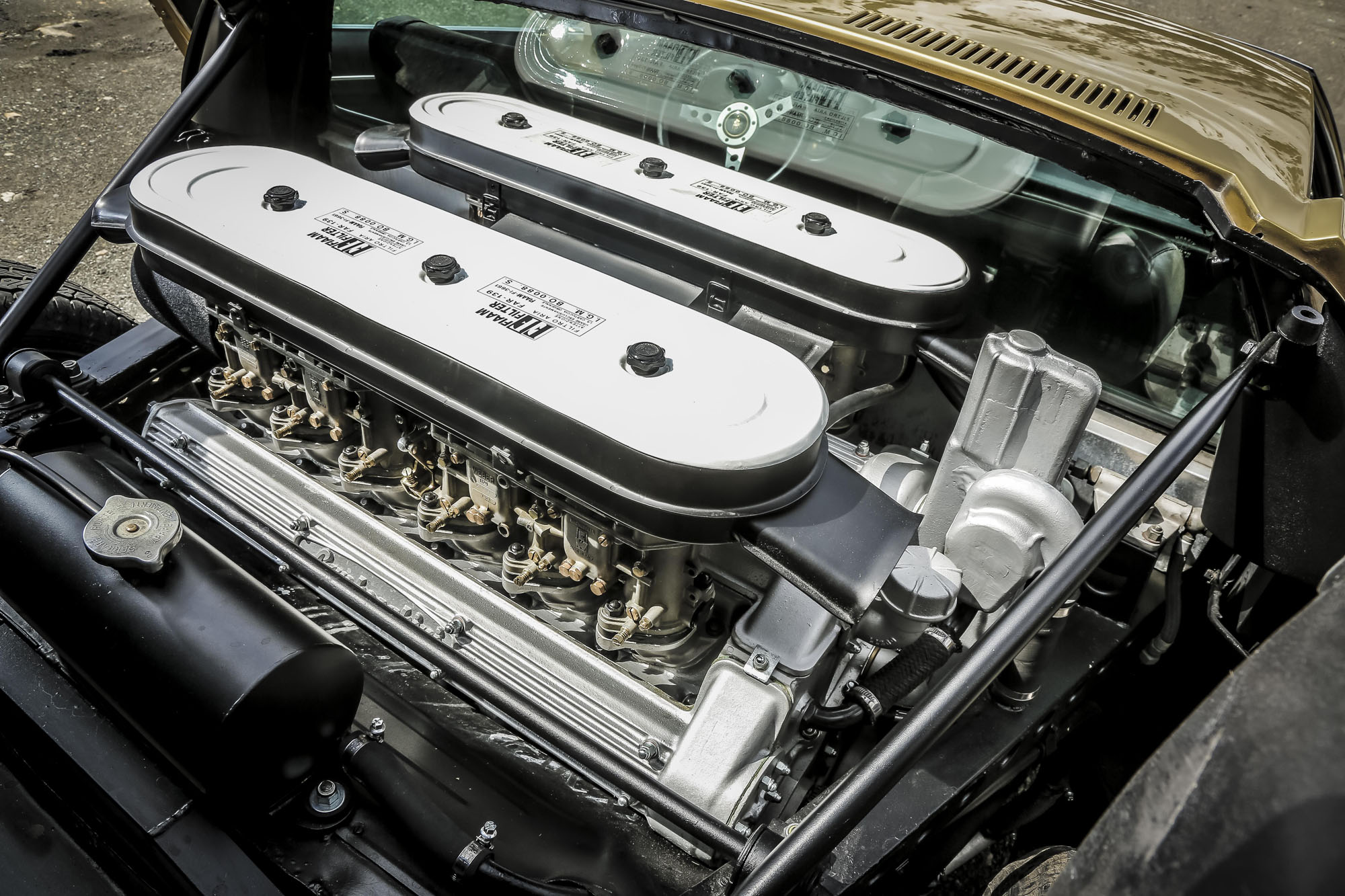
At its heart was a 3,929cc V12 mounted transversely behind the driver. The advanced unit featured four camshafts, Weber carburetors, and a counter-clockwise rotating crankshaft—unusual for the time.
In 1965, Lamborghini presented the bare chassis at the Turin Motor Show. Painted satin black and displayed with the engine installed, the lightweight steel structure drew huge attention. Though only a chassis, it showcased a radical new concept for a road car.
Design houses soon expressed interest in creating the body. According to legend, Nuccio Bertone examined the chassis and told Ferruccio Lamborghini his studio would design “the perfect shoe for this wonderful foot.” Whether or not the exchange happened exactly that way, the partnership that followed proved historic.
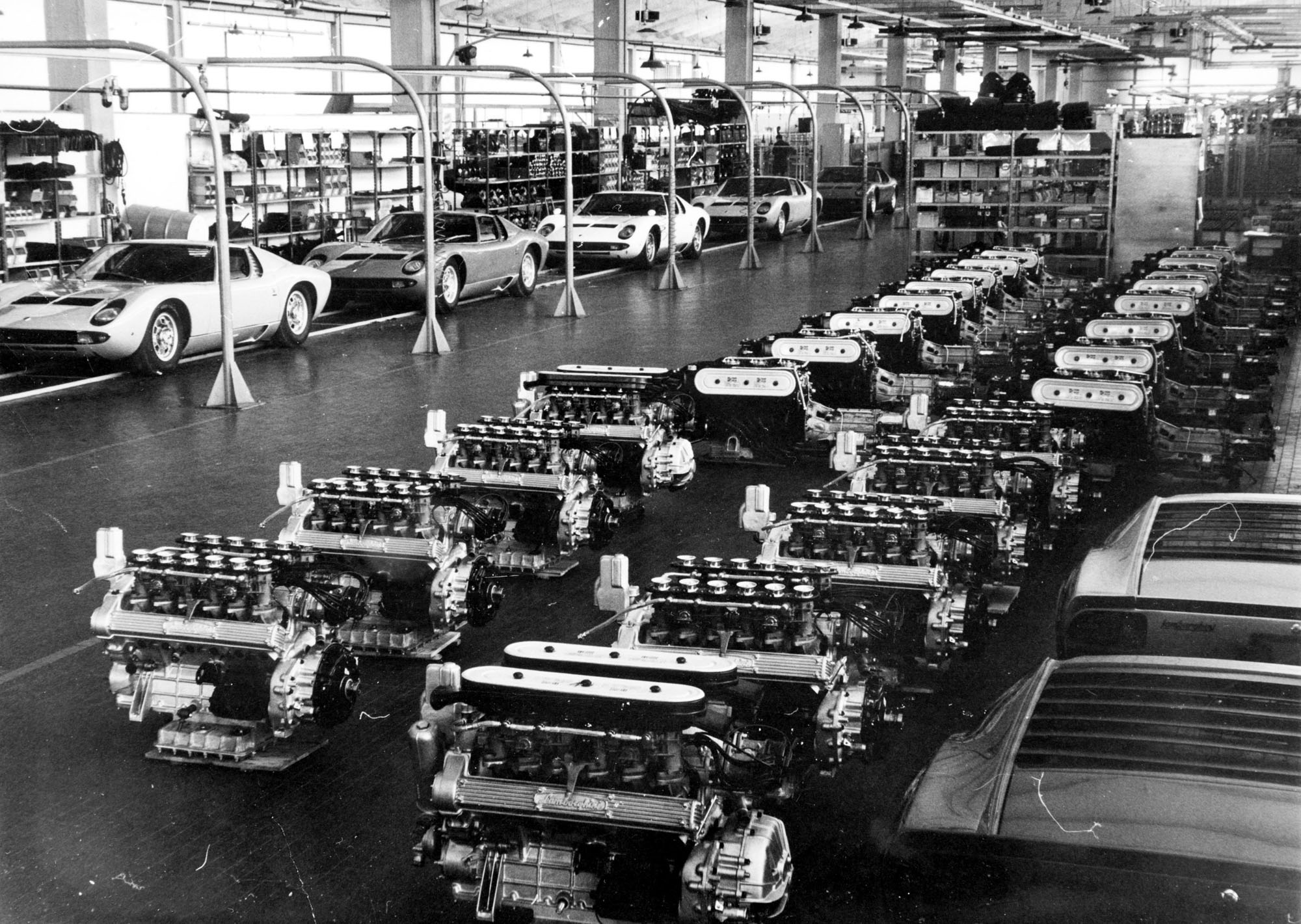
At Bertone, designer Marcello Gandini created a low, dramatic body that perfectly matched the engineering beneath. Completed in early 1966 with the help of 30 Bertone craftsmen, the finished car debuted at the Geneva Motor Show in striking orange. Its mid-engine layout transformed weight distribution and delivered a driving experience unlike anything on the road.
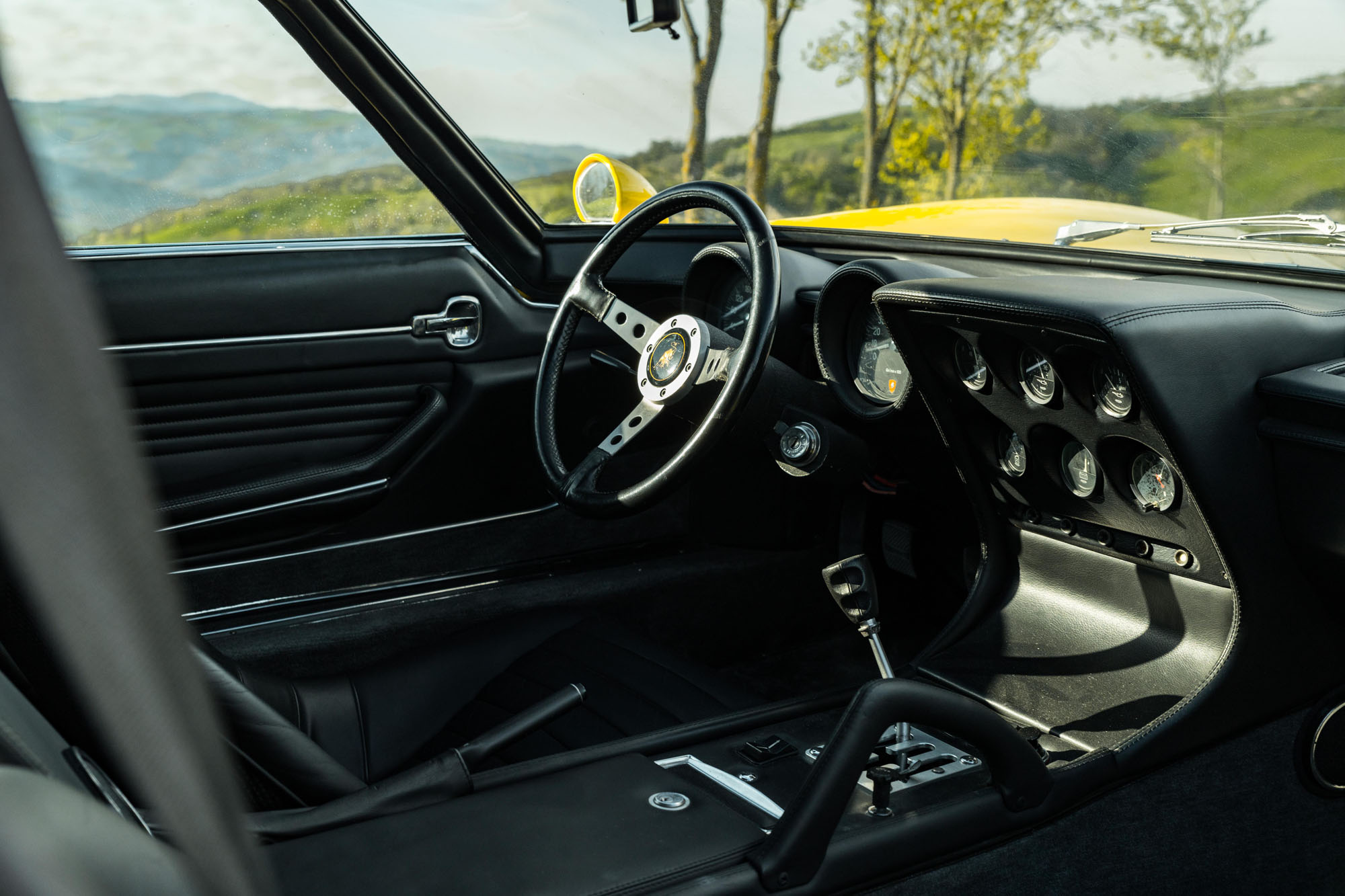
Miura. A name written in legend
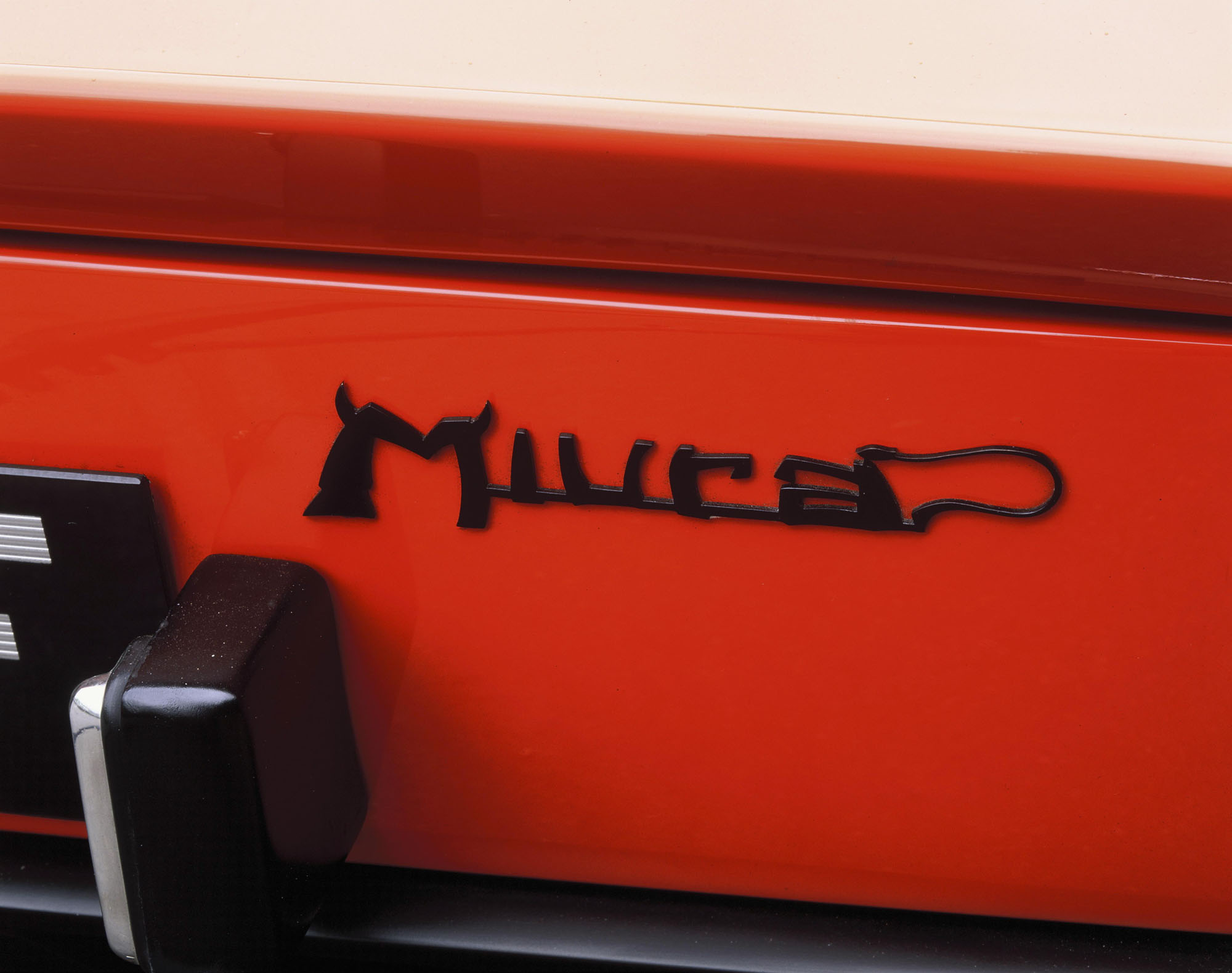
The Miura also established Lamborghini’s tradition of bull-related names. The car was named after the famous Spanish Miura fighting bulls bred by Don Eduardo Miura Fernández.
The theme would become central to Lamborghini’s identity, with later models including the Espada, Islero, and Murciélago continuing the tradition.
Design and style driven by speed, colour, and individual expression
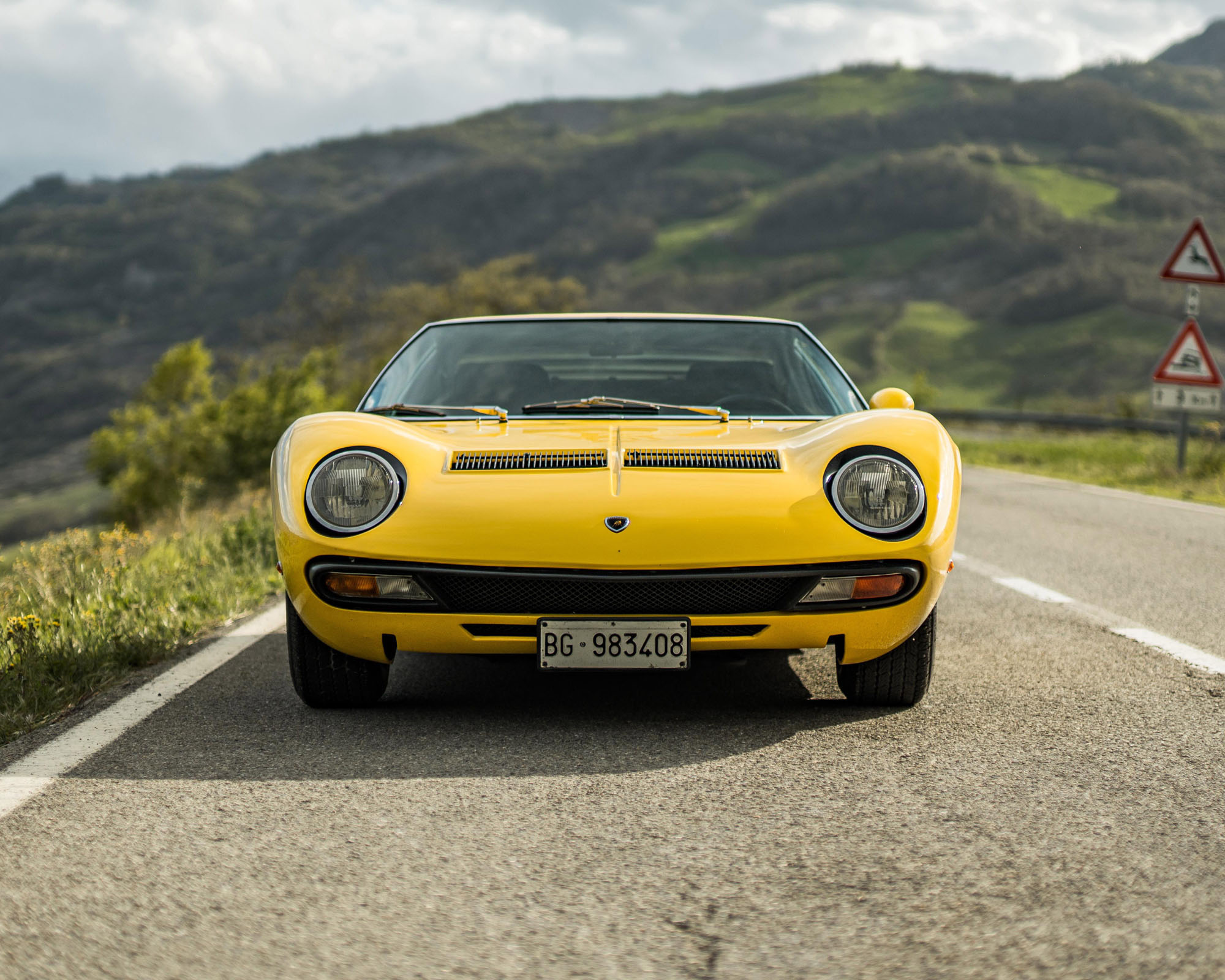
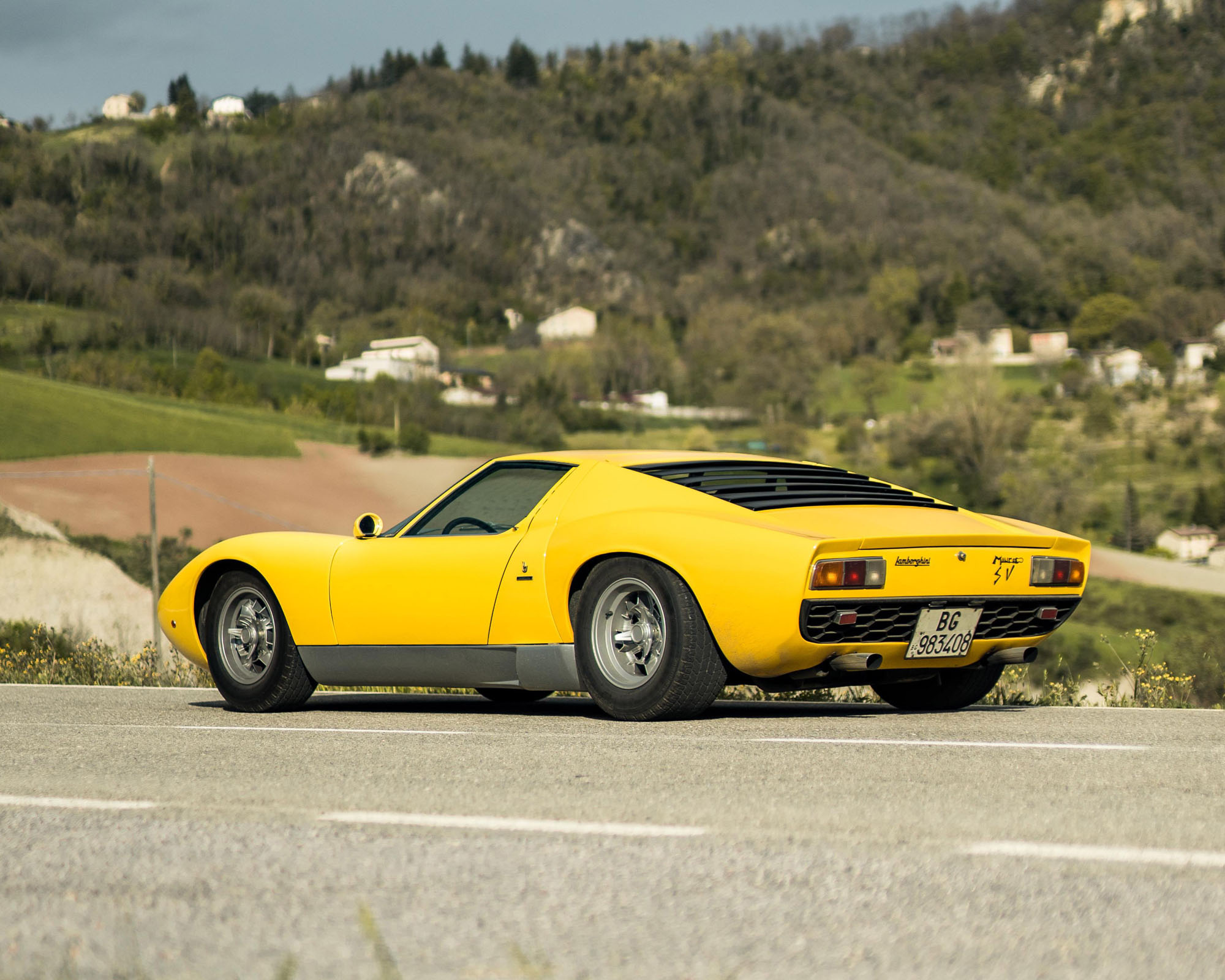
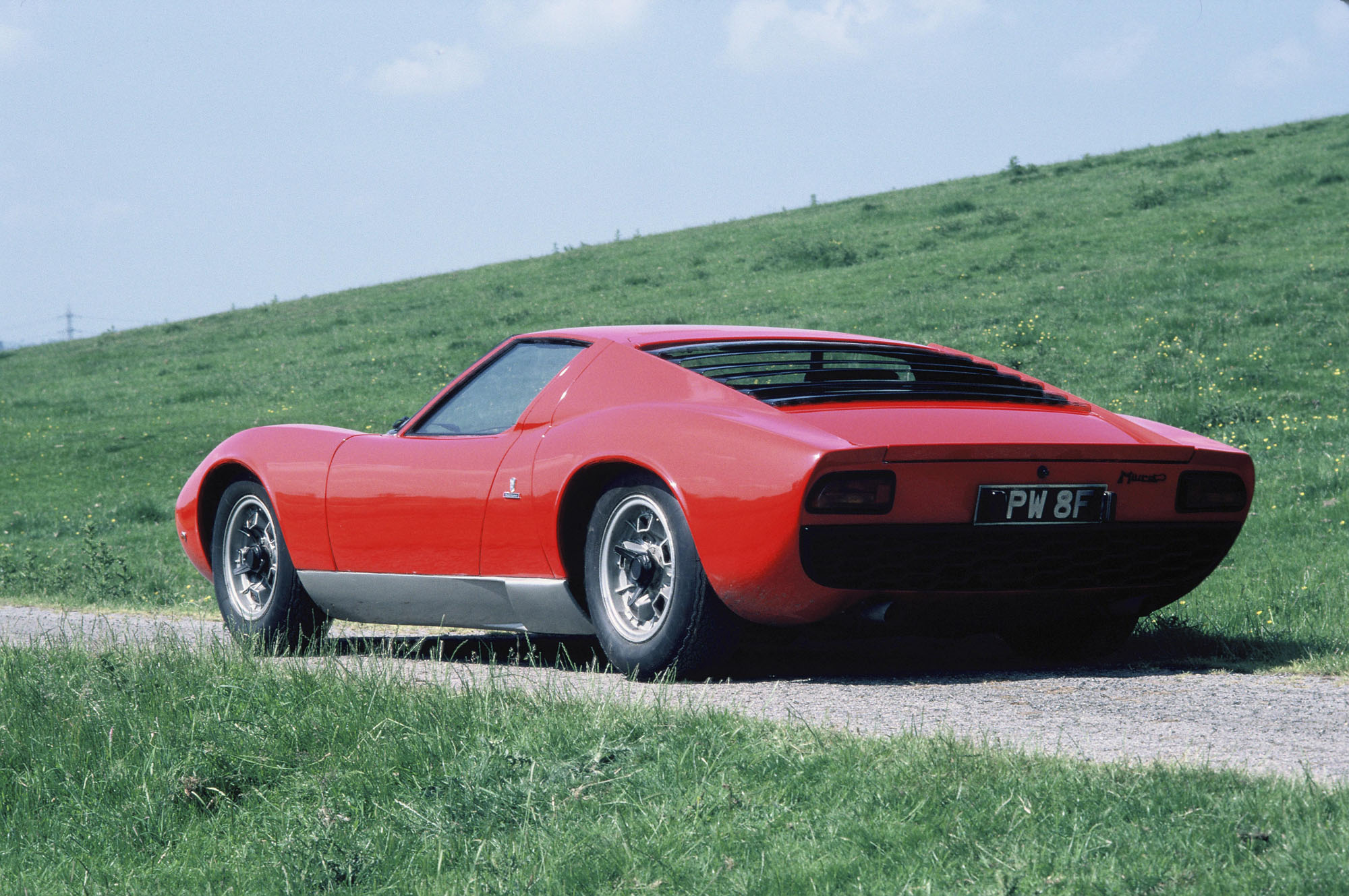
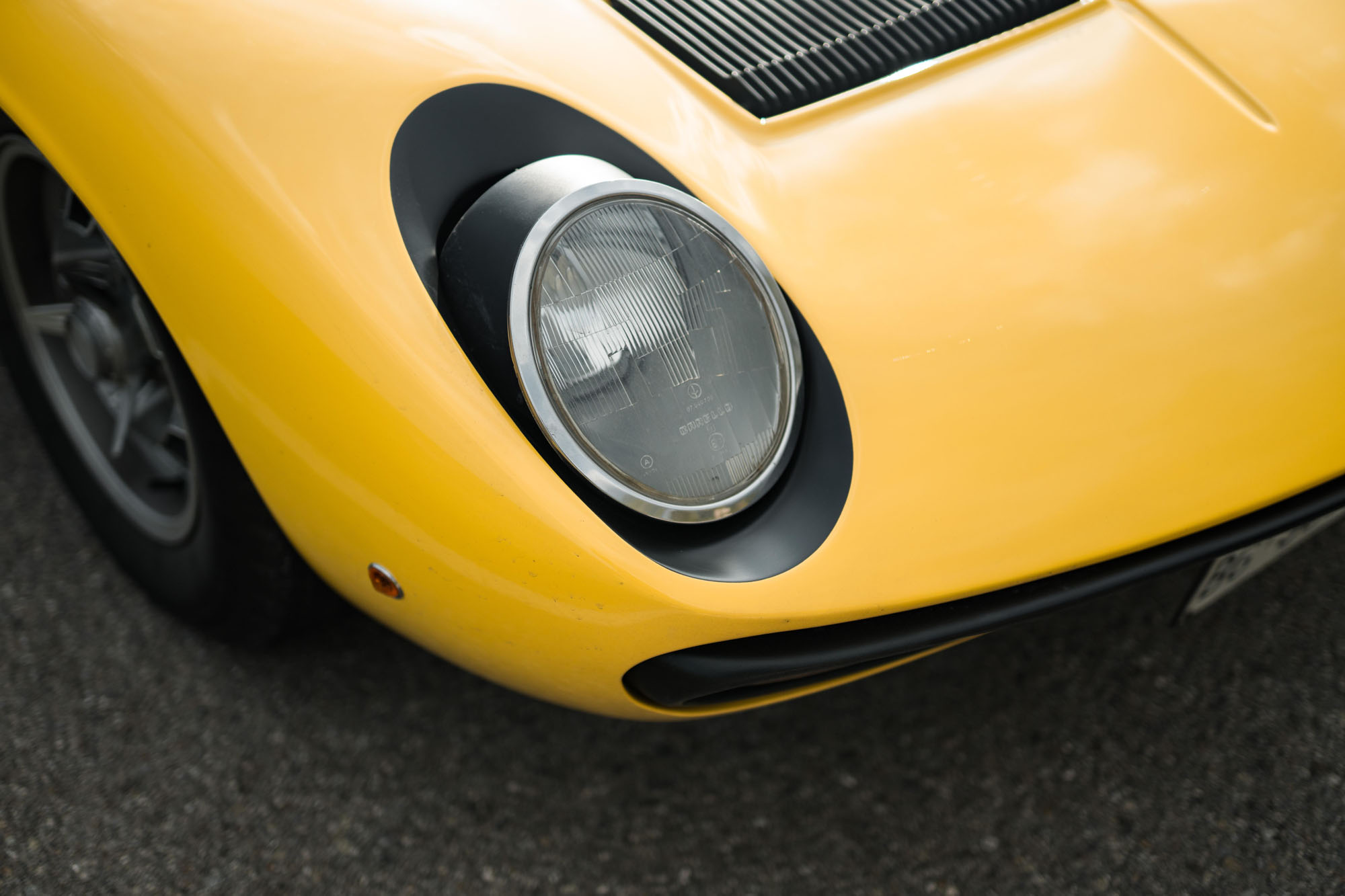
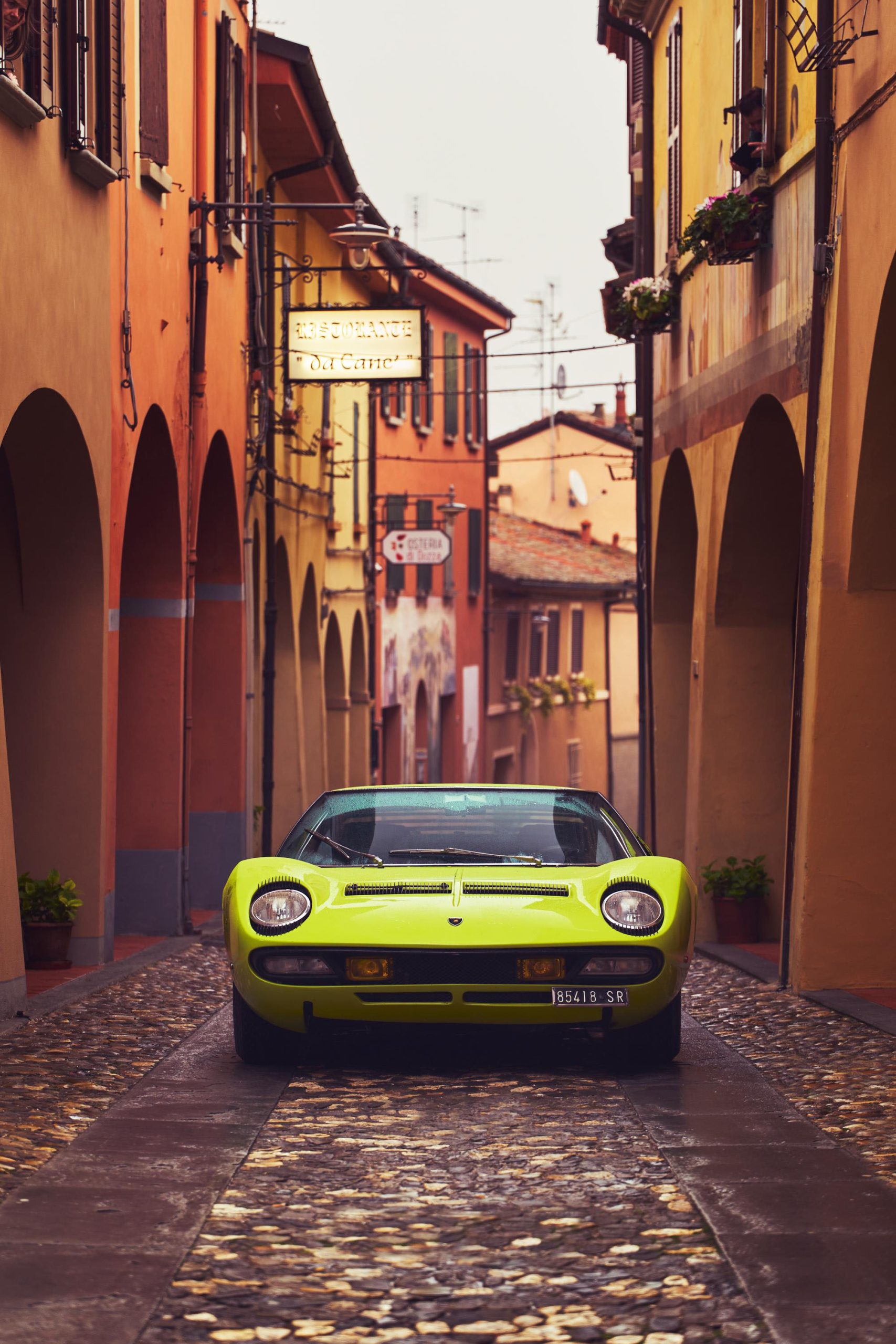
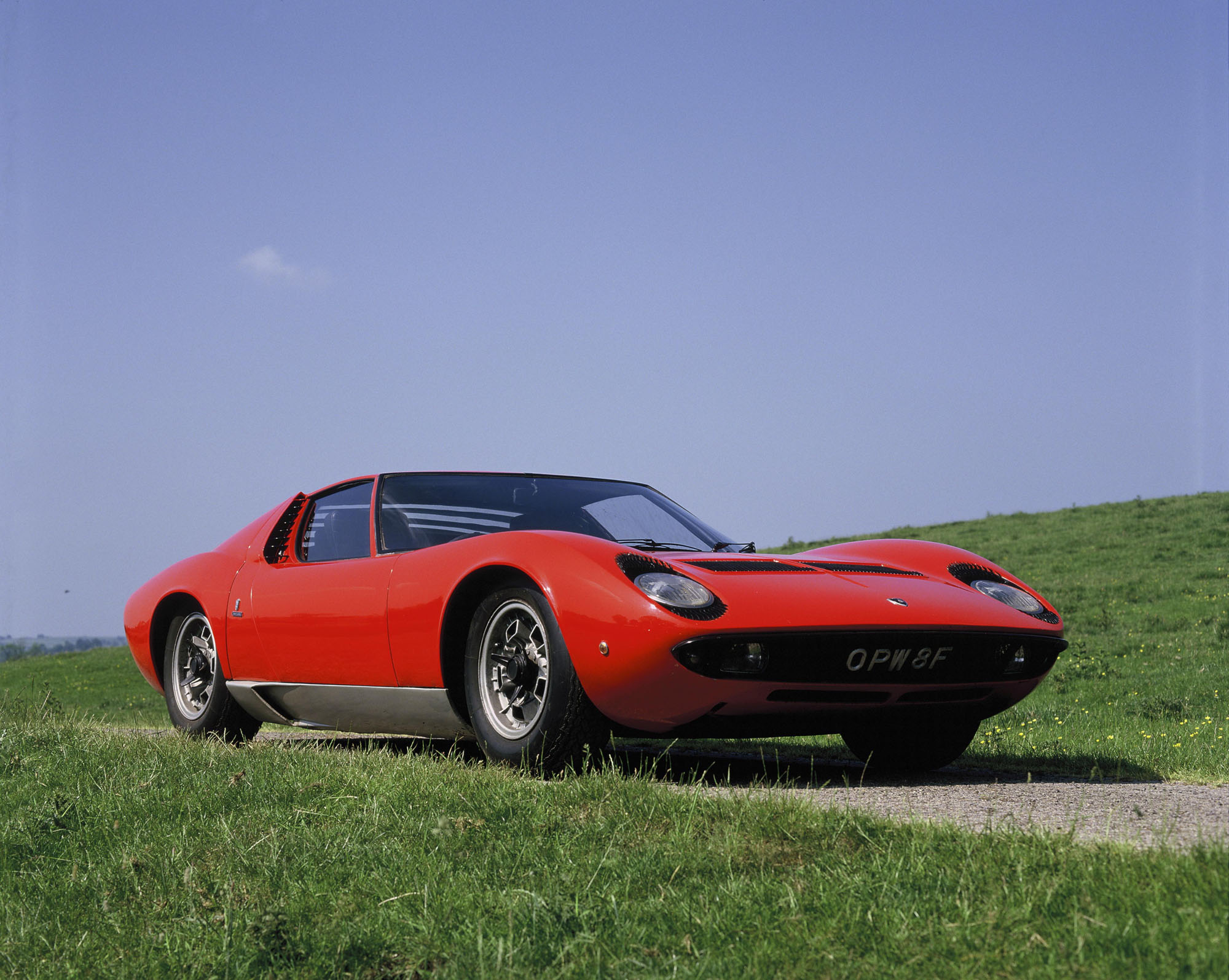
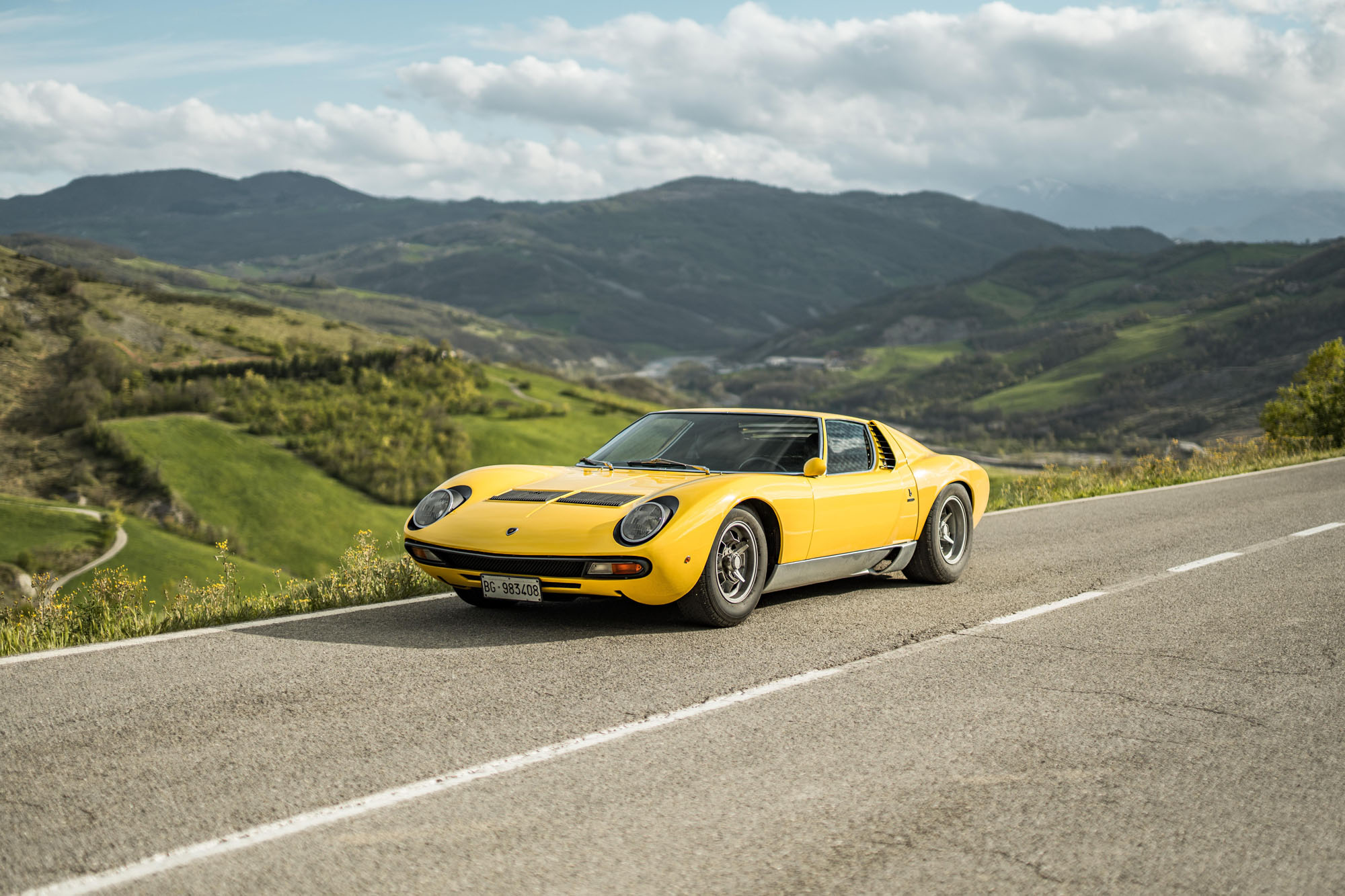
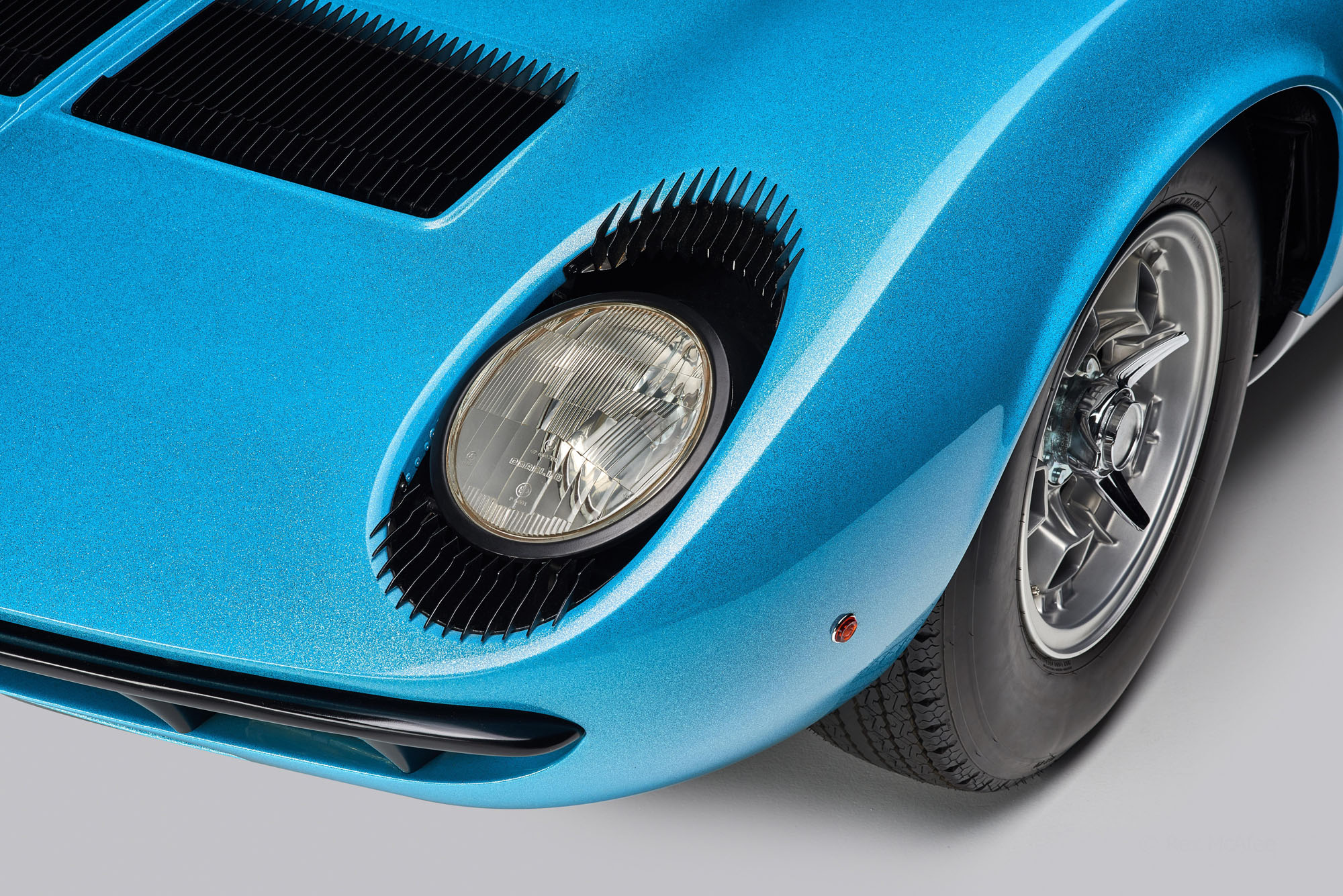
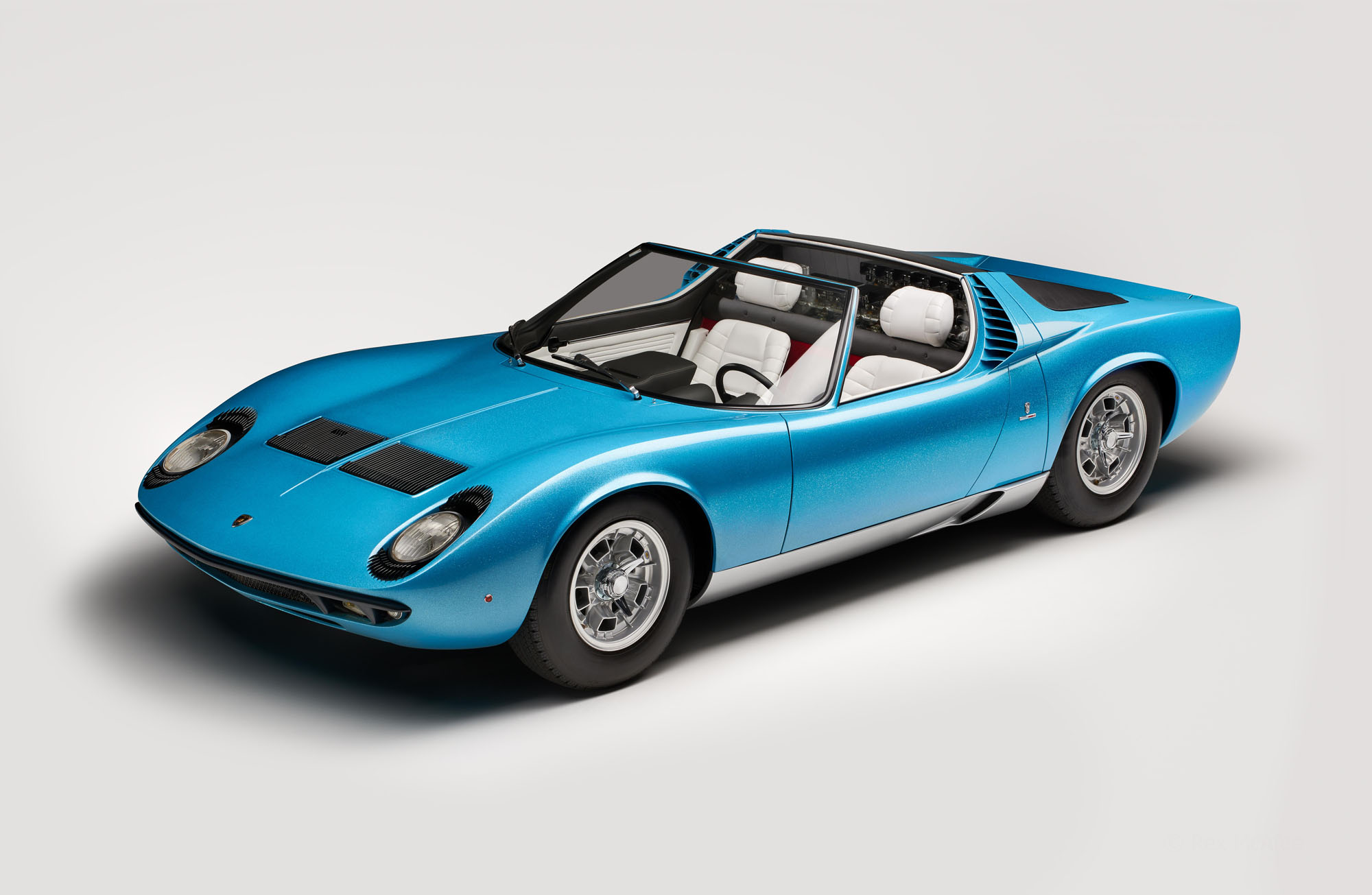
The Miura’s design, created by Bertone, set new standards for supercar styling. Low, wide and aggressive, the car stood only about 105 cm tall and looked like a predator ready to pounce. Its pop-up headlights with distinctive “eyelashes,” large air intakes and flowing lines created a silhouette that remains one of the most admired in automotive design.
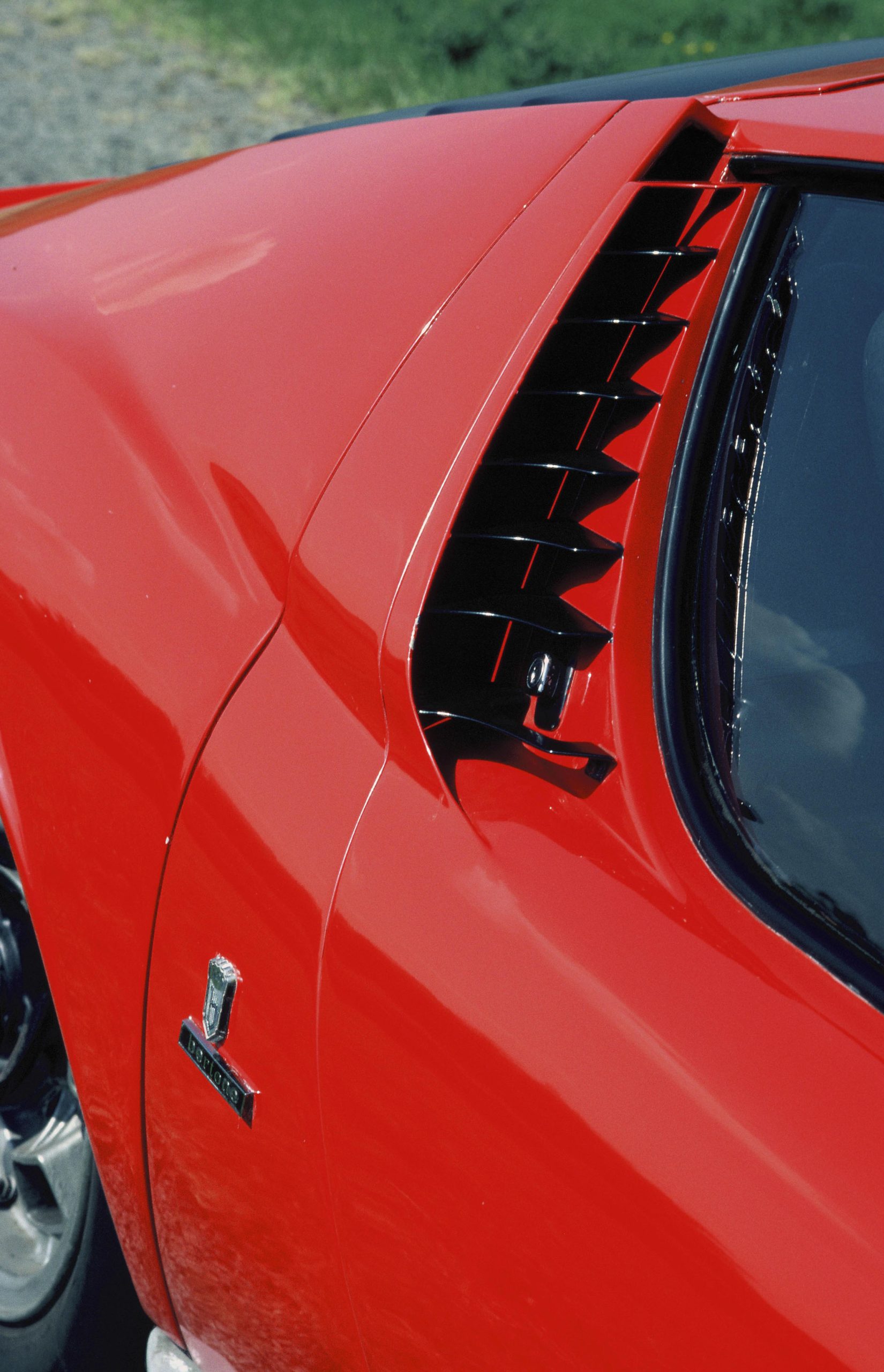
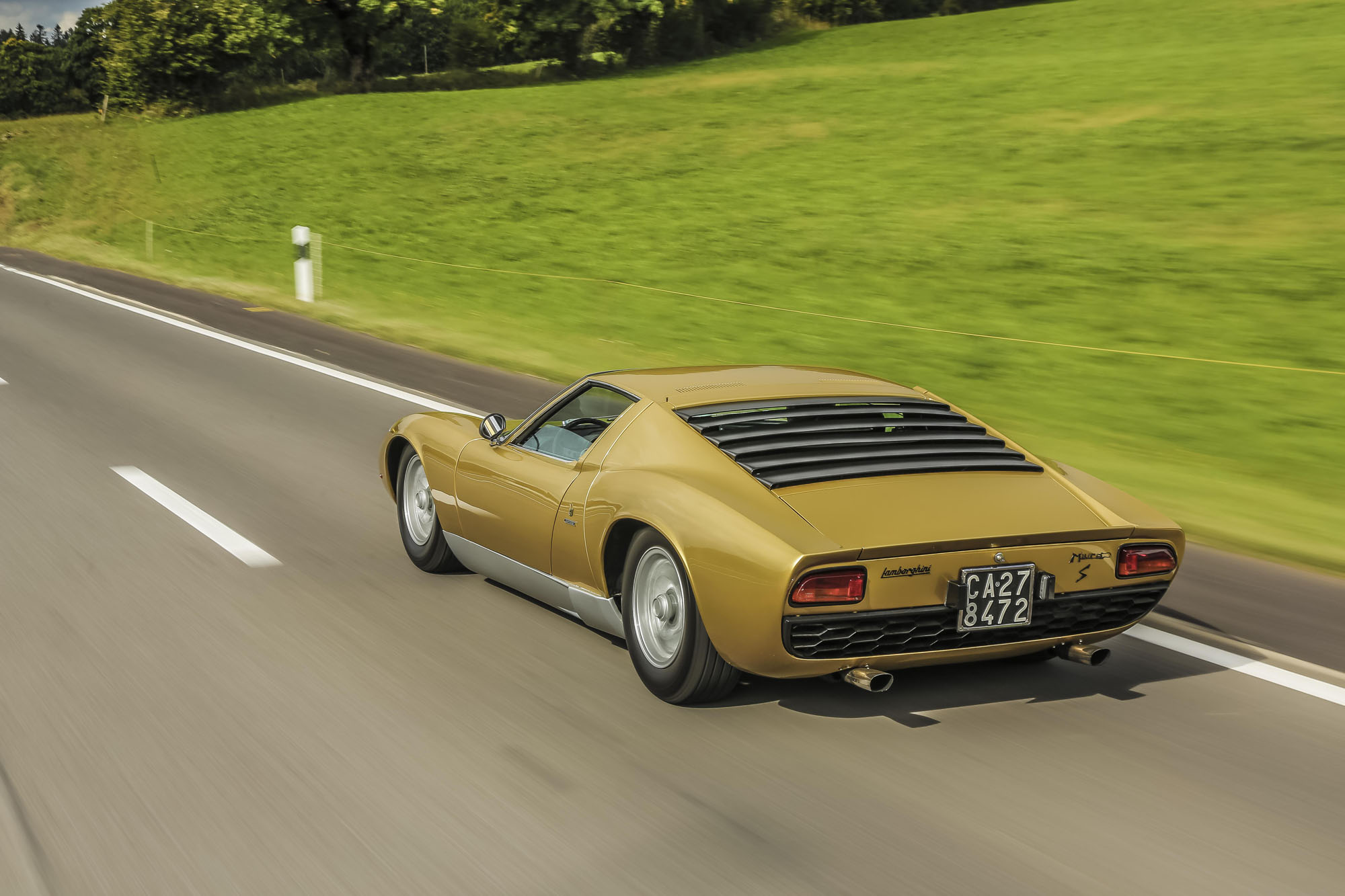
Many elements drew inspiration from racing. Air channels directed cooling to the brakes and engine, while black slatted vents improved airflow and became a signature design feature.
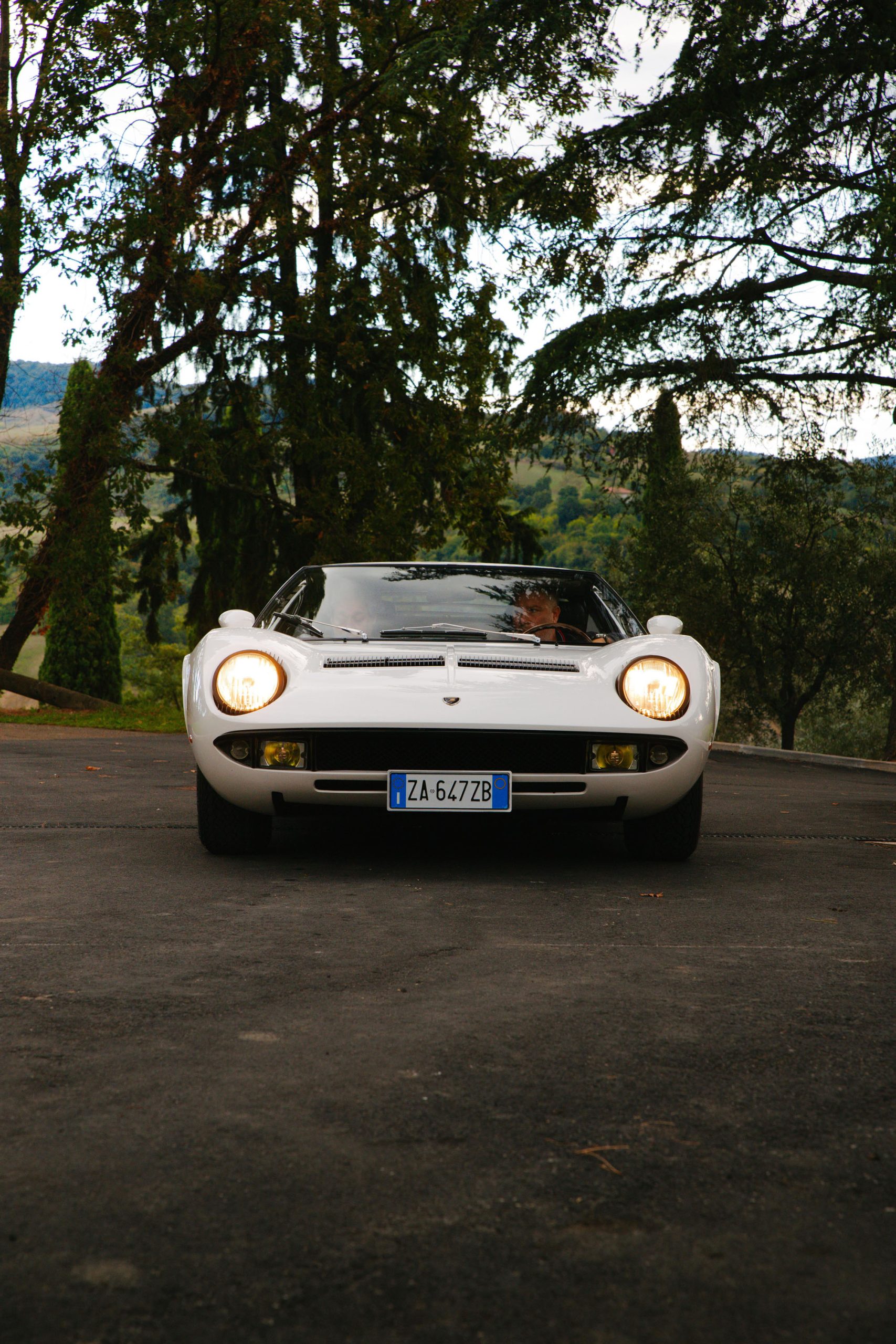
Instead of traditional chrome trim, the Miura used black anodized detailing, reinforcing its modern look. Despite its dramatic stance, the car was compact—just 4.36 meters long thanks to the efficient mid-engine layout.
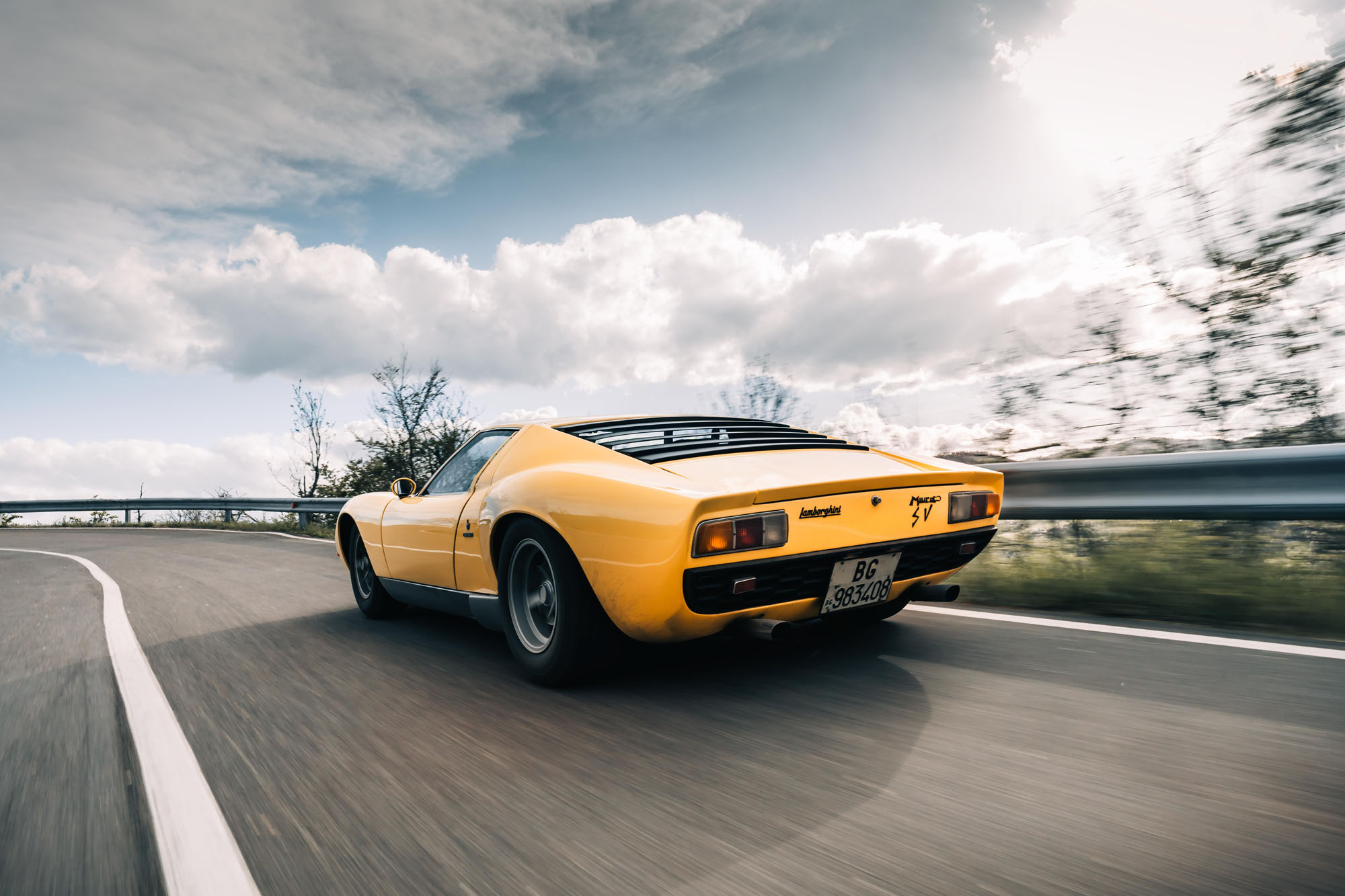
Customers could also choose from a wide palette of bold colors, from Rosso Corsa and Giallo Fly to metallic blues, greens, and gold. This early emphasis on personalization foreshadowed Lamborghini’s modern customization programs.
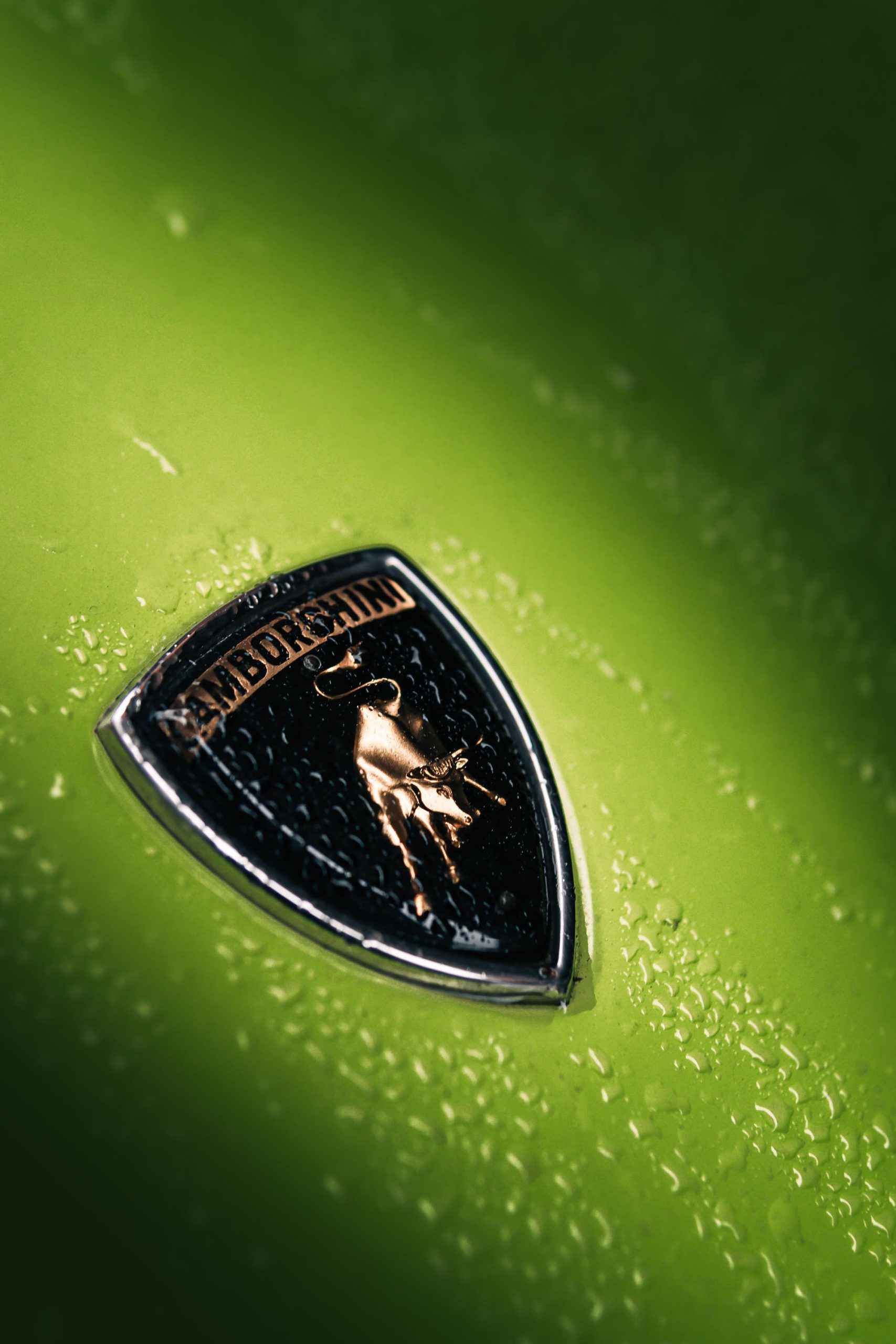
The Lamborghini V12. Heart, soul and legacy
The Miura’s V12 became central to Lamborghini’s identity. Originally designed by Giotto Bizzarrini and refined for production by Paolo Stanzani, the engine defined the brand for decades.
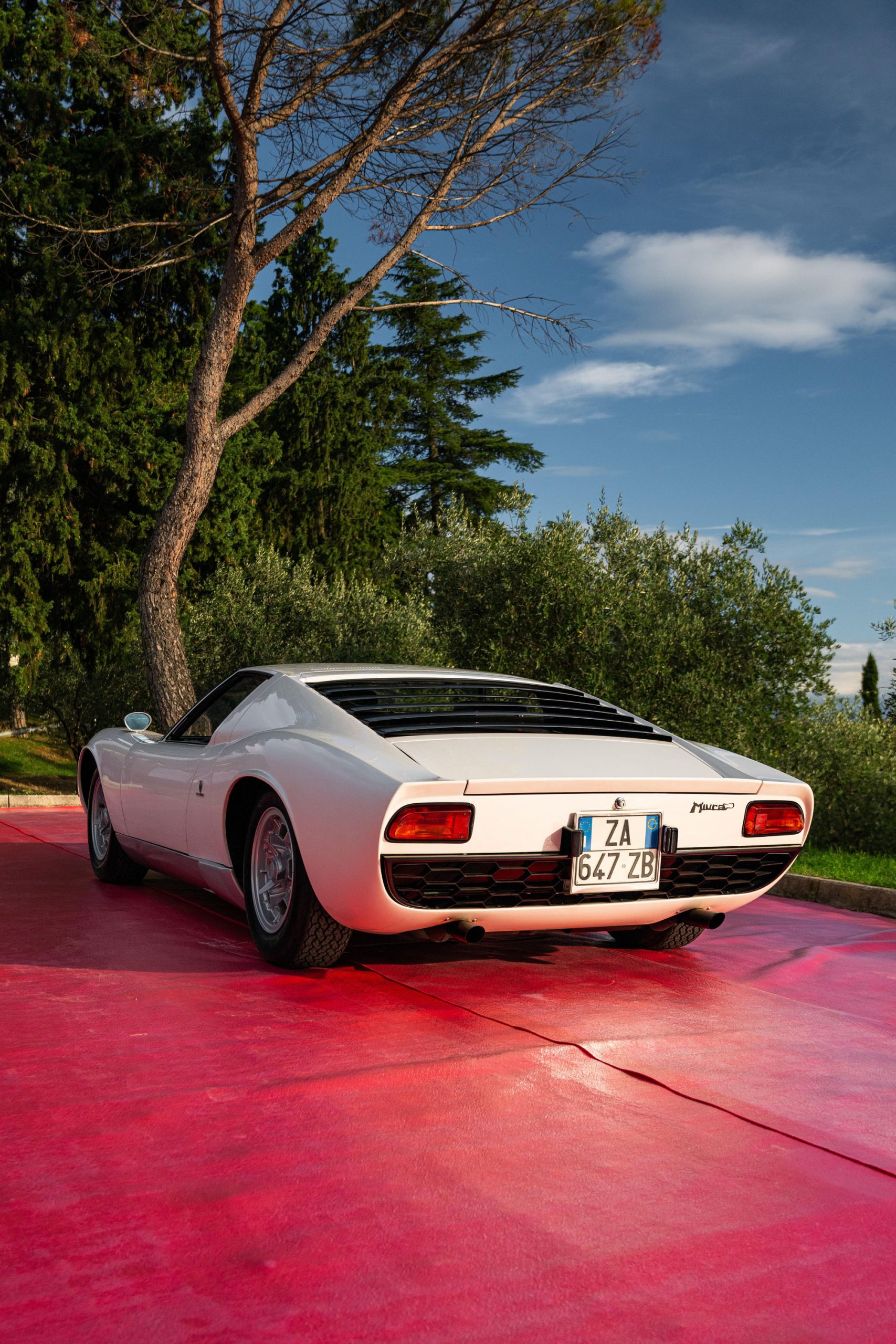
Depending on the version, the Miura produced between 350 and 385 horsepower. Early models reached 100 km/h in about 6.7 seconds and topped out around 280 km/h—making the Miura the fastest production car of its time. Later P400 SV models increased power and improved drivability.
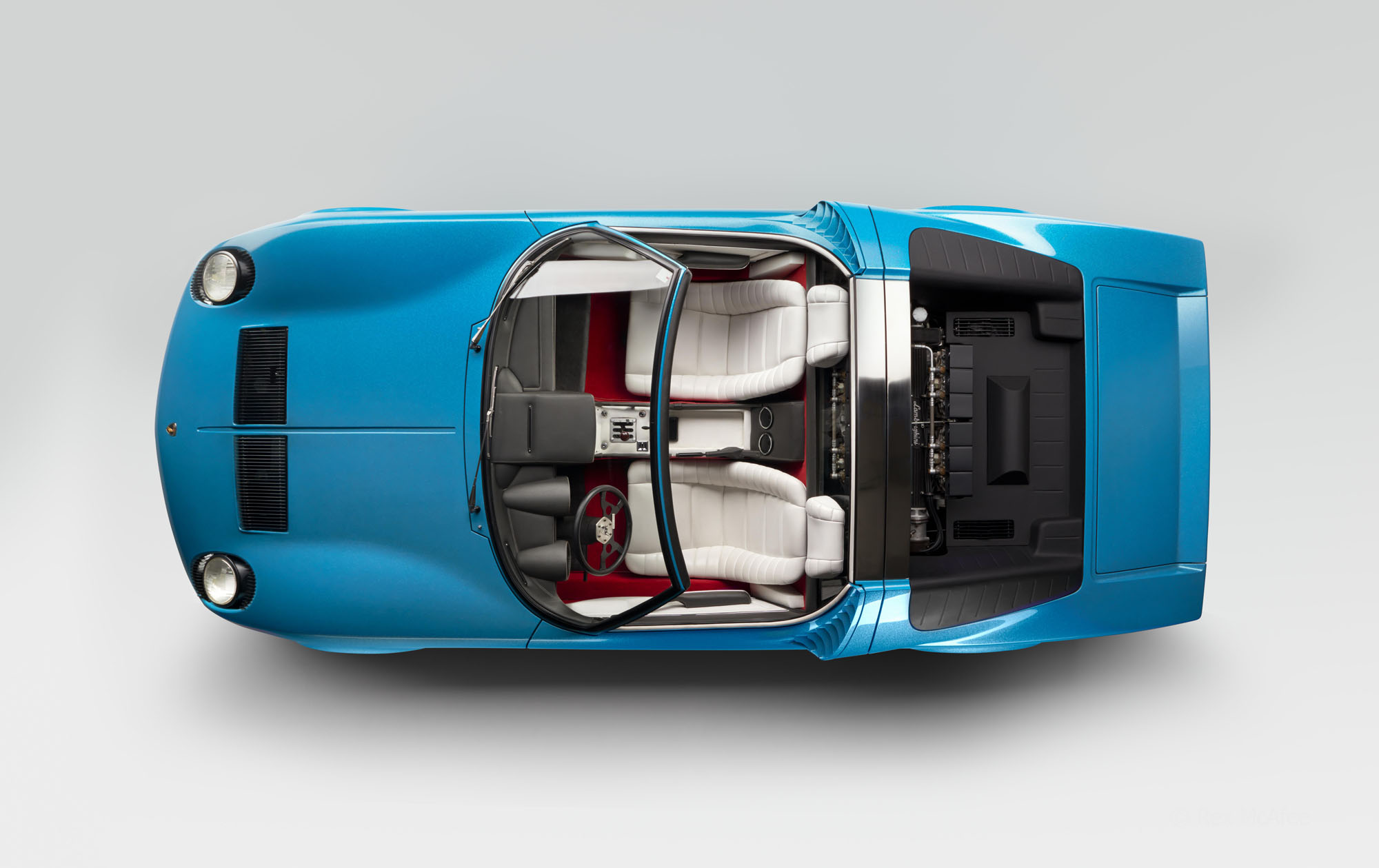
The engine, transmission, and differential originally shared a common housing and lubrication system—an unusual and space-saving solution. Later versions introduced separate lubrication, improving reliability.
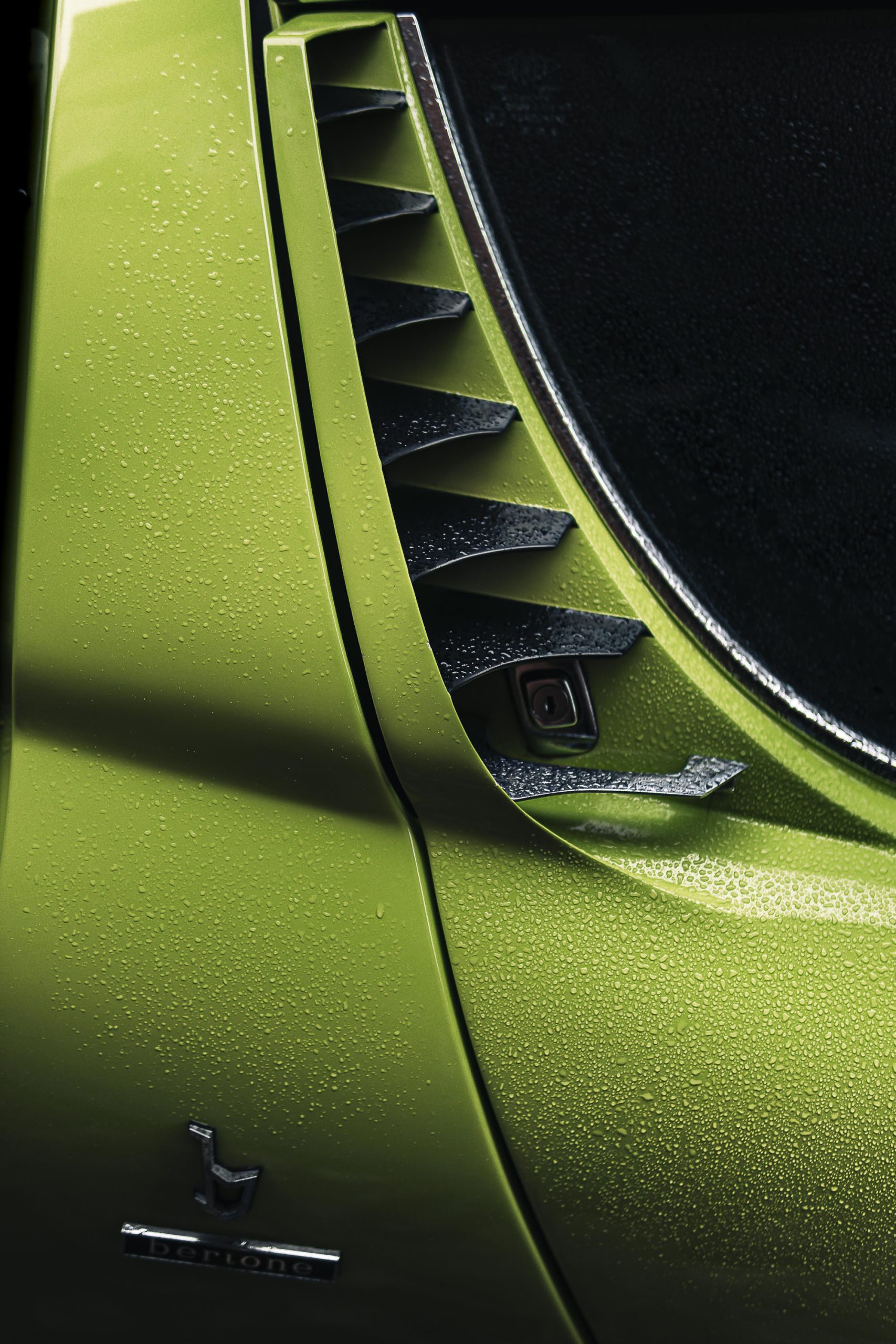
Beyond performance, the V12 gave the Miura its unmistakable sound. The car became a cultural icon, famously appearing in the opening scene of The Italian Job (1969).
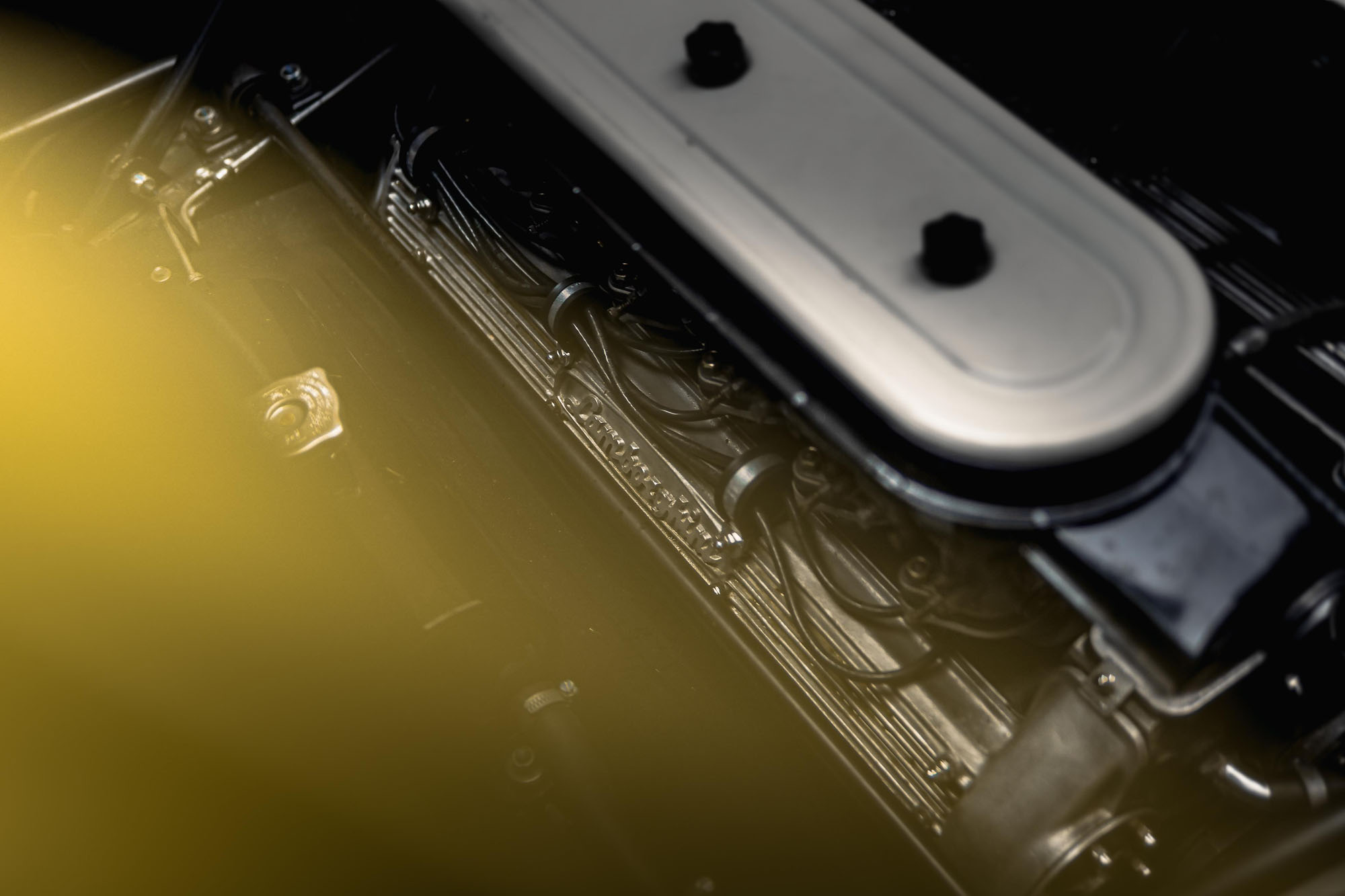

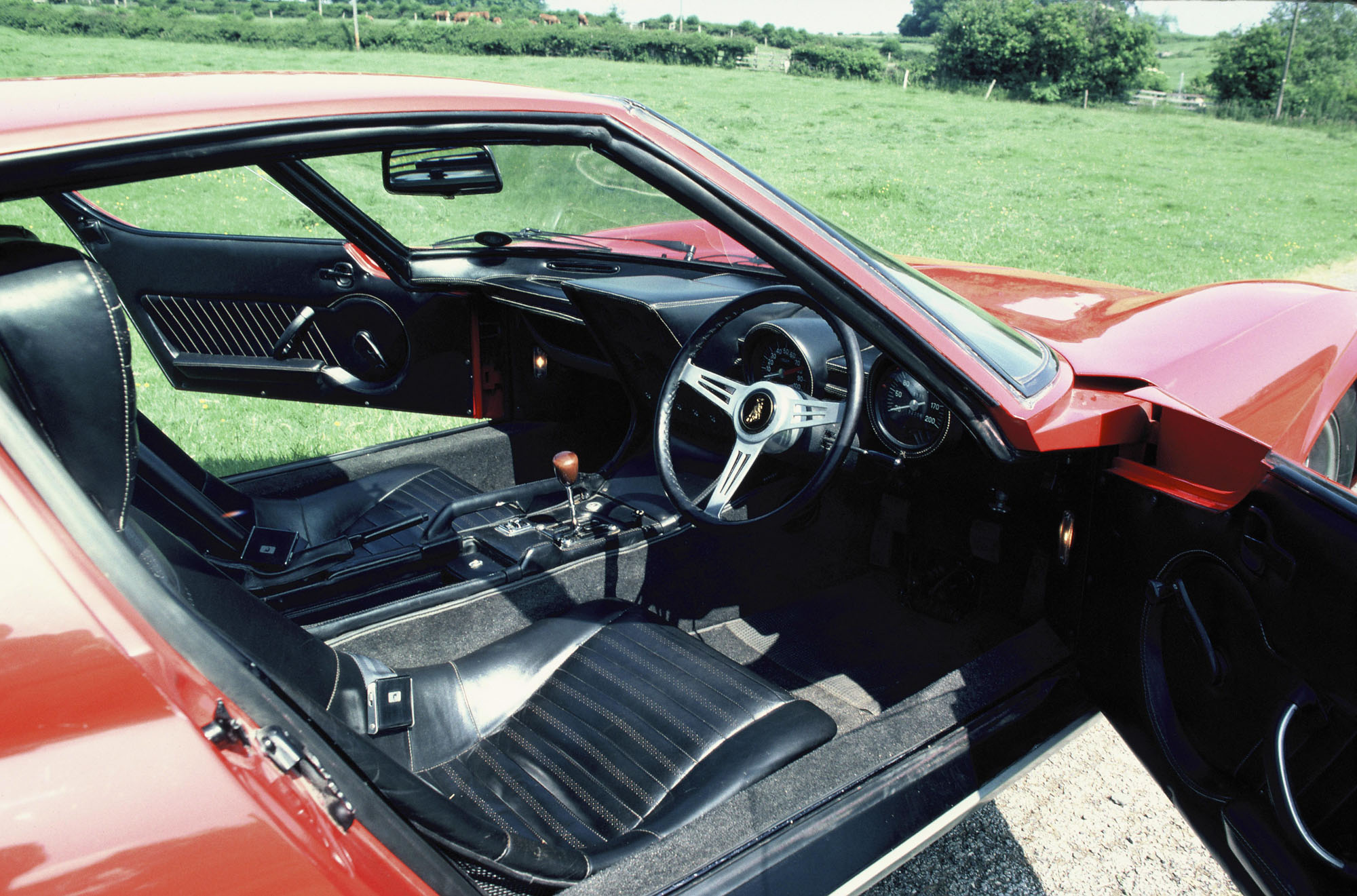
Driving a Miura remains a raw experience. With no power steering and no electronic aids, it demands full attention but rewards the driver with pure mechanical feedback. Its steel space-frame chassis, double wishbone suspension, and firm setup delivered exceptional handling for its era.
The Lamborghini Miura: production and special versions
Between 1966 and 1973, Lamborghini built 763 Miuras at its Sant’Agata Bolognese factory. The first production car was delivered in December 1966, and by 1968 the company was producing nearly four cars per week—remarkable for a supercar of the time.
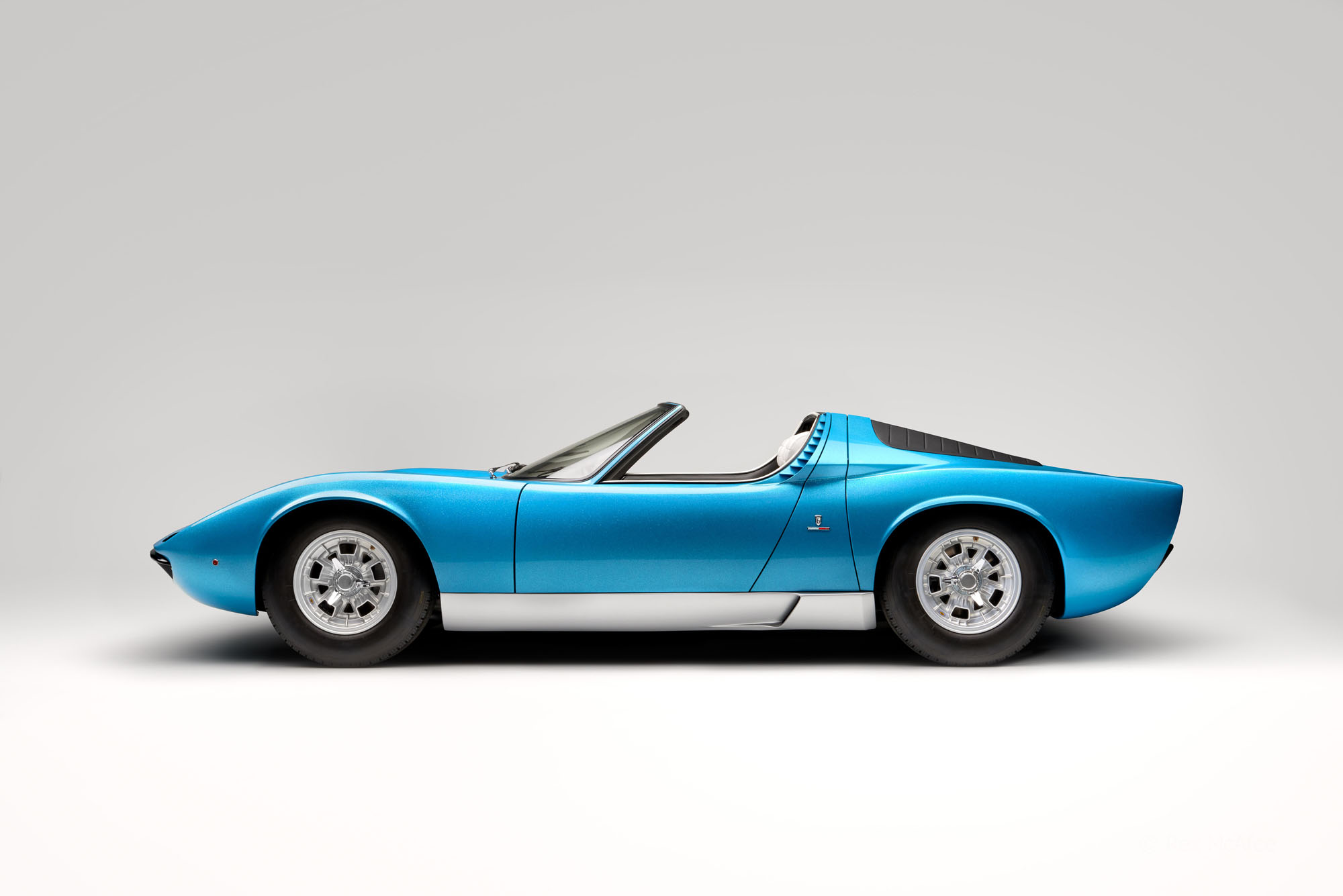
Several unique or special versions were also created. One of the most famous is the 1968 Miura Roadster, a one-off open-top version built by Bertone with distinctive styling and additional structural reinforcement.
In 2006, Lamborghini celebrated the Miura’s 40th anniversary with the Miura Concept, designed by Walter De Silva. The design study modernized the original car’s proportions and silhouette while avoiding direct retro styling.
Miura Today
The Miura established the DNA that Lamborghini still follows today. Models such as the Countach, Diablo, Murciélago, Aventador and Revuelto all trace their lineage to its mid-engine layout and bold philosophy.
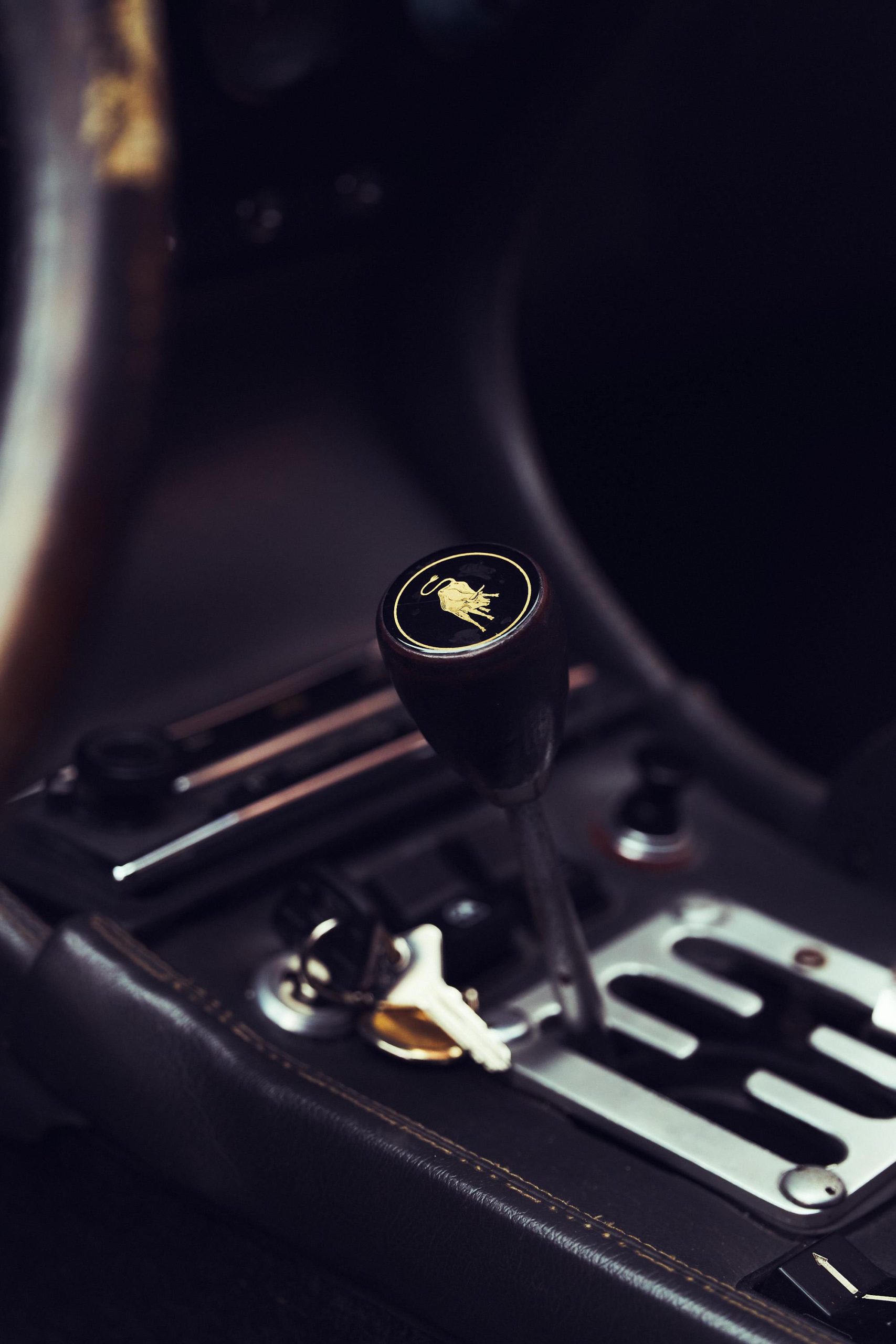
Today the Miura remains one of the most celebrated cars in automotive history. Sixty years after its debut, it continues to win awards at major concours events including Villa d’Este, Pebble Beach, Salon Privé and Hampton Court Palace. Many examples have been restored or certified by Lamborghini Polo Storico, the brand’s heritage division.
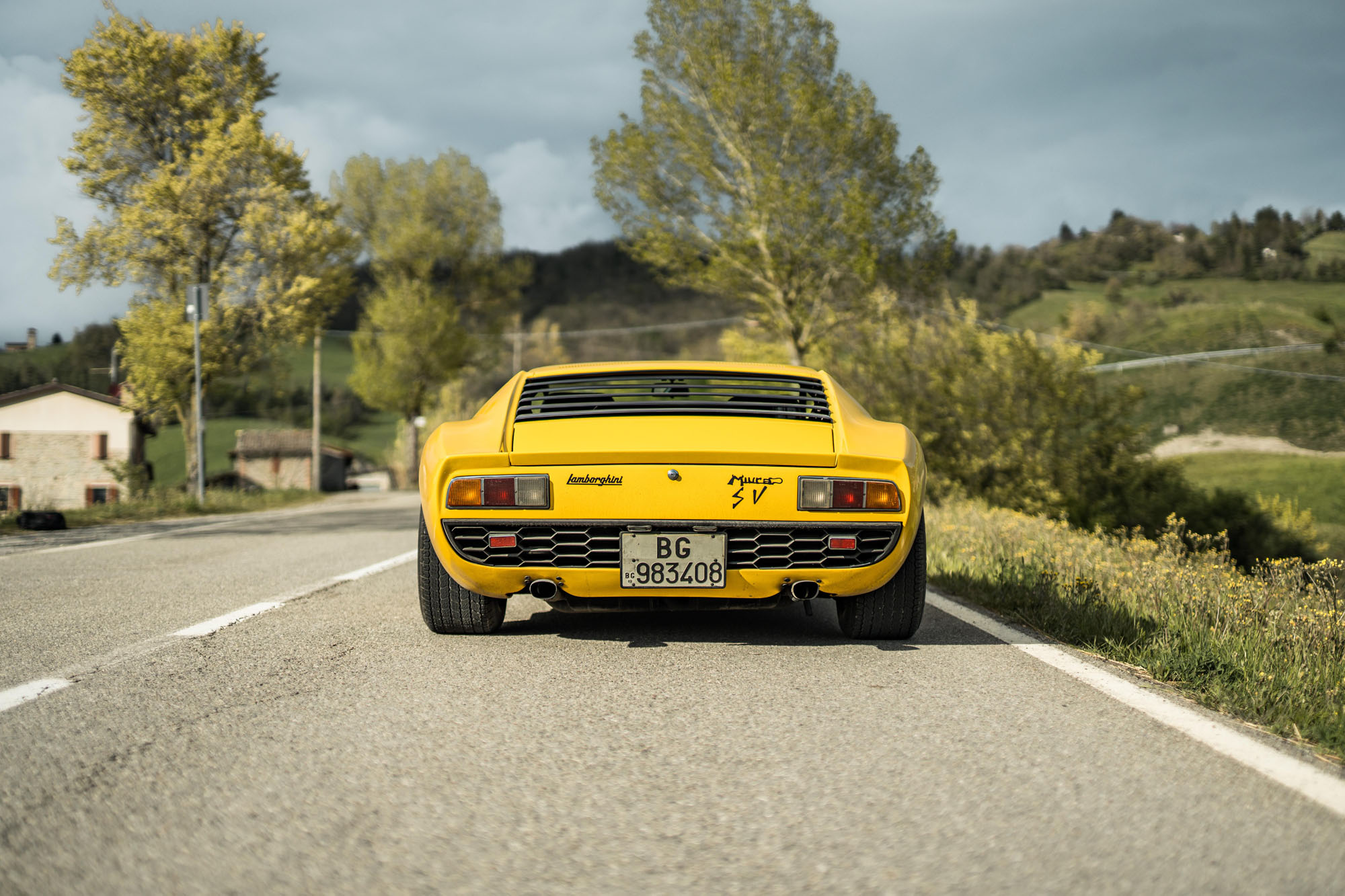
Lamborghini Miura P400 (1966–1969)
- First unveiled: Geneva Motor Show, 1966
- Engine: 3.9-liter V12, 350 hp at 7,000 rpm, 355 Nm at 5,000 rpm
- Transmission: 5-speed manual, transversely mounted engine
- Top speed: approx. 280 km/h
- 0–100 km/h: approx. 6.7 s
- Curb weight: 985 kg
- Special features: first production car with a mid-engine layout for road use. Steel spaceframe chassis with a sleek body designed by Marcello Gandini at Bertone. Distinctive “eyelash” headlights give the Miura its signature look.
- Price: 7,700,000 lire
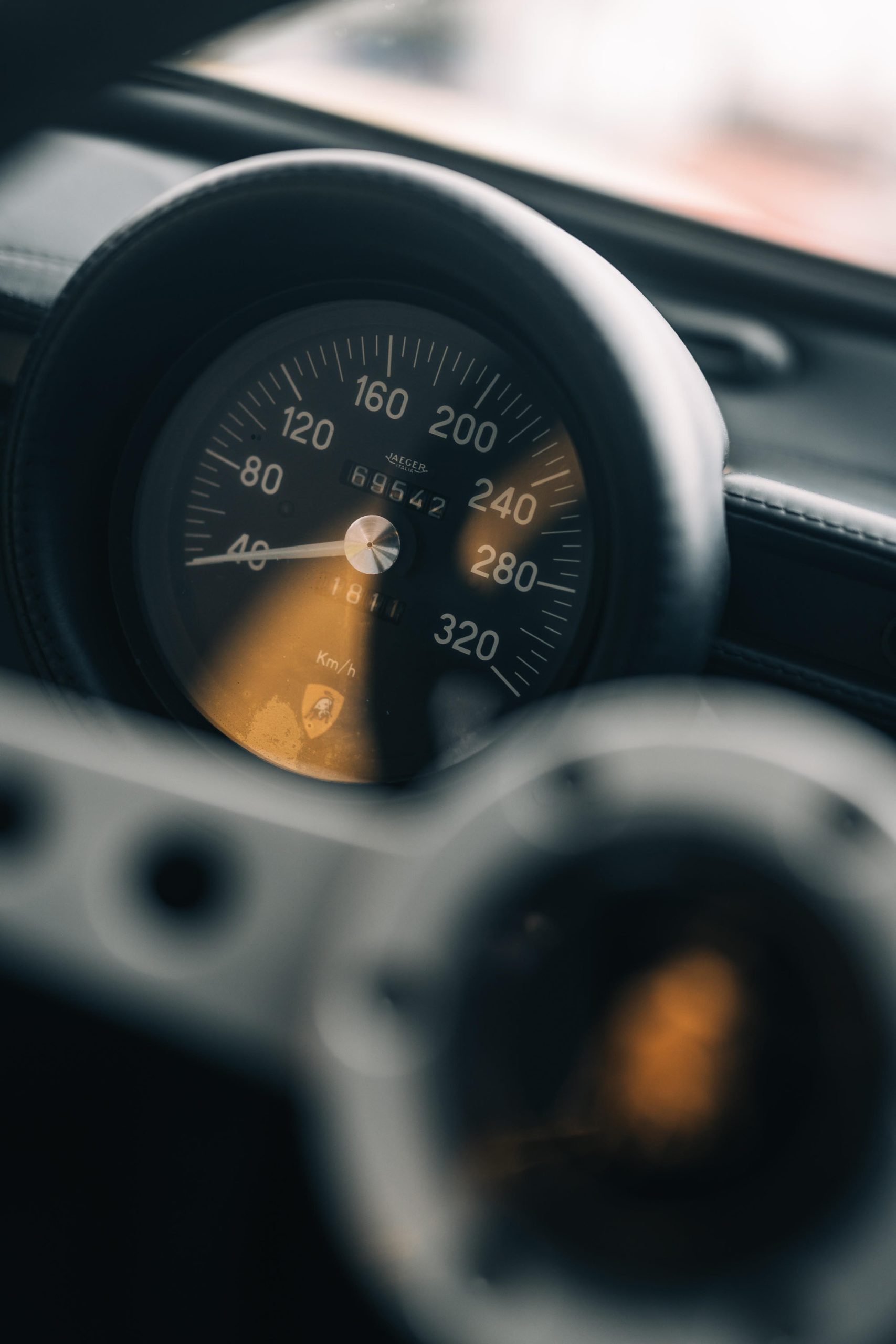
Lamborghini Miura P400 S (1968–1971)
- Engine: 3.9-liter V12, 370 hp at 7,500 rpm, 390 Nm at 5,500 rpm
- Top speed: approx. 280 km/h
- 0–100 km/h: 6.4 s
- Curb weight: 1,180 kg
- Improvements: wider track, updated chassis with Koni shocks, electric windows, improved interior and optional air conditioning. Ventilated disc brakes introduced later in production.
- Special features: retained the Miura’s performance but added comfort and refinement.
- Price: 7,850,000 lire (+350,000 lire for air conditioning)
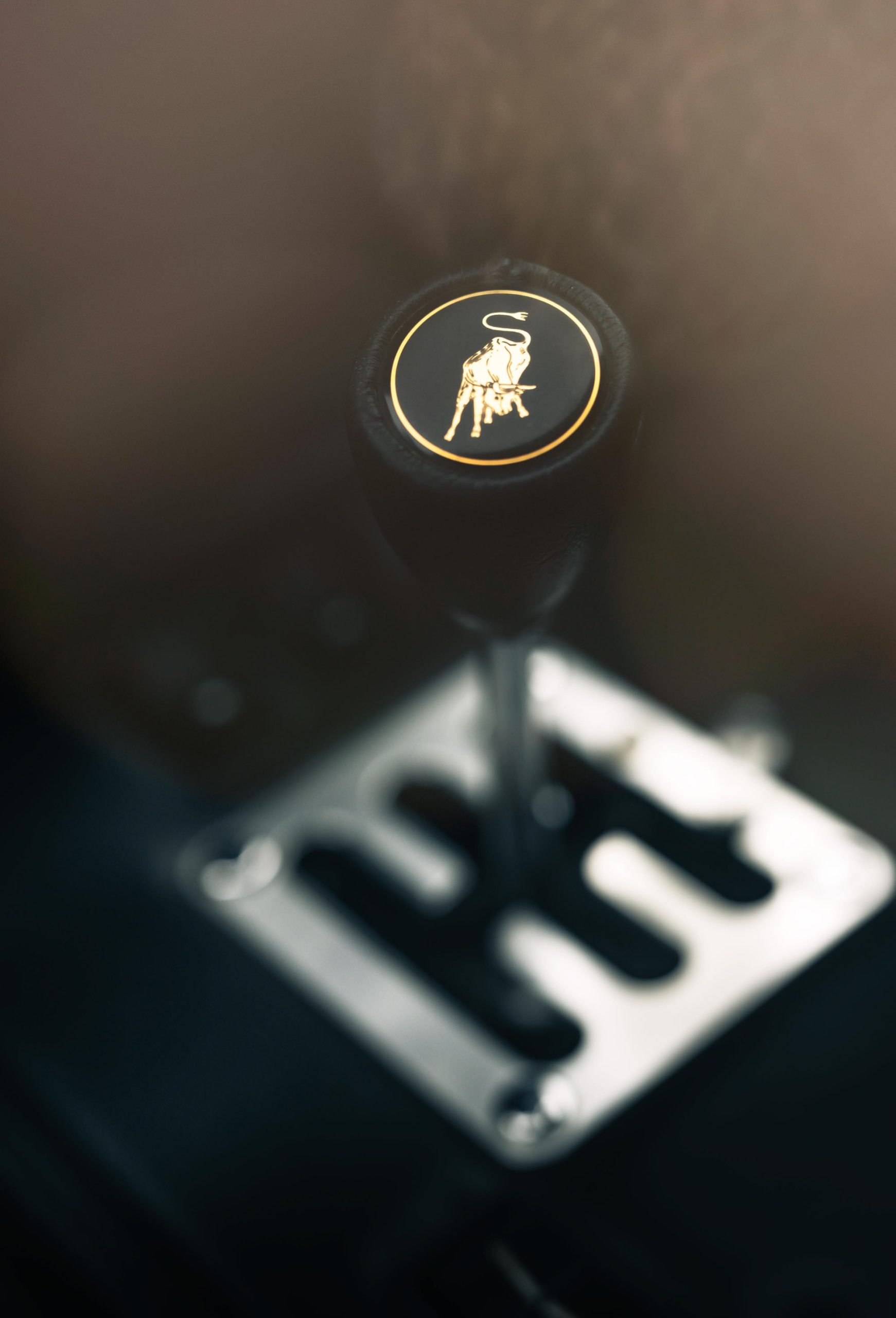
Lamborghini Miura P400 SV (1971–1973)
- Engine: 3.9-liter V12, 385 hp at 7,850 rpm, 388 Nm at 5,500 rpm
- Top speed: over 290 km/h
- 0–100 km/h: approx. 5.5 s
- Curb weight: 1,245 kg
- Improvements: separate engine and transmission lubrication, wider rear track for improved traction, revised suspension, and higher overall performance. Some models featured a limited-slip differential.
- Special features: final and most developed Miura version. Removed the headlight “eyelashes” for a cleaner look and offered the best performance of the series.
- Price: 8,600,000 lire
Above contents © 2026 Automobili Lamborghini S.p.A. reviewed and edited by Rex McAfee , @rexmcafee