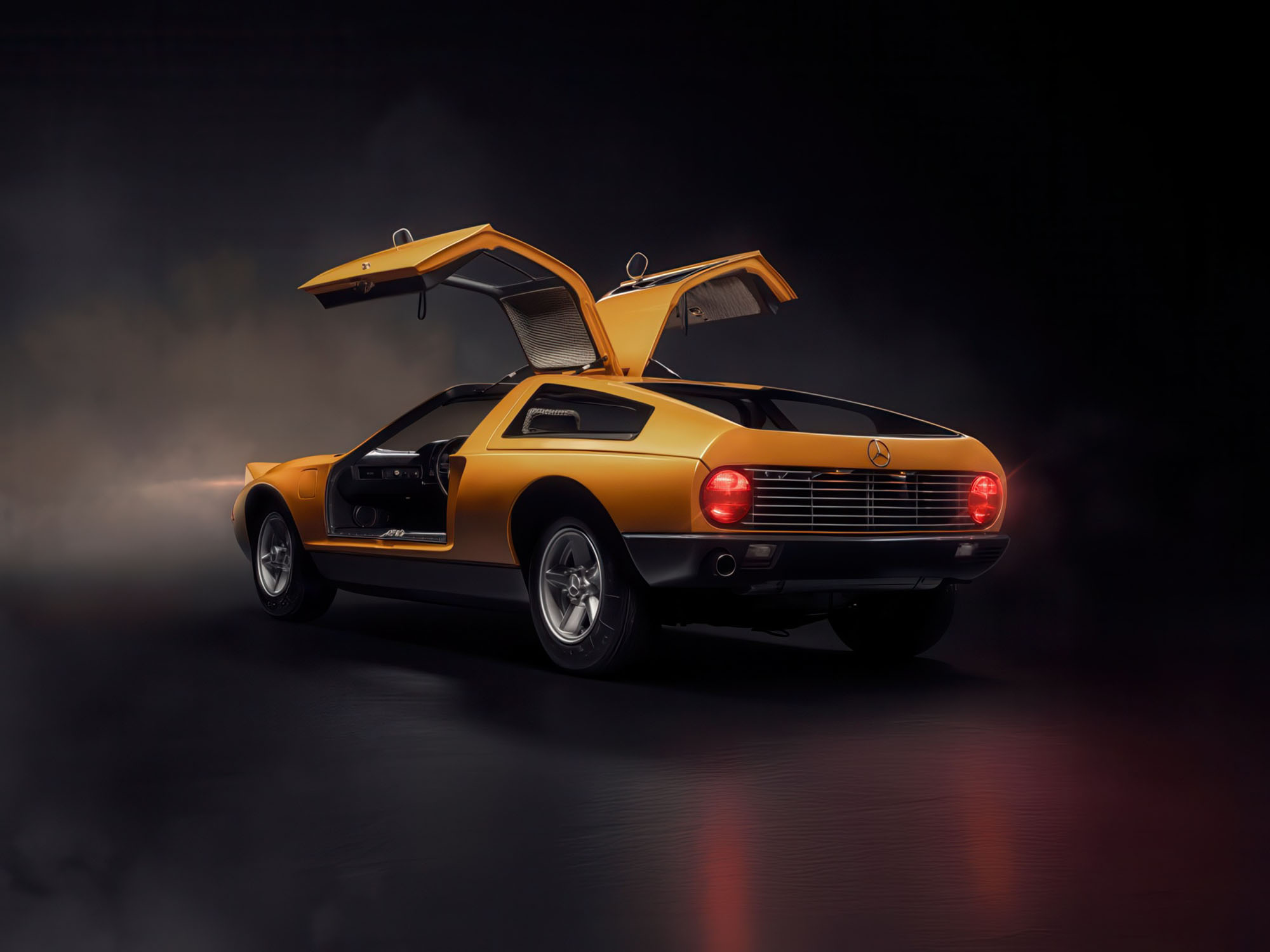

Mercedes-Benz will sell one of its legendary C 111 prototypes for the first time, offering a running 1970 C 111-II through RM Sotheby’s on February 3, 2027, at the Palais du Louvre during Retromobile Paris. Powered by its original four-rotor Wankel engine, the experimental supercar represents an unprecedented opportunity for collectors.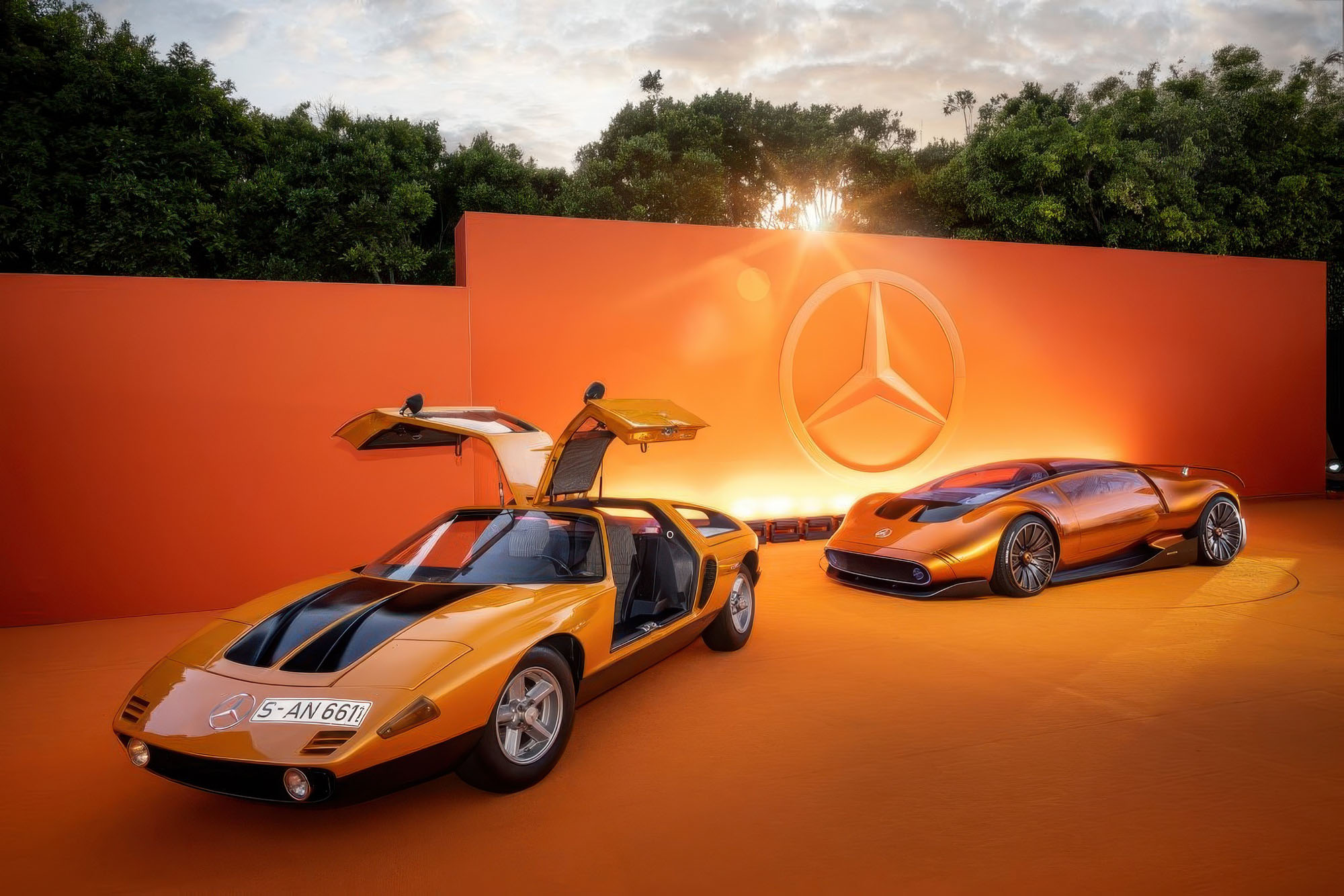
Mercedes-Benz has contractually committed not to sell another C 111 for at least 25 years. Auction proceeds will support the development of the Mercedes-Benz Museum in Stuttgart. No auction estimate was disclosed.
An Original Four-Rotor Mercedes-Benz C 111-II
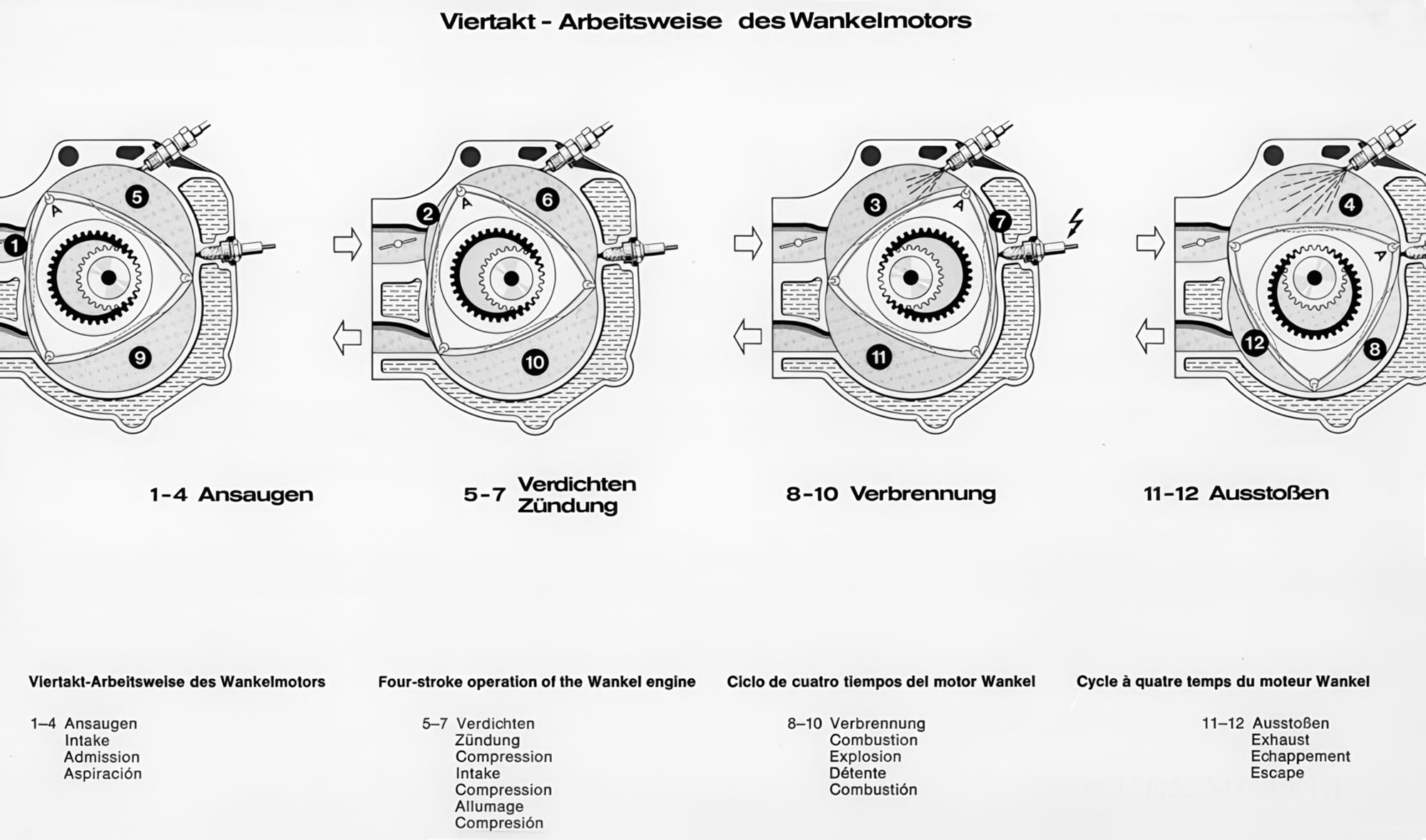
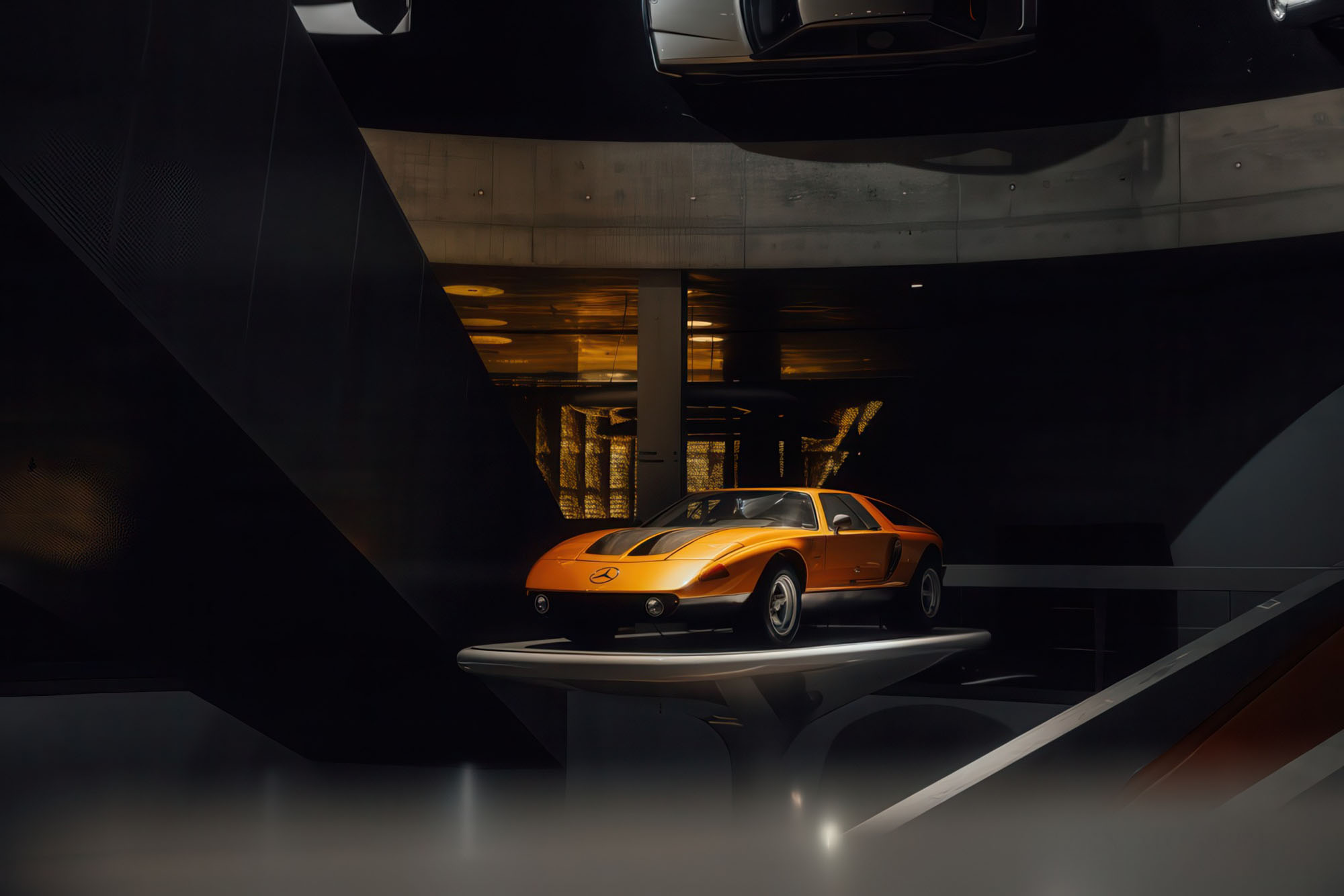
Known internally as Car 33, the auction vehicle is the third C 111-II constructed. Finished in Weißherbst with gray-and-white houndstooth upholstery, it retains its original 2.4-liter M 950 W 48 four-rotor Wankel engine, installed in August 1970.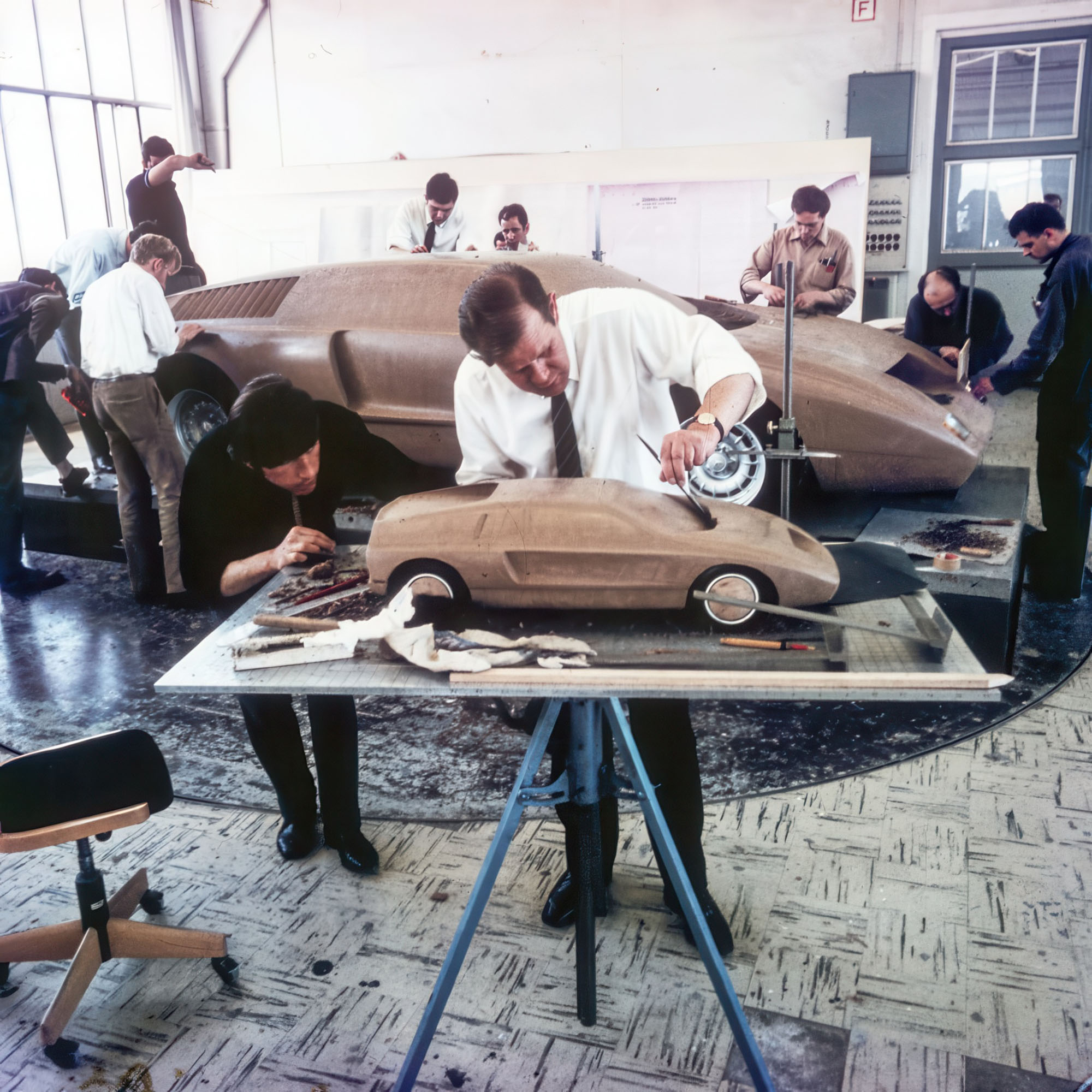
Producing a quoted 345 hp (257 kW), the mid-mounted engine enabled the 2,734-pound prototype to reach 186 mph and accelerate from 0–62 mph in 4.8 seconds.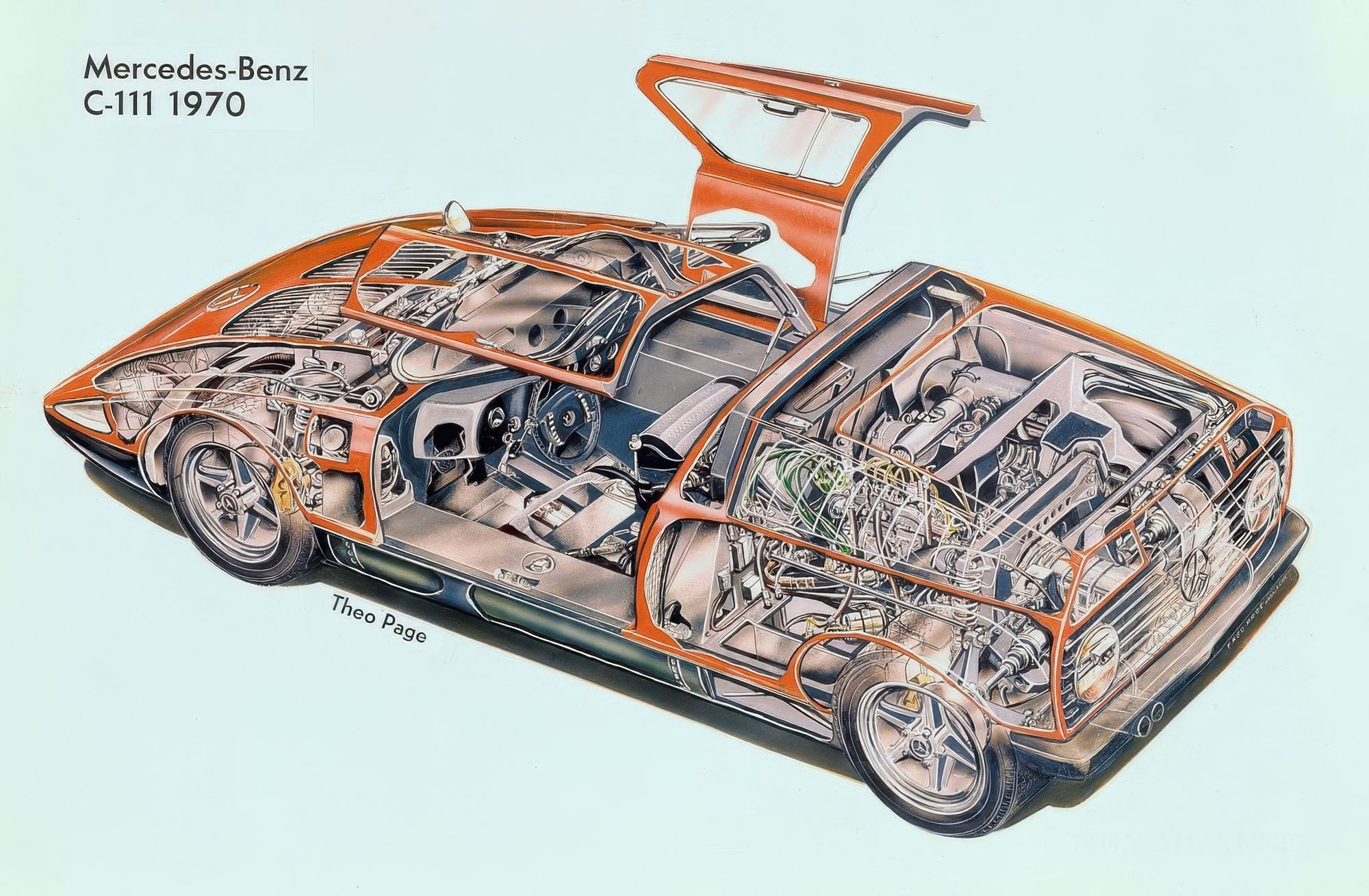
Car 33 served as a factory development vehicle, undergoing fuel-system, temperature and anti-lock braking tests, including testing at Hockenheim. Its experimental ABS is no longer operational.
Provenance and Mechanical Restoration
The prototype entered Mercedes-Benz’s permanent collection in 1975 and has been exhibited at the company’s museum since 2006. Its history also includes a 1971 presentation to renowned conductor Herbert von Karajan and an appearance in the inaugural German edition of Playboy in 1972.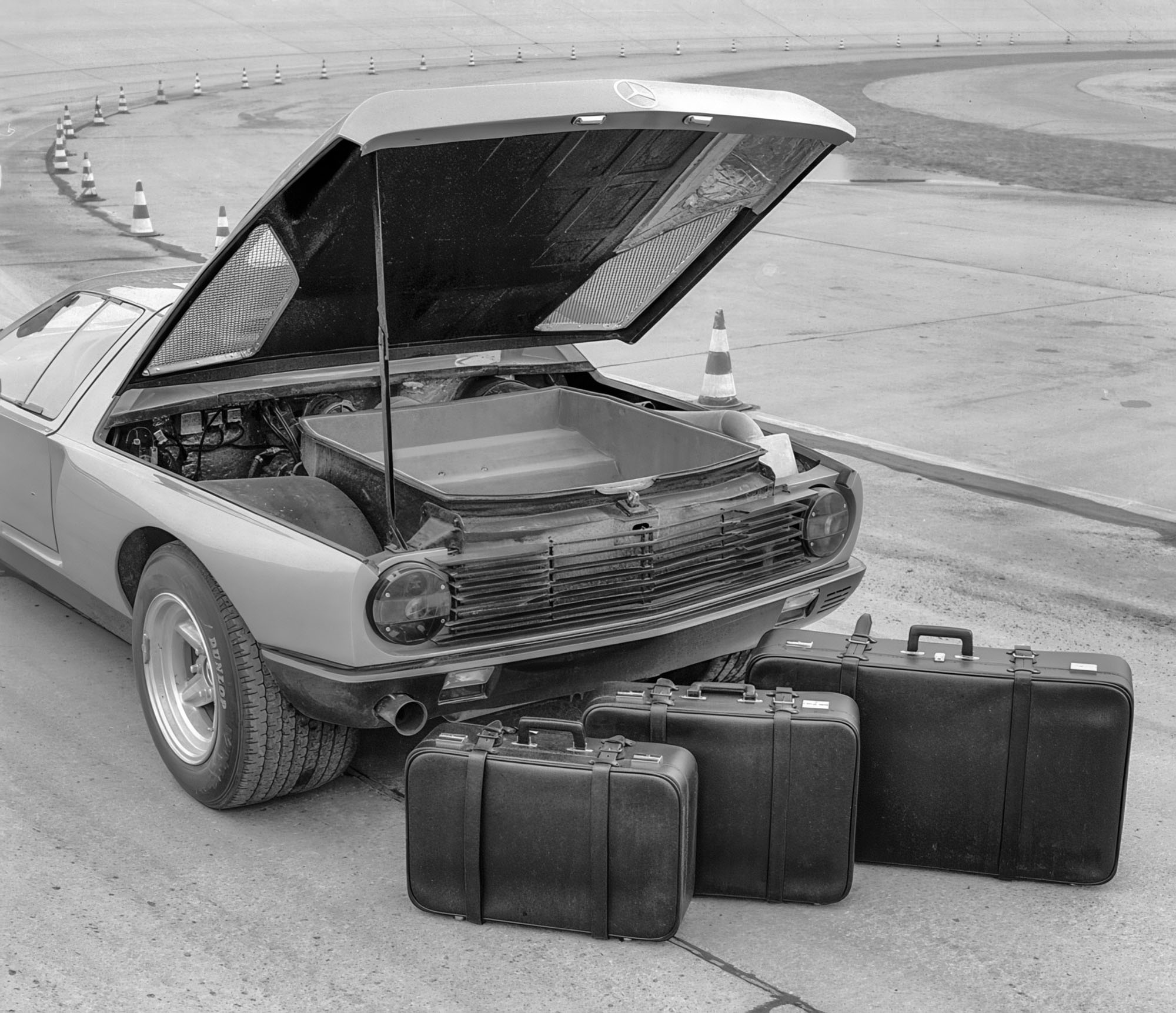
Mercedes-Benz Classic restored Car 33 to running condition in 2024, overhauling its powertrain while preserving its original exterior and interior patina. The car subsequently appeared at the 2024 Pebble Beach Concours d’Elegance and recorded 24,766 kilometers in October 2026.
Both its road-going alloy wheels and period magnesium racing wheels are included, although the latter are suitable only for display.
From Experimental Supercar to Record Breaker
Introduced at the 1969 Frankfurt Motor Show, the C 111 combined gullwing doors, fiberglass bodywork and experimental rotary-engine technology. The redesigned C 111-II debuted in Geneva in 1970, but emissions requirements, production costs and the 1973 oil crisis prevented series production.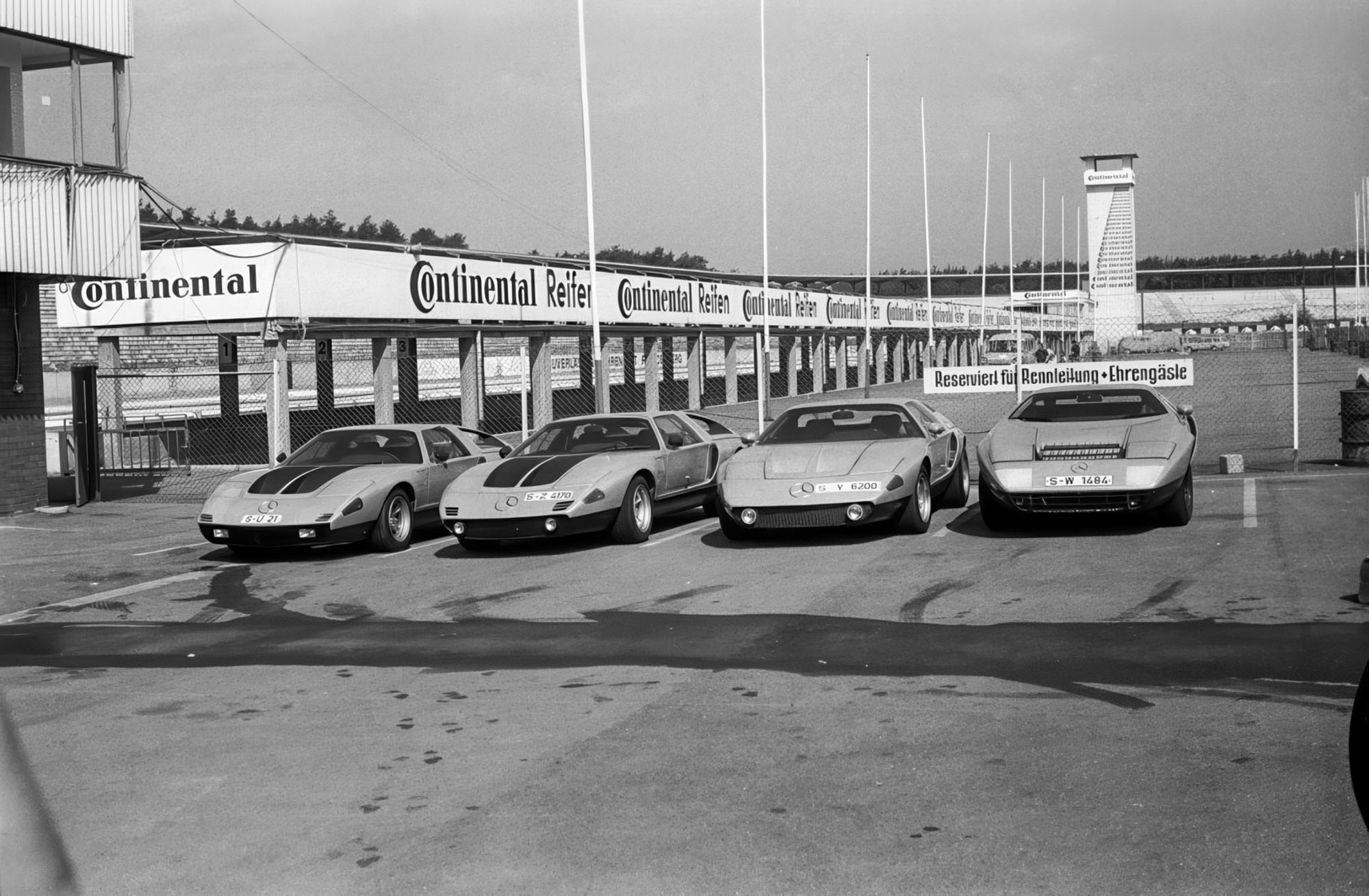
Later diesel- and V8-powered derivatives established numerous speed records, culminating in the 494-hp C 111-IV’s 251.02-mph circuit world record at Nardò in 1979.
Rarity
Mercedes-Benz constructed just 17 C 111 prototypes, of which 13 remain in its collection. Until now, none has been sold by the manufacturer.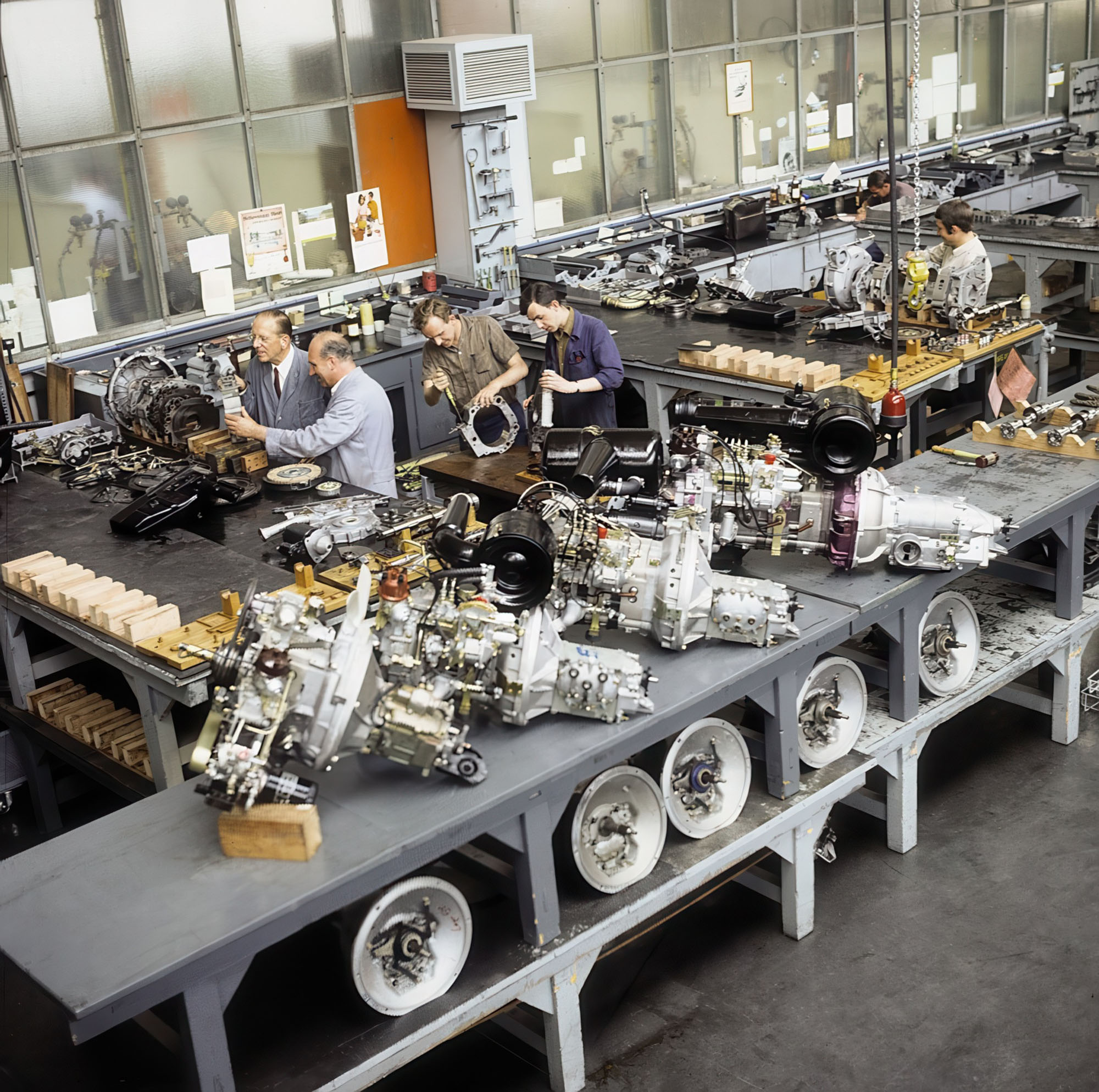
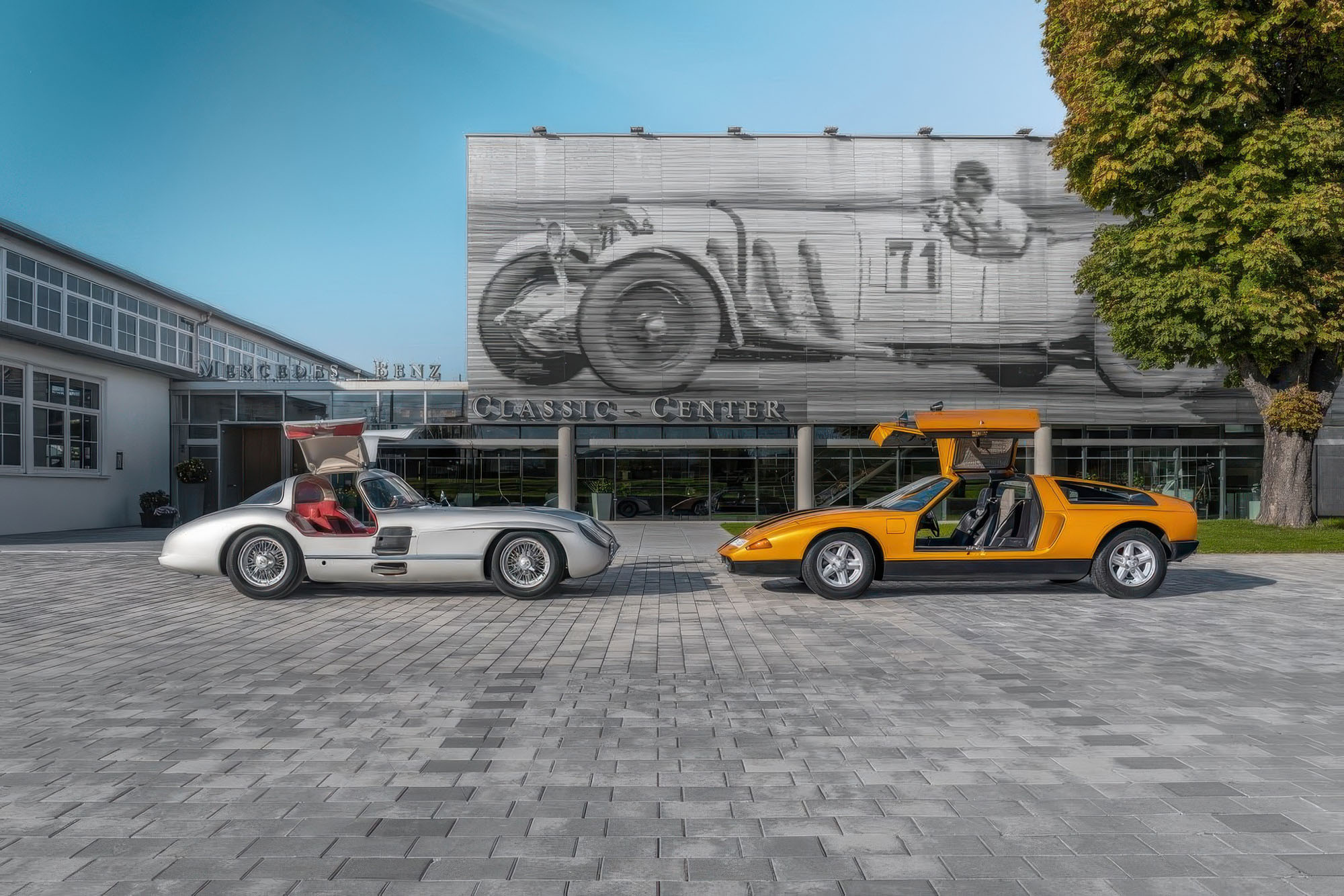
Following the €135 million sale of the 300 SLR Uhlenhaut Coupé in 2022 and the €51.155 million W 196 R Streamliner auction in 2025, the C 111-II represents another significant release from Mercedes-Benz’s historic collection.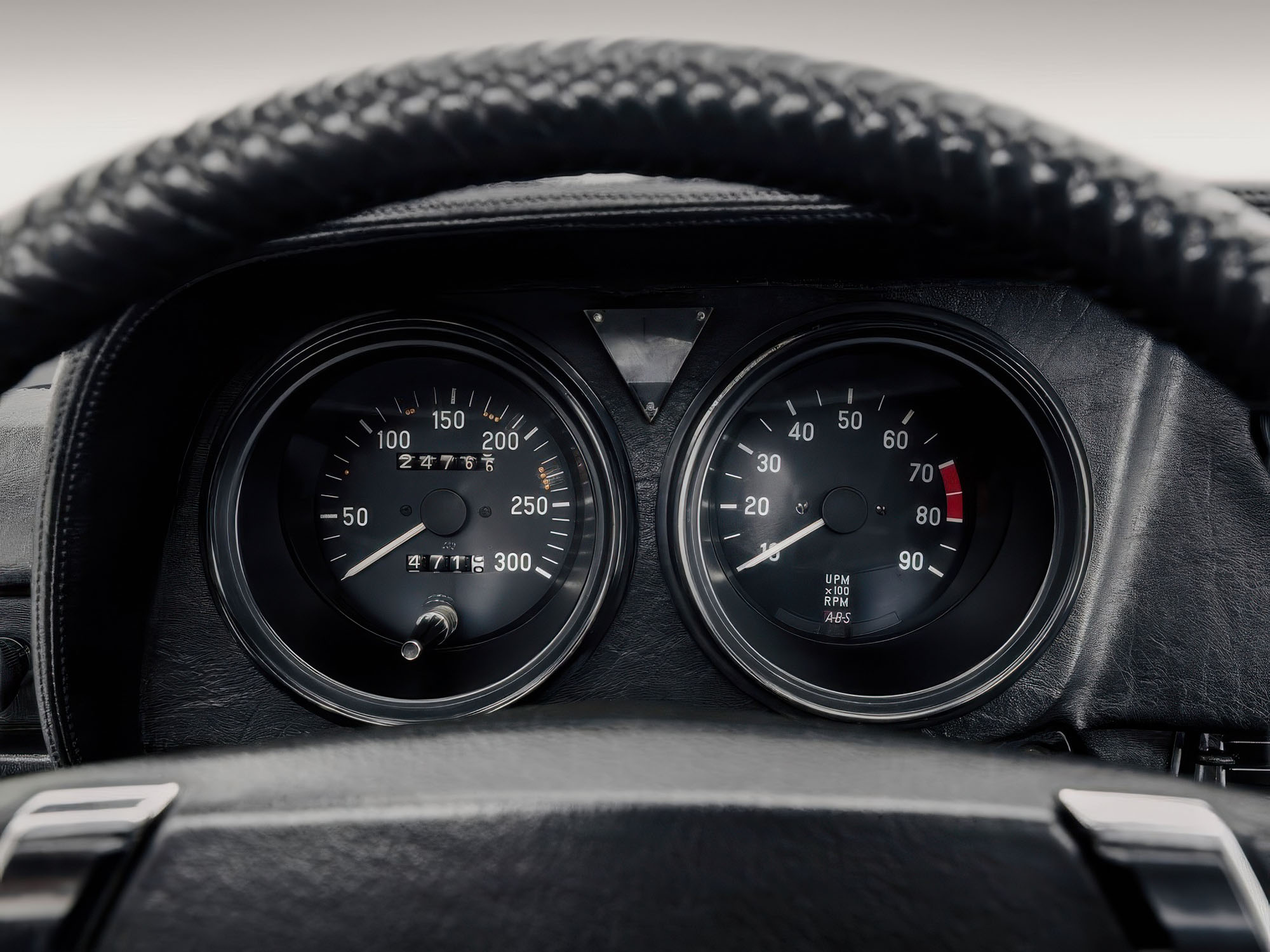
Technical specifications: C 111-II Car 33, as of 1970
| Model | C 111-II |
| Year of construction | 1970 |
| Internal number | 33 |
| Engine | Four-rotor Wankel engine |
| Engine type | M 950 W 48 |
| Fuel | Premium gasoline |
| Displacement | 2,400 cc (equivalent to a 4,800 cc reciprocating piston engine) |
| Output | 345 hp (257 kW) at 7,700 rpm |
| Torque | 289 lb-ft (392 Nm) at 4,000–5,500 rpm |
| Compression ratio | 9.3:1 |
| Engine weight | 478 lbs (217 kg) |
| Clutch | Dual-disc clutch, Fichtel & Sachs MF 215/2 |
| Transmission | ZF 5-speed manual transmission DS-25/1 |
| Ratios 1st/2nd/3rd/4th/5th/Reverse (:1) | 2.857/1.72/1.21/0.92/0.705/2.86 |
| Final drive ratio (:1) | 4.22 |
| Overall gear ratio in 5th gear (:1) | 2.975 |
| Wheels (road) | 8 J × 15 H, ET 20 |
| Wheels front/rear (racetrack) | 10 × 15 H, ET 0 / 13 × 15 H, ET 30 |
| Tires (road) | 215/70 VR15 90W TL Michelin XWX |
| Tires front/rear (racetrack) | 430/1160 × 15 / 530/1360 × 15 Dunlop CR82 Comp 204 Racing |
| Fuel tank capacity | 30.6 gal (116 l) |
| Maximum speed | 186 mph (300 km/h) |
| Acceleration 0–62 mph (0–100 km/h) | 4.8 sec |
| Wheelbase | 103.1 in (2,620 mm) |
| Front/rear track width | 55.5/55.3 in (1,410/1,405 mm) |
| Track width with road tires, front/rear | 56.9/54.7 in (1,445/1,390 mm) |
| Length × Width × Height | 174.8 x 71.9 x 44.1 in (4,440 × 1,825 × 1,120 mm) |
| Curb weight | 2,734 lbs (1,240 kg) |
Total Chassis Production
| # | Model | Color | Chassis | First engine | Notes |
| 21 | “Hobel” (slicer or plane) | White, later orange | 25294 | Three-rotor Wankel engine M 950 | First prototype vehicle with a provisional body |
| 22 | C 111-I | Mother-of-pearl white, later Weißherbst | 25385 | Three-rotor Wankel engine M 950 | The first “proper” C 111; converted to a four-rotor Wankel engine in July 1970 |
| 23 | C 111-I | Mother-of-pearl white, later Weißherbst | 25416 | Three-rotor Wankel engine M 950 | Converted to a four-rotor Wankel engine in June 1970 |
| 24 | C 111-I | Mother-of-pearl white | 25416 | Three-rotor Wankel engine M 950 | Side-impact tests in June 1970 |
| 25 | C 111-I | Weißherbst | 25416 | Dummy engine | IAA exhibition car; fitted with an M 117 V8 engine in July 1970 and a four-rotor Wankel engine in April 1972 |
| 26 | C 111-I | Mother-of-pearl white, later Weißherbst | 25447 | Four-rotor Wankel engine M 950 | First C 111 with a four-rotor Wankel engine |
| 31 | C 111-II | Weißherbst | 25628 | Four-rotor Wankel engine M 950 | First C 111-II; converted into a diesel record-breaking car in 1975/76; record-breaking run in Nardò in June 1976 |
| 32 | C 111-II | Weißherbst | 25628 | Dummy engine | Exhibition vehicle at the Geneva Motor Show |
| 24a | C 111-II | Weißherbst | 25750 | Three-rotor Wankel engine M 950 | Replacement for Car 24, built to C 111-II specifications; used for bodywork testing and fitted with a three-rotor Wankel engine; converted to a four-rotor Wankel engine in 1973 |
| 33 | C 111-II | Weißherbst | 25781 | Four-rotor Wankel engine M 950 | Second C 111-II in the test fleet, fitted with a four-rotor Wankel engine |
| 34 | C 111-II | Weißherbst | 25842 | Four-rotor Wankel engine M 950 | Third C 111-II in the test fleet, fitted with a four-rotor Wankel engine |
| 35 | C 111-II | Weißherbst | 25903 | M 116 V8 gas engine | Final C 111-II from the original series; converted to a four-rotor Wankel engine in May 1972 and refitted with an M 116 V8 gas engine in 2013/14 |
| 36 | C 111-II | Weißherbst | 27576 | Four-rotor Wankel engine M 950 | First C 111 with a plastic floor assembly |
| 37 | C 111-II | Weißherbst | 27668 | Five-cylinder turbodiesel OM 617 A | Second C 111 with a plastic floor assembly; originally intended for diesel record-breaking runs, but never used for that purpose |
| 41 | C 111-III | Metallic silver | 28399 | Five-cylinder turbodiesel OM 617 A | Record-breaking run in Nardò in April 1978; converted into a C 111-IV at the end of 1978; further record-breaking run in Nardò in May 1979 |
| 42 | C 111-III | Metallic silver | 28522 | Five-cylinder turbodiesel OM 617 A | Record-breaking run in Nardò in April 1978 |
| 43 | C 111-III | Metallic silver | 28672 | Dummy engine | C 111-III Exhibition Vehicle |
Auction Data
| Specification | Details |
| Vehicle | 1970 Mercedes-Benz C 111-II |
| Internal designation | Car 33 |
| Engine | 2.4-liter four-rotor Wankel |
| Engine designation | M 950 W 48 |
| Power | 345 hp (257 kW) |
| Weight | 2,734 lbs (1,240 kg) |
| Top speed | 186 mph (300 km/h) |
| 0–62 mph | 4.8 seconds |
| Bodywork | Fiberglass-reinforced plastic |
| Exterior color | Weißherbst |
| Fuel capacity | 30.6 gallons (116 liters) |
| Odometer | 24,766 km, October 2026 |
| Production | 17 C 111 prototypes |
| Restoration | 2024 |
| Auction date | February 3, 2027 |
| Auction house | RM Sotheby’s |
| Location | Palais du Louvre, Paris |
| Auction estimate | Not disclosed |
Above contents © 2026 Dr. Ing. h.c. F. Porsche AG reviewed and edited by Rex McAfee , @rexmcafee 🏁