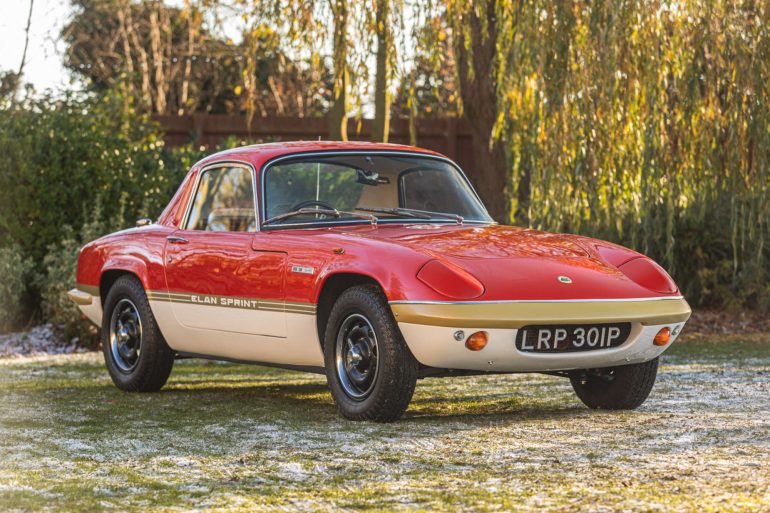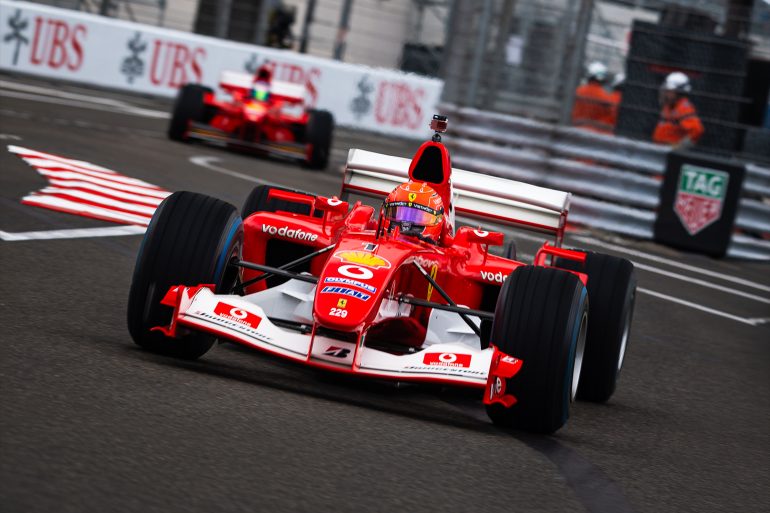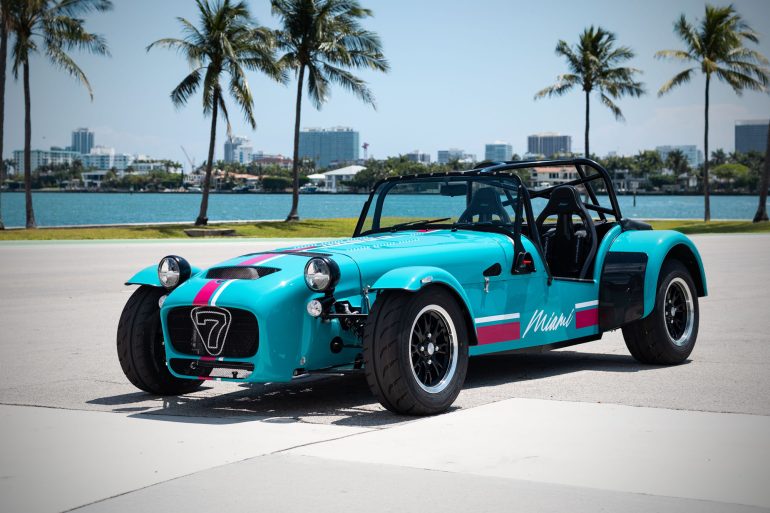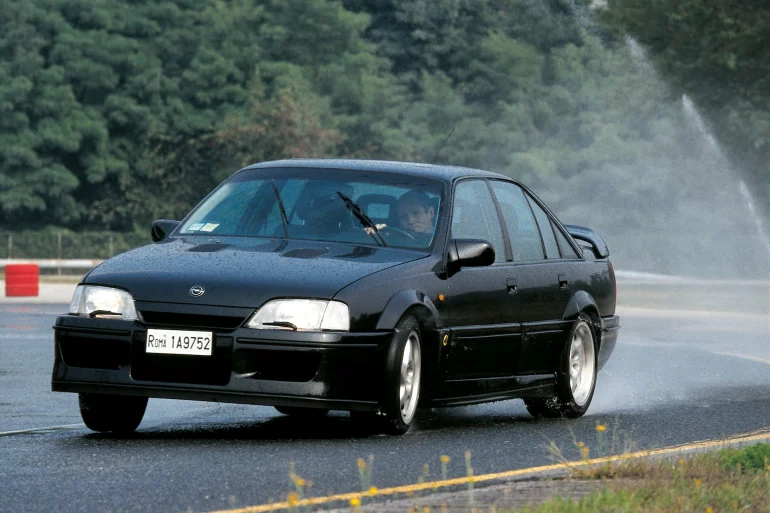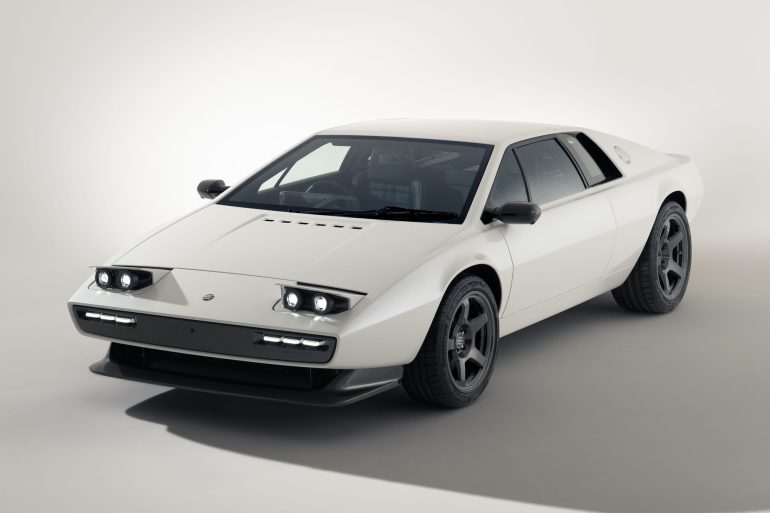

Collecting a new Lotus Europa in May 1968, the writer was fetched from his B&B in a red Elan +2 and wanted to swap on the spot. Fifty years on he found two in Colorado, one original, one Zetec-engined.

Colin Chapman's company, built in a stable behind a north London pub in 1952 on the principle that the fastest car is the lightest one: the Seven and the Eleven, the Elite and the Elan, the 18 that gave Stirling Moss his Monaco, the 25 that made the monocoque, the 49 and the Cosworth, the 72 and the 79, seven Formula One constructors' championships and six drivers' titles, Jim Clark and Indianapolis, and the Elise that saved the firm forty years later. The archive has 445 Lotus stories, from Michael Oliver's chassis histories to Lorenzo Baer's Gold Leaf deal, and this page puts them in order.
The pieces to start with
Eight pieces that explain the marque: Baer's Gold Leaf Team Lotus, Oliver's 72 in '73 and The Birdcage Cleaner, McDonough's Reborn Champion on the 49, Beckett's Black Magic on the 79, Quinn's Triple Elite, Hemsley's Boxcars! and Kirby on the ground-effect cars.
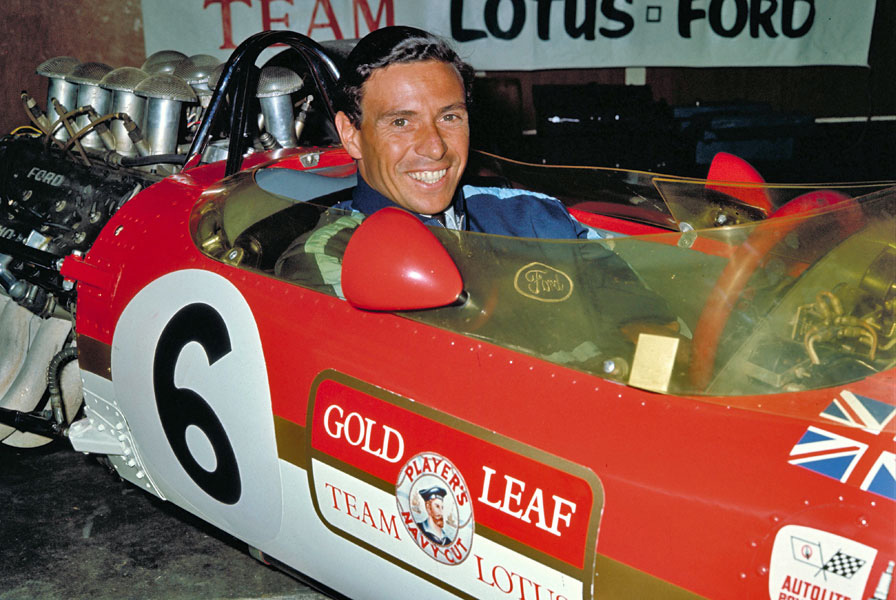
In 1968 Lotus swapped green and yellow for the red and gold of a cigarette brand, a move many then saw as an attack on motor racing itself. Lorenzo Baer on how it happened and what it won.
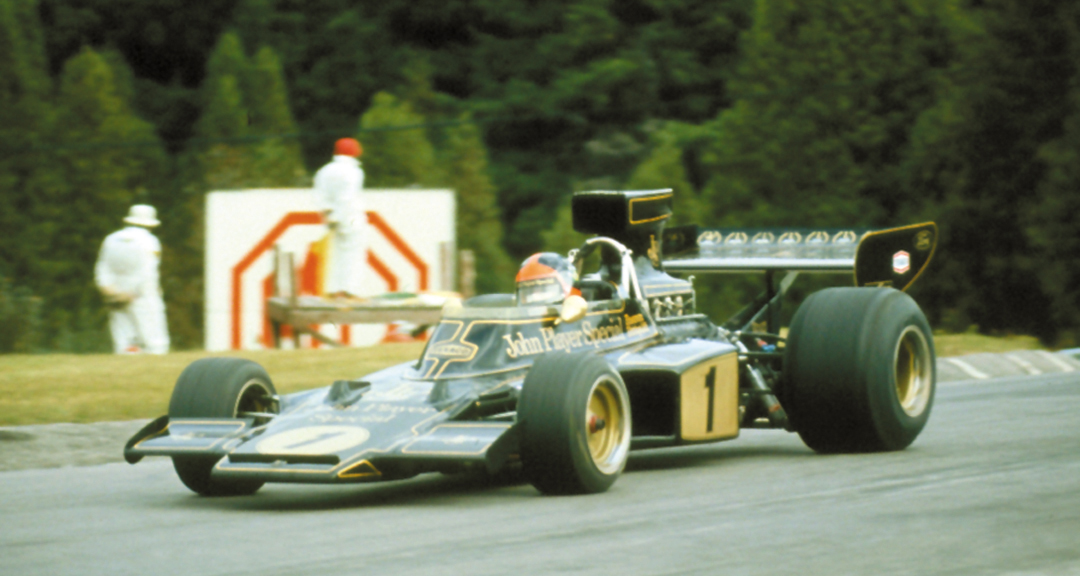
Lotus went into 1973 with the fastest car, the reigning champion Fittipaldi and new signing Ronnie Peterson, a fourth-season Lotus 72, a new designer in Ralph Bellamy and Goodyear replacing Firestone. Michael Oliver on the season of two team leaders.
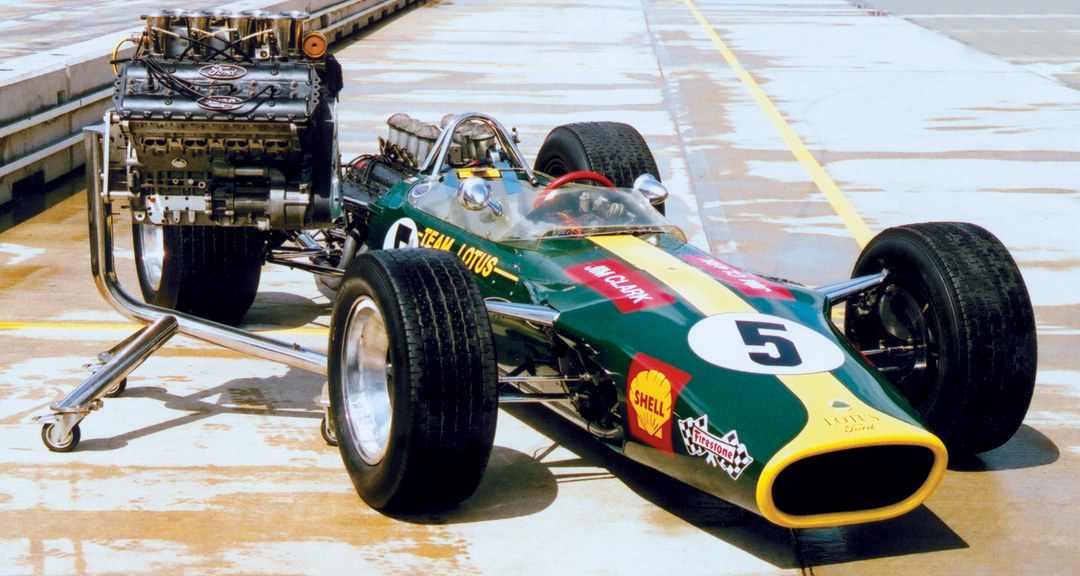
Ed McDonough was at Watkins Glen in 1966 when the Lotus 43’s BRM H-16 won its only race and heard Clark say, “I never thought that would last.” Chapman’s answer for 1967 was the 49; this is chassis R4.
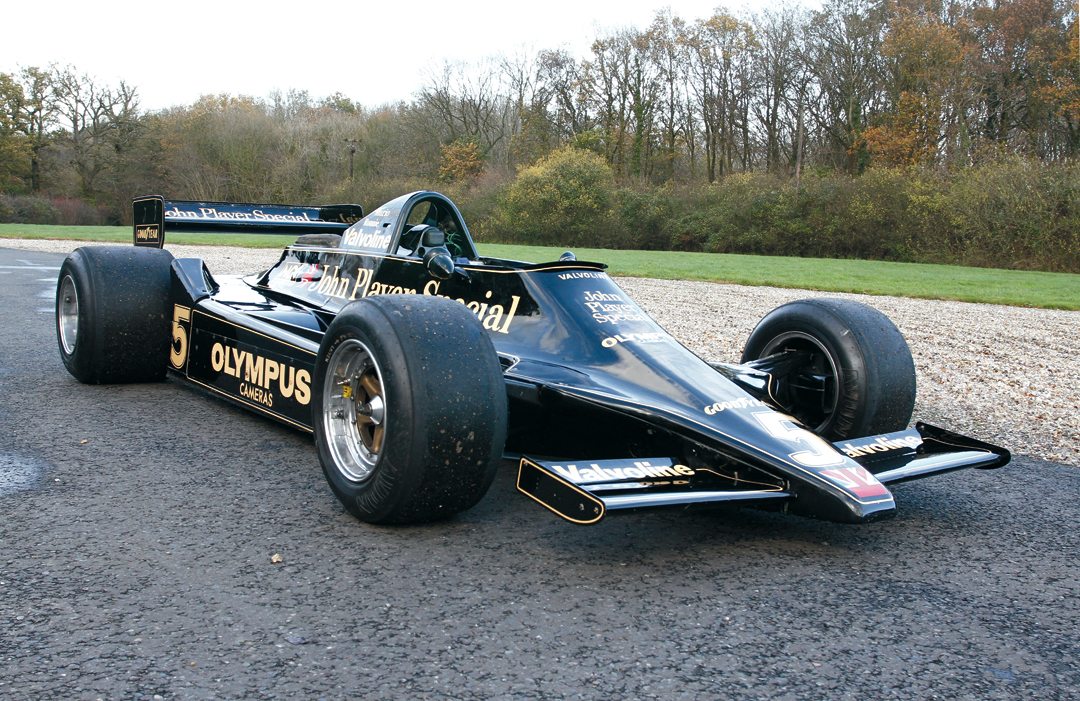
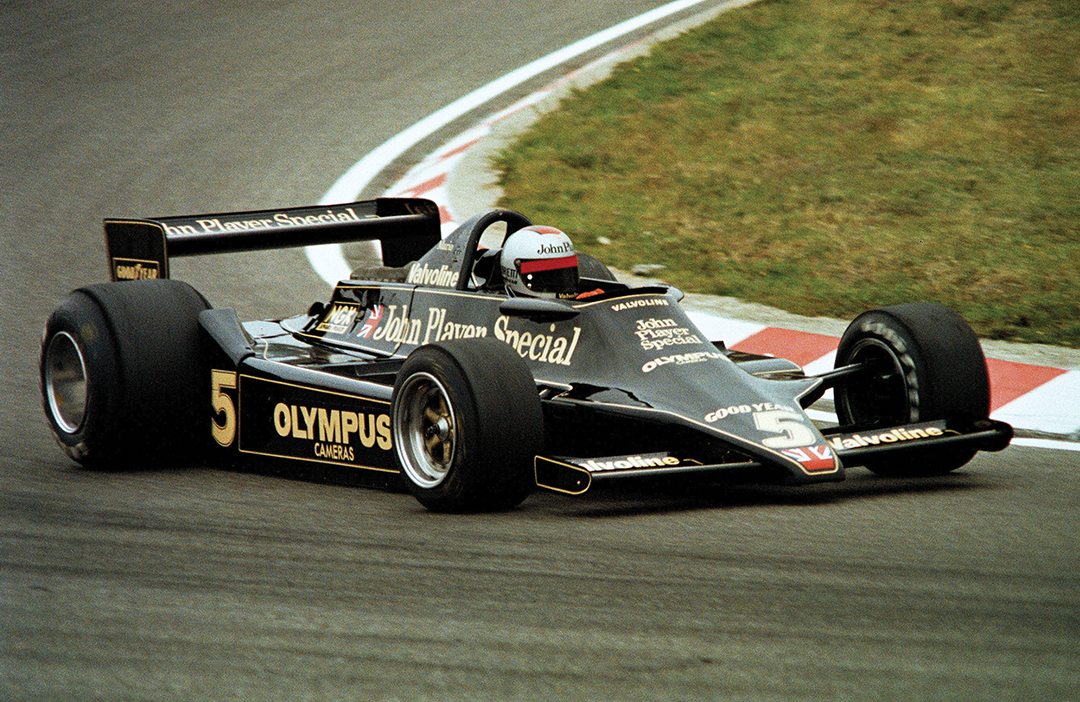
Lotus 79-3 won three Grands Prix in Andretti’s hands in 1978, the year he and Peterson took six between them in the first ground-effect car to win. James Beckett tests the chassis Ogilvie, Rudd and Wright sealed to the road.
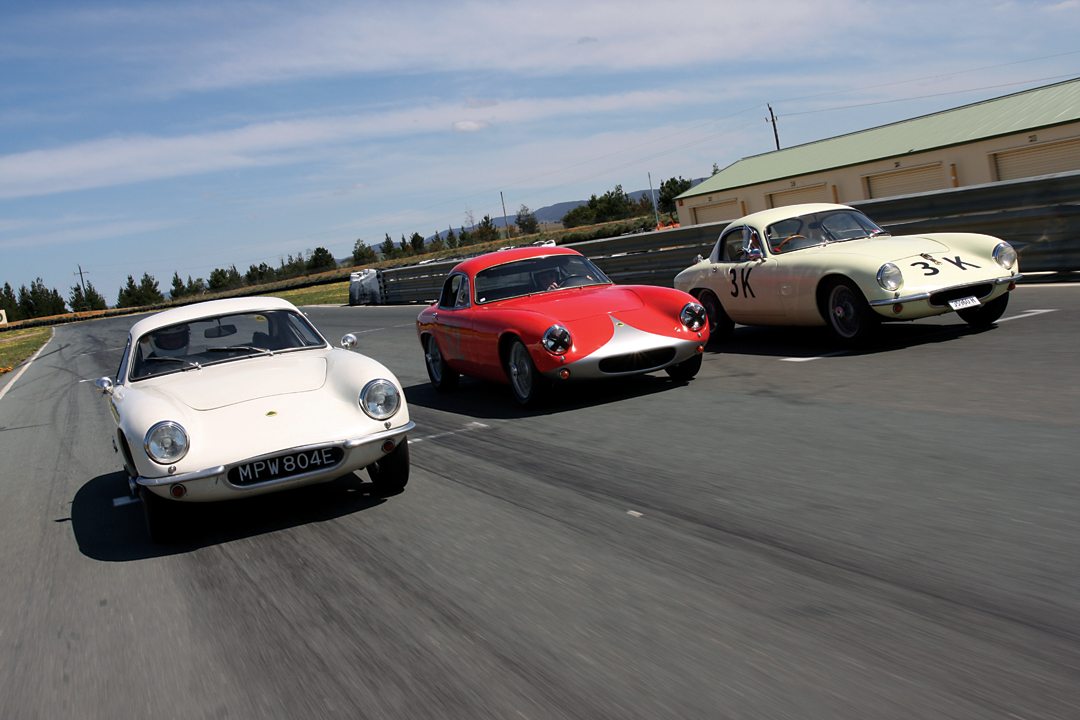
1957 gave us Sputnik, the Fiat Nuova 500 and the Lotus Elite, which made Lotus a manufacturer, not a backyard builder. Patrick Quinn marks the 50th with three cars: the ex-Geoghegan and ex-Chamberlain 1960 Elites and a 1967 Twin Cam.
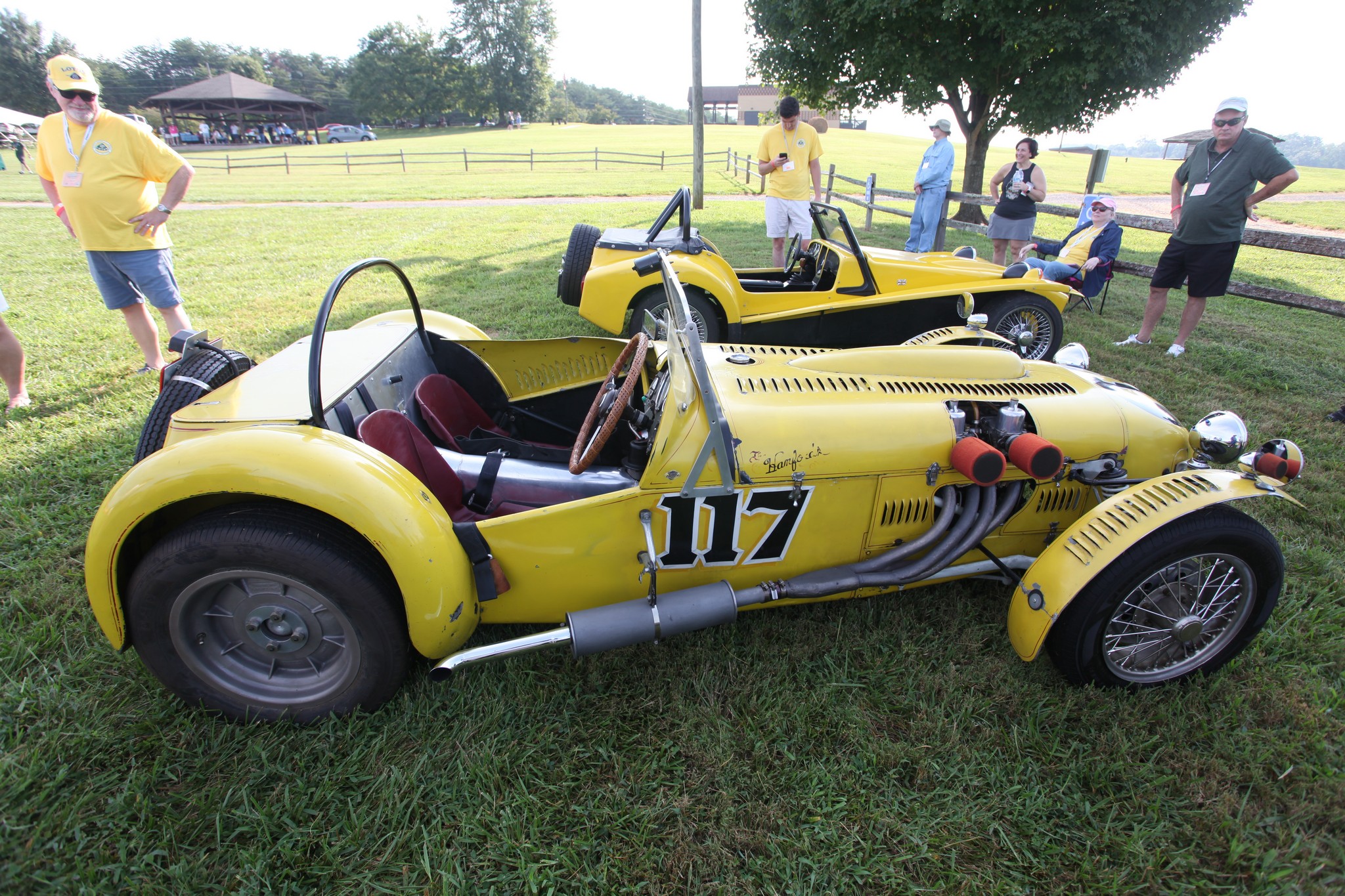
Two Lotus Mk VIs in one place, at the Lotus Owners Gathering in East Tennessee in August 2024, when the writer had seen only one other in 50 years of Lotus ownership. Both have stories to tell.
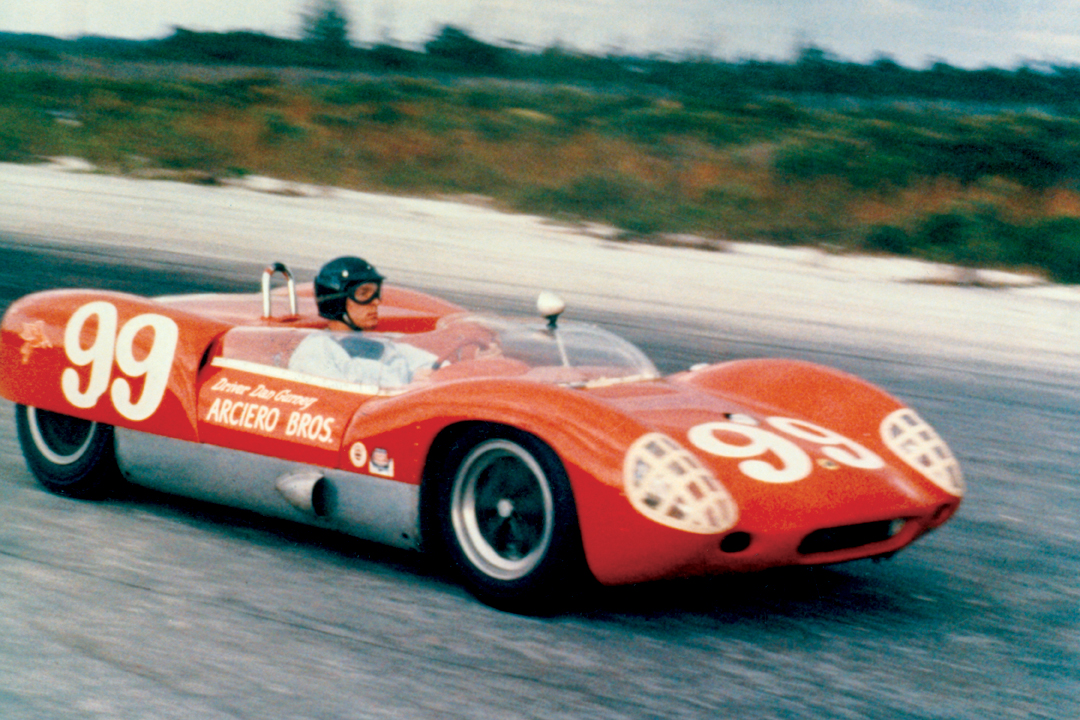
The Lotus 19 was a Lotus 18 Formula One chassis widened for a second seat and clothed in all-enveloping bodywork, making the Cooper Monaco and Maserati Birdcage obsolete in 1960. Michael Oliver on a car of which few examples survive.
Vel’s Parnelli Jones Racing pulled the plug on its F1 program at Long Beach in 1976 without telling Mario Andretti; he heard from Chris Economaki, then breakfasted with Colin Chapman on Monday. Gordon Kirby on the Lotus 78 and 79.
The newest long-form writing on Lotus, as it is published.
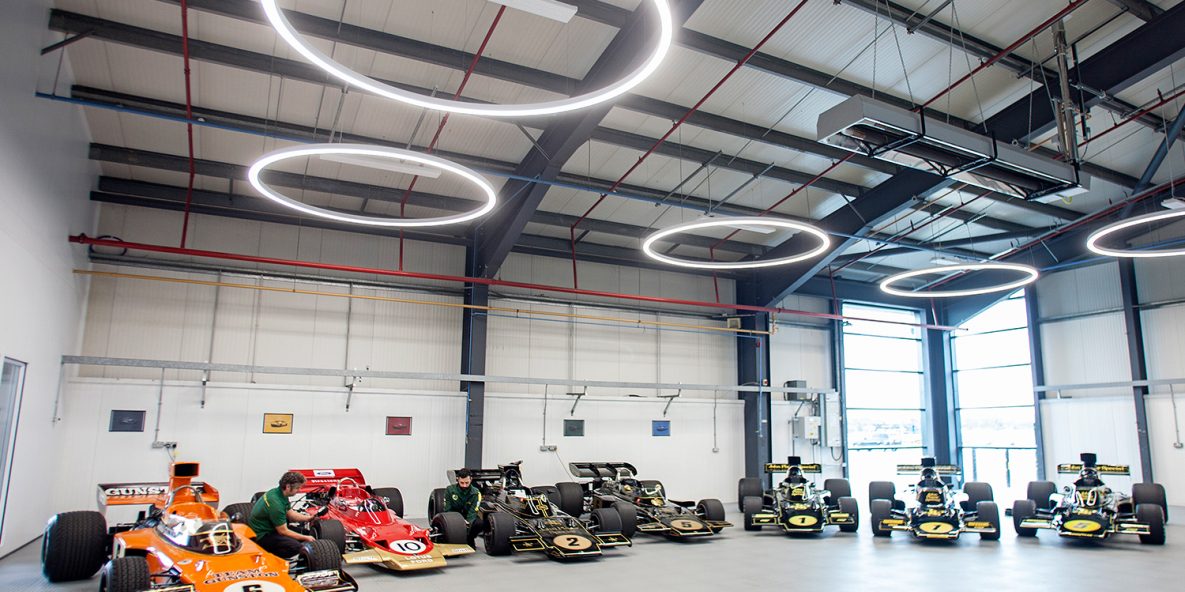
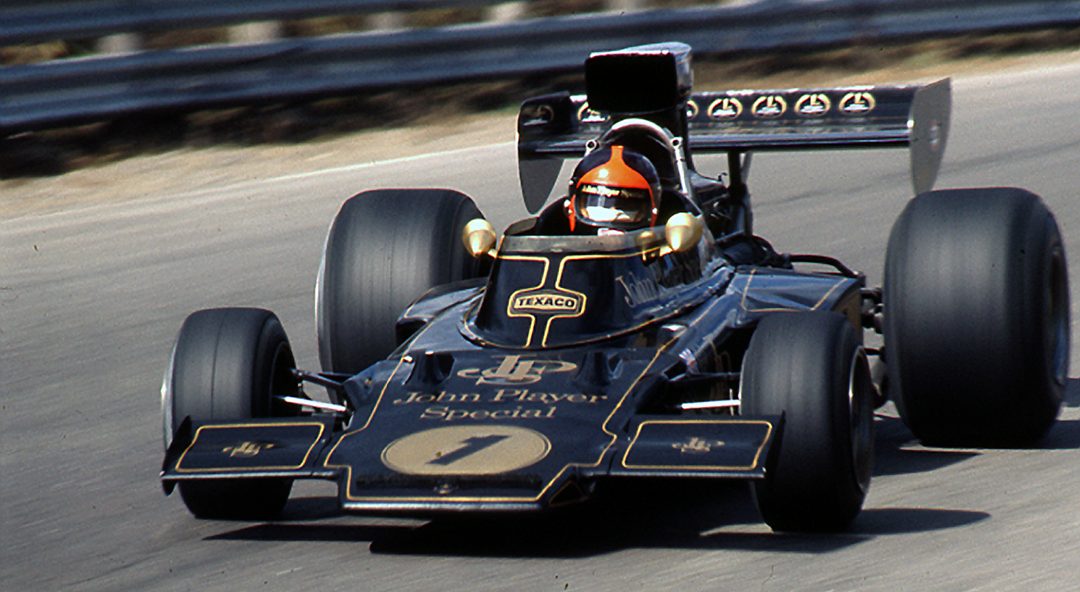
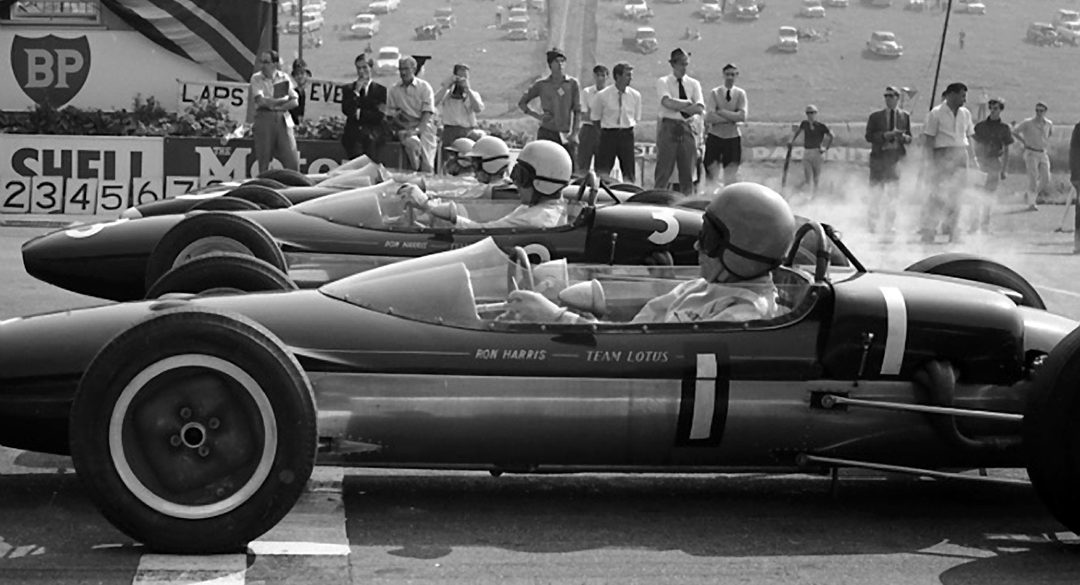
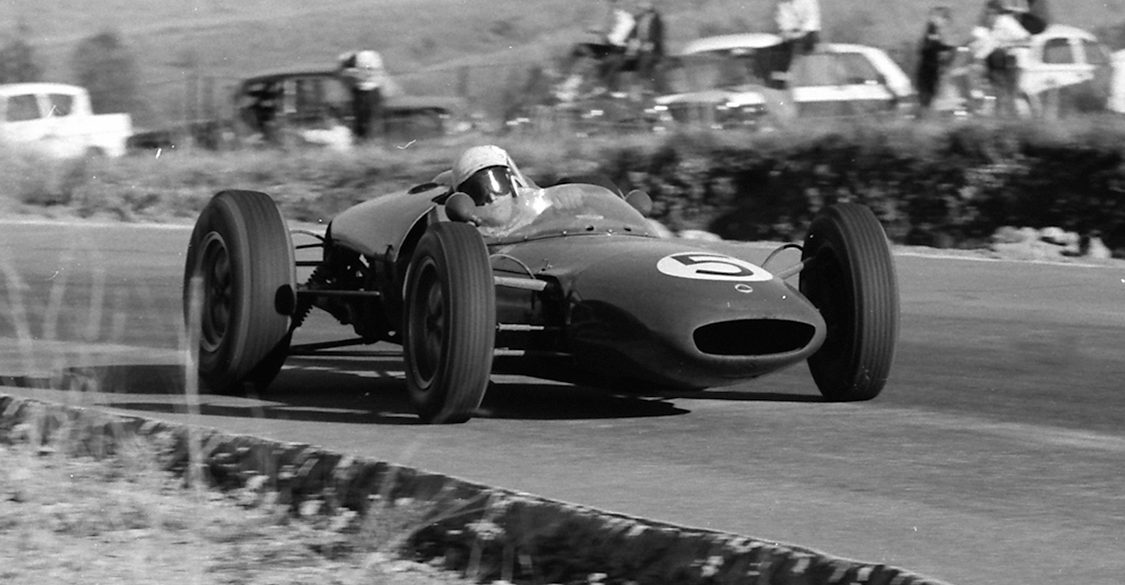
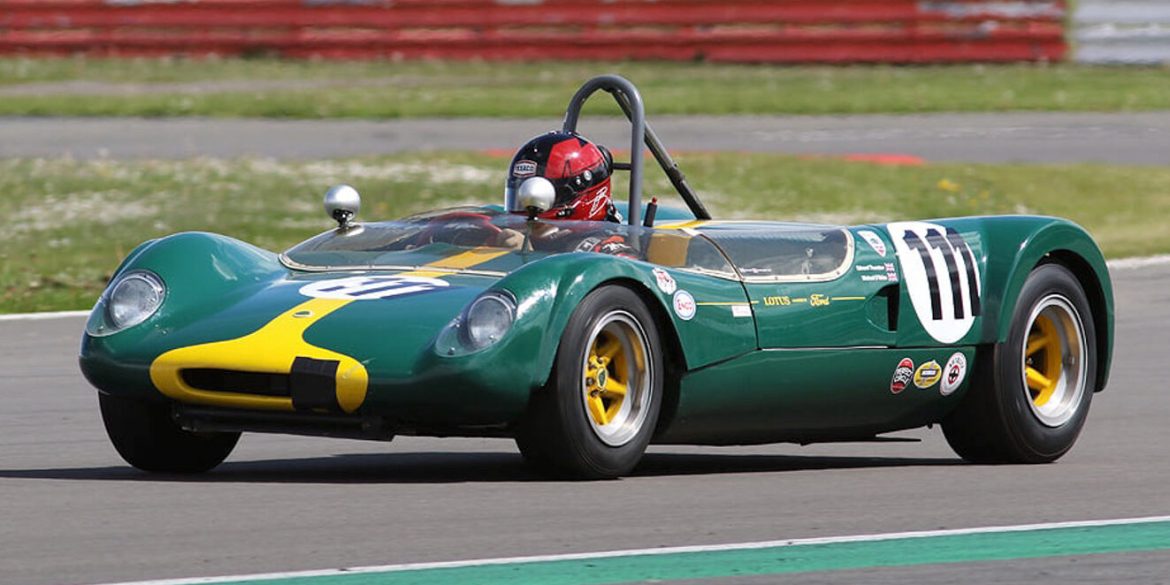
Lotus is the British maker of racing and sports cars that Anthony Colin Bruce Chapman founded in 1952, first in Hornsey, then Cheshunt, and since 1966 at Hethel in Norfolk on a wartime bomber airfield, and the Grand Prix team, Team Lotus, that he ran from 1958 until his death in December 1982 and which outlived him by twelve years. No company of its size has mattered more. Chapman's doctrine, simplify and add lightness, produced the first fibreglass monocoque road car, the Elite of 1957; the first modern Formula One monocoque, the 25 of 1962; the car that brought the Cosworth DFV into the world, the 49 of 1967; the first commercially sponsored Grand Prix car, the Gold Leaf 49 of 1968; the wedge, the 72; and the first ground-effect car, the 78, and the first that worked completely, the 79. It also produced the Seven, still in production under the Caterham name seventy years on, the Elan, which Mazda copied to make the Miata, the Esprit and the Elise.
The racing record is the reason the name carries. Team Lotus won 79 Grands Prix between Moss's Monaco of 1960 and Senna's Detroit of 1987, seven constructors' championships in 1963, 1965, 1968, 1970, 1972, 1973 and 1978, and six drivers' titles: Jim Clark in 1963 and 1965, Graham Hill in 1968, Jochen Rindt in 1970, the only posthumous champion, Emerson Fittipaldi in 1972 and Mario Andretti in 1978. Clark won Indianapolis in a Lotus 38 in 1965, the first rear-engined car to do it; Lotus Elevens and Elites won their classes at Le Mans seven years running; the Lotus Cortina won the British and European touring-car championships; and in club racing the Seven, the Eleven, the 23 and the Formula Ford 61 taught two generations to drive. The archive's Lotus coverage runs from the Mk VI specials to this year's Caterham, and the chapters below follow it.
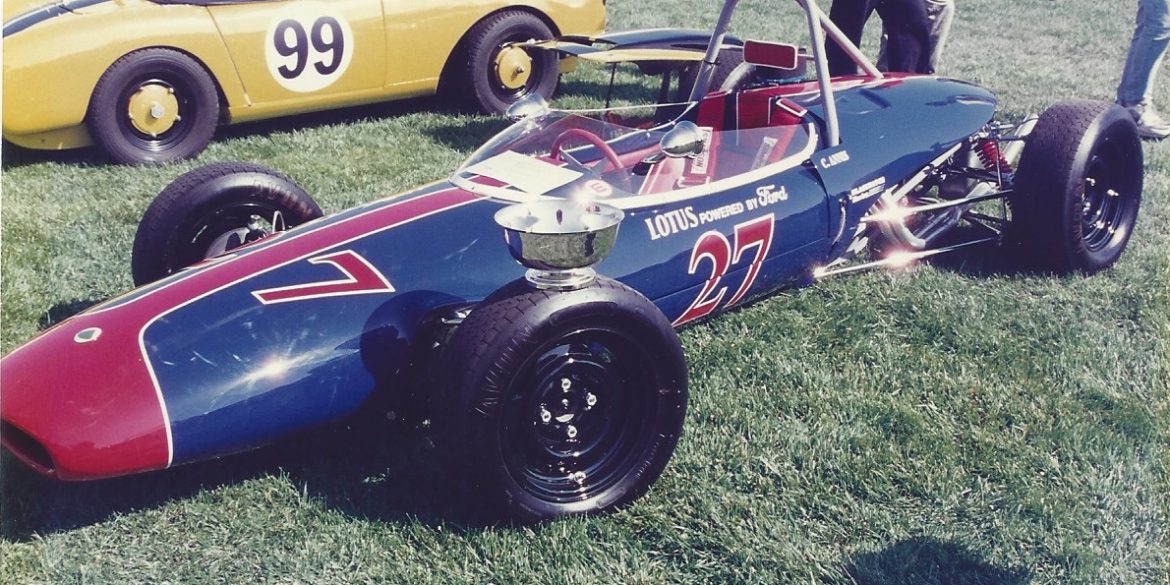
Colin Chapman was born in Richmond, Surrey, on 19 May 1928, read structural engineering at University College London, learned to fly in the RAF and built his first car, the Lotus Mk I, from a 1930 Austin Seven in a lock-up behind his girlfriend Hazel Williams's parents' house in 1948. Trials specials followed, then the Mk III of 1951 that embarrassed the 750 Motor Club, and on 1 January 1952, with £25 borrowed from Hazel, he and Michael Allen founded Lotus Engineering in the stables behind the Railway Hotel in Hornsey. The Mk VI of 1952 was the first production Lotus, a multi-tubular spaceframe sold as a kit to be finished with the customer's own Ford or MG engine, and about a hundred were built; J. Michael Hemsley's Boxcars! in the archive is the story of two of them. The Eight, Nine and Ten were the aerodynamic sports-racers that followed, and in 1956 the Eleven, Frank Costin's streamlined body on Chapman's frame with a Coventry Climax engine, won its class and the Index of Performance at Le Mans in 1957 and became the small sports-racer to have on both sides of the Atlantic; Patrick Quinn's Three of a Kind and Tiny Eleven and the archive's Lotus Eleven thread carry it, and Willem Oosthoek's Young Jim Hall has the Texan learning in one.
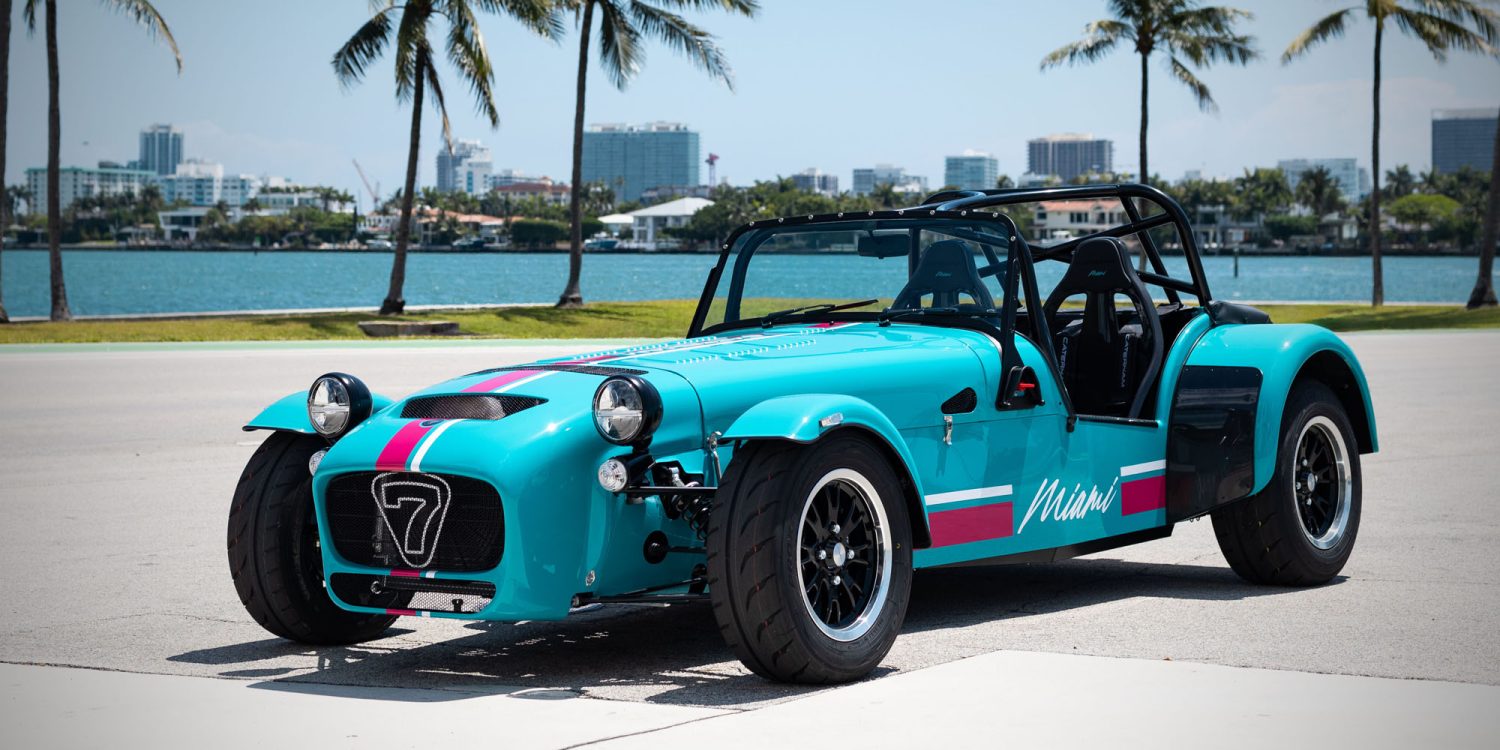
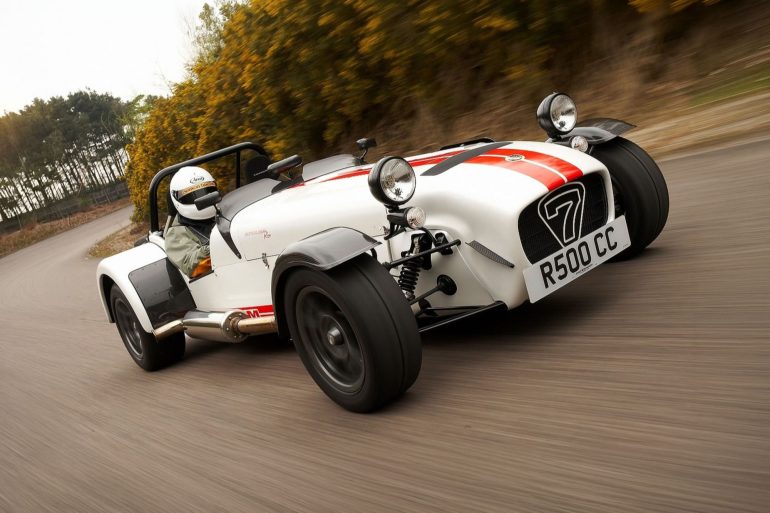
The Seven of 1957 was the Mk VI's successor, drawn in a weekend, a cycle-winged spaceframe with a Ford side-valve or Climax engine that weighed little more than 1,000 pounds and cost £536 in kit form, which avoided purchase tax. Lotus built it until 1973 in four series and then sold the rights to Caterham Cars, which builds it still; Lorenzo Baer's The Timeless Kit Car in the archive brings the story to 2026, and the Seven's thread, 96 stories, is the largest single Lotus model thread on the site. Hazel Chapman, who had lent the £25, ran the company's books for decades and died in 2021; the archive's Clive Chapman stories carry the family's Classic Team Lotus, which keeps the racing cars running today.
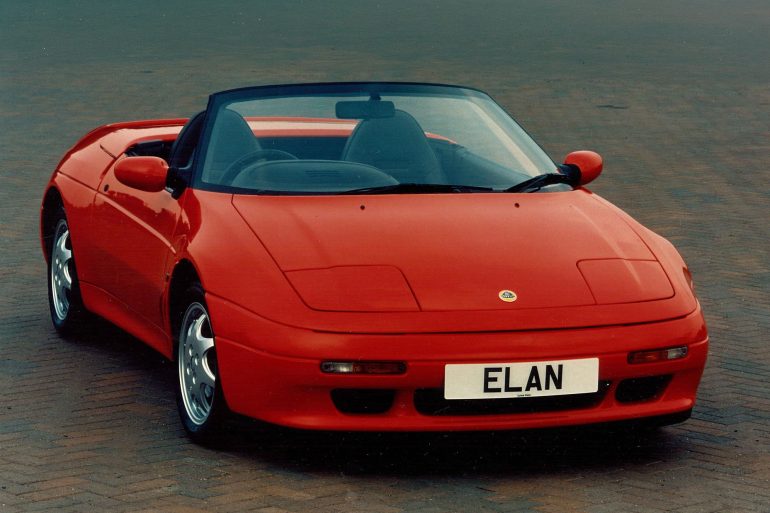
The Elite of 1957 was Chapman's first proper road car and his most radical: a fibreglass monocoque with no separate chassis, drawn by the accountant Peter Kirwan-Taylor and refined by Frank Costin, with a 1,216 cc Coventry Climax engine and a drag coefficient of 0.29, 1,100 pounds all up. It won its class at Le Mans six times from 1959 to 1964 and the Index of Thermal Efficiency twice, and lost money on every one of the 1,030 built; Quinn's Triple Elite in the archive follows one family's three, and Raffi Minasian's By Design piece explains why the shape still looks right. The Elan of 1962 fixed the economics: a steel backbone chassis under a fibreglass body, the Ford-based Lotus-Ford twin-cam, independent suspension all round and pop-up headlights, 1,500 pounds and the best-handling small car of its decade, built in 12,000 copies until 1973 and the car Mazda measured when it designed the MX-5. The Elan +2 of 1967 added seats and the Europa of 1966 put the Renault engine, later the twin-cam, behind the driver in the first mid-engined production Lotus.
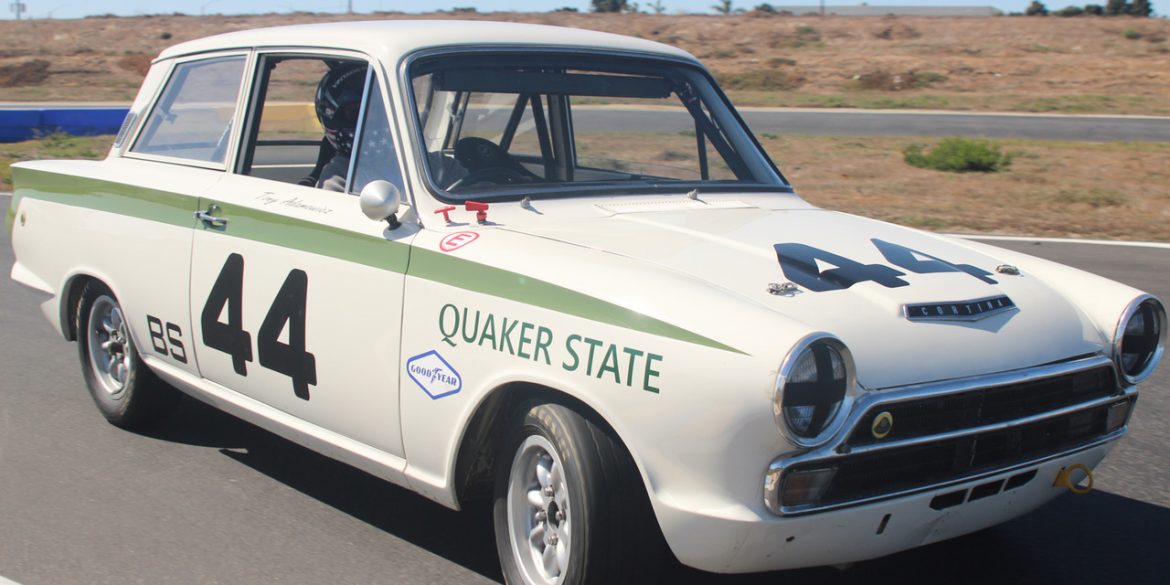
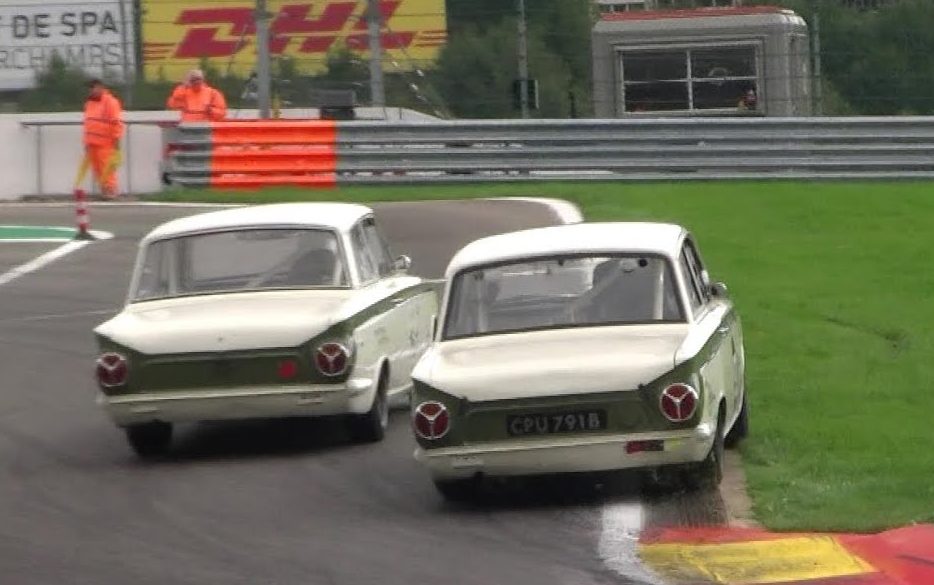
The Lotus Cortina of 1963 was the Elan's engine in Ford's saloon, with Lotus suspension and aluminium panels in the early cars, built at Cheshunt for Ford and raced to the British Saloon Car Championship by Jim Clark in 1964 and the European title by Sir John Whitmore in 1965; Casey Annis's Total Performance, driving a 1965 car, is the archive's account, and the Goodwood Revival's St Mary's Trophy keeps them sideways every September. Lotus moved from Cheshunt to Hethel in 1966, floated on the stock exchange in 1968, and under the Lotus Components arm built the customer racing cars, the 23, the 47, the Formula Ford 51 and 61, that filled the grids of the 1960s and 1970s and fill the archive's Formula Ford Market and Values columns.
Lotus went into Formula One in 1958 with the 12 and the 16, front-engined and fragile, and did not win until Chapman followed Cooper's lead and put the engine behind the driver in the 18 of 1960, the plainest-looking car he ever built. Innes Ireland won non-championship races in it that spring; Stirling Moss, in Rob Walker's dark blue private 18, won the Monaco Grand Prix on 29 May 1960, Lotus's first world championship victory, and the 1961 Monaco and German Grands Prix in the same car against the more powerful Ferraris, two of the drives of his life; Ireland gave the works its first win at Watkins Glen in October 1961. Michael Oliver's The Birdcage Cleaner is the archive's history of the sports-racing 19 that made the Cooper Monaco and the Maserati Tipo 61 obsolete overnight, and McDonough's 1961 Monaco Grand Prix and 1961 French Grand Prix carry the season.
The 25 of 1962 changed the sport: an aluminium monocoque tub instead of a spaceframe, three times as stiff at half the weight, with the Coventry Climax V8 behind Jim Clark lying almost flat. Clark lost the 1962 title to Graham Hill's BRM when an oil seal failed at East London, won it in 1963 with seven victories from ten races, the record, and again in 1965 in the 33 with six wins, taking the Indianapolis 500 in the Lotus 38 the same month; he had been second there in 1963 in the 29 and led in 1964, and the 38's win was the first for a rear-engined car and the first for a British one. The archive's Lotus 25 and Lotus 38 threads, the Tony Robinson and Tim Parnell interviews, Chris Willows's Richie Ginther and the Jim Clark thread, 91 stories, carry the years; the Formula 1 page has the championship table and the Indianapolis 500 hub the race.
The cars and the racing, year by year, with the archive's story of each linked. Car names link to every story on the site about that model.
| Year | The cars | The racing | In the archive |
|---|---|---|---|
| 1948 | Lotus Mk I | Chapman's Austin Seven special in a Muswell Hill lock-up | Colin Chapman |
| 1952 | Lotus Engineering founded, 1 January · Mk VI | The first production Lotus, a spaceframe kit; about a hundred built | Boxcars! Two Mk VIs |
| 1956 | Eleven | Frank Costin's body, the Climax engine; the small sports-racer of its decade | Three of a Kind |
| 1957 | Seven · Elite | Le Mans: the Eleven's class win and Index of Performance; the Seven in kit form; the fibreglass-monocoque Elite at Earls Court | Triple Elite · The Timeless Kit Car |
| 1958 | Lotus 12 and 16 | Formula One debut at Monaco; the front-engined years | Graham Hill |
| 1959 | Elite · 15 | The Elite's first Le Mans class win and the Index of Thermal Efficiency; the move to Cheshunt | |
| 1960 | 18 · 19 | Moss wins Monaco in Rob Walker's 18, the first Lotus Grand Prix victory; the 19 makes the Birdcage obsolete | The Birdcage Cleaner |
| 1961 | 18 | Moss's Monaco and Nürburgring against the Ferraris; Ireland's first works win at Watkins Glen | The 1961 Monaco Grand Prix |
| 1962 | 25 · Elan · 23 | The monocoque 25; Clark loses the title at East London; the Elan at Earls Court; the 23 refused at Le Mans | Jim Clark |
| 1963 | 25 · Cortina | Clark world champion, seven wins from ten; second at Indianapolis in the 29; the Lotus Cortina goes on sale | Total Performance: Lotus Cortina |
| 1964 | 30 · Cortina | Clark's British Saloon Car title in the Cortina; the 30 in the big sports-car races | Prophet Motive: Lotus 30 |
| 1965 | 38 · Lotus 33 | Clark wins Indianapolis in the 38, the first rear-engined winner, and his second world championship; Whitmore's European touring-car title | Indianapolis 500 hub |
| 1966 | Europa | The move to Hethel; the first mid-engined road Lotus | |
| 1967 | 49 | The Cosworth DFV wins on its debut at Zandvoort in Clark's 49, 4 June | Reborn Champion: Lotus 49 |
| 1968 | 49 · 56 | Gold Leaf, the first sponsored Grand Prix car; Clark killed at Hockenheim, 7 April; Graham Hill champion; the turbine 56 at Indianapolis | Gold Leaf Team Lotus · Monaco 1968 |
| 1970 | 72 | Rindt's four in a row; killed at Monza, 5 September; the only posthumous world champion | Jochen Rindt |
| 1972 | 72 | John Player Special black and gold; Fittipaldi champion at twenty-five | Brazilian Players |
| 1973 | 72 | Seven wins for Fittipaldi and Peterson and the constructors' title; the drivers' title split and lost | 72 in '73 |
| 1976 | Esprit | Giugiaro's wedge; the 77's win at Fuji | |
| 1977 | Lotus 78 | Ground effect: five wins for Andretti and Nilsson | The Saga of Gunnar Nilsson |
| 1978 | 79 | Andretti world champion, the seventh constructors' title; Peterson killed at Monza | Black Magic: Lotus 79 · The JPS ground-effect cars |
| 1981 | 88 | The twin-chassis car banned before it raced | |
| 1982 | Colin Chapman dies, 16 December | Aged 54; de Angelis's Austrian Grand Prix the last win in his lifetime | Colin Chapman |
| 1985–87 | Lotus 97T, 98T, 99T | Senna's first win at Estoril; six for the team; Detroit 1987 the 79th and last | Ayrton Senna |
| 1986 | Esprit | General Motors buys Lotus | |
| 1989 | Elan M100 | The front-drive Elan under GM | Not Your Father's Elan |
| 1994 | Lotus 109 | Team Lotus closes after the Australian Grand Prix, 491 races on | The Formula 1 page |
| 1996 | Elise | The bonded-aluminium Elise, 725 kg; Proton buys the company | |
| 2000 | Exige | The hard-top racer; the Elise S2 | |
| 2009 | Evora | The Toyota-engined 2+2 | |
| 2017 | Elise | Geely buys Lotus from Proton | |
| 2020–21 | Evija · Emira | The 2,000-horsepower electric hypercar; the last petrol Lotus; Elise and Exige production ends | |
| 2026 | Seven | The Caterham Seven in its seventieth year; Classic Team Lotus at Goodwood | Goodwood page |
Lotus numbered its designs in sequence from the Mk I; the road cars got names from the Elite on. The Lotus Cortina sits on the Ford page too; the Formula 1 page has the championship table.
The Lotus 49 of 1967 was designed around an engine that did not yet exist: Chapman had persuaded Walter Hayes at Ford to pay Cosworth £100,000 for a 3-litre Formula One V8, and Maurice Philippe drew a car in which the DFV bolted to the back of the monocoque and carried the rear suspension itself, the layout every Formula One car has used since. Clark won on its first appearance at Zandvoort on 4 June 1967, and three more times that year, but the engine's early fragility gave the title to Hulme and Brabham. In 1968 Chapman painted the cars red, white and gold for Imperial Tobacco's Gold Leaf cigarettes, the first major commercial sponsorship in Grand Prix racing and the end of national colours; Lorenzo Baer's Gold Leaf Team Lotus: The Deal and the First Glory is the archive's history of how it happened. Clark won the South African Grand Prix on 1 January 1968, his twenty-fifth, breaking Fangio's record, and was killed on 7 April in a Formula Two race at Hockenheim when a tyre failed in the woods. Graham Hill held the team together and won the championship, with the 49B's wings, the first in Formula One, growing through the year; Roger Dixon's Monaco 1968: A Grand Prix of Firsts and Chris Willows's Big Wings, Large Cojones carry the season, and McDonough's Reborn Champion follows a 49 through restoration.
The 72 of 1970 was Chapman and Philippe's next leap: a wedge with the radiators at the sides, inboard brakes and torsion-bar suspension, in which Jochen Rindt won four Grands Prix in a row and then died in practice at Monza on 5 September when a brake shaft broke; he became the only posthumous world champion when Jacky Ickx failed to overhaul his points, and Emerson Fittipaldi's win at Watkins Glen in October, his first, secured it. The 56 turbine car of 1968 at Indianapolis, where Joe Leonard led until nine laps from the end, and the four-wheel-drive 63 of 1969 were the blind alleys of the same years; McDonough's The Lost Lotus covers the 57 and 58 that never raced.
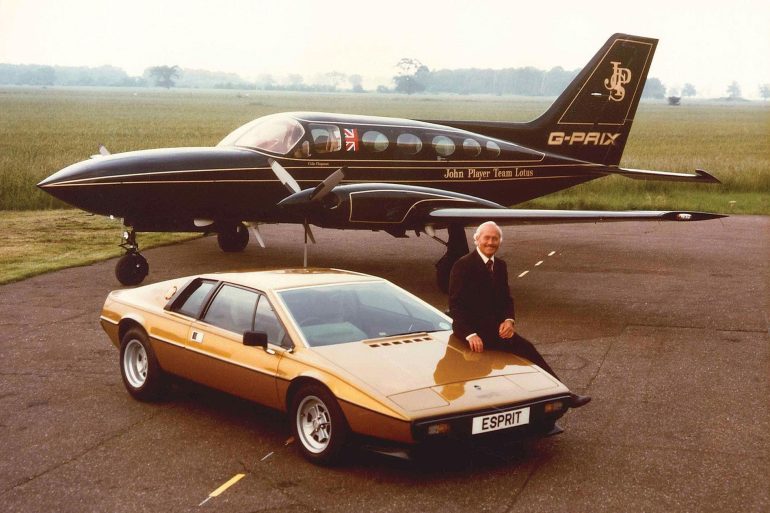
The 72 raced for six seasons, longer than any Grand Prix car of its era, in the black and gold of John Player Special from 1972. Fittipaldi won five Grands Prix in it in 1972 and the championship at twenty-five, the youngest champion until Alonso, and Lotus took the constructors' title; in 1973 Fittipaldi and Ronnie Peterson won seven races between them and the constructors' championship again but split the drivers' points and lost the title to Stewart, the season Michael Oliver's 72 in '73 reconstructs race by race. Peterson's three wins in the ageing 72E in 1974 were the last; the 76 failed, the 77 took one win at Fuji in 1976 with Andretti, and McDonough's Brazilian Players drives Fittipaldi's 72D beside Senna's 98T. The archive's Lotus 72 thread and the Peterson and Fittipaldi People threads carry the years.
Chapman's last great idea was to make the whole car a wing. The 78 of 1977, with inverted aerofoil sidepods sealed to the road by sliding skirts, won five races for Andretti and Gunnar Nilsson; the 79 of 1978, which did it properly, won eight, six for Andretti and two for Peterson, and gave Andretti the championship and Lotus its seventh and last constructors' title. Peterson died after a start-line crash at Monza in September 1978, the race that settled the title; the archive's The Saga of Gunnar Nilsson is the story of his team-mate, who died of cancer a month later. James Beckett's Black Magic follows a 79 chassis and Gordon Kirby's The JPS Lotus Ground-Effect GP Cars the whole line. The 80 of 1979 tried to do without wings at all and failed, the twin-chassis 88 of 1981 was banned before it raced, and Colin Chapman died of a heart attack on 16 December 1982, aged 54, with the DeLorean affair unresolved and Lotus's last championship four years behind it.
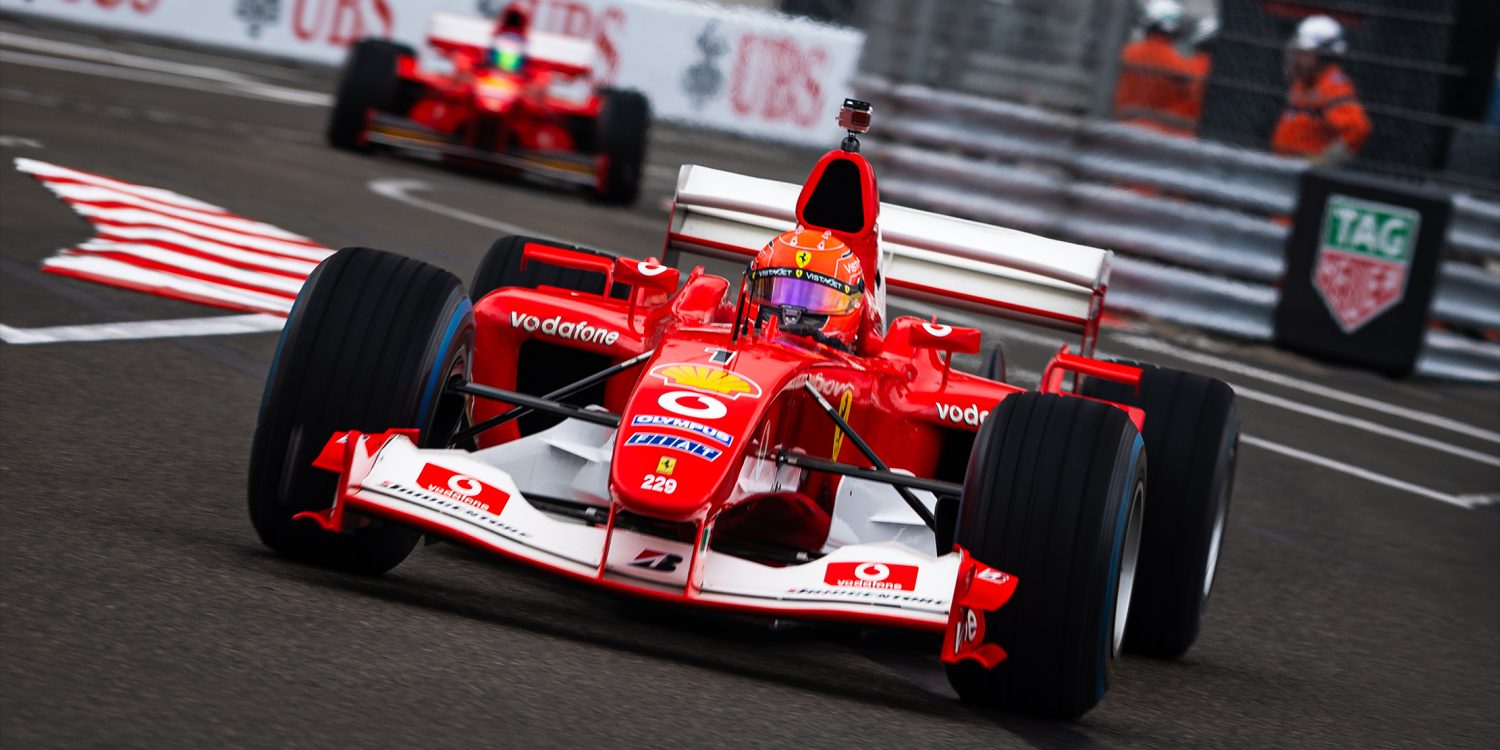
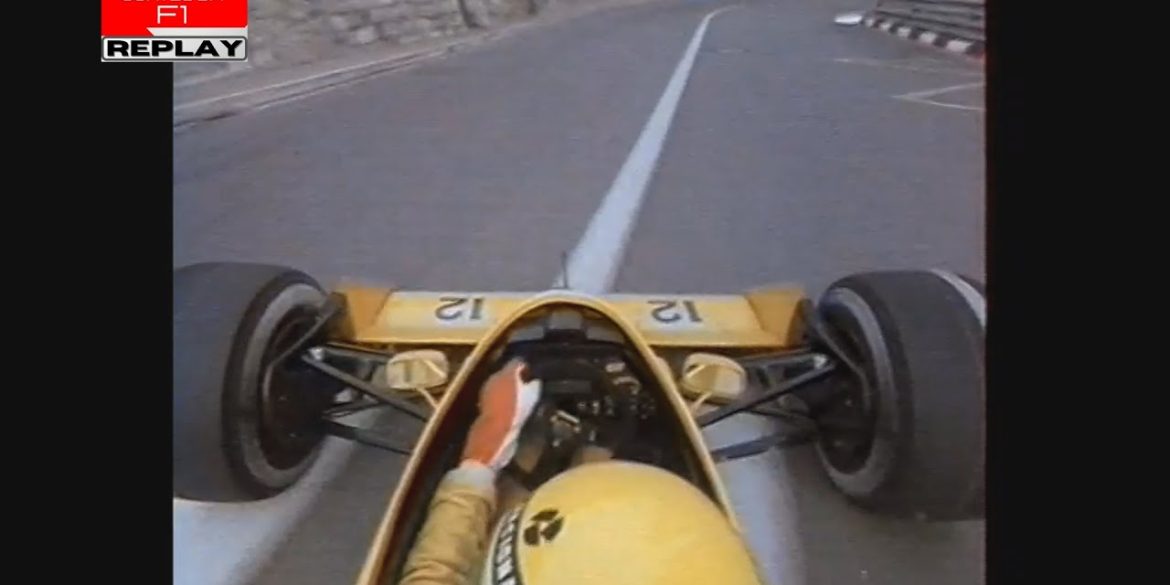
Team Lotus under Peter Warr and Gérard Ducarouge found Renault turbos and, in 1985, Ayrton Senna, who won his first Grand Prix in the rain at Estoril in April in the 97T and five more for the team by 1987, the last of them in Detroit in the active-suspension 99T with Honda power: Lotus's 79th and final Grand Prix victory. Nelson Piquet took the Camel-yellow cars to podiums in 1988, and the team declined through the Judd and Ford years until it closed after the 1994 season, 491 Grands Prix after Monaco 1958. The name returned to the grid under other owners in 2010 and 2012 to 2015, which the Formula 1 page records and this page does not count.
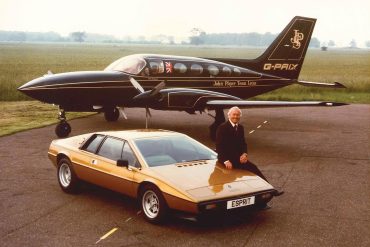
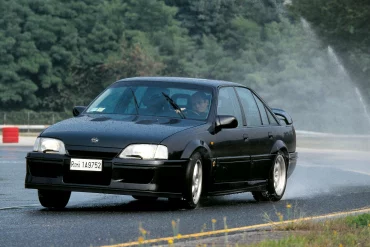
The road-car company had its own near-death. The Esprit of 1976, Giorgetto Giugiaro's folded-paper wedge on the backbone chassis, with the Lotus 907 four-cylinder and, from 1980, a turbo, was the car of The Spy Who Loved Me and lasted until 2004 through Peter Stevens's 1987 restyle and the V8 of 1996. General Motors bought Lotus in 1986, which brought the Lotus Carlton, the 176 mph Vauxhall saloon of 1990, and the front-drive Elan M100 of 1989, Hemsley's Not Your Father's Elan in the archive; Romano Artioli's Bugatti bought it from GM in 1993, and in 1996 Artioli's Lotus launched the car that saved it. The Elise, named for his granddaughter, was a bonded and extruded aluminium tub, the first in a production car, under a fibreglass body with a Rover K-series engine: 725 kg, and the purest Lotus since the Seven. Proton bought the company the same year.
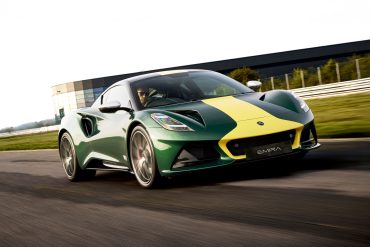
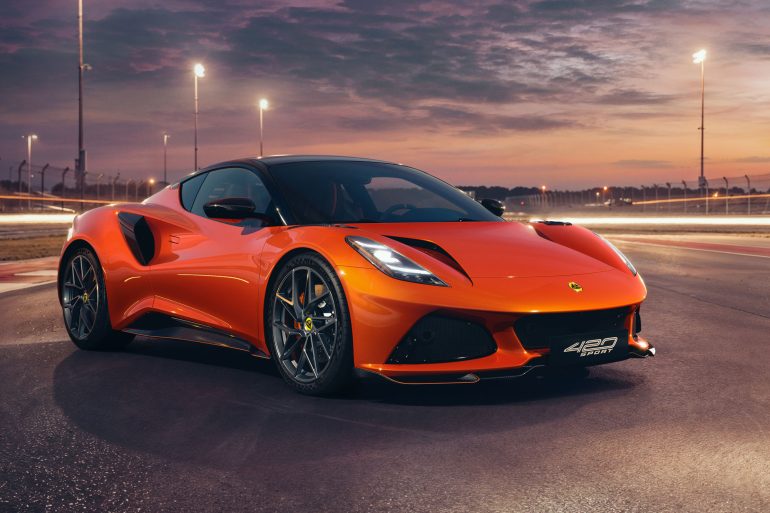
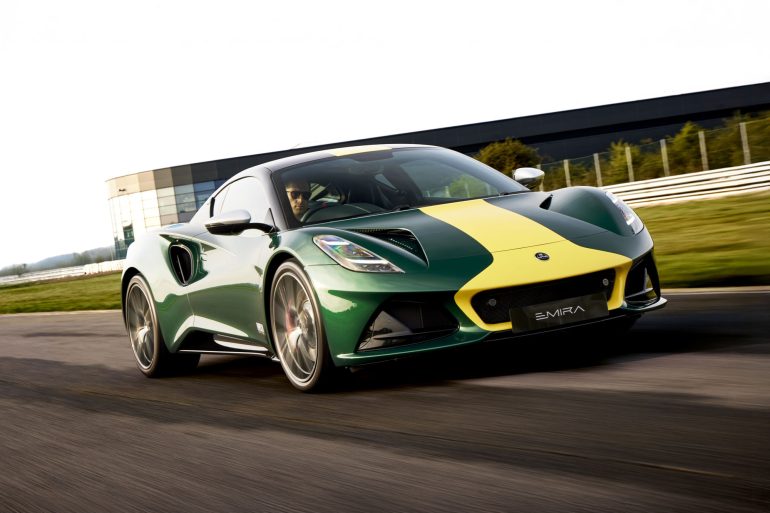
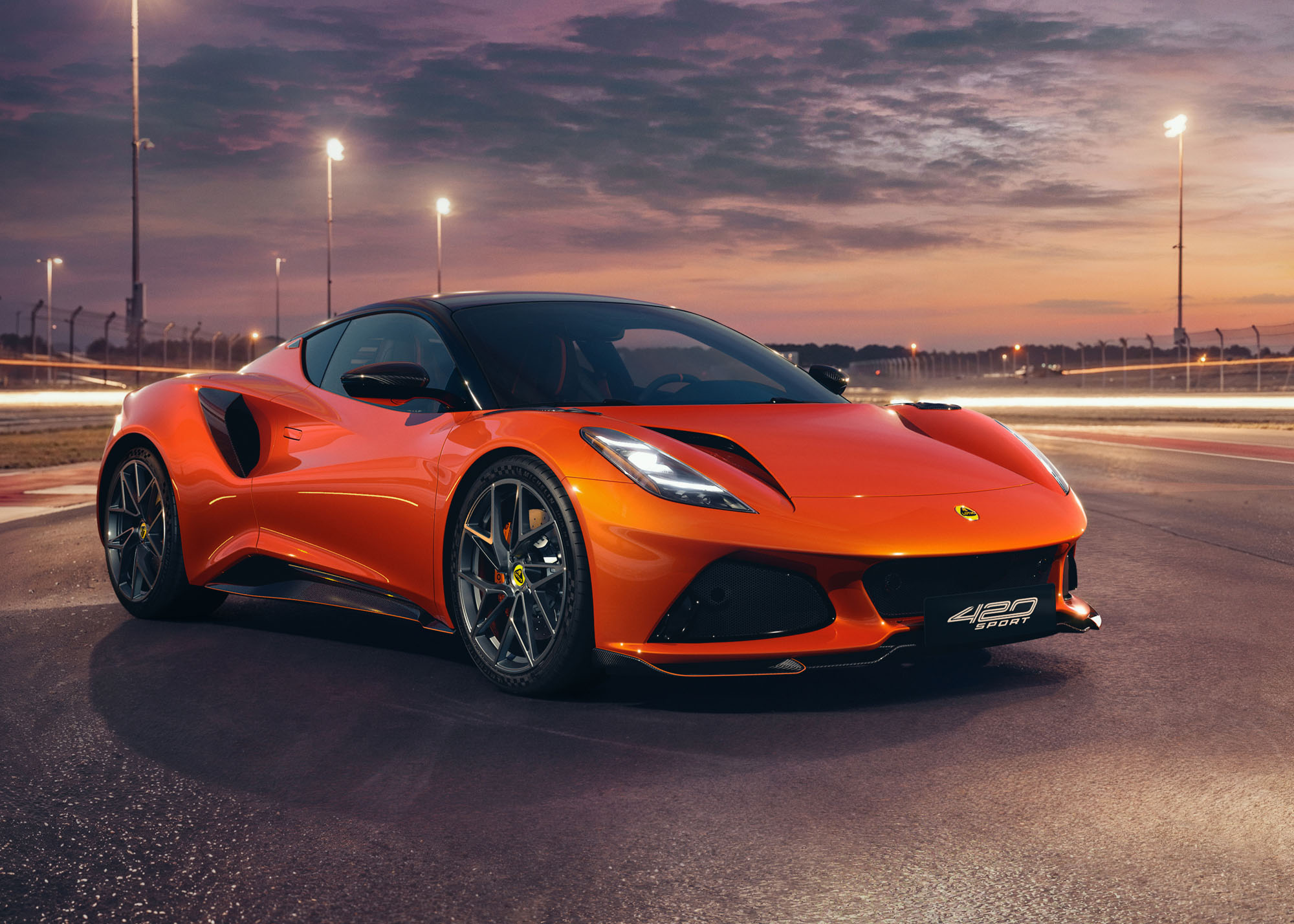
The Elise and its derivatives, the Exige of 2000, the 340R, the 2-Eleven and the 3-Eleven, kept Lotus alive for twenty-five years and sold more than 35,000 cars; the Evora of 2009, with a Toyota V6, was the grown-up car beside them, and the archive's Lotus Elise and Exige threads follow them to the end of production in 2021. Geely bought Lotus from Proton in 2017 and spent heavily: the Evija of 2020, an electric hypercar with 2,000 horsepower and 130 built; the Emira of 2021, the last petrol Lotus, with the Toyota V6 or the AMG four; and the Eletre SUV and Emeya saloon from the new Wuhan plant, which the archive covers as news and which the purists do not accept as Lotuses at all. Classic Team Lotus at Hethel, run by Clive Chapman, keeps the Grand Prix cars running at Goodwood, Monaco and the Masters series, and the archive's Goodwood and Monaco Historique reports have them every year.
The Model tags on this site cover the Lotus the archive has most to say about: the Seven, the Eleven, the Elite and the Elan of the first decade; the Formula One cars, 18, 25, 49, 72, 79 and 88, and the Indianapolis 38 and 56; the sports-racing 15, 19, 23 and 30; the Lotus Cortina, which also sits on the Ford page; and the Esprit, Europa, Elise, Exige, Evora, Emira and Evija. The nine cards below are the ones with most to read behind them, and the Model tag opens every story on each.
Nine the archive has most to say about; each links to every story on the site about that car.
Single-car and chassis stories: the Elevens and Elites, the Grand Prix cars, the Elans and the cars that surface at auction.
Lotus's racing is on the archive's hubs as much as here. Formula One is on the Formula 1 page, where the champions' table has the six Lotus titles, and the Grand Prix History hub's Cosworth Years chapter, which is largely a Lotus story; the race-by-race accounts, McDonough's 1961 Monaco and French Grands Prix, Dixon's Monaco 1968, Baer's 1962 Brussels Grand Prix, are on the Racing (Lotus) feed below. Indianapolis is on the Indianapolis 500 hub: Clark's 1965 win and the turbine of 1968. Le Mans is on the Le Mans hub: the Eleven's 1957 Index of Performance and class win, the Elite's six class wins 1959–64, and the 23 that was refused entry in 1962 and never went back. The Lotus 30 and 40 in the Can-Am and the Lotus 19 in American sports-car racing are on the Can-Am era page and in McDonough's Prophet Motive and Harold Pace's Bad Karma; the Lotus Cortina on the Ford page and the Goodwood page; and Formula Ford, Lotus's gift to the club racer, in the Market and Values columns.
Race profiles and reports with a Lotus in them, newest first.
Colin Chapman is the archive's most-covered constructor, 83 stories, and Jim Clark its most-covered Lotus driver, 91; between them they are the firm. Around them: Hazel and Clive Chapman; Mike Costin and Keith Duckworth, who left Lotus to found Cosworth; Frank Costin, who drew the Eleven's body; Maurice Philippe, who drew the 49, 56 and 72; Peter Wright, who found ground effect; Tony Rudd and Peter Warr, who ran the team; Len Terry, Ron Hickman and Peter Kirwan-Taylor on the road cars; and the drivers, Moss, Ireland, Trevor Taylor, Graham Hill, Rindt, Fittipaldi, Peterson, Nilsson, Andretti, de Angelis, Mansell and Senna, each with a People thread. Each name links to every story on the site about them, and the People page gathers the portraits.
The founder in profiles, interviews and the stories of his cars, newest first.
Every story on the site about Lotus's greatest driver, newest first.
The Lotus market runs from the cheapest way into historic racing to the dearest Grand Prix cars. The Grand Prix cars rarely sell publicly: a 49, 72 or 79 with history is a $5–10 million car when one appears, and the Elevens and 23s with period history $200,000–500,000. The road cars are the bargain of the 1960s: a good Elan at $40,000–80,000, a Series 1 Elite at $100,000–150,000, a Lotus Cortina Mk1 at $80,000–150,000 with the ex-works cars far above, and the original Sevens, Elites and Europas still below the equivalent Porsche or Alfa. The Esprit has begun to climb, the Elise and Exige are future classics the archive's lists recommend, and the Evija is a collector car from new. The Auctions (Lotus) and For Sale (Lotus) threads below are the live market; the Market page has the auction calendar and the record prices.
Auction previews and results for Lotus cars, newest first.
The archive's Lotus galleries come from the Goodwood Revival, where the Lotus Cortinas, Elites and Elevens race every September and the Grand Prix cars parade; the Monaco Historique and the Masters Historic Formula One rounds, where the 49s, 72s and 79s run in anger; the Monterey Reunion; the Lotus Festival and the Classic Team Lotus days at Hethel; and the Le Mans Classic, where the Elites still win their class. The Galleries (Lotus) feed below gathers them.
Lotus galleries from Goodwood, Monaco, Hethel and Monterey.
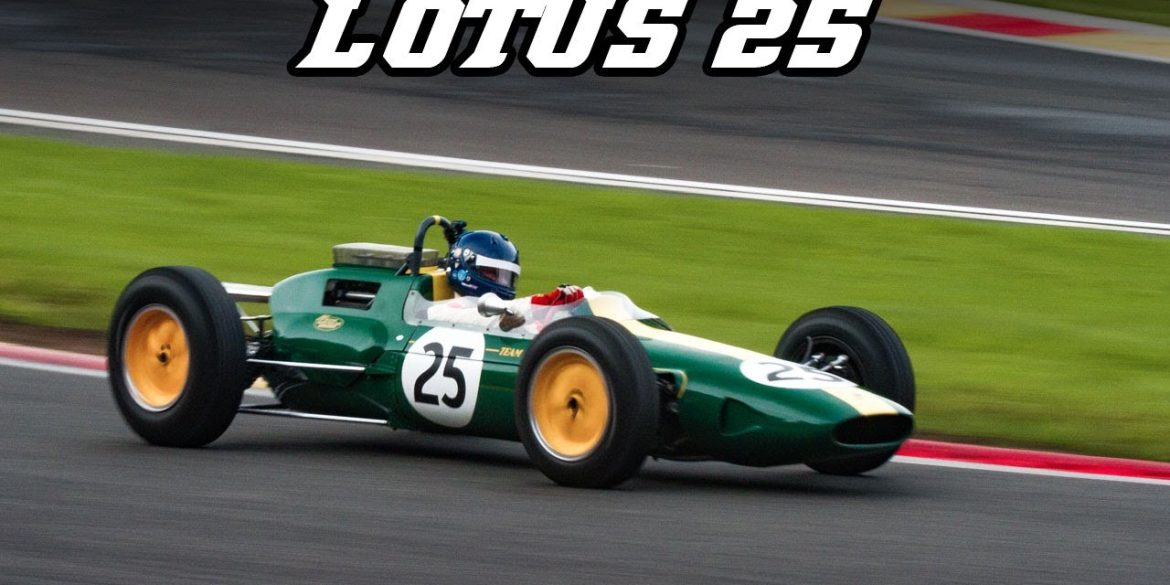
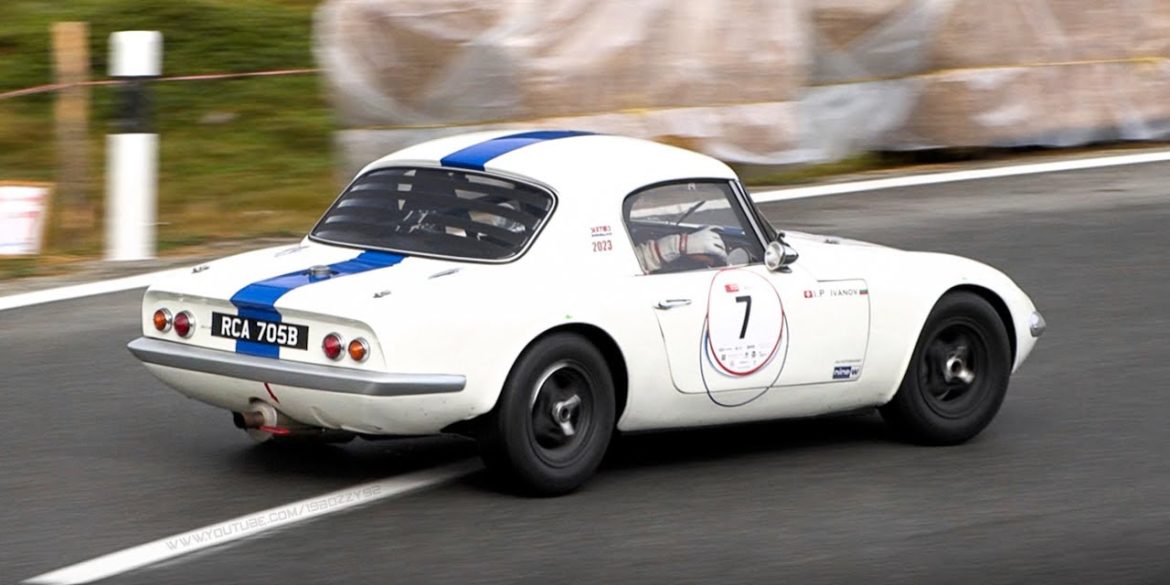
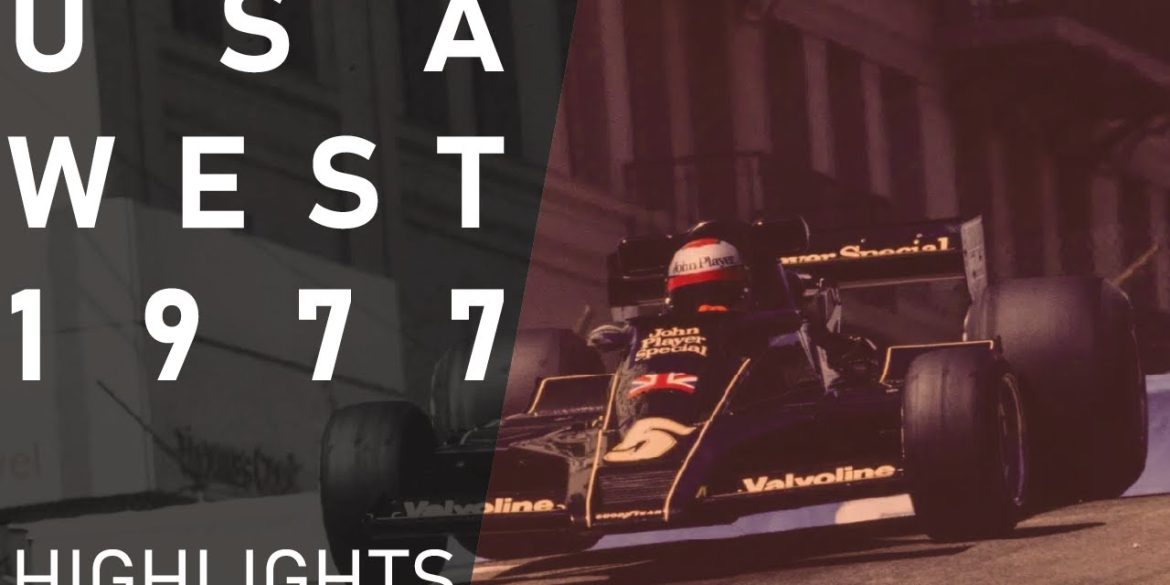

Founded 1 January 1952, Hornsey; Cheshunt 1959; Hethel 1966. Formula One: 491 Grands Prix 1958–94, 79 wins, 107 pole positions, 7 constructors' championships (1963, 1965, 1968, 1970, 1972, 1973, 1978), 6 drivers' championships (Clark 1963 and 1965, G. Hill 1968, Rindt 1970, Fittipaldi 1972, Andretti 1978). Indianapolis 500: 1965 (Clark, Lotus 38). Le Mans: Index of Performance 1957 (Eleven), class wins 1957 and 1959–64. Touring cars: British Saloon Car Championship 1964 (Clark, Lotus Cortina), European Touring Car Championship 1965 (Whitmore). Road cars: Elite 1,030; Elan about 12,000; Seven 2,500 by Lotus and 25,000-odd by Caterham; Esprit 10,675; Elise and Exige about 35,000. Record prices: the championship Grand Prix cars change hands privately and rarely; in the archive's auction reports the Elevens and 23s with period history make $300,000–600,000 and the road cars the figures in the market chapter above.
Short answers, with the long ones above.
Colin Chapman and Michael Allen, on 1 January 1952, as Lotus Engineering in Hornsey, north London, with £25 lent by Chapman's future wife Hazel. Chapman had built his first Lotus, a modified Austin Seven, in 1948.
Seven constructors' championships (1963, 1965, 1968, 1970, 1972, 1973, 1978) and six drivers' titles (Jim Clark 1963 and 1965, Graham Hill 1968, Jochen Rindt 1970, Emerson Fittipaldi 1972, Mario Andretti 1978), with 79 Grand Prix wins between 1960 and 1987.
Chapman's design doctrine: a lighter car brakes, corners and accelerates better than a more powerful one, so take out everything that is not needed. It produced the Seven, the Elite's fibreglass monocoque, the 25's aluminium tub and the Elise's bonded chassis, and also the fragility that Lotus's drivers paid for.
Yes, on 7 April 1968 at Hockenheim, in a Lotus 48 Formula Two car, when a rear tyre deflated at high speed in the forest. He had won the 1963 and 1965 world championships and the 1965 Indianapolis 500 for Lotus and held the record for Grand Prix wins at the time.
It is the Lotus Seven built under licence and then under ownership: Lotus sold the rights to Caterham Cars in 1973 and Caterham has built it, developed it and kept it in production ever since. The archive treats the Seven thread as one car.
Geely, the Chinese group that also owns Volvo and Polestar, since 2017, with Etika of Malaysia as a minority partner. Before that Proton (1996–2017), Romano Artioli's Bugatti (1993–96), General Motors (1986–93) and the Chapman family and shareholders.
The championship Formula One cars, the 25s, 49s, 72s and 79s with Clark, Hill, Rindt, Fittipaldi or Andretti history, which change hands privately for several million dollars, and the ex-Senna turbo cars. Among road cars the Elite and the twin-cam Elan lead, and the Lotus Cortinas with works history.
With Lorenzo Baer's Gold Leaf Team Lotus, Michael Oliver's 72 in '73 and The Birdcage Cleaner, McDonough's Reborn Champion on the 49, Quinn's Triple Elite and Hemsley's Boxcars!, then the Model tags for the car you care about.
The whole archive on one thread, newest first.