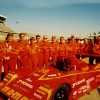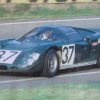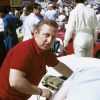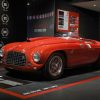
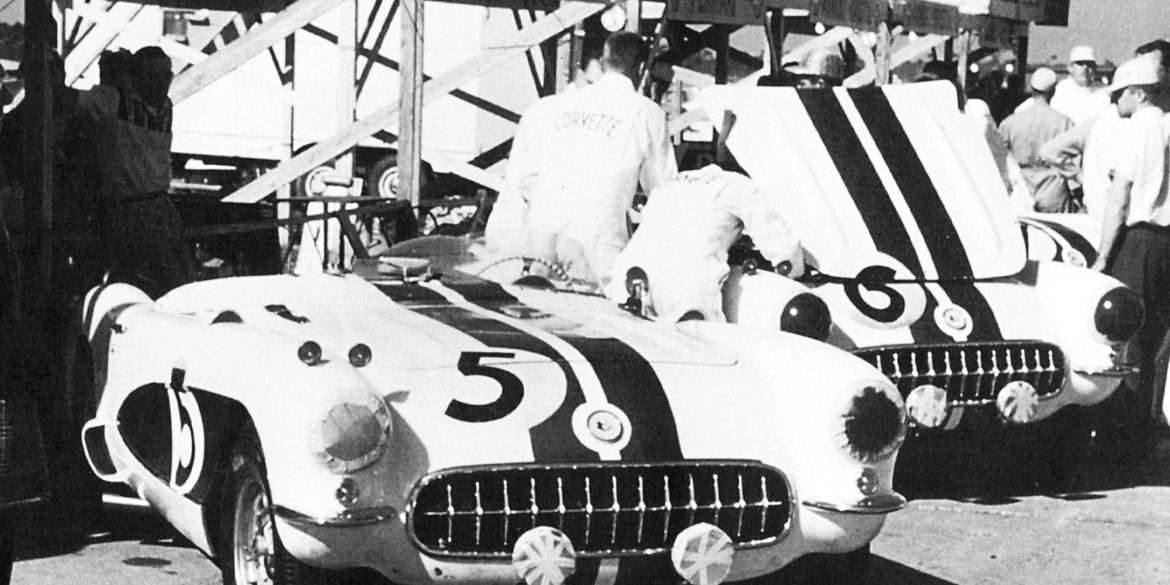
Editor's Note: This feature was reproduced with permission from our sister site Stuttcars.com for our SCD members. Ed Cole, Zora Duntov’s boss, was eager to race.

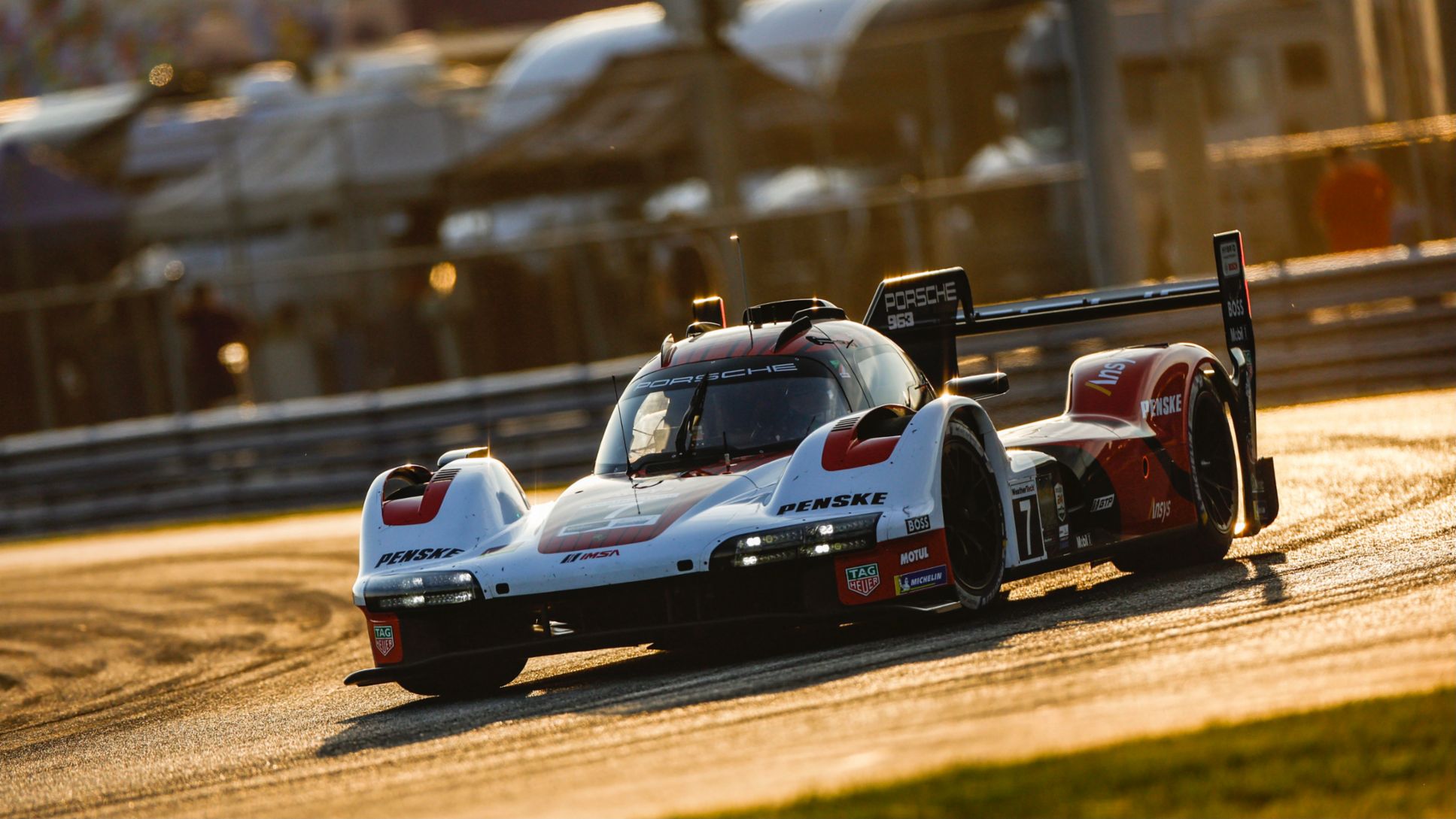
Eight and a half miles of French public road, closed once a year since 1923 so that cars can be driven around it from four o'clock on a Saturday afternoon until four o'clock on Sunday. It made Bentley, Jaguar, Ford and Porsche what they are; it took Levegh and eighty spectators in 1955; it has been won by a man with dysentery, a man who walked to his car, and a man driving a car named after himself. The archive has covered it, car by car and year by year, since 2000.
The pieces to start with
Zimmermann on Jaguar, Newman on the Bentley Boys, Pace on the 917, McDonough on the DBR1, and the 1955, 1962, 1966 and 1977 races.
Jaguar’s first Le Mans entries in 1950 were three works-prepared XK120s run under private names in case of embarrassment; Johnson and Hadley ran second before the clutch failed. John Zimmermann on 60 years at La Sarthe.
Mildred Mary Bruce drove a 4½-liter Bentley single-handed round Montlhéry for 24 hours at 89 mph in 1929, then flew solo round the world after 40 hours of lessons. Robert Newman on the 16 Boys, their fortunes and the women.
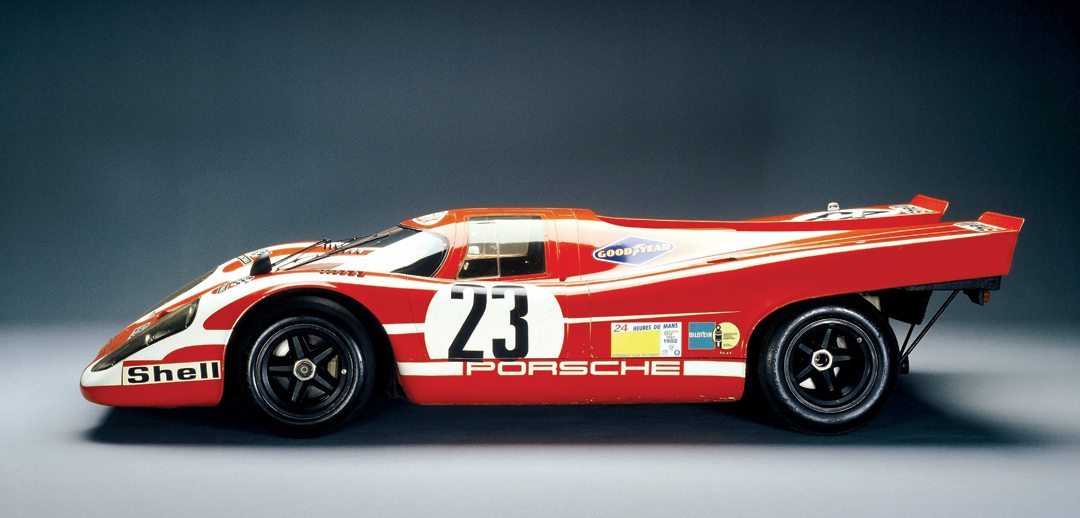
The FIA’s 3-liter limit for 1968 was meant to suit Porsche, whose 2-liter 906s had followed the Fords home at Le Mans in 1966. Harold Pace on how the 917 came out of it, and the obstacle inside Porsche.
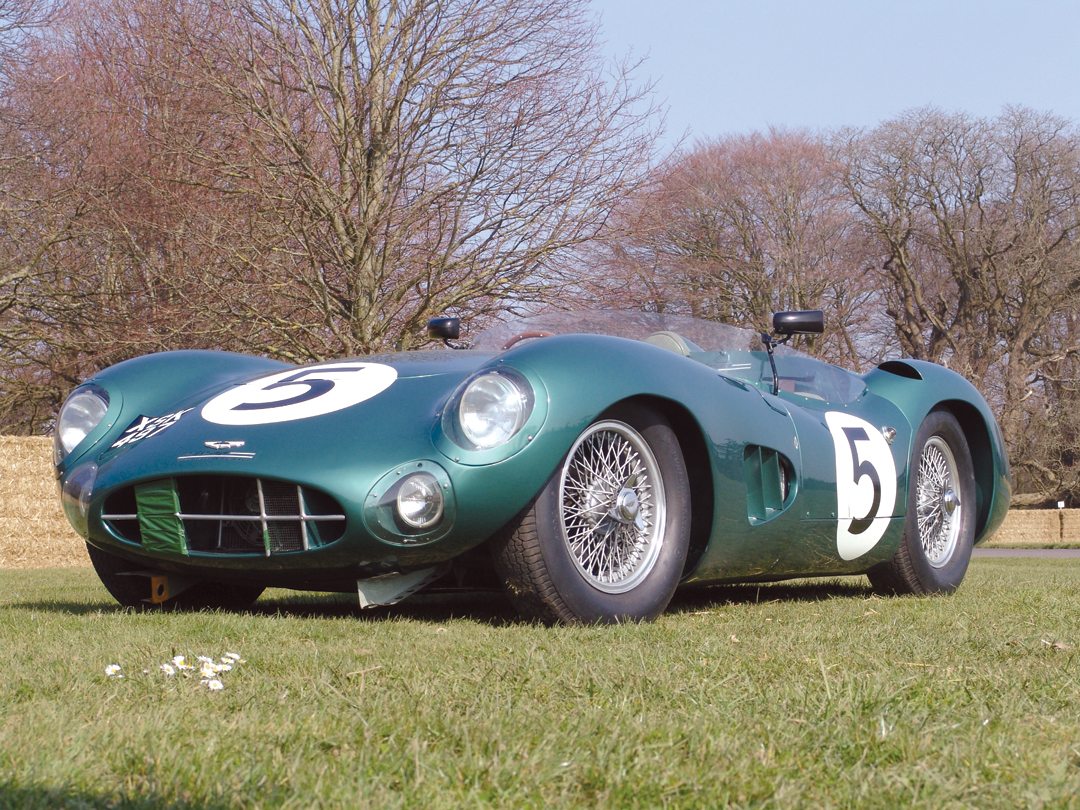
Aston Martin first went to Le Mans in 1928 with LM1 and LM2, 1495cc four-cylinder cars that both retired. Ed McDonough drives DBR1/2, built in 1957, winner of the 24 Hours in 1959 and raced almost without pause ever since.
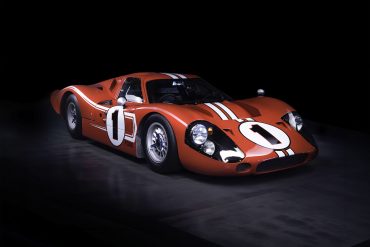
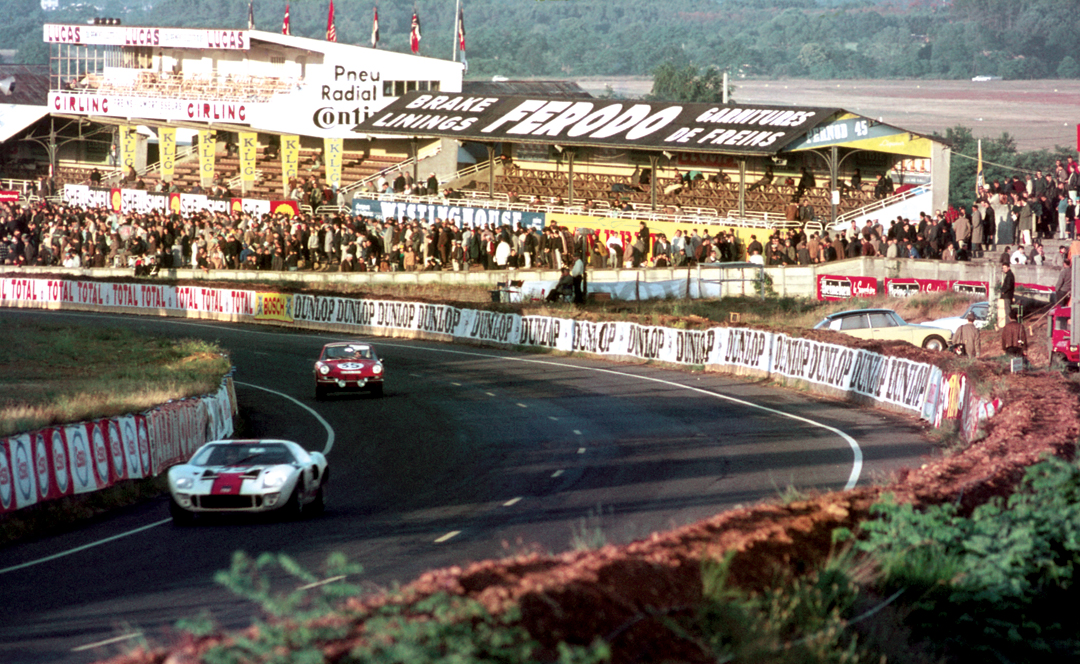
Ford’s failure to buy Ferrari in 1963 produced a 40-inch-high car built in Slough by Eric Broadley and John Wyer, a non-finisher in both its 1964 races. How the GT40 got from there to the 1966 win.
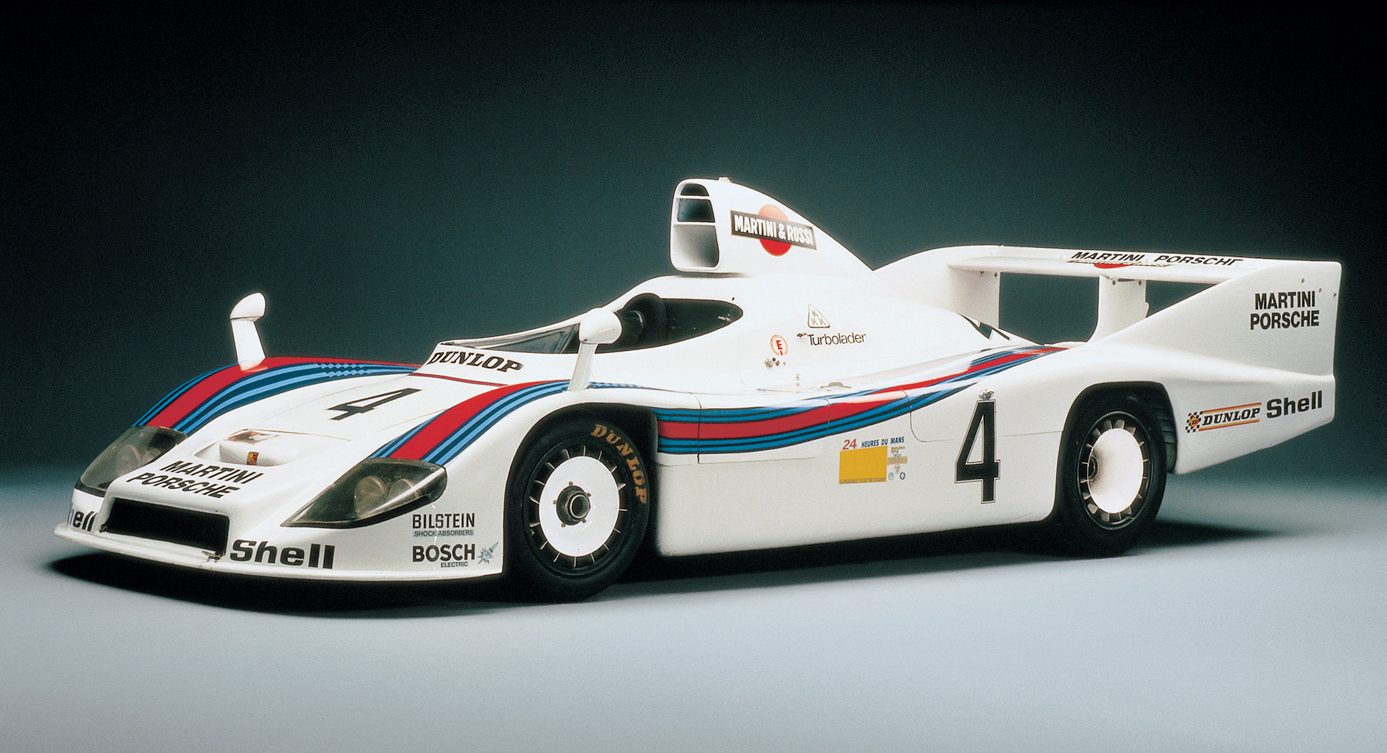
Porsche skipped the 1977 Group 6 season to defend Le Mans against four Renaults, narrowing the 936’s track by 40 mm to cut frontal area for the Mulsanne. Karl Ludvigsen on the “improvised” car Ernst Fuhrmann built from spare parts.
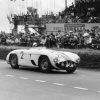
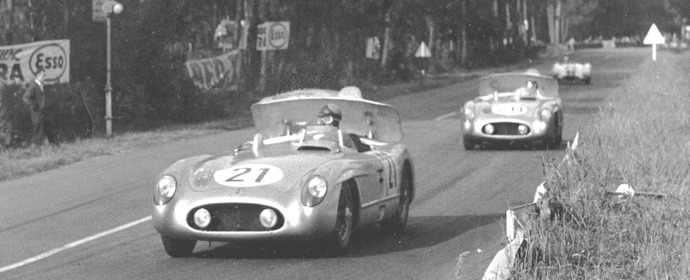
Art Evans co-wrote “Racing With Mercedes” with John Fitch, Pierre Levegh’s co-driver in the 300SLR whose crash killed more than 80 spectators at Le Mans in 1955. He also asked Ken Miles and Phil Hill, who were there.
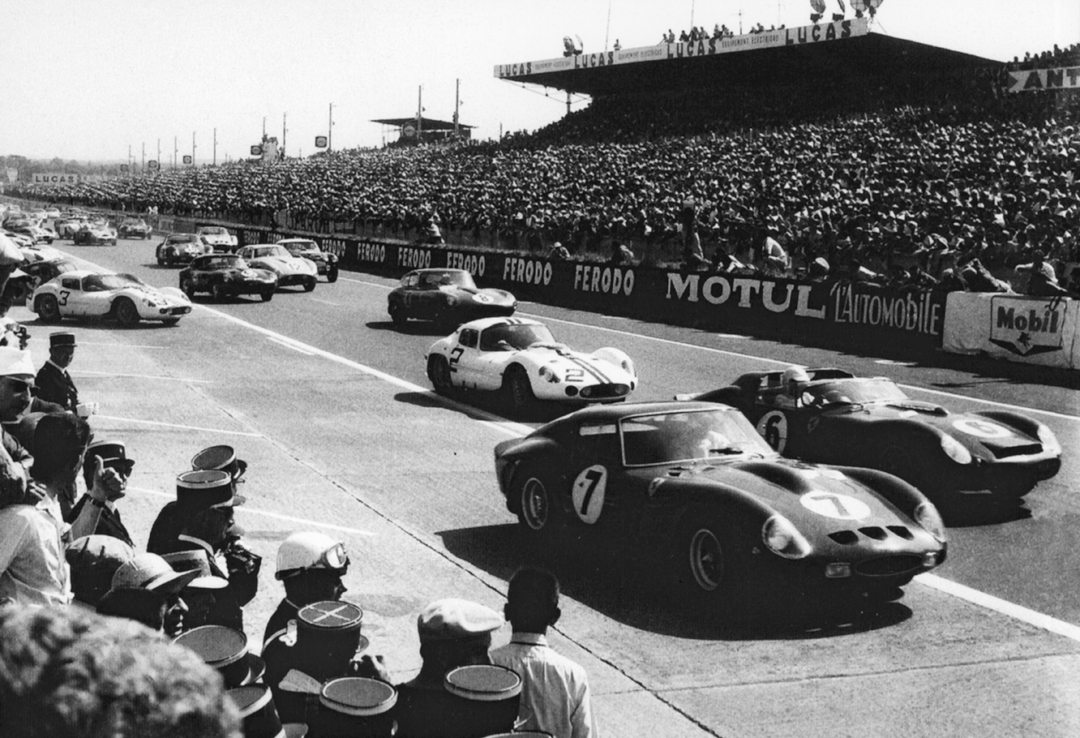
On 15 May 1961 the FIA made the 1962 championship GT-only; on 1 December the four big endurance races added an “experimental” class for 4-liter prototypes. How the rulebook shaped the 1962 24 Hours.
The newest long-form writing on Le Mans, as it is published.
The 24 Hours of Le Mans is a motor race run once a year since 1923 on the Circuit de la Sarthe, a loop of 13.6 kilometres of public road and permanent track outside the town of Le Mans in western France, from four o'clock on a Saturday afternoon in June until four o'clock on Sunday. The car that covers the greatest distance in the twenty-four hours wins; the rest are classified by distance behind it, within classes for prototypes and grand touring cars. It is the oldest endurance race still run, the centrepiece of the FIA World Endurance Championship, one leg of motor racing's Triple Crown with Monaco and Indianapolis, and the race in which manufacturers have chosen to prove themselves for a century: Bentley in the 1920s, Alfa Romeo in the 1930s, Jaguar and Ferrari in the 1950s and 1960s, Ford against Ferrari, Porsche for two decades, Audi for another, and Toyota and Ferrari now.
Three things make it different from every other race. The distance: a winning car covers around 5,000 kilometres, more than three Grands Prix a day, so the car that lasts beats the car that is fastest. The road: the Mulsanne straight, the run through Indianapolis and Arnage and the Porsche Curves are ordinary French roads for fifty-one weeks of the year, which is why the circuit is so long and so fast. And the public: a quarter of a million people camp in the woods around it, and the Le Mans Classic, held on the same circuit for the cars that raced here from 1923 to the recent past, draws more than a hundred thousand on its own. The archive has covered the race car by car and year by year since 2000: Zimmermann on Jaguar's decade, Newman on the Bentley Boys, Pace on the 917, McDonough on the DBR1, the 1955, 1962, 1966, 1969, 1970 and 1977 races, and reports from every June since.
The race was invented to sell cars, not to thrill anyone. In 1923 the Automobile Club de l'Ouest, prodded by the journalist Charles Faroux and by Emile Coquille of the Rudge-Whitworth wheel company, wanted a test that would prove ordinary touring cars could run through a night: that their headlamps worked, that their hoods went up, that they would still be running at dawn. So the first Grand Prix d'Endurance de 24 Heures, on 26 and 27 May 1923, was not a race in the usual sense at all. The cars were catalogue models carrying ballast for the empty seats; drivers had to complete laps with the hood erected; and the prize, the Rudge-Whitworth Triennial Cup, was decided over three years against a target distance set by engine size. The archive's history of Peugeot at Le Mans lays the early rules out properly, including the year Peugeot's cars were thrown out for a broken windscreen. André Lagache and René Léonard won that first running in a Chenard & Walcker, covering 2,209 kilometres on roads of cinders and mud.
What survived of that idea is the shape of the thing. Le Mans is still run on public roads (the Mulsanne straight is the D338, with a petrol station on it), still starts on a Saturday afternoon in June, still counts distance rather than laps, and still rewards the car that is merely quick over the car that is fastest. Everything else has changed: the circuit has been shortened, chicaned and rebuilt a dozen times; the Le Mans start, with drivers sprinting across the road, lasted until 1969; the hoods are long gone. But a manufacturer that wins here has proved the same thing Chenard & Walcker proved: the car lasted the night.
The track is the reason the race is what it is. The original circuit of 1923 was 17.26 kilometres of public road, out of the town along the Route Nationale to Mulsanne and back by way of Arnage and the suburb of Pontlieue; a bypass in 1932 cut Pontlieue off and set the shape that survives, 13.49 kilometres then, 13.63 now. From the pits the road climbs under the Dunlop bridge, drops through the Esses to Tertre Rouge and onto the Mulsanne straight, the Ligne Droite des Hunaudières, six kilometres of the D338 on which the Porsche 917s passed 240 mph in 1971, the Group C cars more than 240 in the 1980s, and Roger Dorchy's WM Peugeot 405 km/h, 251 mph, in 1988, the record that made the ACO install two chicanes for 1990 and that will stand for ever. At the end of the straight is the Mulsanne corner, then the fast kink and the right-angles at Indianapolis and Arnage, named for the town and the brick-surfaced bend; then the Porsche Curves, built in 1972 to replace the Maison Blanche section where the Bentleys had crashed in 1927, and the Ford chicanes, added in 1968, that bring the cars back to the pits. The permanent Bugatti circuit, used by the motorcycle Grand Prix, shares the pit straight and the Dunlop curve and nothing else.
The lap record on the current layout is Kamui Kobayashi's 3 minutes 14.791 seconds in a Toyota TS050 Hybrid in qualifying for 2017, an average of 251.9 km/h. The distance record is the 5,410 kilometres of the Audi R15 in 2010, 397 laps, which finally beat the 917's 5,335 of 1971. The pits have been rebuilt three times, after 1955, in 1991 and for the centenary; the grandstands opposite are on the site of the 1955 crash. Drive the Le Mans Circuit describes what the road is like at legal speeds on a June morning.
Bentley came to the second race, in 1924, with a single 3 Litre entered by John Duff and prepared at the works in Cricklewood, and won it. W.O. Bentley had not wanted to go. He was a builder of fast, heavy, meticulously engineered cars with four valves and two plugs per cylinder, and he thought racing was a distraction, until he saw what Monday's newspapers did with a win. He later told a friend that he would happily have watched his cars run round Le Mans in solitude so long as the Daily Telegraph gave them the front page.
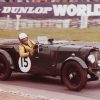
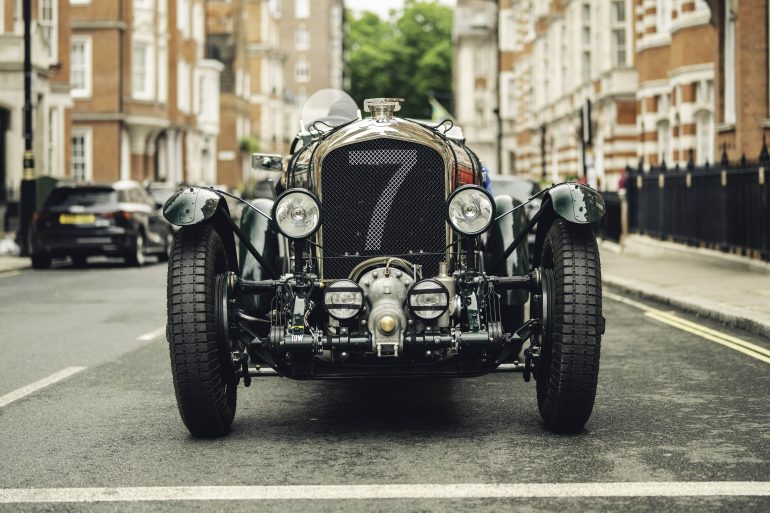
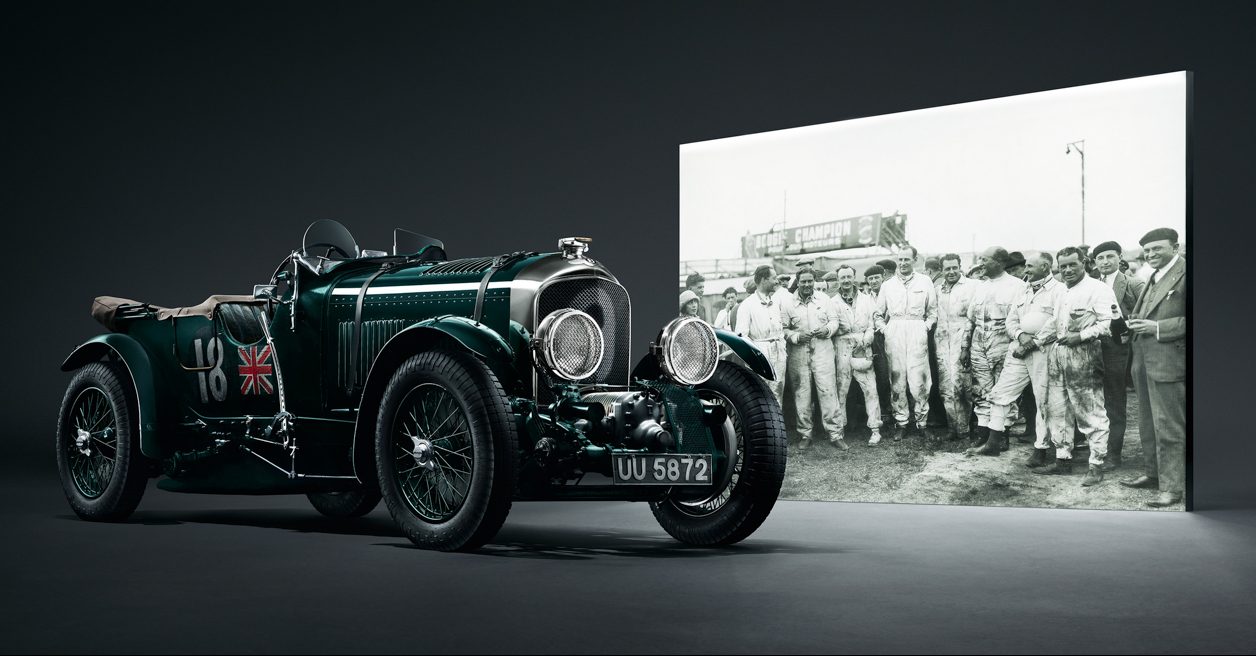
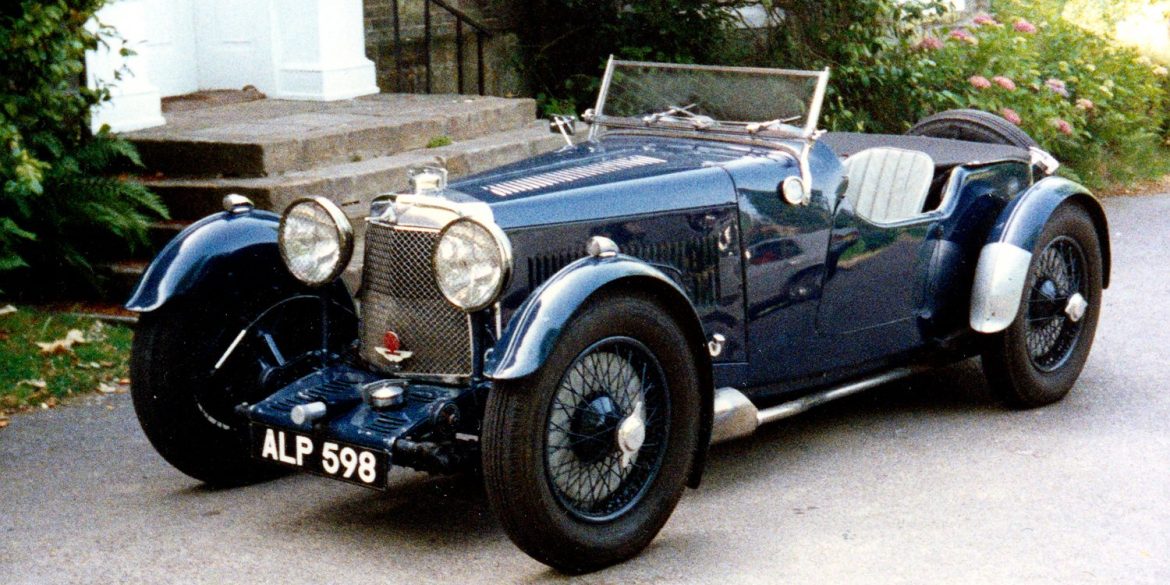
The men who drove them were not solitary. The archive's portrait of the Bentley Boys, and the one Bentley Girl who mattered, counts sixteen of them: the Kimberley diamond heir Woolf Barnato, the Harley Street bacteriologist Dudley Benjafield, the journalist Sammy Davis, the ex-Flying Corps pilot Tim Birkin, a jockey, a submariner, a pearl-fishing magnate. They won in 1927 with "Old Number 7" after the whole team had crashed in the dark at White House and Benjafield and Davis drove the bent survivor home; in 1928 with Barnato and Bernard Rubin in a 4½ Litre; in 1929, when the Speed Six of Barnato and Birkin led a Bentley one-two-three-four; and in 1930, Barnato and Glen Kidston, Barnato's third win from three starts, a record that has never been equalled. The 1929 race, which the Le Mans Classic still re-enacts, is the one the magazine wrote up. A year later Bentley Motors was sold to Rolls-Royce and the Boys dispersed. What it feels like to race one of the cars today is in Greatest Racecar? Bentley 3-Liter.
Every overall winner, with the year's one-line story. Car names link to every story on the site about that car.
| Year | Winners | Car | The race |
|---|---|---|---|
| 1923 | André Lagache / René Léonard | Chenard & Walcker Sport | |
| 1924 | John Duff / Frank Clement | Bentley 3 Litre | |
| 1925 | Gérard de Courcelles / André Rossignol | Lorraine-Dietrich B3-6 | |
| 1926 | Robert Bloch / André Rossignol | Lorraine-Dietrich B3-6 | |
| 1927 | Dudley Benjafield / Sammy Davis | Bentley 3 Litre | Won after the White House crash |
| 1928 | Woolf Barnato / Bernard Rubin | Bentley 4½ Litre | |
| 1929 | Woolf Barnato / Tim Birkin | Bentley Speed Six | Bentley 1-2-3-4 |
| 1930 | Woolf Barnato / Glen Kidston | Bentley Speed Six | Barnato: three wins from three starts |
| 1931 | Earl Howe / Tim Birkin | Alfa Romeo 8C 2300 LM | |
| 1932 | Raymond Sommer / Luigi Chinetti | Alfa Romeo 8C 2300 LM | |
| 1933 | Raymond Sommer / Tazio Nuvolari | Alfa Romeo 8C 2300 MM | Nuvolari passed Chinetti on the last lap |
| 1934 | Luigi Chinetti / Philippe Étancelin | Alfa Romeo 8C 2300 | |
| 1935 | John Hindmarsh / Luis Fontés | Lagonda M45R Rapide | |
| 1936 | No race | Cancelled during the general strikes | |
| 1937 | Jean-Pierre Wimille / Robert Benoist | Bugatti Type 57G Tank | |
| 1938 | Eugène Chaboud / Jean Trémoulet | Delahaye 135 CS | |
| 1939 | Jean-Pierre Wimille / Pierre Veyron | Bugatti Type 57C Tank | |
| 1940 | No race 1940 to 1948 | War, then rebuilding the circuit | |
| 1949 | Luigi Chinetti / Lord Selsdon | Ferrari 166 MM | Chinetti drove for about 22¾ hours |
| 1950 | Louis Rosier / Jean-Louis Rosier | Talbot-Lago T26 GS | |
| 1951 | Peter Walker / Peter Whitehead | Jaguar C-Type | |
| 1952 | Hermann Lang / Fritz Riess | Mercedes-Benz 300 SL (W194) | |
| 1953 | Tony Rolt / Duncan Hamilton | Jaguar C-Type | First win at over 4,000 km; disc brakes |
| 1954 | José Froilán González / Maurice Trintignant | Ferrari 375 Plus | |
| 1955 | Mike Hawthorn / Ivor Bueb | Jaguar D-Type | The disaster: Levegh and more than 80 spectators killed |
| 1956 | Ron Flockhart / Ninian Sanderson | Jaguar D-Type | Ecurie Ecosse |
| 1957 | Ron Flockhart / Ivor Bueb | Jaguar D-Type | D-Types 1-2-3-4-6 |
| 1958 | Olivier Gendebien / Phil Hill | Ferrari 250 TR58 | |
| 1959 | Roy Salvadori / Carroll Shelby | Aston Martin DBR1 | |
| 1960 | Olivier Gendebien / Paul Frère | Ferrari 250 TR59/60 | |
| 1961 | Olivier Gendebien / Phil Hill | Ferrari 250 TRI/61 | |
| 1962 | Olivier Gendebien / Phil Hill | Ferrari 330 TRI/LM | Last front-engined winner |
| 1963 | Ludovico Scarfiotti / Lorenzo Bandini | Ferrari 250 P | First mid-engined winner |
| 1964 | Jean Guichet / Nino Vaccarella | Ferrari 275 P | |
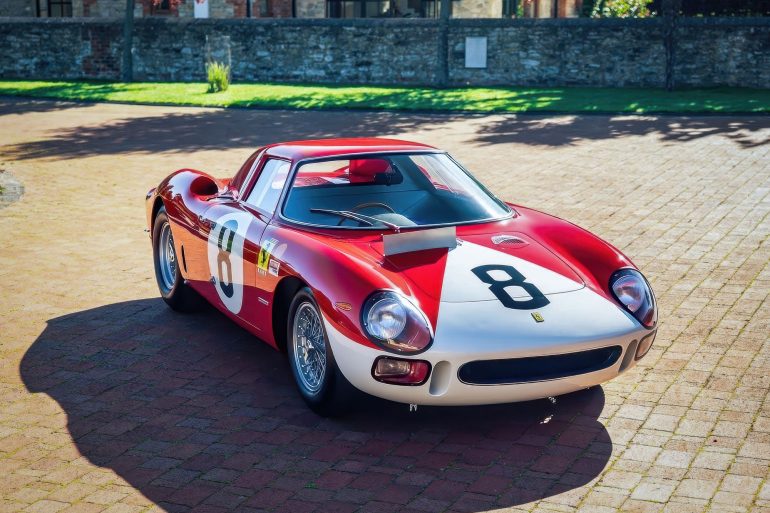
| 1965 | Masten Gregory / Jochen Rindt | Ferrari 250 LM | NART; every works Ford and Ferrari retired |
| 1966 | Bruce McLaren / Chris Amon | Ford GT40 Mk II | Ford 1-2-3; the staged finish |
| 1967 | Dan Gurney / A.J. Foyt | Ford GT40 Mk IV | First champagne spray |
| 1968 | Pedro Rodríguez / Lucien Bianchi | Ford GT40 | Run in September |
| 1969 | Jacky Ickx / Jackie Oliver | Ford GT40 | Won by about 120 metres |
| 1970 | Hans Herrmann / Richard Attwood | Porsche 917K | Porsche's first outright win |
| 1971 | Helmut Marko / Gijs van Lennep | Porsche 917K | 5,335 km, a record until 2010 |
| 1972 | Henri Pescarolo / Graham Hill | Matra-Simca MS670 | Hill completes the triple crown |
| 1973 | Henri Pescarolo / Gérard Larrousse | Matra-Simca MS670B | |
| 1974 | Henri Pescarolo / Gérard Larrousse | Matra-Simca MS670C | |
| 1975 | Jacky Ickx / Derek Bell | Mirage GR8 | |
| 1976 | Jacky Ickx / Gijs van Lennep | Porsche 936 | |
| 1977 | Jacky Ickx / Jürgen Barth / Hurley Haywood | Porsche 936/77 | From 41st, finishing on five cylinders |
| 1978 | Jean-Pierre Jaussaud / Didier Pironi | Renault Alpine A442B | |
| 1979 | Klaus Ludwig / Bill Whittington / Don Whittington | Porsche 935 K3 | Kremer; Paul Newman second |
| 1980 | Jean Rondeau / Jean-Pierre Jaussaud | Rondeau M379B | Rondeau won in his own car |
| 1981 | Jacky Ickx / Derek Bell | Porsche 936/81 | |
| 1982 | Jacky Ickx / Derek Bell | Porsche 956 | Ickx's sixth |
| 1983 | Vern Schuppan / Al Holbert / Hurley Haywood | Porsche 956 | Nine 956s in the top ten |
| 1984 | Klaus Ludwig / Henri Pescarolo | Porsche 956B | Joest |
| 1985 | Klaus Ludwig / Paolo Barilla / “John Winter” | Porsche 956B | Joest |
| 1986 | Derek Bell / Hans-Joachim Stuck / Al Holbert | Porsche 962C | |
| 1987 | Derek Bell / Hans-Joachim Stuck / Al Holbert | Porsche 962C | |
| 1988 | Jan Lammers / Johnny Dumfries / Andy Wallace | Jaguar XJR-9 LM | |
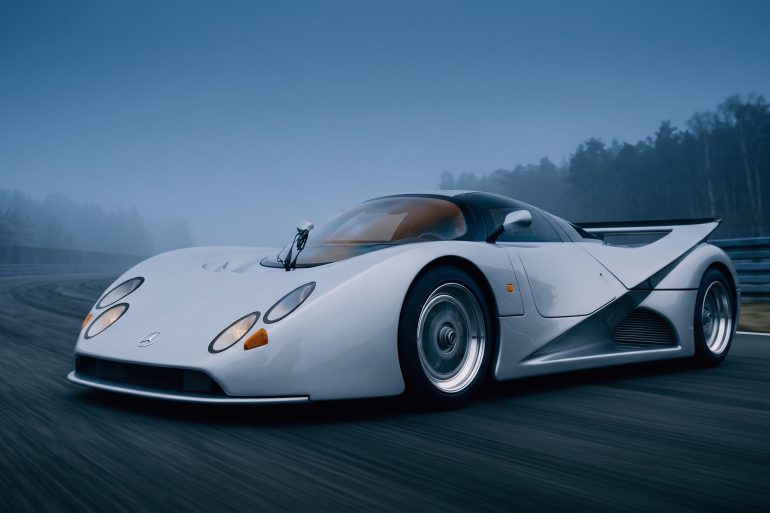
| 1989 | Jochen Mass / Manuel Reuter / Stanley Dickens | Sauber-Mercedes C9 | Last year of the unbroken Mulsanne |
| 1990 | John Nielsen / Price Cobb / Martin Brundle | Jaguar XJR-12 | |
| 1991 | Volker Weidler / Johnny Herbert / Bertrand Gachot | Mazda 787B | First Japanese and only rotary winner |
| 1992 | Derek Warwick / Yannick Dalmas / Mark Blundell | Peugeot 905 Evo 1B | |
| 1993 | Geoff Brabham / Christophe Bouchut / Éric Hélary | Peugeot 905 Evo 1B | |
| 1994 | Yannick Dalmas / Hurley Haywood / Mauro Baldi | Dauer 962 Le Mans | |
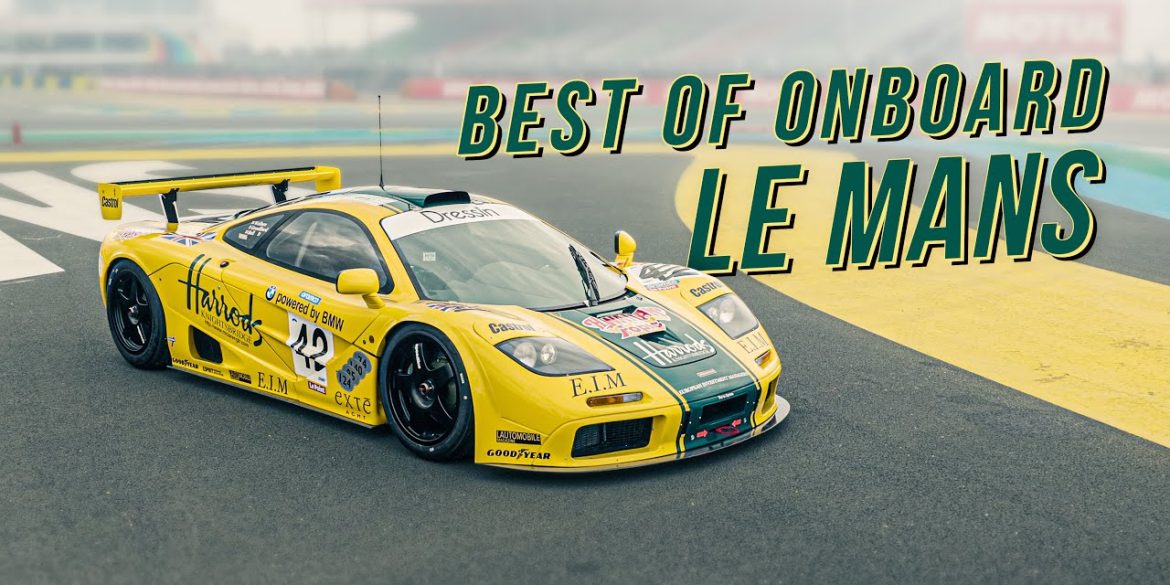
| 1995 | Yannick Dalmas / JJ Lehto / Masanori Sekiya | McLaren F1 GTR | |
| 1996 | Manuel Reuter / Davy Jones / Alexander Wurz | TWR Porsche WSC-95 | Joest |
| 1997 | Michele Alboreto / Stefan Johansson / Tom Kristensen | TWR Porsche WSC-95 | Kristensen's first |
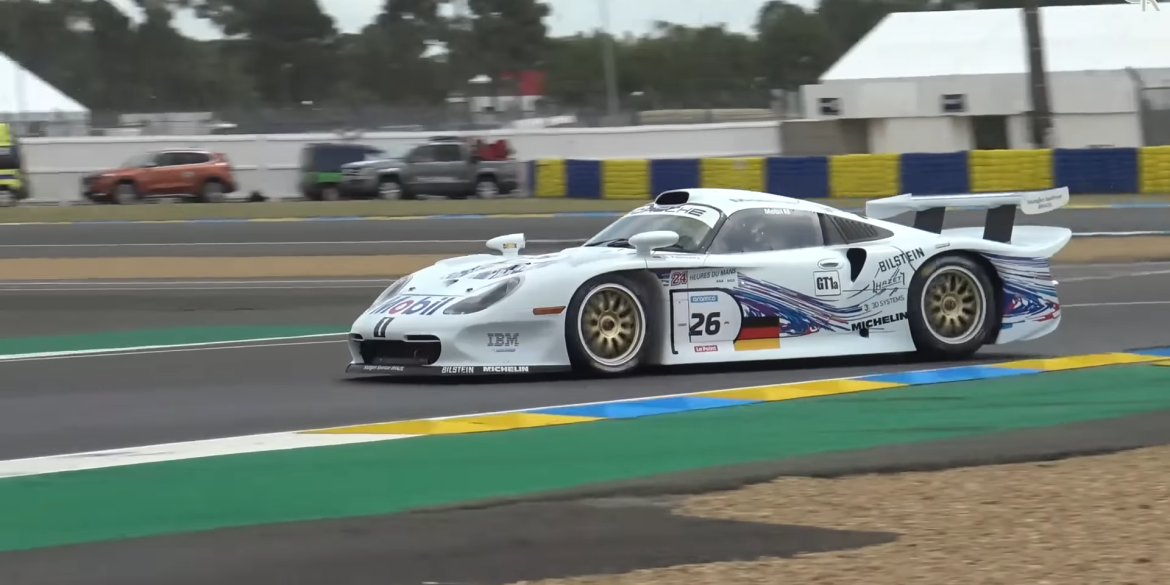
| 1998 | Laurent Aïello / Allan McNish / Stéphane Ortelli | Porsche 911 GT1-98 | Porsche's 16th |
| 1999 | Pierluigi Martini / Yannick Dalmas / Joachim Winkelhock | BMW V12 LMR | |
| 2000 | Frank Biela / Tom Kristensen / Emanuele Pirro | Audi R8 | |
| 2001 | Frank Biela / Tom Kristensen / Emanuele Pirro | Audi R8 | |
| 2002 | Frank Biela / Tom Kristensen / Emanuele Pirro | Audi R8 | |
| 2003 | Rinaldo Capello / Tom Kristensen / Guy Smith | Bentley Speed 8 | Bentley's sixth, 73 years on |
| 2004 | Seiji Ara / Rinaldo Capello / Tom Kristensen | Audi R8 | |
| 2005 | JJ Lehto / Marco Werner / Tom Kristensen | Audi R8 | Kristensen passes Ickx |
| 2006 | Frank Biela / Emanuele Pirro / Marco Werner | Audi R10 TDI | First diesel winner |
| 2007 | Frank Biela / Emanuele Pirro / Marco Werner | Audi R10 TDI | |
| 2008 | Rinaldo Capello / Tom Kristensen / Allan McNish | Audi R10 TDI | |
| 2009 | David Brabham / Marc Gené / Alexander Wurz | Peugeot 908 HDi FAP | |
| 2010 | Timo Bernhard / Romain Dumas / Mike Rockenfeller | Audi R15 TDI plus | New distance record, 5,410 km |
| 2011 | Marcel Fässler / André Lotterer / Benoît Tréluyer | Audi R18 TDI | |
| 2012 | Marcel Fässler / André Lotterer / Benoît Tréluyer | Audi R18 e-tron quattro | First hybrid winner |
| 2013 | Tom Kristensen / Allan McNish / Loïc Duval | Audi R18 e-tron quattro | Kristensen's ninth |
| 2014 | Marcel Fässler / André Lotterer / Benoît Tréluyer | Audi R18 e-tron quattro | |
| 2015 | Nico Hülkenberg / Earl Bamber / Nick Tandy | Porsche 919 Hybrid | |
| 2016 | Romain Dumas / Neel Jani / Marc Lieb | Porsche 919 Hybrid | Toyota stopped with three minutes left |
| 2017 | Timo Bernhard / Earl Bamber / Brendon Hartley | Porsche 919 Hybrid | Porsche's 19th |
| 2018 | Sébastien Buemi / Kazuki Nakajima / Fernando Alonso | Toyota TS050 Hybrid | |
| 2019 | Sébastien Buemi / Kazuki Nakajima / Fernando Alonso | Toyota TS050 Hybrid | |
| 2020 | Sébastien Buemi / Kazuki Nakajima / Brendon Hartley | Toyota TS050 Hybrid | September, no spectators |
| 2021 | Mike Conway / Kamui Kobayashi / José María López | Toyota GR010 Hybrid | August; first Hypercar win |
| 2022 | Sébastien Buemi / Brendon Hartley / Ryo Hirakawa | Toyota GR010 Hybrid | |
| 2023 | Alessandro Pier Guidi / James Calado / Antonio Giovinazzi | Ferrari 499P | The centenary race |
| 2024 | Antonio Fuoco / Miguel Molina / Nicklas Nielsen | Ferrari 499P | |
| 2025 | Robert Kubica / Yifei Ye / Phil Hanson | Ferrari 499P | AF Corse customer entry |
| 2026 | Kamui Kobayashi / Nyck de Vries / Mike Conway | Toyota GR010 Hybrid |
Distance decides the race, so the 1966 dead heat went to the car that had started further back. Two drivers shared a car until the 1980s, three since. No race in 1936 or 1940–48.
With Bentley gone the race became Italian for four years. The Alfa Romeo 8C 2300 won in 1931 (Earl Howe and Birkin, who had changed sides), 1932 (Raymond Sommer and a young Luigi Chinetti), 1933 (Sommer and Nuvolari, who caught Chinetti on the last lap and won by a few hundred metres) and 1934 (Chinetti and Philippe Étancelin). Chinetti would matter to this race for another thirty years. Aston Martin was there every year of the decade with its 1½-litre cars, winning the class and once finishing third; the archive's long piece on the 1933 Aston Martin Le Mans explains why a 1,500 cc British four-cylinder was named after a French race, and what owning one is like.
Then it turned French. Lagonda won in 1935 with John Hindmarsh and Luis Fontés. There was no race in 1936, the only peacetime cancellation, because the Popular Front strikes closed the country. Jean-Pierre Wimille won in 1937 and 1939 in the Bugatti Type 57 "Tank", the first with Robert Benoist and the second with Pierre Veyron, a name Bugatti would borrow seventy years later. Between them, in 1938, came the Delahaye 135 of Eugène Chaboud and Jean Trémoulet, the model the archive calls the grand grand tourer. Benoist was executed by the Gestapo in 1944. The circuit itself was bombed, then used as an airfield. There was no race for nine years.
The first post-war race, in 1949, went to a 2-litre Ferrari 166 MM, and Chinetti drove it for more than twenty-two of the twenty-four hours, handing to Lord Selsdon for seventy-two minutes. It was Ferrari's first win here and the start of the firm's American business; the story is told inside the archive's account of Le Mans 1965, which Chinetti also won, as an entrant. Louis Rosier won in 1950 in a Talbot-Lago, driving all but two laps himself.
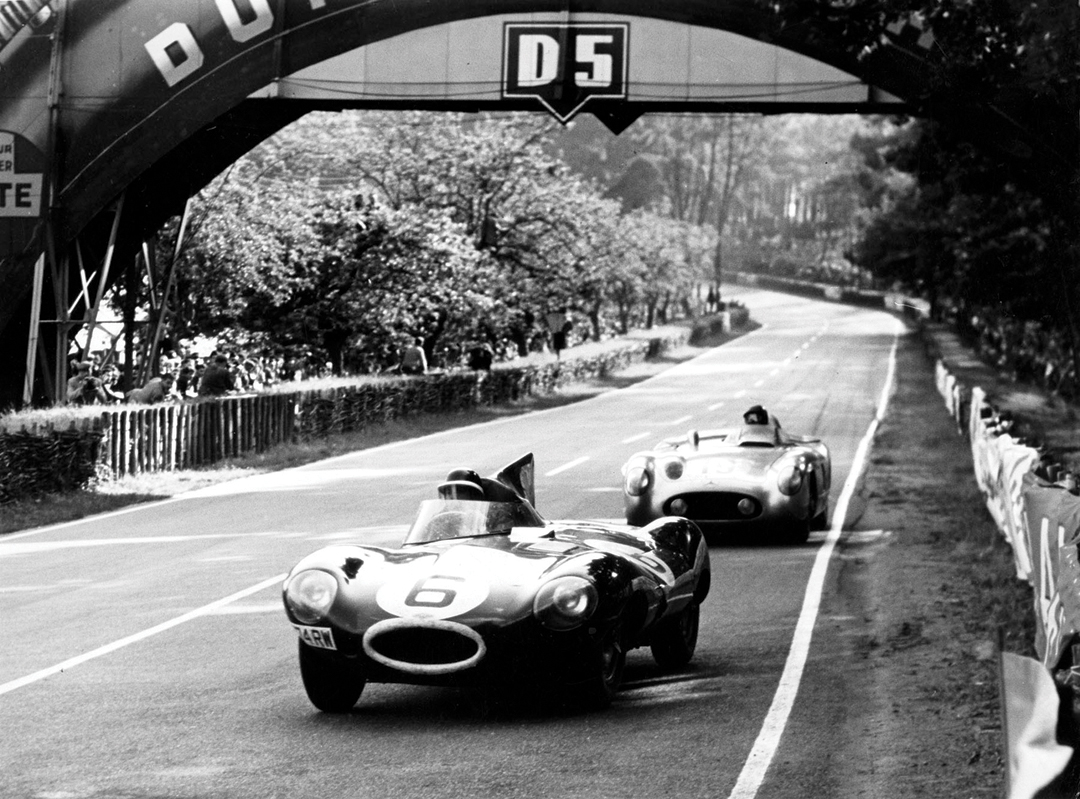
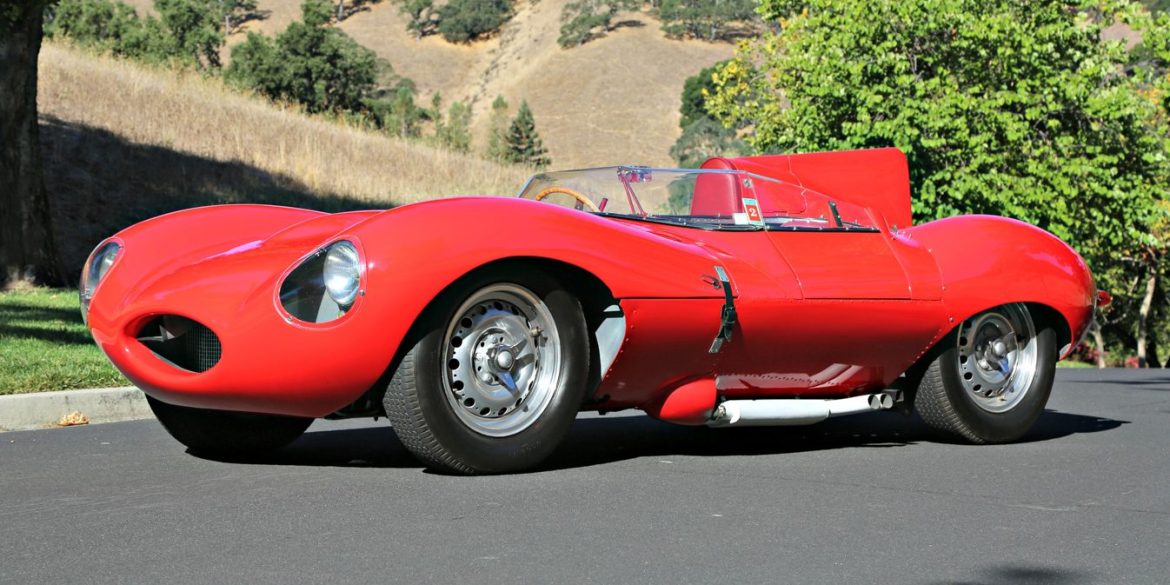
Then Jaguar arrived. William Lyons had entered three XK120s in 1950, under private names in case they embarrassed him; they did not, and for 1951 the factory built the C-type, which won first time out with Peter Walker and Peter Whitehead. The decade is the subject of the archive's longest Le Mans piece, Building a Legend at Le Mans: the 1953 win for Tony Rolt and Duncan Hamilton, the first at over 4,000 kilometres, on the Dunlop disc brakes that let a C-type brake a hundred yards later than a Ferrari; the D-type's three in a row from 1955 to 1957, the last two for the Scottish privateers of Ecurie Ecosse; the 1957 result that put D-types first, second, third, fourth and sixth. Mercedes-Benz interrupted in 1952, when Pierre Levegh's solo Talbot broke in the twenty-third hour and the 300 SL of Hermann Lang and Fritz Riess inherited the race.
Levegh is remembered for 1955 instead. Two and a half hours in, with Mike Hawthorn's Jaguar and Fangio's Mercedes 300 SLR duelling for the lead, Hawthorn braked for the pits, Lance Macklin's Austin-Healey swerved, and Levegh's Mercedes, following at full speed, rode up over it and into the crowd opposite the pits. Levegh and more than eighty spectators were killed, the worst accident in the history of motor racing. The archive's race profile, written by a friend of John Fitch, Levegh's co-driver, is the account to read: how Mercedes withdrew its cars at two in the morning while leading, why the race was not stopped, and what Fitch spent the rest of his life doing about crash safety. Switzerland banned circuit racing that week and has only recently relaxed the ban; Mercedes-Benz withdrew from racing at the end of the season and did not return for more than thirty years; the Carrera Panamericana was cancelled and never run again. Hawthorn and Ivor Bueb won. The pits and the grandstands were rebuilt before 1956, the first of the circuit's safety rebuilds, and the race went on.
The decade closed with Aston Martin. David Brown had been trying since 1949; the DBR1 finally did it in 1959 with Roy Salvadori and Carroll Shelby, who remembered the race fifty years later as the high point of his driving career, dysentery and all. Brown climbed into the oil-soaked cockpit for the victory lap in a new sports coat.
Ferrari won six in a row from 1960, and the archive's A Decade of Change and Glory argues that the 1960s were the race's grandest era. The engines moved behind the drivers (the 1962 winner, Phil Hill and Olivier Gendebien's 4-litre Testa Rossa, was the last front-engined car to win); the field changed from modified road cars to prototypes built for nothing else; and Henry Ford II, refused by Enzo Ferrari in 1963, decided to beat him in public.
Ford's first two attempts failed. In 1964 all three GT40s broke. In 1965, as the archive's eyewitness account of the Ford versus Ferrari sequel records, eleven Fords and Cobras lined up against twelve Ferraris and every Ford was out before midnight, while every works Ferrari broke too, leaving Chinetti's privately entered 250 LM of Masten Gregory and Jochen Rindt to win. The two-part Route to '66 (part two here) follows the programme from Eric Broadley's Lola to the 7-litre Mk II, and Le Mans '66 is a 21-year-old photographer's record of the result: a Ford one-two-three, with the staged dead heat that handed the win to Bruce McLaren and Chris Amon instead of Ken Miles and Denny Hulme, because McLaren had started further back and so covered more distance. In 1967 Dan Gurney and A.J. Foyt won in the Mk IV at a record distance, and Gurney, handed a bottle of champagne on the podium, shook it and sprayed the crowd, which nobody had done before. John Wyer's Gulf GT40s won the next two, in 1968, a race pushed back to September by the May riots, and in 1969, the closest finish there had been: Jacky Ickx, who had walked across the track in protest at the running start while John Woolfe died on the first lap for want of a fastened belt, beat Hans Herrmann's Porsche 908 by about a hundred metres after twenty-four hours.
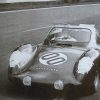
Porsche had been coming since 1951 and winning classes since the 356; the archive's photographic series on Porsche at Le Mans in the 1960s shows how close the small cars came. The 917 was the decision to stop being close. Built in ten months to exploit a loophole that allowed 5-litre "production" cars if twenty-five were made, it was fast and nearly undriveable until Wyer's mechanics cut its tail short at a test in 1969. In 1970, in rain that lasted most of the night, the Salzburg 917K of Herrmann and Richard Attwood gave Porsche its first outright win while Steve McQueen's cameras filmed the race for a feature. In 1971 Helmut Marko and Gijs van Lennep's Martini 917K covered 5,335 kilometres, a distance nobody beat for thirty-nine years. Porsche at Le Mans, 1969 to 1973 has the pictures.
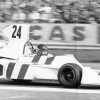
The 5-litre cars were banned for 1972, the year the Porsche Curves replaced Maison Blanche, and Matra won three in a row with Henri Pescarolo, the first alongside Graham Hill, which made Hill the only man to hold Le Mans, the Indianapolis 500 and the Formula One championship. The archive's Immersed in Matra is the inside story. Then Porsche again, almost without a break: the 936 in 1976; the improbable 1977 win when Ickx, his own car dead, climbed into the sister 936 that was lying forty-first and brought it to the front with Hurley Haywood and Jürgen Barth, finishing on five cylinders; the 935 K3 of the Kremer brothers in 1979, with Paul Newman second; Ickx and Derek Bell in 1981 and again in 1982, the first race for the ground-effect 956. From 1982 to 1987 Porsche won every year, and in 1983 nine of the first ten cars were 956s. Ickx's six wins stood as the record until Tom Kristensen passed it.
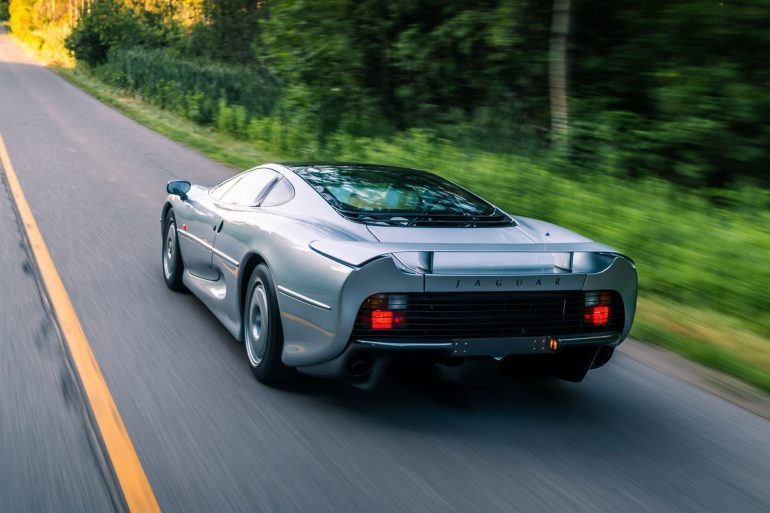
Jaguar broke the run in 1988 with the XJR-9 and won again in 1990; in between came the Sauber-Mercedes C9, the first silver car to win since 1952, in the last year before chicanes cut the Mulsanne into three. In 1991 Mazda's rotary 787B became the first Japanese winner, in the last year a rotary was allowed; then the Peugeot 905 twice, a road-registered Dauer 962, the McLaren F1 GTR in the rain of 1995, two wins for Joest's old TWR-Porsche, and in 1998 the 911 GT1, Porsche's sixteenth, after the leading Toyota GT-One broke in the last two hours.
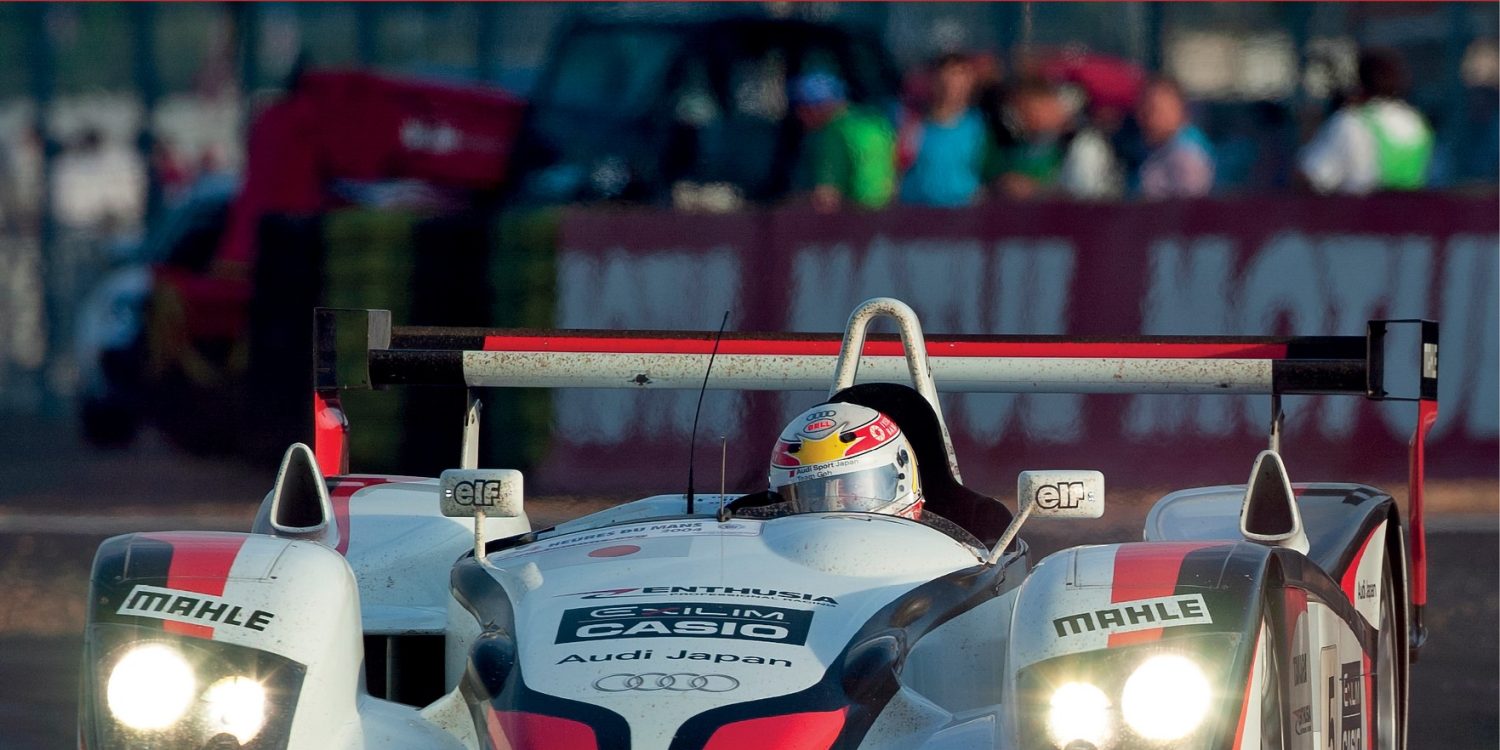
Audi arrived in 1999 and won thirteen of the next sixteen races: the R8 with Frank Biela, Tom Kristensen and Emanuele Pirro three times running, then the R10, the first diesel to win, then the hybrid R18s. Kristensen, who had won for Joest in 1997 and would win for Bentley's Speed 8 in 2003, retired with nine. Peugeot took 2009; Porsche came back and took 2015, 2016 and 2017, the middle one gifted when Toyota's leading car stopped on the pit straight with three minutes to run. Toyota then won five in a row, including the race run in September 2020 behind closed gates.
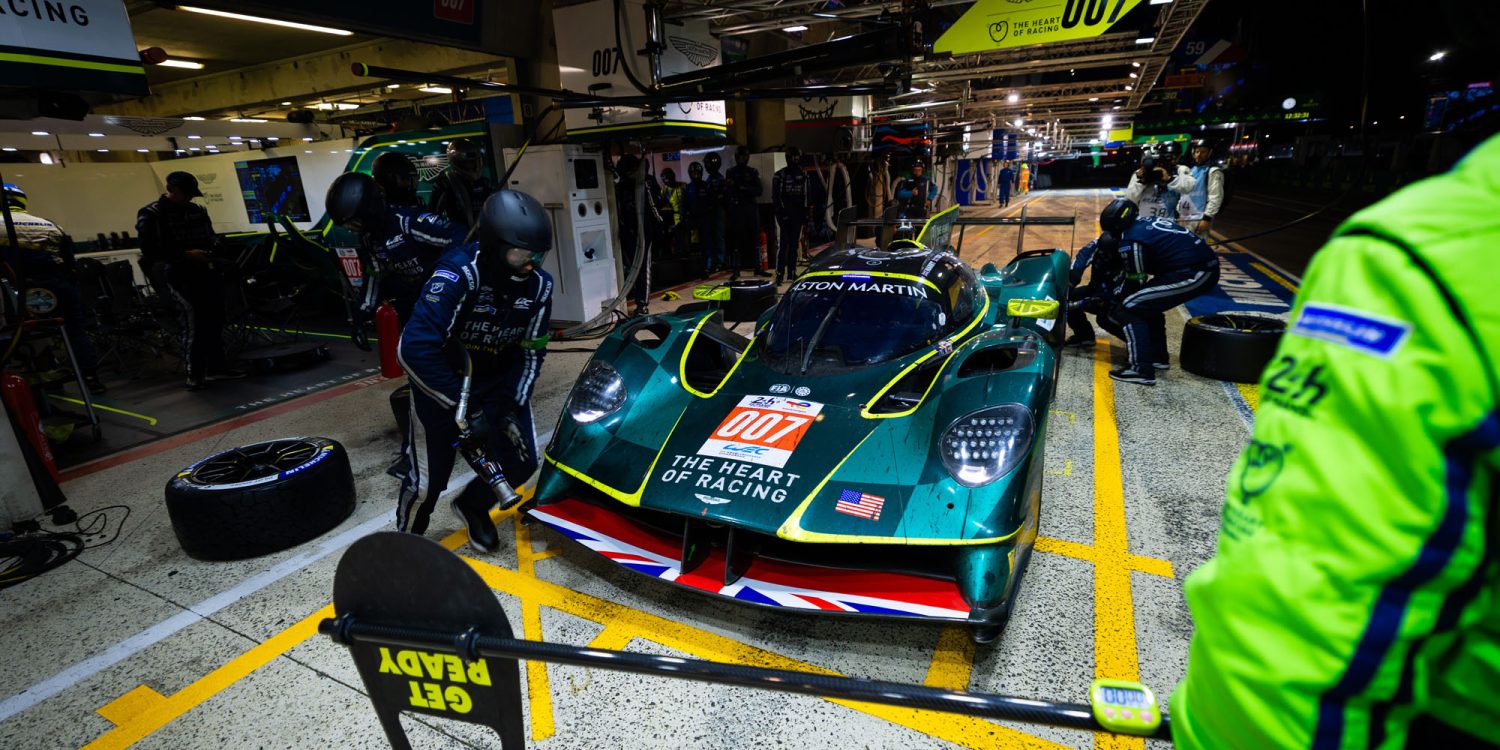
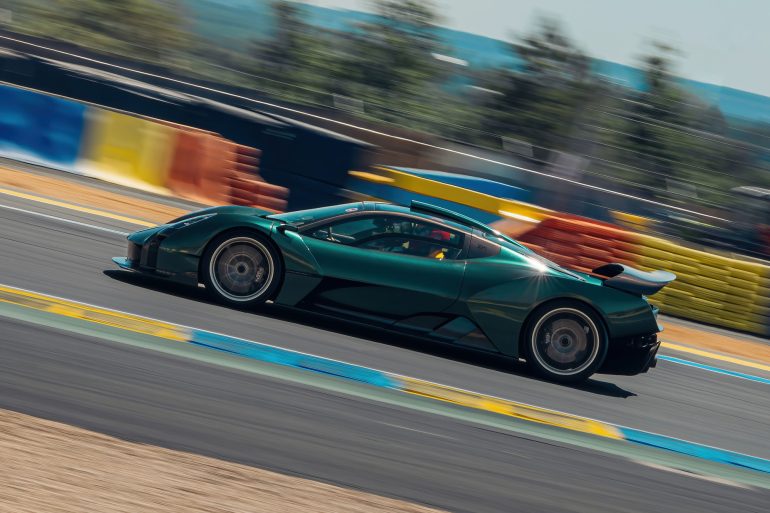
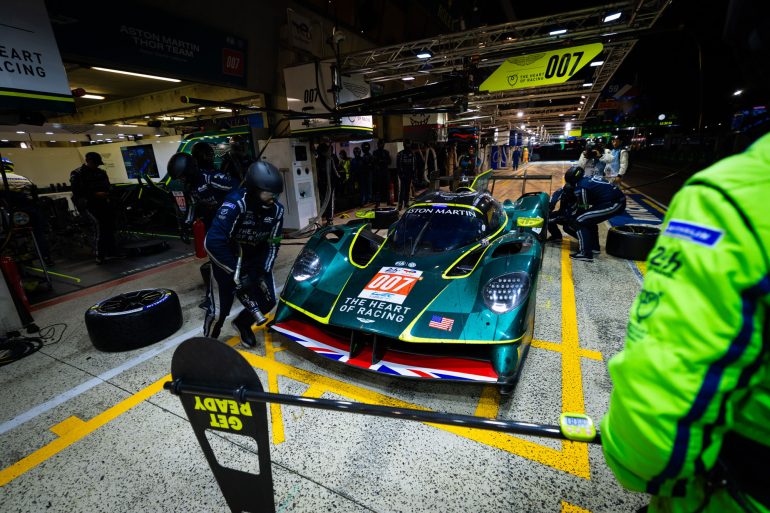
The centenary race in 2023 brought seven manufacturers to the new Hypercar class and a Ferrari win at the firm's first works attempt in fifty years, by a minute and twenty seconds over Toyota. Ferrari won the wet race of 2024 and, in 2025, a dry one plagued by insects, with the customer AF Corse car of Robert Kubica, Yifei Ye and Phil Hanson. In June 2026 Toyota took the race back with Kamui Kobayashi, Nyck de Vries and Mike Conway, a one-three that was argued about afterwards for its team orders; the archive's report from that weekend is Aston Martin's, whose Valkyrie finished eighth, the best result yet for a Hypercar derived from a road car.
Race profiles and reports from 1955 to this June, newest first.
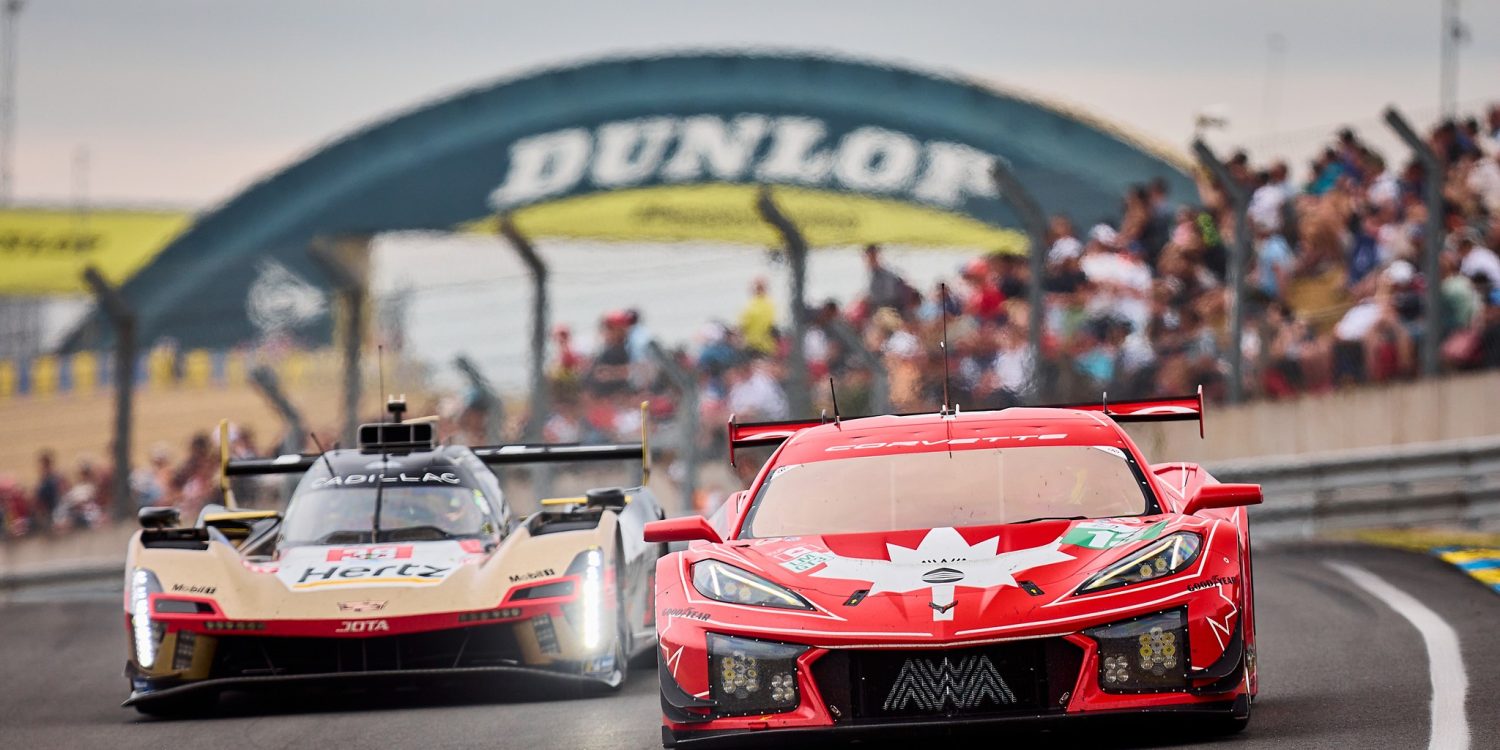
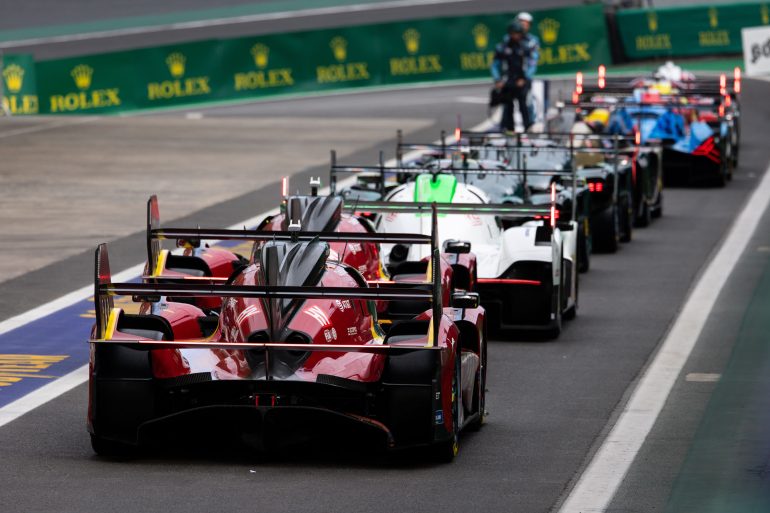
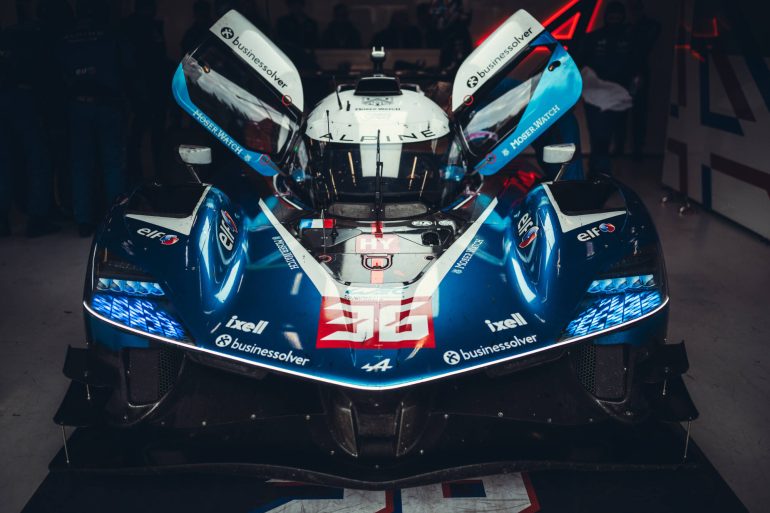
The race has always been decided by distance, and the rest of its rules have changed with the cars. The Le Mans start, drivers sprinting across the track to cars parked in echelon, lasted from 1925 until 1969, when Jacky Ickx walked to his GT40 in protest, fastened his belts properly and won; a rolling start behind a pace car has been used since 1971. Two drivers shared a car for most of the race's history; three have been standard since the 1980s, with a limit of fourteen hours for any one of them and no more than four in any six. The cars race in classes: today Hypercar, for the Le Mans Hypercar and LMDh prototypes of Toyota, Ferrari, Porsche, Cadillac, BMW, Peugeot, Alpine, Aston Martin and the rest, which contest the overall win; LMP2 for identical customer prototypes; and LMGT3, which replaced GTE in 2024, for the production-based GT3 cars of Porsche, Ferrari, Corvette, Aston Martin, BMW, Lamborghini, McLaren, Lexus and Ford. The grid is set by Hyperpole, a shoot-out for the fastest in each class on the Thursday night. Garage 56, since 2012, admits one experimental car outside the rules: the DeltaWing, the hydrogen and NASCAR entries. A car must cross the line under its own power after the twenty-four hours to be classified, which is why the stopped Toyota of 2016 was not, and why cars that have broken ten minutes from the end have been pushed to the pit exit and restarted. The race is round four of the World Endurance Championship and counts double points.
The winners' list is the history of the sports-racing car, and most of it is in the archive one model at a time. The 1920s: the Chenard & Walcker and the two Lorraine-Dietrichs, then the Bentley 3 Litre, 4½ Litre and Speed Six, five wins in seven years for the cars Ettore Bugatti called the fastest lorries in the world. The 1930s: the Alfa Romeo 8C 2300, four wins running, Lagonda, the Bugatti Type 57 Tank twice and the Delahaye 135. The 1950s: Chinetti's Ferrari 166 MM, the Talbot-Lago, the Jaguar C-type and D-type with their disc brakes, the 300 SL that inherited 1952, the Ferrari 375 Plus, the Testa Rossas and the Aston Martin DBR1. The 1960s: Ferrari's rear-engined P cars and the 250 LM, the Ford GT40 in its Mk II and Mk IV forms and the Gulf GT40 that won twice. Then Porsche: the 917K, the 936, the 935 K3, the 956 and 962 that won seven in a row, the Dauer 962 that was a road car on paper, the WSC-95 and the 911 GT1, with Matra's V12 MS670s, the Renault Alpine, Rondeau's own car, the Jaguar XJR-9 and XJR-12, the Sauber-Mercedes C9, the Mazda 787B, the Peugeot 905 and the McLaren F1 GTR between them. The modern era: BMW's V12 LMR, the Audi R8, R10, R15 and R18, Bentley's Speed 8, the Peugeot 908, the Porsche 919 Hybrid, the Toyota TS050 and GR010 and the Ferrari 499P. The nine cars below each link to every story on the site about that car; the feed after them carries the single-car stories that mention the race.
Nine from a century; each links to every story on the site about that car.
Single-car stories that carry the race: the Bentleys, the C-type and D-type, the DBR1, the GT40, the 917, the 956 and the modern prototypes.
Tom Kristensen won nine times between 1997 and 2013, six of them in a row, and Robert Newman's portrait explains how a Dane who never raced in Formula One became the greatest Le Mans driver there has been. Jacky Ickx won six, from the walk-across start of 1969 to the 956 in 1982; Derek Bell, Frank Biela and Emanuele Pirro five; Olivier Gendebien, Henri Pescarolo and Yannick Dalmas four; and Woolf Barnato three from three starts, the perfect record. Behind them stand the men the race made: Sammy Davis and Benjafield, Birkin, Nuvolari and Sommer, Chinetti as driver and entrant across forty years, Rolt and Hamilton, Hawthorn and Bueb, Fangio and Moss who never won it, Salvadori and Shelby, Phil Hill and Gendebien, Gurney and Foyt, McLaren and Amon, Herrmann and Attwood, Graham Hill, Haywood and Barth, Ludwig, Holbert and Stuck, Lammers, Dumfries and Wallace, Gachot, Herbert and Weidler, Capello and McNish, Lotterer, Tréluyer and Fässler, Alonso, Buemi and Nakajima, Kobayashi, Pier Guidi, Calado and Giovinazzi; and the entrants and engineers who ran them, W.O. Bentley, Lofty England, John Wyer, Carroll Shelby as team owner, Ferdinand Piëch, Norbert Singer, Reinhold Joest and Wolfgang Ullrich. Robert Newman's portraits carry many of them; the feed below gathers the profiles and interviews that carry the race's tag.
Drivers, engineers, entrants and the men who made the cars last the night.
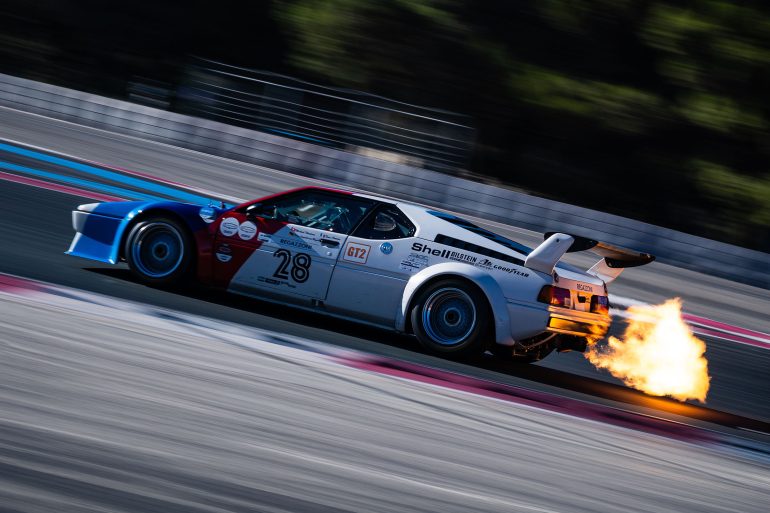
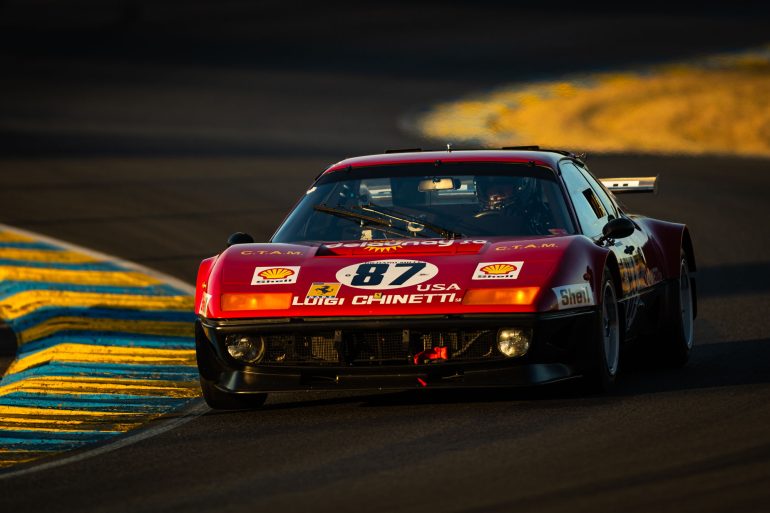
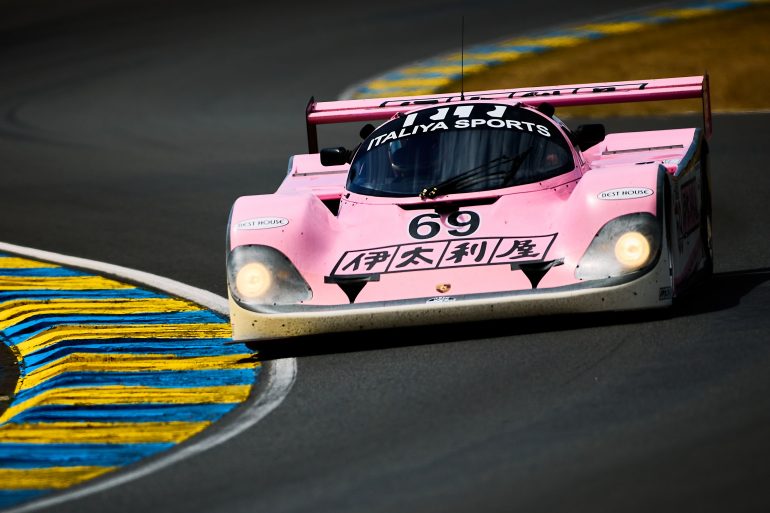
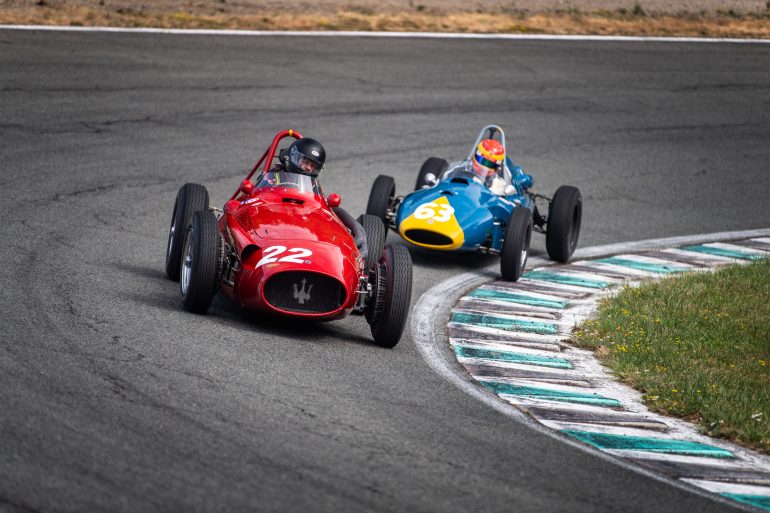
Since 2002 the old cars have had the circuit to themselves for a weekend in July. The Le Mans Classic, run by Peter Auto with the ACO, puts cars from 1923 to the recent past onto the full 13.6-kilometre course in grids by era, through the night, with the traditional running start. By 2018 it was drawing 135,000 people and 700 cars, with ten former winners in the paddock; the archive's report from that year is the place to start, and 2025 was the last of the biennial editions. From 2026 the meeting runs every year, split into Le Mans Classic Legend for the cars of 1975 to 2015 and Le Mans Classic Heritage for everything older. The 1929 Bentley one-two-three-four was re-enacted on the grid in 2025. W.O. would have checked the Monday papers.
Reports and galleries from the historic weekend, newest first.
Picture galleries from the Sarthe, race week and the Classic.

Races: 94, 1923 to 2026, with none in 1936 and 1940 to 1948. Most wins, driver: Tom Kristensen 9 (1997, 2000–05, 2008, 2013); Jacky Ickx 6; Derek Bell, Frank Biela and Emanuele Pirro 5; Gendebien, Pescarolo and Dalmas 4. Most wins, manufacturer: Porsche 19; Audi 13; Ferrari 12; Jaguar 7; Bentley and Toyota 6; Alfa Romeo and Ford 4. Most consecutive: Porsche 7, 1981–87; Audi 5, 2000–04; Toyota 5, 2018–22. Greatest distance: 5,410.7 km, Audi R15 TDI plus, 2010; the 917K's 5,335 km of 1971 stood for 39 years. Fastest lap: Kamui Kobayashi, Toyota TS050 Hybrid, 3:14.791, qualifying 2017. Top speed: 405 km/h (251 mph), Roger Dorchy, WM P88, Mulsanne straight, 1988, before the chicanes. Closest finishes: 1966, the staged Ford dead heat; on the road, 1969, Ickx's GT40 by about 120 metres from Herrmann's 908; in the modern era 2011, Audi by 13.8 seconds from Peugeot. Longest solo stints: Chinetti, 1949, more than 22 of the 24 hours; Rosier, 1950, all but two laps. Firsts: first diesel winner, Audi R10, 2006; first hybrid, Audi R18 e-tron quattro, 2012; the only rotary and first Japanese winner, Mazda 787B, 1991; first American car, Ford, 1966; first mid-engined winner, the Ferrari 250 P of 1963; last front-engined winner, the Ferrari 330 TRI/LM of 1962. The 1955 disaster: 84 dead, the worst in motor racing. Circuit: 17.26 km in 1923, 13.63 km today; the Mulsanne straight is 6 km, broken by two chicanes since 1990. Crowd: more than 300,000 for the 2023 centenary. The Classic: since 2002, 135,000 people and 700 cars in 2018, annual from 2026.
Short answers, with the long ones above.
An endurance race held every June since 1923 on the Circuit de la Sarthe outside Le Mans, France, in which teams of three drivers race one car for twenty-four hours; the car that covers the greatest distance wins. It is the oldest endurance race still run and the centrepiece of the World Endurance Championship.
Tom Kristensen, nine times between 1997 and 2013: seven for Audi, one for Bentley and the first for Joest's TWR-Porsche. Jacky Ickx won six. Among manufacturers Porsche leads with 19 wins, then Audi with 13 and Ferrari with 12.
13.63 kilometres (8.47 miles), most of it public road closed for the race. The Mulsanne straight alone is six kilometres, split by two chicanes since 1990. The original 1923 circuit was 17.26 kilometres.
A modern winner covers about 5,000 kilometres; the record is 5,410 kilometres, 397 laps, set by Audi in 2010. The first winners, in 1923, covered 2,209 kilometres.
Pierre Levegh's Mercedes-Benz 300 SLR struck an Austin-Healey, flew into the crowd opposite the pits and killed Levegh and more than eighty spectators, the worst accident in motor racing history. Mercedes withdrew during the night; the race continued and was won by Hawthorn and Bueb.
From 1925 to 1969 drivers sprinted across the track to their cars at the drop of the flag. Jacky Ickx walked to his car in 1969 in protest at the danger of unfastened belts, and won; a rolling start has been used since 1971.
Hypercar, for the prototypes that contest the overall win; LMP2, for identical customer prototypes; and LMGT3, for production-based GT cars, which replaced GTE in 2024. One experimental car may run outside the rules in Garage 56.
A historic meeting on the full Le Mans circuit, run by Peter Auto with the ACO since 2002, for cars that raced at Le Mans from 1923 to the recent past, in grids by era, through the night. Biennial until 2025, it is annual from 2026, split into Heritage and Legend weekends.
The whole archive on one thread, newest first.