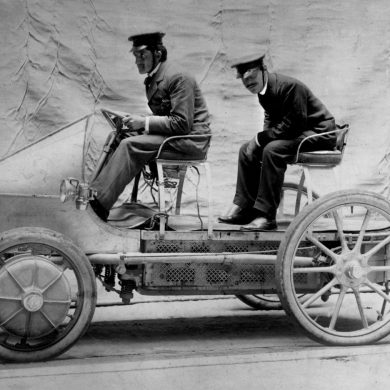

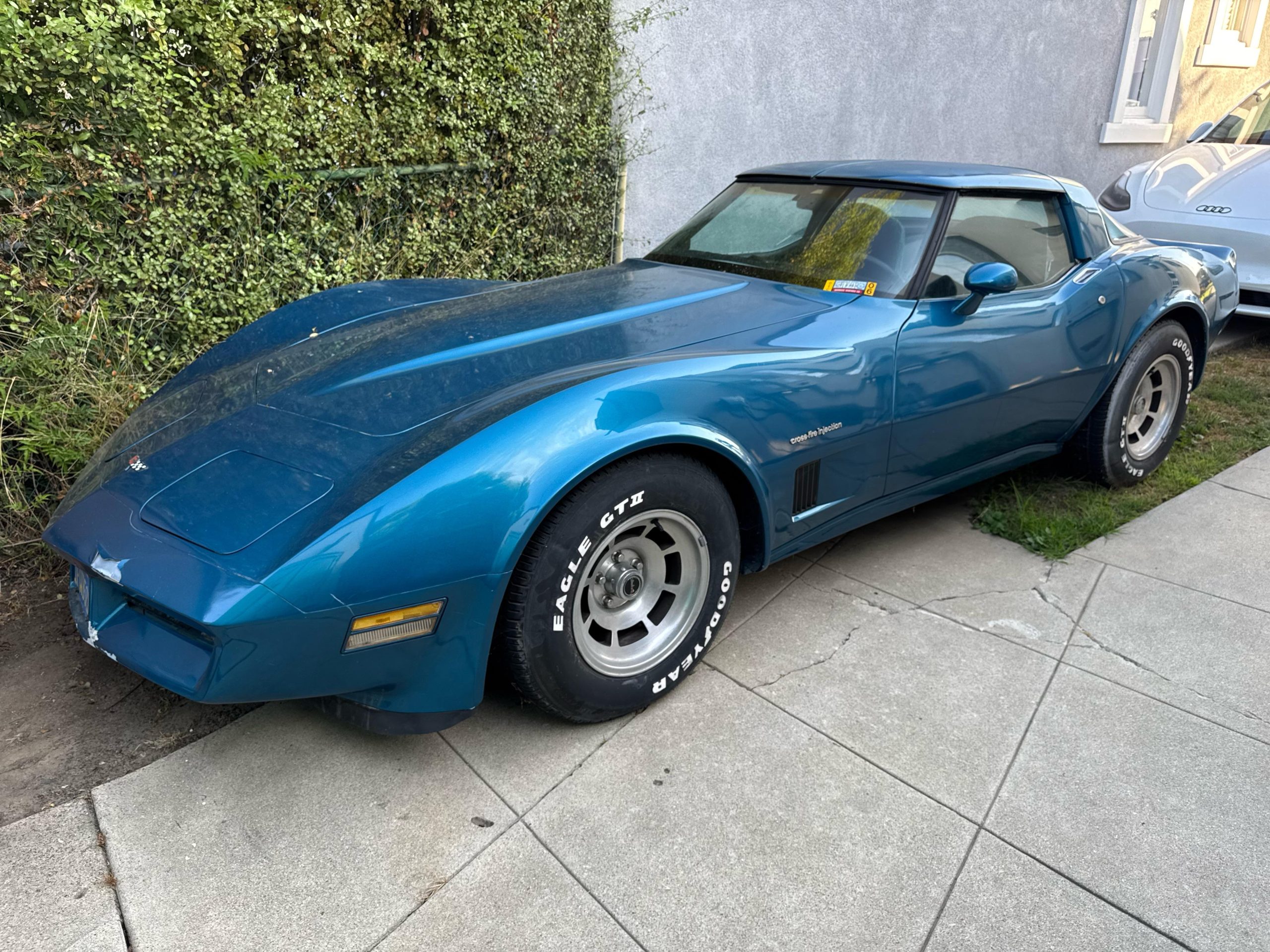

Anyone who has bought a classic Corvette with the word “project” in the ad has faced the question sooner or later. Do you put the car back exactly the way it came off the line in St. Louis, or do you keep the fiberglass body and the looks and bolt modern hardware underneath? Purists and hot rodders have been arguing about it at car shows for decades, and the debate isn’t going away. There’s money involved on both sides, and the answer depends a lot on which Vette is sitting in your garage.
What a “Correct” Restoration Actually Involves
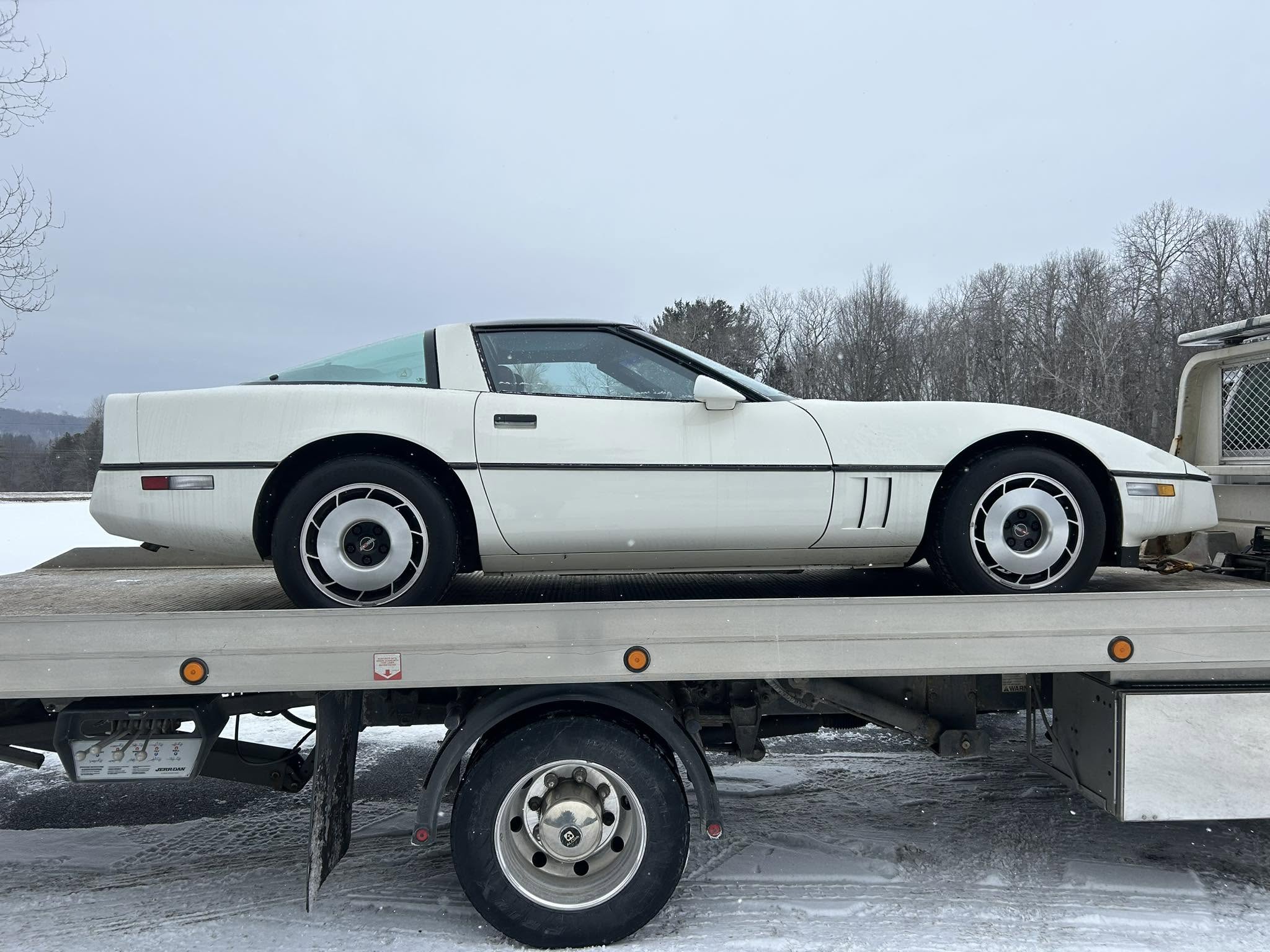
A full restoration aims to make the car look (and drive) the way it did the day it was delivered. On a Corvette, that gets very specific, very fast. Judges from the National Corvette Restorers Society, better known as NCRS, and Bloomington Gold look at how closely a car matches its original factory configuration, and depending on the car and the program, that can mean engine and transmission stampings, date codes on everything from the alternator to the carburetor, the right paint finish on the chassis, and even factory markings. Cars that score high are especially desirable to collectors, which is why some owners spend years hunting down a single correct part.
Not everyone goes that deep, though. A “driver quality” restoration keeps the car looking right with period-style parts, without sweating every hose clamp. For the rare stuff, however, originality IS the value. A 1963 split-window coupe, a fuel-injected car, or a big-block with the paperwork to back it up can lose a big chunk of its collector appeal once someone pulls the original drivetrain.
Restomods Have Gone Mainstream

The restomod crowd takes the opposite approach. The body and overall shape stay, but most of what’s underneath gets swapped for modern parts. An LS or LT V8 is the usual starting point, typically paired with an overdrive automatic or a 5- or 6-speed manual. From there, builders add bigger brakes, coilovers, power steering, modern A/C, and fuel injection that starts the car on the first try, cold or hot.
Not too long ago, plenty of collectors looked down on these builds. Times change and more owners now want a classic they can actually drive instead of hauling it to shows on a trailer, and well-built restomods have carved out a market of their own. The catch is originality, and once it’s gone on a significant car, getting it back is expensive, if it’s possible at all.
Cost, Value, and How Much You’ll Drive It
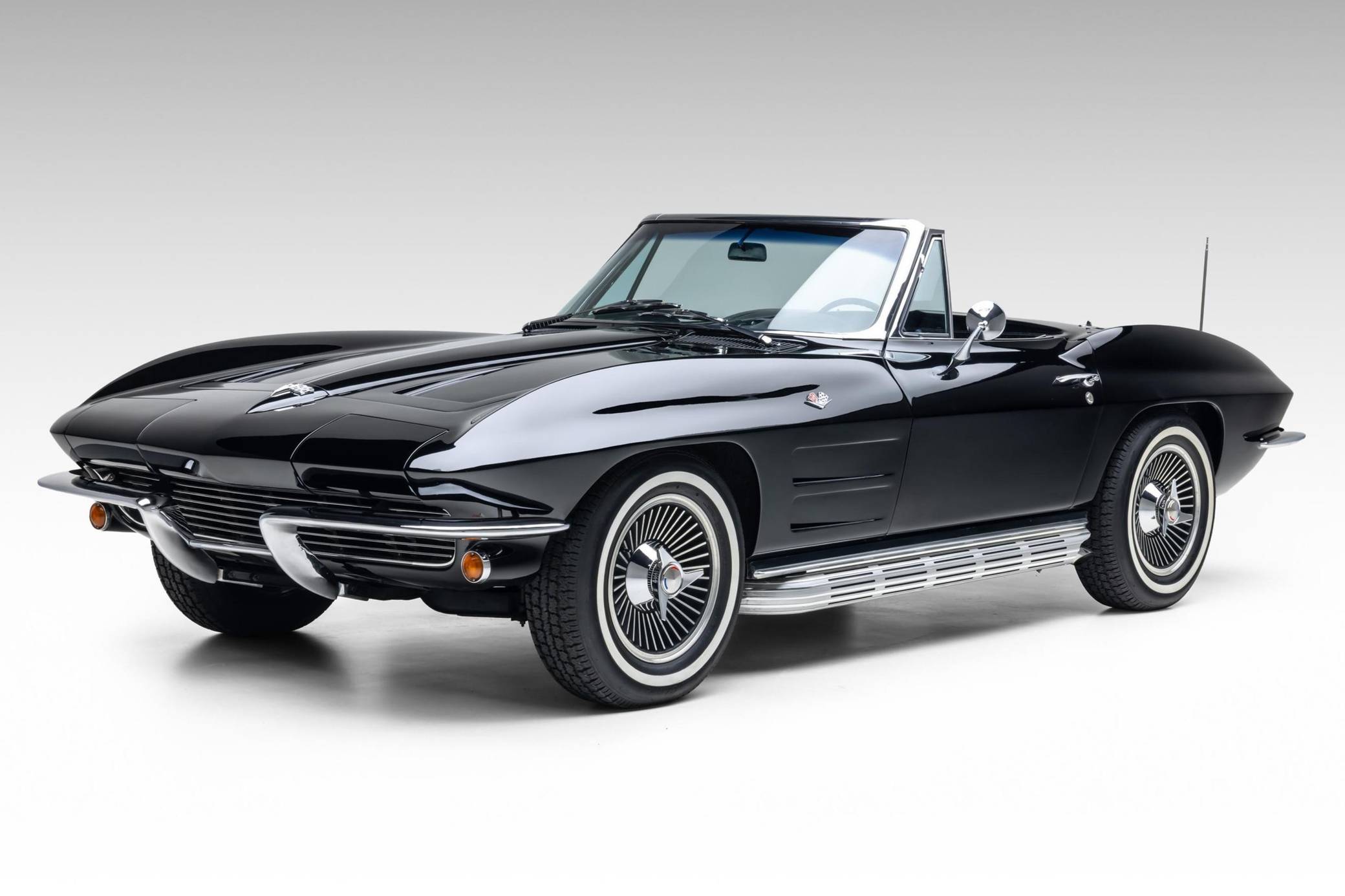
Many people assume restoring a car to stock is the cheaper route, but that isn’t always the case. NOS (new old stock) parts with the correct markings can cost a small fortune, if you find them at all, and specialist labor for concours-level work isn’t cheap, either. A top-tier restoration can easily outrun the bill for a well-done restomod.
What the car is worth when it’s finished depends mostly on what it was to begin with. A rare, documented, numbers-matching Corvette will almost always be worth more kept original. A late C3 with a replacement engine and tired paint is another story, and nobody will lose sleep over a 1979 coupe getting an LS swap (Chevy built more than 53,000 of them that year, after all). Use matters just as much.
Owners who plan to show the car or hold it as an investment are better off restoring it, while those who want to sit in summer traffic without watching the temperature gauge climb will be happier with a restomod. Rare and original stays original, and common and worn-out is fair game, at least in our book.
The Middle Ground, or How Dennis Collins Is Handling His ‘64
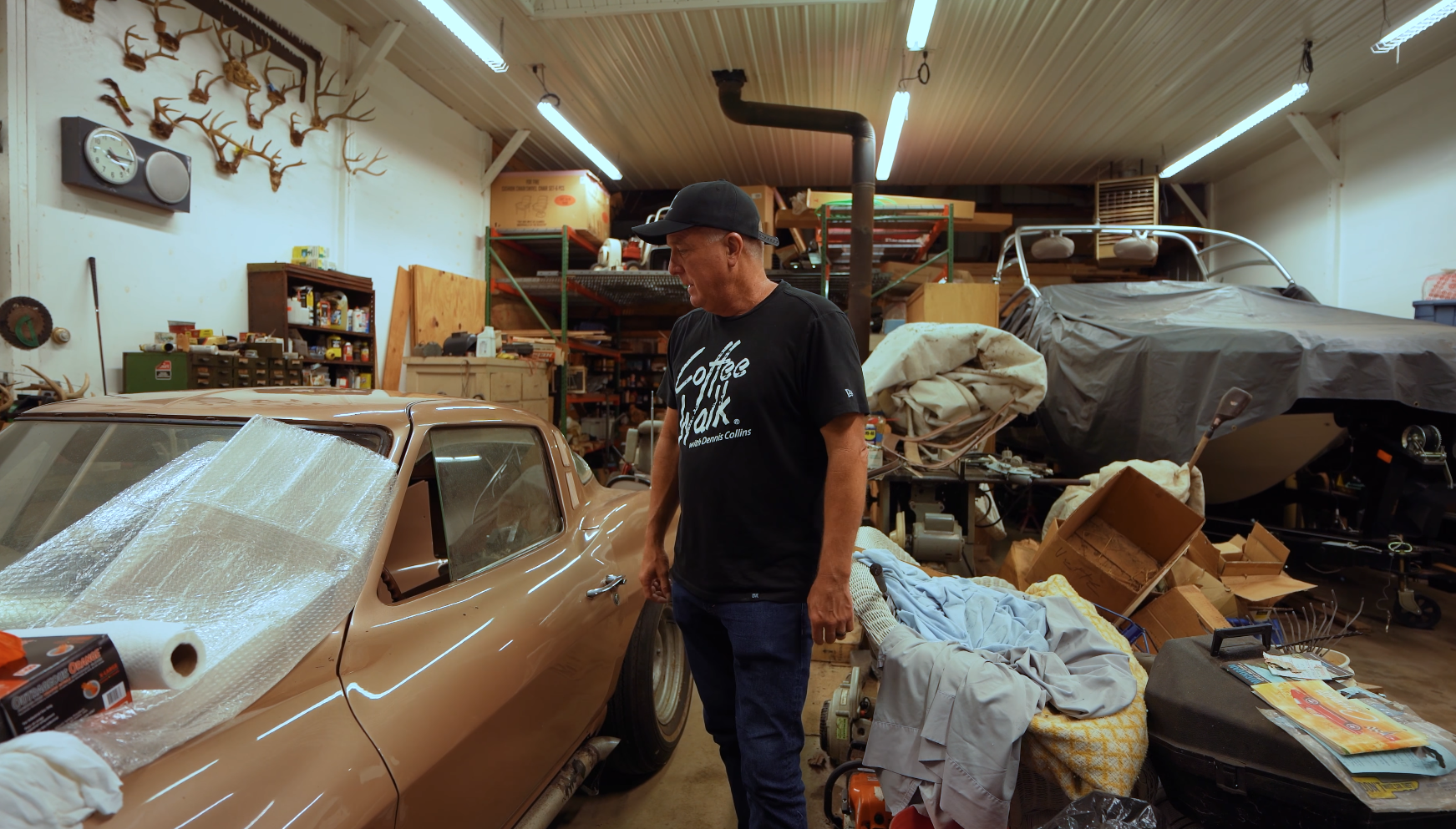
Not everyone picks a side, and YouTuber Dennis Collins is a good example. In a video posted in October 2026, he showed off a 1964 Corvette coupe he bought out of a pole barn in Rochester, Michigan, where a frame-off restoration started in 1987 never got finished. The previous owner refinished the frame, installed new bushings and brakes, dropped the body back on, and that’s about as far as it got.
The car isn’t a high-horsepower monster. It has the base 250-horsepower 327 and the 2-speed Powerglide automatic, which only 2,480 buyers ordered in 1964, out of 22,229 Corvettes sold that year. It’s also Saddle Tan inside and out. Chevrolet painted 1,765 Corvettes Saddle Tan for 1964, and Collins figures only about half of them got the matching interior, which leaves roughly 900 cars, and fewer still with the Powerglide.
He plans to keep the original engine and transmission, plus a set of side pipes that, strictly speaking, shouldn’t be on a ‘64 (the option didn’t show up until 1965), while adding aftermarket A/C and classic knockoff wheels. That’s what a sympathetic upgrade looks like. Other common examples include aluminum radiators, radial tires in period-correct sizes, and bolt-on brake improvements, ideally with every original part boxed and labeled in case a future buyer wants the car stock.
Finding Parts for Either Kind of Build
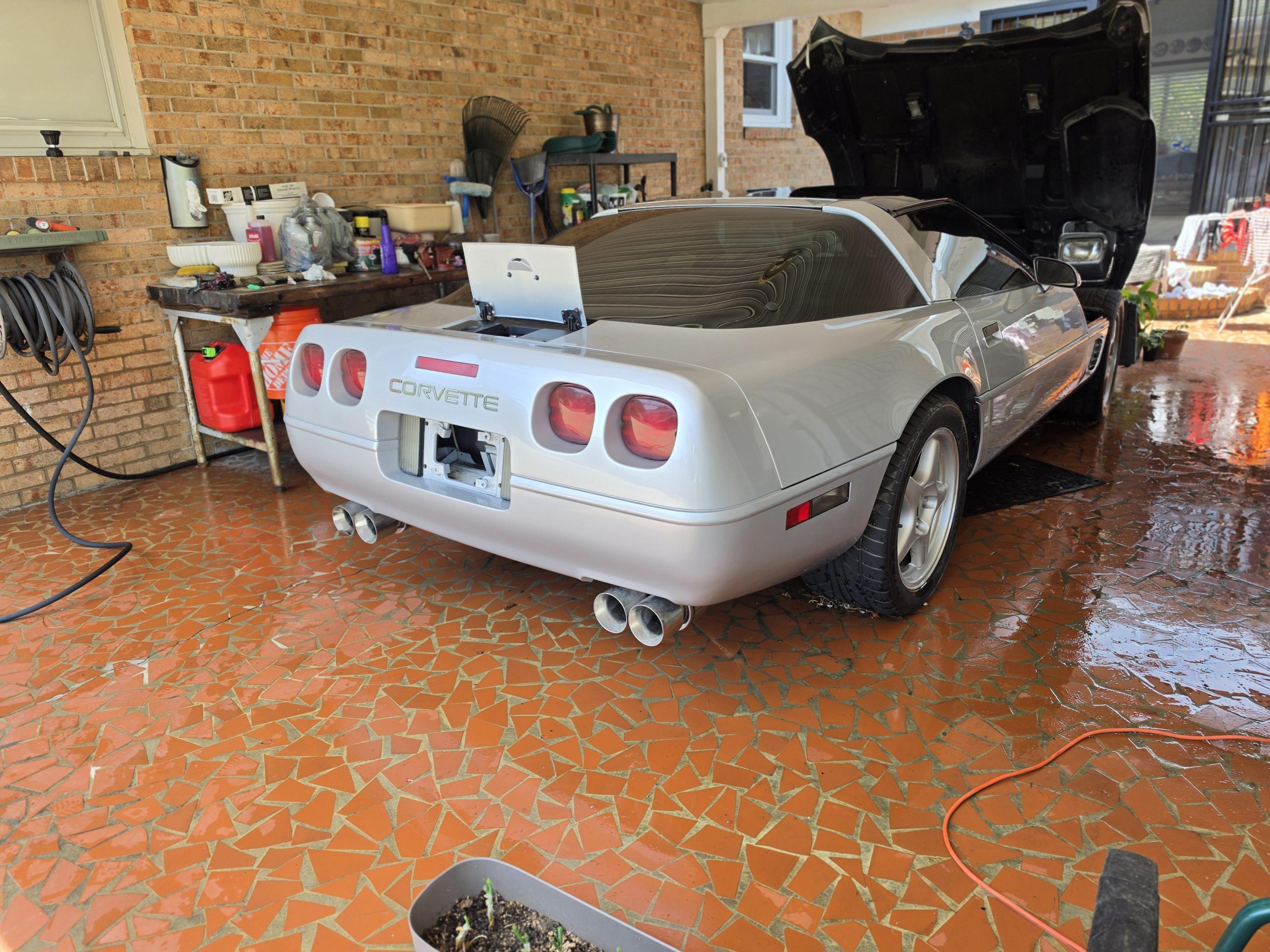
Whichever way you go, the parts matter. Restorers need reproduction pieces built to factory specs, with the right finishes and markings, while restomod builders need upgrades designed to work with a chassis that’s 50 or 60 years old. Cheap parts that don’t fit end up costing more in labor than they saved at checkout, and anyone who’s spent a weekend “persuading” a bolt-on part into place knows the feeling.
Eckler’s is one of the suppliers that covers both sides of the argument. Its range of Corvette parts and accessories goes from interior trim and weatherstripping to suspension, brakes, and cooling parts across the generations, so restorers and restomodders can shop in the same place and keep a closer eye on the budget.
Before ordering anything, though, figure out exactly what car you have. Check the trim tag, compare the engine stamping to the VIN, and dig for documentation. The original 1964 registration Collins’s team found in the glovebox (three mice jumped out when the owner’s wife first opened it, but they left the paperwork alone) is the kind of detail that can tip the scales toward keeping a car original. Sometimes the car makes the decision for you.