
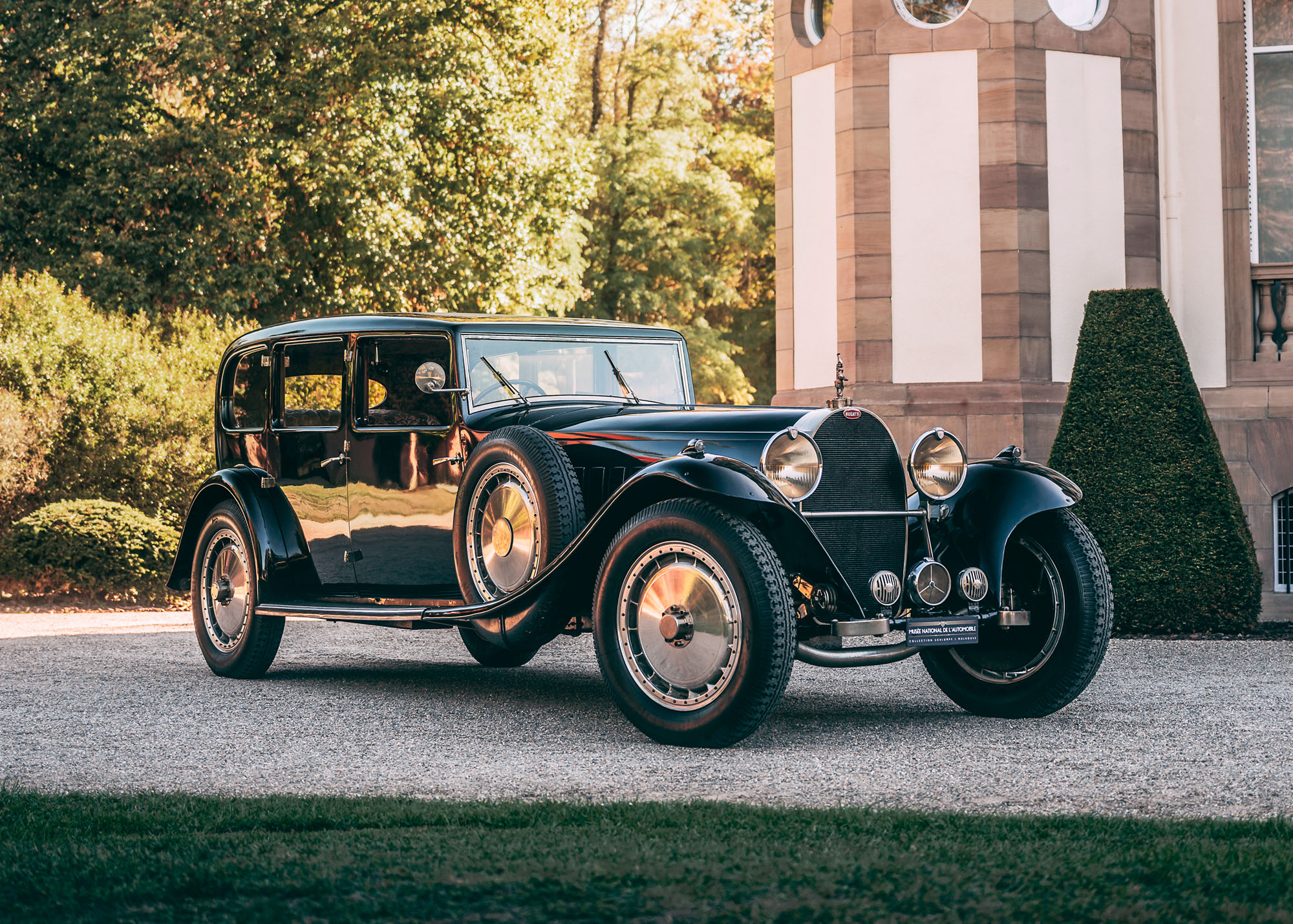

Bugatti marked the 100th anniversary of its legendary Type 41 Royale with a rare gathering of three surviving examples during the Bugatti Festival in September 2026. The reunion brought together half of the six Royales ever built, offering collectors and enthusiasts an unusual opportunity to examine one of the most ambitious luxury automobiles of the prewar era.
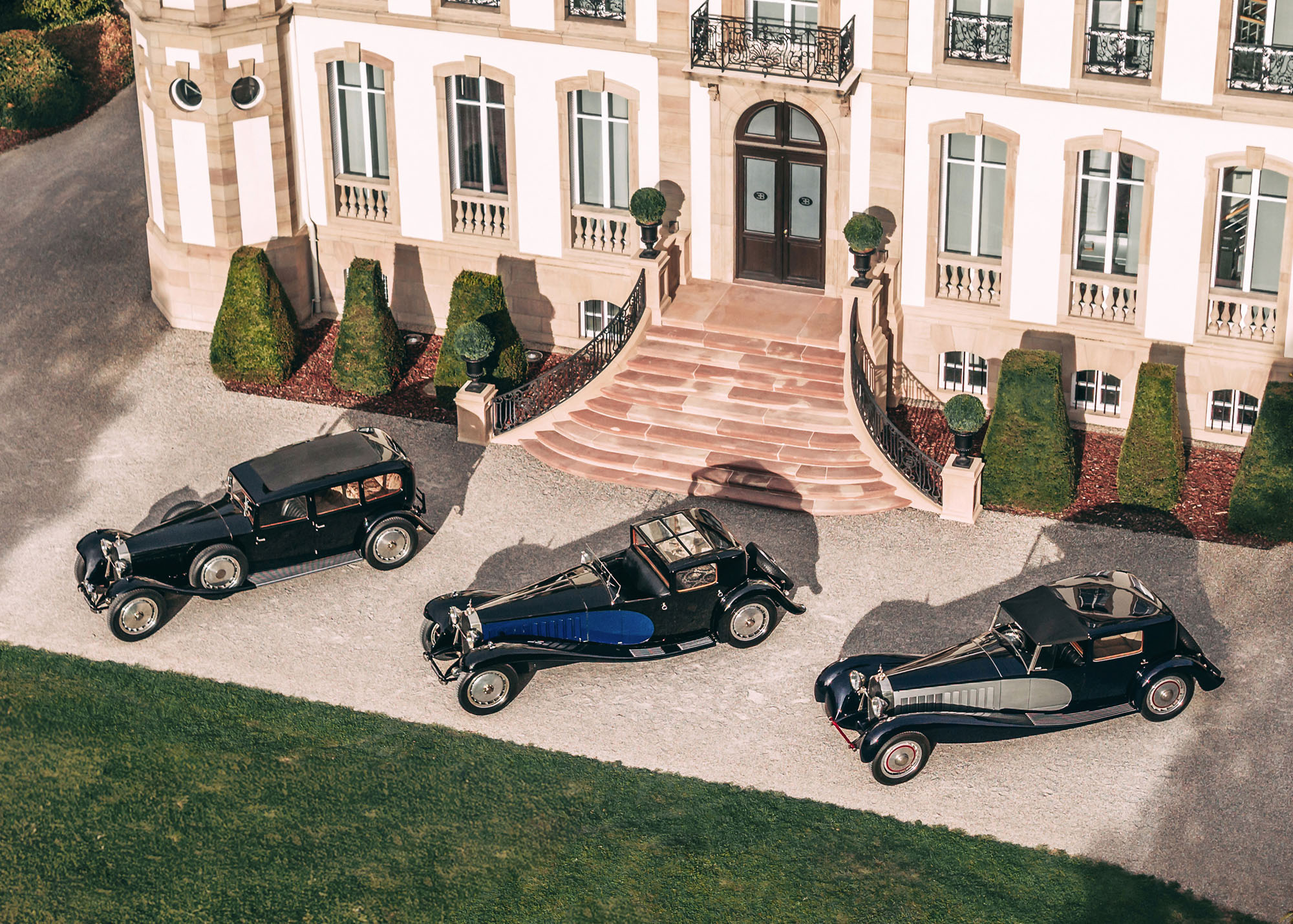
First presented in 1926, the Type 41 Royale was Ettore Bugatti‘s attempt to create an automobile that combined exceptional performance with the scale, refinement and craftsmanship expected by Europe’s wealthiest clientele. Measuring more than six meters long and powered in its definitive form by a 12.8-liter straight-eight engine, the Royale remains among the most extraordinary engineering achievements in Bugatti’s history.
Bugatti Type 41 Royale: A Luxury Automobile Without Compromise
The origins of the Royale date to 1926, when Ettore Bugatti was developing an automobile intended to surpass contemporary luxury cars in size, sophistication and performance. British reporting from June of that year referred to the mysterious machine as “The Golden Bugatti,” even before the Royale name became firmly established.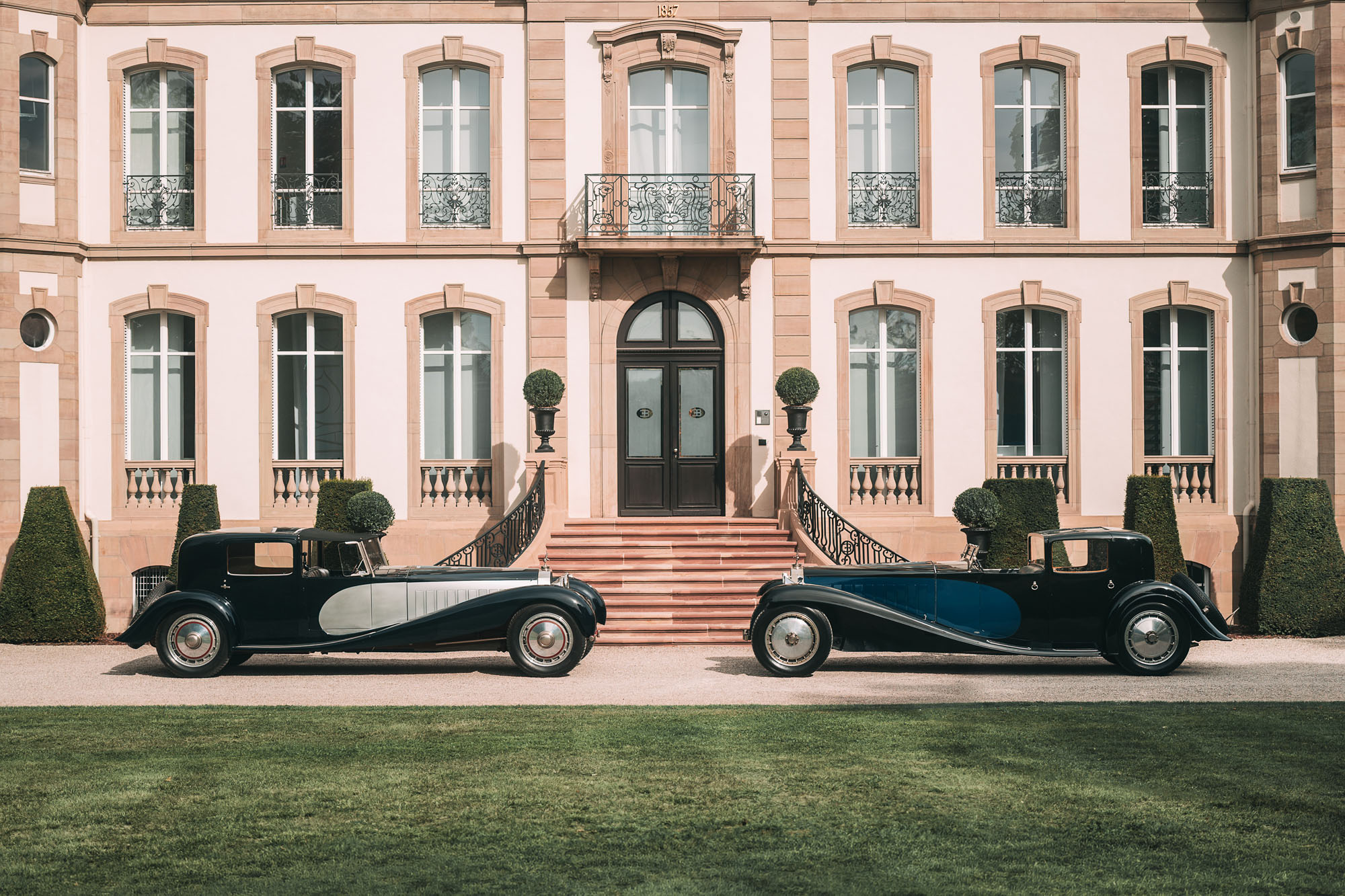
The Type 41 was conceived for an exceptionally exclusive market, including royalty and wealthy industrialists. Its immense proportions reflected that ambition, with a wheelbase of approximately 4.3 meters and an overall length exceeding six meters.
Type 41 Royale Engine, Specifications and Performance
The Royale’s mechanical specifications were remarkable even by the standards of today’s luxury automobiles. Its original prototype used an approximately 14.7-liter straight-eight engine, while the definitive production configuration featured a 12.8-liter straight-eight producing around 300 PS, equivalent to approximately 296 horsepower.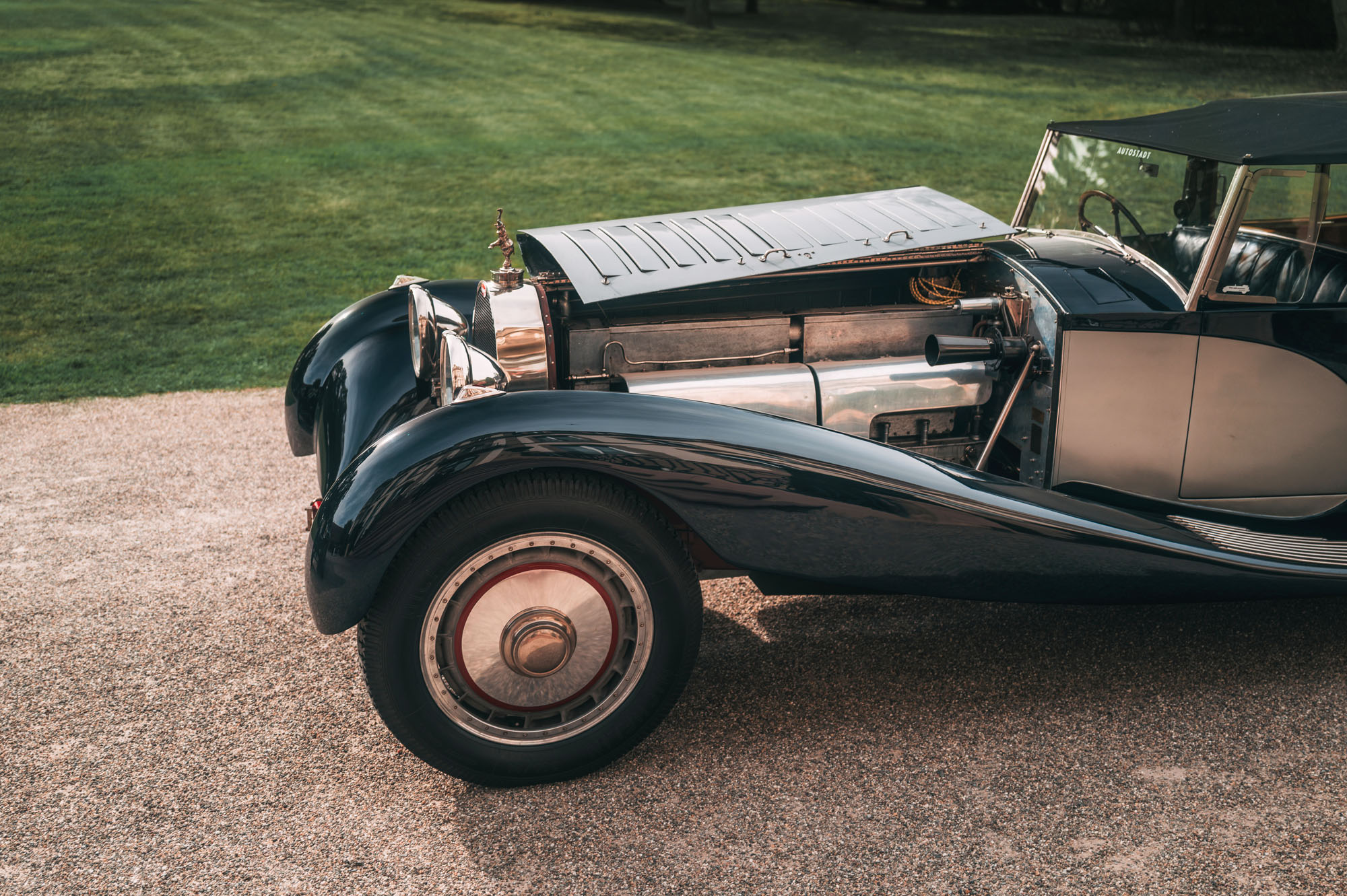
The engine incorporated advanced valve gear and dry-sump lubrication, technologies that reflected Bugatti’s emphasis on sophisticated mechanical design. Despite the automobile’s weight of approximately 3.5 tons, Bugatti records a maximum speed ceiling of up to 200 km/h (124 mph).
These figures were especially significant in the 1920s, when the combination of enormous engine displacement, substantial vehicle weight and high-speed capability placed the Royale in a category of its own. Its engineering also reflected Bugatti’s aviation experience, particularly in the development of large-displacement engines.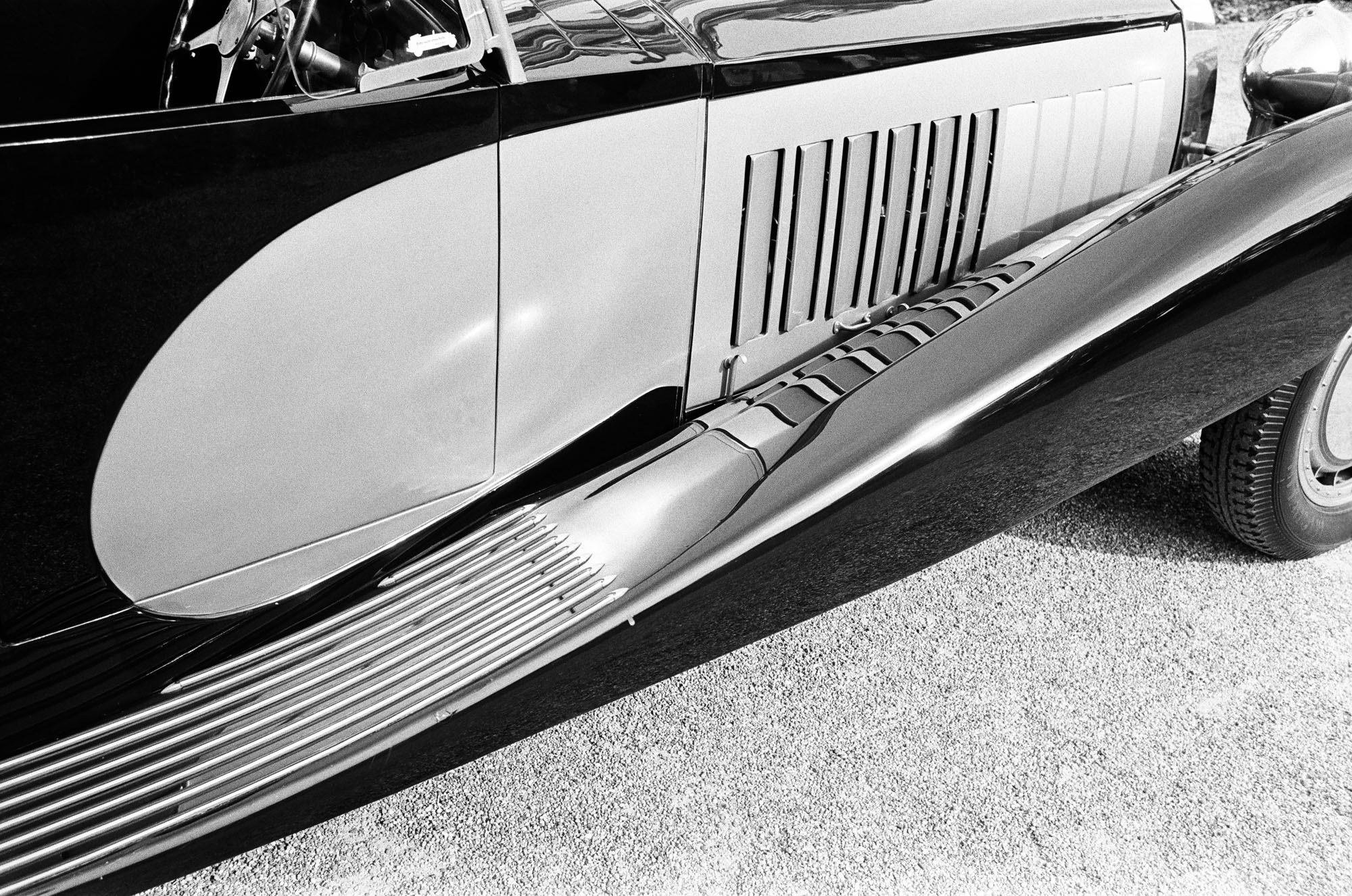
Jean Bugatti and the Evolution of the Coupé Napoléon
Among the six Royales, the Coupé Napoléon is particularly important because of its connection to both Ettore Bugatti and his son, Jean. The automobile began as the original prototype and underwent several coachwork transformations before acquiring the body for which it is now famous.
One earlier configuration featured fixed-head coachwork by Weymann, but that body was destroyed in a serious accident during the early 1930s. Jean Bugatti subsequently designed the Coupé Napoléon body, creating an imposing yet carefully proportioned automobile that demonstrated his growing influence over the marque’s styling.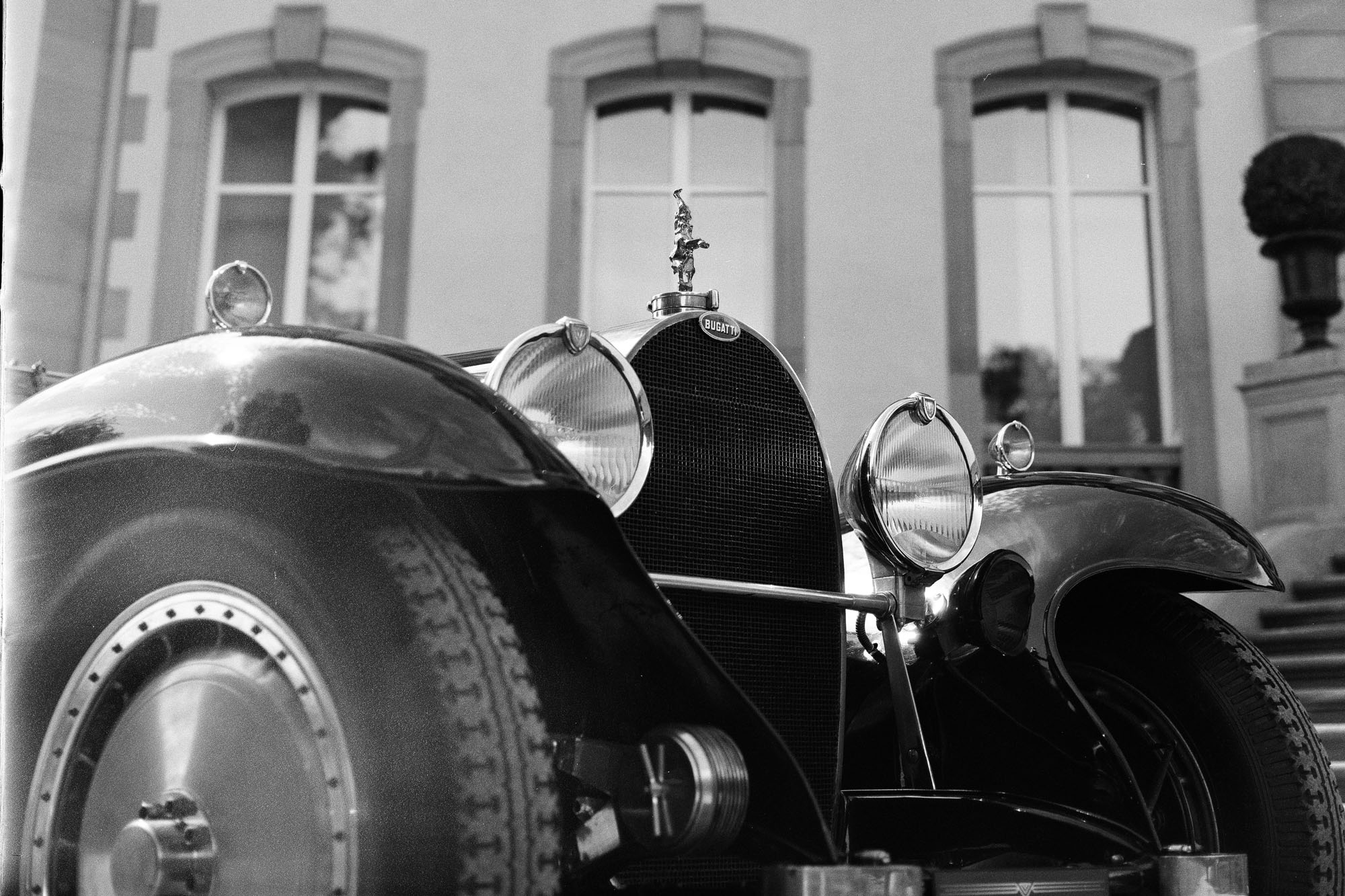
The design incorporated a glazed roof above the rear passenger compartment, while the chauffeur occupied a separate forward position. These details combined the formality of chauffeur-driven luxury travel with the distinctive architectural approach that would become associated with Jean Bugatti’s work.
The Coupé Napoléon became Ettore Bugatti’s personal automobile and is also known as the “Coupé du Patron.” Today, it belongs to the collection of the Musée National de l’Automobile – Collection Schlumpf in Mulhouse, France.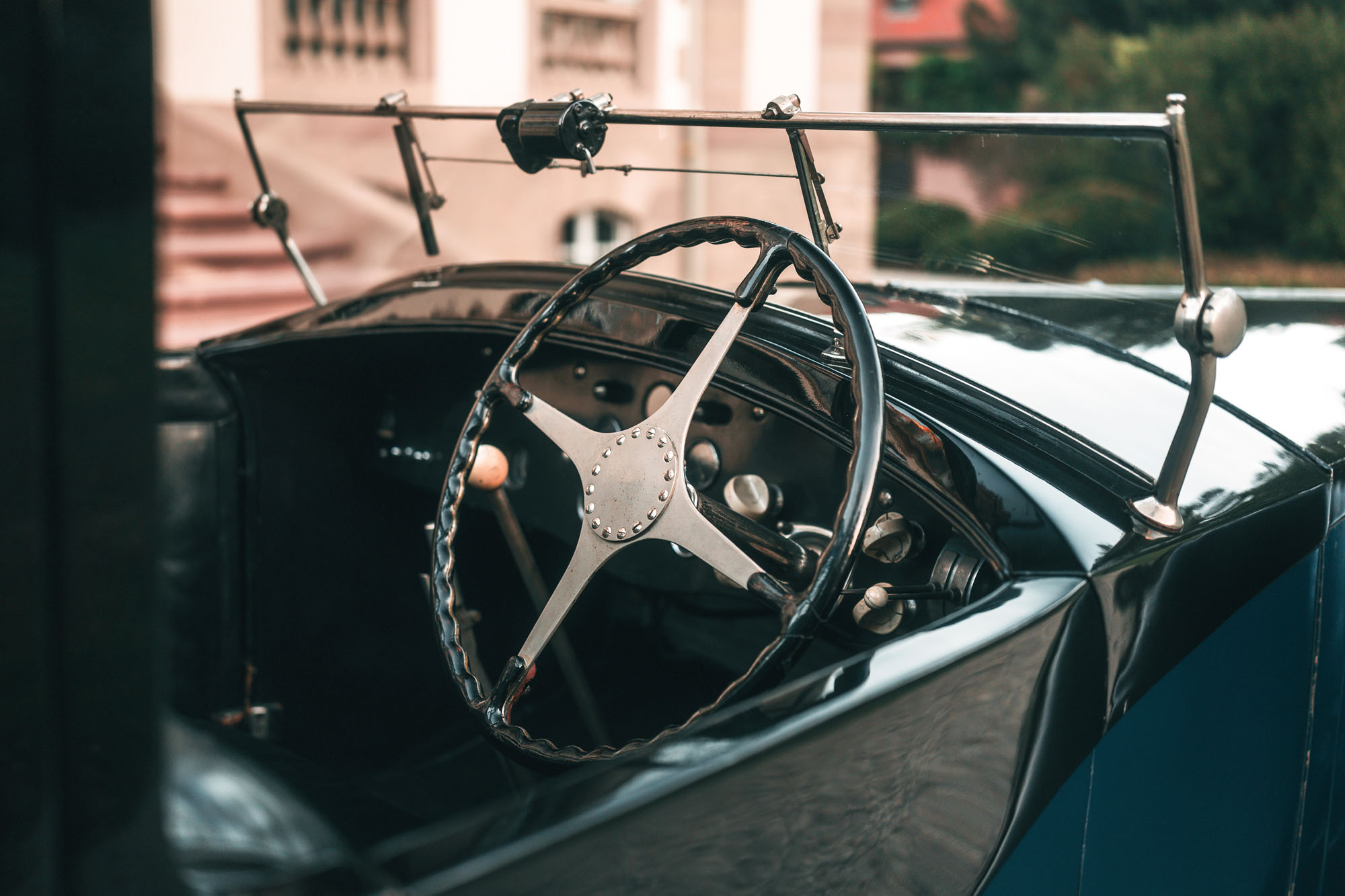
Armand Esders’ Headlight-Free Royale Roadster
The Royale commissioned by Parisian textile industrialist Armand Esders illustrates the degree of personalization available to Bugatti’s earliest customers. Esders was the first private buyer of a Type 41, ordering chassis 41111 with roadster coachwork designed by Jean Bugatti.
Esders reportedly intended to use the automobile exclusively during daylight hours and therefore requested that it be built without headlights. The resulting roadster became one of the most distinctive interpretations of the Type 41, with its uninterrupted front-end design emphasizing the elegance of Jean Bugatti’s coachwork.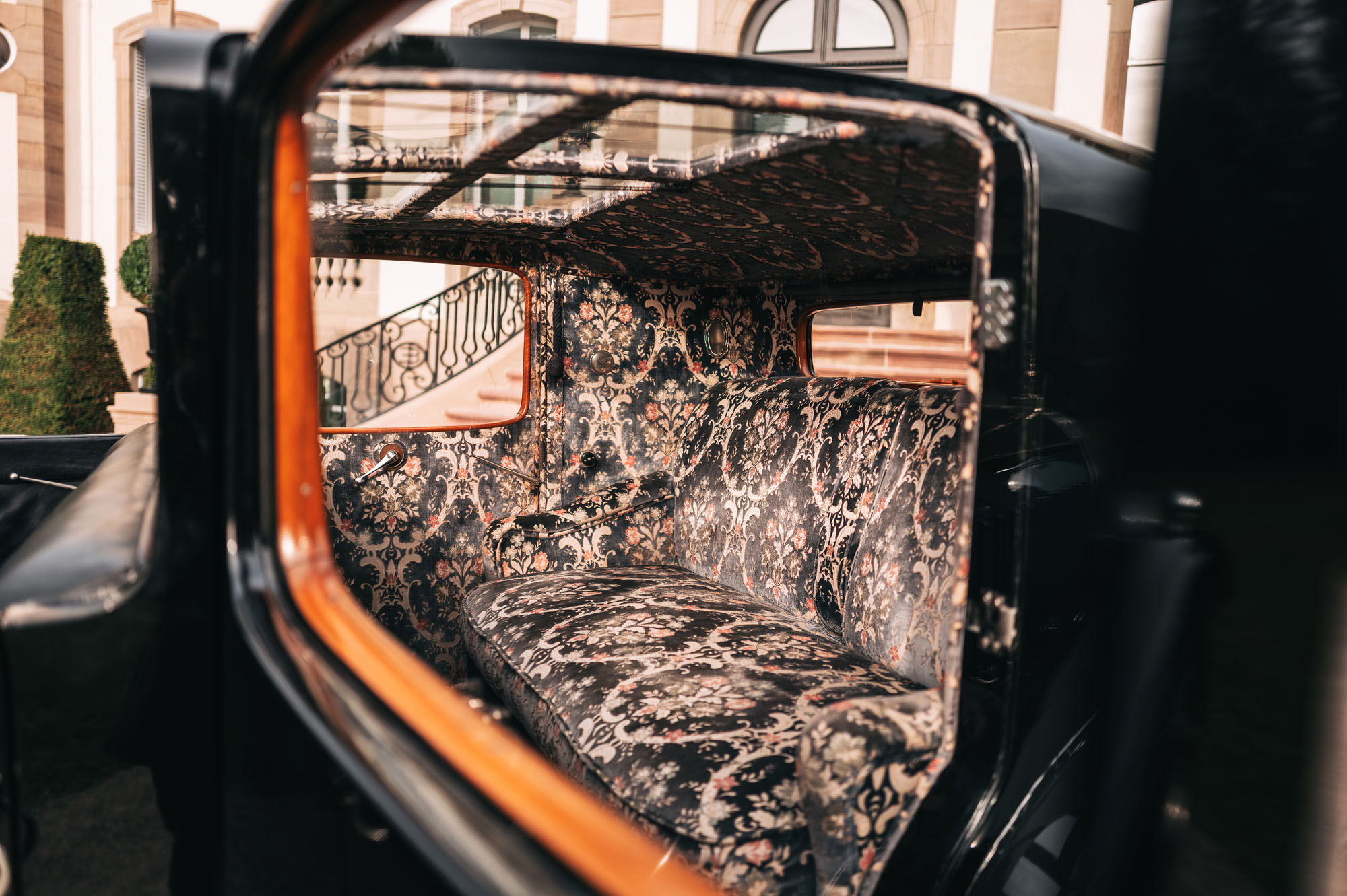
The original Esders roadster did not retain that configuration permanently. Coachbuilder Henri Binder subsequently transformed the automobile into an armor-plated Coupé de Ville, creating a more formal enclosed body with styling that recalled the Coupé Napoléon.
This Binder-bodied Royale, now associated with the Autostadt collection, was one of the three automobiles displayed during the September 2026 anniversary gathering.
Bespoke Breguet Instruments for the Bugatti Royale
The Royale’s attention to detail extended beyond its engine and coachwork. In 1932, Ettore Bugatti commissioned Swiss watchmaker Breguet to produce nine mechanical chronographs intended for installation in the centers of Royale steering wheels.
Each instrument carried the inscription “Spécial pour BUGATTI” and combined chronograph and tachometer functions with an eight-day power reserve. The commission demonstrated Bugatti’s willingness to involve specialist manufacturers in creating components suited to the automobile’s unusual position in the luxury market.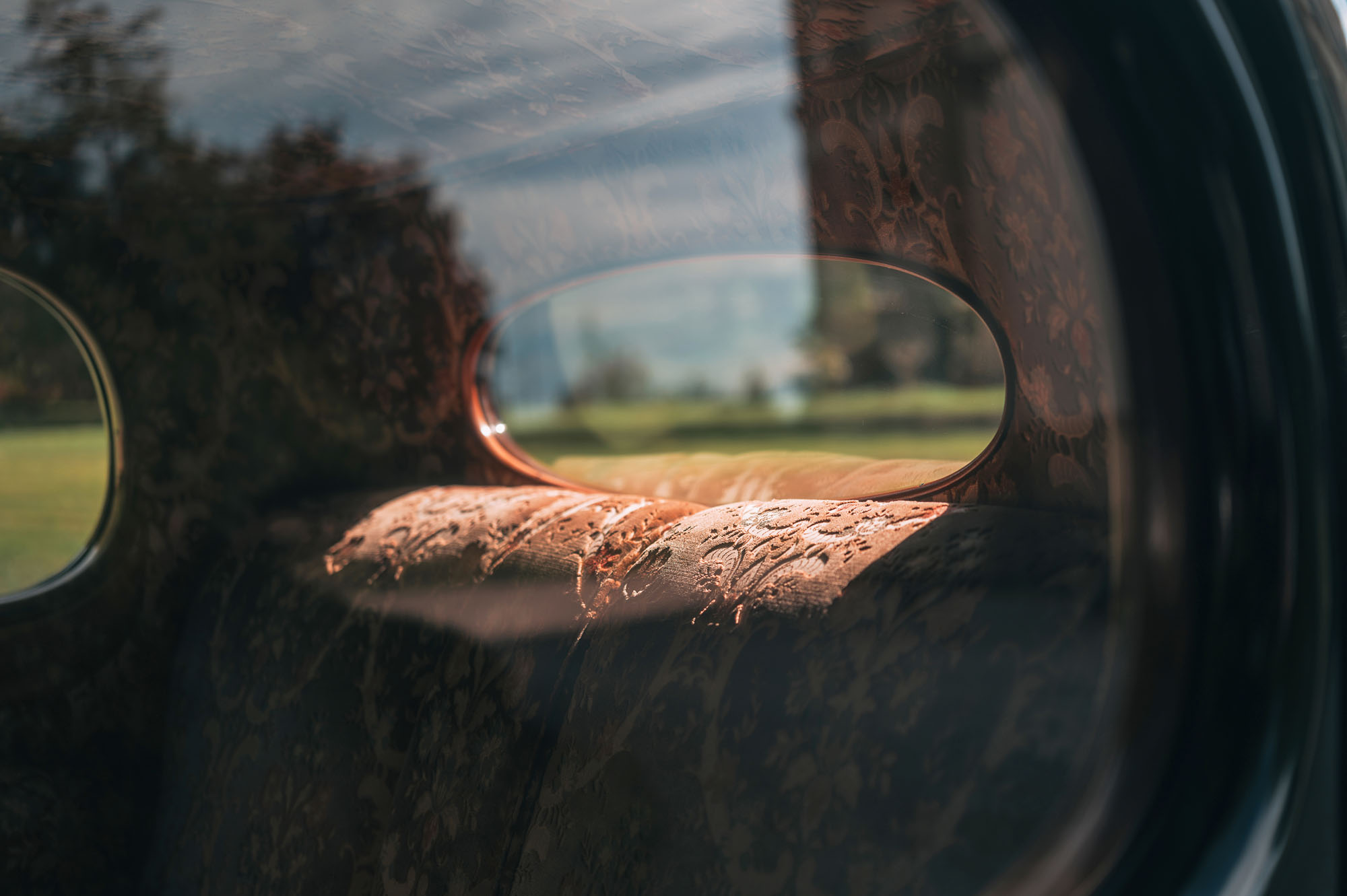
The Breguet instruments also provide an early example of the relationship between fine watchmaking and high-end automobile design, a connection that remains prominent in modern luxury-car manufacturing.
Why Bugatti Built Only Six Type 41 Royales
The Royale’s commercial prospects were undermined by the economic conditions that followed the 1929 financial crash. Its extraordinary size, cost and intended clientele already limited the potential market, and the global economic downturn further reduced demand for such an extravagant automobile.

Ultimately, only six examples were completed, far fewer than Ettore Bugatti originally intended. Their rarity, combined with their individual coachwork and historical importance, subsequently established the Royale as one of the most significant prewar collector automobiles.
That status was demonstrated in November 1987, when Christie’s auctioned the Kellner-bodied Royale at London’s Royal Albert Hall. The automobile sold for £5.5 million, establishing a world auction record for an automobile at the time.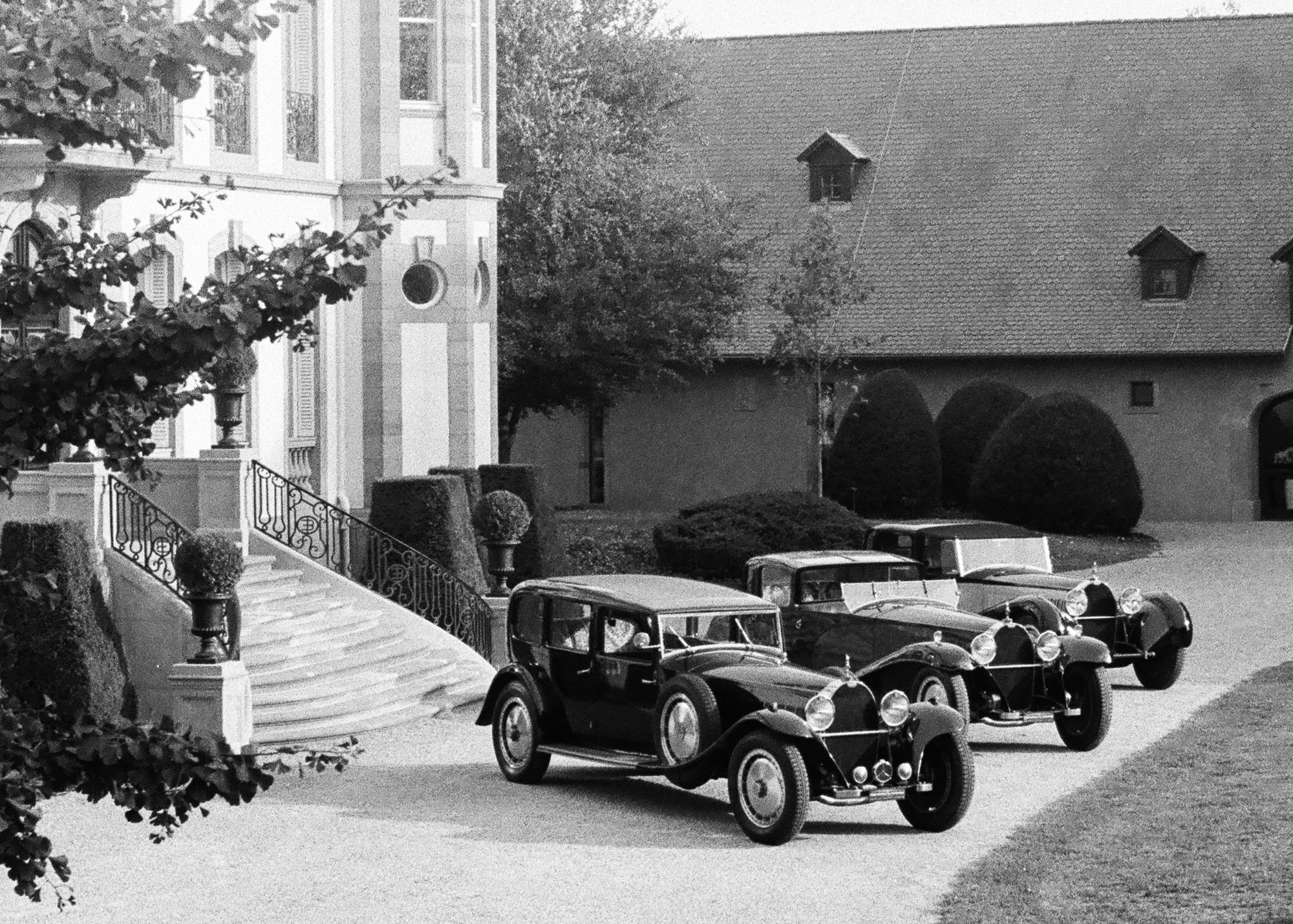
Three Bugatti Royales Reunited for the 2026 Centenary
The September 2026 Bugatti Festival brought together three examples representing different approaches to the Type 41’s coachwork and intended use. The gathering included the Coupé Napoléon, the Binder-bodied Coupé de Ville and a Park Ward-bodied limousine delivered to a British customer in 1933.
- Coupé Napoléon: Jean Bugatti’s design for Ettore Bugatti’s personal Royale, now preserved in the Collection Schlumpf.
- Binder Coupé de Ville: Originally Armand Esders’ Jean Bugatti-designed roadster, later rebodied by Henri Binder.
- Park Ward Limousine: An enclosed, chauffeur-oriented Royale delivered to a British client in 1933.
Although each automobile has its own appearance and history, all three share important mechanical and decorative features. These include the large straight-eight engine, carefully finished interior components and the distinctive elephant radiator ornament designed by Rembrandt Bugatti, Ettore’s brother.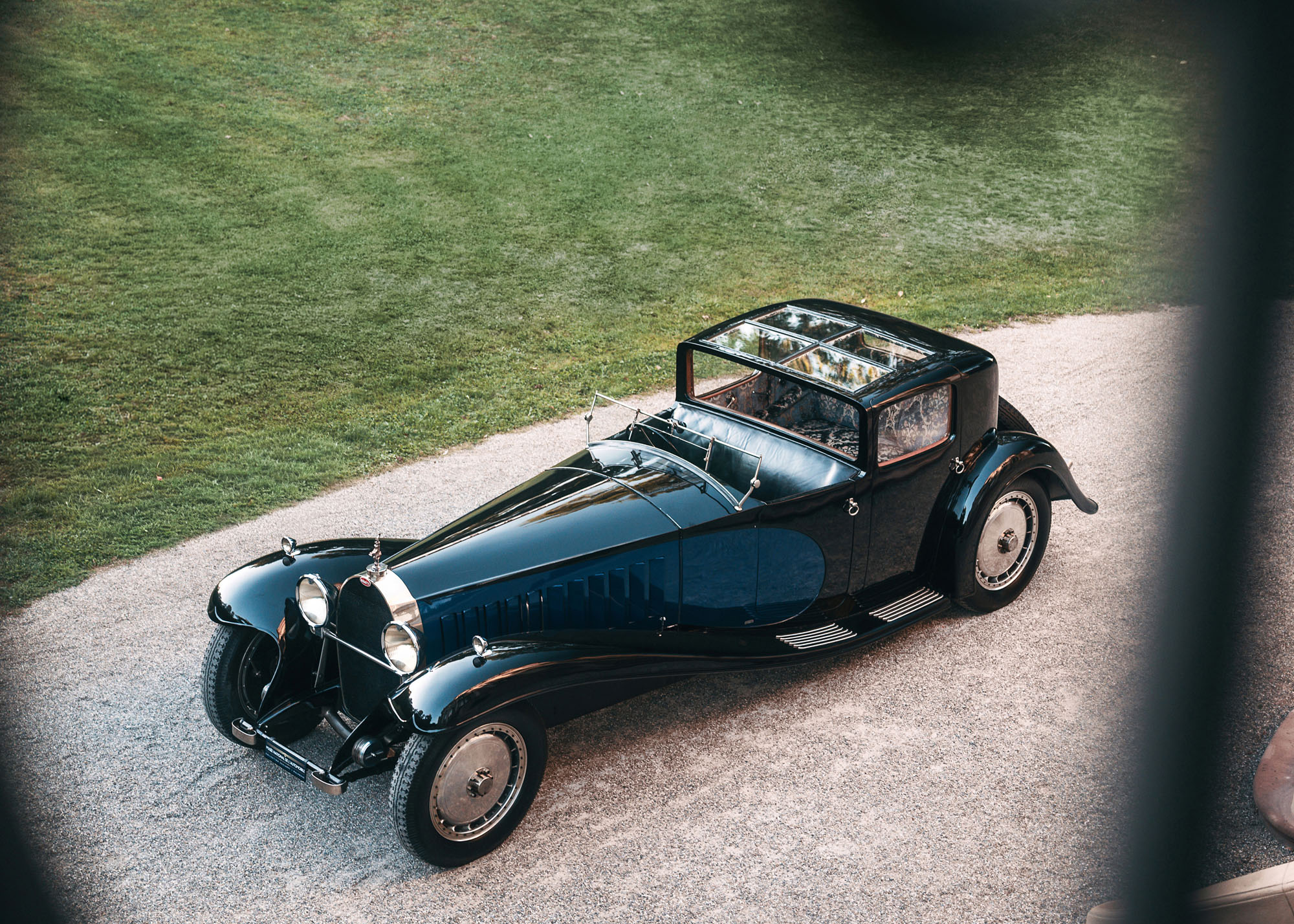
The gathering also highlighted the variety of materials used in Royale interiors, including walnut steering wheels and whalebone control knobs. Such details demonstrate the degree to which Bugatti treated mechanical engineering, coachbuilding and interior craftsmanship as interconnected disciplines.
Why It Matters
The Type 41 Royale occupies an unusual position in automotive history because its importance extends well beyond its limited production. Its combination of a 12.8-liter straight-eight engine, immense dimensions, individual coachwork and exceptional craftsmanship represented an ambitious attempt to redefine the luxury automobile.
For collectors, the survival of all six examples makes each car an important historical artifact, particularly given the changes in coachwork and ownership that occurred over their lifetimes. The 2026 gathering was especially notable because it assembled three of these individually significant automobiles at the marque’s historic home.
The Royale also provides a historical reference point for Bugatti’s modern approach to high-performance luxury cars. From the Veyron and Chiron to the Tourbillon, the company has continued to emphasize the combination of engineering performance, distinctive design and specialized craftsmanship that defined Ettore Bugatti’s original vision.
Above contents © 2026 Dr. Ing. h.c. F. Porsche AG reviewed and edited by Rex McAfee , @rexmcafee 🏁