

The most memorable race cars were never shy about how they looked. Flared arches, deep chin spoilers, and tall rear wings can seem a bit much in a modern paddock, but almost all of those shapes started out as a fix for a real problem. Teams needed cars that stayed on the ground at 180 mph, enough airflow to cool the radiators and brakes, and room for the wide tires it took to put big horsepower down.
That practical approach is a big part of why race cars from motorsport’s golden era look the way they do. When factory teams pushed the fenders outward, it was because they needed room for wider tires and a wider track, and because the car had to stay stable at speed. Anyone installing wide body kits today runs into the same thing. A wider stance only looks right when the wheels and tires actually fill the arches, not when the fiberglass is just there for show.
When Speed Demanded Stability
In the early days of racing, the recipe for going faster was pretty simple: build a bigger engine, take out as much weight as possible, and make the body slippery. Once engines got past 500 horsepower, though, low drag wasn’t enough anymore. Cars that were fast on the straights got nervous over crests and through fast sweepers, because air trapped under the body was lifting the chassis off the road.
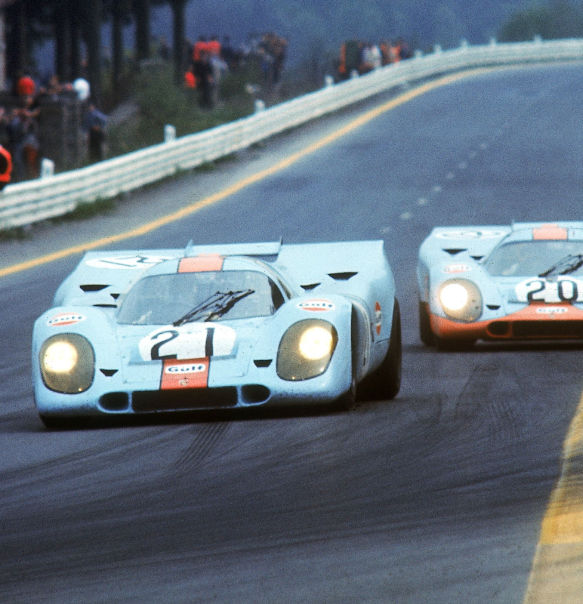
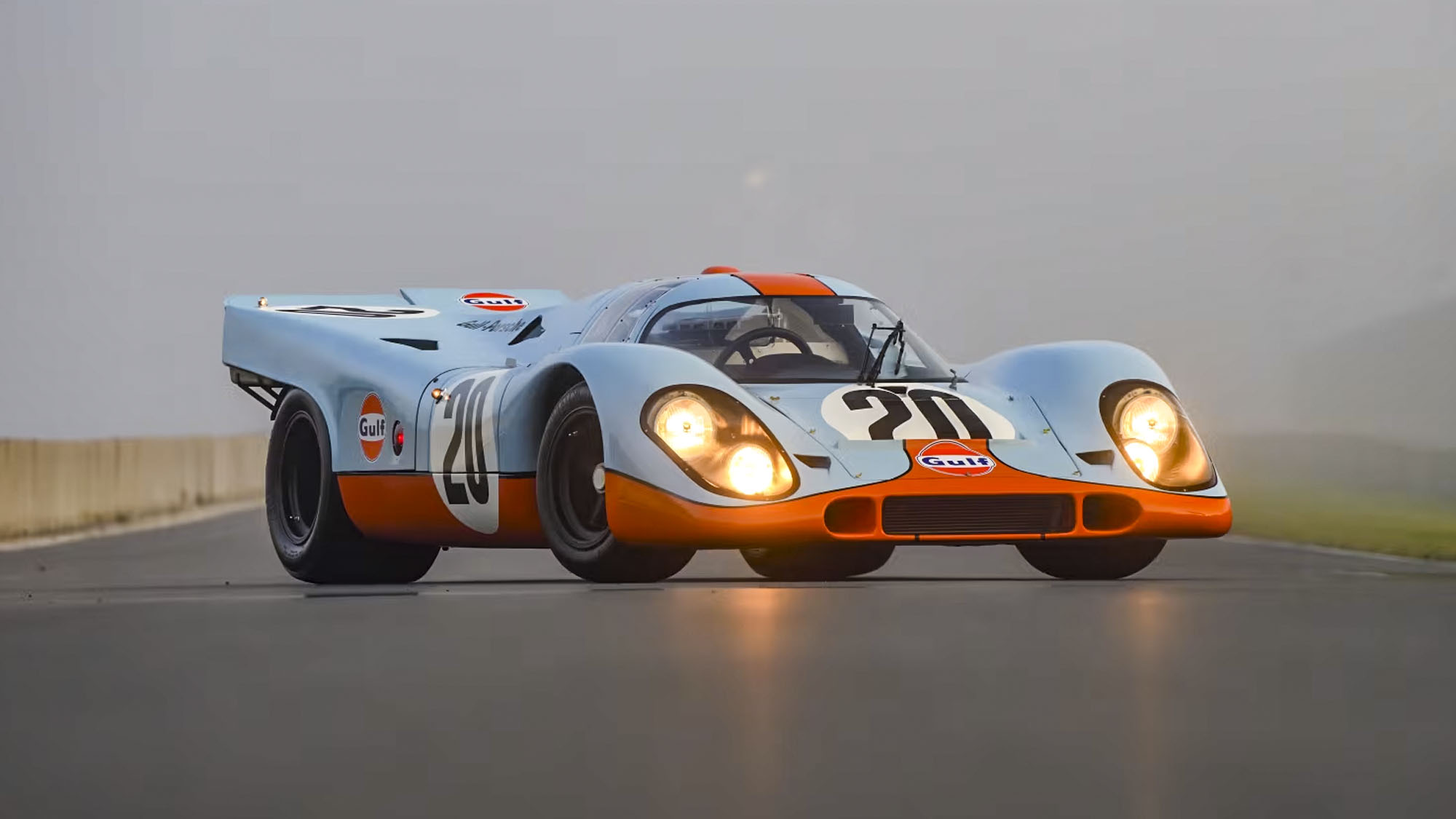
The Porsche 917 is a good example. When it debuted in 1969, it was incredibly fast in a straight line, but drivers didn’t trust it in the corners. During testing late that year, Porsche and the John Wyer team reworked the rear bodywork into what became the 917K (“Kurzheck,” or short tail), with a chopped tail and small spoiler tabs to control the airflow. The revised car was faster and much more stable, and it gave Porsche its first overall win at Le Mans in 1970. The following year, a 917K won again at an average of more than 138 mph, setting a distance record that stood for almost four decades.
None of these changes were about looks. The reshaped nose, the fender vents, and the raised tail were there to keep the car planted for 24 hours straight.
The Era of the Factory Wide-Body
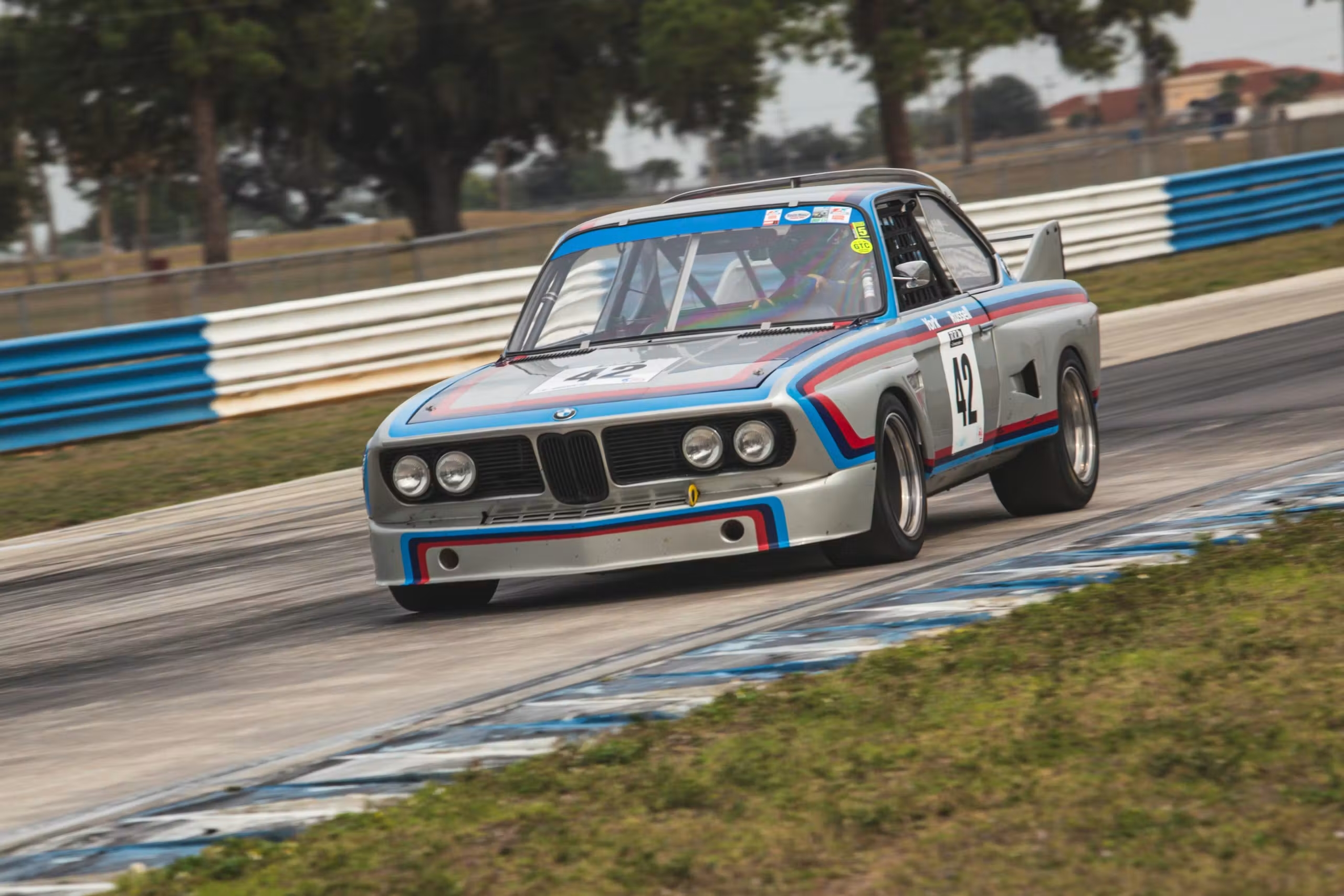
By the early 1970s, the aero tricks from prototype racing had made their way into production-based touring cars. Racing rules required manufacturers to sell street-legal versions of their race cars before they could compete with them, and that’s how the homologation special was born.
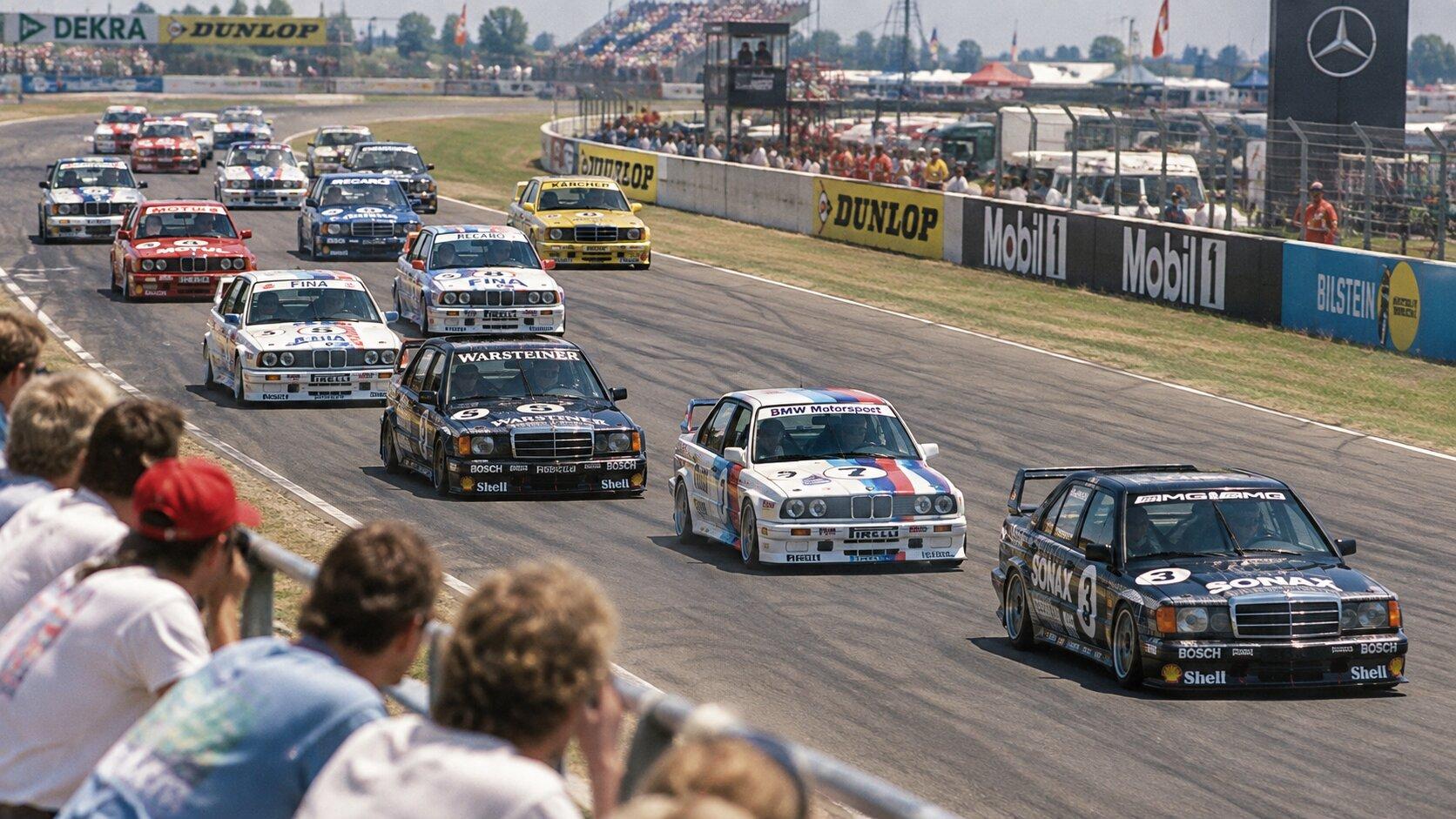
BMW’s 3.0 CSL “Batmobile” is probably the best-known example. To beat Ford in the European Touring Car Championship, BMW needed room for big racing slicks and a way to generate downforce. The answer was wide flares over the wheel wells, an aggressive front air dam, and a big wing on the rear decklid. It looked wild on a public street (so wild that BMW shipped road cars with the wing in the trunk, since it wasn’t street legal in Germany), but every piece was there because the race team asked for it.
That’s a big reason vintage touring cars still look so good. You can tell the bodywork came out of the race shop and not a marketing meeting, and that it was built to cover wider wheels and keep a heavy car stable on track.
Can-Am and the Power-to-Grip Equation
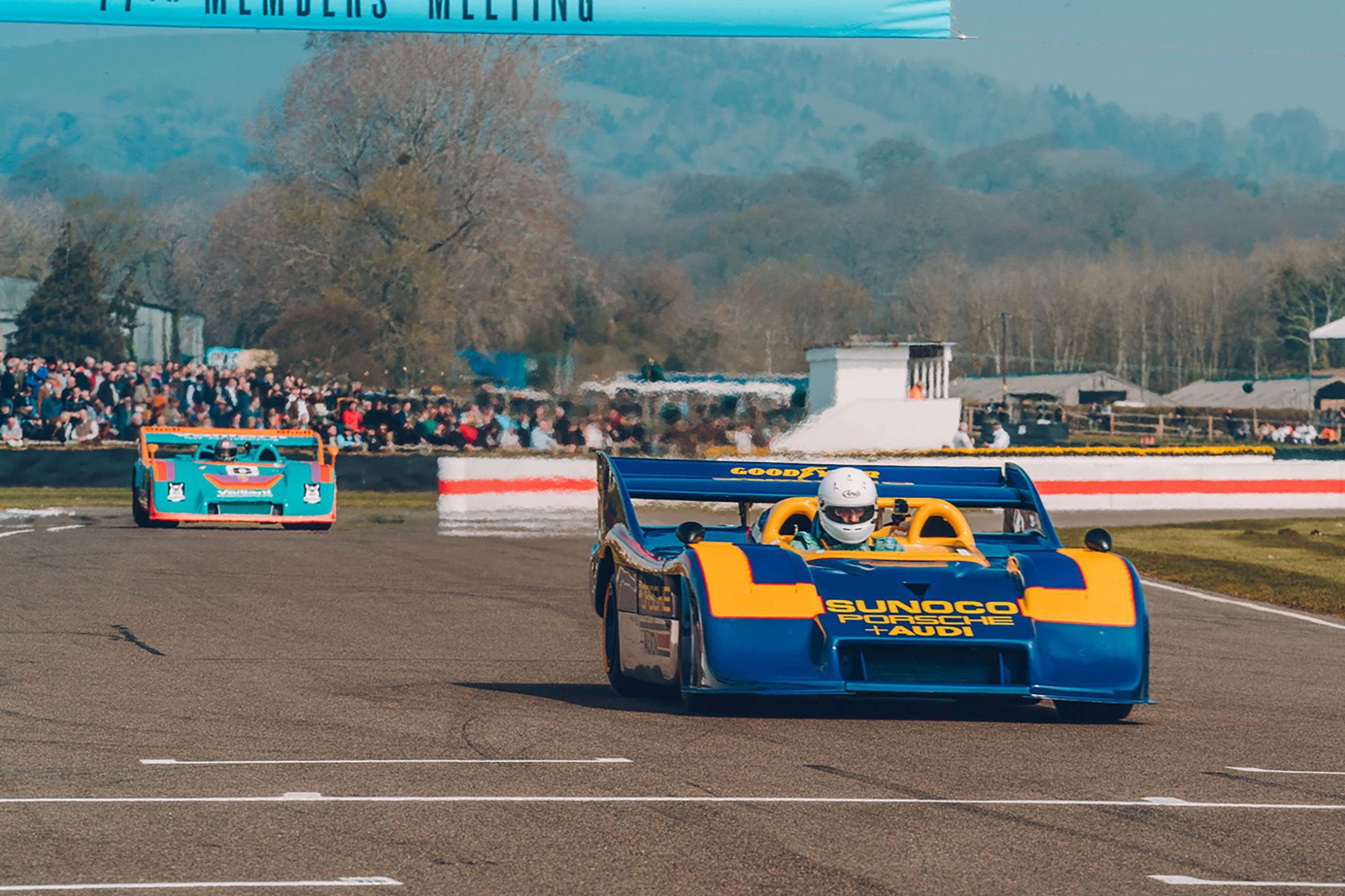
If touring car rules pushed engineers to get creative, Can-Am in North America barely had rules at all. There were almost no limits on horsepower or body design, so the series quickly turned into an all-out arms race.
The Porsche 917/30 took that freedom as far as it could go. Its twin-turbo flat-12 made over 1,100 horsepower in race trim, and at that level, narrow tires and clean body lines simply don’t work. Without downforce, the rear tires would just spin. Porsche spent long hours in the wind tunnel developing a wedge-shaped nose and a large rear wing to push the rear tires into the pavement, and Mark Donohue won the 1973 championship because the car could actually use all that power. Can-Am proved something that still applies to any performance build today: horsepower doesn’t do much if you don’t have the tire width and the aero to keep it on the road.
Getting the Proportions Right

Building a track car or a vintage tribute today follows the same logic. When an aggressive build ends up looking cheap or awkward, the mistake is usually the same one. The owner bought the wide panels first and figured out the wheels and suspension later.
The better way is to start with the mechanical side. First, figure out how much tire the chassis needs, then sort out the wheel offsets and suspension geometry so those tires actually work, and only then shape the bodywork around them. A classic 911 with subtly radiused arches looks right because its stance is functional, and an E30 BMW M3 looks right with its box flares because the wheels sit flush and fill the arches.
Keeping original, numbers-matching classics untouched matters. But racing was never about leaving cars stock. It was about cutting, flaring, and reshaping metal so a car could go faster and handle better. If you build a car with that same approach, matching the body to the tires and the chassis, it won’t look like just another aftermarket project. It’ll look like a race car you can drive on the street.