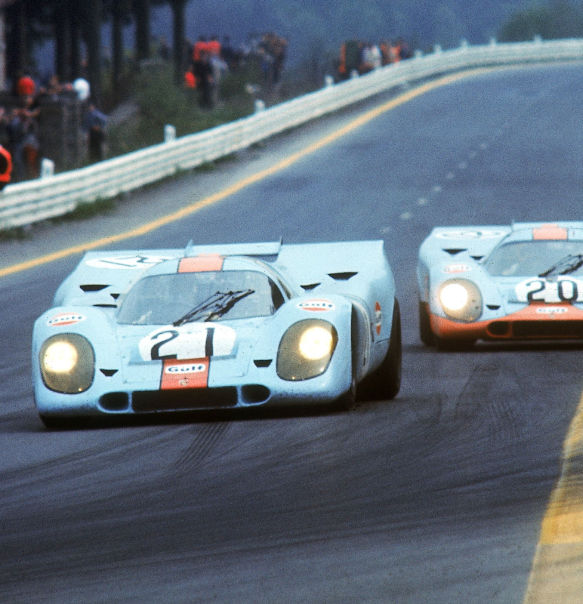



In the past few years in the collector car world, car values have climbed, but scrutiny has climbed even faster. Two visually identical cars can carry very different price tags, and the difference often comes down to provenance, such as a celebrity-owned Ferrari versus one with unknown ownership, rather than condition alone. As a result, a car’s provenance is more critical than ever. Provenance isn’t just paperwork; it’s confidence for the buyer.
But what is provenance? What does it really mean? Why does it affect value? And how do enthusiasts verify it today? From originality versus period-correct changes to verifying a car’s history in the modern collector market, provenance can make or break a car’s value, sometimes adding hundreds of thousands of dollars.
What Provenance Really Means to Collectors

In the classic car world, provenance refers to a car’s documented history. That includes ownership history, usage such as daily driving, competition or long-term storage, registration records, and maintenance details like service logs and major mechanical work. For serious collectors, provenance is less about narrative and more about verifiable facts that reduce uncertainty about what a vehicle truly is.
Clear build sheets, early registration entries, and complete service histories demonstrate originality and continuity. For buyers, those records increase confidence and often translate into stronger offers because they clarify how a car was specified, used, and maintained.
Documentation Versus Condition
Provenance does not replace condition, but it often outweighs it. A well-preserved car with gaps in its early history can be less desirable than a higher-mileage example with uninterrupted records. Buyers consistently prioritize documentation that explains a car’s life rather than relying solely on cosmetic presentation.
In practical terms, strong provenance often includes:
- Factory documentation confirming original specifications
- Continuous or well-explained ownership history
- Period service records and maintenance invoices
- Restoration documentation supported by photographs
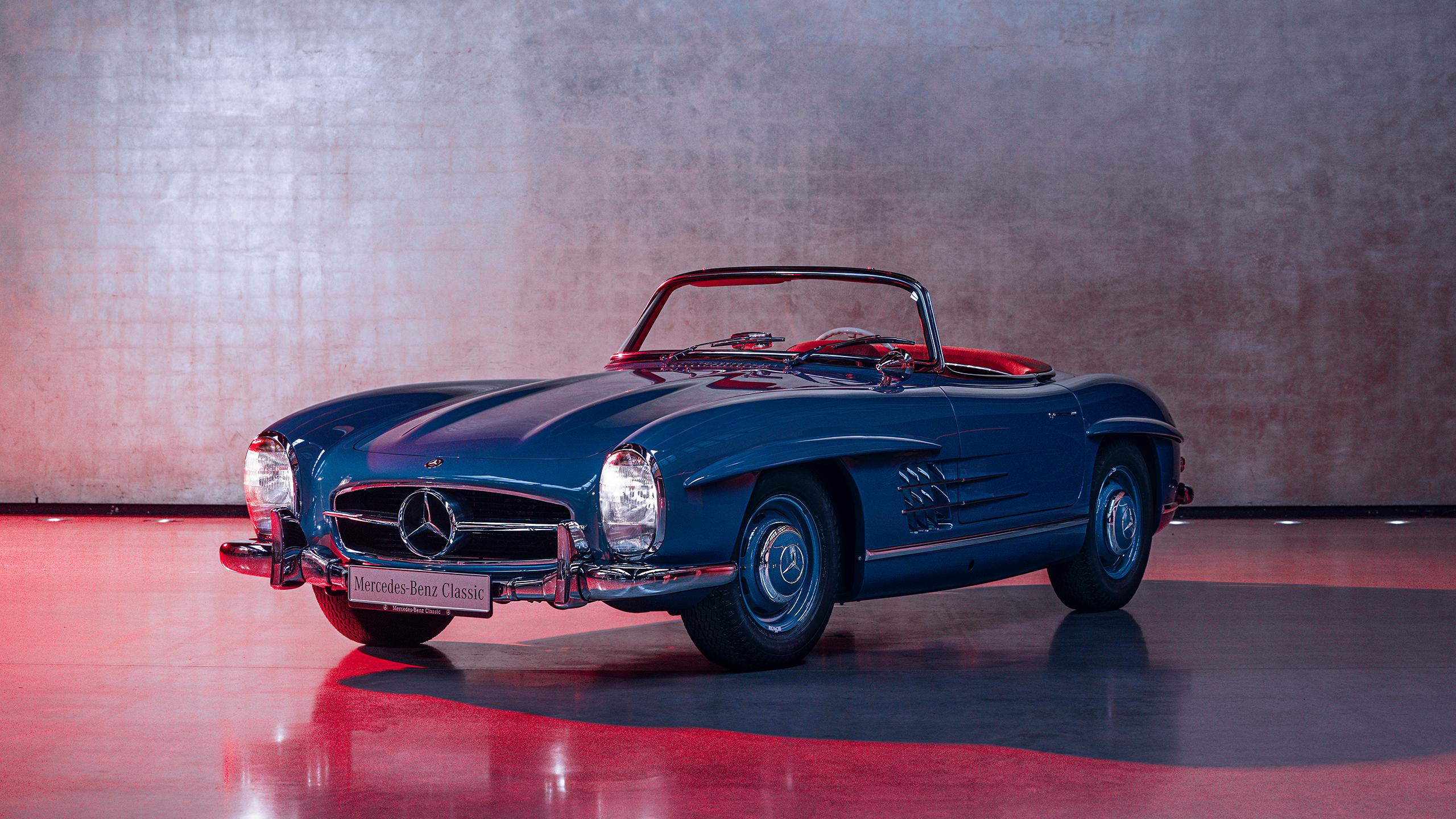
European classics provide clear examples. Models such as the Porsche 911, Jaguar E-Type, and Mercedes-Benz 300 SL have seen dramatic value increases over decades in part because the finest examples maintain uninterrupted, well-documented histories that buyers trust. Specialist service records showing consistent care typically make these cars more attractive than similar examples with incomplete documentation.
When owners or restorers document repairs and changes through invoices, workshop reports, and photographs, that information becomes part of the car’s provenance. This allows buyers to understand how a vehicle arrived at its current condition rather than judging it on appearance alone.
Why Provenance Has a Direct Impact on Market Value
Provenance directly affects market value because it reduces buyer risk. Collectors hesitate to pay premium prices for vehicles with uncertain histories, while cars supported by comprehensive documentation tend to fetch higher prices because their authenticity and originality can be verified.
When Provenance Becomes a Price Multiplier
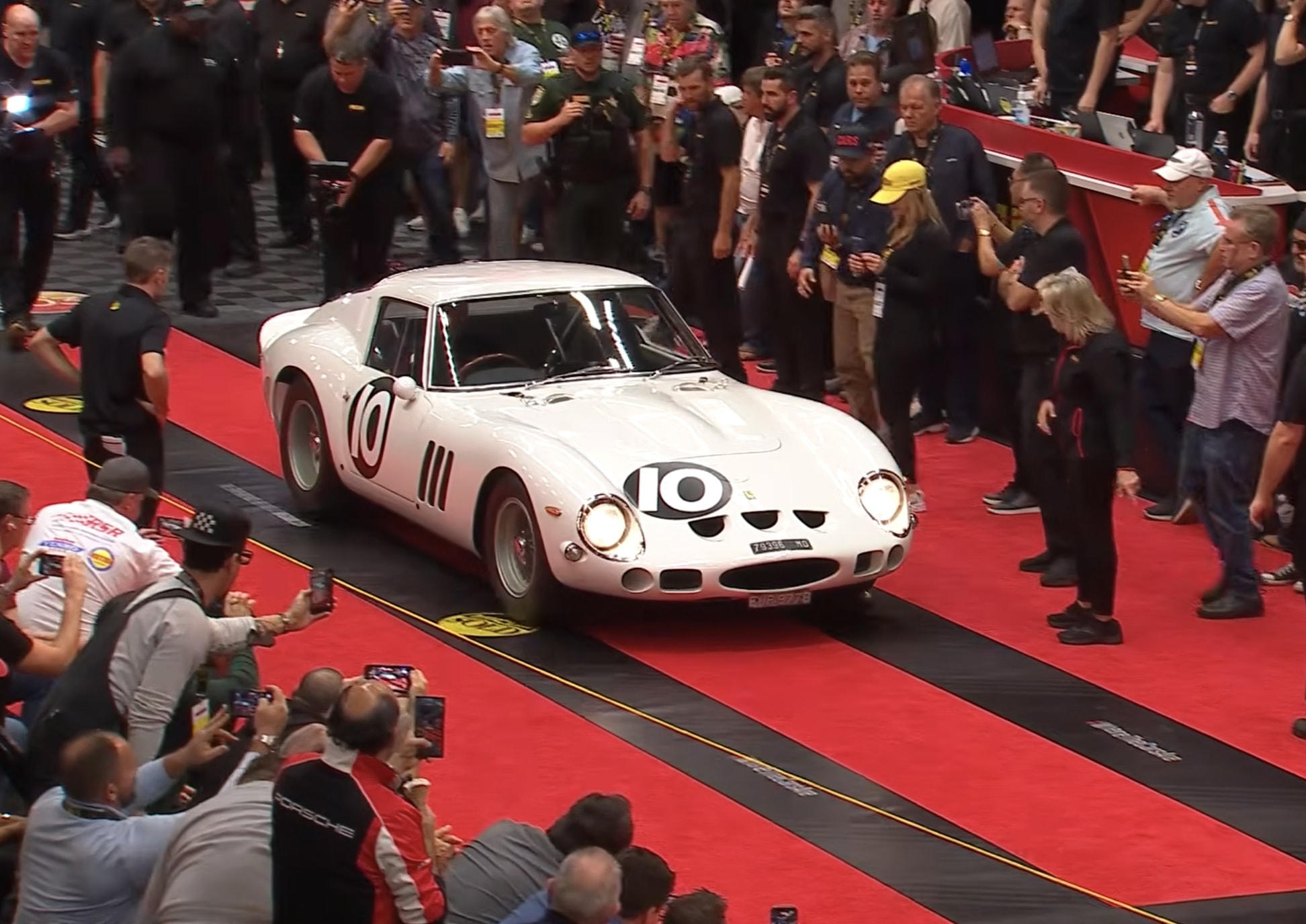
Ferrari’s 250-series cars illustrate this dynamic clearly. One of the most striking recent results occurred at Mecum Kissimmee 2026, where the 1962 Ferrari 250 GTO “Bianco Speciale,” chassis 3729GT, sold for $38.5 million. The only factory-white GTO, it was originally owned by British racing team owner John Coombs and campaigned in period by drivers including Graham Hill and Mike Parkes. Buyers rewarded its documented racing history, long-term provenance, and largely original condition, pushing its value well beyond similar examples with less verifiable pasts.
This outcome highlights how provenance can separate even top-tier cars within the same model range. Two cars may share rarity and performance credentials, but the one with verifiable competition history and ownership records almost always commands the higher price.
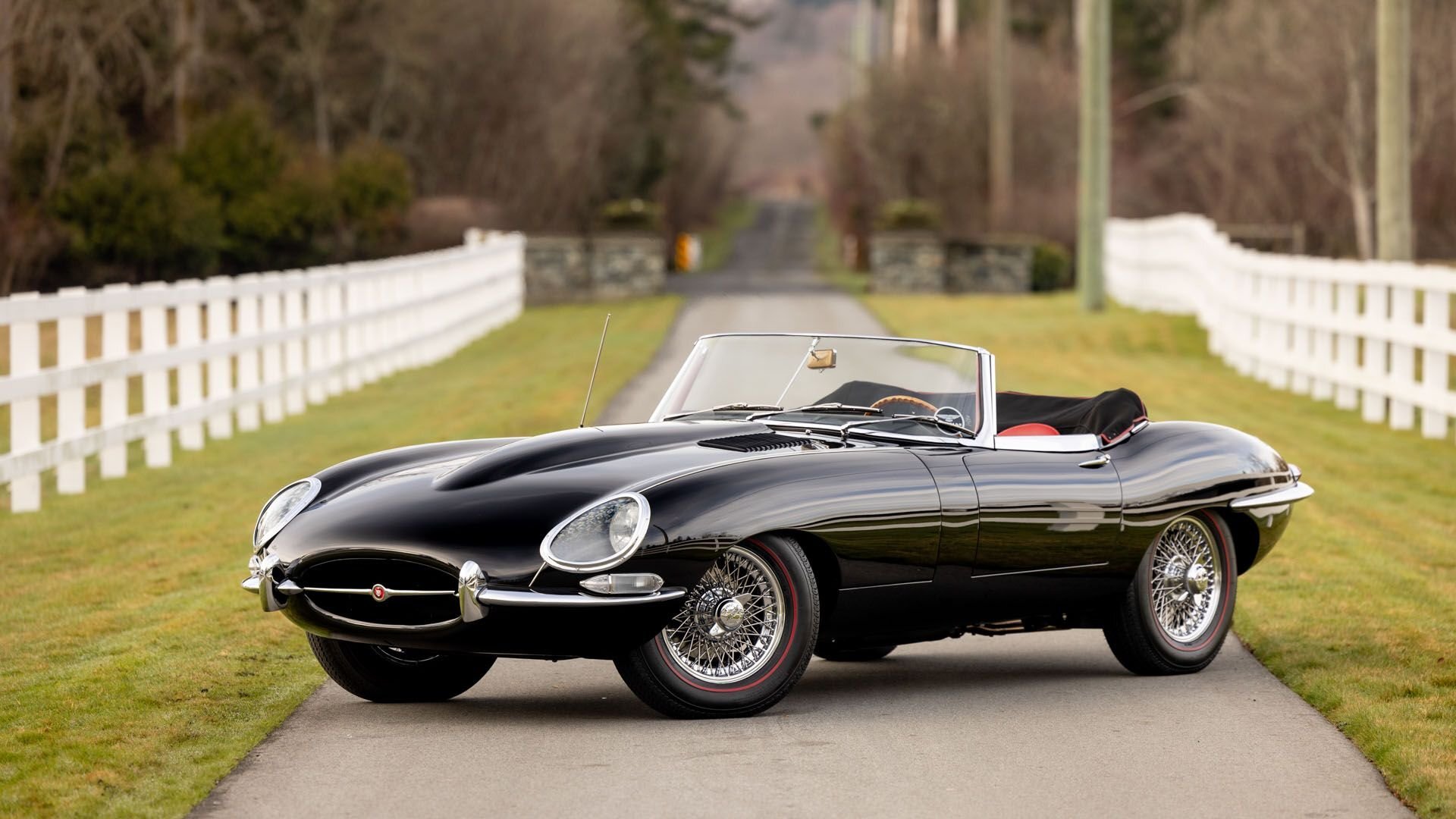
The same principle applies across the European collector market. Early model Porsches with documented ownership histories and period service records usually fetch higher prices than similar cars without such documentation. Buyers tend to bid more aggressively when they can judge originality and authenticity with confidence.
On the other hand, cars with missing documentation or uncertain histories typically sell for less. Even a strong cosmetic condition cannot fully offset doubts about undocumented periods, which often temper buyer enthusiasm and final pricing.
Verifying a Car’s History in the Modern Collector Market
Cars with uncertain or undocumented pasts typically fetch lower prices because buyers cannot verify what they are being told. As a result, serious collectors actively verify a vehicle’s history rather than relying solely on seller claims.
Public record tools have also become part of the verification process. Tools that validate registration history are now commonly used. For California-registered vehicles, a California license plate lookup allows buyers to verify registration continuity, confirm ownership timelines and identify potential inconsistencies before completing a purchase.
Factory Records and Ownership Continuity
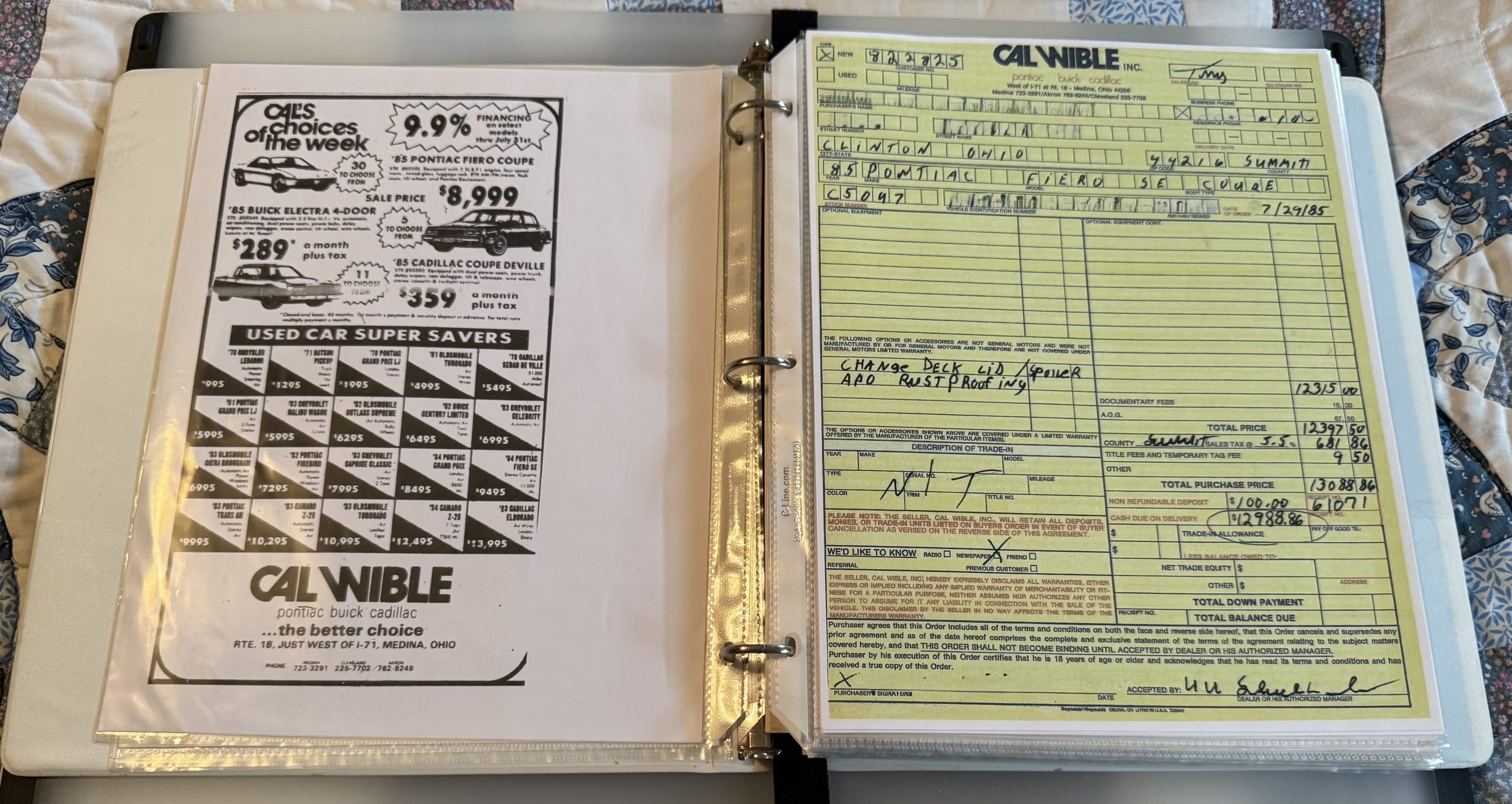
Factory documentation remains central to verification. Buyers check build sheets, production records, and manufacturer certificates to confirm a car’s original specifications. Because European models often varied widely in options and configurations, confirming originality plays a key role in determining collectibility.
Ownership and registration documents are equally important. A continuous ownership chain allows buyers to track where a car has been and how it was maintained. Frequent ownership changes or unexplained gaps often raise questions and lead buyers to adjust their offers.
Modern Tools and Supporting Records
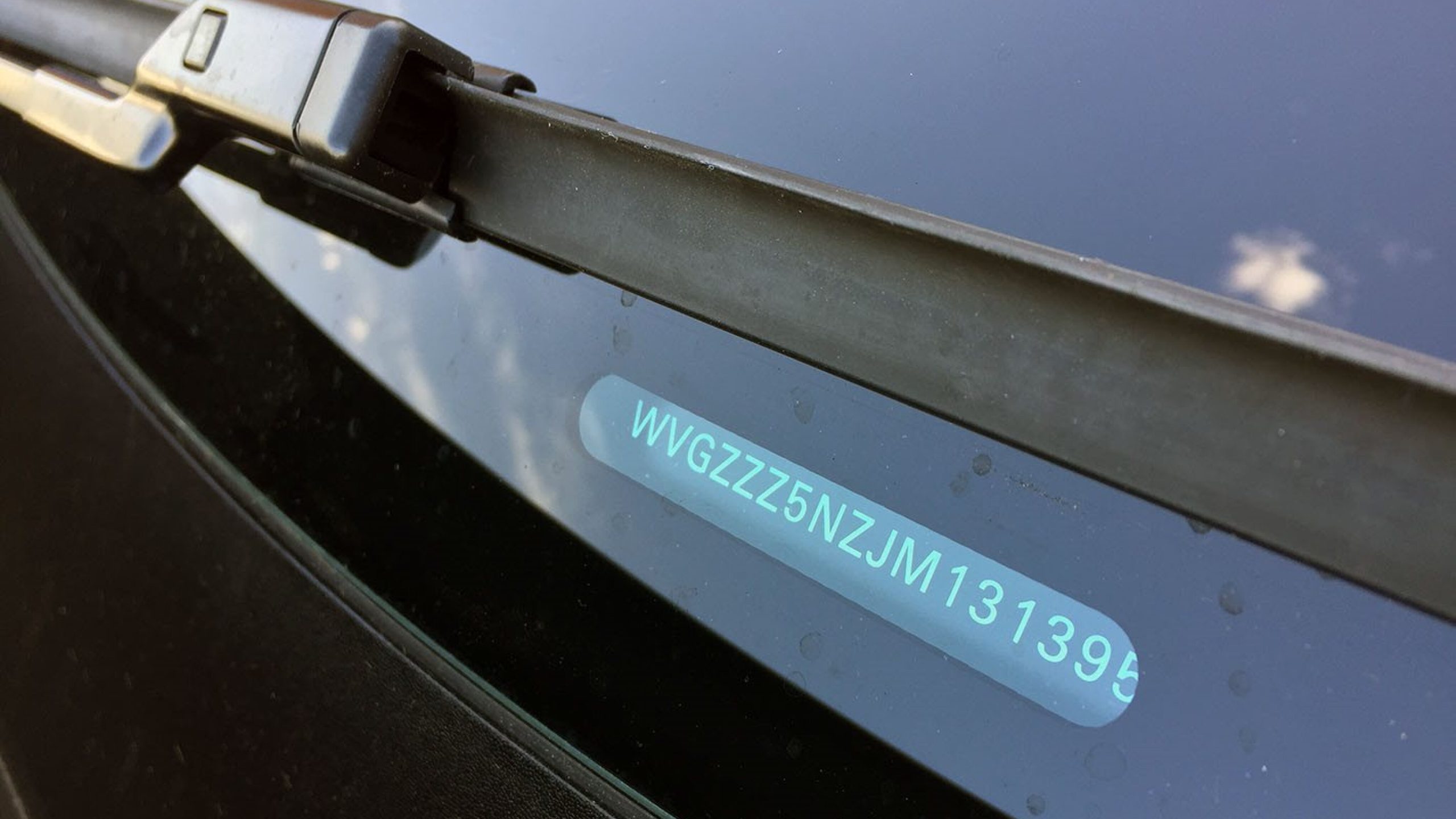
Service records, restoration invoices and photographs serve as critical authentication tools. A documented restoration performed by a respected European specialist provides confidence in the procedures carried out and the reasons behind them, particularly when originality is preserved.
In today’s collector market, provenance must be verifiable. Buyers depend on documentation rather than assurances and the more complete the historical record, the more likely a car is to attract serious interest and stronger prices.