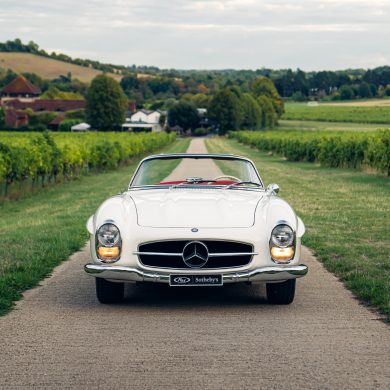


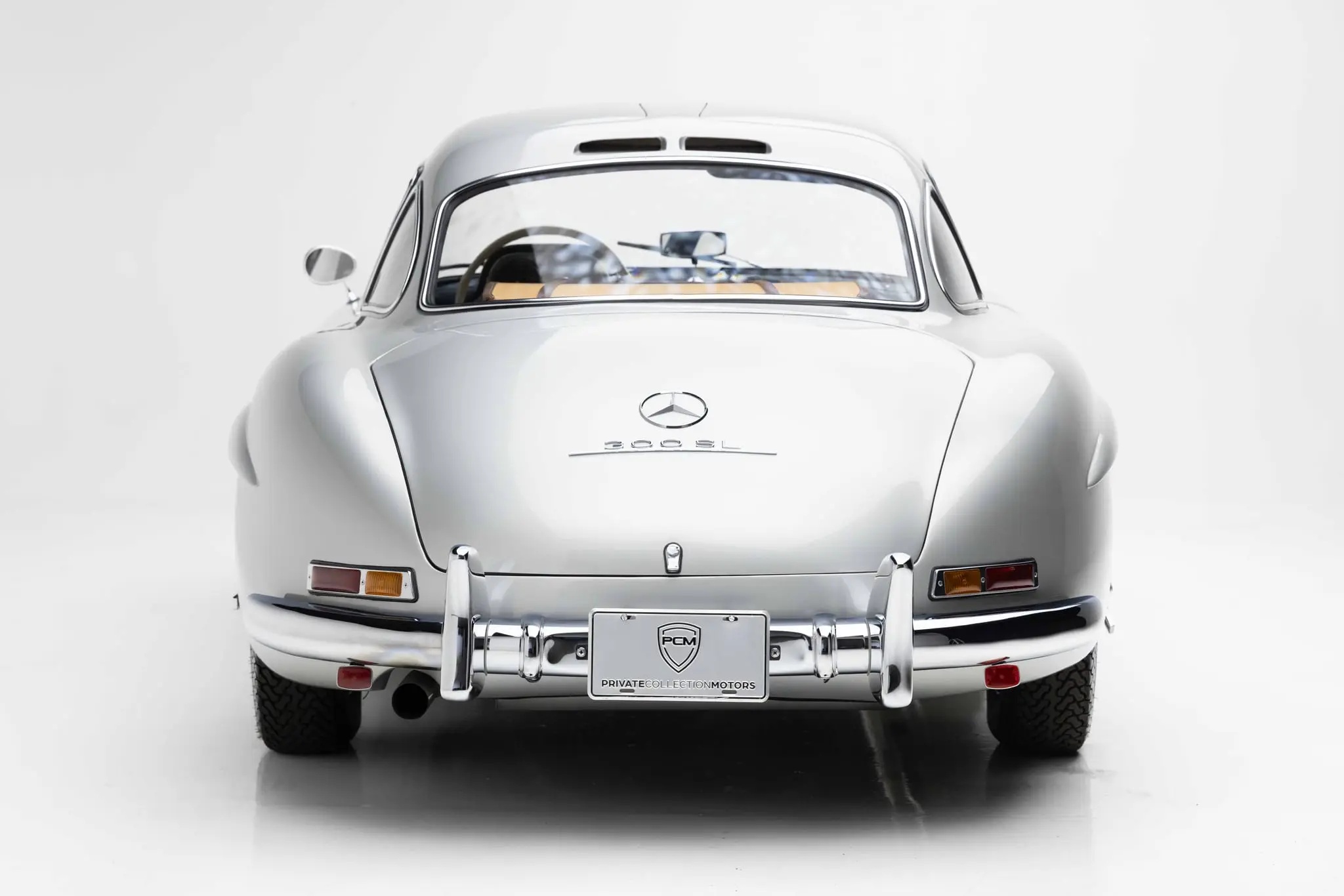
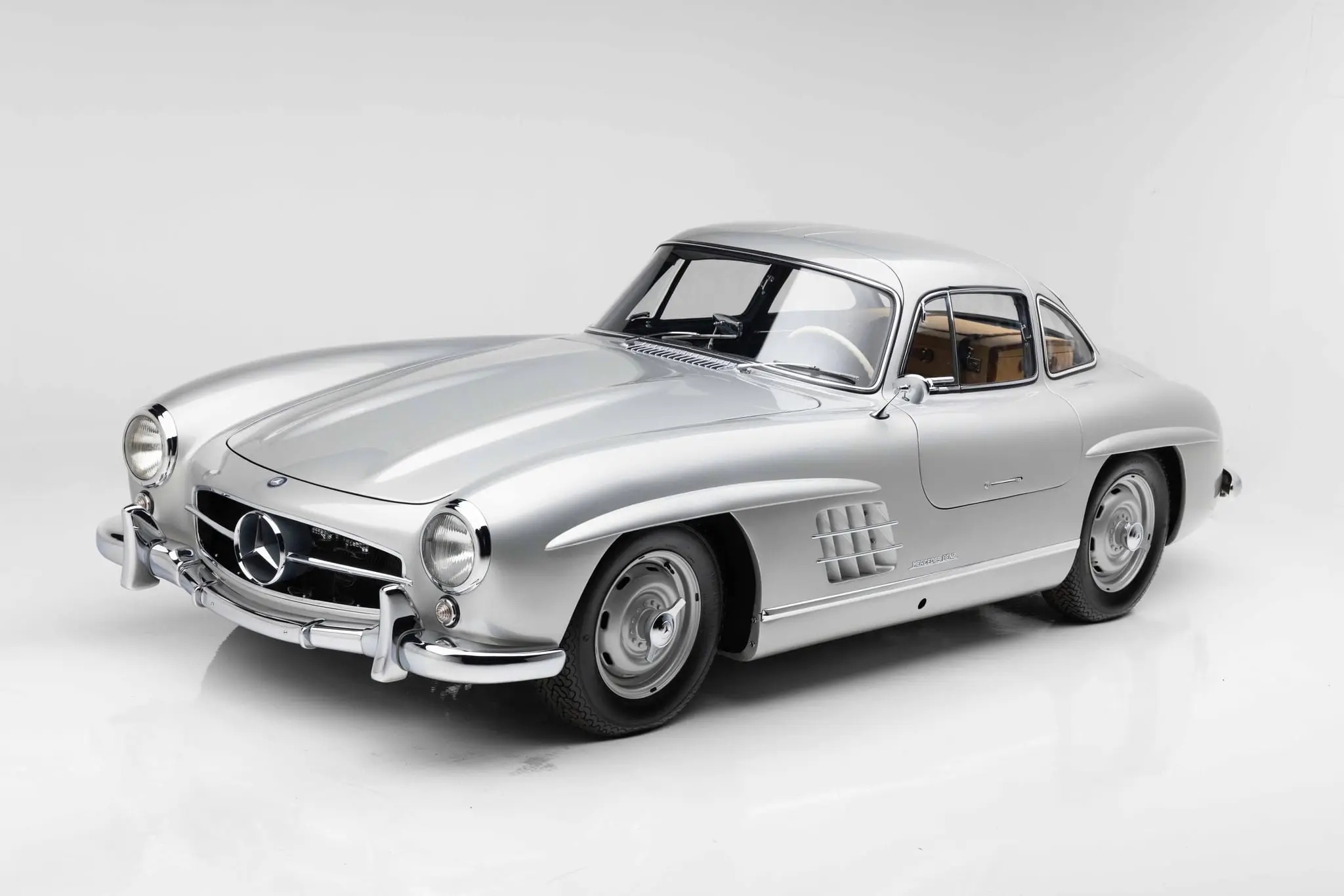
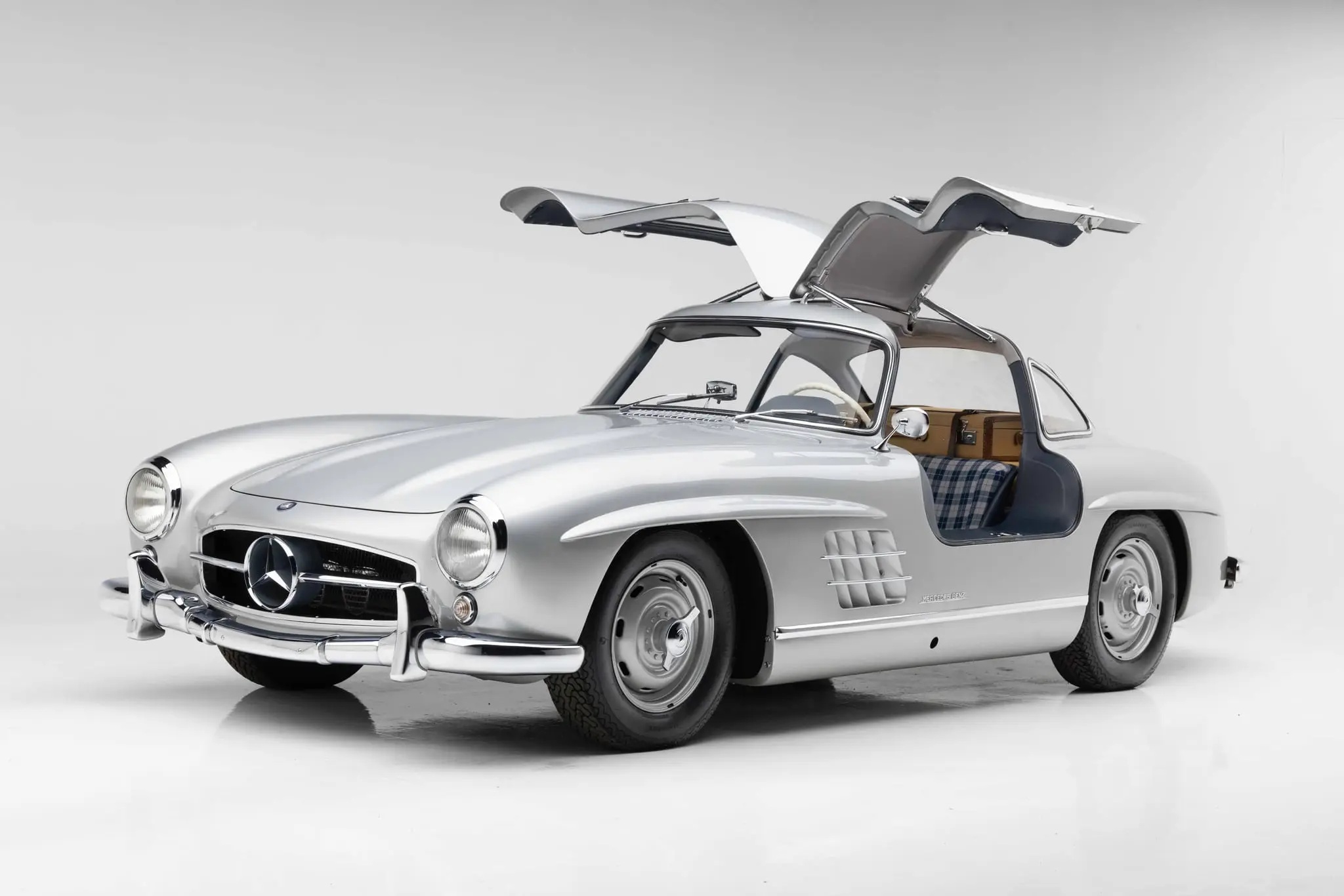
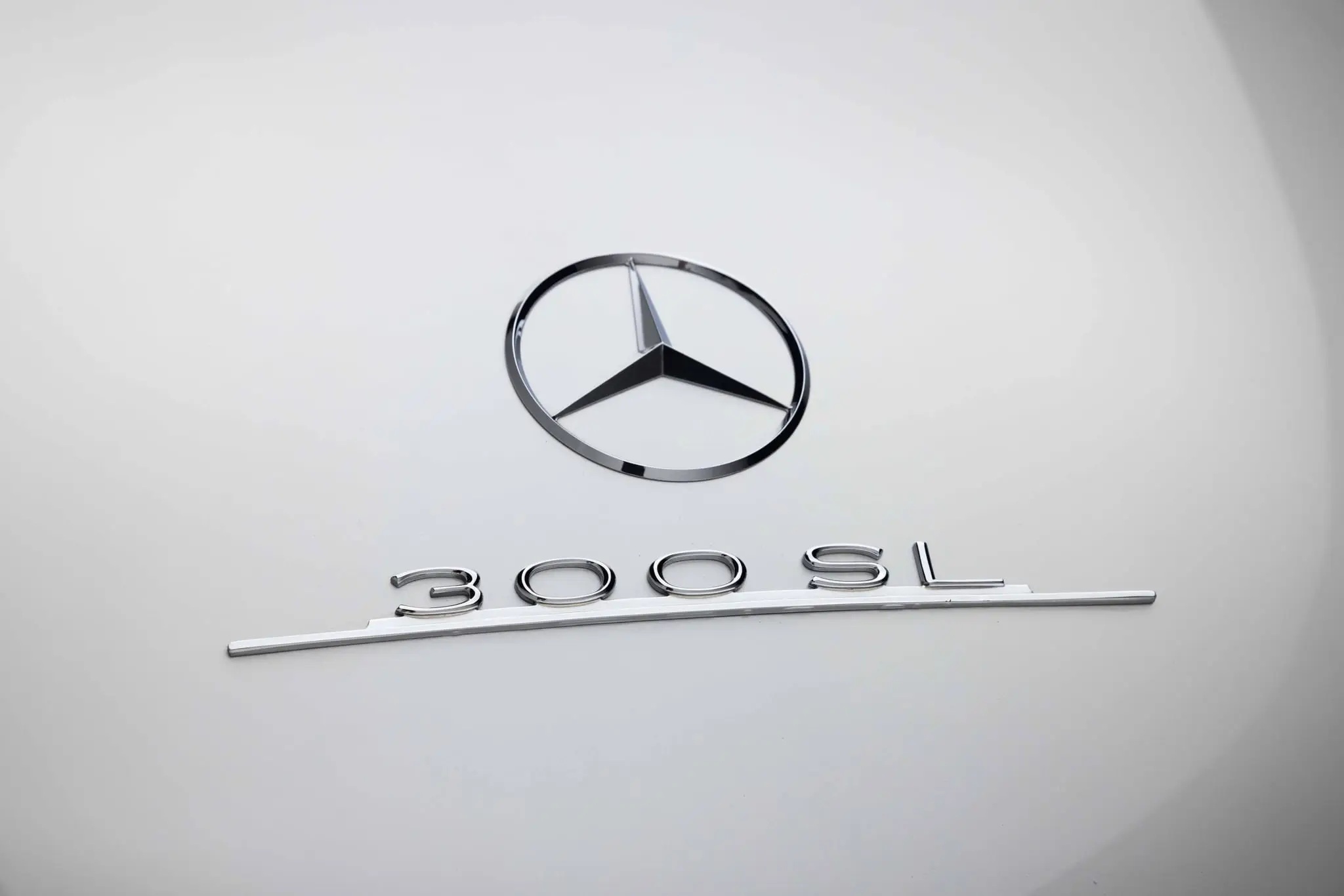
The Mercedes-Benz 300 SL Gullwing represents one of the most consequential automobiles of the postwar era, combining competition-derived engineering with a design that remains instantly recognizable more than seven decades after its introduction. This example, chassis 5500289, is offered through Bring a Trailer, with a reported history that includes an original delivery to Franz II, Count of Erbach-Erbach and Wartenberg-Roth, in Germany.
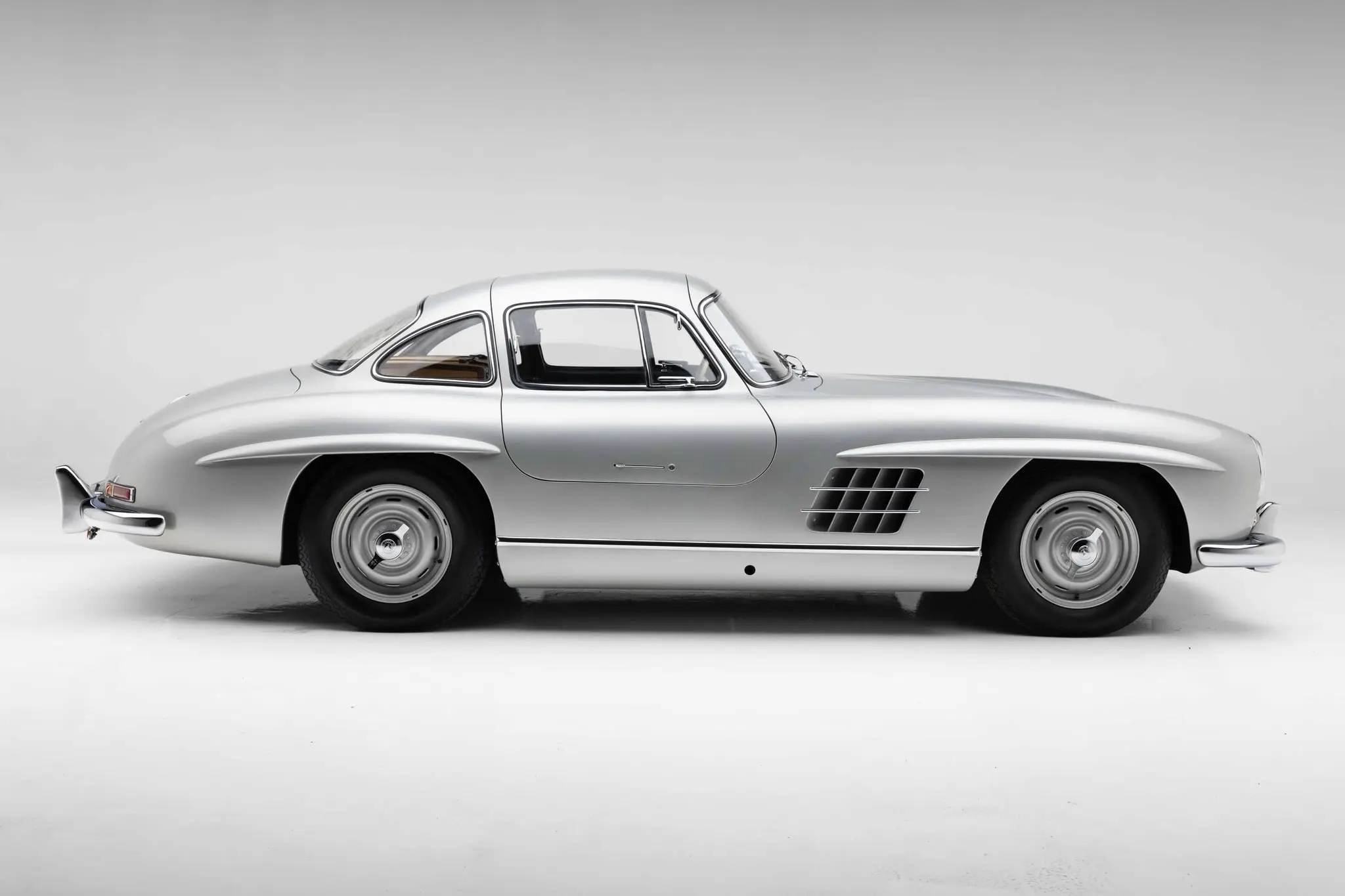
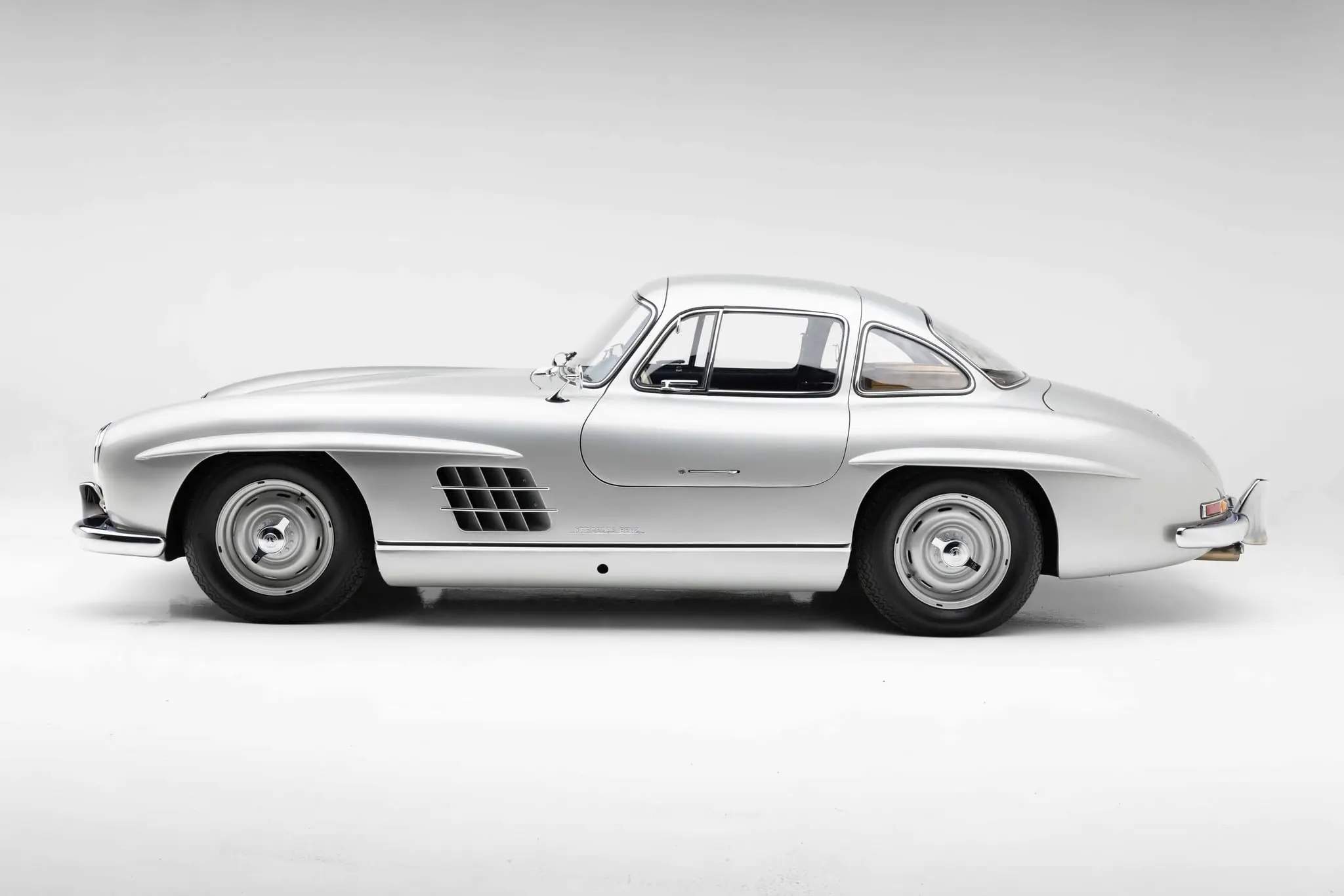
Developed from Mercedes-Benz’s successful W194 sports racers, the production 300SL emerged in 1954 following a proposal from American importer Max Hoffman to create a compelling performance car for the US market. Its defining gullwing doors were a functional consequence of the high-sided tubular space frame, which provided structural rigidity but restricted conventional door openings.
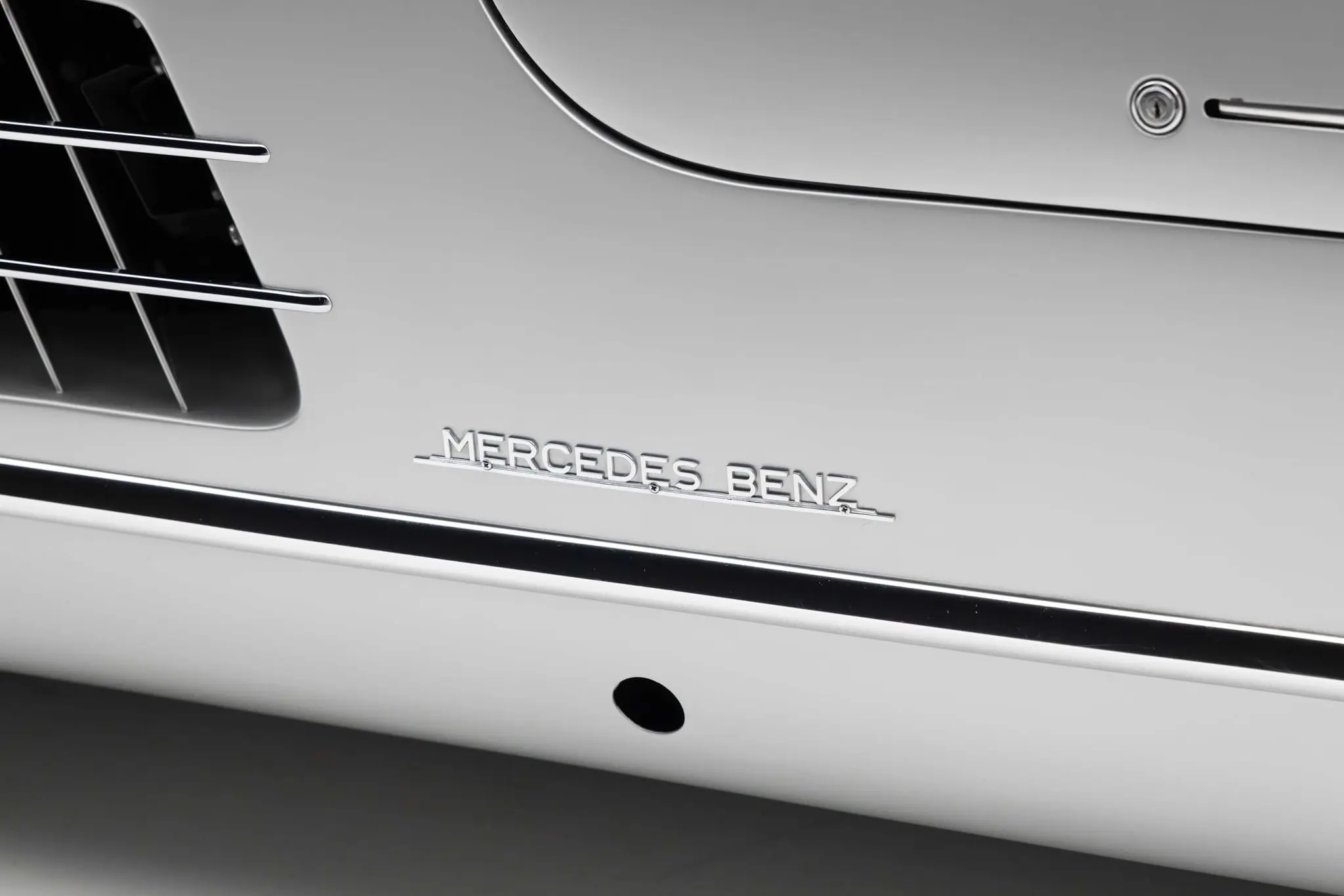
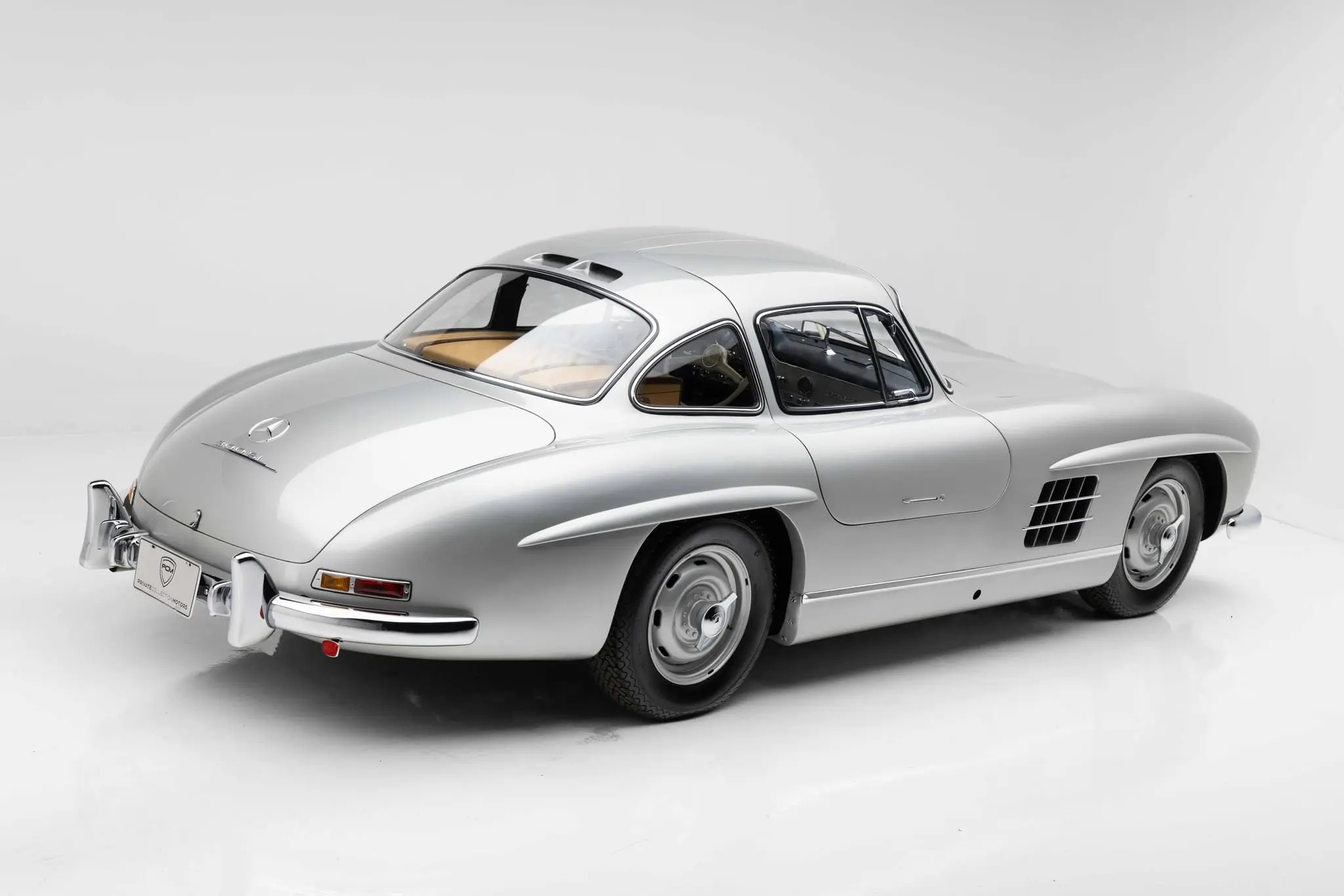
Mercedes-Benz constructed the body primarily from steel, incorporating aluminum panels for selected components, including the hood, trunk lid, door skins, rocker panels, and floorboards. The resulting silhouette remains instantly recognizable, but the car’s engineering is equally important to its legacy.
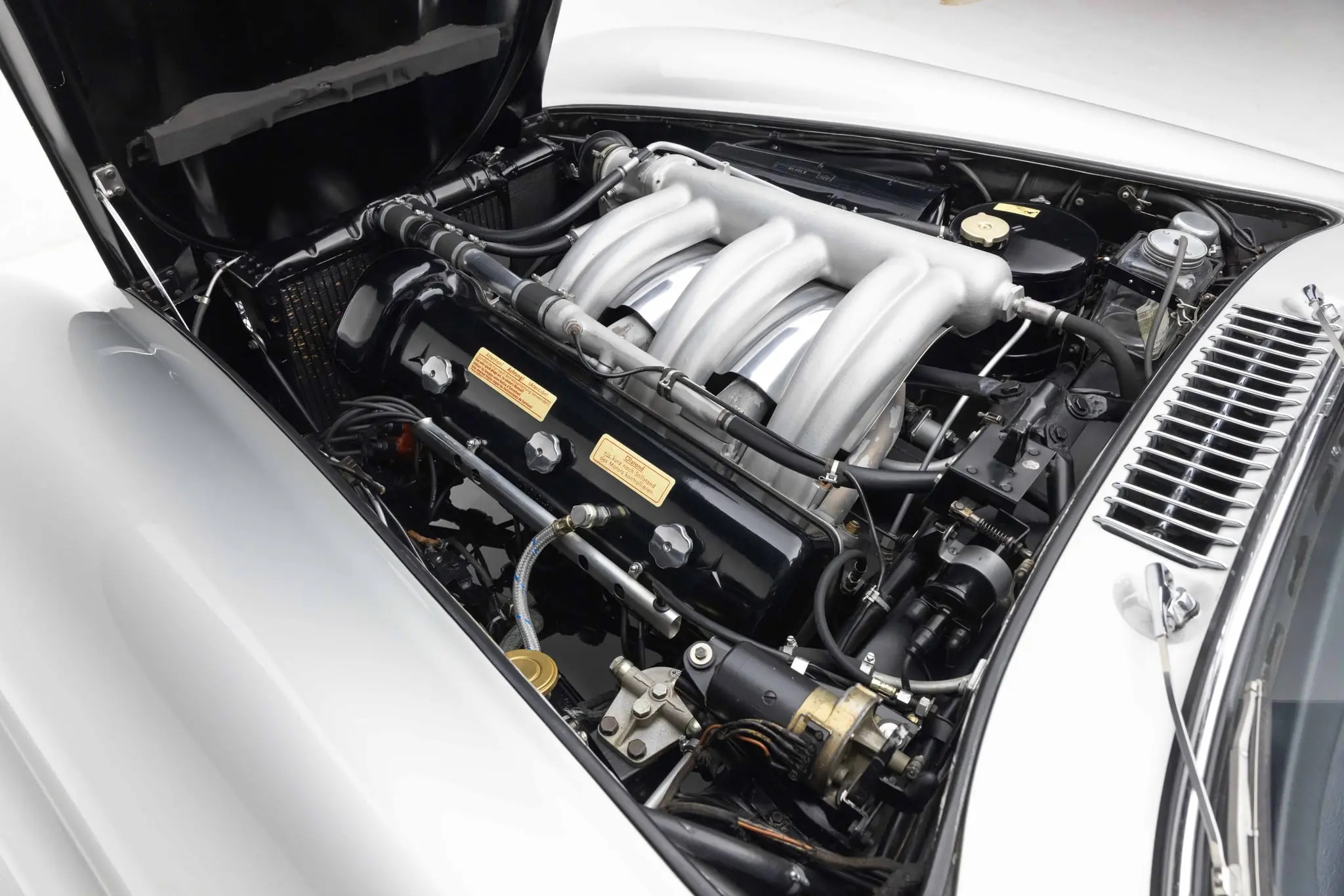
Power comes from a 3.0-liter M198 inline-six featuring a single overhead camshaft, Bosch mechanical direct fuel injection, and dry-sump lubrication. The engine’s inclined installation helped accommodate a lower hoodline, while its factory-rated output of 215 horsepower at 5,800 rpm made the 300SL an exceptionally advanced road car for its era. A fully synchronized four-speed manual transmission sends power to the rear wheels.
According to the listing, the car was originally ordered by Franz II, Count of Erbach-Erbach and Wartenberg-Roth, and reportedly delivered to his palace in Germany on May 4, 1955, by Mercedes-Benz sales agent and former racing driver Rudolf Caracciola. It was sold to an American service member in 1957, subsequently imported into the United States, and acquired in 1970 by a member of the Gullwing Group.
Long-term stewardship included servicing by Mercedes-Benz specialist Paul Russell and refurbishment work spanning several decades. The car was refinished in its factory silver shade, DB180, during work in the late 1970s and early 1980s. Further refurbishment followed in the mid-2000s, while later ownership brought additional cosmetic updates.
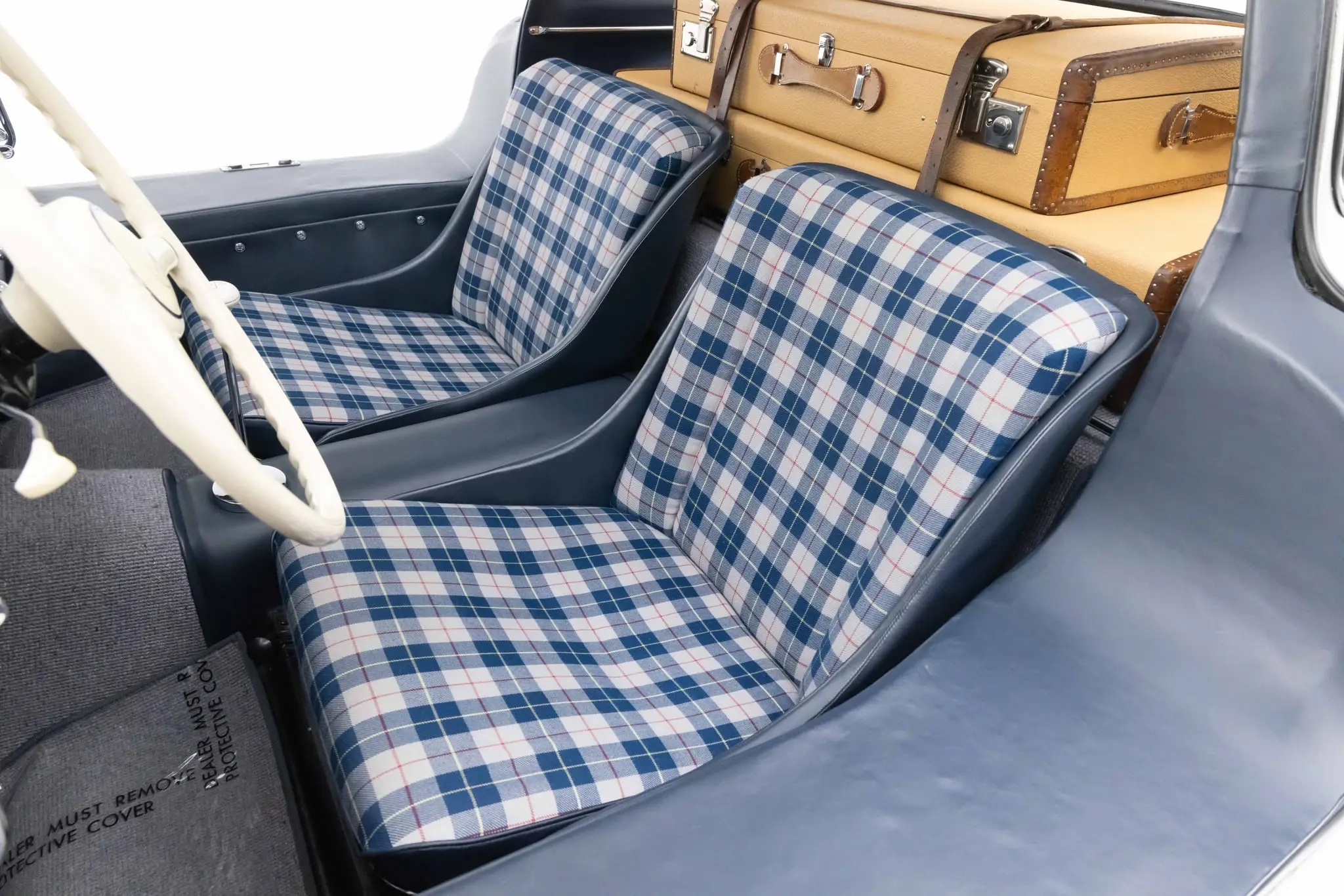
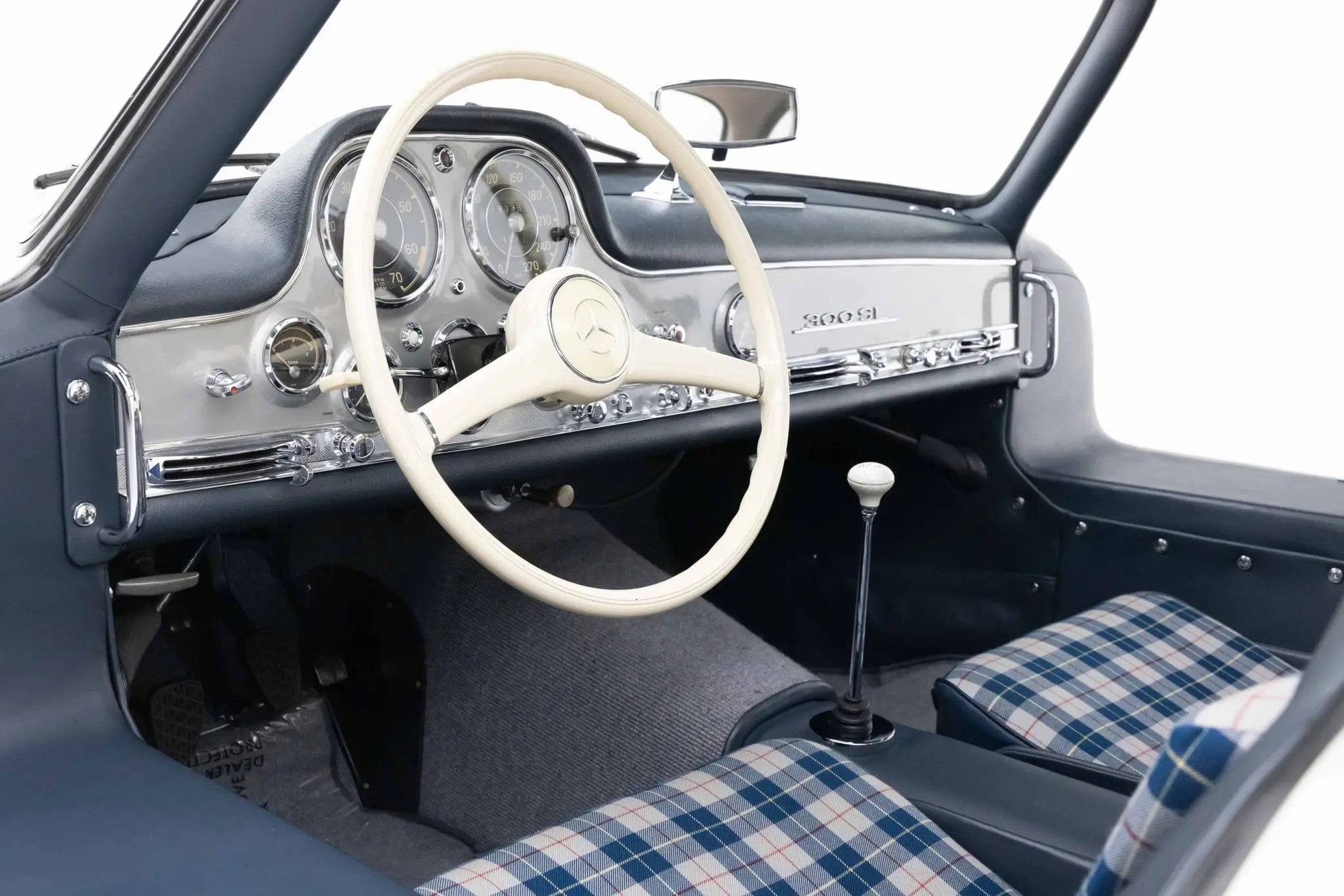
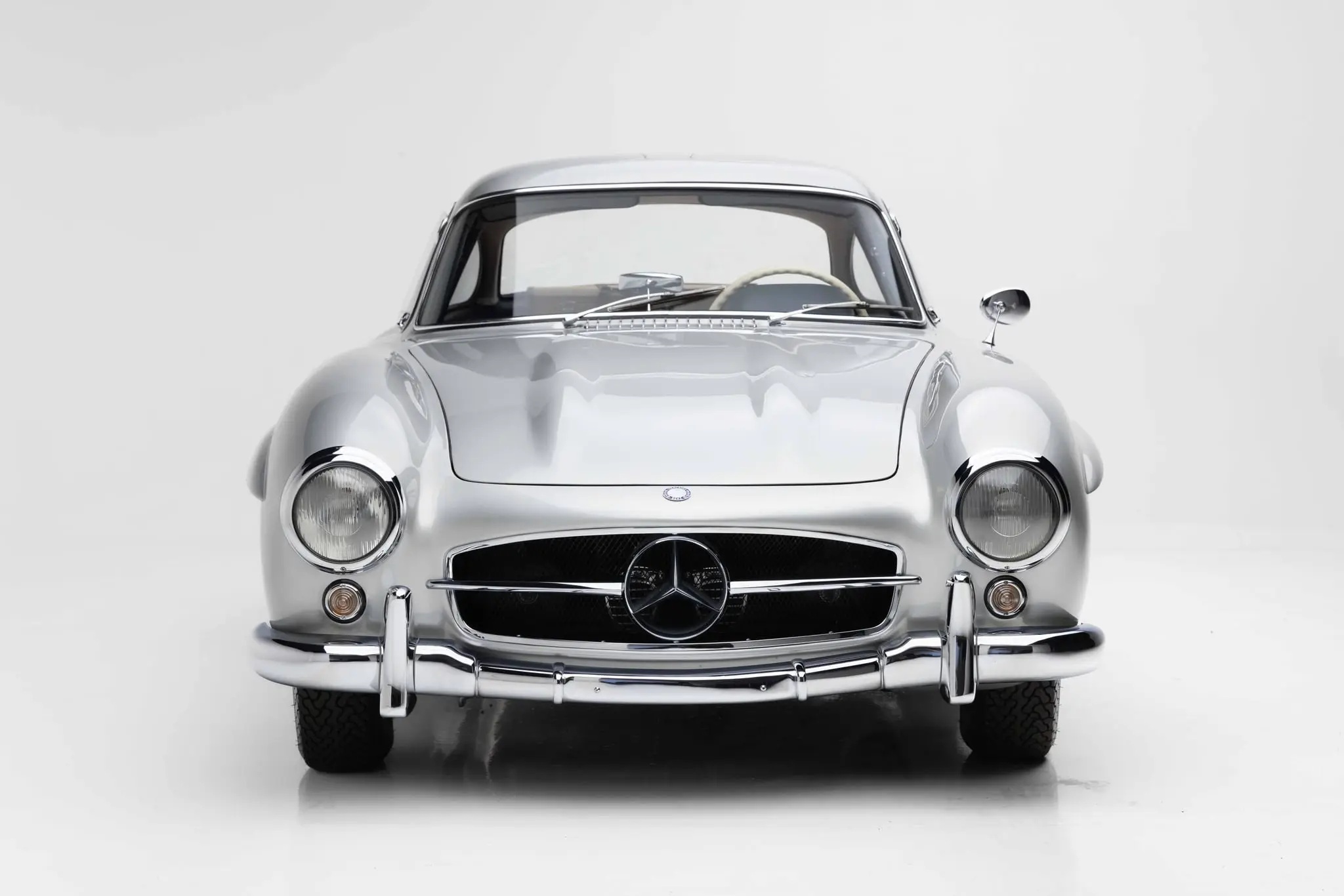
The exterior features silver-painted 15-inch Rudge wheels secured by chrome two-eared knock-offs, Blockley tires, and Bosch European-specification headlights installed in 2020. Inside, blue vinyl upholstery and blue plaid gabardine fabric were fitted in 2022, complemented by gray carpeting, an ivory-colored shift knob, and period-style VDO instrumentation.
The five-digit odometer displays approximately 16,000 kilometers, or 10,000 miles, although the total mileage is unknown. The listing also identifies the engine as number 198.980.5500285, and photographs document identification markings on the chassis and other components. A two-piece set of tan-leather-trimmed Karl Baisch luggage accompanies the car.
Source: Bring a Trailer