Normally, we look back at car history when a model turns 25 or 30 years old. Twenty years are usually no such reason. However, in 2006, exactly 20 years ago, Nissan moved its American headquarters out of Gardena in the South Bay of Los Angeles, where the company had been based since 1960. For several decades, this part of Southern California was the American home of the biggest Japanese carmakers. So we like to take this anniversary as an occasion for a little look back at how the South Bay became their front door to America.
Why Japan’s Carmakers Set Up Shop in the South Bay
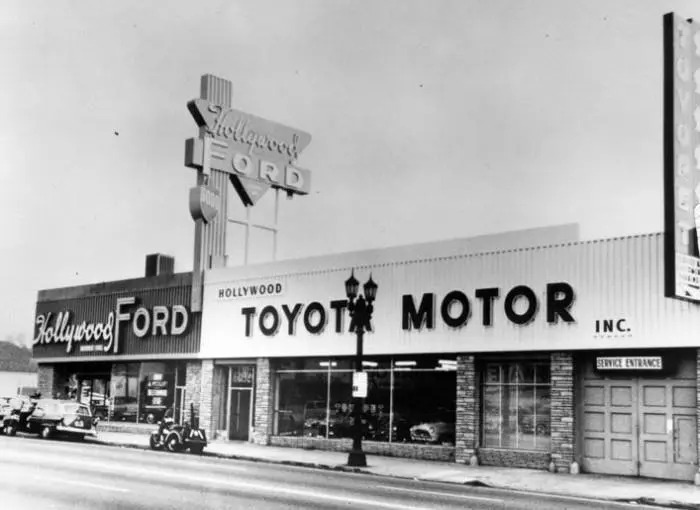
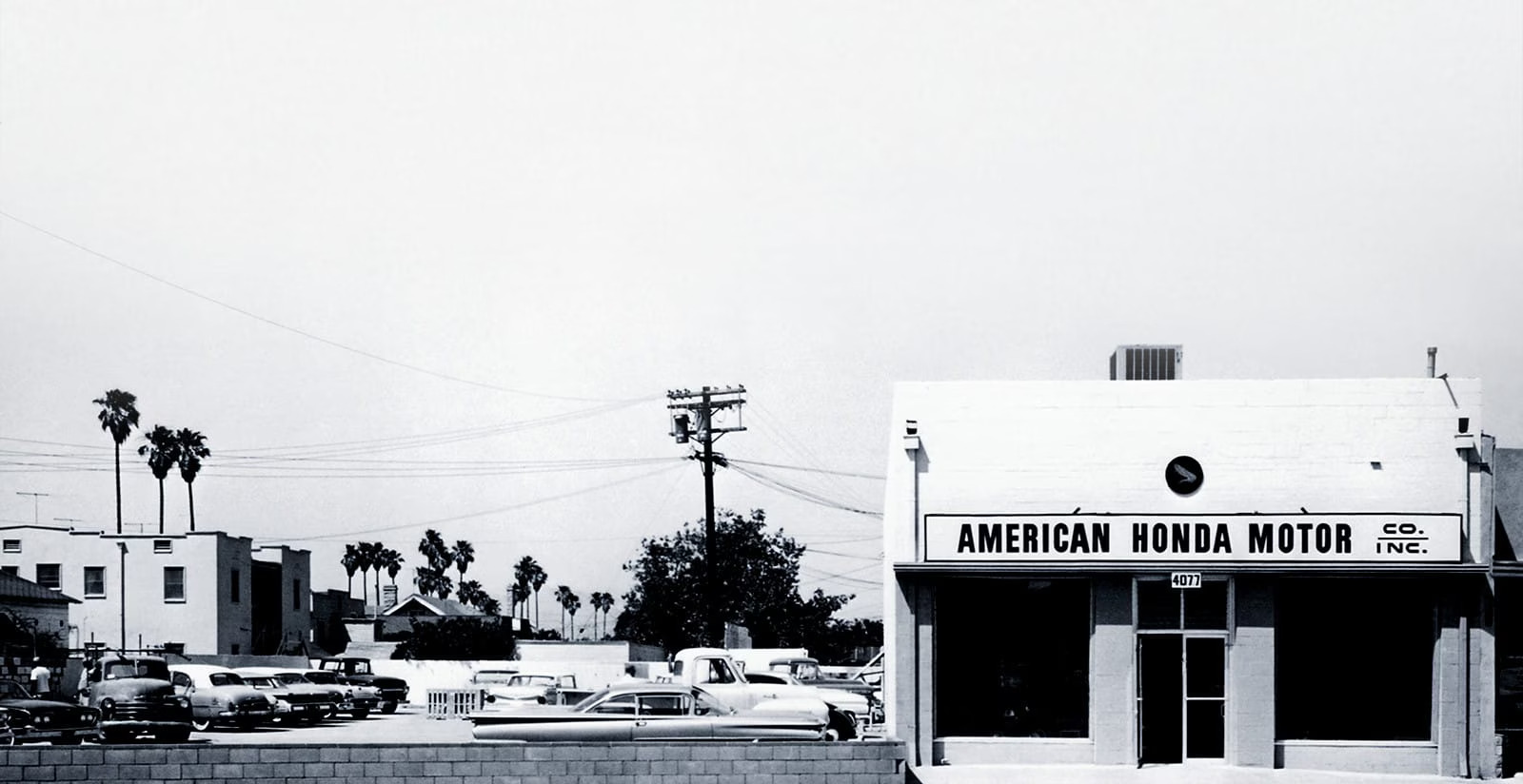
It all started on October 31, 1957, when Toyota Motor Sales, USA was founded in a former Rambler dealership in Hollywood. In 1958, its first year of sales, Toyota sold only 287 copies of the Toyopet Crown and a single Land Cruiser. On June 11, 1959, Honda followed with American Honda Motor Co., its first subsidiary outside of Japan. With three employees and a capital of $250,000, the company sold only motorcycles from a storefront at 4077 West Pico Boulevard in Los Angeles. In September 1963 the growing company moved south to a bigger building at 100 West Alondra Boulevard in Gardena.
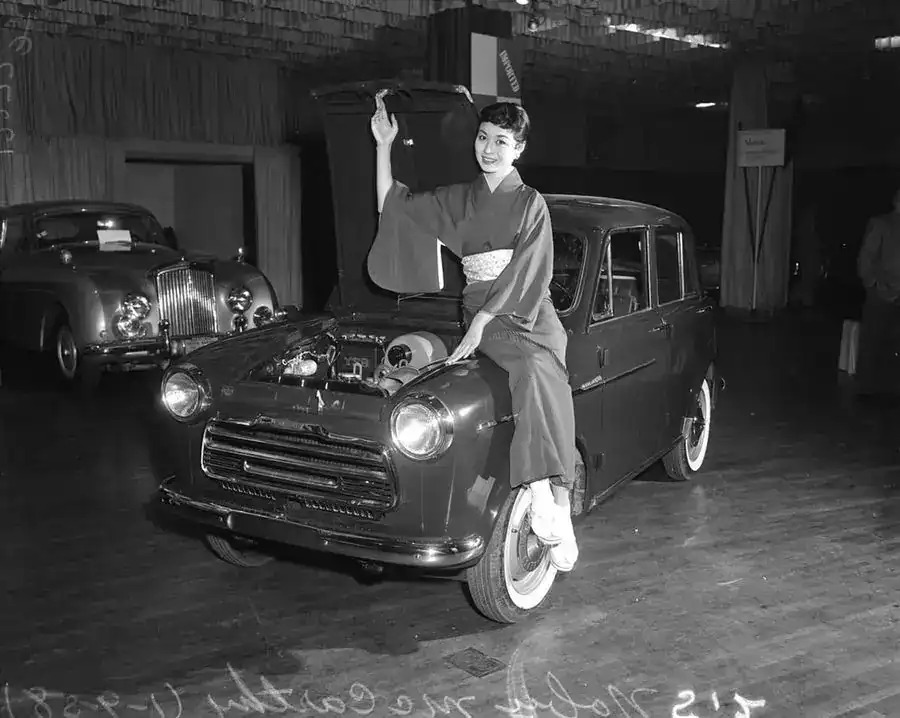
At this time Nissan was already in town, because in 1960 it had founded its own American distributor, Nissan Motor Corporation USA, right there. Originally, there were plans to open the head office in New York, but Yutaka Katayama, who knew the regional car markets in the United States well, insisted on Los Angeles and got his way. Later the Nissan campus grew at 190th Street and South Figueroa Street.
Mr. K, the 240Z and the BRE Years
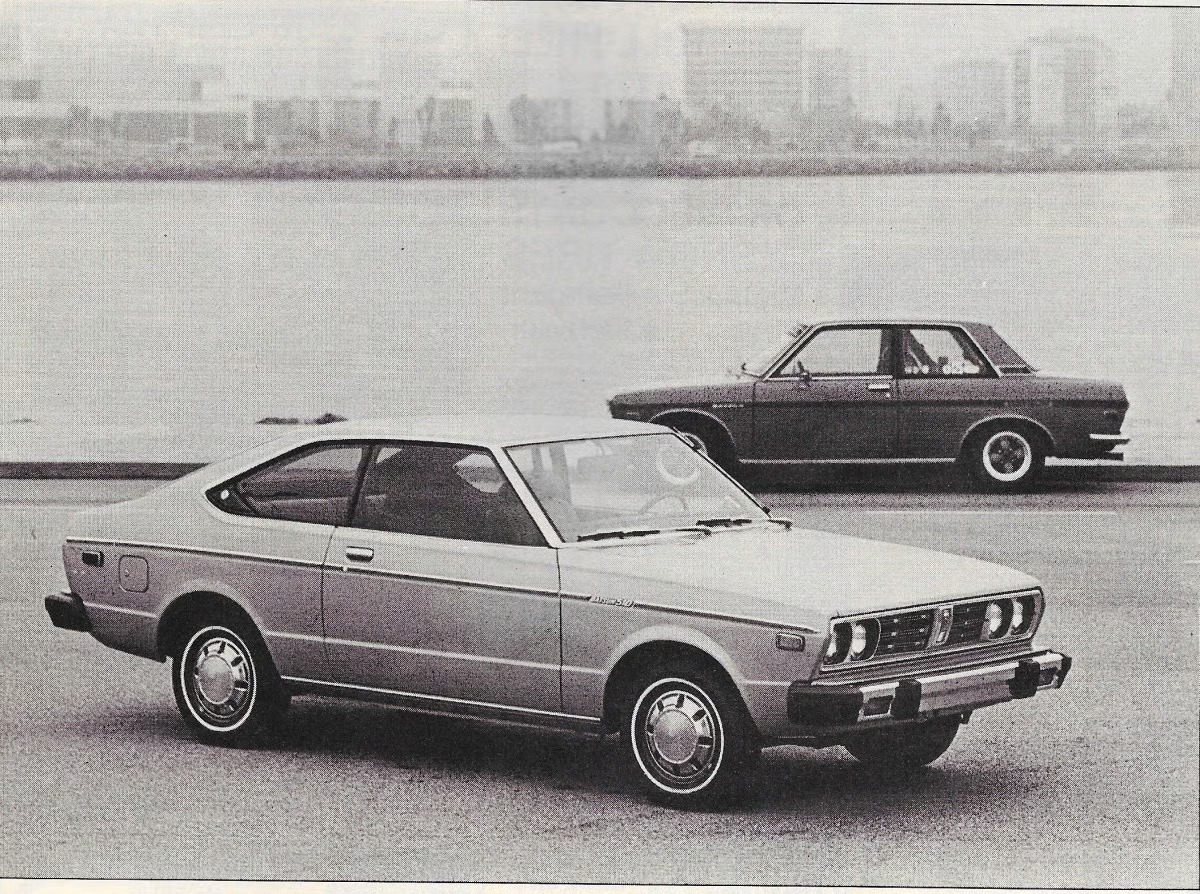
The man behind Datsun’s success in America was the same Yutaka Katayama, who became known simply as ‘Mr. K’. He started in 1960 as vice president of Nissan Motor Corporation USA and became its president in 1965. From the beginning he pushed for sportier cars, and in 1968 the Datsun 510 arrived with a 1.6-liter engine that suited the American roads much better. Two years later followed his most important project, the Datsun 240Z, whose 2.4-liter inline six delivered 151 hp.
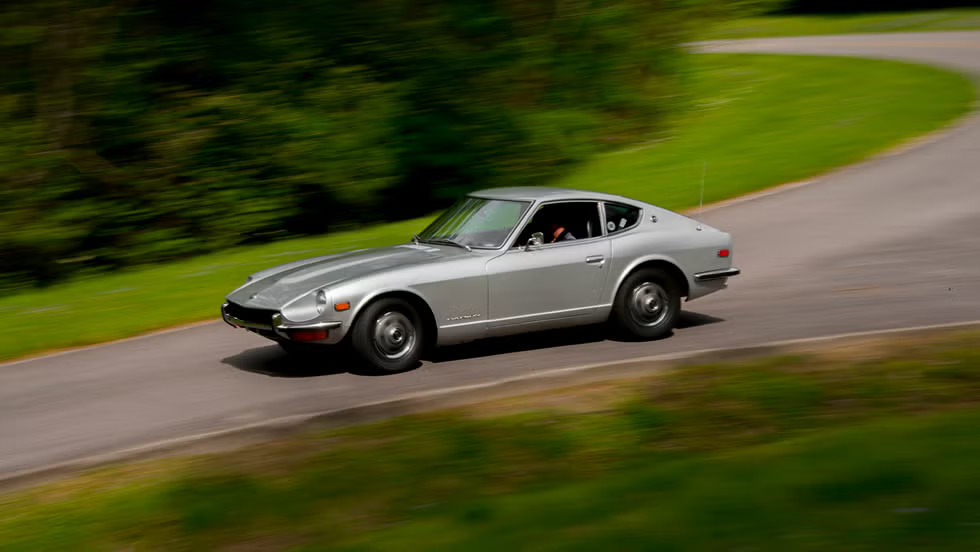
In Japan the car was sold as Fairlady Z, but in America it got the name 240Z. Next to that, Datsun also found its way onto the racetrack. In 1968 Toyota had contracted Peter Brock and his Southern California-based Brock Racing Enterprises (BRE) for two 2000GT race cars, but finally gave them to Carroll Shelby. Correspondingly, Brock approached Datsun, and BRE became its factory team on the West Coast. With John Morton at the wheel, BRE won the SCCA C Production national titles in 1970 and 1971 with the 240Z and the Trans-Am championships for cars under 2.5 liters in 1971 and 1972 with the 510. Katayama retired in 1977.
The Headquarters Moved On and the Cars Stayed
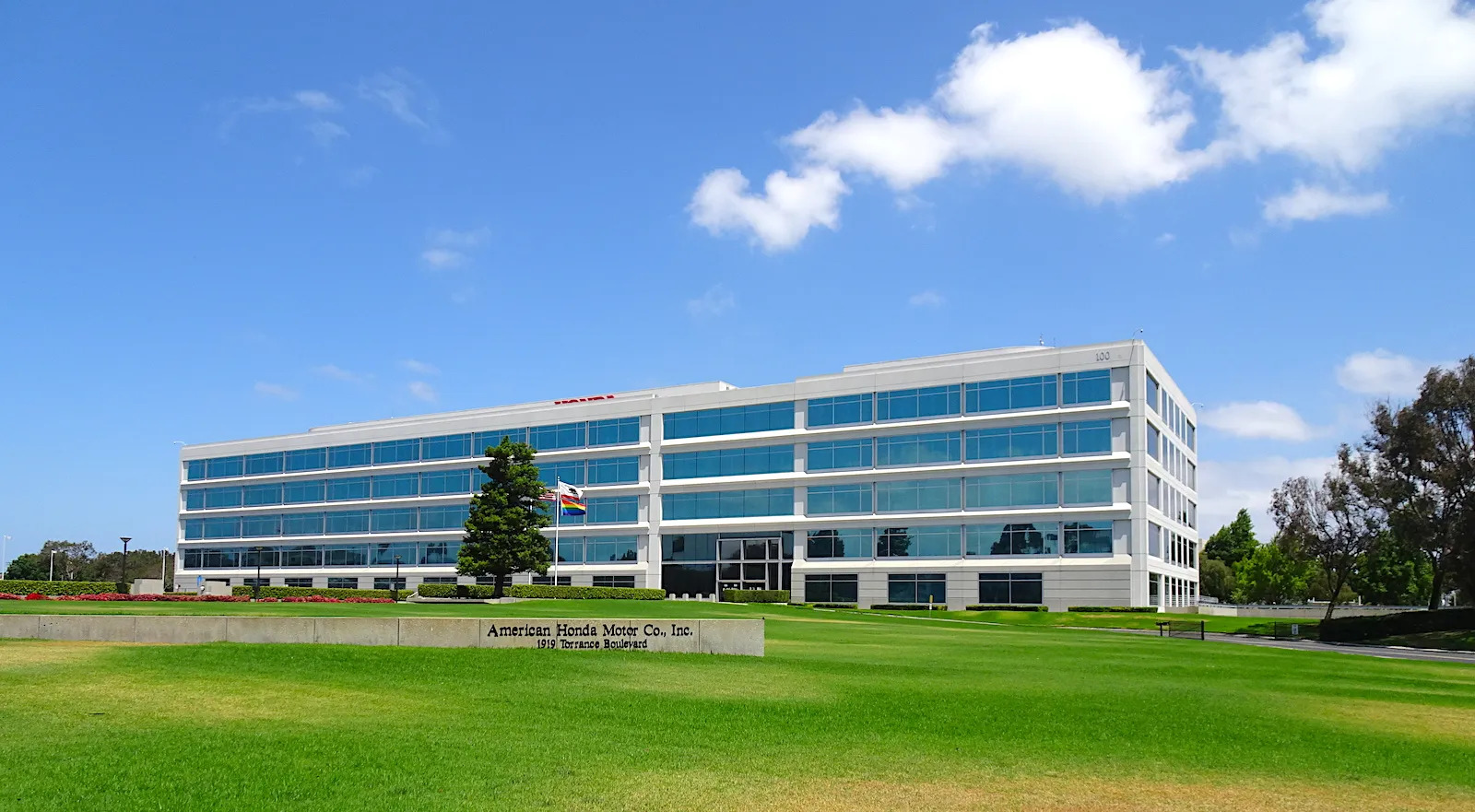
The first change came in 1990, when American Honda left Gardena after 27 years. Since then, the company has been based at 1919 Torrance Boulevard in neighboring Torrance, where Toyota had already opened its national sales and marketing headquarters in 1982. The bigger blow followed in November 2005, when Nissan CEO Carlos Ghosn announced that the North American headquarters with nearly 1,300 jobs would leave Gardena for the Nashville area in Tennessee, mainly because of the lower cost of doing business there.
Katayama, by then already 96 years old, had written to Ghosn a few weeks before and warned that the move would hurt the company he had helped to build, but this didn’t change anything. In 2006 Nissan left and sold its campus of 17 hectares (43 acres). Toyota followed a similar path, and by 2017 its operations had moved from Torrance to Plano, Texas. Whether these decisions were right or wrong is a question for business people. For car enthusiasts, it matters more that the cars sold through Southern California dealers during all these decades did not move along with the offices.
Where South Bay Project Cars Come From Now
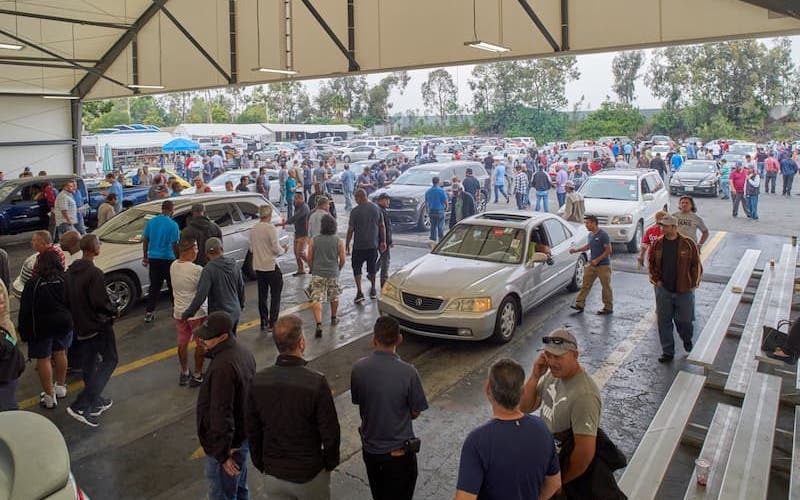
Whoever looks for a car auction Los Angeles, CA today will quickly come across a yard at 18300 South Vermont Avenue in Gardena, just a short drive from the former Nissan campus. At the time of writing, it listed more than 1,500 vehicles, and the most common makes were exactly those with a history in the South Bay, with Toyota at 251 cars, Honda at 169 and Nissan at 134. The auction is open to the public without a dealer license, and every listing shows the type of damage and the odometer status. However, salvage titles clearly outnumber the clean ones, which makes the yard more interesting for donor engines or a project car than for a classic ready for the next show. So it makes sense to study the photos closely and to check the home state’s rules for rebuilt cars before bidding. The history of Japanese cars in the South Bay is long and eventful. It continues every time an old Nissan or Honda from a Gardena yard finds a new owner, so there will be enough new stories to tell when we look back again in five years.