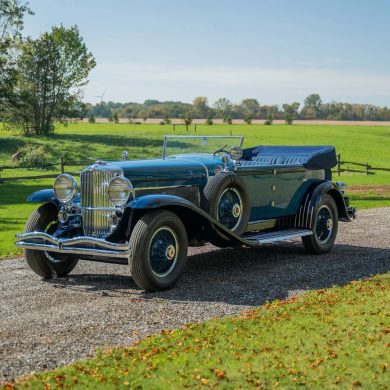


Now offered for sale on Bring a Trailer, this 1929 Duesenberg Model J represents one of the rare surviving examples of the marque’s legendary flagship, with approximately 481 Model J chassis produced across all variants from 1928 through 1937.
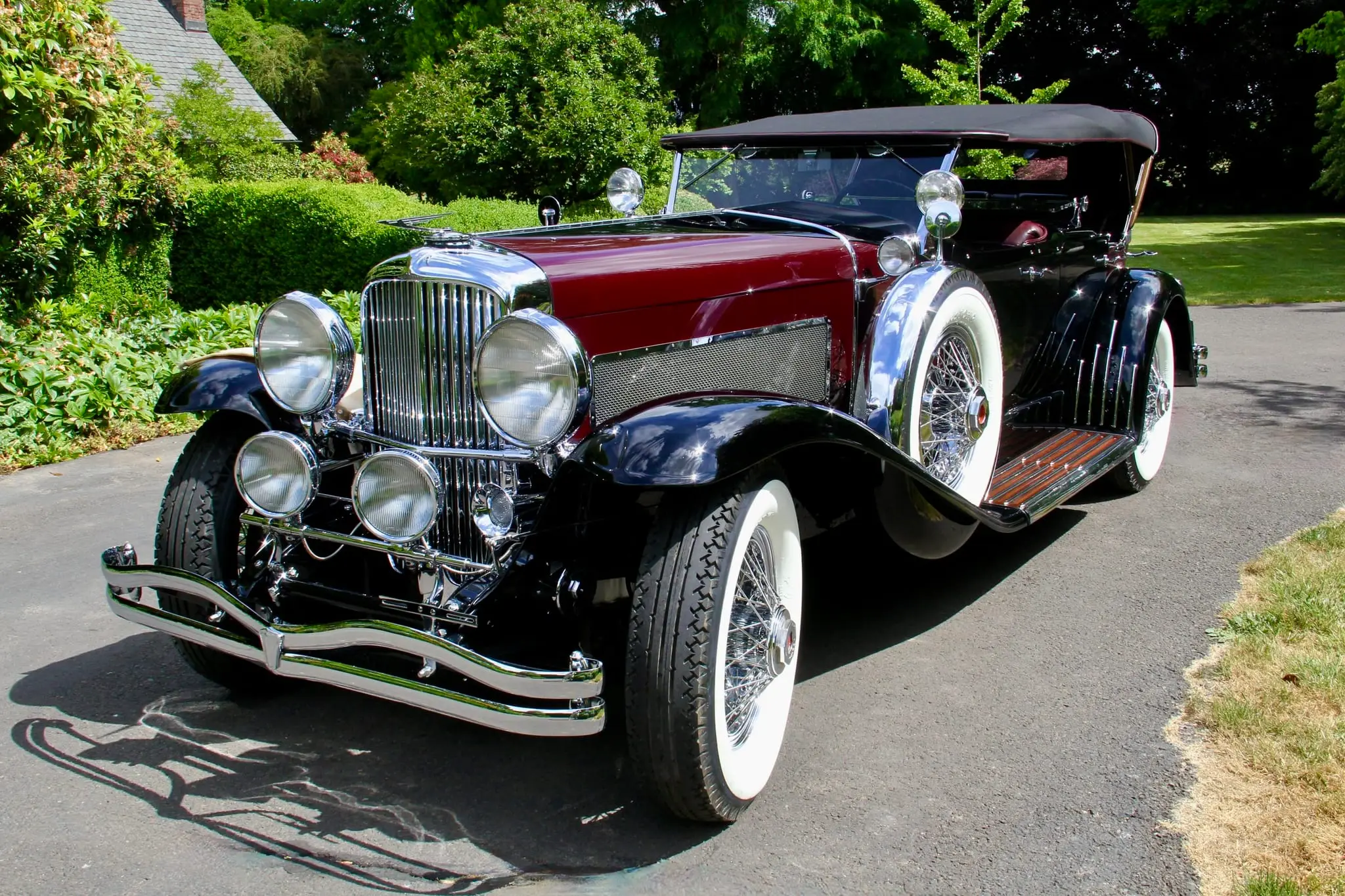
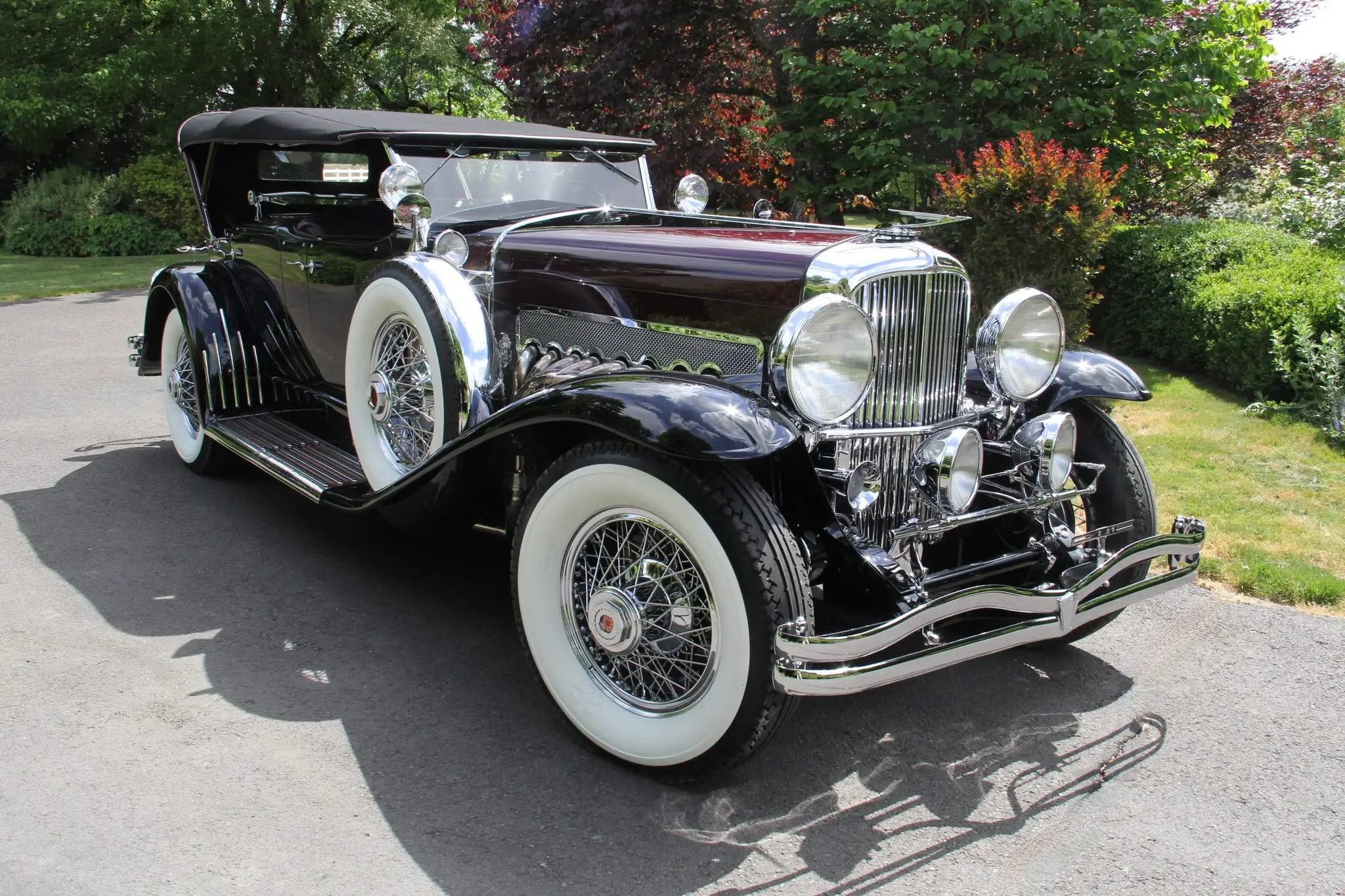
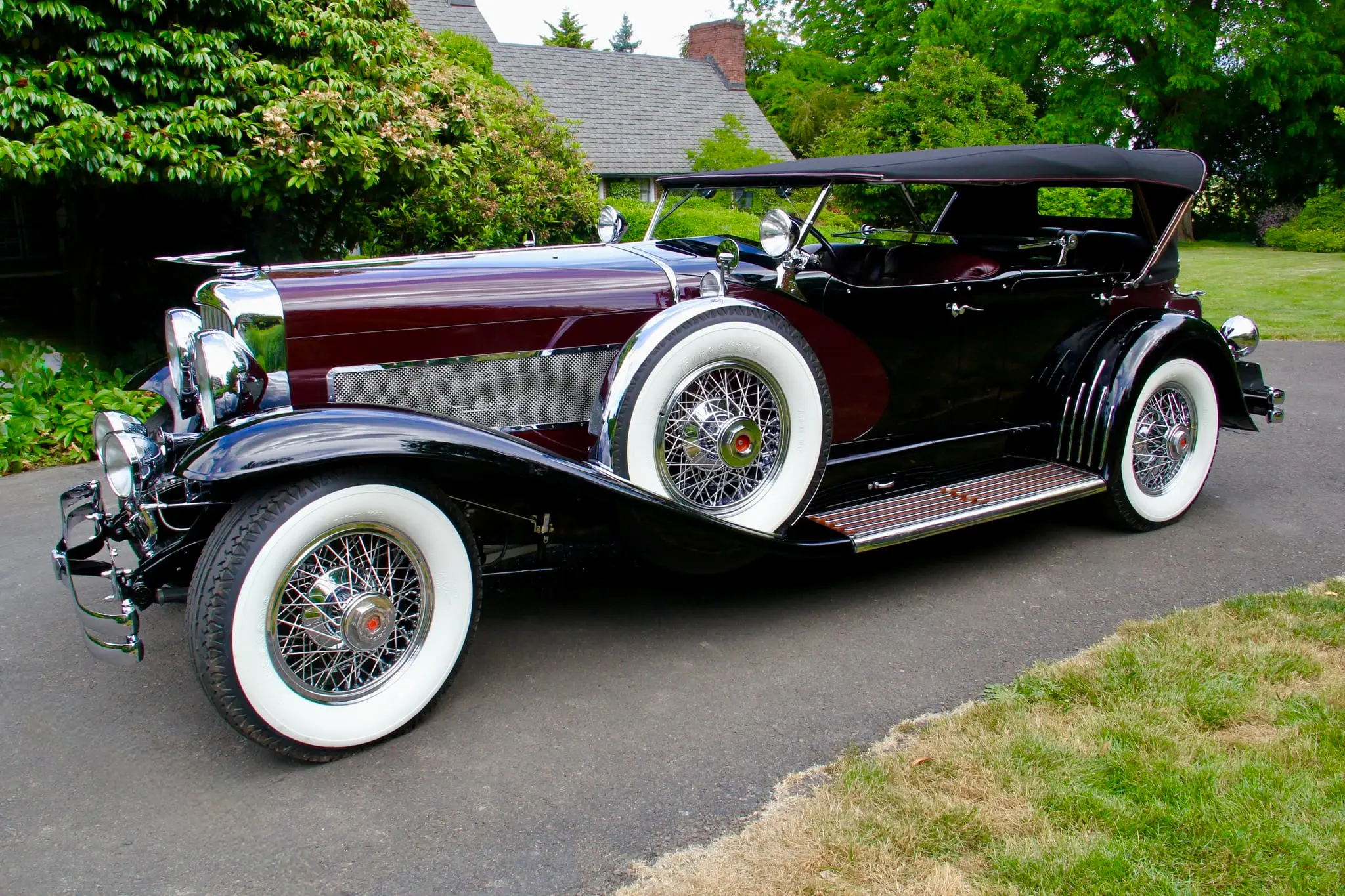
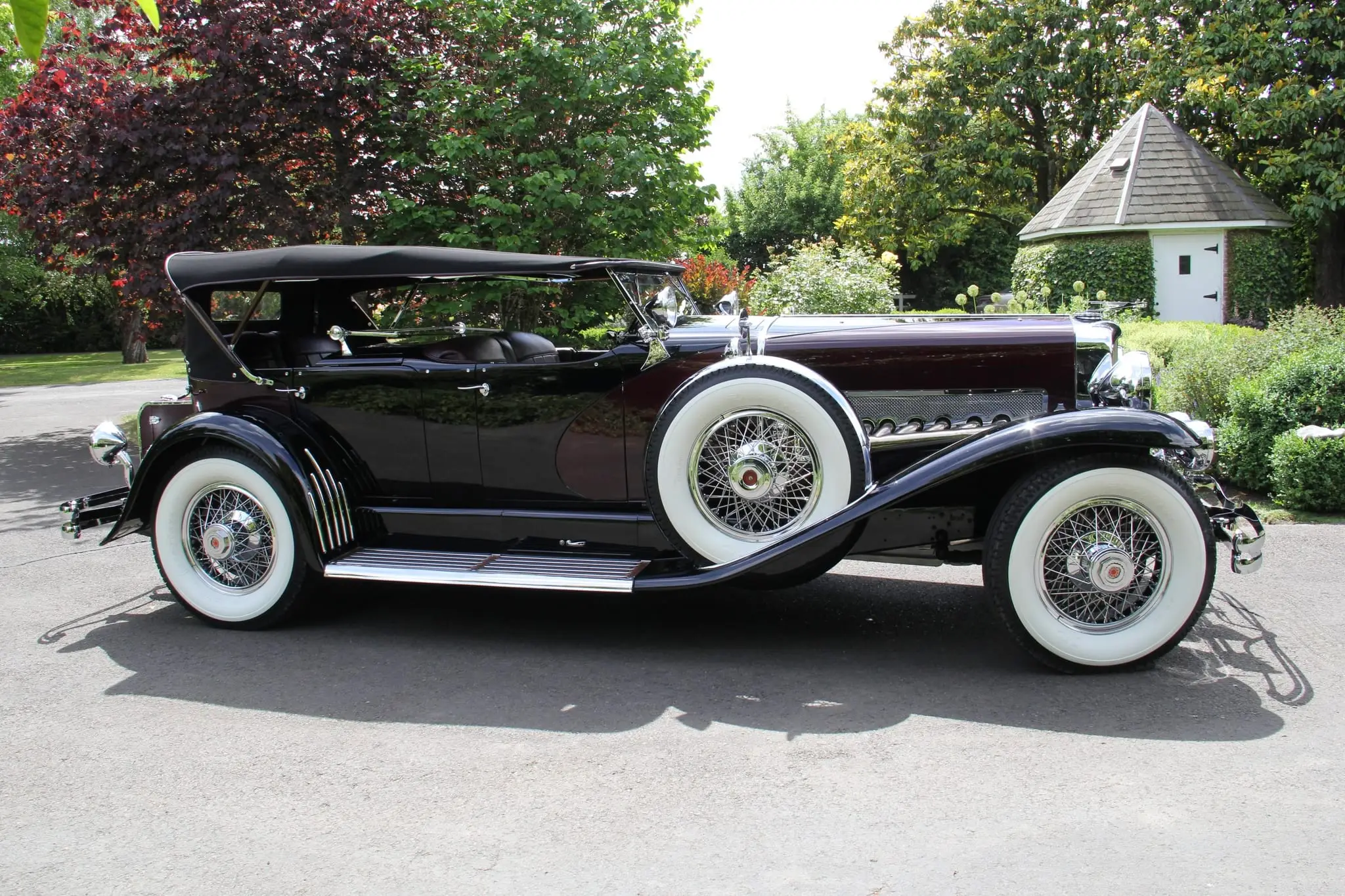
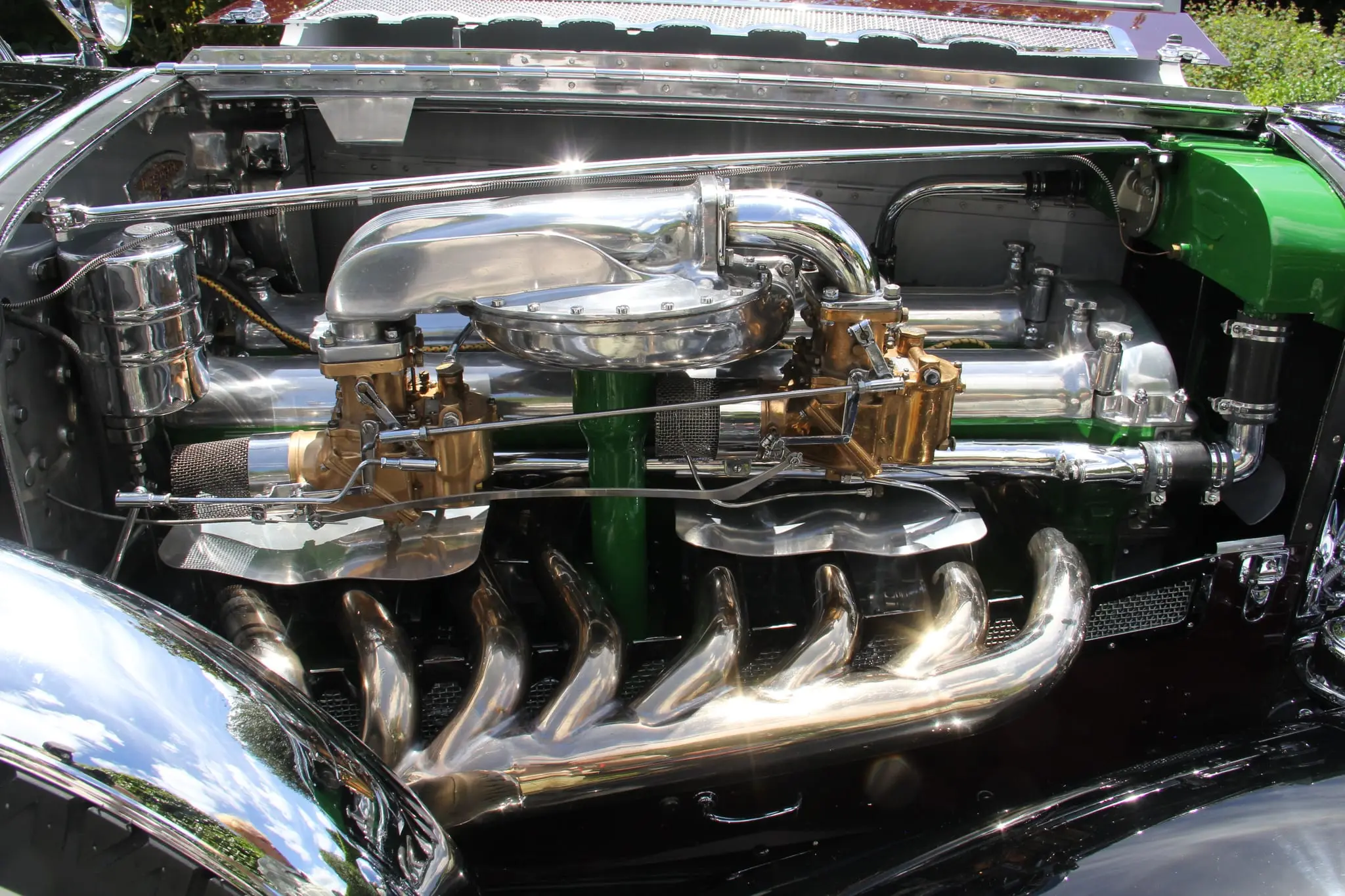
Chassis 2158 was originally built as a naturally aspirated, short-wheelbase Model J wearing a dual-cowl phaeton body by LeBaron. According to its history, the car was displayed at the October 1929 Paris Salon de l’Automobile before returning to the United States, where it was acquired in New York by Argentine millionaire and racing driver Martín Máximo Pablo de Álzaga Unzué. After participating in various events, an engine failure reportedly sent the Duesenberg back to the factory in Auburn, Indiana, around 1934. During that visit, it is believed to have received a replacement engine fitted with a centrifugal supercharger, twin Stromberg UU-3 carburetors, and a distinctive “ram’s horn” intake arrangement.
Back in Argentina, the chassis was shortened and its rear bodywork transformed into a two-seat baquet-style racing configuration. The car subsequently competed in races during 1936 and 1937 before eventually returning to the United States decades later. Collector Ted Billings commissioned an extensive refurbishment that restored the chassis to its original dimensions using a section from another Model J and recreated the rear coachwork.
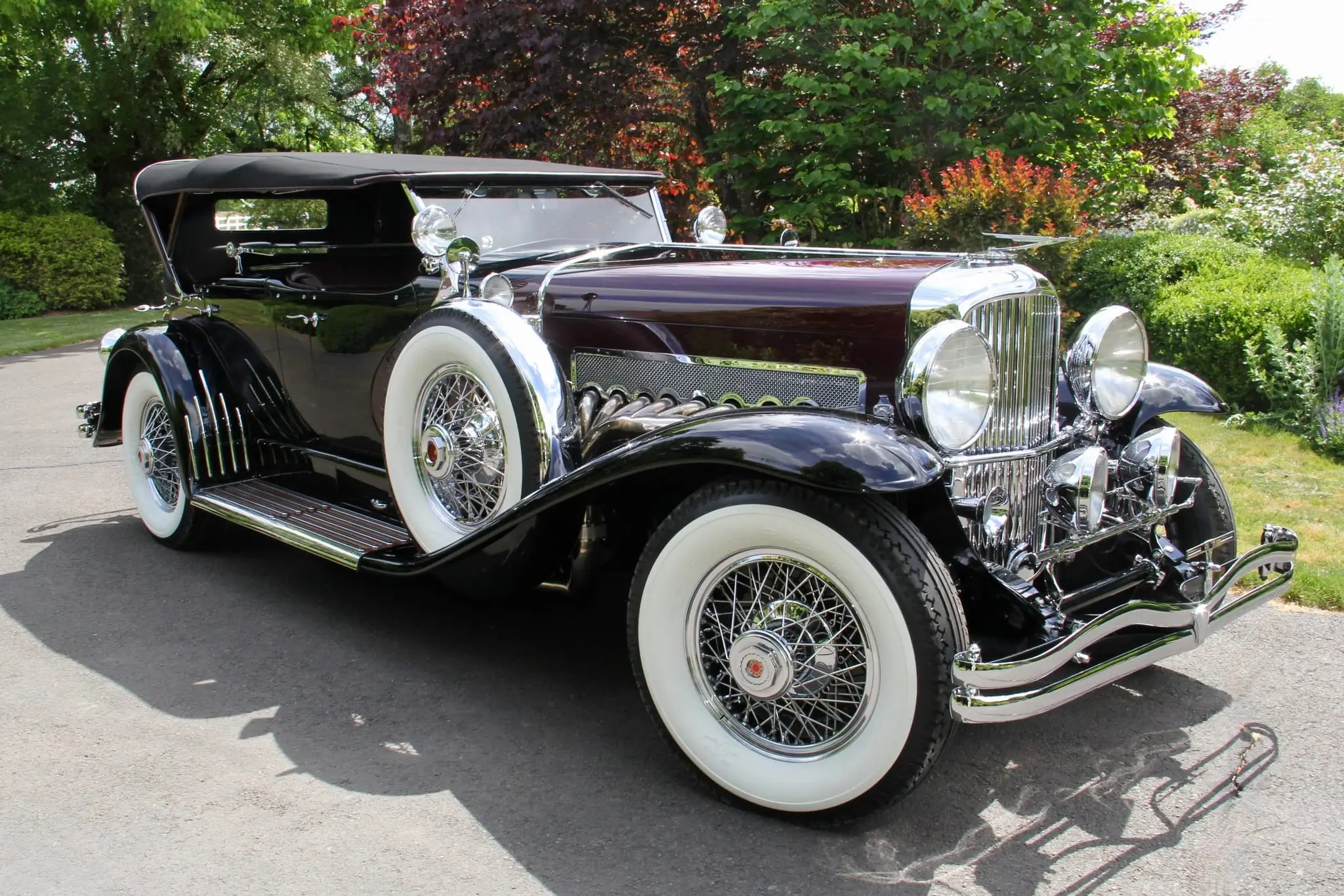
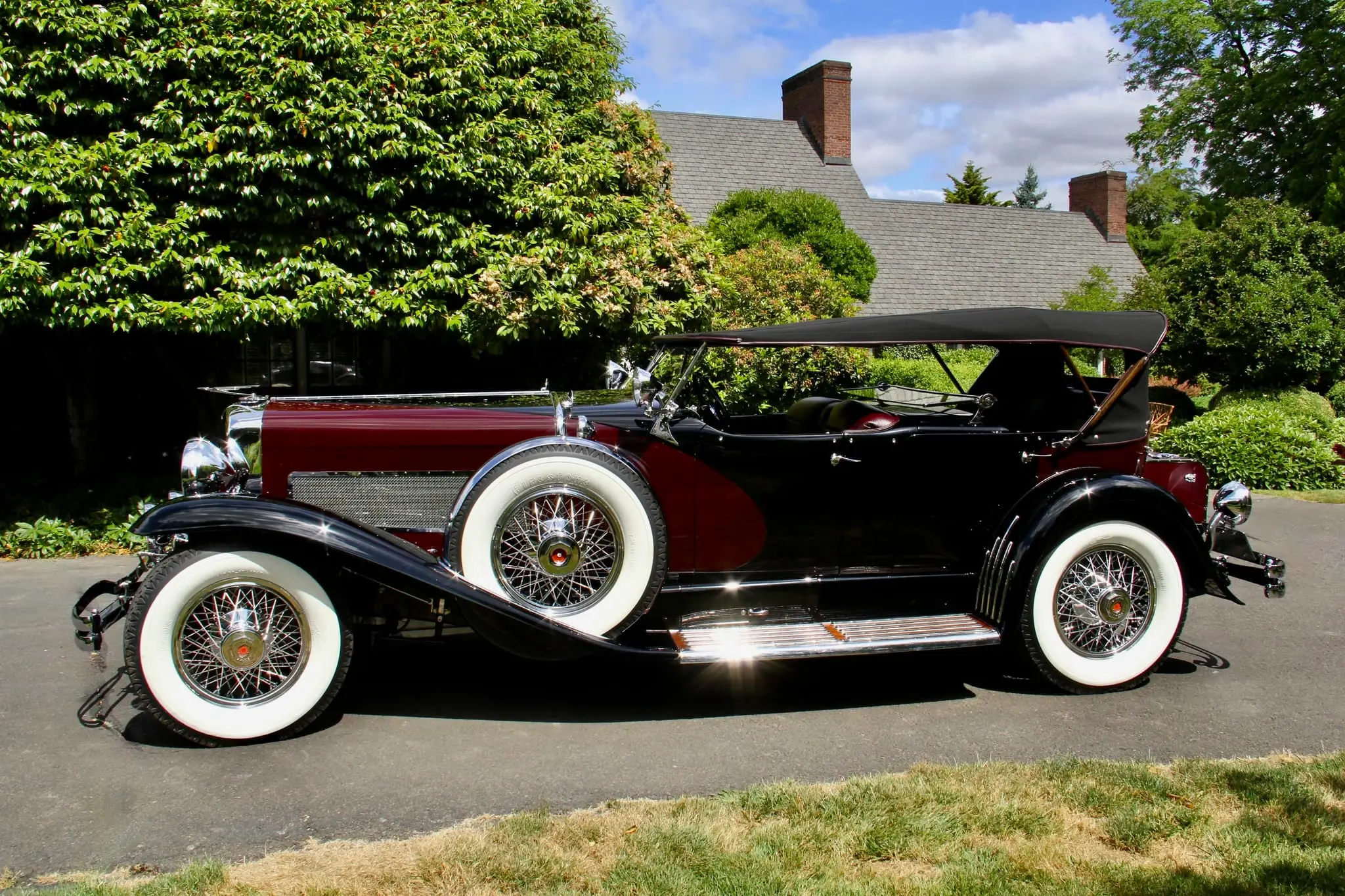
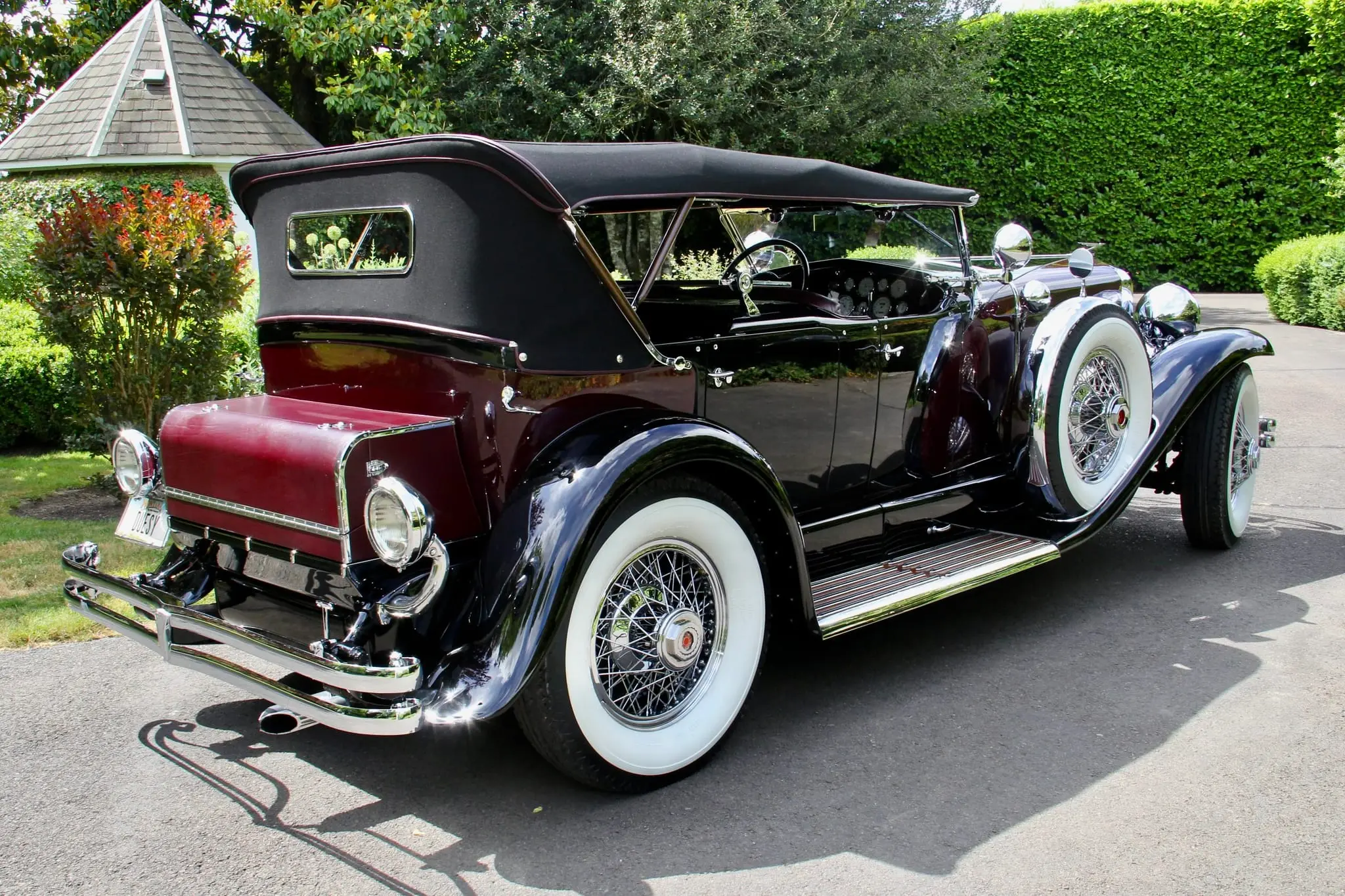
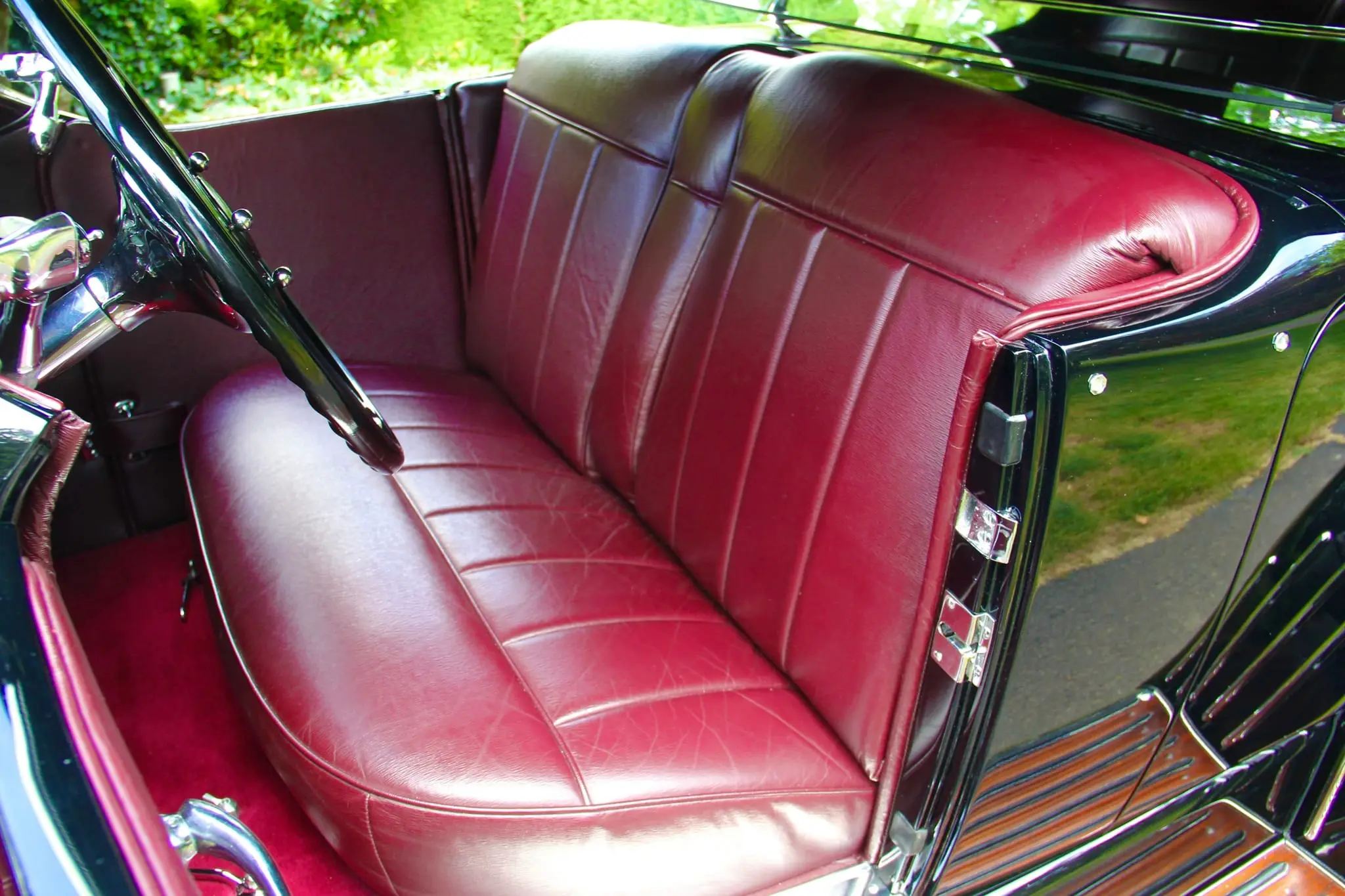
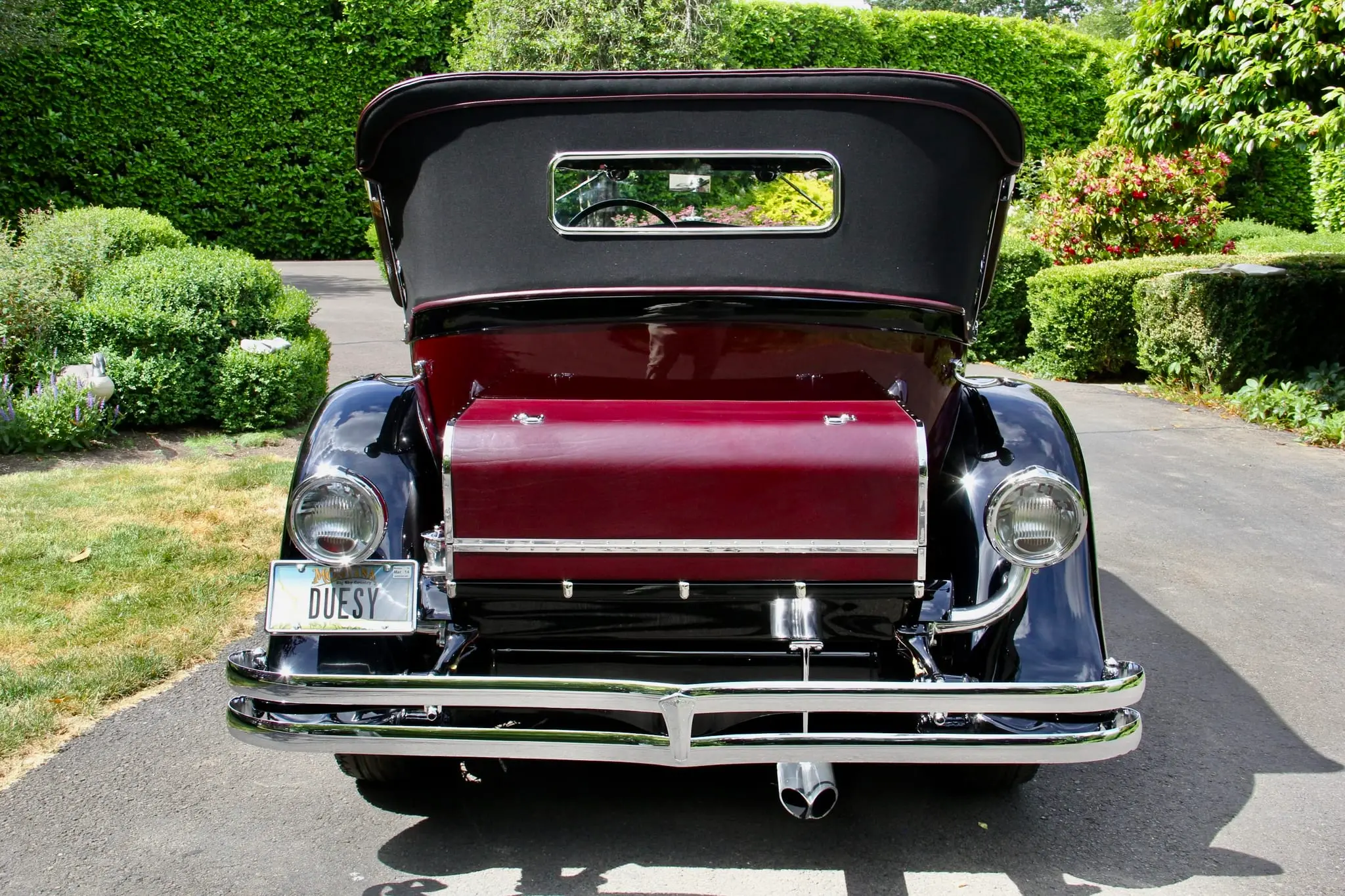
Following its sale to Bill Harrah in the mid-1970s, the Duesenberg spent more than 30 years within the Imperial Palace Auto Collection in Las Vegas, with notable appearances including the Auburn-Cord-Duesenberg Museum and the 2013 Pebble Beach Concours d’Elegance. Its current owner acquired it in 2014 and began an eight-year restoration in 2018, encompassing bodywork corrections, a black-and-maroon repaint, maroon leather upholstery, refinished brightwork, and mechanical refurbishment.
Power comes from a 420-cubic-inch Lycoming inline-eight featuring dual overhead camshafts, four valves per cylinder, aluminum components, and five main bearings. Its unusual induction system combines SJ-style centrifugal supercharging with twin Stromberg carburetors. A three-speed manual transmission drives the rear wheels through a torque tube.
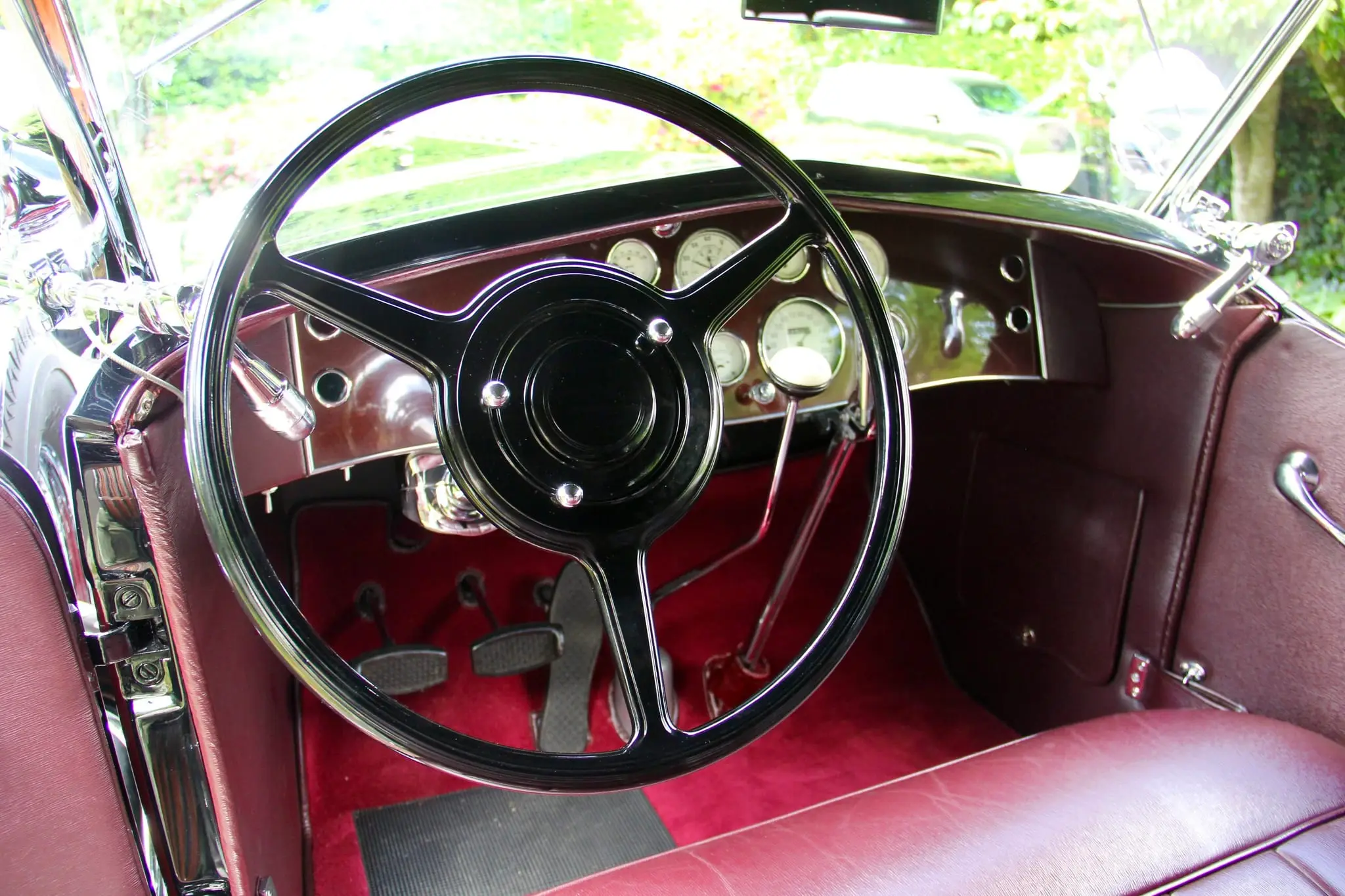
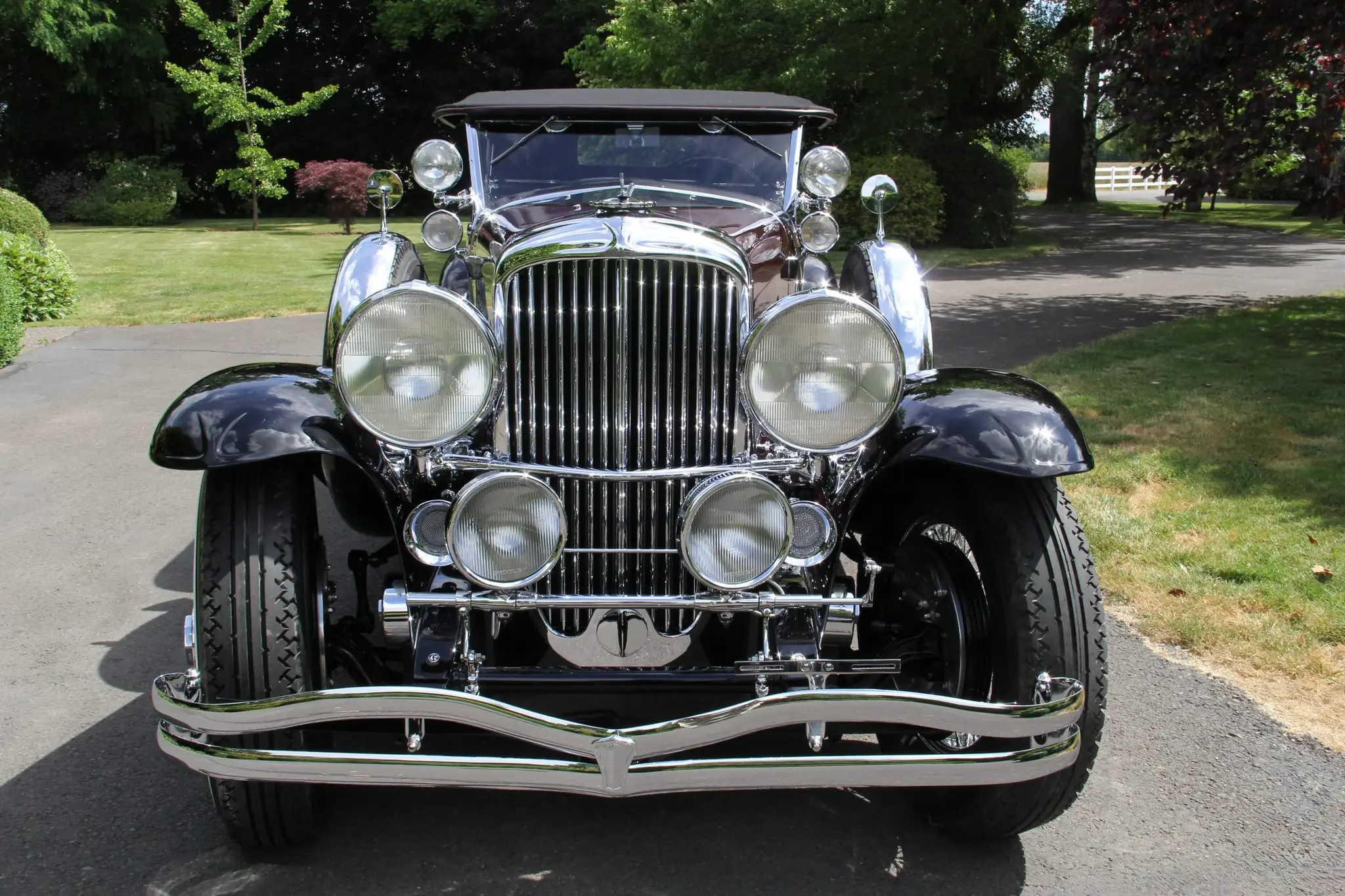
Additional equipment includes 19-inch chrome wire wheels, Firestone wide-whitewall tires, four-wheel hydraulic drum brakes with adjustable vacuum assistance, dual side-mounted spares, a fold-down windshield integrated into the central-cowl tonneau, and a matching maroon trunk. The cabin is finished in maroon leather with wool carpeting, while the engine-turned dashboard incorporates comprehensive instrumentation befitting one of America’s most technically ambitious prewar automobiles.
Source: Bring a Trailer