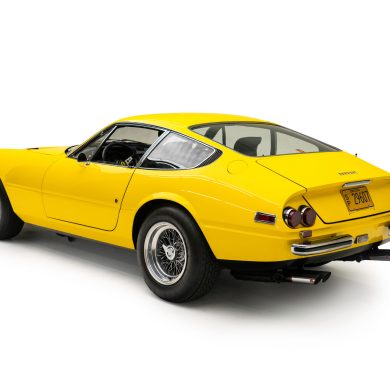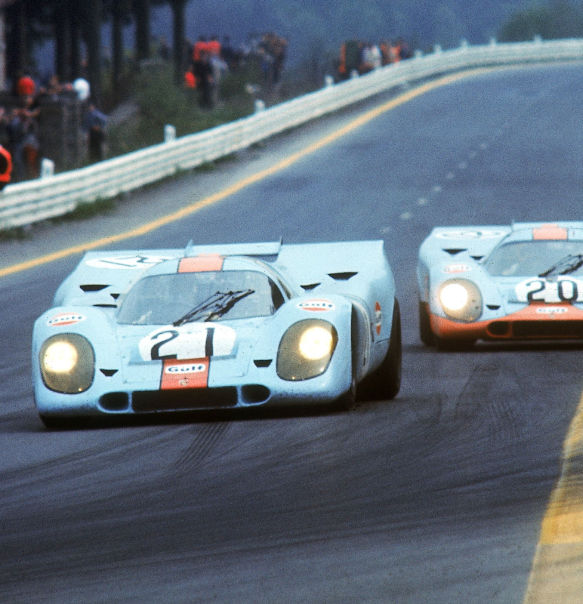

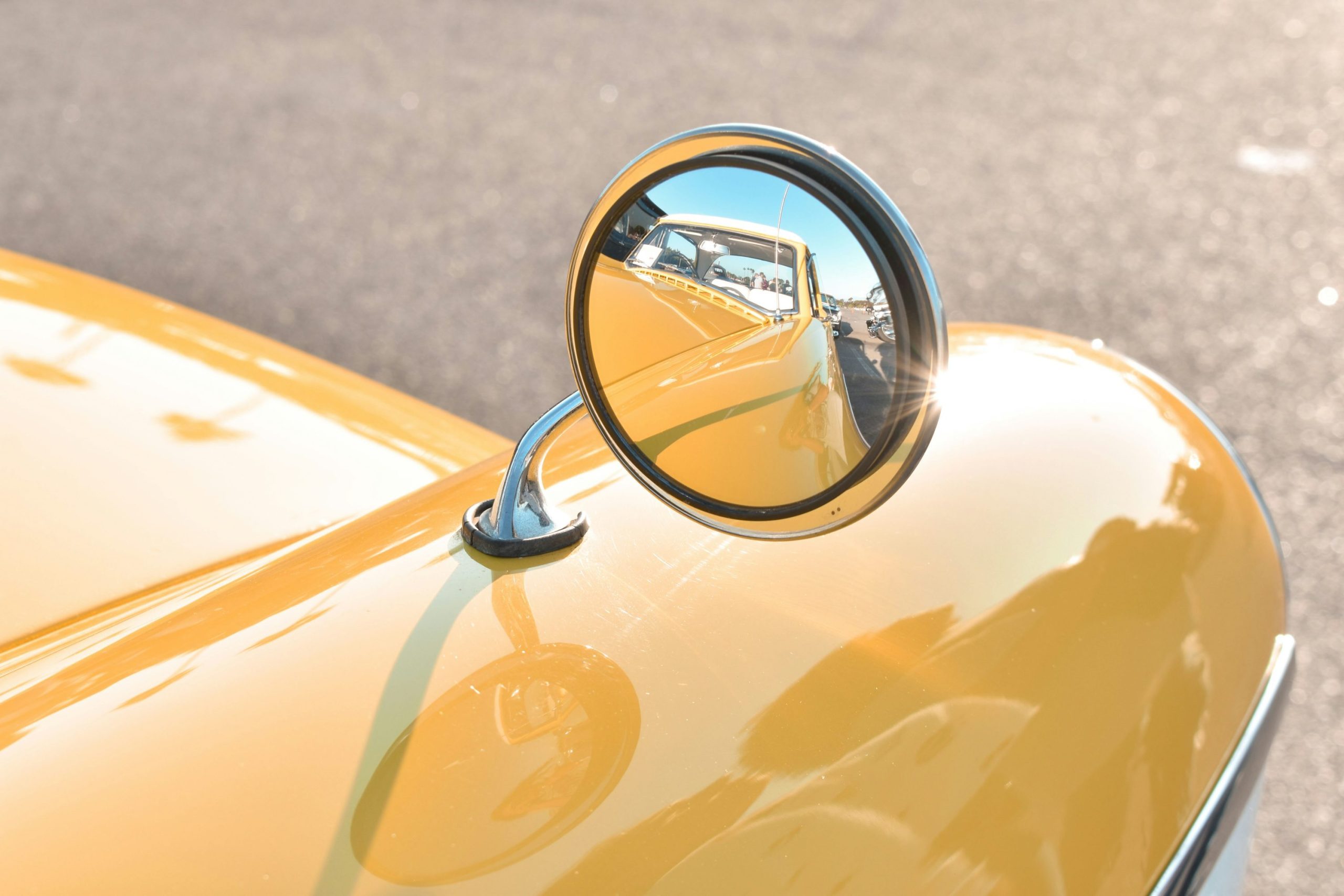

There is a problem at the heart of driving that nobody has ever fully solved. You are moving through space at speed, and you cannot see all of it. Every car ever built has asked its driver to make peace with that fact, and every generation of engineer has tried, in some way, to push the boundary of what a driver can actually know about what surrounds them.
The solutions have changed dramatically over a hundred years. What hasn’t changed is the underlying tension between what the driver needs to see and what the machine actually shows them.
A Mirror Bolted to a Racing Car
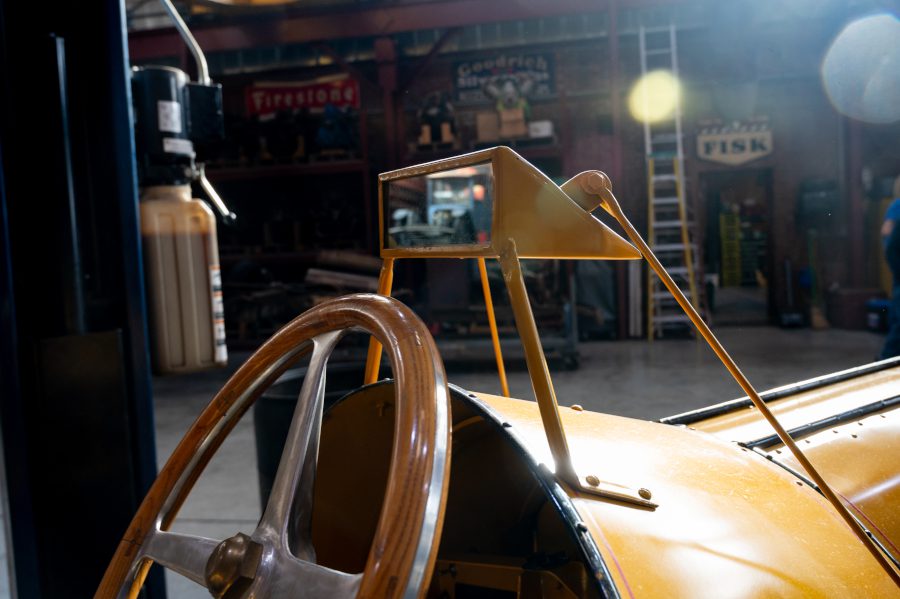
The story usually starts at Indianapolis in 1911, and it’s worth telling properly. Ray Harroun was an engineer before he was a racer, and when he showed up to the inaugural Indianapolis 500 in a single-seat Marmon Wasp, competitors immediately objected. Every other car carried a riding mechanic whose job was partly to watch the traffic behind the car. Harroun had no mechanic. His solution was to bolt a small mirror to the cowl, what the Indianapolis Motor Speedway Museum describes as the first rearview mirror used on an automobile. Harroun later admitted the mirror vibrated so badly on the brick surface that it was mostly useless. He won anyway.
The detail worth sitting with is why the mirror existed in the first place. It wasn’t a comfort feature. It was a direct response to a specific problem: a driver who couldn’t see what was behind him, and a field of competitors who considered that dangerous. The mirror was a workaround, not a solution. And in many ways, that pattern has repeated itself ever since.
From Glass to Screen: How Motorsport Rewired the Cockpit
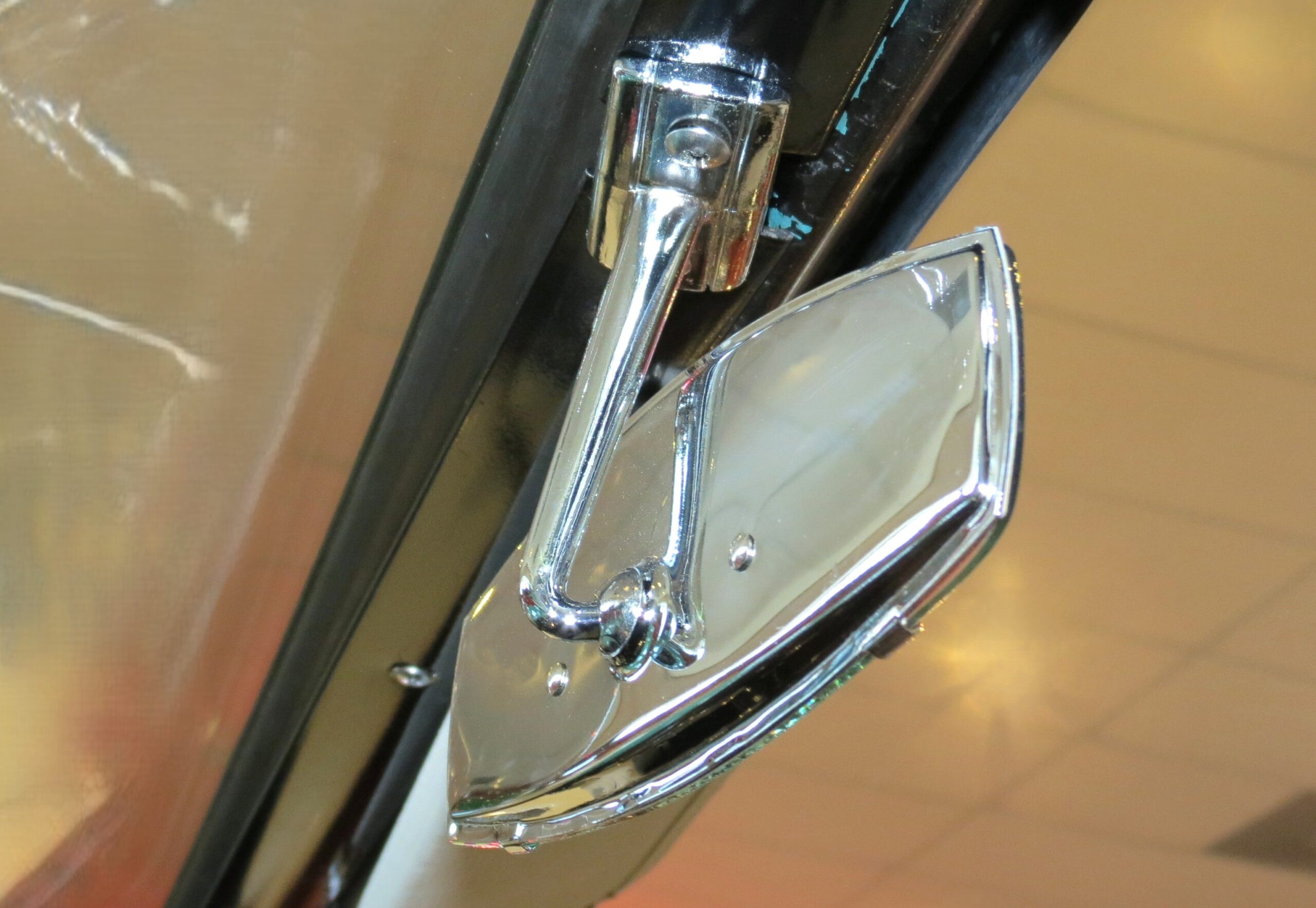
For most of the twentieth century, the rearview mirror sat more or less unchanged. Convex glass, adjustable brackets, and whatever the driver’s peripheral vision could pick up from there. The basic geometry of the problem, a driver looking forward and needing information from behind, didn’t change much.
Motorsport, as it tends to do, started pushing at the edges first. Onboard cameras appeared in racing before most people remember. The first live onboard footage in a major race came from Australia’s Seven Network at the 1979 Hardie-Ferodo 1000 at Mount Panorama. Formula One followed in 1985, when a camera was mounted to François Hesnault’s Renault at the German Grand Prix. By 1998, the FIA mandated at least three onboard cameras on every F1 car.
What started as a broadcasting tool became something more useful. Teams discovered that camera footage, cross-referenced with telemetry, gave engineers a view of the car’s behavior that data alone couldn’t provide. The footage wasn’t just for television. It was information.
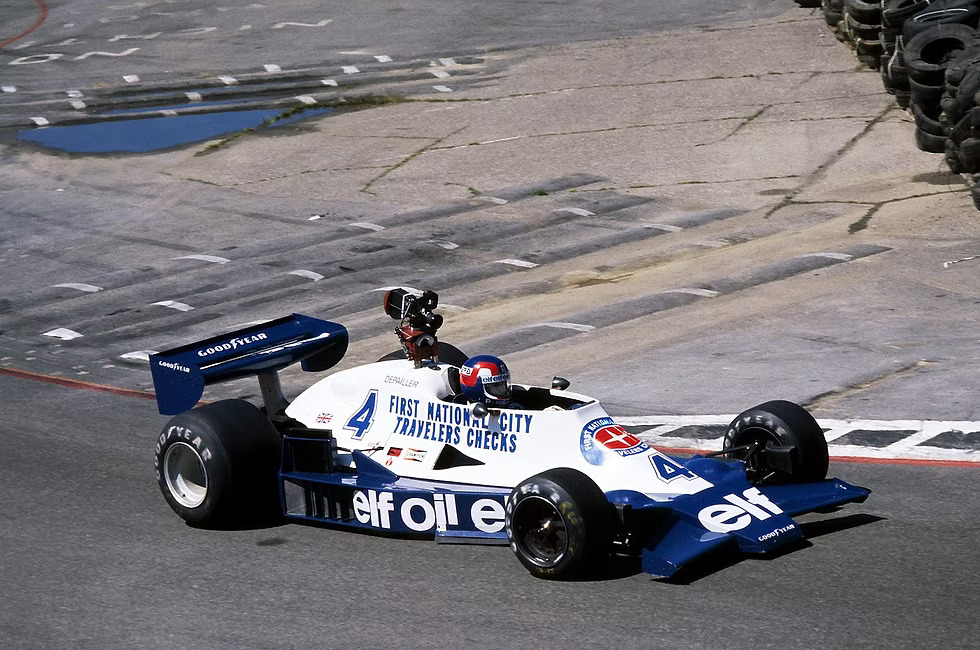
Le Mans took this further than almost anyone. The LMGT3 category, where production-based GT cars share a circuit with significantly faster Hypercars, introduced mandatory rear camera systems after recognising that mirrors alone couldn’t give drivers enough warning of a faster car closing at speed. As one driver put it when the system was introduced for the 2024 race, it’s easier to use than the outside mirrors. That observation, from a professional racing driver at one of the most demanding circuits in the world, says a lot about where the technology had arrived.
The road car world followed its own version of this evolution. When Audi launched the e-tron in 2019, it became the first production vehicle to replace side mirrors with cameras entirely in markets where regulations permitted it. Honda took the same approach with the Honda e, making the side camera mirror system standard across the entire range. The arguments for doing so go beyond novelty. Honda reported efficiency gains from eliminating the aerodynamic drag of traditional mirrors, and the wider field of view from a camera lens reduces blind spots that glass simply can’t address.
What Does Full-Perimeter Awareness Look Like?
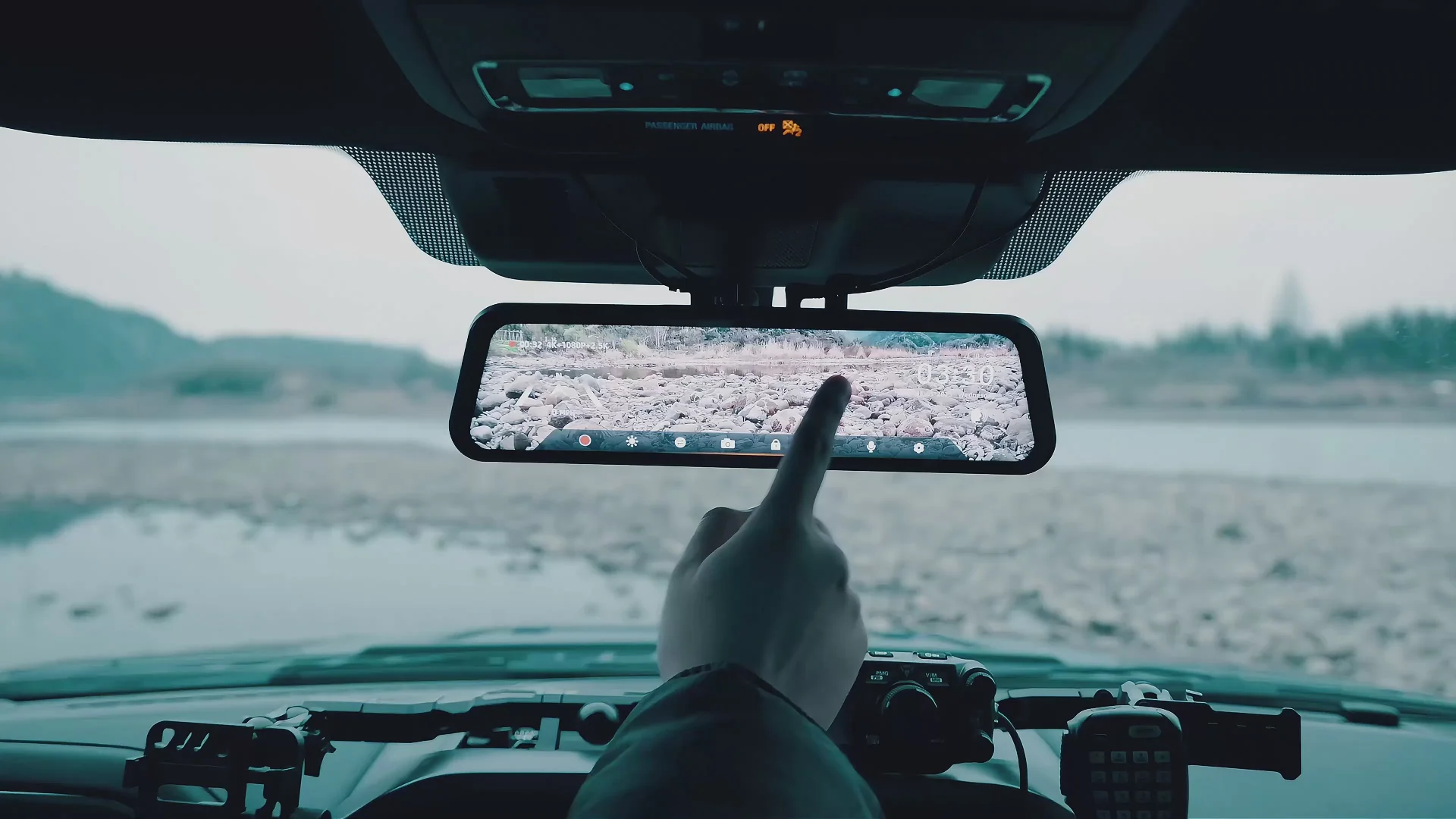
For drivers who aren’t racing at Le Mans or buying a new EV with factory camera mirrors, the question becomes practical: what does it actually mean to have complete coverage of what surrounds a car, and is it achievable?
What is a 3-channel dash cam, and who is it actually for?
A 3 channel dash cam covers front, rear, and interior simultaneously, running continuously while the car is in use. It’s not a parking sensor or a driver assistance system. It’s a record of everything that happens around the vehicle. For anyone who drives seriously, whether that means long touring routes, track days, or simply protecting a car they’ve invested in, a single forward-facing camera leaves most of the picture blank. The three-channel setup is the consumer-level version of what motorsport worked out decades ago: that a single angle is rarely the one that matters when something goes wrong.
What problem does it actually solve?
Insurance disputes almost never hinge on what happened in front of the car. Parking lot damage, rear-end collisions, cut-offs: the incidents that are hardest to contest are the ones that happen at the edges of the driver’s field of view. Full coverage changes what a driver can actually document and, by extension, what they can prove.
Why would a car enthusiast choose this over a basic setup?
People who care about their cars tend to care about the details: service records, originality, condition. That same attention extends to documentation. A three-channel setup records the whole story, not just the forward view, which matters more the longer or further you drive. It also mirrors, in a modest way, what serious motorsport teams have known for years: more angles mean better information, and better information means fewer unresolved questions after the fact.
The Gap Between Factory Systems and What Drivers Actually Need

There’s a distinction worth making between the camera systems automakers build into modern cars and what a driver actually needs from a coverage standpoint. Factory rear cameras are designed for parking. Lane departure systems watch road markings. Even the most sophisticated driver assistance packages are built around preventing incidents in specific, pre-defined scenarios.
None of that is designed to create a continuous record. And for older cars, cars that predate these systems by a decade or more, none of it exists at all. The aftermarket exists precisely because the factory never covered this ground. Continuous, multi-angle, incident-level documentation has never been a standard feature, even on vehicles sophisticated enough to manage their own throttle and suspension in real time.
The Same Problem, Still Being Solved
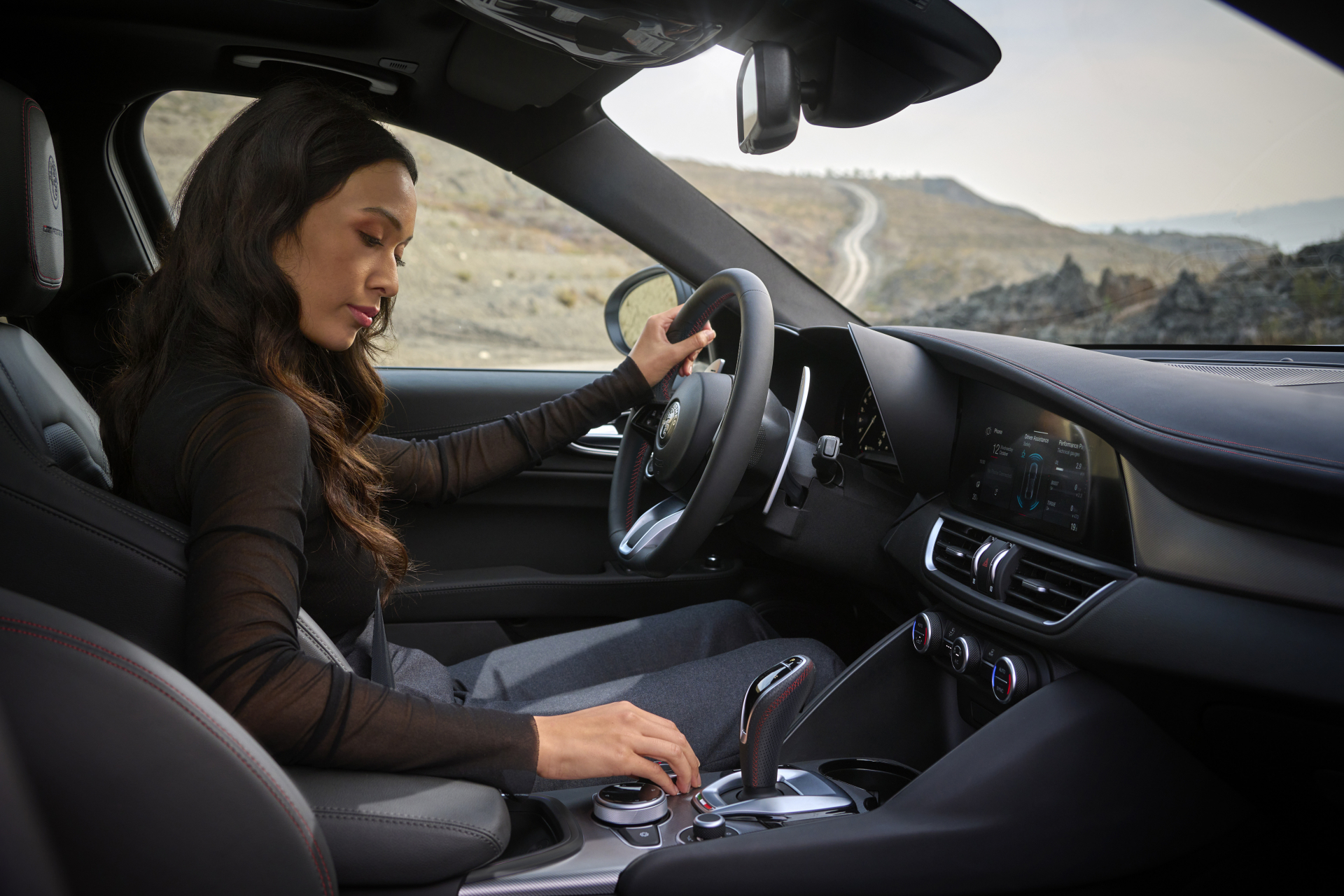
Ray Harroun’s mirror vibrated too much to be useful on the day he needed it most. He won the race anyway, but the problem he identified, a driver who cannot see what’s behind them, remained open. It’s been open ever since, addressed in stages, with each solution revealing the next limitation.
What’s interesting about where things stand now is that the most complete visibility available to a driver doesn’t come from the factory. It comes from what the driver chooses to add. A hundred years of engineering later, the workaround is still doing some of the most important work.