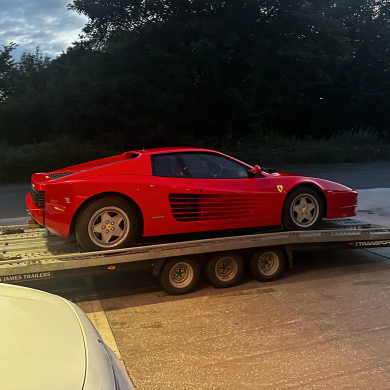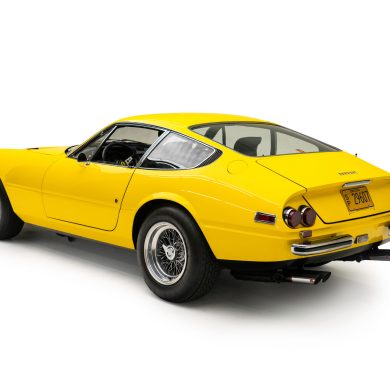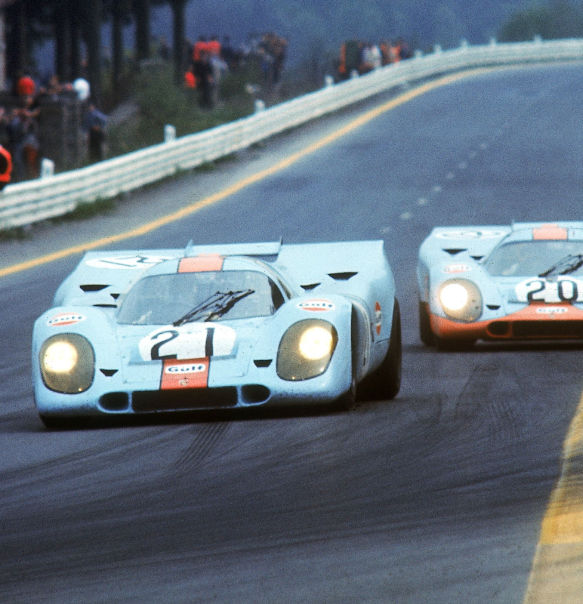


An air-cooled Porsche 911 in morning traffic looks great from the car behind it. From inside, you’re managing oil temperature, listening for anything that changed since yesterday, and hoping the driver in the next lane doesn’t do something that puts you in a conversation with their insurance company. There’s also the question of where you’re going to park it, whether the weather is about to turn, and what that new sound from the rear is and whether it can wait until the weekend. Daily driving a classic is one of those things that sounds romantic until you’re actually doing it, at which point it becomes something more interesting than that.
The Car That Time Forgot
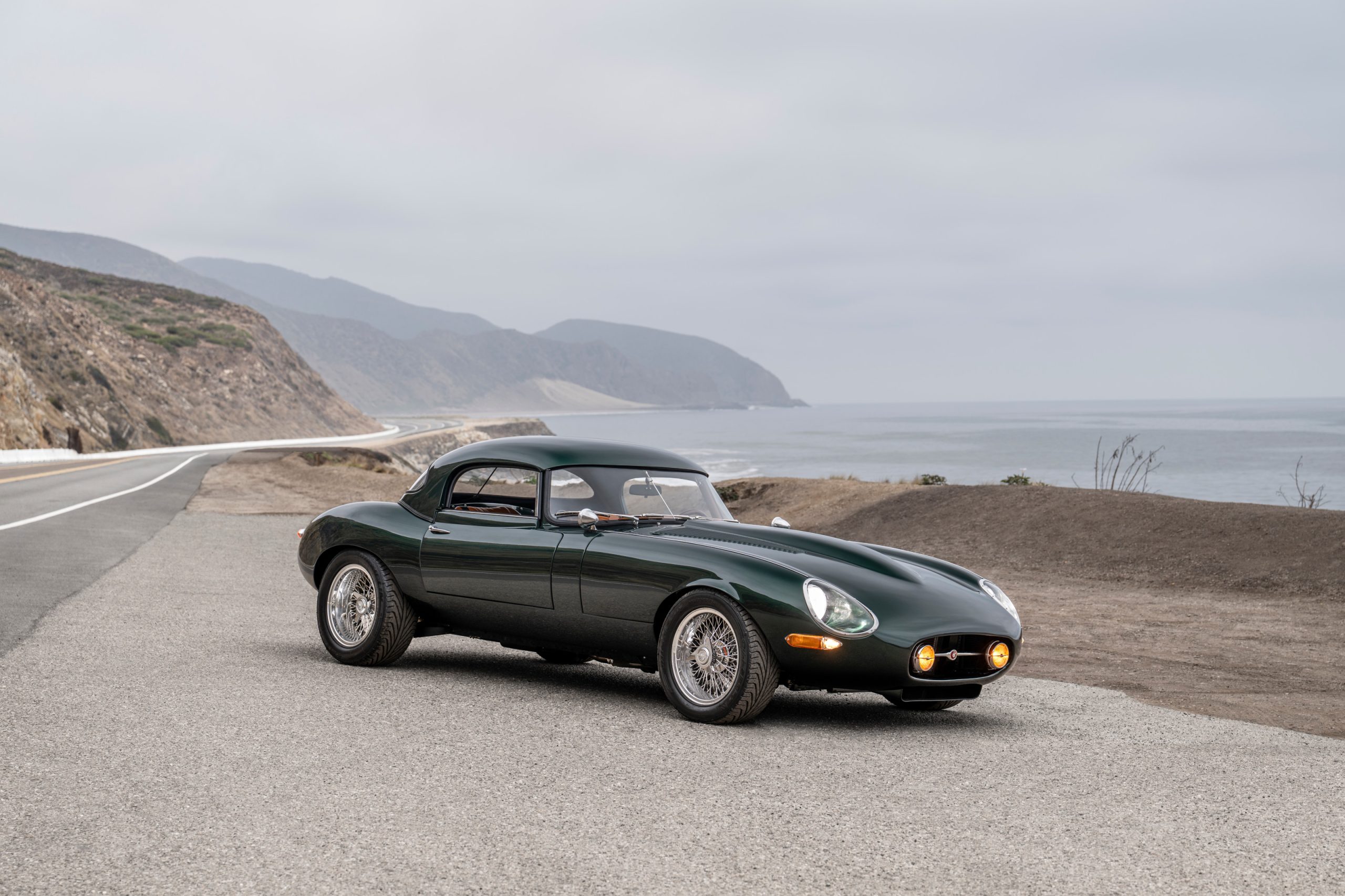
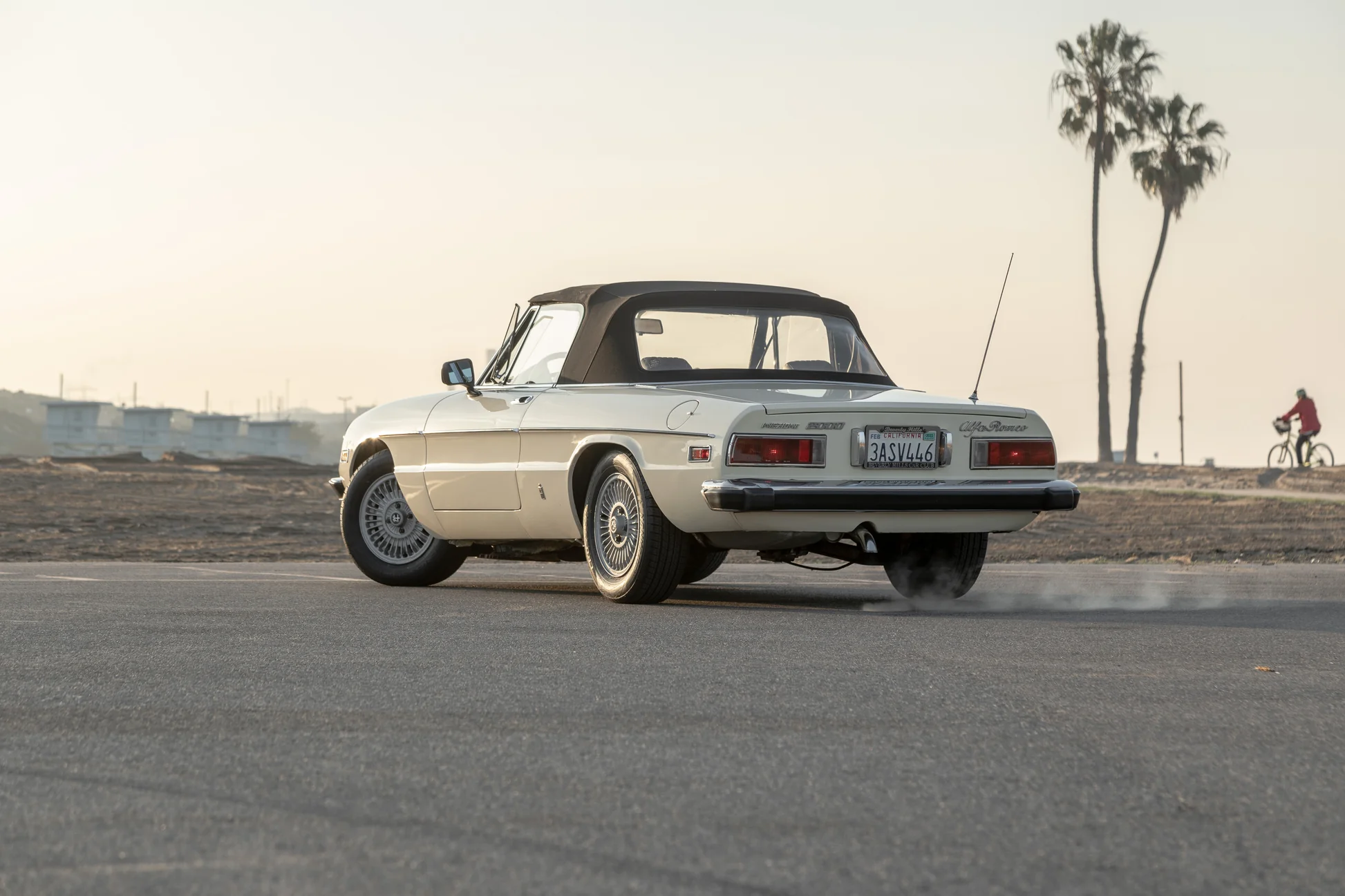
These cars were engineered for a different set of road conditions. Not worse, just different. Traffic was lighter, journeys were shorter on average, and the expectation that a car would sit in stop-and-go for an hour before the engine reached operating temperature simply wasn’t part of the design brief for most of them. A Jaguar E-type‘s cooling system was built around the assumption that the car would be moving. A Seventies Alfa’s electrics were optimistic even when everything was working as intended.
None of this is a reason to avoid it. People who daily a classic and stick with it tend to have a clear sense of what they’re getting from the experience that they can’t get anywhere else. The steering that weights up as the front tires load, the throttle that responds to exactly how your foot moves rather than an algorithm’s interpretation of it, a gearbox that won’t let you be lazy. Driving one of these cars in traffic requires more of the driver than a modern car does, and for a certain kind of person that’s the whole point.
What You Can and Can’t Change
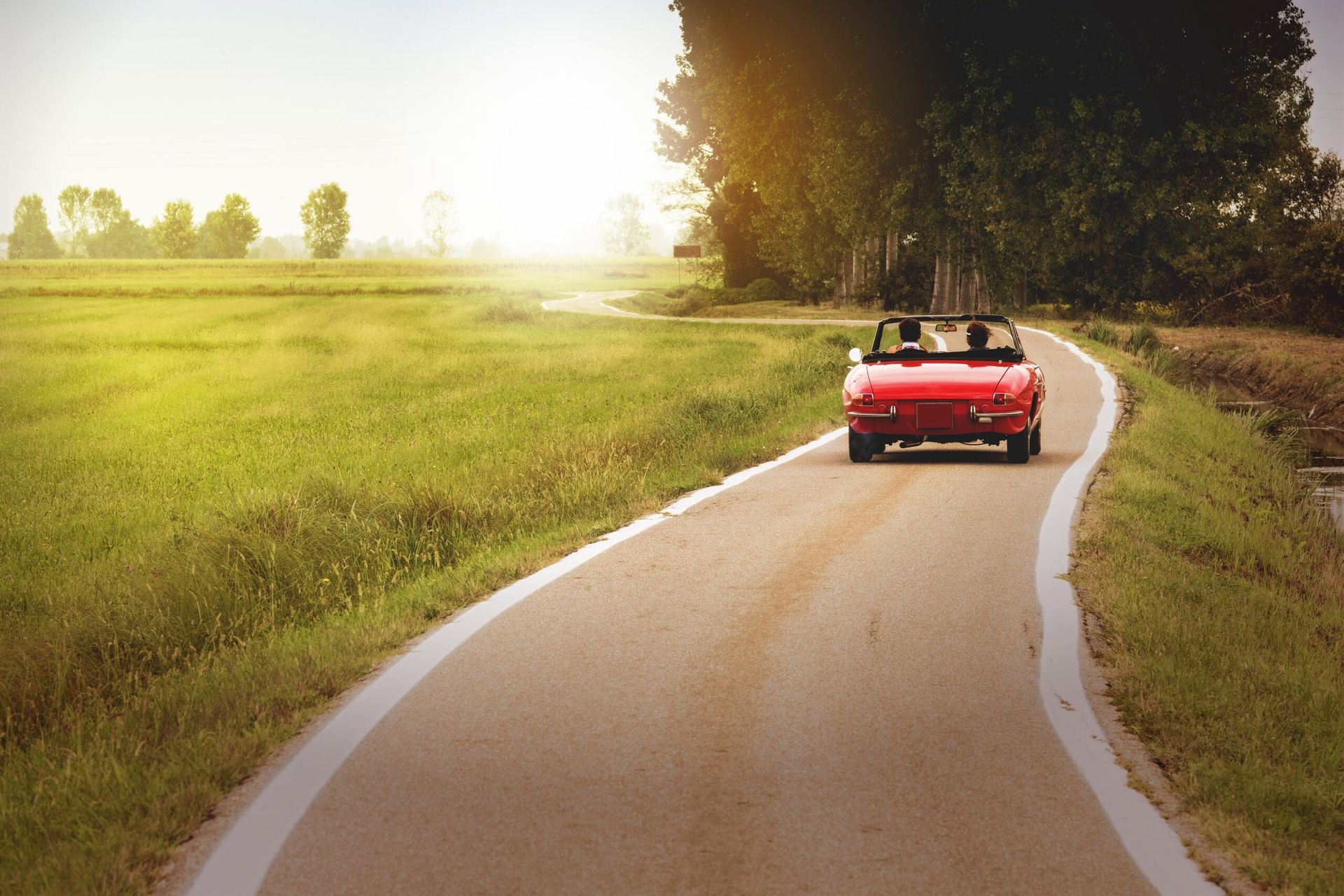
Every classic daily driver reaches the same decision eventually: how much do you modernize before you’ve changed what the car actually is? Upgraded brake pads and modern rubber on original rims are the easy calls. Rebuilding the cooling system properly so it works as intended is maintenance, not modification. An alternator that can handle a phone charger and a dashcam without flattening the battery on a short run is a reasonable concession to the reality of driving in 2025.
What doesn’t translate well is anything that depends on electronics the car was never built around. Factory driver assistance systems require a sensor network, a CAN bus, processing hardware integrated into the chassis. None of that exists on a car from 1972, and trying to approximate it creates problems that are harder to fix than the original inconvenience. The modifications that work on older vehicles are the ones that run independently, don’t ask anything from the car’s own systems, and can be removed without leaving a trace. A dashcam fits that description precisely. It runs off a power source, records what’s happening around the car, and the vehicle doesn’t need to know it’s there.
The Insurance Reality Nobody Mentions

Agreed value policies, which most classic car owners carry, are built around a set of assumptions about how the car gets used. Limited annual mileage is usually one of them. Cross certain thresholds and the coverage terms shift, sometimes significantly. Some policies exclude regular commuting use altogether, and the ones that don’t will often require documentation of the car’s condition and value as a condition of any claim.
This is where a modern car has a structural advantage that’s easy to overlook. It has a factory build sheet, a VIN history, a parts catalogue. An insurer can establish what it’s worth and what it costs to repair without much input from the owner. A 1974 Alfa Romeo Spider doesn’t have any of that readily available, and the gap between what an owner knows the car is worth and what they can demonstrate to an insurer can be substantial. The burden sits with the owner, and most people don’t think about it until they need to.
What Does a Classic Daily Driver Actually Need from a Dash Cam?
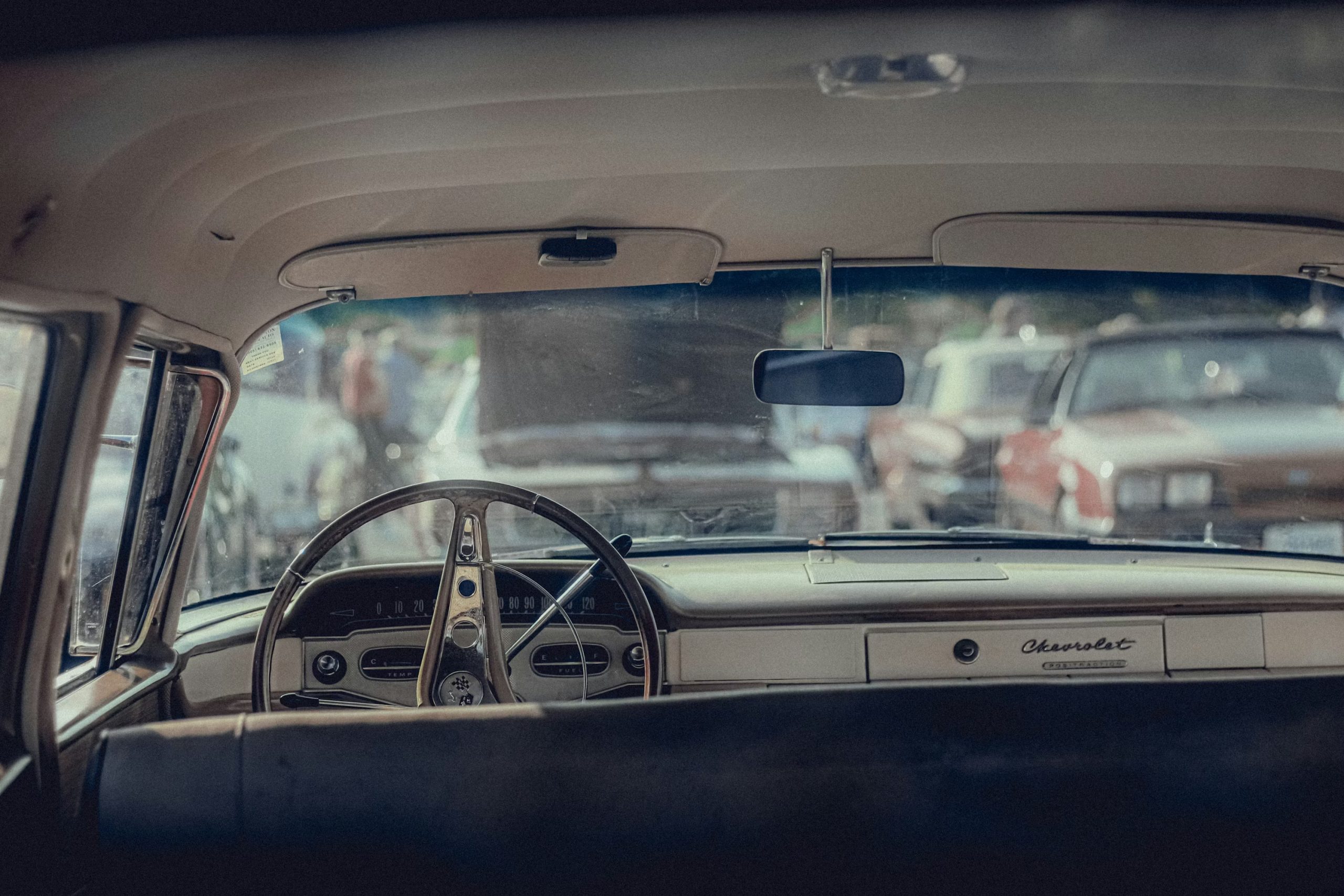
Someone driving an older car without factory safety systems, in daily traffic, insured under an agreed value policy, is carrying more exposure than a modern car driver in the same situation. A disputed incident that would be resolved quickly with footage becomes a much longer conversation without it. The camera doesn’t need to be sophisticated. It needs to record front and rear clearly, run without input from the driver, and keep working in the heat that builds up in a parked car on a summer afternoon.
Those requirements don’t justify spending a lot of money. Everything that actually matters for this use case sits comfortably under $200, which is why the market at that price point is where most of the genuinely useful options are. Redtiger’s range of best budget dash cams is built for exactly this buyer: someone who wants reliable front-and-rear coverage on an older vehicle without an elaborate installation or an expensive piece of kit that needs its own ecosystem to function. For a car that was already on the road before dash cams existed, that kind of straightforward addition is about as unobtrusive as modern technology gets.