

Most people who own a serious sports car have done their homework. They know the service intervals, the torque specs, which tires work best on their particular setup. What they haven’t usually thought through is what happens when someone else hits them. The instinct is to let the insurance process run and trust that it works the way it’s supposed to. For a lot of owners, that assumption turns out to be an expensive one, and by the time they realize it, the window to do anything about it has already closed. The claims process wasn’t built around your car or your situation, and it doesn’t automatically produce a fair result for either.
The Insurance Process Was Built for the Average Car, Not Yours

The standard claims process handles a lot of volume. It was designed around the most common vehicle types and the most common crash scenarios, which means it works reasonably well for a large portion of the people who go through it. Sports car owners tend to fall outside that middle of the distribution in ways that matter financially.
The sports cars cost more to repair because in most cases, parts are harder to source. The shops capable of doing the work correctly are fewer, and when an insurer is looking for ways to contain costs, the owner of a specialty vehicle is carrying more exposure at every step than someone driving a mid-size sedan. None of that is acknowledged automatically. It has to be pushed for, and pushing for it requires knowing it’s an issue in the first place.
The Numbers Behind Why Sports Car Claims Hit Differently

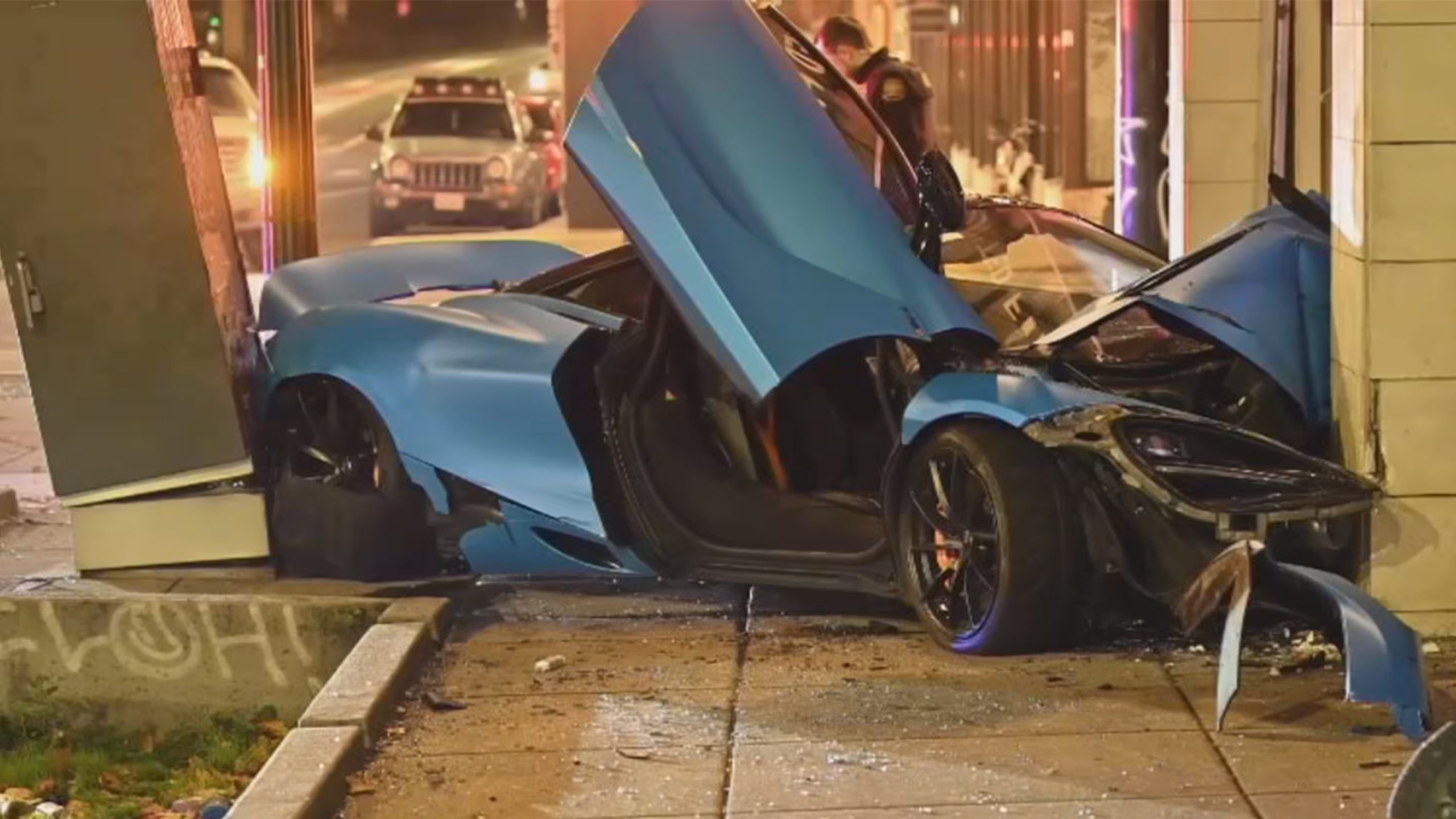
Research from the Highway Loss Data Institute puts average collision claim severity across all passenger vehicles at $8,739 per claim. For sports cars as a category, that number runs more than twice as high. Some individual models push considerably further past it. The gap reflects repair complexity and parts costs, but it also reflects a mismatch between what standard insurance settlements are designed to cover and what it actually costs to make a sports car owner whole.
Injuries complicate the picture further. According to the National Safety Council, the average economic cost of a disabling injury from a motor vehicle crash runs around $167,000, factoring in medical expenses, lost productivity and related costs. An evident but non-disabling injury still averages around $44,000. Those figures exist independently of whatever is happening with the vehicle claim, and they don’t wait for the insurance process to catch up. The bills arrive on their own schedule.
What You’re Entitled to Recover That Nobody Volunteers to Mention
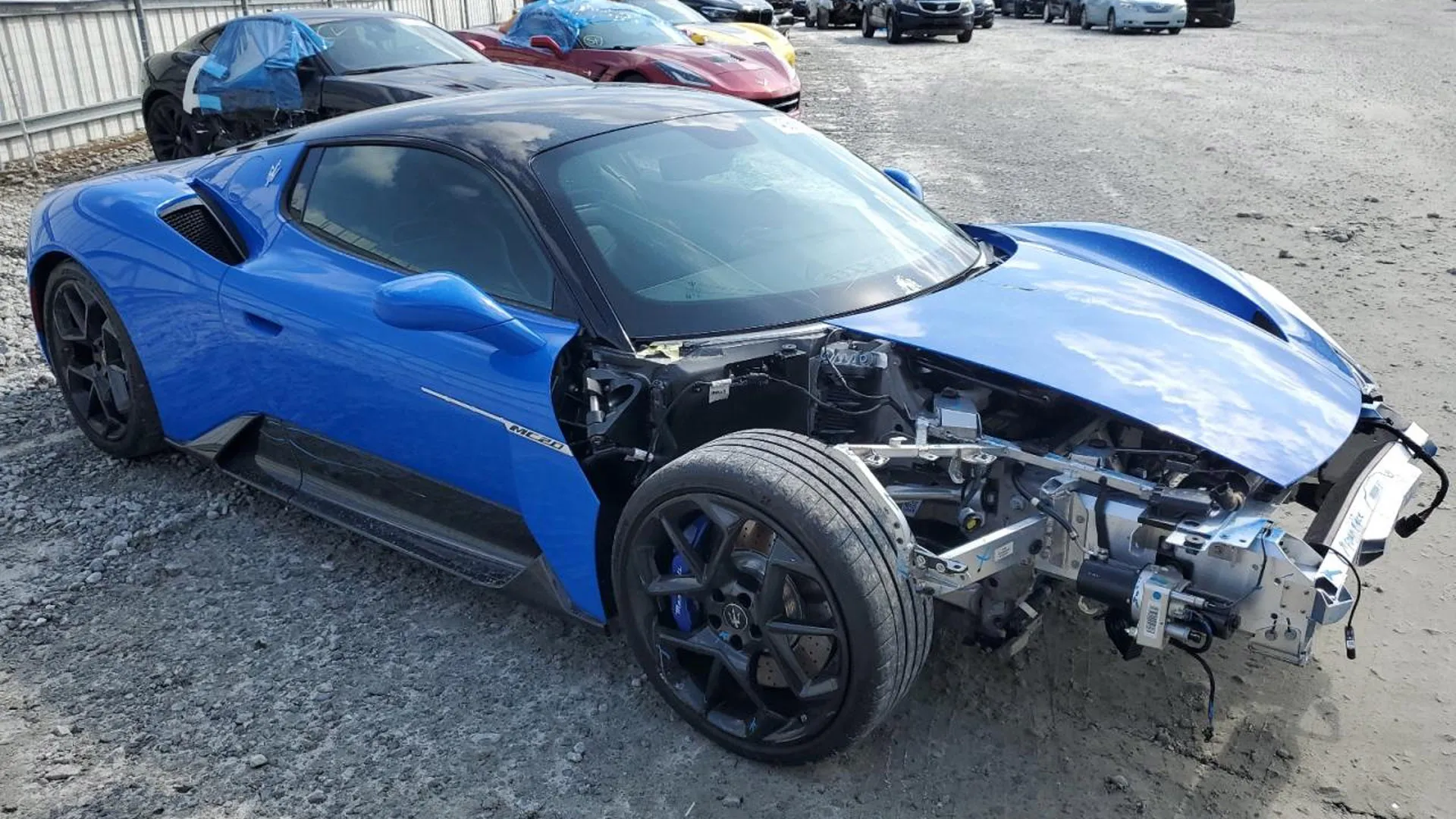
Rental reimbursement in a standard policy is built around economy vehicles. If the repair takes three weeks, the insurer isn’t covering the cost of something comparable to what you’re driving. Storage fees accumulate on their own timeline if the car has to sit while liability is sorted out. And diminished value, which is the difference between what the car was worth before the crash and what it’s worth after with an accident on its history, is a real and recoverable loss that insurers have no incentive to bring up.
All of those categories are on the table in a personal injury claim. Most of them require someone who knows what to ask for before any settlement is signed. Personal Injury Lawyers in Orlando, FL work through that full accounting with clients before anything is agreed to, because once a settlement is signed the door to additional recovery closes.
The timing of a settlement matters more than most people realize. Insurers move to close claims quickly, often before the full scope of medical costs is clear. An owner who settles early is accepting a number that reflects what the insurer knows at that moment, not necessarily what the total damage ends up being.
How Insurers Value Specialty Vehicles and Where That Process Falls Short

Two situations come up consistently in sports car claims, and both tend to produce outcomes that shortchange the owner. The first is parts. Insurers will often specify aftermarket or non-OEM components in a repair estimate and frame the substitution as equivalent. On a car where tolerances are tight and finish quality is part of the value, that isn’t a reasonable trade. The difference may not be obvious at pickup, but it shows up over time in fitment, in how the car presents to a future buyer and in what a knowledgeable appraiser finds if the car is ever professionally assessed.
The second is total loss valuation. When repair costs push past a threshold relative to the insurer’s stated value for the vehicle, they may move to write it off. The methodology for that valuation typically pulls from broad market comparables that don’t account for the specific condition, documentation history or option content of the car in question. A well-maintained, low-mileage sports car with a complete service history is a different asset than the average comp the formula produces. Getting that recognized takes evidence and persistence, and it rarely happens without someone making the case.
The Steps That Protect You Before Any Settlement Conversation Starts
The decisions made in the first few days after a crash have more influence on the eventual outcome than most owners expect. Photographs of all four corners, the interior, any mechanical damage and the accident scene establish a baseline that’s difficult to argue with later. If the car has modifications, performance parts or a documented service record, those should be in hand before any valuation conversation begins.
An independent repair estimate from a shop that actually works on your type of vehicle gives you a real number to hold against whatever the insurer presents. Those two figures are often meaningfully different, and the gap between them is worth understanding before any settlement conversation begins.
On the injury side, the same principle applies. Medical costs from a serious crash don’t arrive all at once, and getting a clear picture of current and anticipated expenses before signing anything is not optional if you want to recover what you’re actually owed. The process doesn’t do that accounting automatically or on your behalf. The owners who come out of these situations in reasonable shape are generally the ones who understood that going in and acted on it.