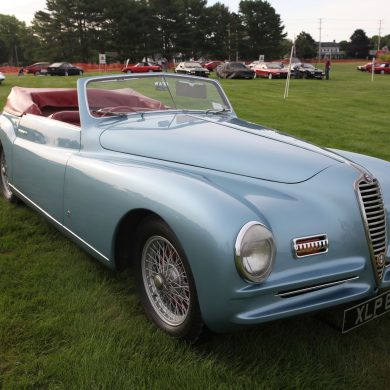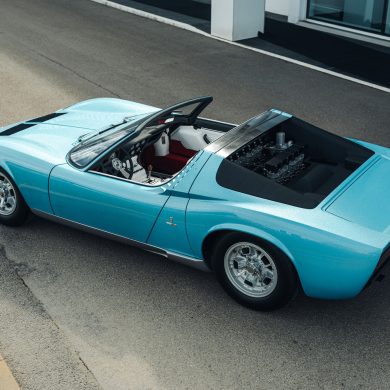

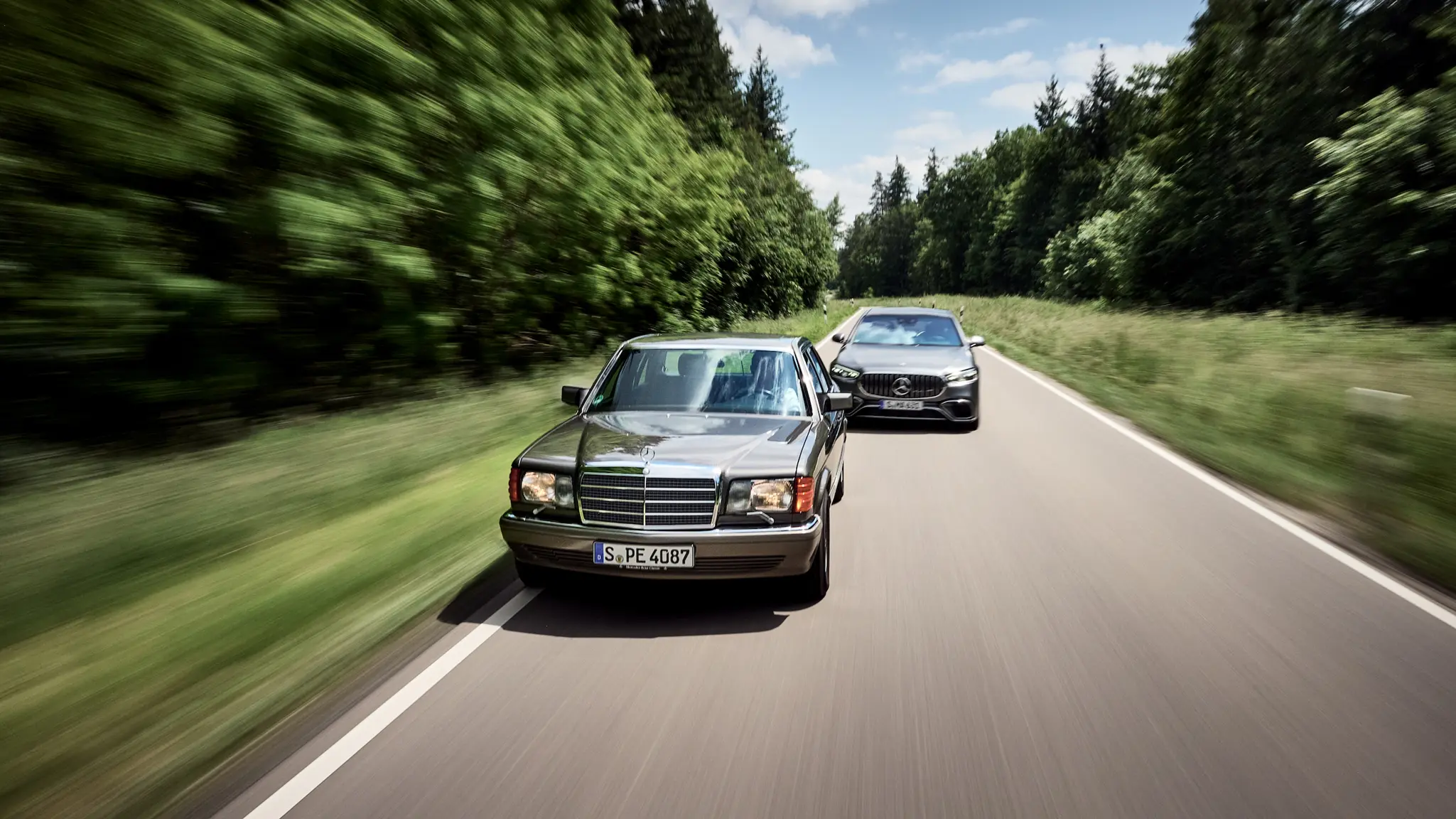

The United Kingdom is home to many prestigious automakers and one of the world’s most passionate classic and sports car communities. But owning a vintage or exotic vehicle comes with financial and practical challenges. In some cases, the burden is so heavy that some owners are left with no other choice than to sell their cherished collectors’ car and just keep a daily driver, since driving a classic every day is often impractical.
For this reason, more British enthusiasts are looking for smarter ways to cover their daily transport needs without giving up their hobby. For instance, many are opting to lease instead of buying a car outright for a more flexible, cost-predictable way to keep a modern car on the driveway without tying up capital that could go toward their passion. Others are making an electric daily driver genuinely cost-effective by choosing the right EV energy tariff. These are just two examples of how British drivers are embracing the “two-car reality.”
The Garage and the Driveway

Ask any serious classic car owner and they will tell you the same thing. The car they love is not the car they drive to work. It lives in the garage, comes out on weekends and gets treated with the kind of care most people reserve for things far more important than transportation. The daily driver is a different story. It needs to start every morning, handle motorway miles and fit in a supermarket parking lot without anyone losing sleep over a door ding. Most classics simply are not built for that life, and their owners know it.
Insurance costs, parts availability and the very real reluctance to put unnecessary miles on a vehicle you have spent years hunting down or restoring all push in the same direction. You need something else on the driveway. The problem is that running two cars quietly drains the budget that was supposed to go toward the hobby in the first place.
Why More Enthusiasts Are Leasing
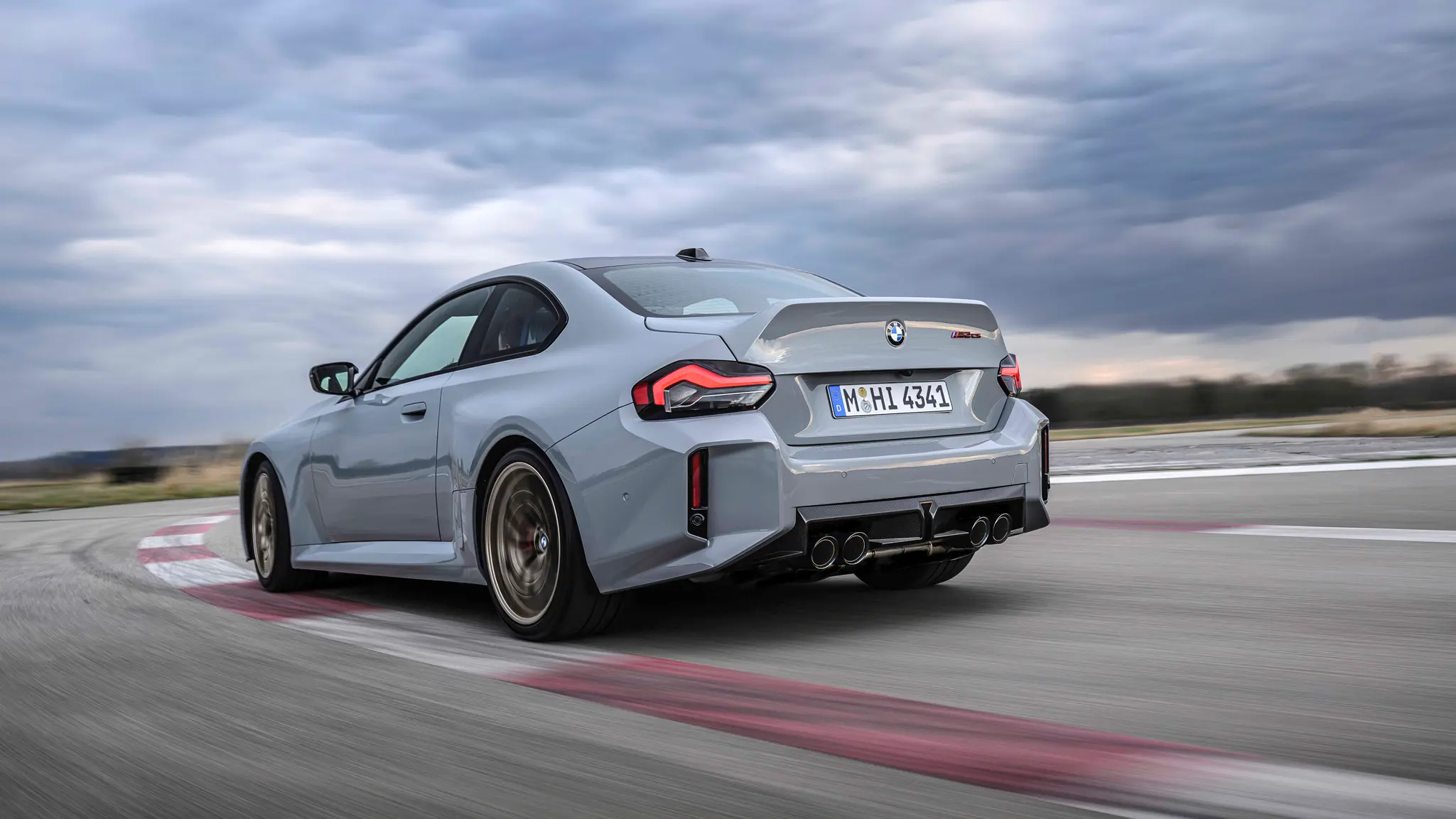
Buying a second car outright sounds straightforward until you factor in depreciation, the odd repair bill and the eventual headache of selling it. Many UK enthusiasts have started doing that maths and landing on a different conclusion.
Leasing has grown steadily in Britain over the last decade and it is not hard to see why it appeals to this particular crowd. You agree on a monthly payment, drive something new for two to four years and hand it back when the contract is up. No ownership, no depreciation risk, no negotiating with a private buyer when you are ready to move on. The car is under warranty the whole time so there are no nasty surprises either.
For someone already spending on insurance, storage, parts and maintenance for a classic, that kind of financial predictability is worth a lot. Browsing current deals through a car leasing provider gives a pretty clear picture of how reasonable the monthly costs can be, especially compared to what it actually costs to own and maintain a second car outright.
The Pairing That Actually Makes Sense

Something interesting has been happening among UK enthusiasts over the past few years. More of them are choosing an electric vehicle as the practical half of the two-car setup. It sounds counterintuitive at first but spend a minute with the logic and it starts to click.
The classic handles the weekends, the shows, the summer drives. The EV takes care of everything else. Commuting, errands, school runs. It is cheap to run, easy to live with and requires almost nothing in the way of maintenance. There is also something quietly satisfying about the contrast. High-octane weekends, near-silent weekdays. The part that catches people off guard is not the car. It is the electricity bill.
Getting the Charging Costs Right
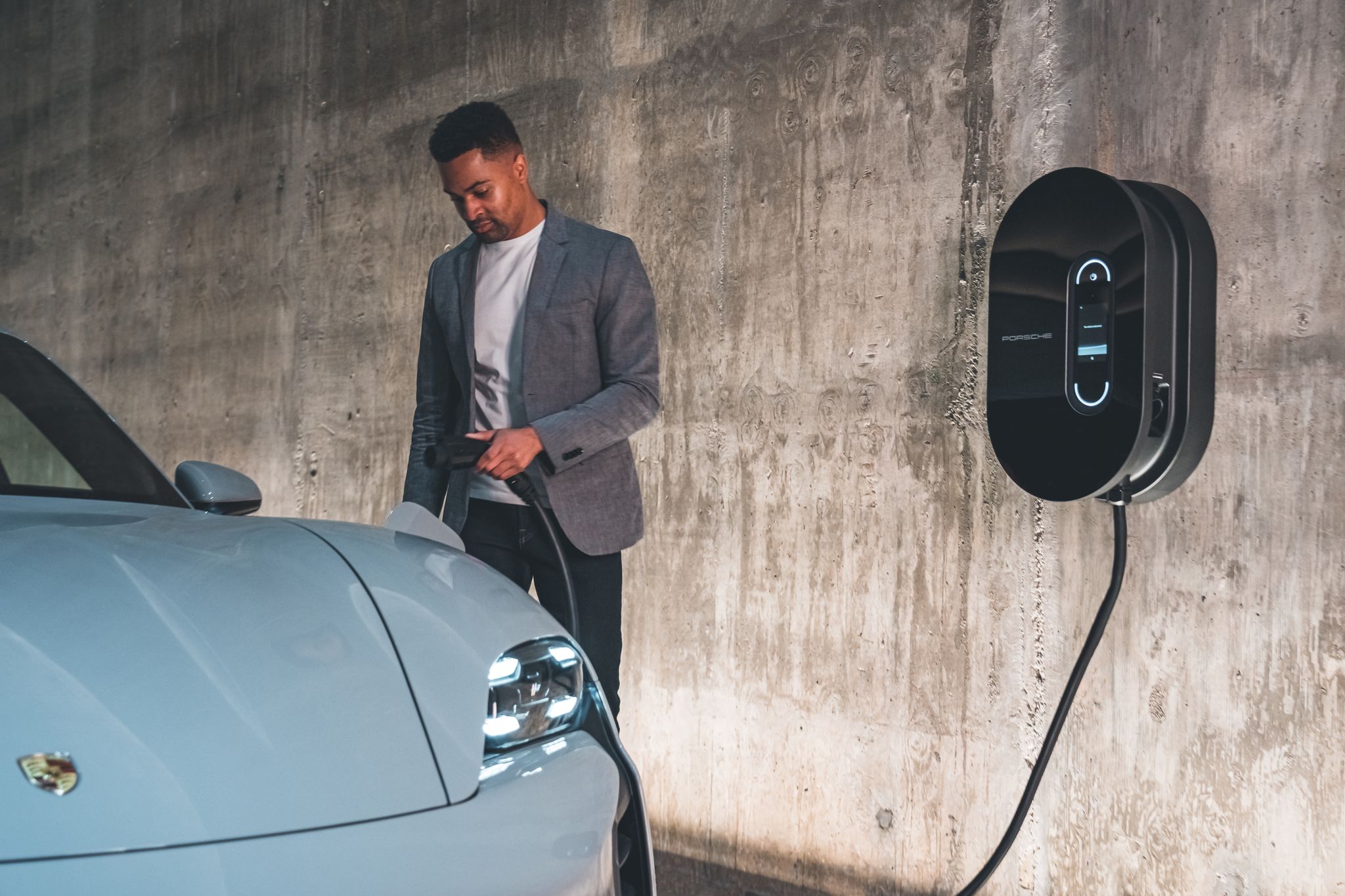
Many first-time EV owners assume home charging is automatically cheap. It can be, but it depends heavily on the tariff you are on. Standard household energy rates are not always the most economical option for someone charging a car overnight on a regular basis.
There are tariffs built specifically for EV drivers that take advantage of off-peak hours and bring the cost per mile down to something that makes the whole setup genuinely attractive. For enthusiasts already managing the ongoing costs of a classic, it is worth doing the homework. A good starting point is comparing what is available through dedicated resources covering EV energy tariffs in the UK market, where the difference between the right and wrong tariff can add up to a meaningful saving over the course of a year.
The Bottom Line
None of this is particularly glamorous. Leasing a sensible car and optimizing your home energy tariff is not the stuff of car magazine features. But for the enthusiast who wants to keep their passion without constantly feeling the financial squeeze, the unglamorous decisions are often the ones that matter most. The goal is keeping the real car. Everything else is just logistics.