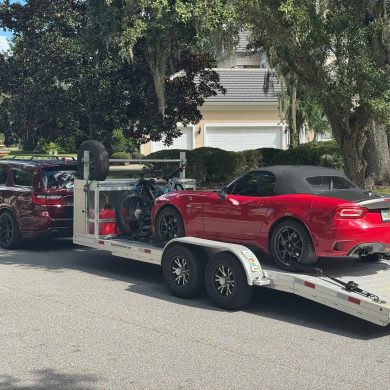


More cars cross the country on flatbeds and trailers than ever before. Online auctions throw a seller in Florida and a buyer in Oregon into the same transaction overnight. Families relocate for work on short notice. Snowbirds send two vehicles south every winter. Your car gets loaded onto a big rig and reappears days later thousands of miles away. The concept sounds easy.
The actual logistics loop is much messier. Price estimates fluctuate wildly, pickup windows can drag out for days and the lowest bidder often leaves your car sitting in a random holding lot for a week. Navigating the industry is simple once you see behind the curtain. Here is a breakdown of the entire process from the initial quote to the moment the driver drops the ramps.
Before You Book: Quotes, Brokers and Carriers Explained

You need to know exactly who answers the phone when you call. Most companies marketing vehicle shipping online do not own trucks. They are brokers. They take your route details and post the job to a national registry. Independent carriers then claim the job if the route matches their current schedule. The carriers are the ones driving the trucks and hauling your vehicle. Some firms function as both. The arrangement is normal for the auto transport industry, but the setup explains why you sign a contract with one company and a truck with a different logo arrives at your house.
Be cynical about low prices. A cheap estimate usually means a broker hopes a driver will accept a low fee. When no carrier takes the job, your car stays put while the broker waits or calls back to ask for more money. Truck pricing changes based on the season, fuel costs and proximity to major freight corridors. Shipping between two massive hubs keeps the cost per mile low. Conversely, a rural destination that requires a long detour off the highway spikes the price. Avoid companies demanding huge upfront deposits or anyone operating without a visible MC or DOT registration number.
Choosing Your Service: Open, Enclosed, Door-to-Door or Terminal
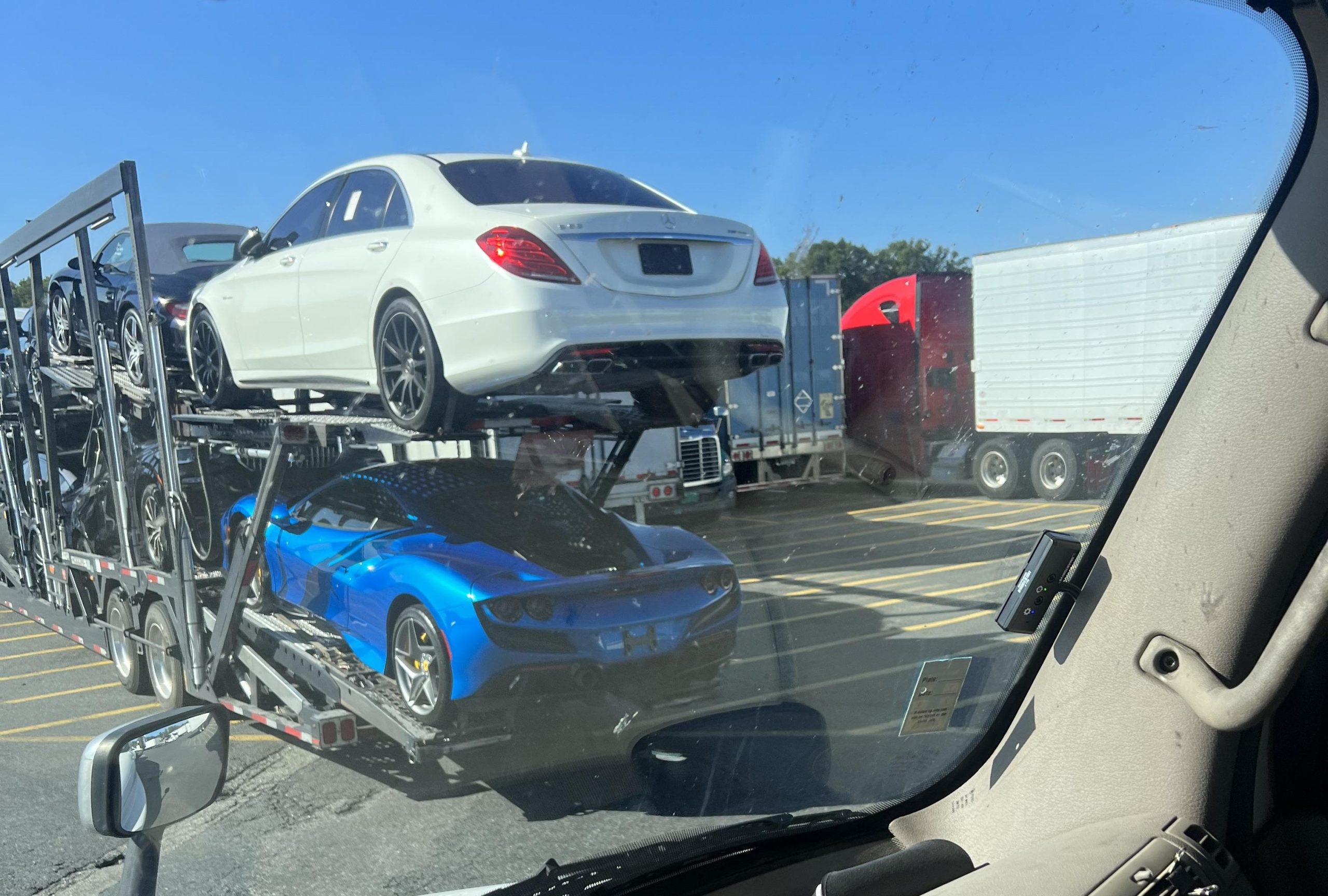
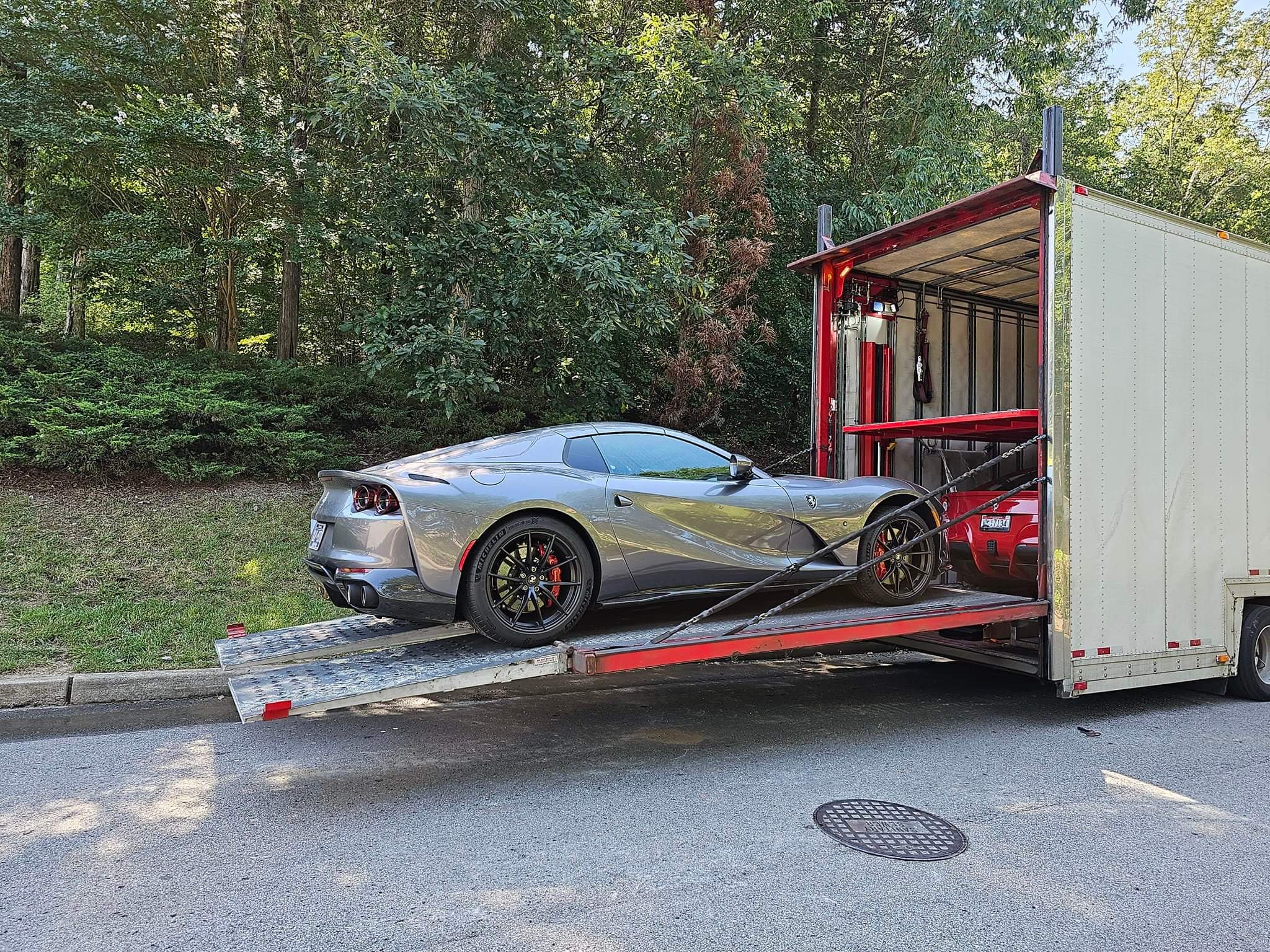
Your final bill and overall experience depend on a few main service paths. Open transport uses those classic double-decker rigs you see on the interstate. They handle the vast majority of standard vehicles without issue. Enclosed shipping costs more because the trailer is fully sealed, making it the proper choice for rare classics or fresh paint.
You also need to choose where the handoff occurs. Door-to-door service means the truck driver gets as close to your driveway as a massive commercial rig can physically manage. Terminal transport means you drop the vehicle off at a designated shipping hub and pick it up at another storage yard later. The terminal method drops the price but adds extra driving tasks to your schedule.
Shipping Service Comparison
| Service Option | Best Used For | Key Advantage | Trade-Off |
| Open Transport | Daily drivers and project cars | Most budget-friendly | Exposed to weather and road debris |
| Enclosed Transport | Exotics, classics and race cars | Maximum protection and security | Higher cost and fewer available rigs |
| Door-to-Door | Maximum convenience | Eliminates extra driving legs | Requires truck-accessible roads |
| Terminal-to-Terminal | Flexible schedules | Lower baseline price | Requires dropping off and picking up |
Preparing the Car for Pickup
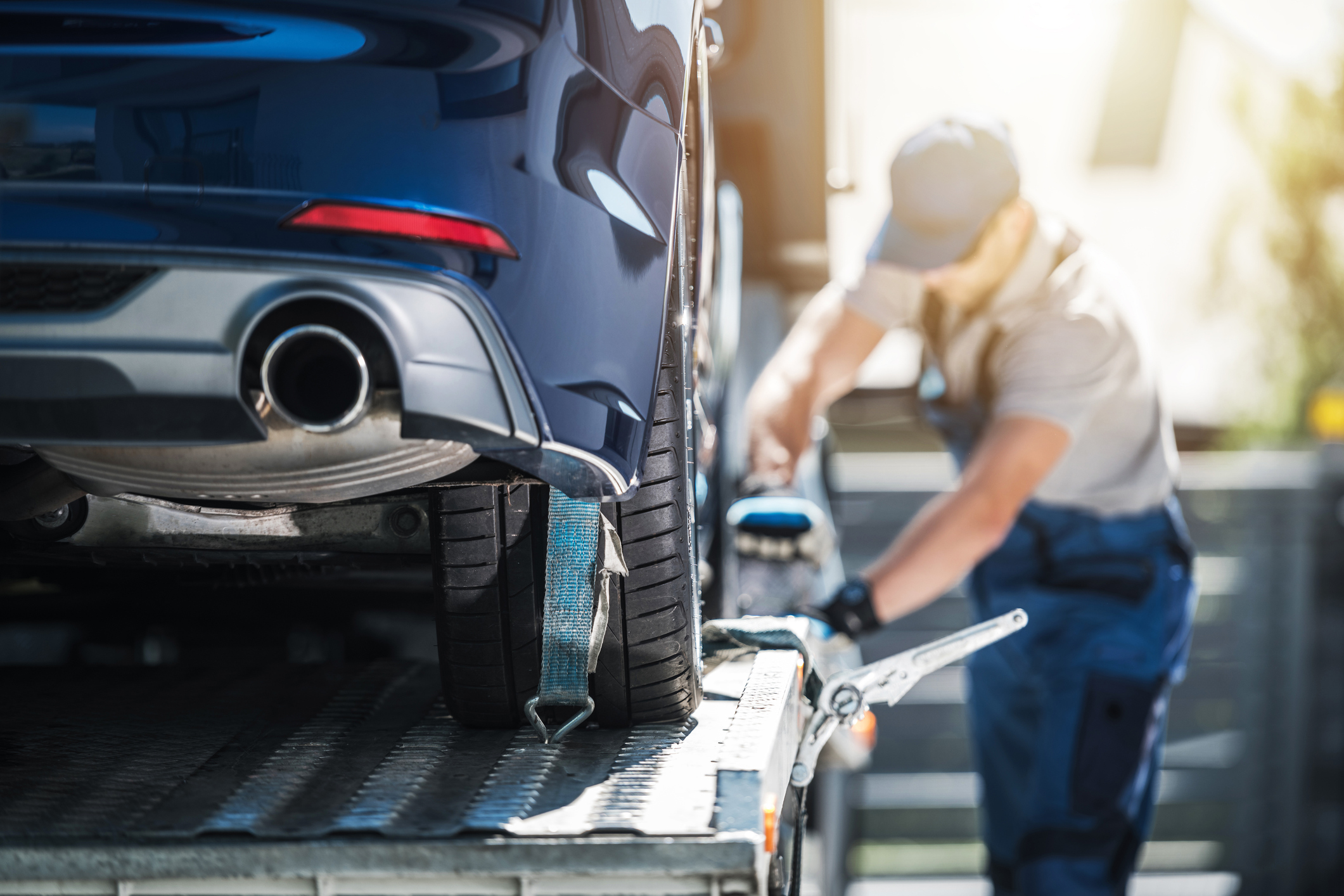
A little prep work prevents massive headaches later. Keep about a quarter tank of gas in the vehicle, which gives the loaders enough fuel to move the car without adding unnecessary weight to the truck. Strip out all personal items. Do not forget your toll transponder. Shipping companies do not carry insurance for loose cargo, and an active toll tag trapped inside a moving metal trailer will rack up charges at every highway checkpoint along the route.
Take clear photos of the vehicle from every single angle in the daytime. Write down any minor scratches or existing dents. These images serve as your proof if you need to file a damage claim later. Turn off the anti-theft alarm system. If the vehicle has mechanical leaks or strange starting habits, explain them to the driver before loading begins.
How Your Car Actually Gets From A to B
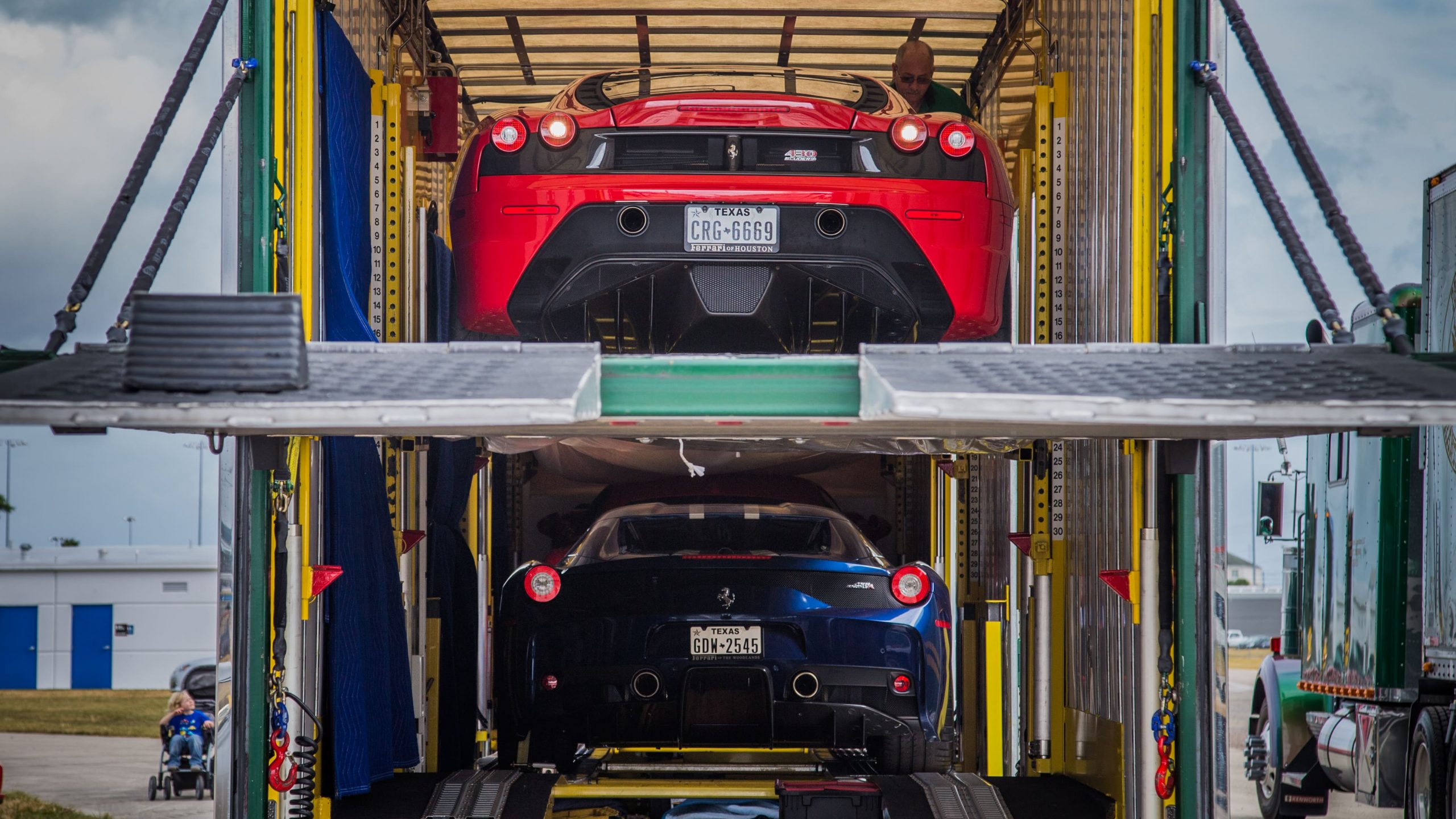
Here’s the part most owners never see. Once your job is booked, it lands on a load board, a digital marketplace where carriers browse for shipments that fit their routes. A driver already heading from Phoenix to Atlanta picks up cars going roughly that way, fills the trailer and plans the run. This is why you get a pickup window instead of an exact hour. The driver is threading together six or eight cars across hundreds of miles, and one delayed pickup ripples down the whole schedule.
All of this matching runs in the background, which is why the smoothest way to start is simply to pull a price for your own route before you start calling around. You can get a quote in just a few seconds at RoadRunner Auto Transport using their car shipping calculator which gives you a baseline number to measure every other offer against. Enter your pickup and drop-off points, pick your service type and you’ve got a real figure to work from instead of a guess. As a rough guide, a coast-to-coast trip usually takes seven to ten days on the road once the car is picked up, with shorter regional hauls wrapping up in a couple of days.
Delivery Day: Inspection, the Bill of Lading and What to Do if Something’s Wrong
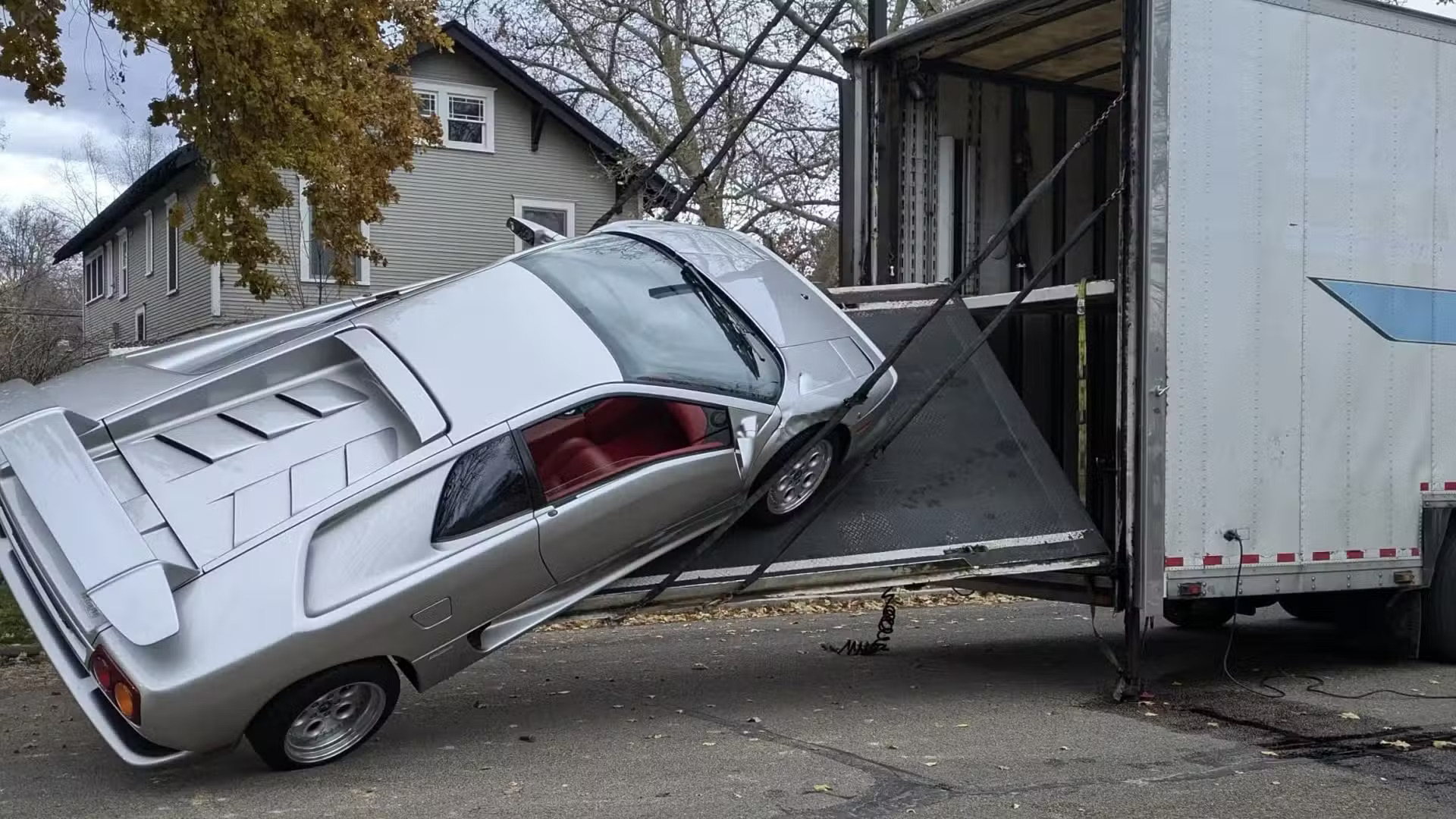
Do not rush the delivery process when the truck arrives. The bill of lading is your legal protection. It records the exact condition of the vehicle at pickup and again at drop-off. Your signature confirms you accepted the car in the current condition noted on the paper. Inspect every panel in bright sunlight or under strong garage lights. Avoid reviewing the car in the dark or during heavy rain where fresh scratches hide easily. Check the bodywork against your original pickup photos.
If you find new damage, document it on the bill of lading before signing the document and take photos immediately. That specific written note allows you to file an insurance claim. Reputable carriers have insurance policies for these scenarios, but signing a clean delivery form makes recovering repair costs nearly impossible. Confirm the accepted payment methods before delivery day too, because many independent drivers require cash or a cashier’s check at drop-off unless you paid the broker upfront.
A Quick Cross-Country Shipping Checklist
Check these items off before the truck arrives:
- Verify the company’s current MC or DOT number and check independent reviews.
- Get a copy of the carrier’s cargo insurance limits in writing.
- Take detailed photos of the car and note any pre-existing blemishes.
- Leave a quarter tank of fuel and remove your personal items and toll tag.
- Confirm the pickup date range and clarify the final payment method.
- Keep your copy of the signed bill of lading until the car is parked safely at home.