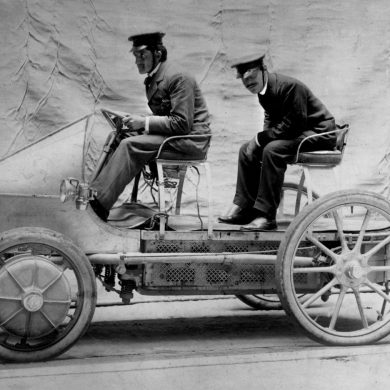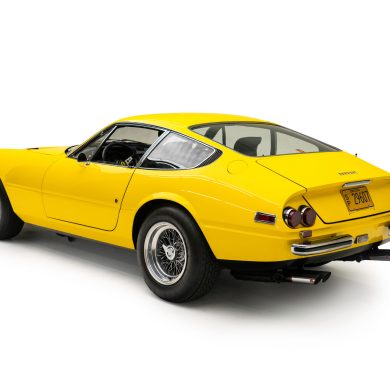


Walk around a car at a show and most people will spend their time looking at the bodywork and peering under the hood. The paint, the panel gaps, whether the shut lines are even. The interior usually gets thirty seconds, maybe a quick glance at the seats and the gauge cluster before attention moves back to the outside. That’s a mistake, because if you want to know what a car’s life has actually been like, the cabin will tell you more honestly than anything else on the vehicle. Interiors don’t lie the way bodywork can.
The Interior as a Biography
Bodywork can be resprayed. Panels can be replaced. An engine can be rebuilt to the point where it’s essentially new. The interior is harder to fake. The wear on a driver’s seat bolster reflects how many times someone has gotten in and out of that car. The headliner shows you whether it spent years in a garage or baking in the sun. Pedal rubber wears in a specific pattern that corresponds to how many miles the car has actually covered, and experienced buyers have been known to cross-reference that wear against a claimed odometer reading before they get around to asking any questions.
Carpet and floor surfaces are the most telling detail of all. They absorb everything the cabin has been exposed to: moisture, grit, road salt, whatever comes off the soles of shoes after a wet morning. They do it silently, over years, building up a record that’s almost impossible to convincingly undo. You can clean a floor, but you can’t un-compress carpet pile that’s been compressed for a decade, and a respray won’t fix what’s underneath the mat. Some staining goes all the way through to the padding. Serious buyers know this, which is why when a collector pulls back the floor mat in a car they’re considering, they’re not being fussy. They’re reading the most reliable document in the vehicle.

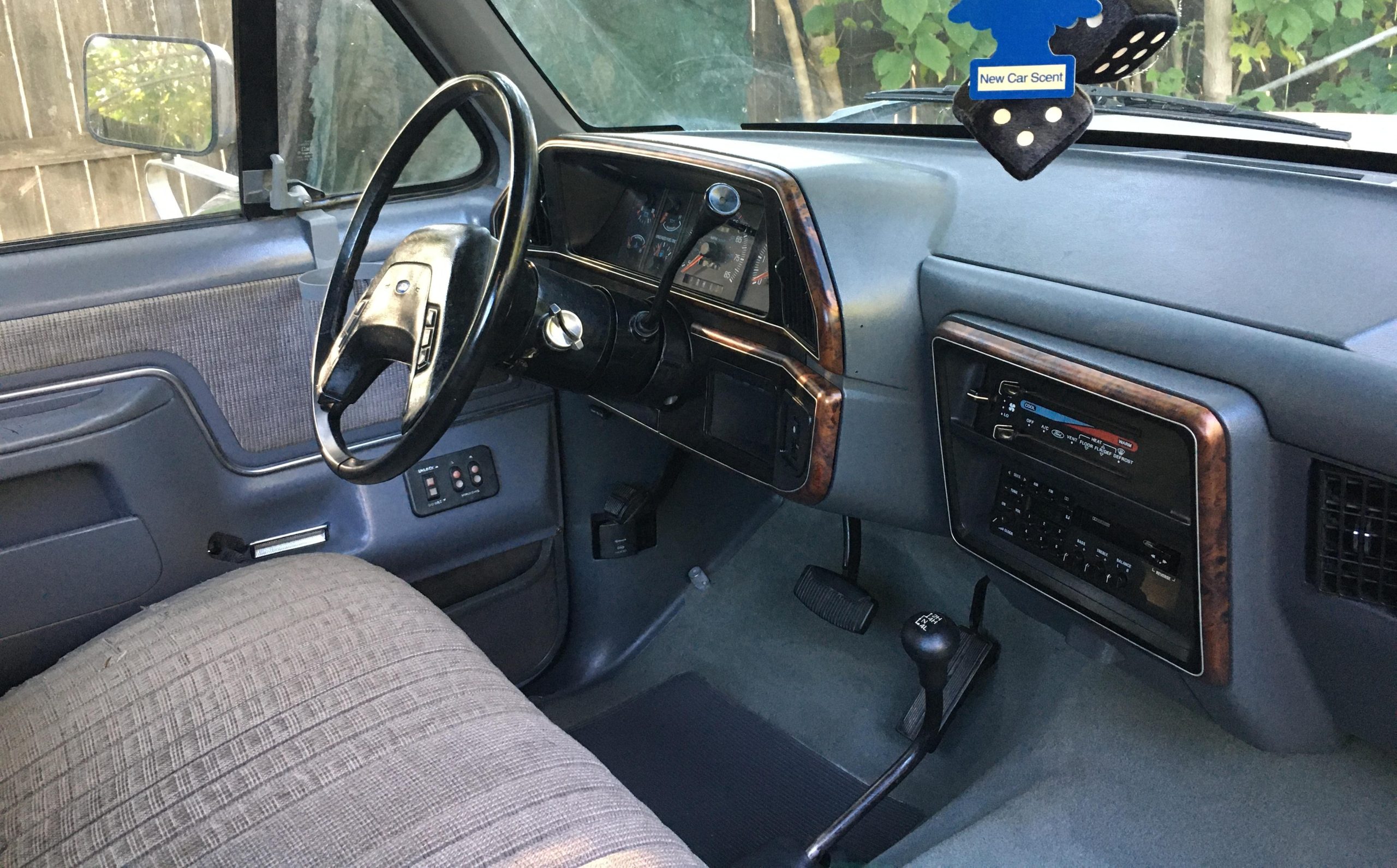
This is also why owners who think long-term about their cars, whether a sports car, a classic, or a hard-used vehicle they intend to keep for years, tend to take floor protection seriously from the beginning. For trucks and vehicles that see genuine daily use, the floor takes more punishment than almost any other surface in the cabin: mud, construction debris, water pooling from wet boots, gear being loaded and unloaded across the footwells. A standard mat handles light use. It doesn’t handle years of that.
Custom-fit heavy-duty liners exist to solve a specific problem that generic mats can’t: coverage without gaps. A floor that’s 80% protected is still accumulating damage in the other 20%, and that damage tends to concentrate exactly where a universal mat stops short of the edges. For a truck like the Ford F-150, where the footwell geometry is specific to the cab configuration and model year, fit isn’t an aesthetic concern. It’s the difference between protection that works and protection that looks like it works. The 3W range of truck floor mats is built around this principle: liners engineered for specific vehicles, including current F-150 configurations, that sit flush against the floor and contain whatever gets tracked in rather than letting it migrate to the carpet underneath. For anyone who uses their truck as a truck and intends to keep it looking that way, that kind of purpose-built protection is the most straightforward investment the interior gets.
What Wear Actually Tells You
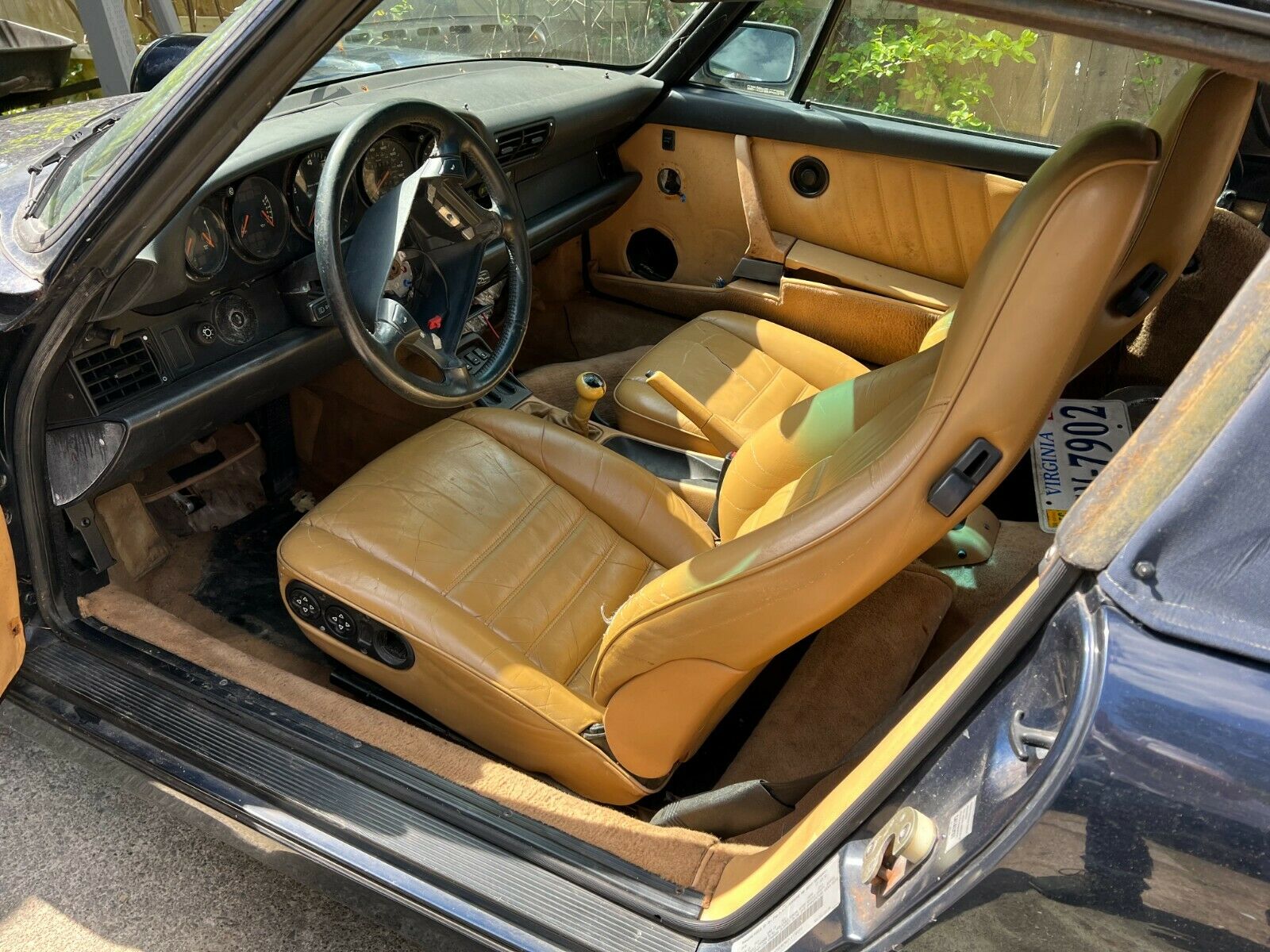
There’s a distinction worth making between wear and neglect, and it’s one that experienced collectors understand intuitively. A well-used car carries honest wear. The driver’s seat on a Porsche 911 that’s been taken to track days has a particular quality to it. The steering wheel on a sports car that’s been properly driven looks different from one that’s been polished repeatedly by someone who never actually turns it hard. This kind of wear isn’t damage. It’s provenance. It tells you the car was used as intended, by someone who knew what they were doing.
Neglect looks different. It shows up in cracked dashboards from UV exposure, in door cards that have lifted because moisture got in and was never addressed, in carpets that were let go until the damage ran deep enough that no amount of cleaning was going to fix it. The difference between a car that’s been used hard and one that’s been ignored is readable in the cabin, and it has a direct bearing on what the car is worth.
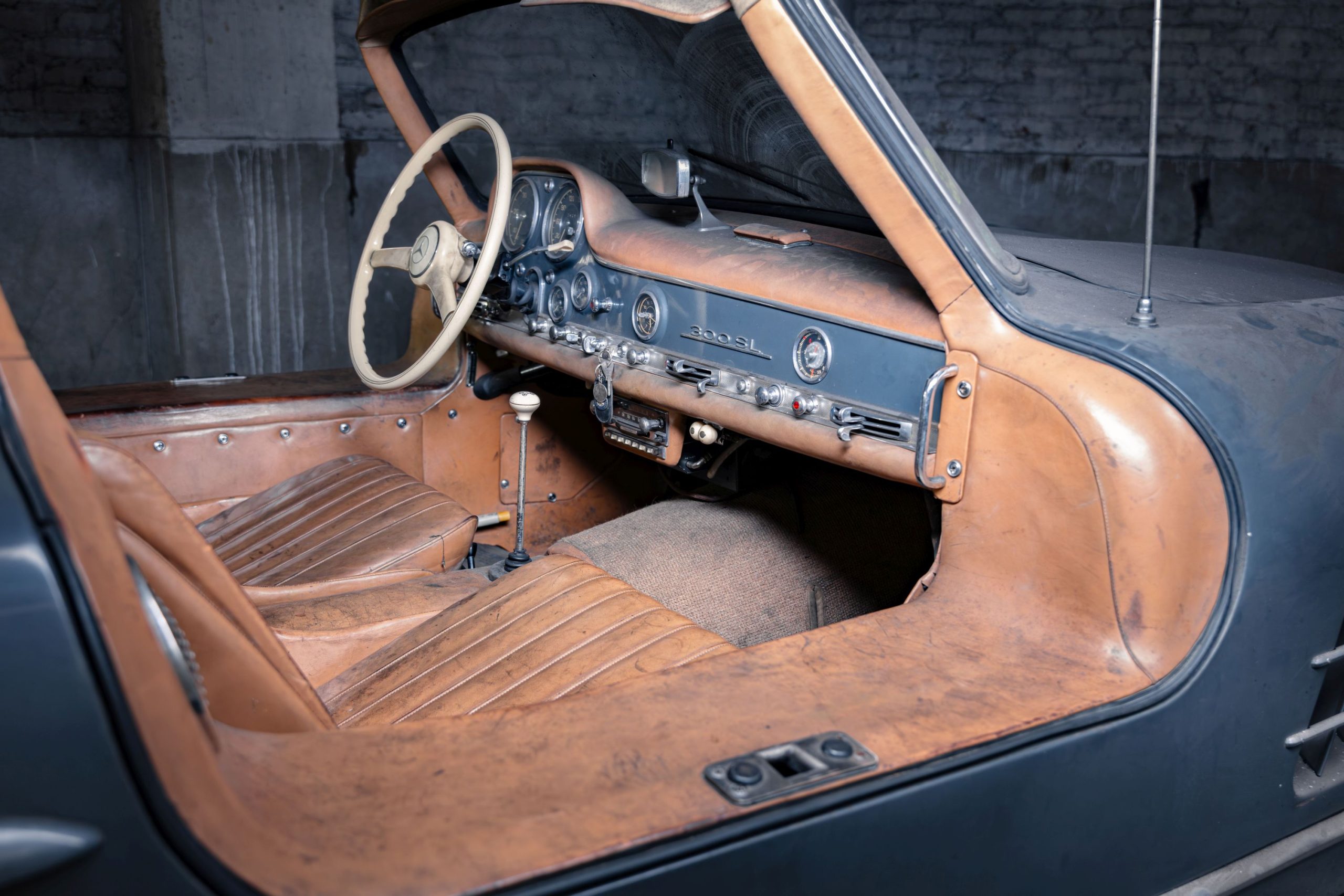
At Artcurial’s Paris auction in January 2026, an unrestored 1956 Mercedes-Benz 300SL Gullwing sold for €4.4 million (about $5.27 million) setting a world record for the model and fetching roughly double what a comparable restored example would bring. The car’s interior had never been cleaned. The original leather was untouched, still carrying seven decades of use exactly as it happened. That wasn’t a flaw in the listing. It was a significant part of why the car sold for what it did.
The Restoration Dilemma: Original or Perfect?
Anyone who has restored a classic car eventually faces a version of the same question: how far do you go? Returning a car to factory condition requires sourcing period-correct materials, matching original color codes, finding trim pieces that simply aren’t manufactured anymore. The rabbit hole is real. New Old Stock materials, original parts that have been sitting in storage for decades, are treated as something close to gold by restorers who need to match factory originals precisely.
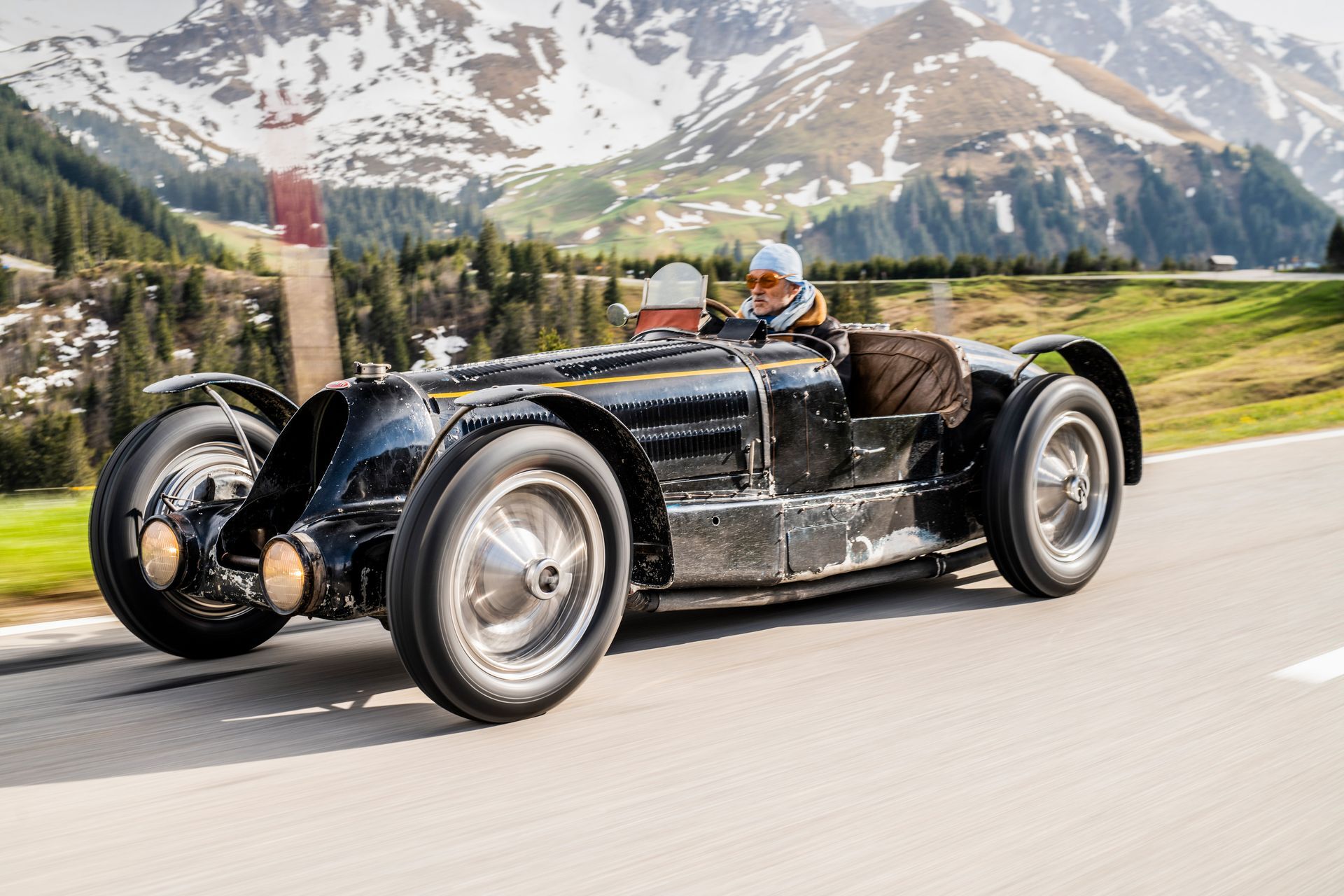
The complication is that a full restoration isn’t automatically the right answer. In 2024, an unrestored 1934 Bugatti Type 59 Sports won Best of Show at Pebble Beach, becoming the first preservation-class car to take the top prize in the event’s history. The judges rewarded a car with cracked paint, faded dashboard varnish, and original leather upholstery worn from decades of use. An over-restored interior can actually work against a car’s value with serious buyers who can tell the difference between a cabin that has been brought back carefully and one that has been replaced entirely.
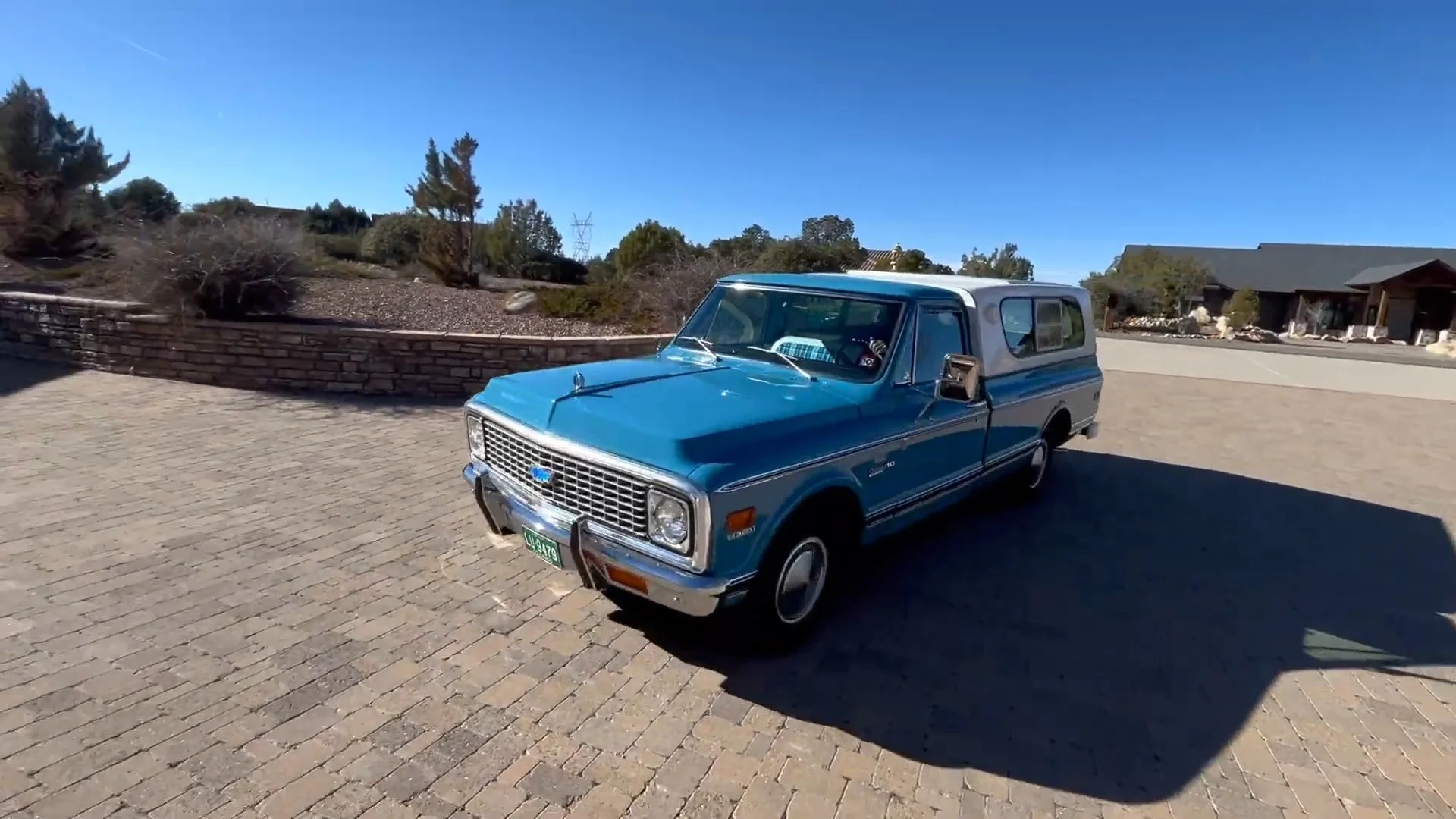
The materials might be new, but the authenticity isn’t. Period-correct details matter enormously at this level: the specific grain of a vinyl, the way a particular shade of tan changes under different light, whether the stitching pattern matches the factory records. These are things that matter to the people writing the largest checks, and they’re things that no amount of new material can replicate once the originals are gone.
What this means in practice is that the best outcome for most cars isn’t a perfect interior. It’s an honest one. Original materials maintained well, wear that reflects use rather than neglect, documentation of what was done and when. That’s harder to achieve than a full retrim, and it requires decisions to be made early, before damage makes the choice for you.