

Even if you’re not a car enthusiast, it’s almost impossible to hear the name Dubai without thinking about automobiles of all kinds. Dubai is home to one of the most vibrant automotive scenes in the world, and for several years now, the city has attracted not only supercars and hypercars but also some of the most luxurious vehicles on the road.
Yet Dubai wasn’t always a city of soaring skyscrapers or a global automotive reference point. Just a few decades ago, it was largely desert, with a relatively small population, a city that took longer to “arrive” on the world stage. In that context, the Rolls-Royce Phantom has come to represent what arrival looks like in a place shaped by rapid growth and ambition. It reflects a type of status tied less to performance figures and more to presence. In simple terms, it’s a car associated with having arrived.
A Legacy Built on Arrival, Not Speed
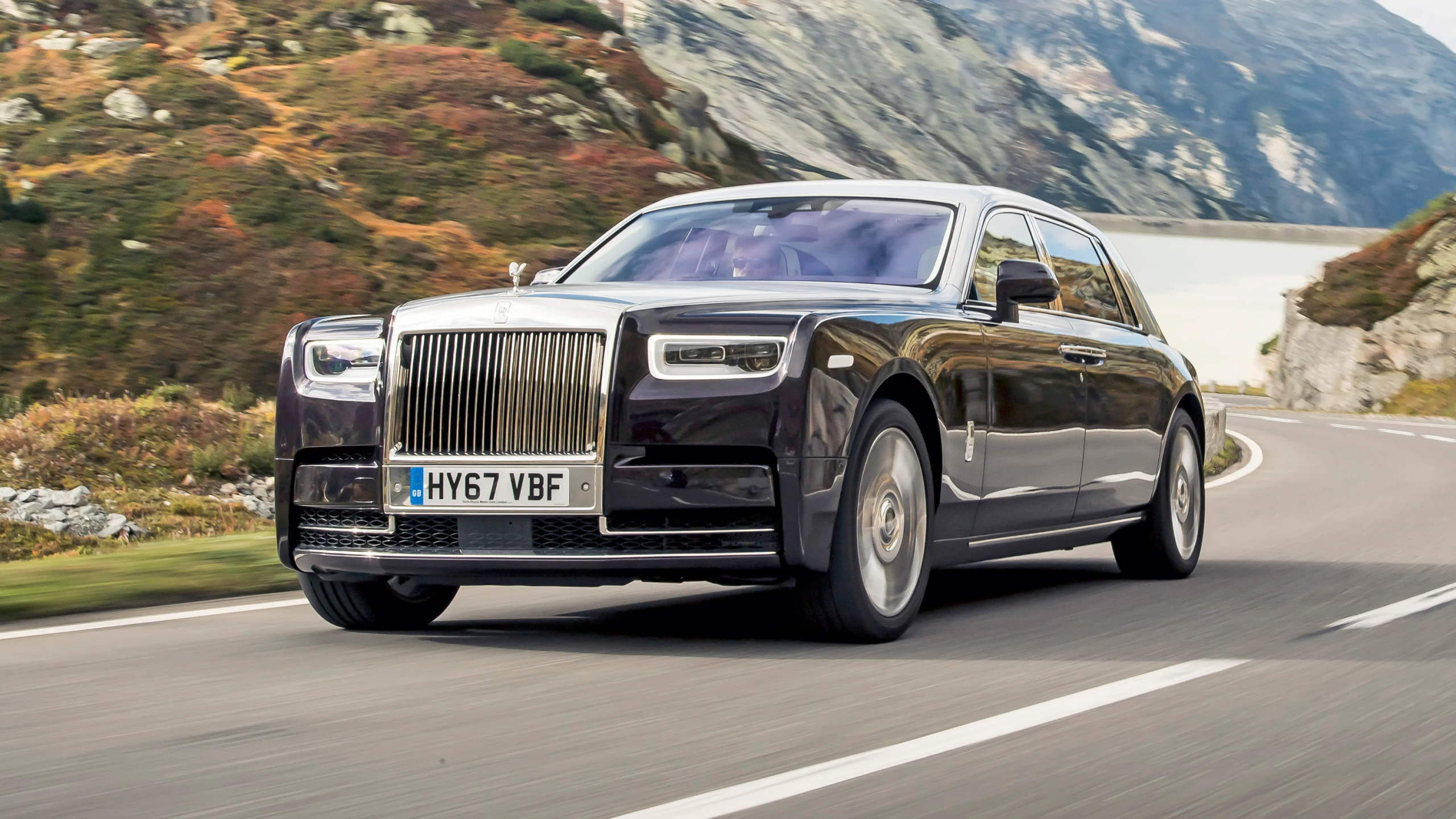
From the beginning, Rolls-Royce wanted to create something entirely different. Rather than chasing speed records or bold styling trends, the brand emphasized handcrafted and effortless presence. Hand-built panels, restrained design, and quiet finishes defined its approach long before performance became a central talking point in the luxury segment.
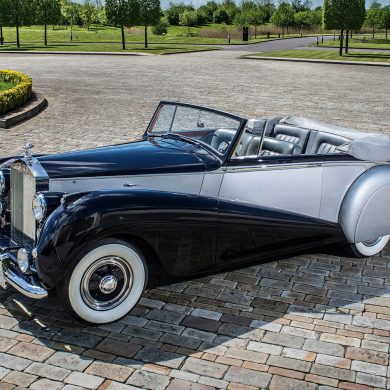
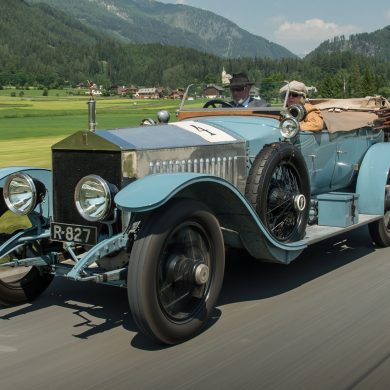
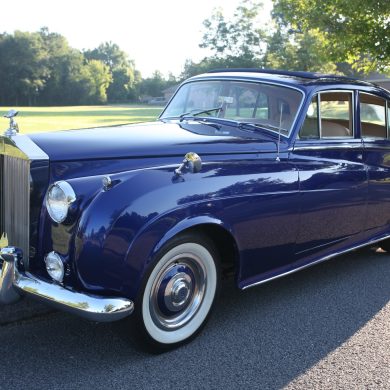
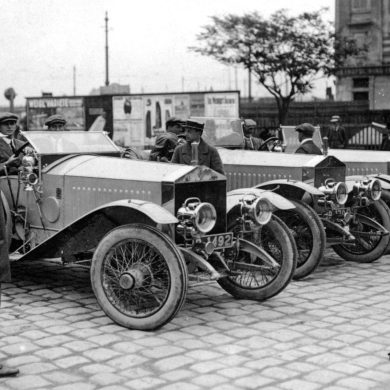
That philosophy reached its clearest expression with the Phantom, which debuted in 1925 as the marque’s flagship. Over time, the Phantom became the preferred choice for royals and national leaders, as well as leading business figures. These buyers chose calm authority over acceleration or visual spectacle, favoring a car that suited formal occasions, state visits, and private engagements where discretion mattered. That identity transitioned naturally into the present.
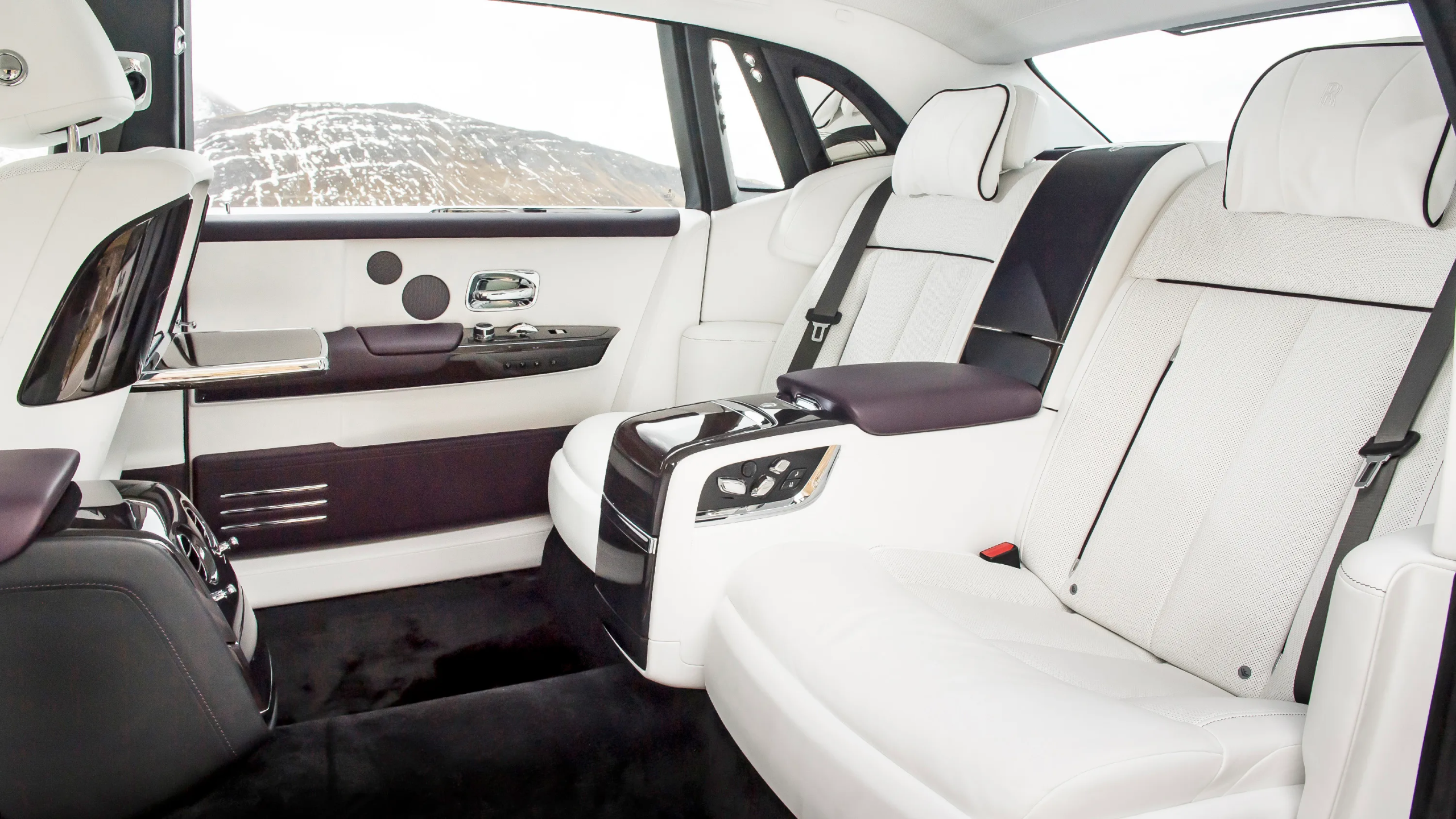
Today, the Phantom sits at the top of the Rolls-Royce lineup. It remains hand-built and near-silent, with an interior designed around being driven rather than driving. The emphasis is on isolation, comfort, and space, particularly for rear-seat passengers. More than anything, it signals status quietly, without relying on theatrics.
Dubai and the Art of Bespoke Luxury
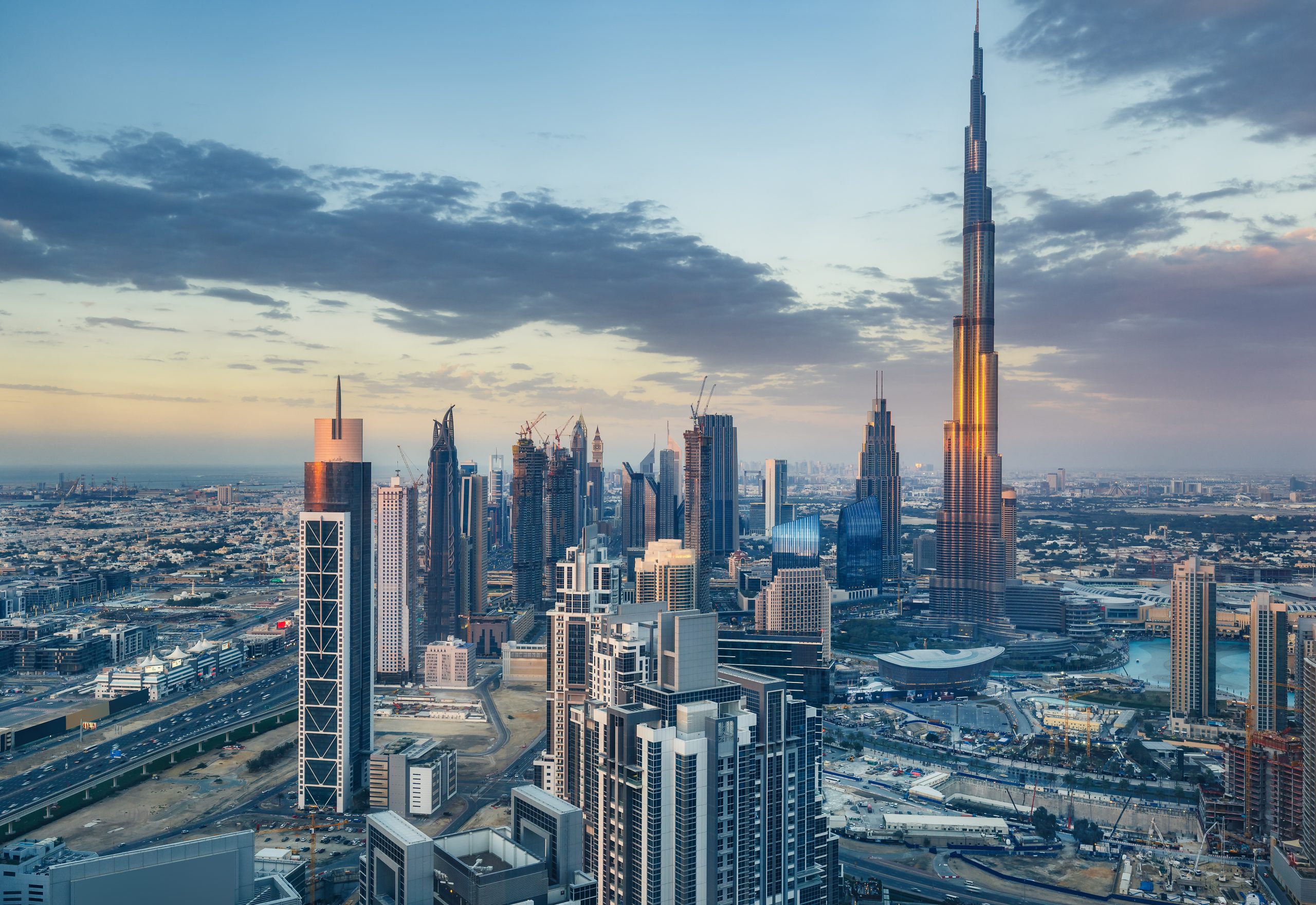
Dubai’s relationship with Rolls-Royce goes beyond ownership figures alone. The city has become a natural fit for the brand’s bespoke approach, where clients place high value on individuality and personal specification. Over time, that demand has translated into special commissions, regional collaborations, and private unveilings that reinforce Dubai’s role within Rolls-Royce’s global strategy.
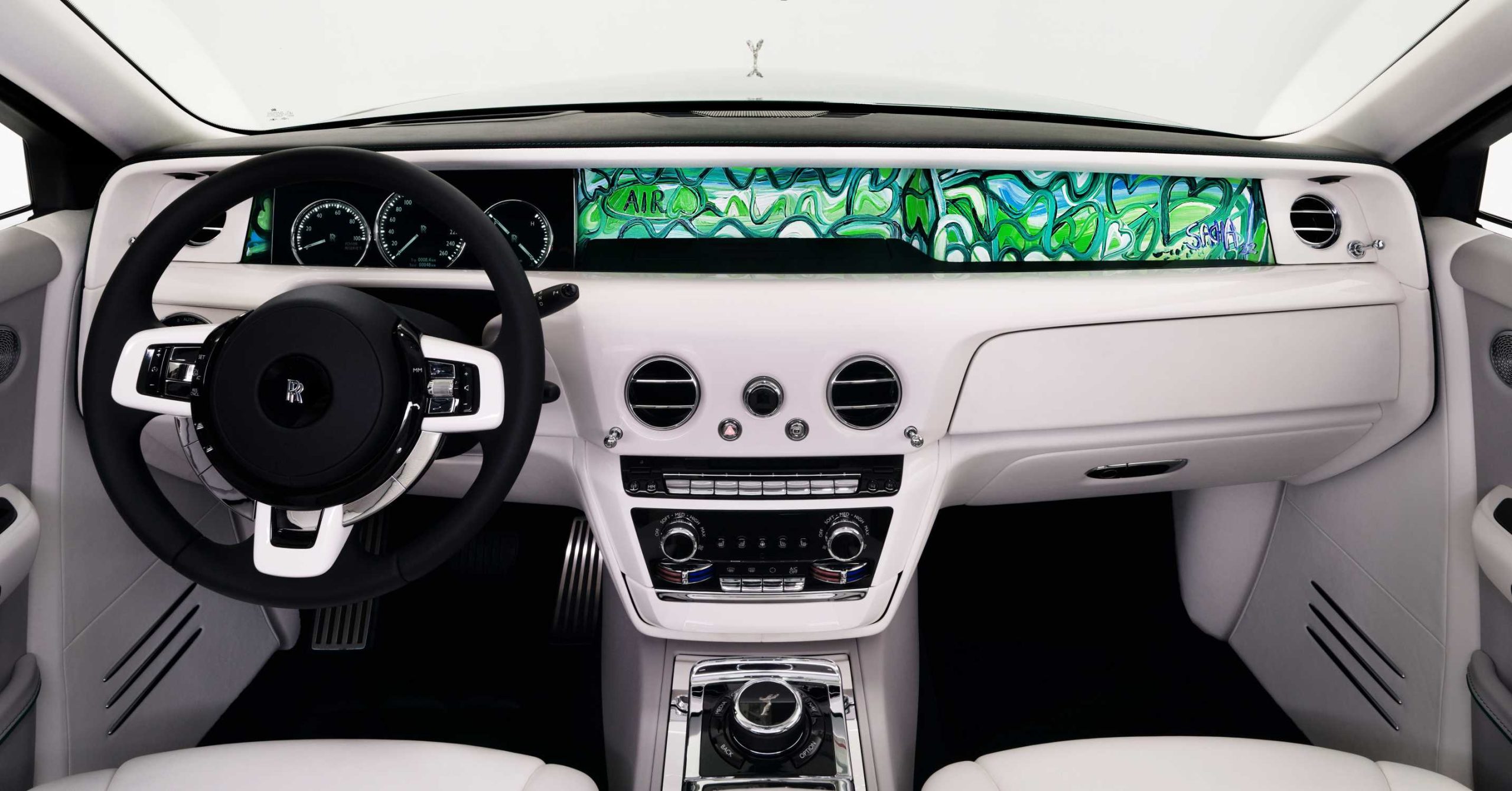
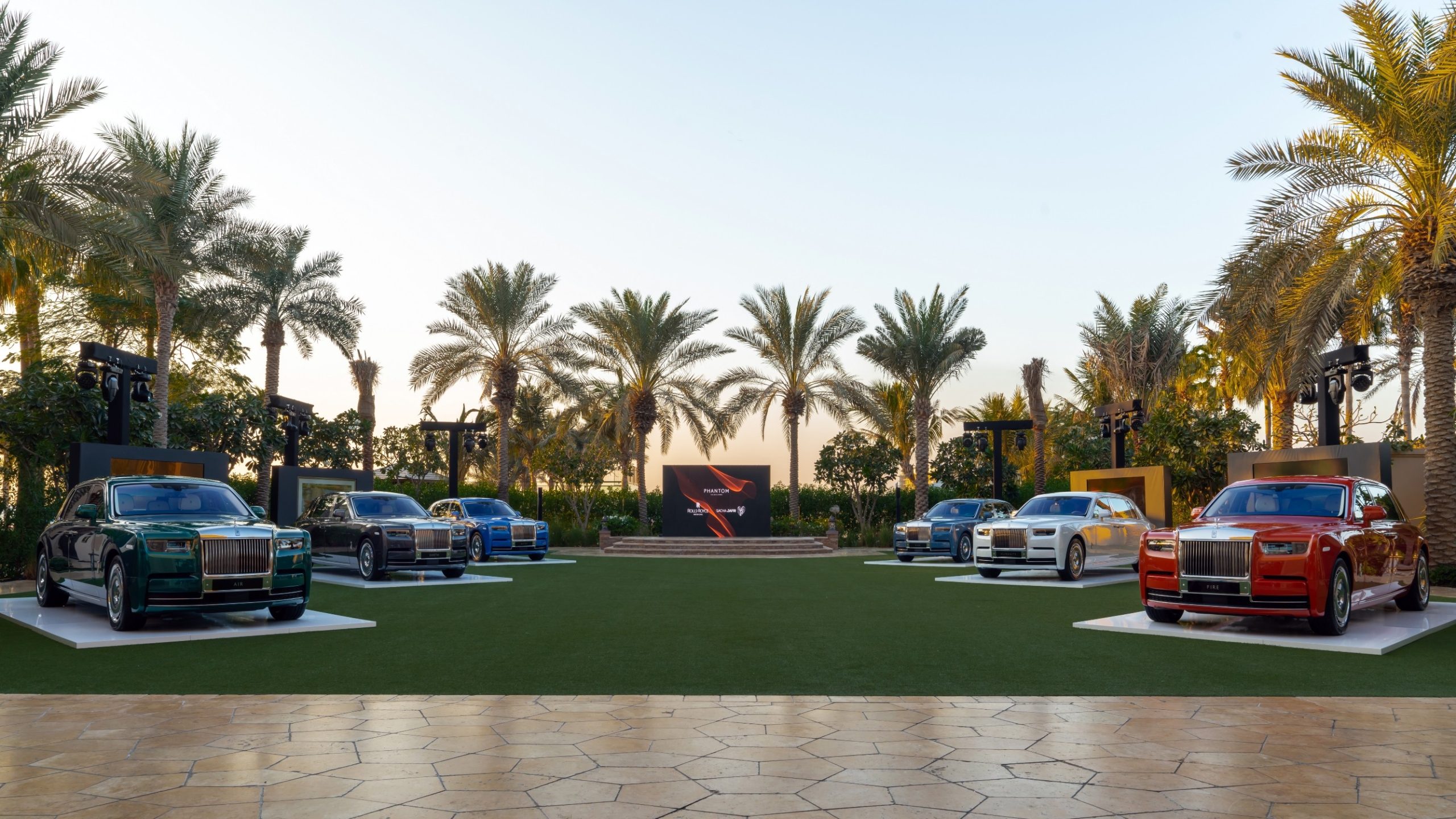
Rolls-Royce regards the Middle East as a core growth market, with the UAE a major contributor. In June 2022, the brand opened its first Private Office outside the United Kingdom in Dubai, giving clients direct access to bespoke designers and commissioning specialists. Later that year, in December, Rolls-Royce unveiled the Phantom “Six Elements” collection in Dubai, showing how the brand tailors flagship projects specifically to the region. Together, these developments underline how Dubai functions not just as a sales market but as a place where Rolls-Royce actively shapes its future direction.
Presence Over Performance in a Supercar Capital
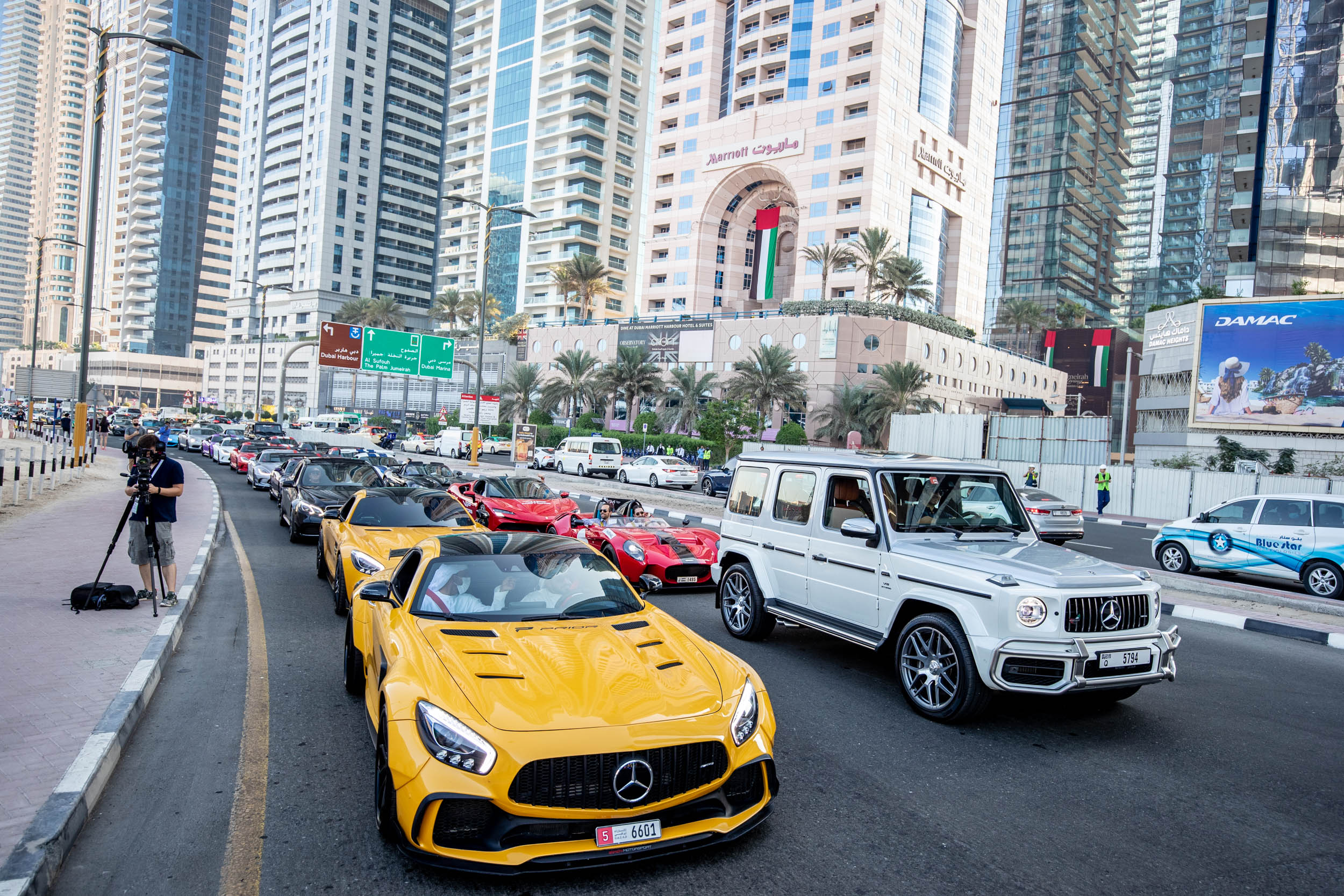
Dubai is filled with high-performance cars. Supercars and hypercars are seen daily on Sheikh Zayed Road and near hotel entrances, forming part of the city’s everyday backdrop. Still, in more formal environments such as business districts, diplomatic venues, and private events, large luxury sedans often set the tone.
This contrast highlights how status is expressed in different contexts. While outright speed draws attention, it isn’t always appropriate. The Phantom offers ample space and tranquility, qualities that matter more than acceleration for executive transport and ceremonial arrivals. Its presence suits moments where composure and comfort take priority over spectacle.
It allows occupants to arrive unhurried, shielded from the outside world, and clearly positioned within their surroundings. For visitors who want to experience that side of Dubai’s automotive culture without ownership, the option to rent a Rolls-Royce Phantom in Dubai has become a practical way to engage with the city on its own terms, where the manner of arrival carries real weight.
Arrival as a Language of Modern Luxury
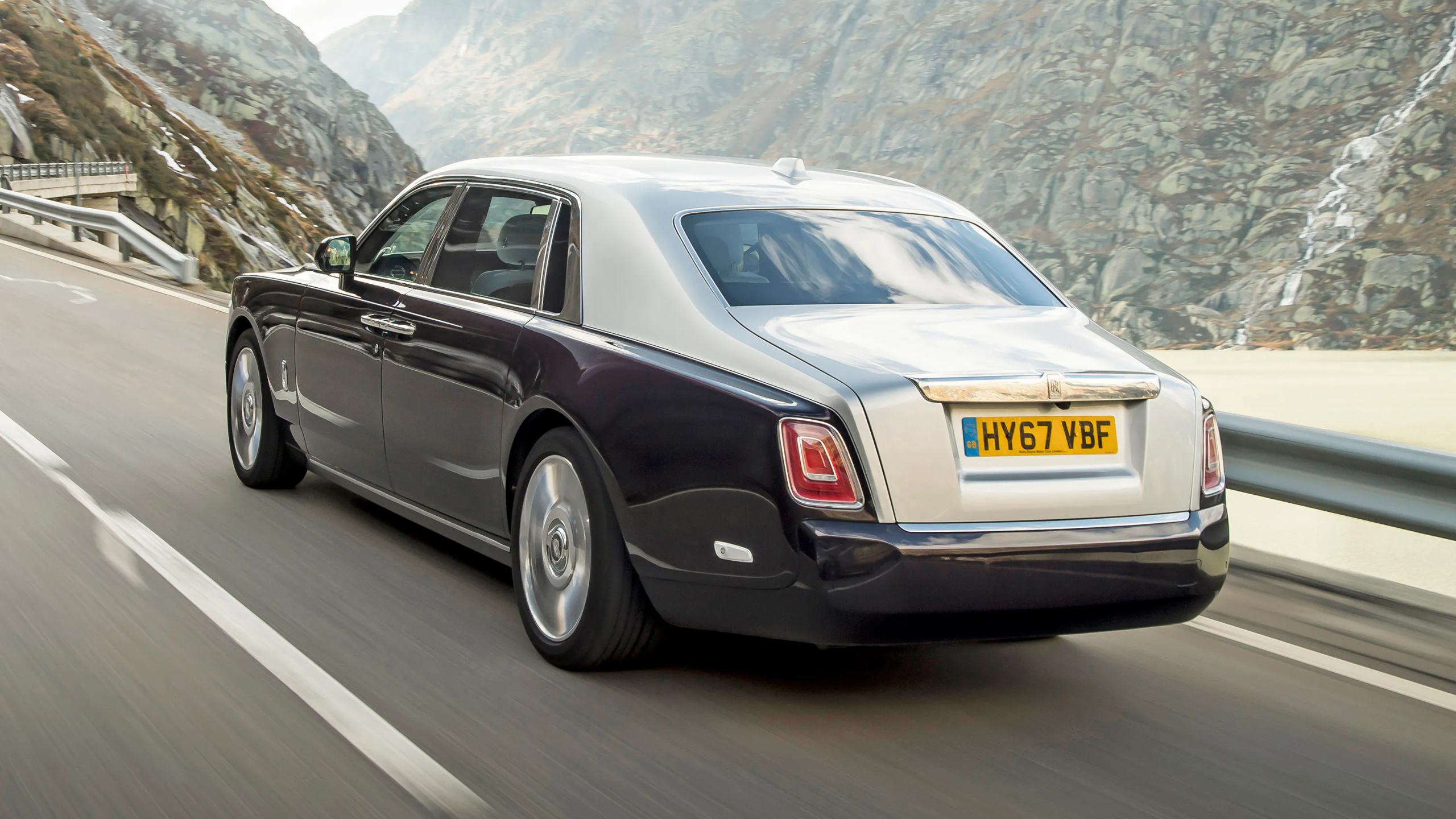
Luxury today places less emphasis on excess and more on purpose. Measured restraint, thoughtful details, and context-driven choices now define how status is expressed, particularly at the highest levels. Subtlety often says more than spectacle.
The Rolls-Royce Phantom aligns perfectly with that shift. It hasn’t followed trends so much as served as a long-standing symbol of this approach. In Dubai, a city known for grand spectacle, the Phantom represents the quieter side of success, the moments that happen away from crowds and cameras.
Rather than replacing other luxury models, it coexists with them in a different realm. In a city built on ambition and vision, arrival isn’t about being seen first, but about being remembered. The Rolls-Royce Phantom continues to resonate in Dubai because it fits that idea naturally, without needing to explain itself.