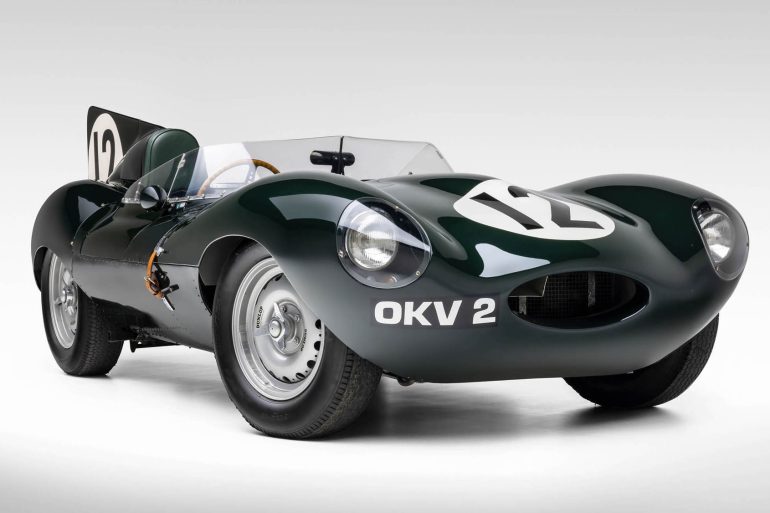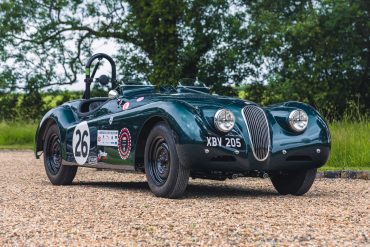
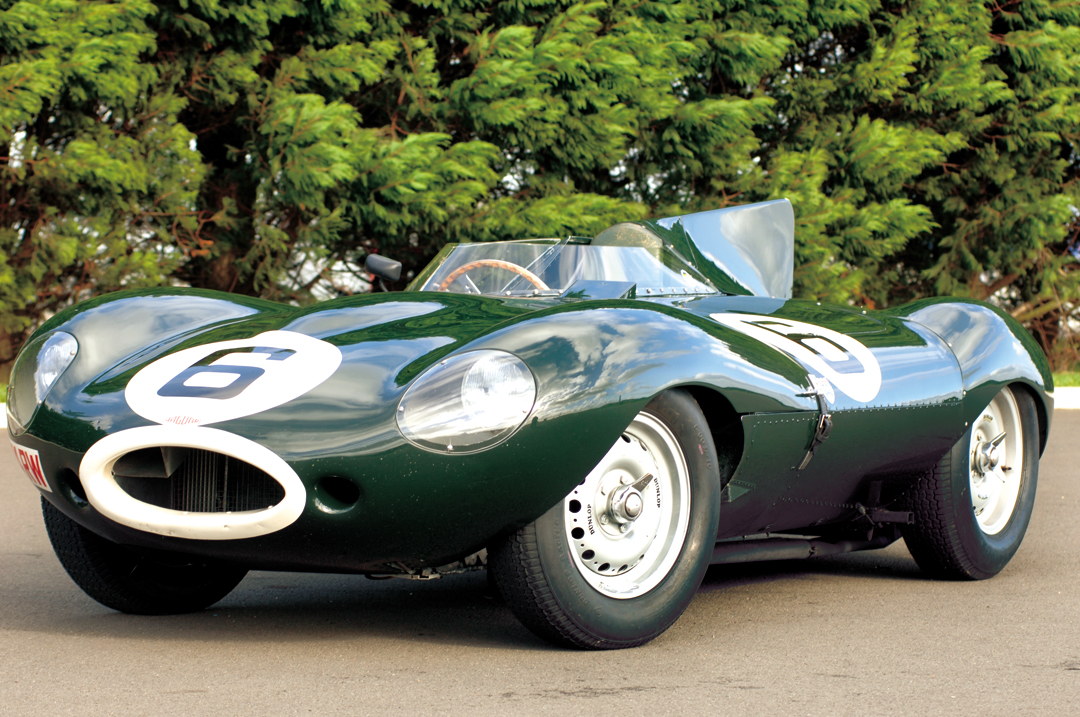
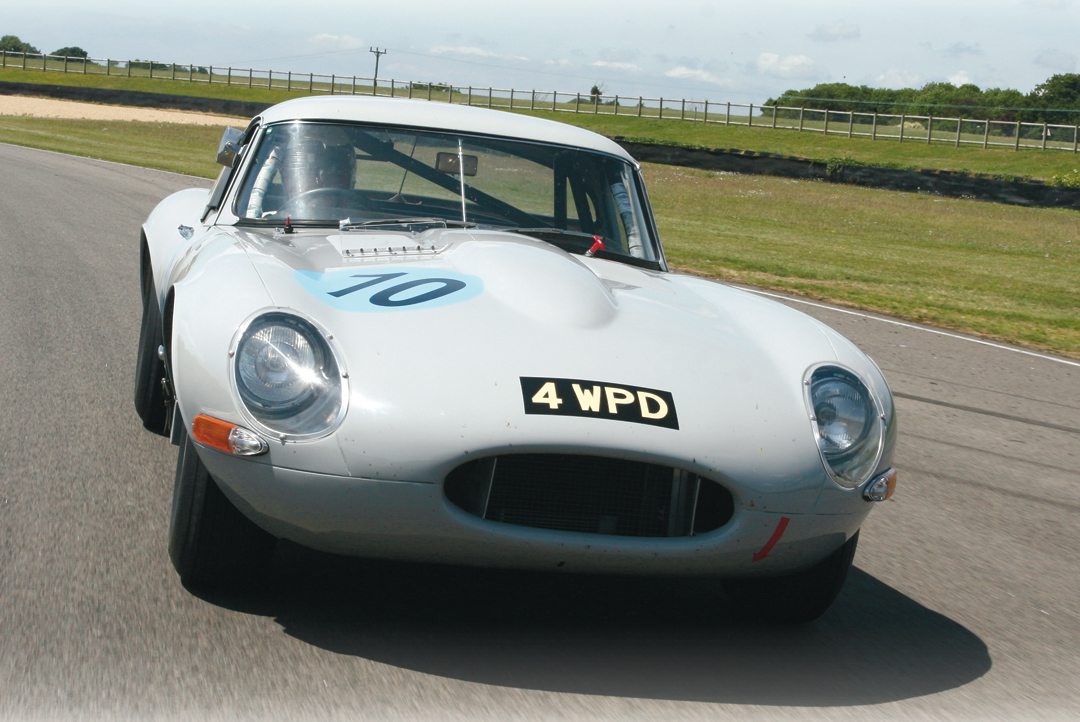
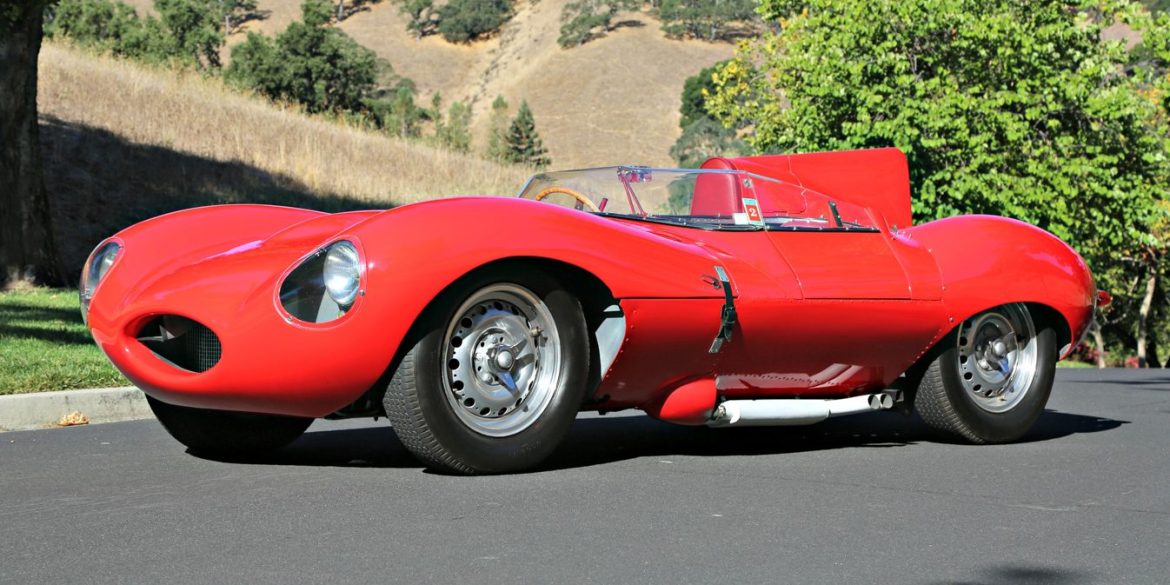
Jaguar built just two D-Types in bright red with red seats, and nobody knows why; one theory is an intended Italian sale. Steve Natale drives XKD 518, the 1956 car that was "born that way."

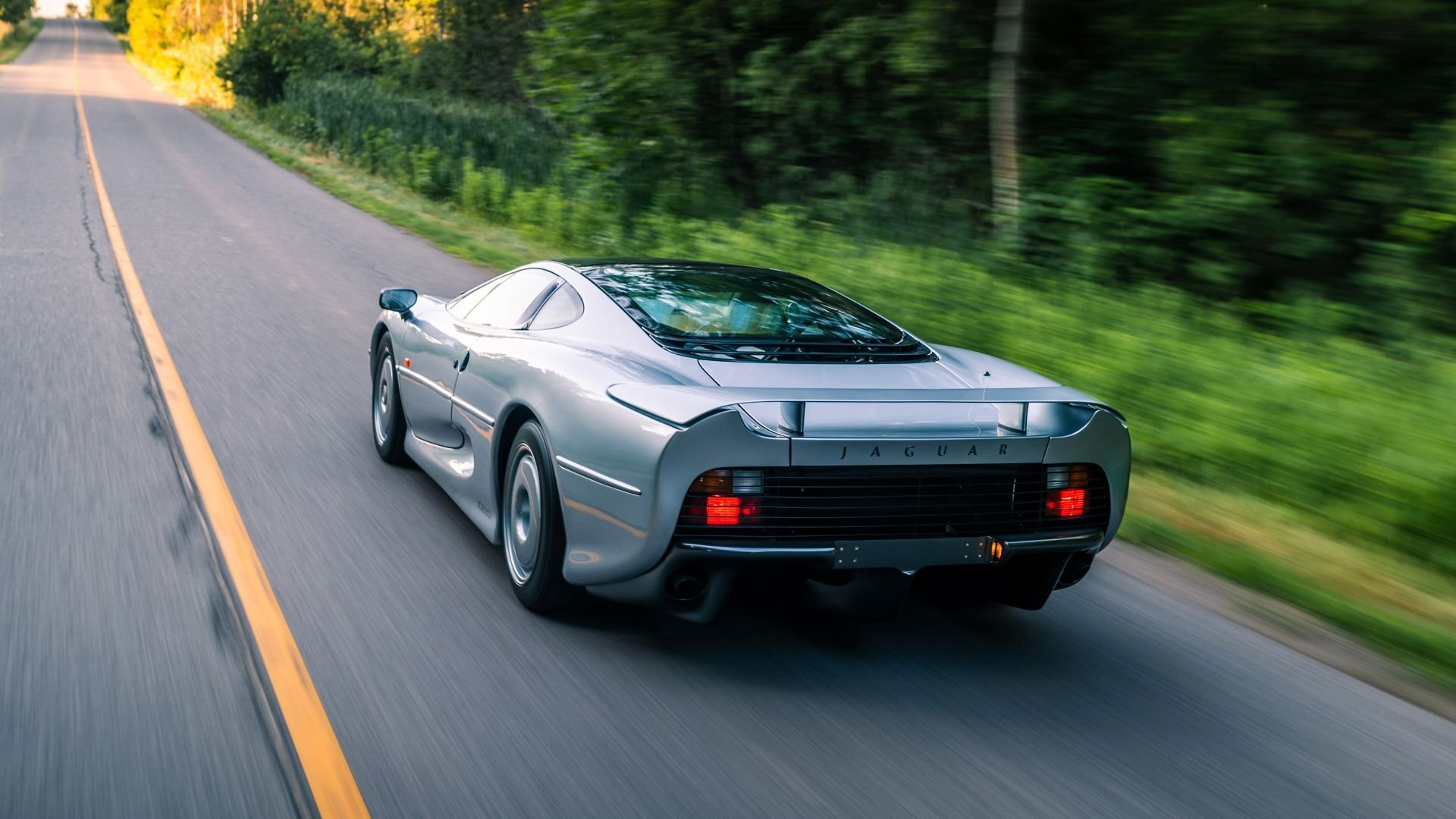
A Blackpool sidecar maker that became Britain's grandest sports-car marque: the XK120 that was the fastest production car in the world, the C-type and D-type that won Le Mans five times in seven years, the E-type that Enzo Ferrari is supposed to have called the most beautiful car ever made, and the Silk Cut XJRs that won it twice more thirty years on. The archive has John Zimmermann's history of Jaguar at Le Mans, Ed McDonough driving the Cat's Cradle C-type, a Le Mans D-type, two lightweight E-types and the XJR-9 and XJR-12, Casey Annis on the XK140 and the E-type, Group 44, and every E-type and D-type that has crossed a concours lawn or an auction block since 2000. This page puts the marque in order and links the archive through it.
The pieces to start with
Zimmermann on Jaguar at Le Mans and on Group 44, McDonough's C-type, D-type, lightweight E-types and XJR-9 and XJR-12, and Annis on the XK140s and the E-type.
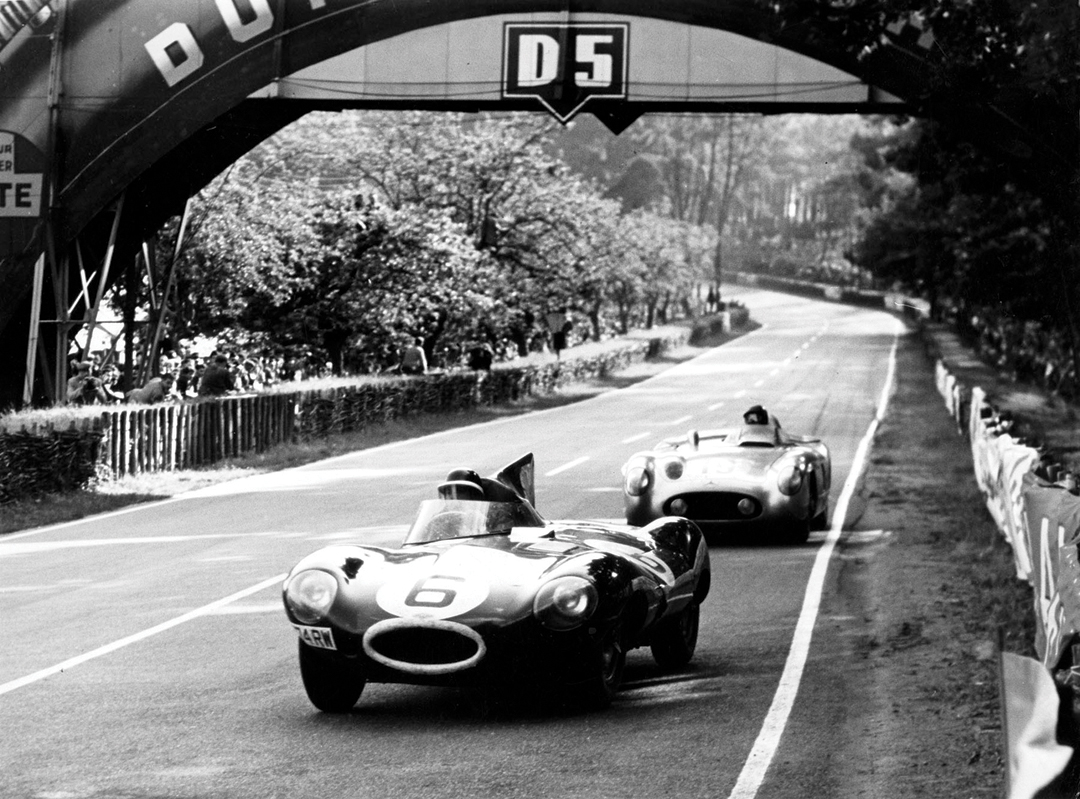
Jaguar’s first Le Mans entries in 1950 were three works-prepared XK120s run under private names in case of embarrassment; Johnson and Hadley ran second before the clutch failed. John Zimmermann on 60 years at La Sarthe.
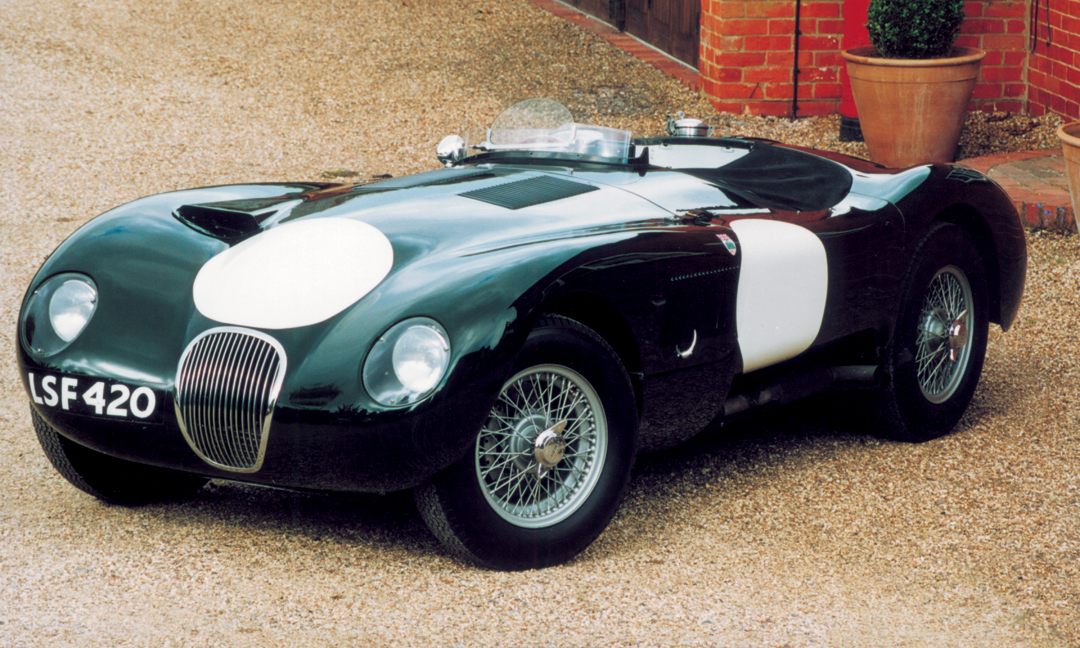
Chassis XKC 051 did exactly what Jaguar hoped: it won Le Mans, with Duncan Hamilton and Tony Rolt. Ed McDonough on the C-Type’s production-based ethos, in a year when Bentley and MG returned to the Sarthe in name only.
XKD 505 won Le Mans in 1955 with Hawthorn and Bueb, a race remembered for the accident rather than the Hawthorn–Fangio duel that preceded it. Norman Dewis, on the pit counter that night, now teaches Ed McDonough to drive it.
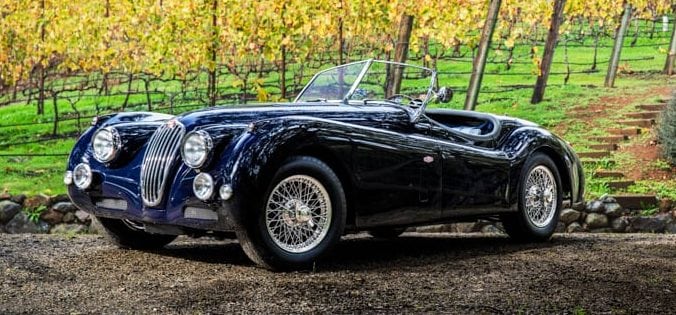
A tattered folder with an XK140MC held Mike Cook’s tallies from the Jaguar microfiche: chassis and engine numbers of the 9:1-compression “9S” cars, 39 of them left-hand-drive roadsters like his. The owner took his questions to the archives in 2015.
In August 1961 Ed McDonough watched a white, finned Jaguar at Bridgehampton that the paddock took for a new D-Type: E2A, with Walt Hansgen driving for Briggs Cunningham. Fifty years on, he tests the Coombs and Qvale Lightweights.
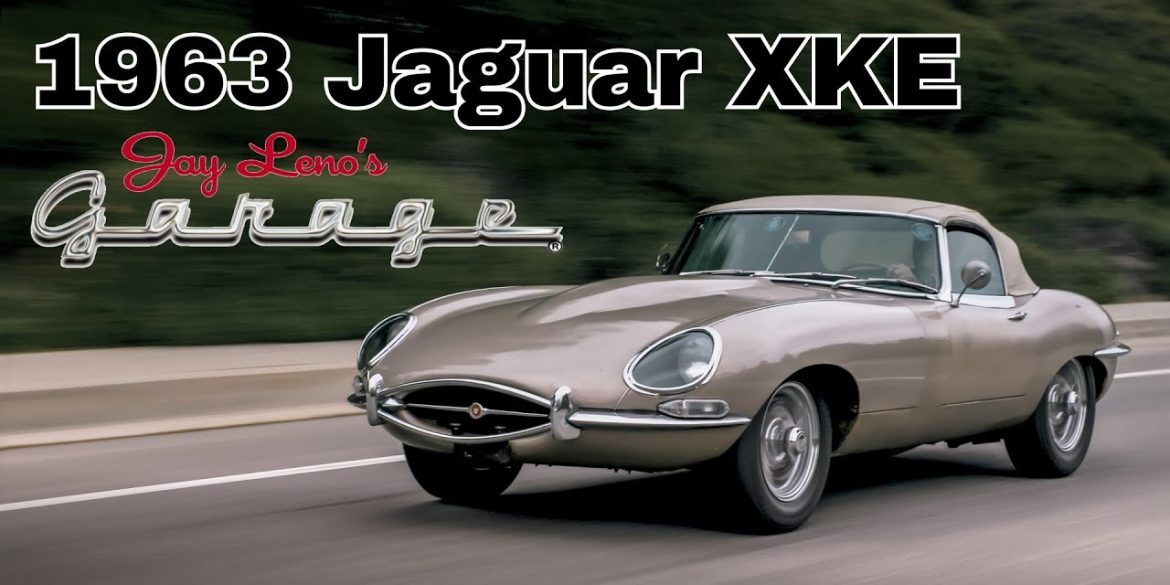
Disneyland’s top rides in 1955 needed an E-ticket. Jaguar, with Le Mans wins in 1951, ‘53, ‘55, ‘56 and ‘57 but an aging XK line, needed an E of its own. Casey Annis on the E-Type’s beginnings.
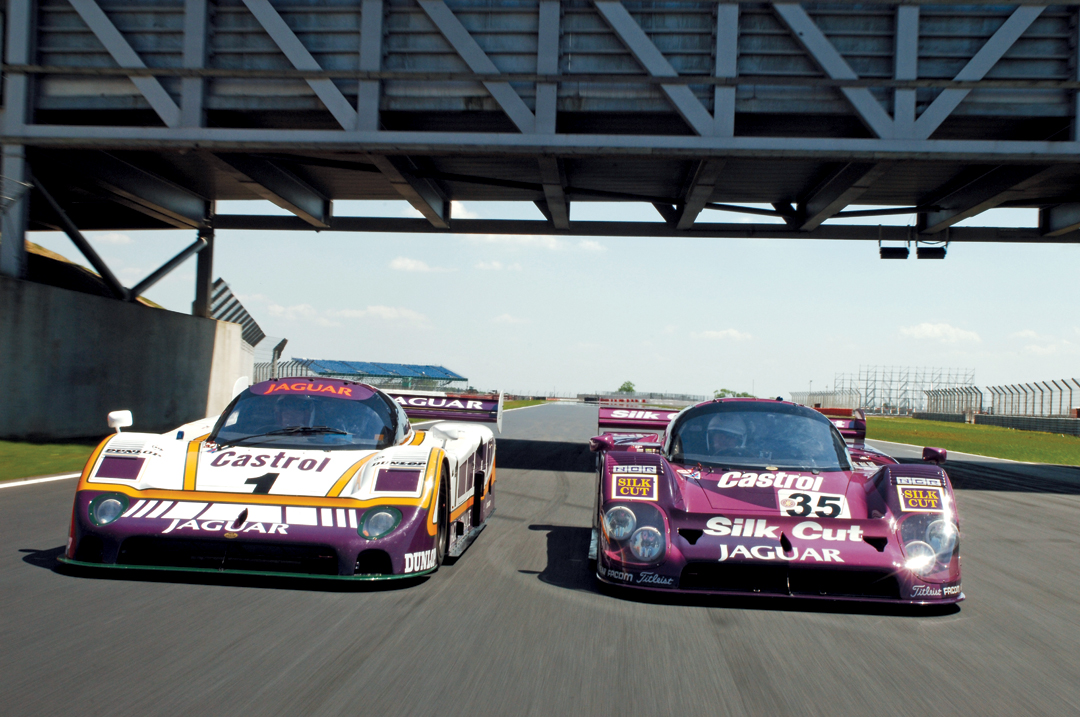
Three XK120s at Le Mans in 1950, one running second before retiring, persuaded Jaguar to build a car to win there. Ed McDonough drives the Silk Cut XJR9 and XJR12 from the second campaign and traces the line back to the C-Type.
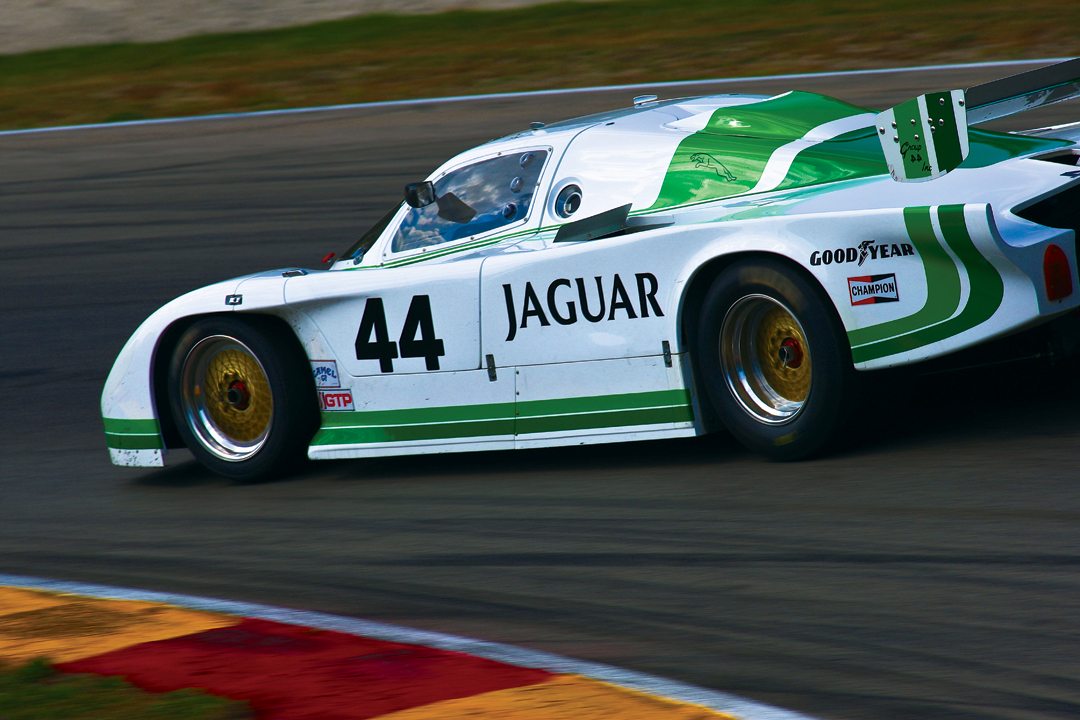
Bob Tullius’s Group 44 took Jaguar to an SCCA B Production title at the 1975 Runoffs, 15 Trans-Am wins and nine IMSA GTP victories. John Zimmermann on the Rochester racer who started by climbing the fence at Caledonia Speedway.
The newest long-form writing on Jaguar, as it is published.
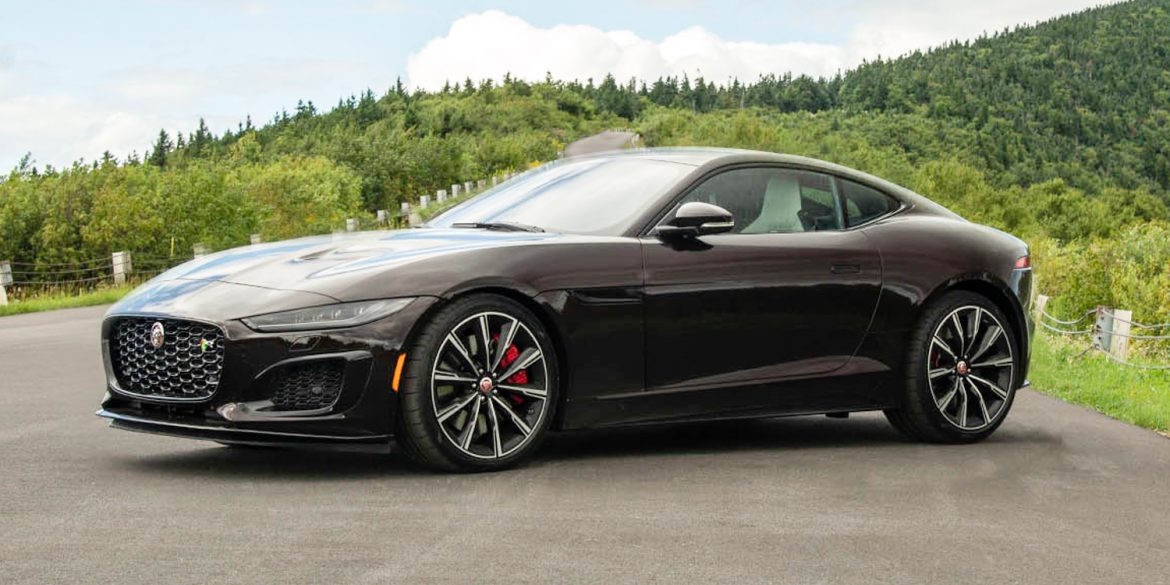
Jaguar is the Coventry maker of sports and luxury cars that grew out of the Swallow Sidecar Company William Lyons and William Walmsley founded in Blackpool in 1922, which became SS Cars in 1934, put the Jaguar name on a car in 1935 and took it for the company in 1945. Its reputation rests on a run of cars between 1948 and 1961 that nobody else matched for value and beauty, the XK120, the Mark VII, the C-type, the D-type, the Mark 2 and the E-type, all with the twin-cam XK engine that Lyons's small team drew up during the war, and on the Le Mans wins that sold them: 1951 and 1953 for the C-type, 1955, 1956 and 1957 for the D-type, 1988 and 1990 for the Tom Walkinshaw XJR-9 and XJR-12, seven in all, more than any British make. After Lyons the company passed through British Leyland, John Egan's revival and privatisation, Ford and Tata, and keeps Browns Lane's history alive through the continuation D-types, XKSSs and lightweight E-types its classic works has built since 2014.
The archive's Jaguar coverage is deep on the racing cars and the E-type: Zimmermann's Building a Legend at Le Mans, which runs from the three XK120s of 1950 to the D-types, McDonough's Vintage Racecar chassis histories, the Cat's Cradle C-type, the Cat du Mans D-type, the Coombs and Qvale lightweight E-types, the Lynx low-drag car and the XJR-9 and XJR-12, Casey Annis on the sports-purpose XK140s, the E-type and the D-type XKD510, Zimmermann's Pride of Jaguar on Group 44, Steve Natale driving a red 1956 D-type, the Lister-Jaguar stories, and the E-types and XK120s of every concours since 2000. The chapters below follow it from Blackpool to the XJR-14.
William Lyons was twenty when he and his neighbour William Walmsley began building motorcycle sidecars in Blackpool in September 1922; by 1927 the Swallow Sidecar and Coachbuilding Company was bodying Austin Sevens, by 1928 it had moved to Coventry, and in 1931 Lyons showed his first complete car, the SS1, a long, low coupé on a Standard chassis that looked like a thousand pounds and cost £310. SS Cars became a company in 1934, Walmsley left, and in September 1935 Lyons launched the SS Jaguar 2½-litre saloon, with the first engine the firm had developed itself, Harry Weslake's overhead-valve conversion of the Standard six, and the SS Jaguar 100 of 1936, the sports car that did a hundred miles an hour and won the Alpine Trial and the RAC Rally; Patrick Quinn's South by SS100 and the archive's SS100 profiles cover it. The initials were dropped in March 1945 for reasons everyone understood, and Jaguar Cars went into the post-war world with the pre-war saloons, a new factory at Foleshill and, from the fire-watching nights of the war, the design of a new engine: the 3.4-litre twin-overhead-camshaft XK six by William Heynes, Walter Hassan and Claude Baily, which would power every Jaguar that mattered for the next forty years.
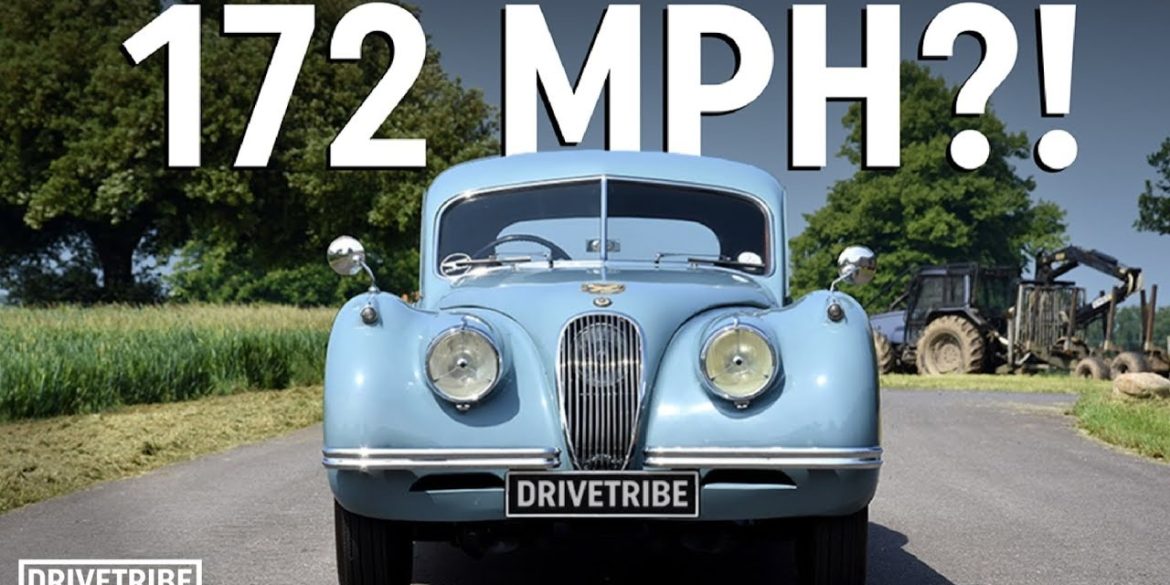
The XK120 was built to show the engine off at Earls Court in October 1948, a two-seater on a shortened Mark V chassis with a body Lyons shaped himself; the name was its top speed, and when the public would not believe it Jaguar took one to the Jabbeke motorway in Belgium in May 1949 and recorded 132.6 mph. Jaguar planned two hundred and built more than twelve thousand, most of them for America, as the archive's XK120 history records, and it won on its first outing at Silverstone in 1949, gave Stirling Moss his first big win in the 1950 Tourist Trophy at Dundrod, and ran at Le Mans in 1950, where Leslie Johnson and Bert Hadley were second before the clutch failed, which persuaded Lyons that a car built for the race could win it. The C-type, the XK120C, was that car: the XK engine in a tubular frame under Malcolm Sayer's aerodynamic body, and it won Le Mans first time out in 1951 with Peter Walker and Peter Whitehead, failed in 1952 with overheating from a hastily lengthened nose, and won again in 1953 with Tony Rolt and Duncan Hamilton, the first win at over 100 mph and the first for a car on disc brakes, with C-types second and fourth. McDonough's Cat's Cradle is the Rolt and Hamilton car's history; Zimmermann's Building a Legend tells the whole campaign; the XK140 of 1954 and XK150 of 1957 carried the road-car line on, and Annis's 9S Cars is the archive's study of the sports-purpose XK140s.
Sayer's D-type of 1954, a monocoque centre section with a tubular front subframe, dry-sump XK engine, disc brakes and the fin behind the driver's head, was designed for the Mulsanne straight and nothing else; it lost Le Mans by a lap to Ferrari in 1954, won in 1955 with Mike Hawthorn and Ivor Bueb in the race of the disaster, after Mercedes-Benz withdrew, and then, with the works team retired at the end of 1956, won twice more for David Murray's Ecurie Ecosse from Edinburgh: Ron Flockhart and Ninian Sanderson in 1956, Flockhart and Bueb in 1957 at the head of five D-types in the first six. McDonough's Cat du Mans follows the 1955 car XKD 505, Natale drives one of two factory red cars, Annis's Chemist and the Cat follows XKD510 from Duncan Hamilton to Singapore, and the archive's Le Mans hub carries each race. The leftover D-types became the XKSS road car in 1957, sixteen of them before the Browns Lane fire of 12 February 1957 destroyed the rest, one of them Steve McQueen's; the archive's XKSS stories and the 2016 continuation cars that completed the run of twenty-five are in the feeds below. Brian Lister put the D-type's engine in his own chassis for Archie Scott Brown in 1957 and the Lister-Jaguar Knobbly of 1958 was the fastest sports-racer in Britain, which is why the archive has sixty-odd Lister stories to go with the Jaguar ones.
The cars and the racing, year by year, with the archive's story of each linked. Car names link to every story on the site about that model.
| Year | The cars | The racing and the company | In the archive |
|---|---|---|---|
| 1922 | Swallow Sidecar Company | Lyons and Walmsley start building sidecars in Blackpool on Lyons's twenty-first birthday | Sir William |
| 1931 | SS1 | Lyons's first complete car, on a Standard chassis: a thousand pounds of looks for £310 | Sir William Lyons exhibition |
| 1935–36 | SS Jaguar 100 | The Jaguar name on the 2½-litre saloon; the SS100 does 100 mph and wins the Alpine Trial | South by SS100 |
| 1945 | Jaguar Cars Ltd | The SS initials dropped in March; the XK engine designed on fire-watching nights | |
| 1948–49 | XK120 | Earls Court, then 132.6 mph at Jabbeke; planned 200, built 12,000 | Jabbeke Jaguar XK120 · XK120 history |
| 1950 | XK120 · Mark VII | Moss's first big win in the Tourist Trophy at Dundrod; three XK120s at Le Mans, Johnson second before retiring | Building a Legend at Le Mans |
| 1951 | C-type | Le Mans first time out with Walker and Whitehead; Moss wins the TT again | Tourist Trophy hub |
| 1953 | C-type | Rolt and Hamilton win Le Mans on disc brakes at over 100 mph, C-types second and fourth | The Cat's Cradle |
| 1954–55 | D-type · XK140 | Sayer's monocoque; second by a lap in 1954; Hawthorn and Bueb win the 1955 race | Cat du Mans · The 9S Cars |
| 1956 | D-type · 2.4 saloon | Ecurie Ecosse win Le Mans with Flockhart and Sanderson; the works retires; Lyons knighted | Le Mans winner: the Ecurie Ecosse D-type |
| 1957 | D-type · XKSS · XK150 | D-types 1-2-3-4-6 at Le Mans; the XKSS; the Browns Lane fire of 12 February | Driven: a red 1956 D-type · The Chemist and the Cat |
| 1958 | Lister-Jaguar Knobbly | Archie Scott Brown and Brian Lister's D-type-engined sports-racer, the fastest in Britain | Knobbly Legend · Cambridge Iron |
| 1959 | Mark 2 | The 3.8 Mark 2: saloon-car racing, the police and the bank robbers | Grey Pussy |
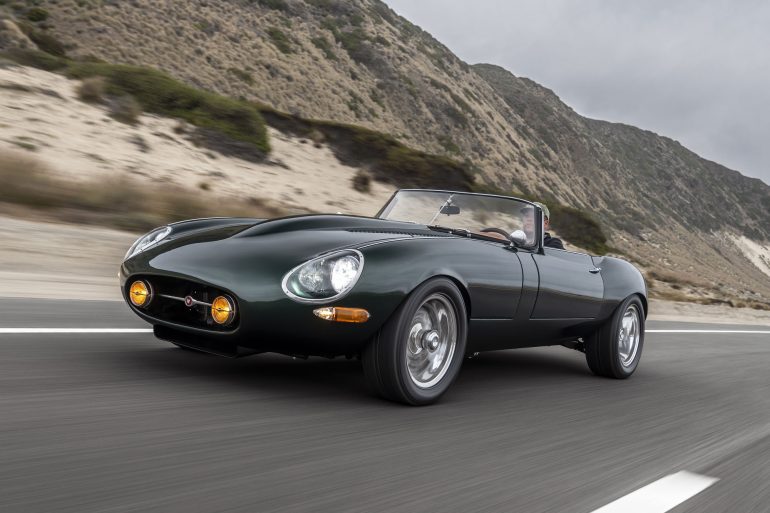
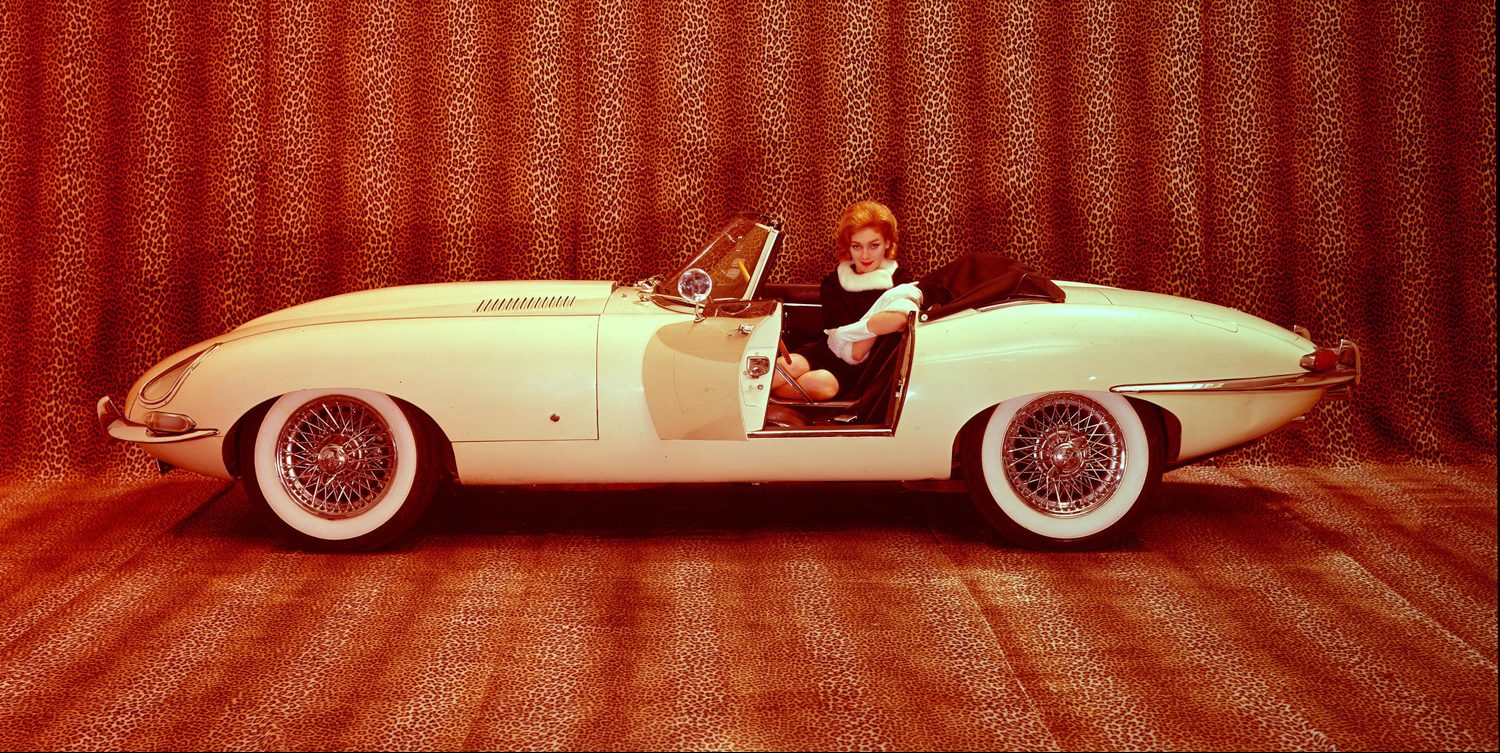
| 1961 | E-type | Geneva, March: 150 mph for £2,097, Sayer's shape and independent rear suspension | E-Ticket · The Coolest Cat in Town |
| 1963–64 | Lightweight E-type | Twelve aluminium competition cars against the GTOs: Hill, Salvadori and Sears; the Lindner-Nöcker low-drag coupé | Heavy-Duty Lightweights · Low Drag |
| 1966–68 | XJ13 · XJ6 | The mid-engined V12 that never raced; the merger with BMC; the XJ6, the best saloon in the world | Norman Dewis's XJ13 |
| 1971–72 | E-type Series 3 | The V12 E-type; Sir William Lyons retires | Sir William |
| 1975–78 | XJ-S | Group 44: the V12 E-type's SCCA title, the XJ-S's Trans-Am title | The Pride of Jaguar · Interview: Bob Tullius |
| 1984–85 | XJR-5 · XJ-S | Group 44 at Le Mans; TWR's European Touring Car title; privatisation | Turbos and Group C era |
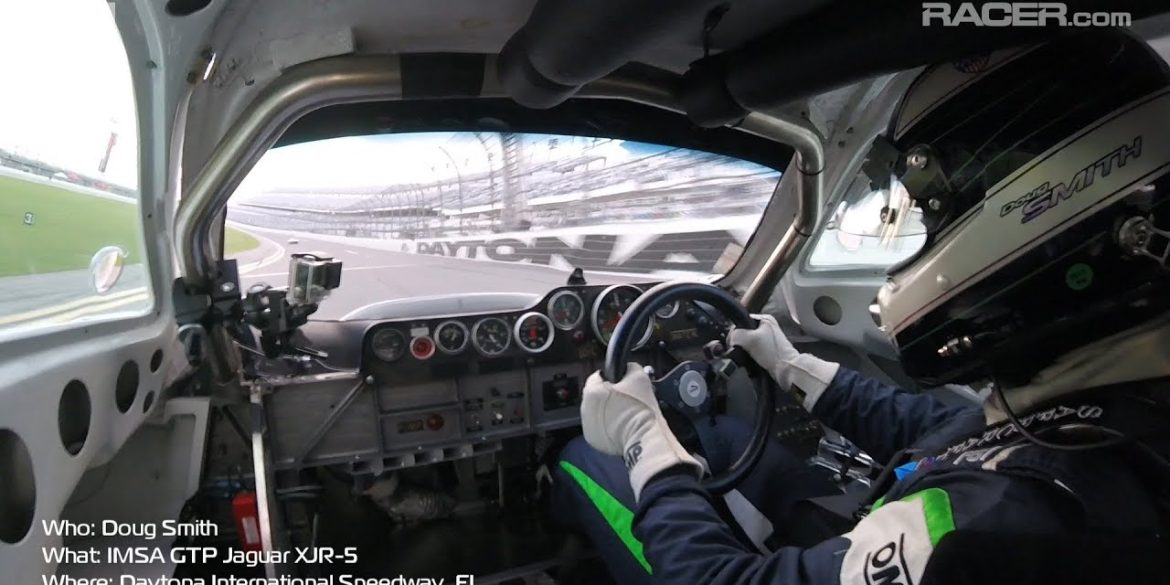
| 1987–88 | XJR-9 | World champions; Daytona; Le Mans with Lammers, Dumfries and Wallace, the first since 1957 | A Cut Above · Greatest Racecar? XJR-9 LM |
| 1989–91 | XJR-12 · XJR-14 · XJR-15 | Ford buys Jaguar; Le Mans and Daytona 1990 with the XJR-12; the XJR-14's title | Le Mans hub |
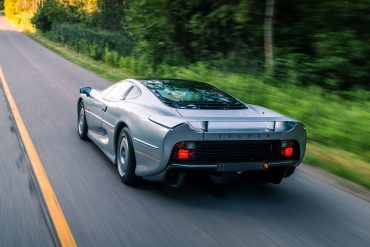
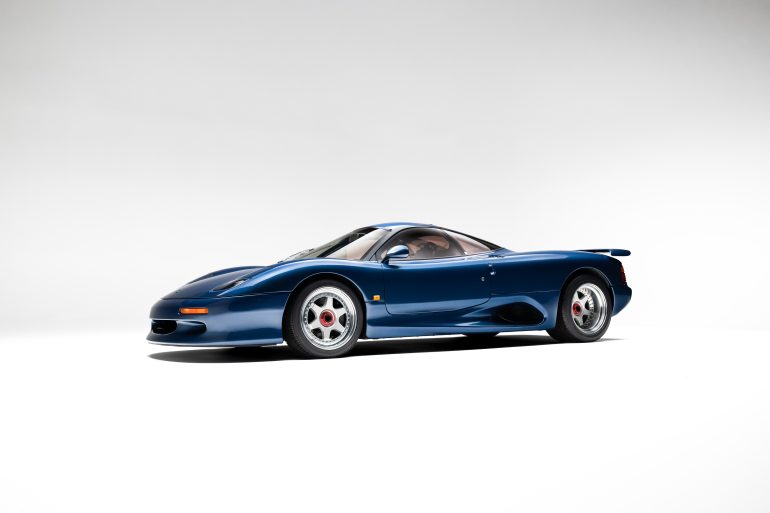
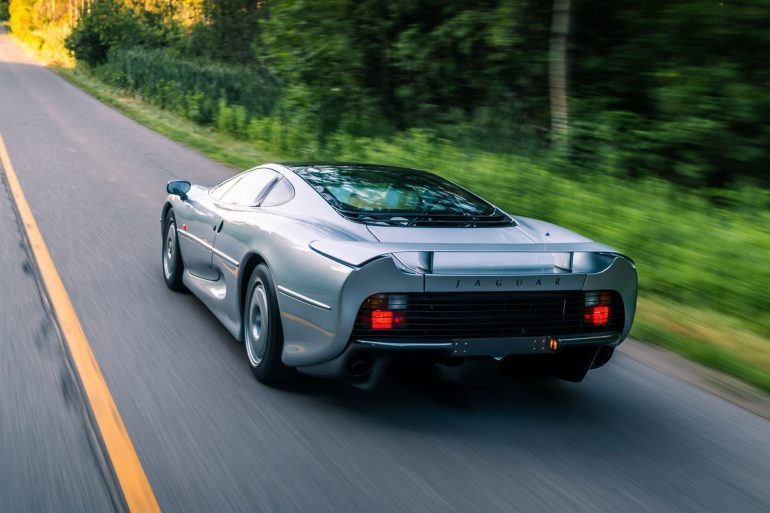
| 1992 | XJ220 | 217 mph and a V6 where a V12 was promised; 275 built | The Tumultuous Birth |
| 1996 | XK8 | The first new Jaguar engine since the XK | Model (Jaguar XK8) |
| 2008 | XF | Tata buys Jaguar and Land Rover from Ford | |
| 2013–16 | F-Type | The E-type's heir; the six continuation Lightweights of 2014 and nine XKSSs of 2016; Formula E | 'Lost' XKSS roars back to life |
| 2018–24 | D-type continuation | Twenty-five continuation D-types; the I-Pace; the 2024 relaunch | Ecurie Ecosse Legacy C-types |
Jaguar's letters were engine codes before they were model names: XK was the twin-cam six of 1948, XJ the next project, XJR the racing line of the 1980s. The Great Races pages carry each race in full.
The saloons paid for everything: the Mark VII of 1950, the compact 2.4 and 3.4 of 1955 that won saloon-car races everywhere, the Mark 2 of 1959 with the 3.8-litre engine, the bank robber's and the police's car alike, and the Mark X and the S-type. Then, at Geneva in March 1961, the E-type: Sayer's shape on a monocoque with the D-type's suspension thinking, independent at the rear for the first time on a Jaguar road car, 150 mph for £2,097, and the car the archive calls the coolest cat in town and Annis's E-Ticket. More than 72,000 were built to 1975, through the Series 1 roadsters and coupés, the 2+2, the Series 2 and the V12 Series 3 of 1971; the twelve lightweight E-types of 1963, built to fight the Ferrari GTO and raced by Graham Hill, Roy Salvadori and Jack Sears, the Lindner-Nöcker low-drag coupé and the Lynx re-creations are McDonough's Heavy-Duty Lightweights and Low Drag in the archive, and the lightweight continuation cars of 2014 completed the eighteen Jaguar had allocated. Lyons was knighted in 1956, merged Jaguar with BMC in 1966 and so into British Leyland in 1968, launched the XJ6 that year, the best saloon in the world by common consent, and retired in 1972, having designed or shaped every car the company built. The XJ13, the mid-engined V12 Le Mans car of 1966 that never raced and that Norman Dewis crashed at MIRA in 1971, is the archive's greatest might-have-been; Dewis, the test driver who developed every Jaguar from the C-type to the XJ-S, has his own thread.
British Leyland nearly killed Jaguar; two racing programmes and one manager saved it. In America Bob Tullius's Group 44 took the V12 E-type to an SCCA national championship in 1975, the XJ-S to the Trans-Am title in 1978 and the XJR-5 prototypes to IMSA wins and Le Mans in 1984 and 1985, the story Zimmermann tells in The Pride of Jaguar and Tullius in his archive interview. In Europe Tom Walkinshaw's TWR won the European Touring Car Championship with the XJ-S in 1984 and then built the Group C XJR-6, 8, 9 and 12 that won the world championship in 1987, 1988 and 1991, Daytona in 1988 and 1990 and Le Mans in 1988 with Jan Lammers, Johnny Dumfries and Andy Wallace and in 1990 with John Nielsen, Price Cobb and Martin Brundle, the first Jaguar wins there since 1957; McDonough drives the XJR-9 and XJR-12 in A Cut Above and the Turbos and Group C page has the era. John Egan, chairman from 1980, used the purple Silk Cut cars and the quality drive behind them to make Jaguar saleable again: privatised in 1984, bought by Ford in 1989 for £1.6 billion. The XJ220 of 1992, 217 mph and a V6 where a V12 had been promised, the archive's tumultuous supercar, and the XJR-15 road-going Group C car of 1990 are the period's road cars.
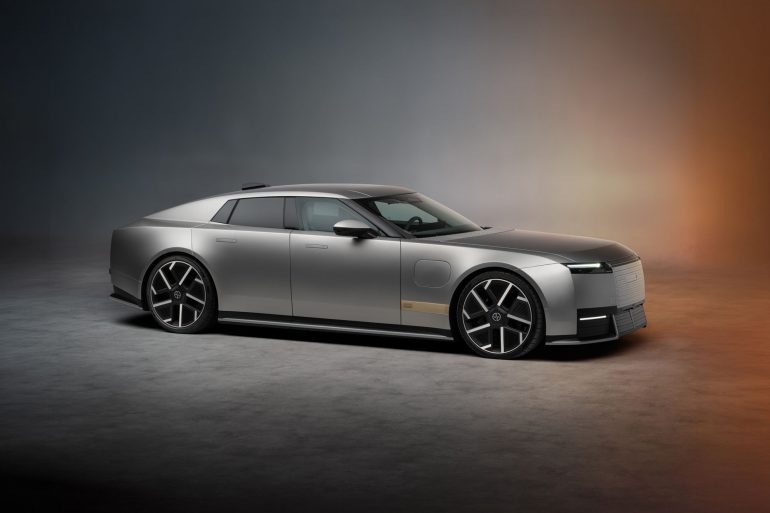
Ford's Jaguar built the XK8 of 1996 with the first new Jaguar engine since the XK, the S-type and X-type that diluted the name, and the aluminium XJ of 2003, and spent a fortune on a Formula One team from 2000 to 2004 before selling the company, with Land Rover, to Tata in 2008. Under Tata came the XF and XE, the F-Type of 2013 that gave the E-type an heir, the I-Pace electric car of 2018 and the Formula E team that has run since 2016; in 2024 the company stopped building almost everything to relaunch itself as an electric luxury marque, a change the archive has followed with some scepticism. Jaguar Classic at Browns Lane and then Ryton has meanwhile built the continuation cars, the six lightweight E-types of 2014, the nine XKSSs of 2016 and the twenty-five D-types of 2018, and restores the originals that appear in the galleries below.
The archive's single-car stories are organised by Model tag: the SS100; the XK120, XK140 and XK150; the C-type and D-type, the XKSS and the XJ13; the E-type, by far the largest thread, with the lightweights inside it; the Mark 2 and the XJ6; the XJ-S; the XJR-9, XJR-12, XJR-14 and XJR-15; the XJ220, the XK8 and the F-Type; and the Lister-Jaguar Knobbly under its own tag. The nine below are the ones the archive has most to say about.
Nine the archive has most to say about; each links to every story on the site about that car.
Single-car and chassis stories: the XKs, the C-types and D-types, the E-types, the Listers and the cars that surface at auction.
Jaguar's racing is told race by race across the site's Great Races pages, and the Racing feed below gathers the Jaguar race accounts in one place. At Le Mans: 1950 to 1957, the Group 44 and TWR years, and the seven wins, in Zimmermann's history and the Le Mans hub. In the Tourist Trophy: Moss's XK120 at Dundrod in 1950, the C-types and D-types of the 1950s, the lightweight E-types third and fourth behind the GTOs at Goodwood in 1963. At Goodwood: the Nine Hours, in which Jimmy Stewart's Ecurie Ecosse C-type appears in the archive, and today's Revival, where the D-types, Listers and E-types fill the Sussex Trophy, the Freddie March Trophy and the TT Celebration every September. At Sebring and Daytona: the D-types of the 1950s, Group 44 and the XJR-9's 1988 and XJR-12's 1990 Daytona wins. At Reims, Spa and the Nürburgring: the C-type's 1953 and the works D-type's 1956 seasons. In saloon racing: the 3.4 and Mark 2 of the late 1950s, David McKay's Grey Pussy in Australia among them, and the XJ-S in the European and Trans-Am championships.
Race profiles and reports with a Jaguar in them, newest first.
Sir William Lyons made the company and shaped its cars for fifty years; William Heynes, Walter Hassan and Claude Baily designed the XK engine; Malcolm Sayer, from Bristol Aeroplane, drew the C-type, D-type, E-type and XJ13; Lofty England ran the racing team and then the company; Norman Dewis tested everything; Bob Knight engineered the XJ6; and John Egan, Tom Walkinshaw and Bob Tullius brought the name back. The drivers are Stirling Moss, Peter Walker, Peter Whitehead, Tony Rolt, Duncan Hamilton, Mike Hawthorn, Ivor Bueb, Ron Flockhart, Ninian Sanderson, Jimmy Stewart and the Ecurie Ecosse men, Archie Scott Brown in the Listers, Graham Hill, Roy Salvadori and Jack Sears in the lightweights, Bob Tullius, and Martin Brundle, Jan Lammers, Andy Wallace, John Nielsen and Price Cobb in the TWR cars. The archive's portraits are the Tullius interview, Remembering Mike Hawthorn, the Dewis tribute, the Lyons exhibition and the Ecurie Ecosse tribute at the 2017 Revival; the People feed below carries the rest.
Drivers, engineers, entrants and collectors of the Jaguar story, in profiles and interviews.


The D-type is Jaguar's blue chip: the 1956 Le Mans-winning Ecurie Ecosse car made $21.78 million at Monterey in 2016, the most for a British car at auction, and works and Ecurie Ecosse D-types, C-types and the sixteen original XKSSs trade in eight figures, with the lightweight E-types and the Lister-Jaguar Knobblys below them. The classic market proper is the E-type, the most-traded British sports car of all, from Series 1 roadsters at the top through the coupés and 2+2s to the Series 3 V12s, then the XK120, 140 and 150, the Mark 2 and the SS100, each with a long archive of auction stories behind it; the XJ220 and XJR-15 have become collectable, and the XJ-S and XJ6 are the cheap way in. The archive has more than sixty Jaguar auction stories; the two feeds below are the Jaguars at auction and for sale now, newest first, and The Market's pages carry the price histories.
Auction previews and results for Jaguars, newest first.
Jaguars offered by dealers and collectors, newest first.
The galleries run from the D-types and Listers at the Goodwood Revival and the Le Mans Classic to the E-type classes at Pebble Beach and Amelia Island, the Jaguar Heritage collection at Gaydon, and the single-car photo profiles the archive ran through the 2010s. The Galleries feed below is the whole set, newest first.
Jaguar galleries from Goodwood, Le Mans Classic, Gaydon and the concours lawns.
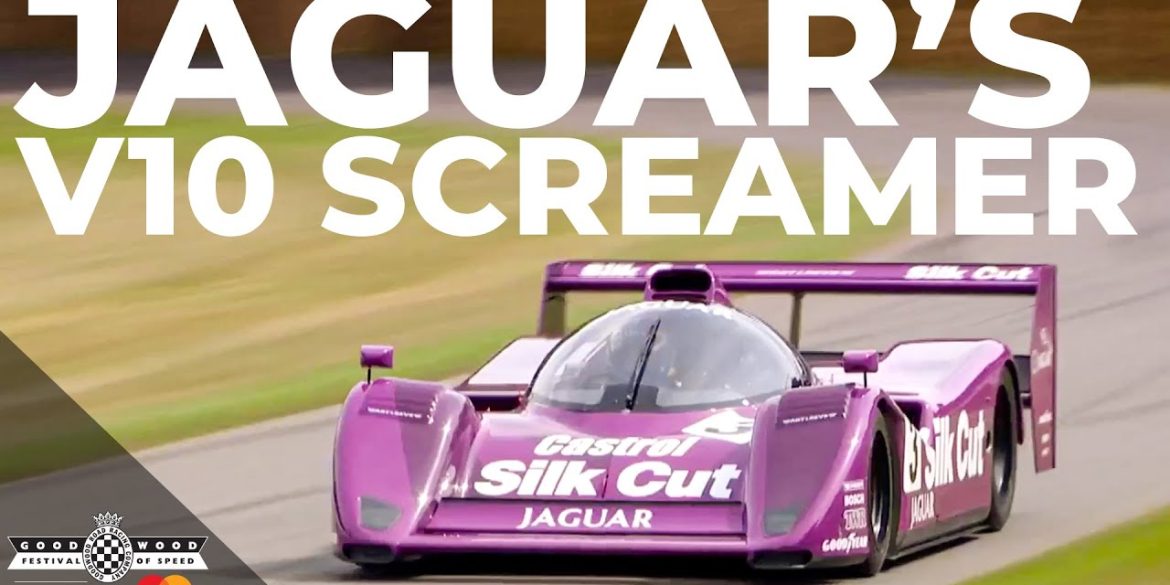
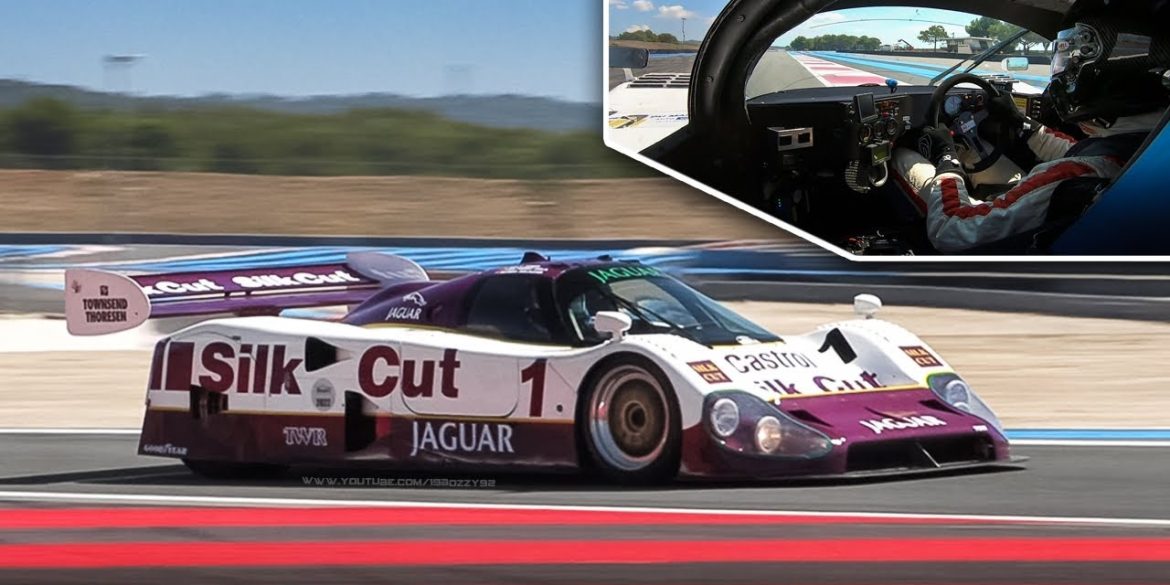
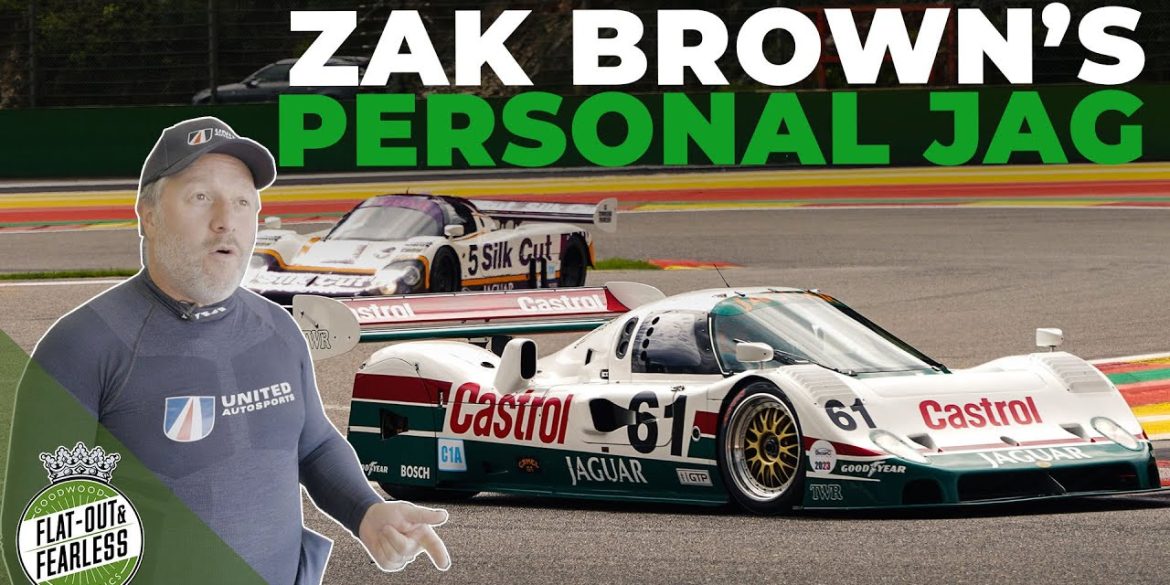
Founded: Swallow Sidecar Company, Blackpool, 4 September 1922; SS Cars Ltd 1934; the first SS Jaguar, September 1935; Jaguar Cars Ltd, March 1945; Browns Lane, Coventry, from 1951; part of BMH 1966, British Leyland 1968; privatised 1984; Ford 1989–2008; Tata since 2008. Le Mans: 7 wins (1951 Walker / Whitehead, C-type; 1953 Rolt / Hamilton, C-type; 1955 Hawthorn / Bueb, D-type; 1956 Flockhart / Sanderson, D-type, Ecurie Ecosse; 1957 Flockhart / Bueb, D-type, Ecurie Ecosse; 1988 Lammers / Dumfries / Wallace, XJR-9; 1990 Nielsen / Cobb / Brundle, XJR-12). World sports-car championships: 1987, 1988, 1991 (TWR). Daytona 24 Hours: 1988 and 1990. Tourist Trophy: 1950 (Moss, XK120) and 1951 (Moss, C-type). European Touring Car Championship: 1984 (XJ-S, Walkinshaw). Trans-Am: 1978 (XJ-S, Tullius). The XK120: 132.6 mph at Jabbeke, May 1949; 12,055 built. The E-type: 72,500 built, 1961–75; 12 lightweights, 1963–64. The D-type: 71 built plus 16 XKSS; the Browns Lane fire, 12 February 1957. Record price: $21.78 million for the 1956 Le Mans-winning D-type XKD 501, RM Sotheby's Monterey, 2016. The name: Jaguar, chosen from a list of animals in 1935; the leaper mascot from 1938.
Short answers, with the long ones above.
William Lyons and William Walmsley, who started the Swallow Sidecar Company in Blackpool in 1922; Lyons ran the company alone from 1934 and led it until 1972. The Jaguar name was first used in 1935 and became the company's in 1945.
The initials SS, which stood for Swallow Sidecar or Standard Swallow, had become unusable by 1945; the company took the name of its best-known model, the SS Jaguar, in March that year.
Seven: 1951 and 1953 with the C-type, 1955, 1956 and 1957 with the D-type, and 1988 and 1990 with the TWR XJR-9 and XJR-12.
The C-type (1951–53) is a tubular-framed sports-racer with a conventional body; the D-type (1954–57) has a monocoque centre section, a dry-sump engine, disc brakes from the start and the tail fin, and is lower and faster. Both use the XK engine.
Its looks, its performance and its price: 150 mph in 1961 for about £2,000, half the cost of a Ferrari or an Aston Martin, with independent rear suspension and disc brakes all round, in a shape Malcolm Sayer derived from the D-type.
One of twelve aluminium-bodied competition E-types built by the works in 1963–64 to race against the Ferrari 250 GTO, with alloy engines and fuel injection; Jaguar built six more in 2014 to complete the eighteen chassis numbers it had allocated.
The 1956 Le Mans-winning Ecurie Ecosse D-type, chassis XKD 501, sold for $21.78 million at Monterey in 2016, a record for a British car at auction; XKSSs and other D-types have sold for more than $10 million.
Tata Motors of India, which bought Jaguar and Land Rover from Ford in 2008 and runs them as JLR. Jaguar was independent until 1966, part of BMH and British Leyland from 1966 to 1984, independent again from 1984 and owned by Ford from 1989.
It was Jaguar's internal code for the twin-cam engine designed during the war, following experimental XF, XG and XJ units; the XK120 took the engine's name and its top speed, and the later XJ saloons took the next code in the sequence.
The whole archive on one thread, newest first.