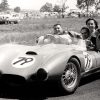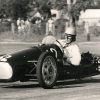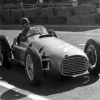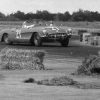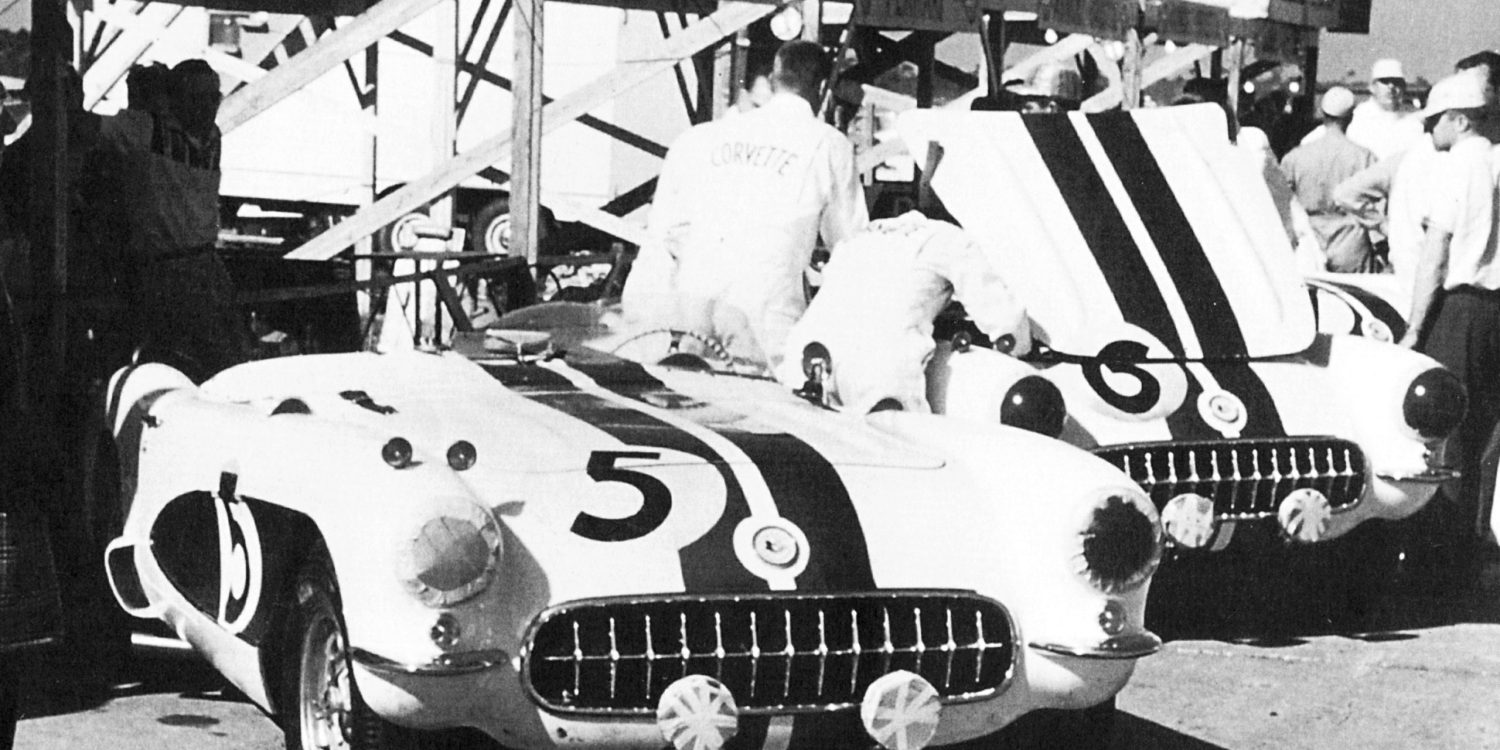
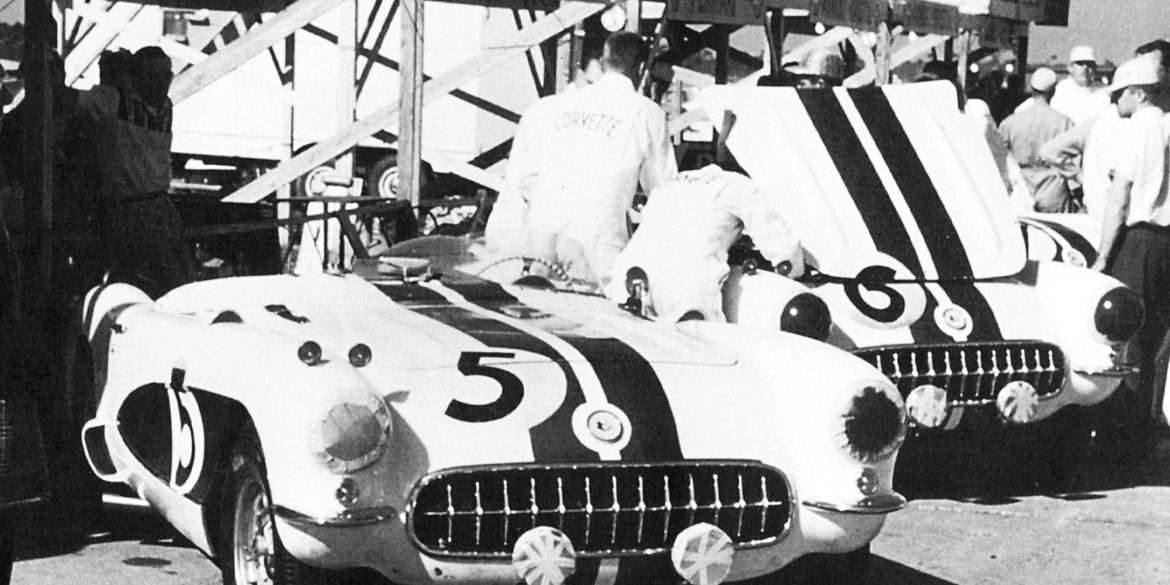
Editor's Note: This feature was reproduced with permission from our sister site Stuttcars.com for our SCD members. Ed Cole, Zora Duntov’s boss, was eager to race.

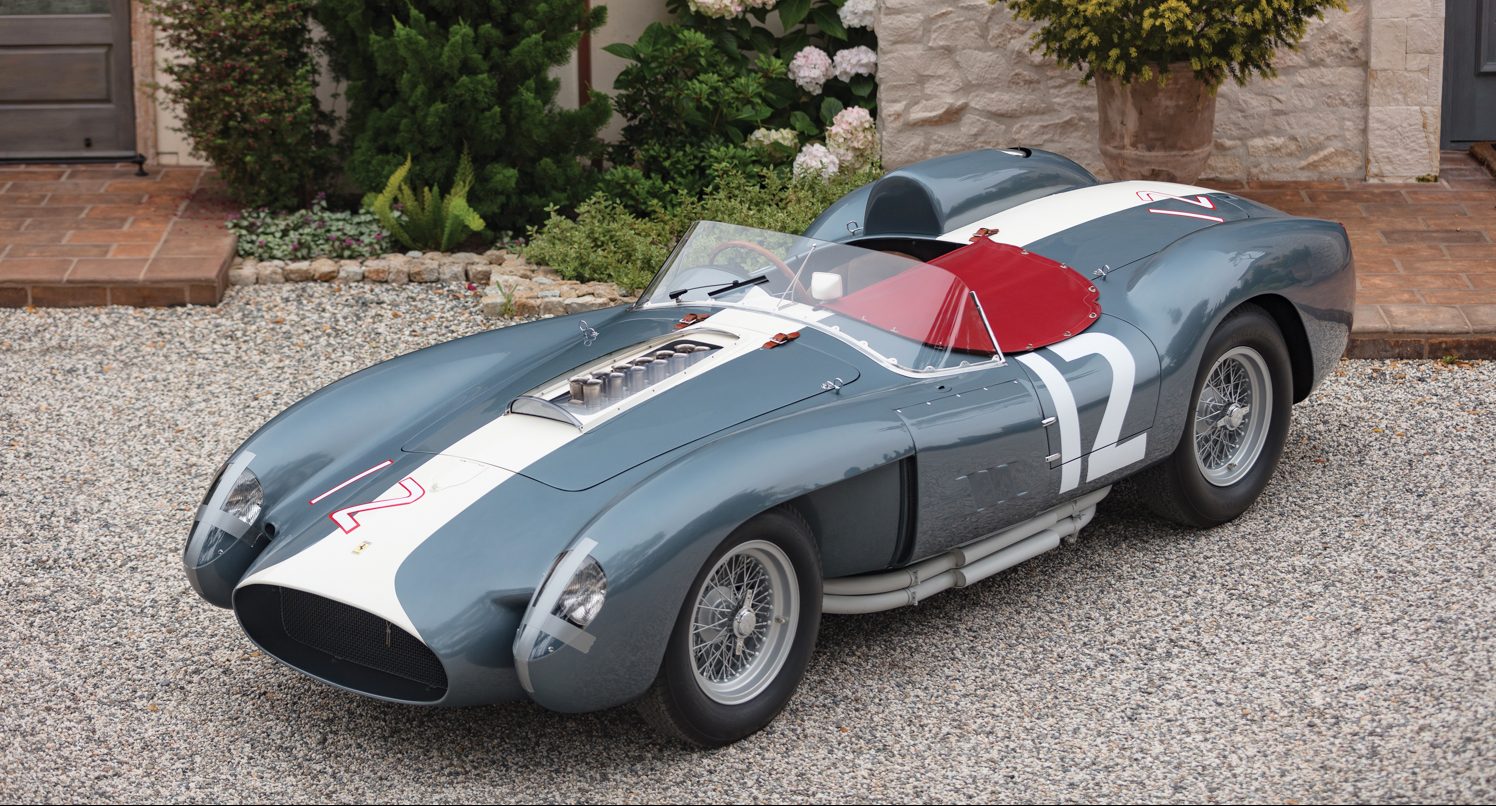
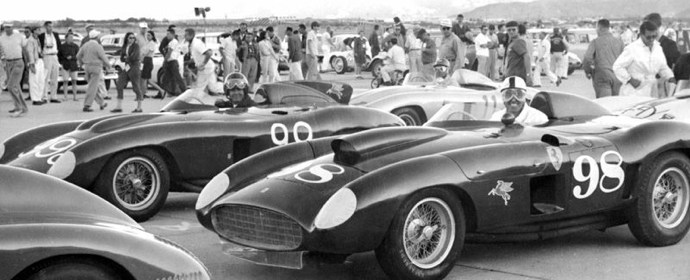
Between the end of the war and the end of the 1950s, sports-car racing was the biggest thing in motor sport. The great road races came back, Jaguar and Aston Martin went to Le Mans to sell cars, Ferrari, Maserati and Lancia fought each other across Italy, Mercedes-Benz came and went in two seasons, and America built its own road-racing world from Sebring to Pebble Beach. The cars were front-engined, drum-braked at first, and driven to the circuit. These are the years the magazine wrote about most, and the ones that produced the most valuable cars in the world.
The pieces to start with
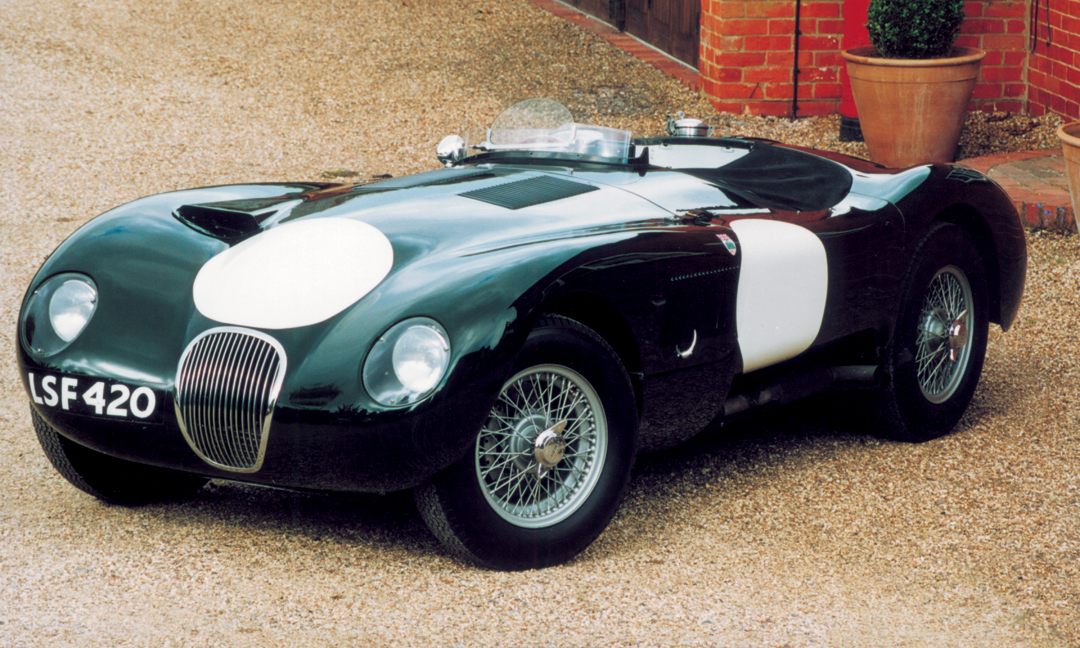
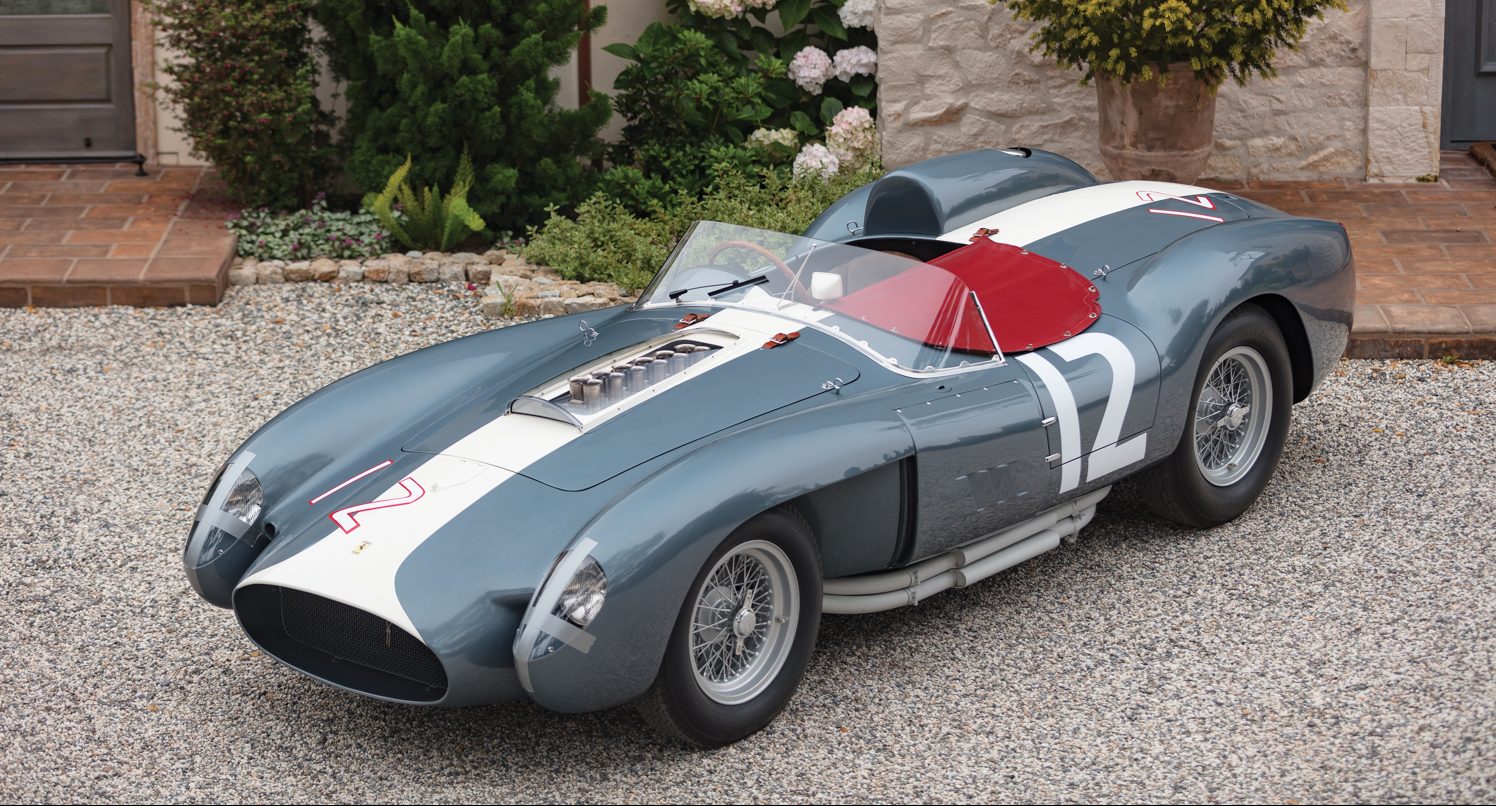
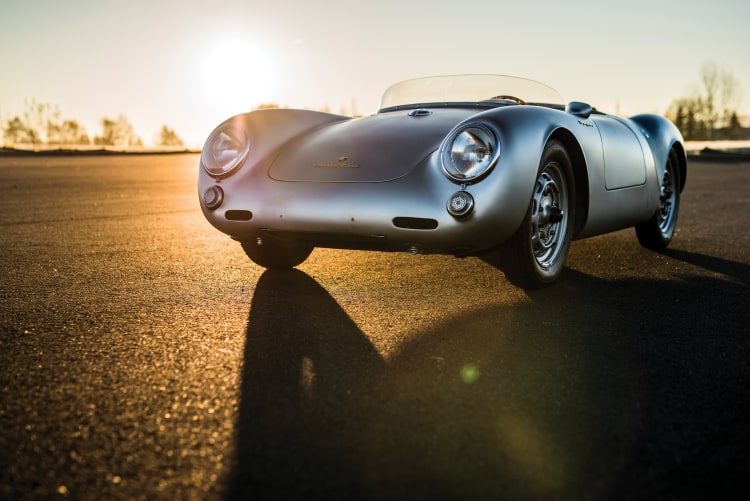
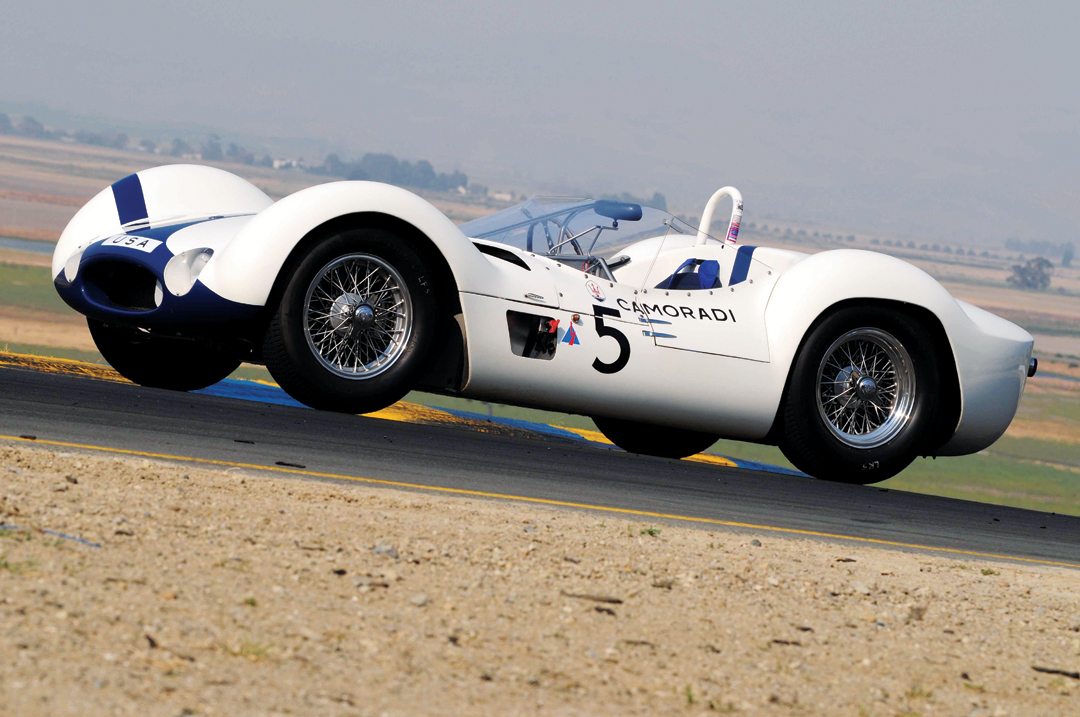
McDonough on the 300S, the first 300 SL, the Cat's Cradle C-type, Ludvigsen's 335 S, the 550 Spyder, the Birdcage, Shelby's Edgar years and the Vanwalls.
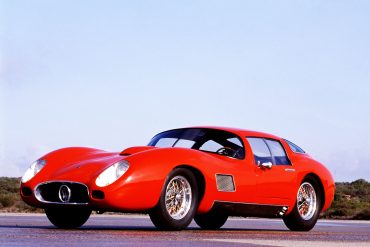
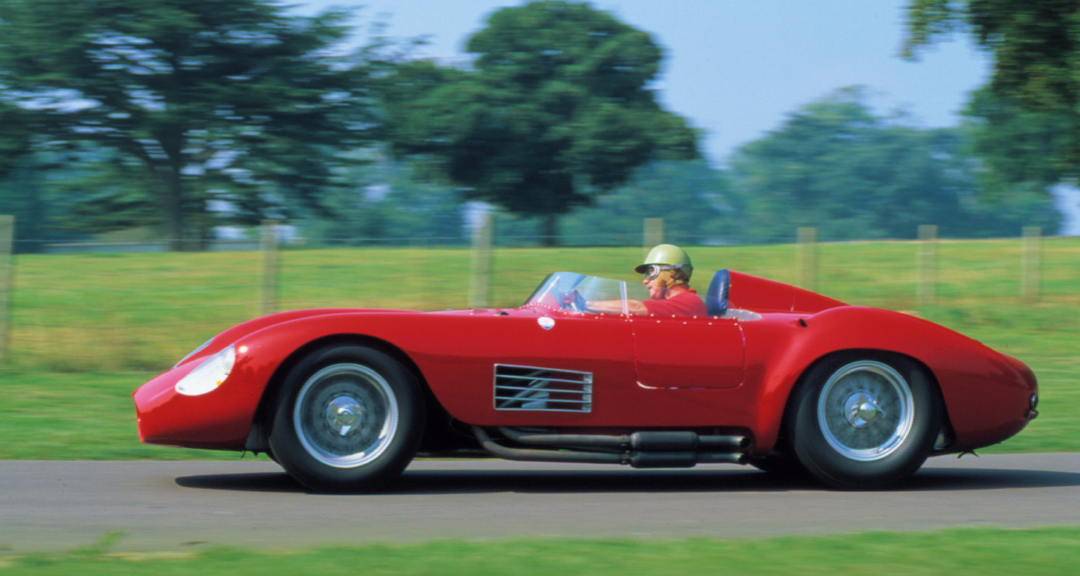
Ed McDonough has driven a Ferrari 250 Testa Rossa hard. Now two Maserati 300S examples let him weigh the other candidate, a car never as dominant in 1955–1958 as the TR became, but up against Mercedes 300SLRs and D-Types.
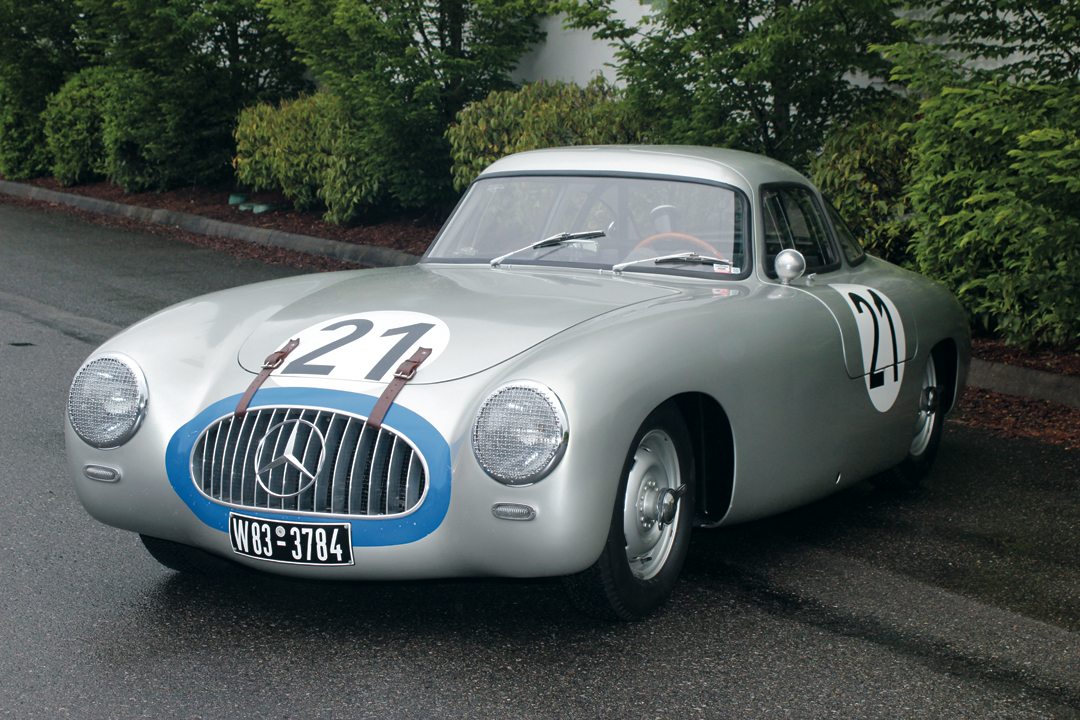
Fritz Nallinger said Mercedes was just opening a little window on the motor racing scene. With Formula One rules in limbo until 1954, Neubauer went to ask the CSI for a change, and the W194 became the way back.
Chassis XKC 051 did exactly what Jaguar hoped: it won Le Mans, with Duncan Hamilton and Tony Rolt. Ed McDonough on the C-Type's production-based ethos, in a year when Bentley and MG returned to the Sarthe in name only.
Ferrari's Type 130 V12, 3,491 cc, was designed under Andrea Fraschetti after Lampredi left for Fiat, with Bellentani from Maserati and a 65-year-old Vittorio Jano in the room. Karl Ludvigsen on the four-cam that beat Maserati's V8 in 1957.
Ferdinand Porsche was arrested for collaboration after the war with Ferry and Anton Piech; the firm lived on Cisitalia work from Gmünd while Ferry drew the 356. Djordje Sugaris on the 550 Spyder, the first racing car the family built.
Carolina Maserati bore six sons between 1880 and 1898; five built racing cars and the sixth, Mario, drew the trident. Alfieri's Tipo 26 won its class in the 1926 Targa Florio. Casey Annis traces the line to the Birdcage.
William Edgar first saw Carroll Shelby at Palm Springs in February 1956, six years before the Cobra, in bib overalls and driving the hell out of other people's cars. Shelby died 10 May 2012, a week before this was due.
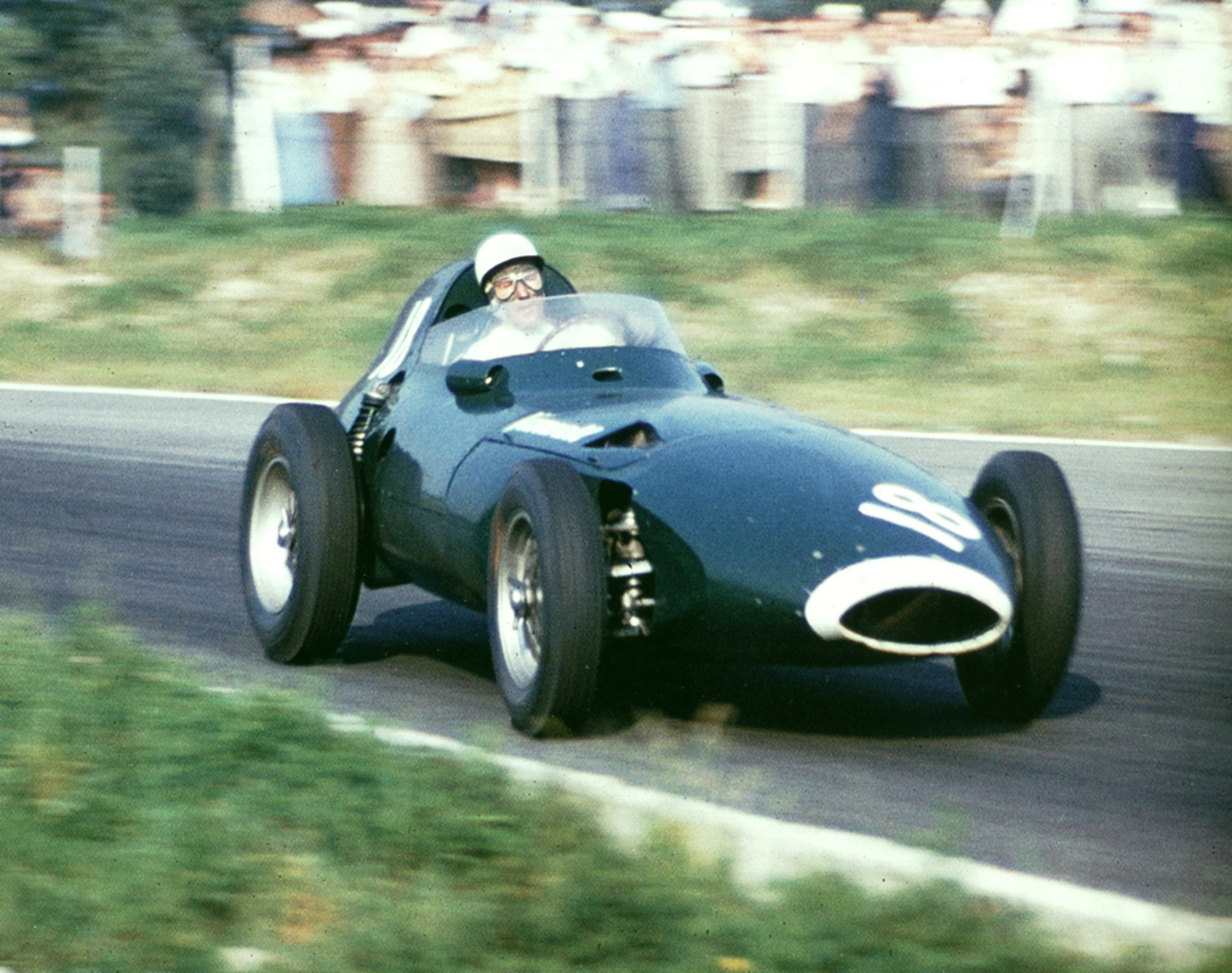
Tony Vandervell's fortune came from the thinwall bearing Clevite announced in 1930; bearing plus surname gave the Vanwall its name. Karl Ludvigsen on the team that left BRM behind and won the 1958 Constructors' Championship with Moss and Brooks.
The newest long-form writing set in the era, as it is published.
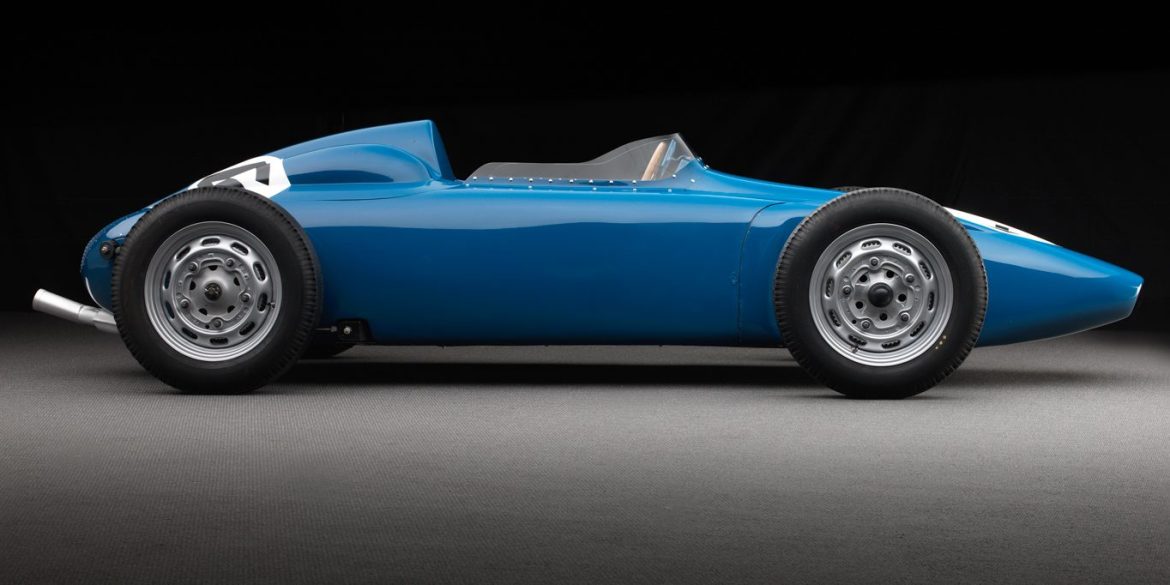
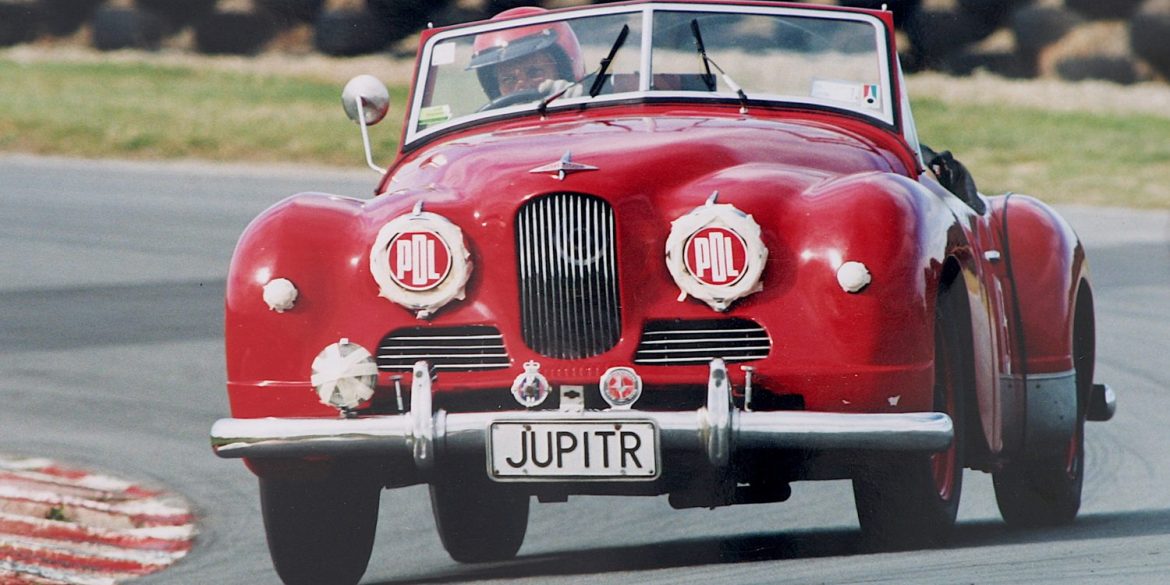
Racing resumed with whatever had survived. In Italy the Mille Miglia ran again in 1947 and Clemente Biondetti won it in a pre-war Alfa Romeo 8C 2900B; the next year he won it in a new car from a new maker, a Ferrari 166 S, and in 1949 Luigi Chinetti drove a 166 MM for most of a day to win the first post-war Le Mans. In France, Gordini built small, quick cars out of almost nothing and Talbot-Lago's big T26 GS won Le Mans in 1950 at the hands of the Rosiers, father and son. Britain's contribution was the Jaguar XK120, shown at Earls Court in 1948 as a motor-show special and then, almost by accident, the fastest production car in the world; Stirling Moss's win in one at Dundrod in 1950 was his first international success, and the start of the Jaguar story. In Germany a flattened Daimler-Benz put itself back together and began, quietly, to think about racing again. And in America a few amateurs with MGs and Allards had started closing roads at Watkins Glen and Bridgehampton; Alec Ulmann's first Sebring race, in 1950, was won on handicap by a Crosley Hotshot.
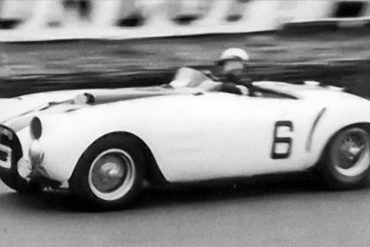
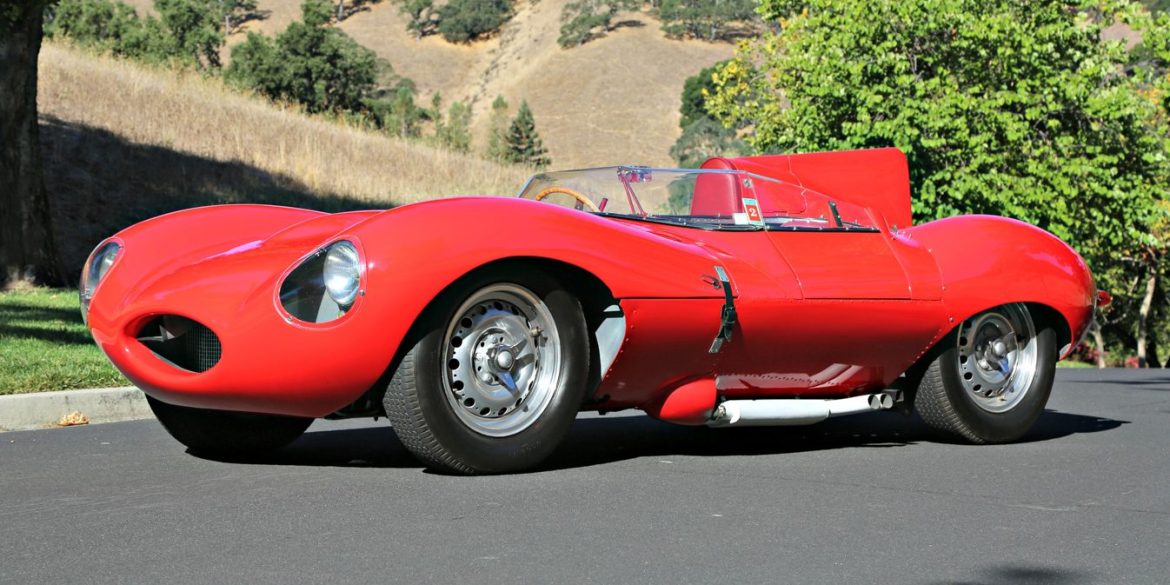
Jaguar went to Le Mans in 1951 with the C-type, a racing body on XK120 mechanicals, and won it first time out; in 1953 the C-type of Duncan Hamilton and Tony Rolt won again at over 100 mph for the first time, with disc brakes the others did not have. Then came the D-type, a monocoque with an aircraft tail fin, which won Le Mans three years running from 1955 to 1957, the last two for the privateers of Ecurie Ecosse; Ed McDonough traced the life of chassis XKD 505, and Lofty England, who ran the team, is profiled in the archive. Aston Martin took longer. The DB3 and DB3S were lovely and not quite fast enough, though Peter Collins and Pat Griffith won the Tourist Trophy in one in 1953 — Collins's own story is in his own right — and it was not until the DBR1 of 1957, with the engine that finally made good, that David Brown had a winner: the Nürburgring 1000 Kms three times, Le Mans in 1959 and, with it, the world championship. Across the Atlantic Briggs Cunningham had been building big white cars with Chrysler engines to win Le Mans for America; he never did, but his C-4R won Sebring in 1953 with John Fitch and Phil Walters, and the Cunninghams and their drivers run through John Fitch's story.
Ferrari won the Mille Miglia eight times in ten years with a succession of ever-larger engines — the 166, 195 and 340 of Marzotto and Villoresi, Bracco's 250 S in the rain in 1952, the 375 Plus that won Le Mans in 1954 — and then with the four-cylinder 500 Mondial and 750 Monza, which gave way in turn to the 290 MM of 1956 and the four-cam 315 and 335 S that Karl Ludvigsen called Ferrari's fabulous four-cam. Maserati answered with the A6GCS and then the 300S, which Ed McDonough asked whether it might be the best sports racer ever, and the brutal 4.5-litre 450S that Fangio and Behra took to the 1957 Sebring win. Lancia's effort was the shortest and perhaps the most beautiful: the D24 won the Carrera Panamericana in 1953 and the Mille Miglia and Targa Florio in 1954, and then Gianni Lancia's money ran out. The drivers were as famous as the cars. Fangio, the marque of greatness, won Sebring twice and the Mille Miglia never; Castellotti, Musso and Collins all died at the wheel before the decade ended; and Piero Taruffi, at fifty, won the last Mille Miglia of all in 1957, the year a Ferrari went into the crowd at Guidizzolo and the race was finished. Robert Newman's Life and Times of the Mille Miglia covers those years race by race.
Who won the great races each season, and who was champion.
Each winner links to that race's own page. Scroll the table sideways on a phone.
Until 1953 the great sports-car races were separate events with their own rules and their own prestige. The FIA's World Sportscar Championship tied seven of them together for the first time that year: Sebring, the Mille Miglia, Le Mans, Spa, the Nürburgring 1000 Kms, the Tourist Trophy at Dundrod and the Carrera Panamericana, with points to manufacturers rather than drivers. Ferrari won it, and won it again in 1954, when the 1000 Kms of Buenos Aires joined the calendar in January and the Carrera ran for the last time in November. 1955 was Mercedes-Benz's year, decided at the Targa Florio in October after the Le Mans disaster had already changed everything around it. Ferrari took the next three titles, in 1956 with the 860 Monza and 290 MM, in 1957 with the 315 and 335 S in a season that killed the Mille Miglia, and in 1958 with the 250 Testa Rossa after the FIA cut engines to three litres to slow the cars down. Aston Martin won the last championship of the era in 1959 with the DBR1, on the strength of the Nürburgring, Le Mans and the Tourist Trophy at Goodwood, and then withdrew to concentrate on Formula 1, which did not go well. The Nürburgring 1000 Kms, new in 1953, became the race the drivers rated most, 44 laps of the Nordschleife; Ferrari, Maserati and Aston Martin all won it in these years. Mike Lawrence's account of the first season is the place to start.
Each has its own page.
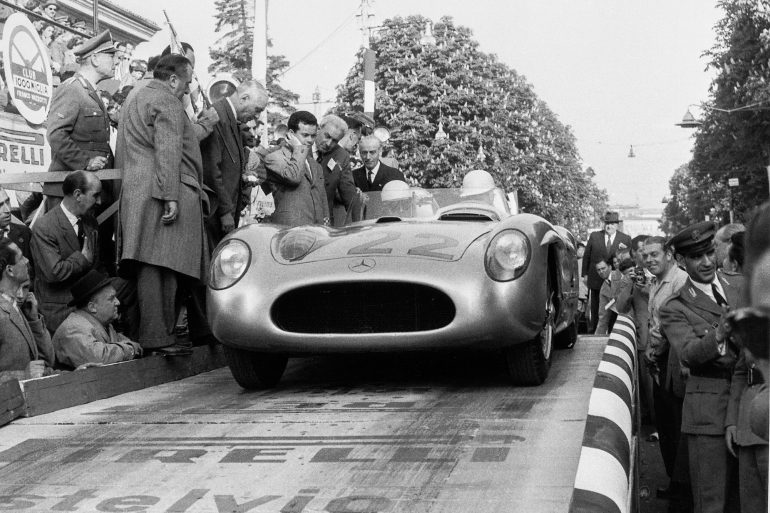
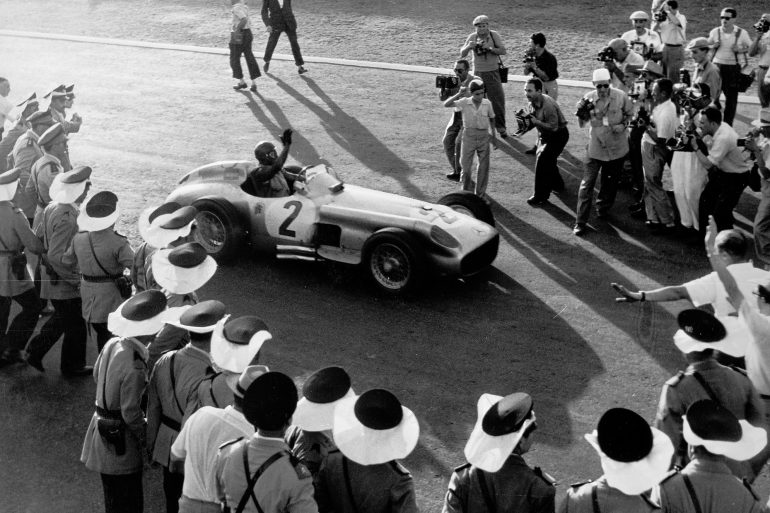
Mercedes-Benz came back to racing in 1952 with the 300 SL, a space-framed coupé built from saloon-car parts, and won the Carrera Panamericana and Le Mans with it in a single season; Casey Annis's Wings of Change is the story of the W194. Then it withdrew to build a Grand Prix car, and when it returned to sports cars in 1955 it was with the 300 SLR, a two-seat version of the W196 with a desmodromic straight-eight and, at Le Mans, an air brake. Moss and Denis Jenkinson won the Mille Miglia in one at 97.9 mph, a record nobody approached again; Fangio won the Eifelrennen and Sweden; Moss won the Tourist Trophy and the Targa Florio, and the SLR was world champion. It was also the car that went into the crowd at Le Mans on 11 June, killing Pierre Levegh and more than eighty spectators, and at the end of the season Mercedes-Benz withdrew from racing altogether, for more than thirty years. Porsche's path was quieter and longer: the little 550 Spyder, 1,500 cc and 550 kilos, won its class everywhere, took the Carrera Panamericana class in 1954, and in 1956 Umberto Maglioli drove a 550A alone for ten laps of the Madonie to give Porsche its first Targa Florio.
What made the era was where it raced. The Mille Miglia ran a thousand miles of open public road from Brescia to Rome and back, through Verona, Ravenna, Pescara and the Futa and Raticosa passes, with the cars starting at one-minute intervals and the crowds standing on the road. The Targa Florio used the 72-kilometre Piccolo Madonie circuit in the Sicilian mountains, seven hundred corners a lap. The Carrera Panamericana was five days and 3,000 kilometres of the Pan-American Highway from the Guatemalan border to Texas. The Tourist Trophy's Dundrod circuit was seven and a half miles of narrow, banked Ulster lane. Le Mans was the 13.5-kilometre Sarthe circuit, the Mulsanne straight a public road for the other fifty-one weeks. The Nürburgring was the 22.8-kilometre Nordschleife, 170-odd corners through the Eifel. Spa was the old 14-kilometre road circuit through Burnenville and Stavelot. America raced on what it had: Sebring's bomber-training runways in Florida, Pebble Beach's roads through the Del Monte forest until 1956, the streets of Watkins Glen until 1952 and a purpose-built circuit from 1956, Elkhart Lake's roads and then Road America, Torrey Pines, March Field, the Bahamas Speed Weeks at Nassau. By the end of the decade the public roads were going. Dundrod was abandoned after 1955, Pebble Beach after Ernie McAfee's death in 1956, the Mille Miglia after 1957; Monza's banking was built in 1955 and Riverside and Laguna Seca opened in 1957. The era ended when the roads closed as much as when the engines moved.
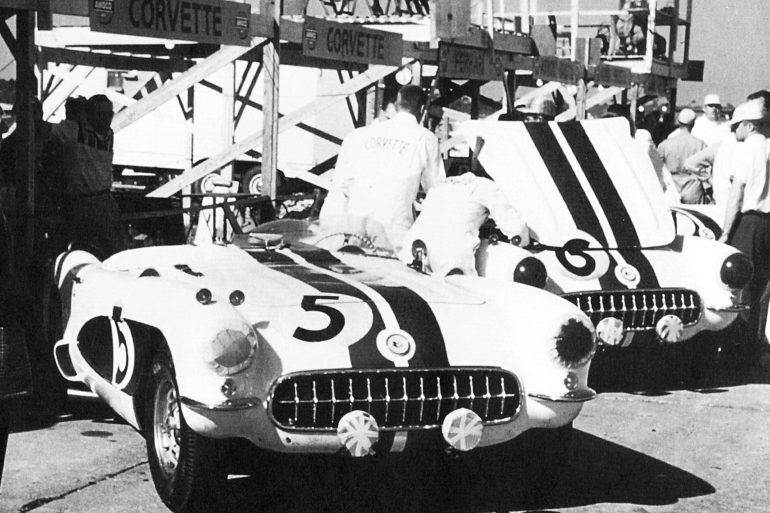
American road racing grew up in these years, on airfields and closed roads, and the magazine was founded on its memory. Sebring became a twelve-hour race in 1952 and a world championship round the year after; Louis Galanos's lap-by-lap profile of the 1956 race is the longest piece on the site. The SCCA's Watkins Glen, the Pebble Beach road races in the Del Monte forest, Golden Gate Park and Elkhart Lake filled the calendar, and a West Coast scene of dealers and drivers grew up around John von Neumann, remembered here, Tony Parravano and John Edgar, whose Ferraris and Maseratis were driven by a Texan chicken farmer named Carroll Shelby. The home-built specials were part of it: Max Balchowsky's Old Yeller beating Ferraris with a Buick engine, the Kurtis and Thunder in the Park crowd, and at the end of the decade Lance Reventlow's Scarabs, the first American sports-racers good enough to beat Europe at home. Young Jim Hall was learning his trade in Texas; Chaparral was five years away.
A sports-racer of these years was, in theory, a road car: two seats, mudguards, lights, a spare wheel, a passenger door, and often it drove to the race. In practice it was a racing car with a bonnet. The engine was in front, the gearbox was behind it, and the frame was a ladder of tubes or, from the 300 SL onwards, a spaceframe; Jaguar's D-type of 1954 was the first with an aircraft-style monocoque centre section. Brakes were drums until Jaguar won Le Mans in 1953 on Dunlop discs, after which everyone had to follow. Engines told the national stories: Jaguar's XK twin-cam six, designed in the war and good for twenty years; Ferrari's Colombo and Lampredi V12s and the four-cylinders that Aurelio Lampredi built for the twisty Italian races; Maserati's six and, in the 450S, a 4.5-litre V8; Mercedes-Benz's straight-eight with desmodromic valves and fuel injection, out of the W196 Grand Prix car; Aston Martin's six by Tadek Marek; Porsche's air-cooled flat-four in the 550; and in America, the Chrysler hemi in the Cunninghams, the Cadillac in the Allards and the Chevrolet V8 in the Scarabs and specials. Capacities climbed through the decade, from 2 litres in 1949 to 4.5 in 1957, until the FIA capped them at three for 1958. Bodies were aluminium, hand-beaten at Touring, Scaglietti, Fantuzzi and Zagato, or by Jaguar's own men at Browns Lane, and nobody expected them to last. They are now the most valuable cars in the world: a 250 Testa Rossa, a D-type, a 300 SLR, a 450S, each a single-digit-millions car at the least, and the SLR beyond price. The archive's car features on them run to several hundred pieces; the Cars feed below is the way in, and the Maserati 300S and Ferrari 335 S features are where to start.
C-type and D-type, 300 SL and SLR, 750 Monza, 300S, 450S, DBR1, 550 Spyder, Birdcage, and the specials.
The drivers were the first generation to be famous for sports cars rather than Grands Prix, or famous for both. Juan Manuel Fangio won five world championships in these years and drove sports cars for Alfa Romeo, Lancia, Mercedes, Ferrari and Maserati, a marque of greatness in all of them. Stirling Moss never won the Formula 1 title but was the best sports-car driver of the decade: Dundrod 1950, the Mille Miglia of 1955, the Targa and the TT, and a Le Mans he never did win. Mike Hawthorn, Peter Collins and Tony Brooks were Britain's golden trio; Hawthorn and Collins were both dead by January 1959, Collins at the Nürburgring in a Ferrari, Hawthorn on the Guildford bypass weeks after retiring as world champion. Italy had Eugenio Castellotti, Luigi Musso, Piero Taruffi and Clemente Biondetti, whose four Mille Miglia wins are still the record. Belgium had Olivier Gendebien, who won Le Mans four times with Ferrari from 1958. America sent Phil Hill, who would be world champion in 1961, Carroll Shelby, John Fitch, Masten Gregory, Walt Hansgen and Dan Gurney, most of them starting in borrowed Ferraris and Maseratis on the West Coast. Behind them were the team managers who ran the era: Alfred Neubauer at Mercedes, profiled here; Lofty England at Jaguar; John Wyer at Aston Martin, who would later run the GT40s and the 917s; Enzo Ferrari, who rarely went to a race; Briggs Cunningham, who paid for his own; and Luigi Chinetti, who won Le Mans three times and then sold Ferraris to America. And the journalists who rode with them: Denis Jenkinson in Moss's SLR, whose pace notes on a roller in a Perspex box were the first systematic ones used in a race.
Fangio, Moss, Hawthorn, Collins, Fitch, Shelby, Lofty England, von Neumann, and the men who built the specials.
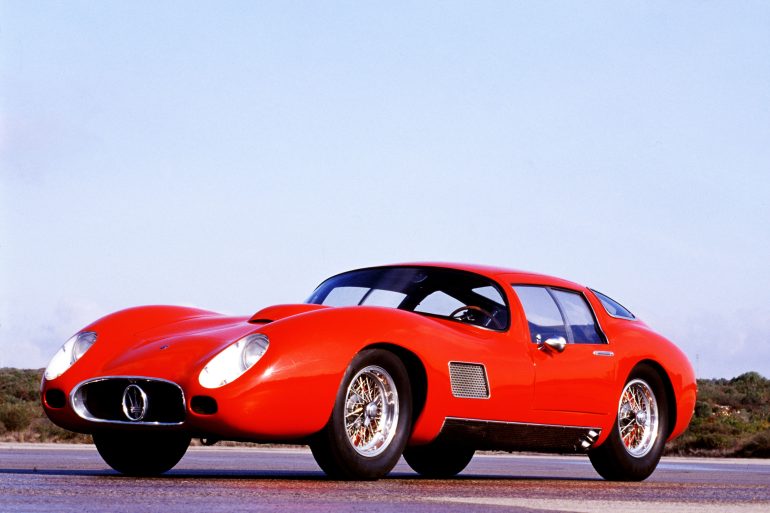
The deaths at Le Mans and on the Mille Miglia changed the rules. From 1958 the championship was for cars of three litres and under, which took the 450S and the 4.1-litre Ferraris out and made the 250 Testa Rossa, a customer car with a three-litre V12, the thing to have; it won Le Mans in 1958 and Sebring in 1958 and 1959. Britain's small builders were busy: the Lister-Jaguar of Archie Scott Brown, the Lotus Eleven that won the Index at Le Mans, and the Vanwalls that took the first constructors' championship in Formula 1 in 1958. The real change came from Surbiton. Cooper's rear-engined cars won the Grand Prix championship in 1959 and the Cooper Monaco showed that sports cars would go the same way; by 1960 the Maserati Tipo 61 Birdcage, the last great front-engined sports-racer, was winning the Nürburgring against cars with the engine behind the driver, and Aston Martin had gone home with its championship. The front-engined era was over. What followed was the GT war of the 250 GTO and the Cobra, and the prototypes of Ford and Ferrari.
Jaguar won Le Mans five times in seven years, 1951 to 1957, a run no British marque has matched since. Ferrari won the Mille Miglia eight times between 1948 and 1957 and the world championship five times in its first six seasons. Moss and Jenkinson's 1955 Mille Miglia, 1,000 miles in 10 hours 7 minutes 48 seconds at 97.96 mph, was never beaten and never will be. Biondetti's four Mille Miglia wins, 1938, 1947, 1948 and 1949, are the most by any driver; Taruffi, at fifty, was the oldest winner and the last. Fangio won Sebring in consecutive years for two different marques. The smallest car to win a championship round was the 1,491-cc OSCA MT4 of Moss and Bill Lloyd at Sebring in 1954, on a day when every bigger car broke. The largest engine in a works sports-racer was the 4.9-litre Ferrari 375 Plus of 1954; the 450S's V8 was 4.5. The 1955 Le Mans accident killed 83 spectators and Pierre Levegh and remains the worst in motor-racing history; Switzerland banned circuit racing in its wake and has only recently relaxed the ban. Mercedes-Benz raced sports cars for two seasons in the decade, 1952 and 1955, and won the Carrera, Le Mans, the Mille Miglia, the Targa Florio, the Tourist Trophy and a world championship in them. Porsche's first overall win in a world championship round was Maglioli's 1956 Targa Florio in a 1,500-cc 550A, against cars with three times the engine.
Short answers, with the long ones above.
Two-seat racing cars built between 1946 and 1959, front-engined and nominally road-legal, that raced in the great endurance and road events: Le Mans, the Mille Miglia, Sebring, the Targa Florio, the Carrera Panamericana and the Tourist Trophy. Jaguar's C- and D-types, the Ferrari Monzas and Testa Rossas, the Maserati 300S and 450S, the Mercedes-Benz 300 SLR, the Aston Martin DBR1 and the Porsche 550 are the best known.
In 1953, for manufacturers. Ferrari won it five times in the decade, Mercedes-Benz once in 1955 and Aston Martin once in 1959.
Three things in four years. The 1955 Le Mans accident killed more than eighty spectators and drove Mercedes-Benz out of racing. The 1957 Mille Miglia crash killed Alfonso de Portago, his co-driver and nine spectators and ended that race. And from 1958 the FIA limited engines to three litres, which retired the big Ferraris and Maseratis. The rear-engined Coopers then showed that the front-engined layout itself was finished.
In the letter of the rules, yes: they had lights, mudguards, a passenger seat and a spare wheel, and the Mille Miglia and the Carrera ran on open roads. In practice they were racing cars, and the pretence was dropped when the prototype classes arrived in the 1960s.
A Mercedes-Benz 300 SLR "Uhlenhaut coupé" sold privately in 2022 for about 135 million euros, the most ever paid for a car. Among the cars that can be bought, Ferrari 250 Testa Rossas, Jaguar D-types and Maserati 450Ss trade in the tens of millions.
Most of the people who were there say Fangio over a season and Moss over a single race. Moss's 1955 Mille Miglia is usually called the greatest drive in the history of the sport.
Le Mans and Sebring are still held, the Nürburgring still races for 24 hours on the Nordschleife, and the Targa Florio survives as a rally. The Mille Miglia and the Carrera Panamericana survive as regularity events for historic cars; the Tourist Trophy name went to touring cars and then to the Goodwood Revival.
The GT racing of 1960 to 1965, Ferrari 250 GTO against Shelby Cobra, and then the prototypes of Ford and Ferrari. Both have their own pages here.
Race profiles and racing stories from the era, newest first.
The whole thread, newest first.