

When it comes to trailers, tires are often the last thing that gets attention. Most drivers focus on maintaining the tires on their tow vehicle, but the ones on your trailer deserve the same care. Unlike regular vehicle tires, they are designed to handle specific loads and terrains, withstanding the forces of cornering, load pressure, and rough road surfaces. When these tires fail, highway blowouts and roadside emergencies are almost inevitable.
Hence, a proper inspection of these tires is a must. Knowing what to look for and when to replace your trailer tires protects you, your cargo, your vehicle, and everyone sharing the road with you. Here are a few tips that can help you decide when to get new tires.
1. Checking the Tread Depth
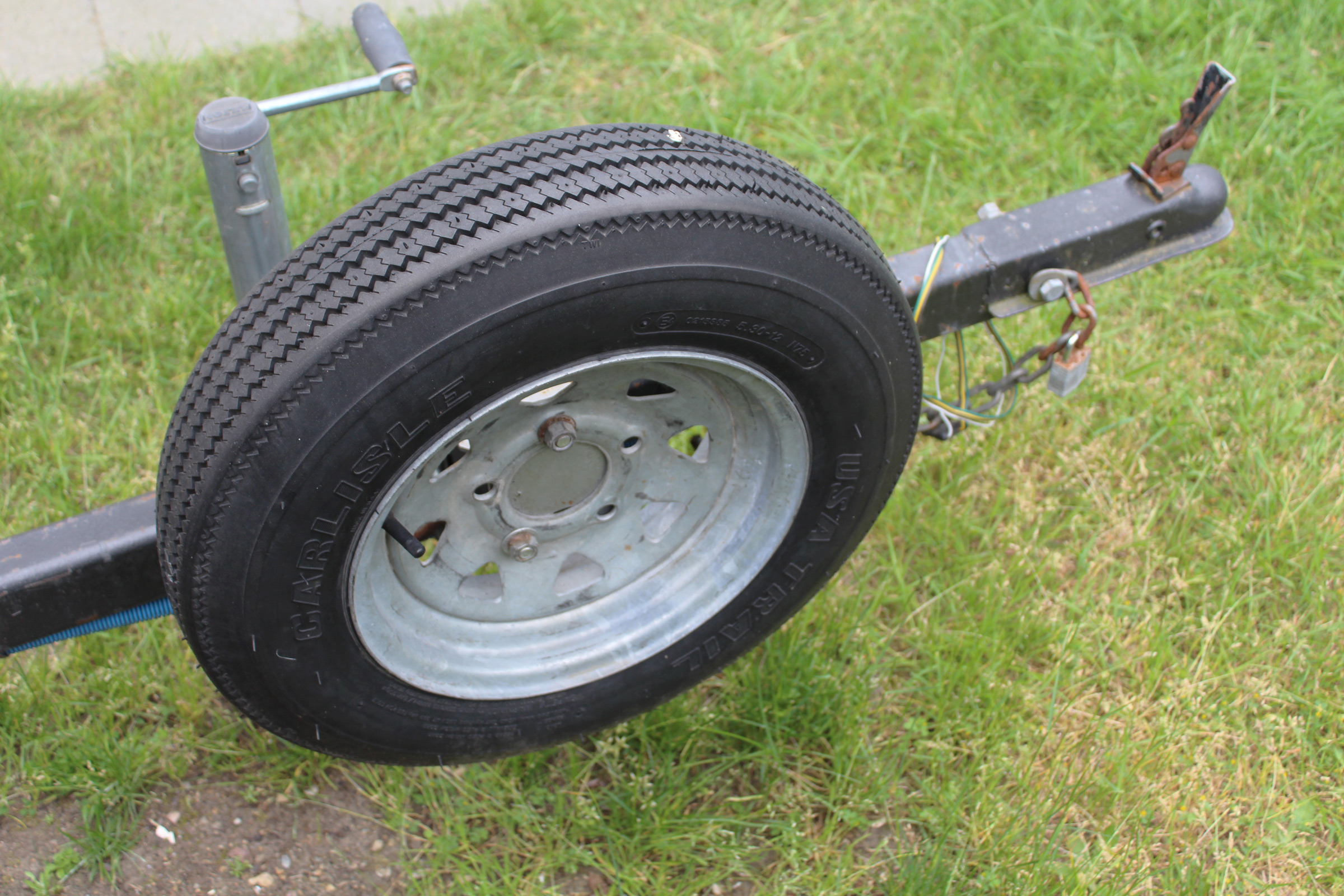
This is one of the first places to begin. Trailer tires typically require replacement once their tread is reduced to 2/32 of an inch. An easy way to check the depth is by using a penny. Lodge it into the tread groove with Lincoln’s head pointing downwards. If it’s visible, you need new tires because the tread is severely worn.
Tread wear is often uneven, so it’s always best to check different points across the tire, not just the center strip. Uneven wear is also a sign of an axle alignment issue or incorrect inflation, so those must be fixed before you put on the new tires.
2. Looking for Punctures, Cracks, and Foreign Objects
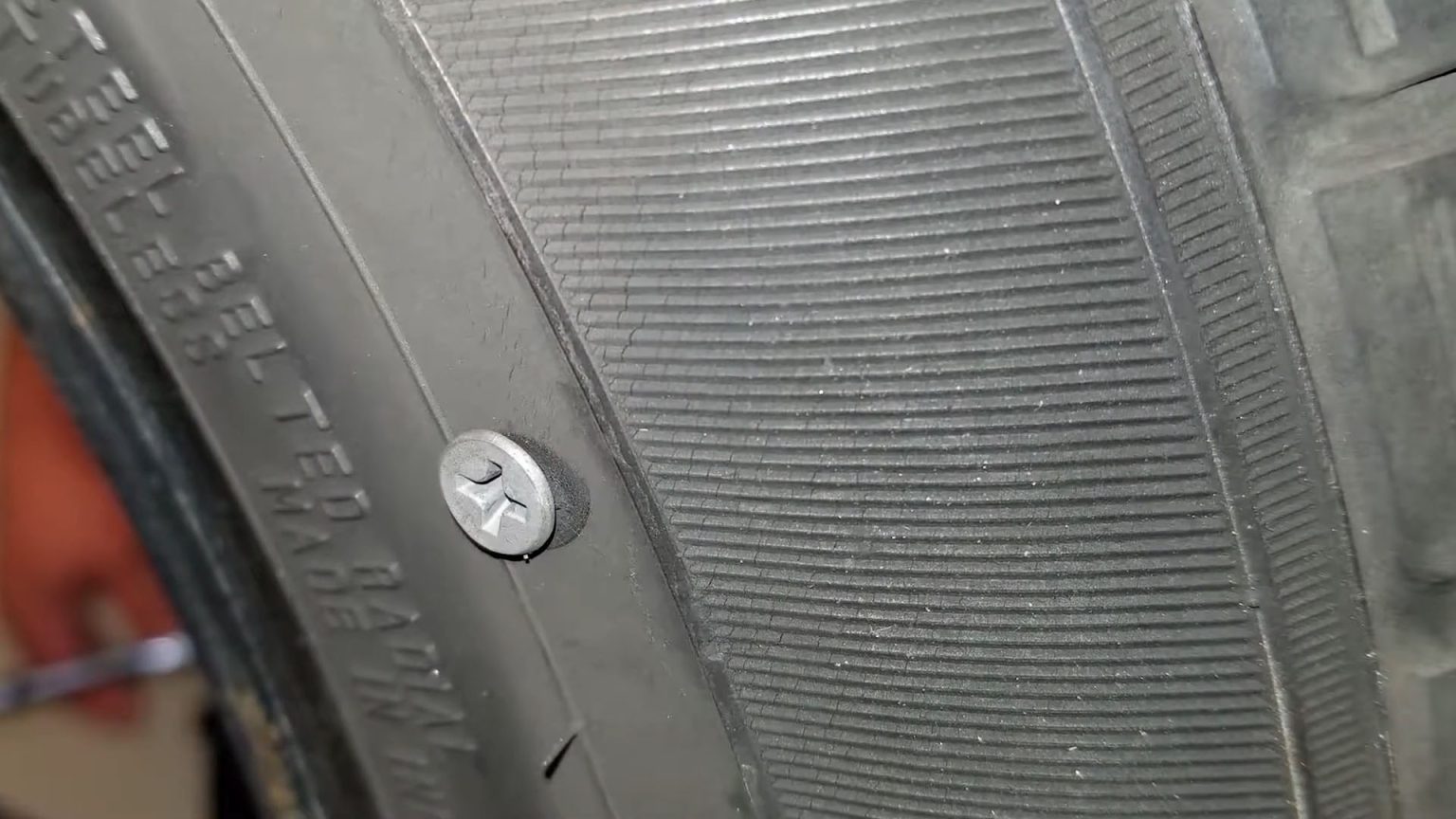
Anything that’s not supposed to be in your tire or creates an opening is dangerous. Things like cracks and punctures, or even foreign objects lodged in the tire, create spaces for air to pass through. If you don’t catch them soon enough, you could be facing a blowout or a terrible accident on the road.
Remove foreign objects as soon as you see them in your tire treads. According to NHTSA, tire damage from punctures or embedded objects can lead to sudden failure if left unaddressed. If there’s a puncture or crack, you may call in a professional to plug the hole and patch the area inside the tire. If this doesn’t help, or if the tire’s sidewall is punctured, it’s best to get new tires altogether.
3. Inspecting the Valve Stem
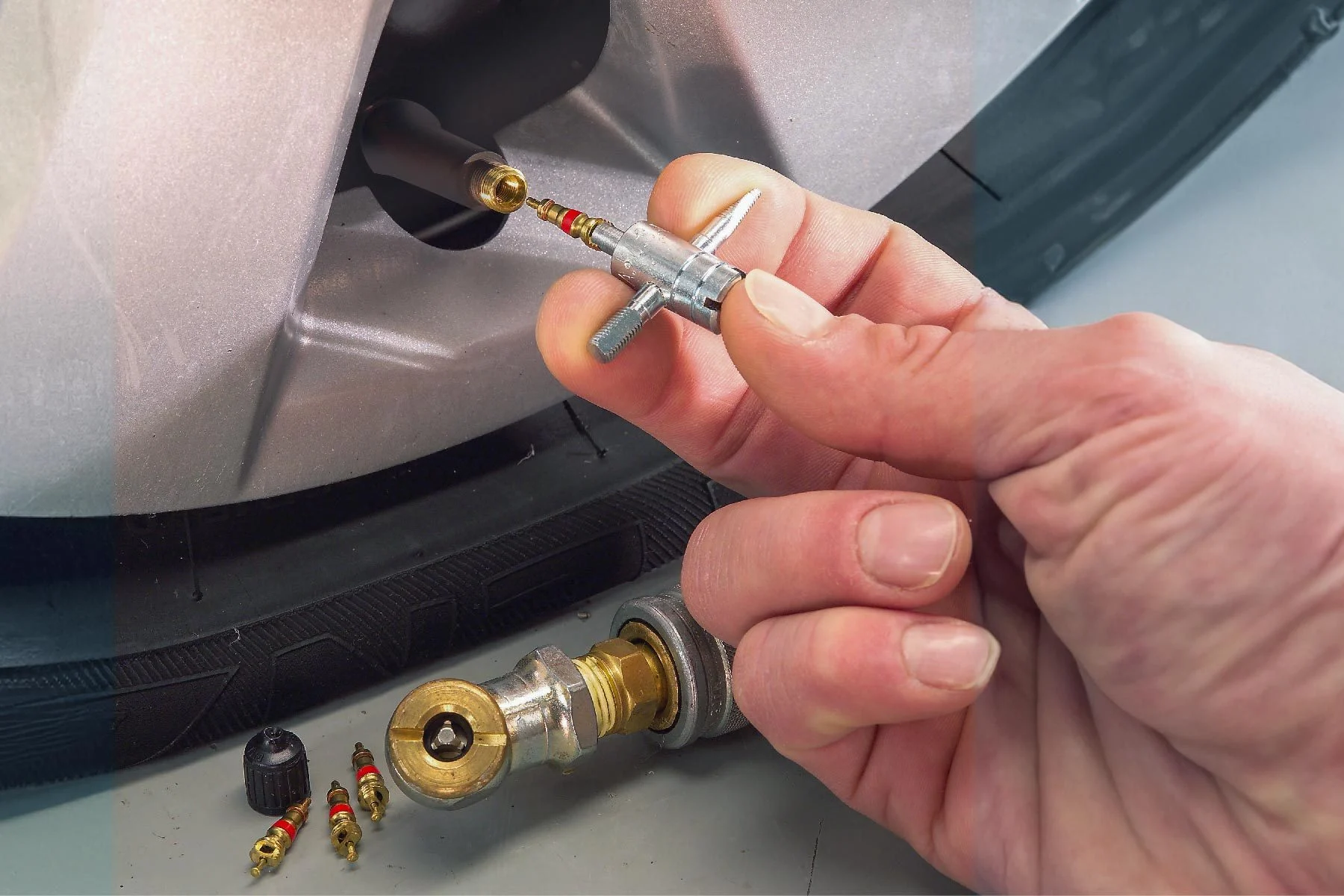
The valve stem isn’t something you’d think of right away. But it’s extremely vital to your tire’s functioning, because the stem is the passage through which the tire is inflated and holds air in. Cracks in the valve stem often cause improper tire inflation, which can lead to accidents or blowouts while driving. So, in addition to checking the tires themselves, take a closer look at the valve stem. If you notice any cracks, it’s time to install new tires to keep your trailer running smoothly.
4. Verifying the Load Rating
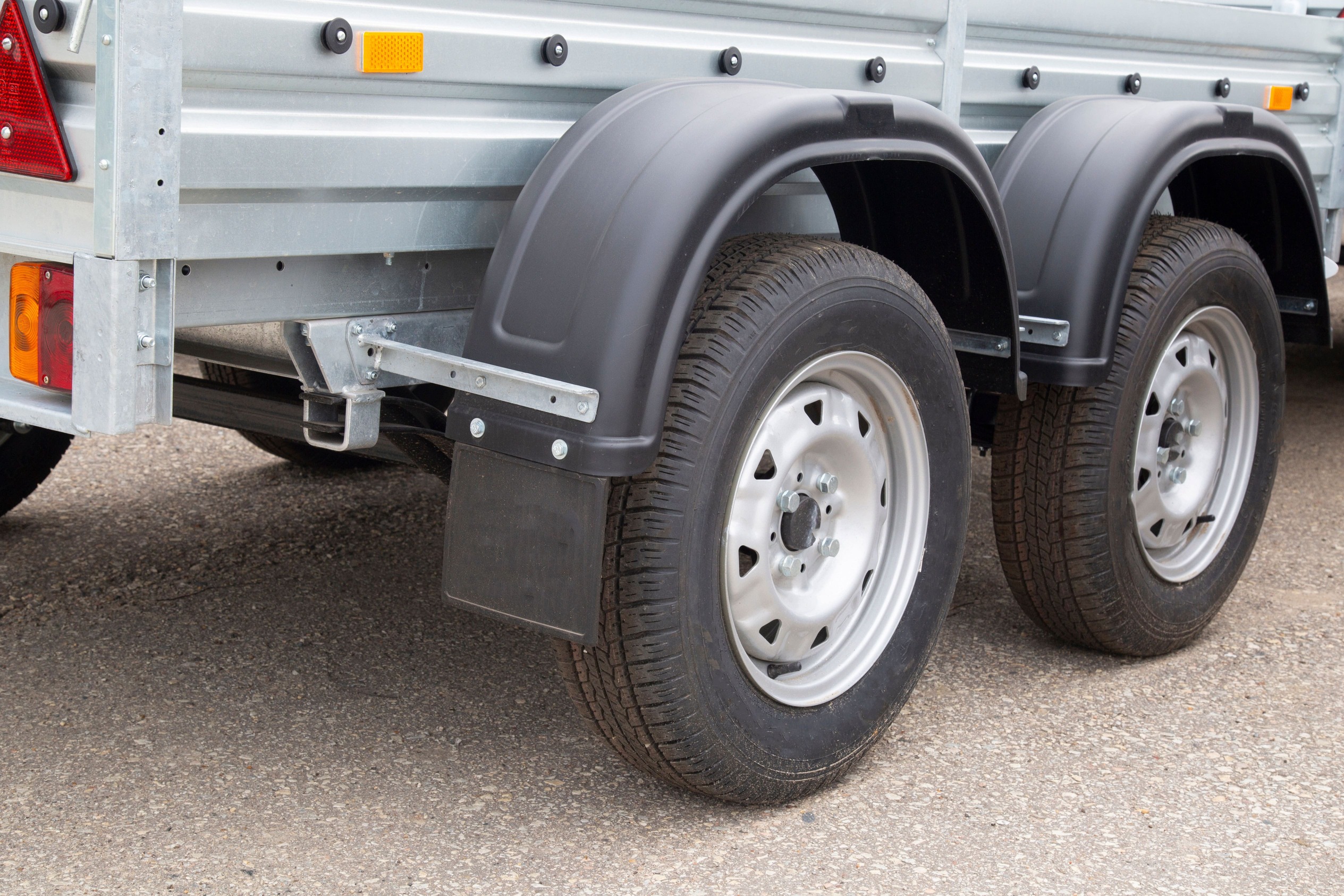
Every tire comes with a load rating stamped on its sidewall. It’s also called a load index, and this figure indicates the maximum weight your tires can safely carry. Your tires must meet the trailer’s loaded weight, and getting this wrong can easily wear them down faster than usual.
Replacing tires based on sizing alone is a common mistake. If your tires are regularly running near their rated capacity, they’ll wear down and get hotter, increasing the likelihood of structural damage. If you’ve increased your trailer’s load capacity and haven’t yet changed the original tires, it’s a good idea to get replacements with higher load ratings so that they last longer.
5. Monitoring Tire Pressure
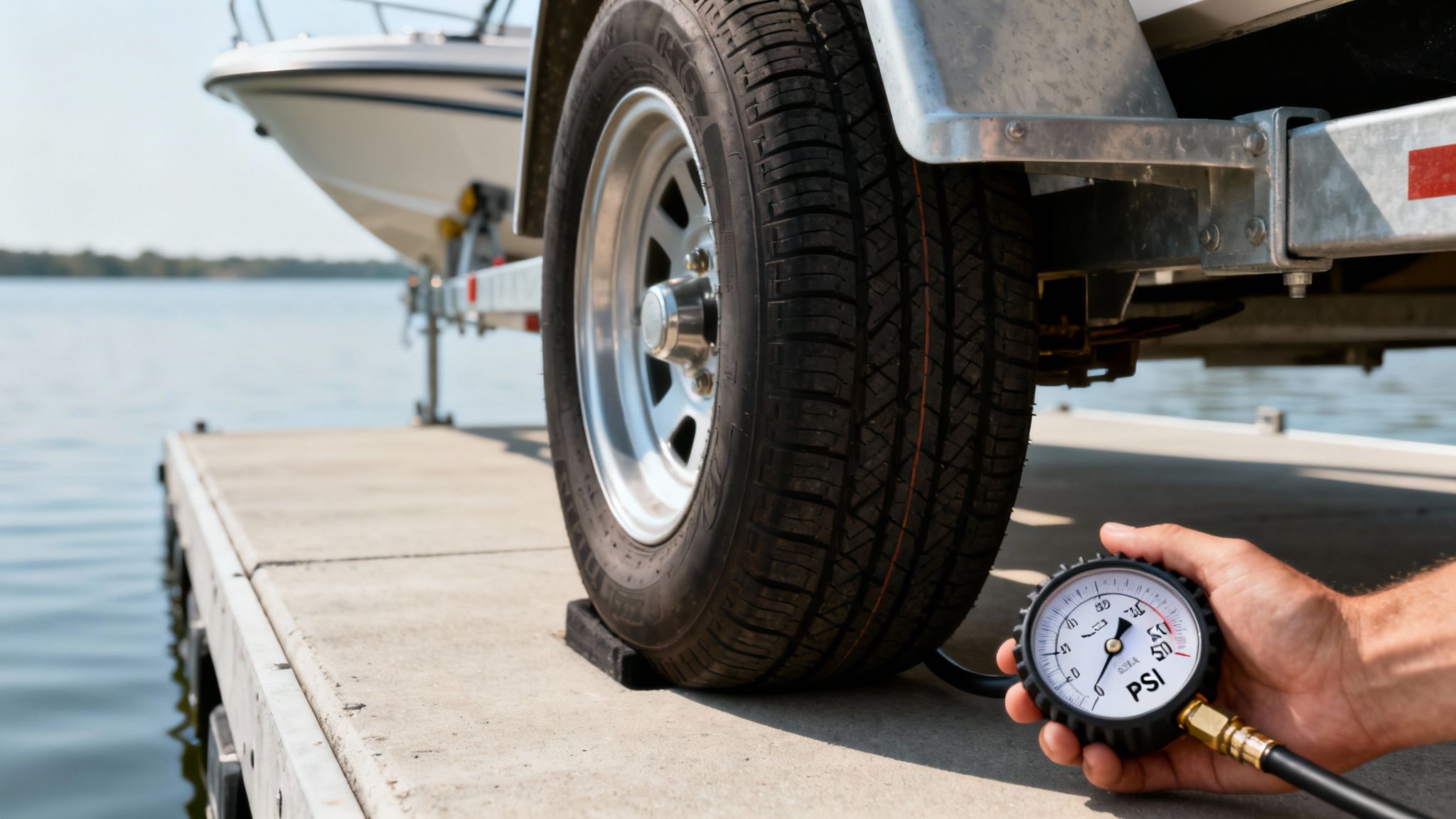
Underinflation is just as problematic as overinflation and frequently causes tire failure. It’s also entirely avoidable.
Trailer tires are engineered to operate at a particular pressure that supports their load rating. When running even 15 to 20 PSI below the recommended level, the tire experiences excessive heat buildup and stress, significantly increasing the risk of a blowout. So, make it a habit to check tire pressure before heading out. Use the inflation level mentioned in your trailer’s manual, rather than the maximum pressure on the tire’s sidewall. If you top off the same tire every time, have it inspected before your next trip.
Final Thoughts
Maintaining your trailer tires isn’t about spending too much time, but just about being consistent. When you know what the tread depth is like, or whether the loading capacities are correct, you’re in the best position to decide whether new tires are necessary. And if you have a genuine doubt about their condition, it’s always better to call in a professional and get it replaced.