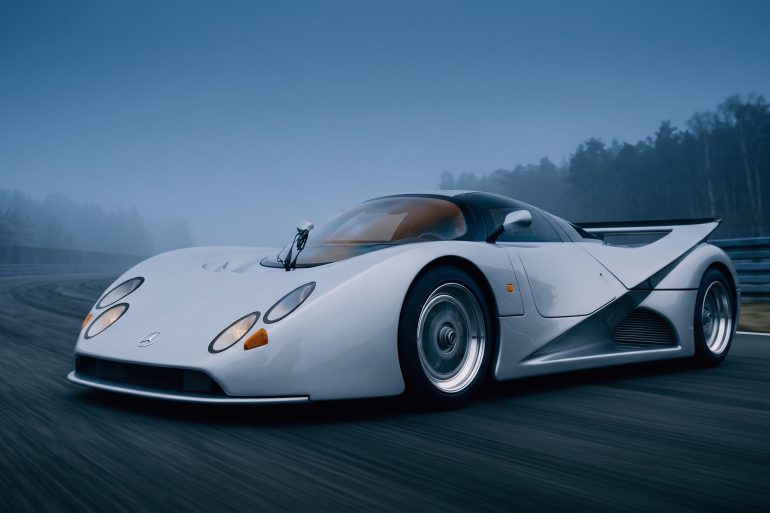
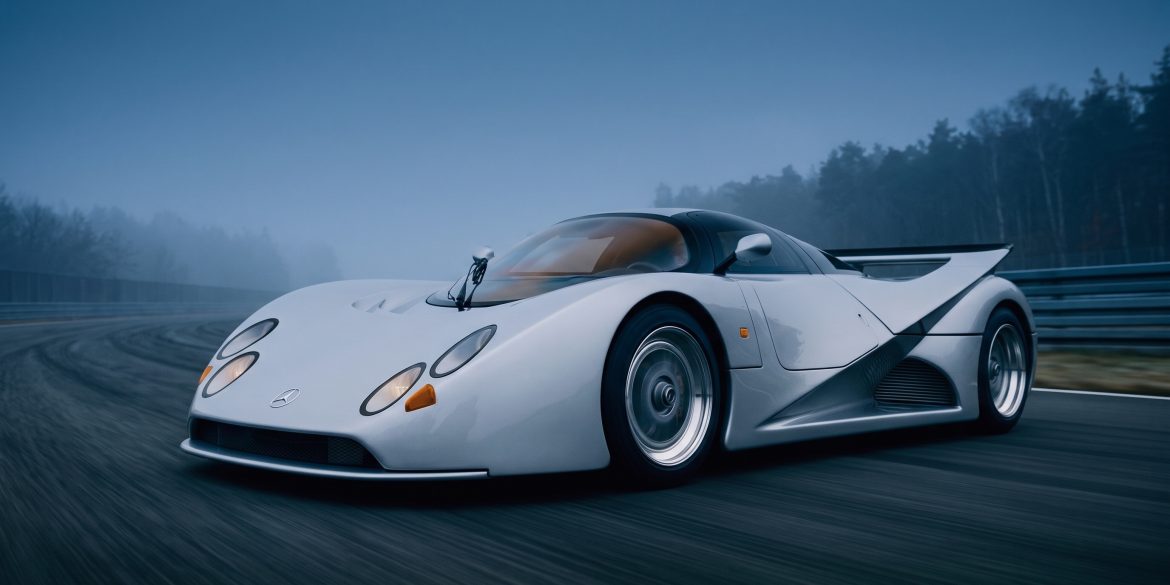
A member of Dubai's House of Maktoum ordered the fastest road car in the world in 1991 and wanted one built. Lotec delivered the C1000 in 1995 with 1,000 hp and a top speed nobody checked with a radar gun.

From 1953 to 1992 the great endurance races, Le Mans, Sebring, the Mille Miglia, the Targa Florio, the Nürburgring 1000 km, Daytona and Spa, were rounds of one championship: the World Sportscar Championship, the title Ferrari won twelve times, Porsche took with the 917 and the 956, Ford and Jaguar and Mercedes came back to racing for, and Group C made the equal of Formula 1 before it collapsed. Its American cousin, IMSA GTP, ran alongside it through the 1980s, and its successor, the FIA World Endurance Championship, has run since 2012. This page is the championship itself: how it was organised in each of its eras, who won it year by year, the cars, the drivers and the teams, and where the Group C cars race now, with the archive's features, interviews and race profiles threaded through it. The races have their own pages; the eras of the cars, from the Postwar Sports-Racers through the Prototypes to Turbos, Group B and Group C, have theirs.
The pieces to start with
Eight pieces across the championship's eras: the DBR1 and the 908/3, Matra's M670B, the 956 and 962, Norbert Singer in his own words, the Lancia LC2, Jaguar's XJR-9 and XJR-12, and Toyota's GTP Eagle.
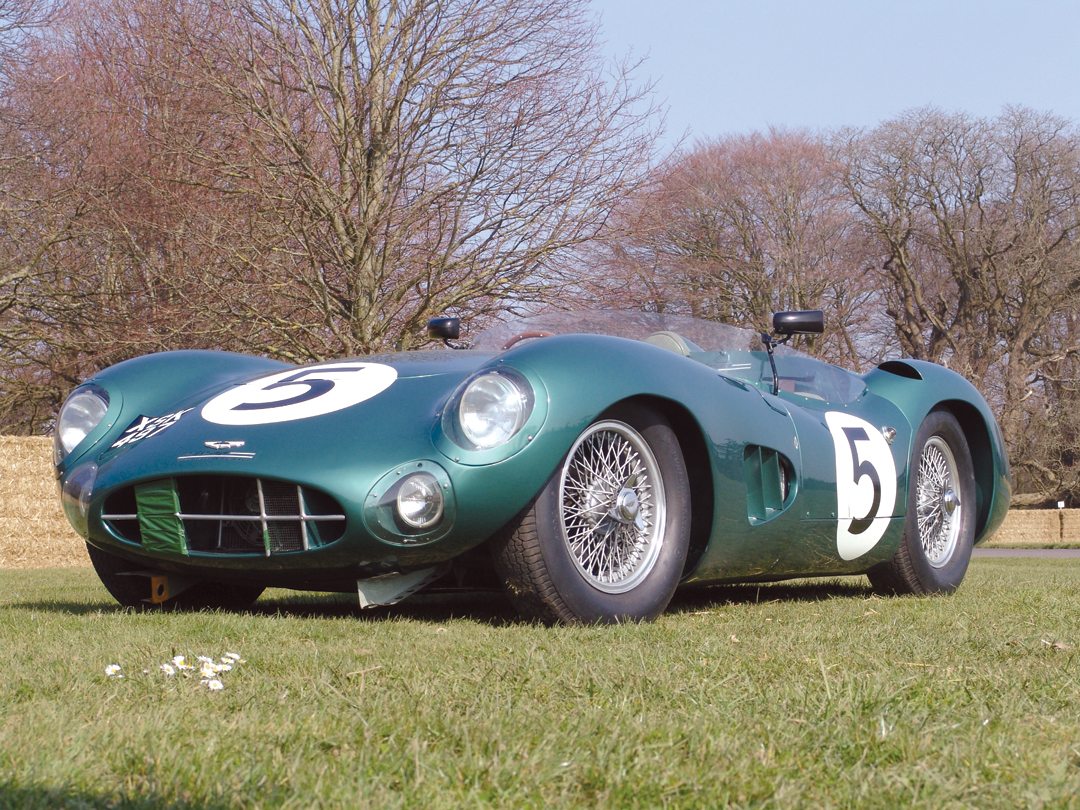
Aston Martin first went to Le Mans in 1928 with LM1 and LM2, 1495cc four-cylinder cars that both retired. Ed McDonough drives DBR1/2, built in 1957, winner of the 24 Hours in 1959 and raced almost without pause ever since.
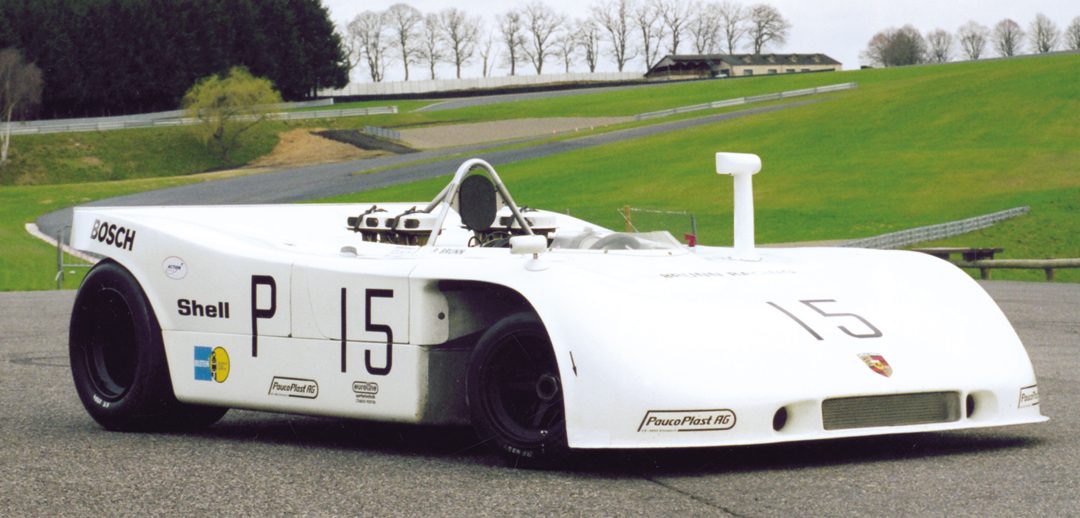
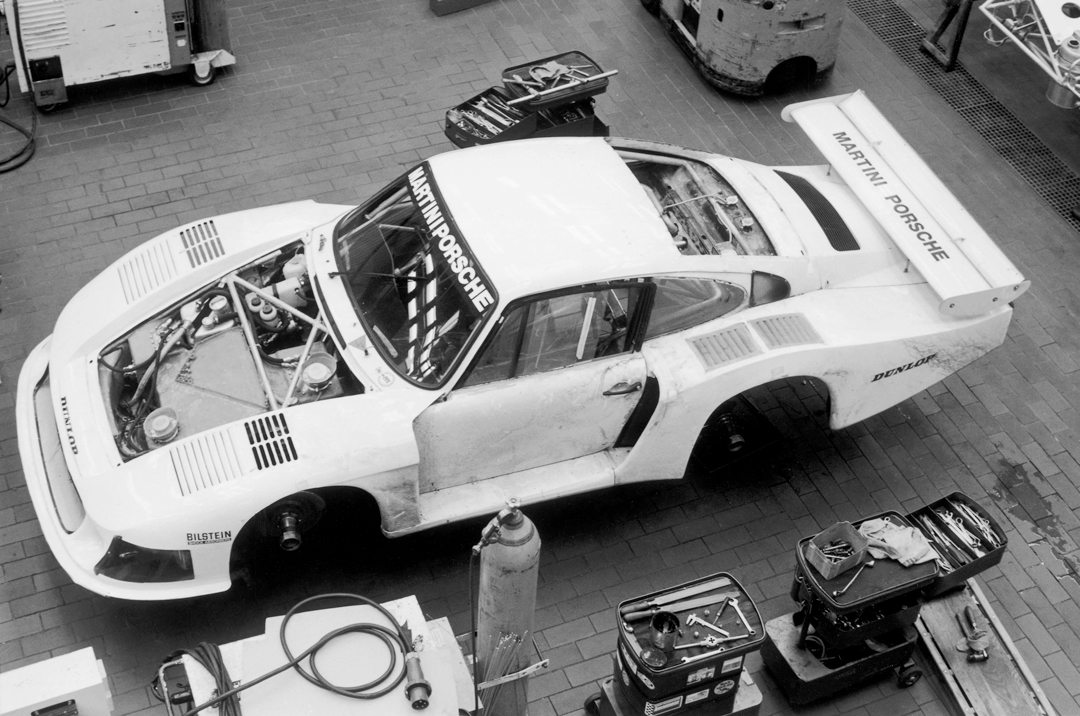
Siggi Brunn took Ed McDonough for “a little ride” in his 908/3 at Pierre Bardinon’s private circuit; the telemetry showed 1.5 lateral g, and the left rear tire turned out to be flat. A giant-killer, tested.
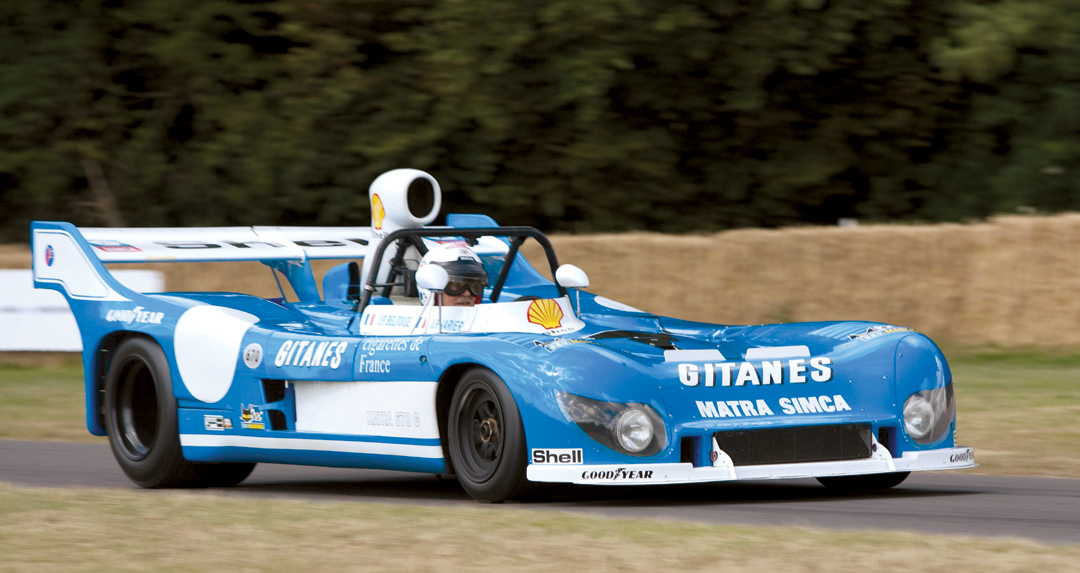
Matra built guided missiles, Ariane hardware and telephone systems before founding an automobile branch in October 1964 and absorbing René Bonnet. Ed McDonough on the M670B, the sports prototype that came out of all that.
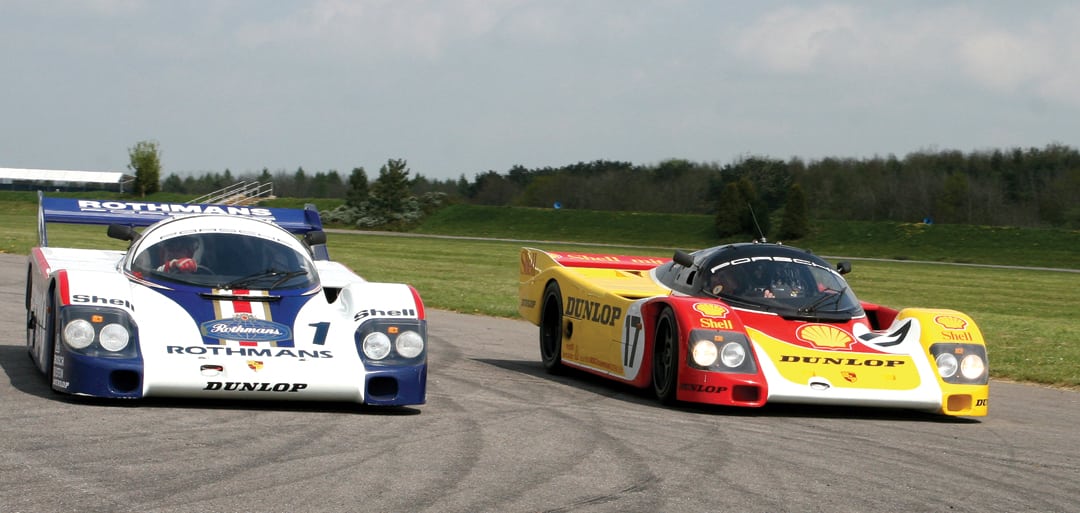
Chassis 956-001 was Derek Bell’s first works Porsche and 962-010 his last. Ed McDonough drives both at Silverstone with Bell as his assistant, plus Norbert Singer, Jochen Mass and Vern Schuppan on how 13 seasons of domination nearly never happened.
Norbert Singer wanted the space race, not racing, but Germany’s aeronautical budget was tiny. He joined Porsche in spring 1970 to fix 917 gearbox cooling and stayed through 16 Le Mans wins. Mike Jiggle talks to the finder of loopholes.
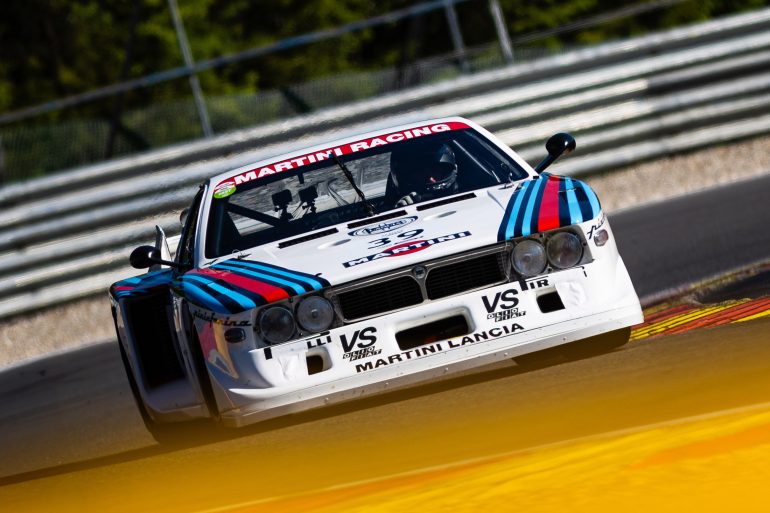
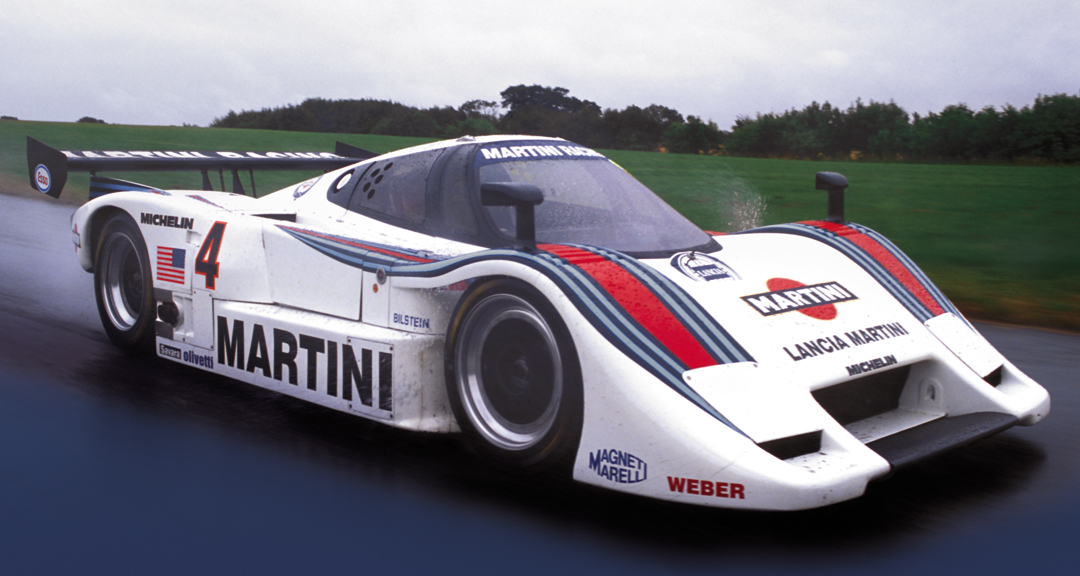
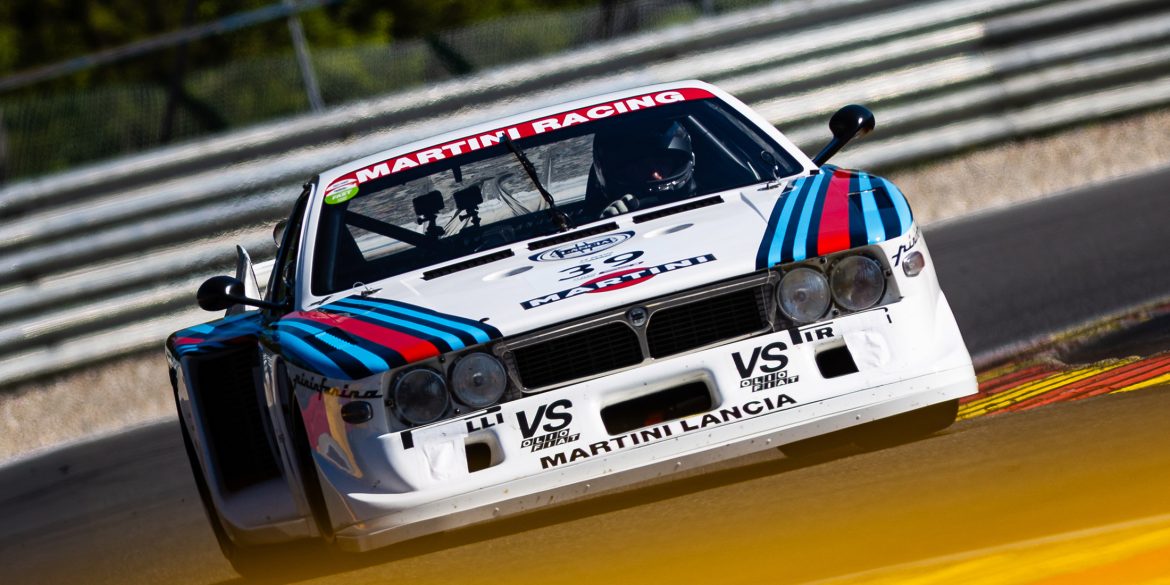
The Bryans of Knoxville, Tennessee, own two Martini Lancia LC2s, prepared by Phil Stott, who keeps nearly 15 Group C and GTP cars running from a base near Derby. Ed McDonough on the cars Patrese and Alboreto raced.
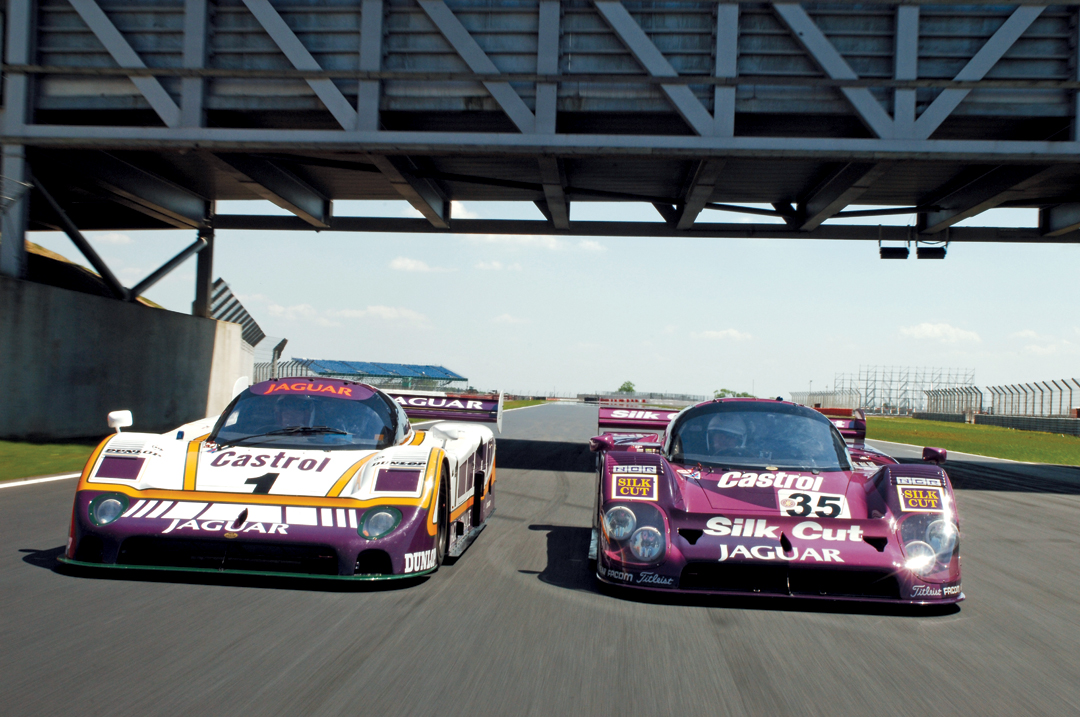
Three XK120s at Le Mans in 1950, one running second before retiring, persuaded Jaguar to build a car to win there. Ed McDonough drives the Silk Cut XJR9 and XJR12 from the second campaign and traces the line back to the C-Type.
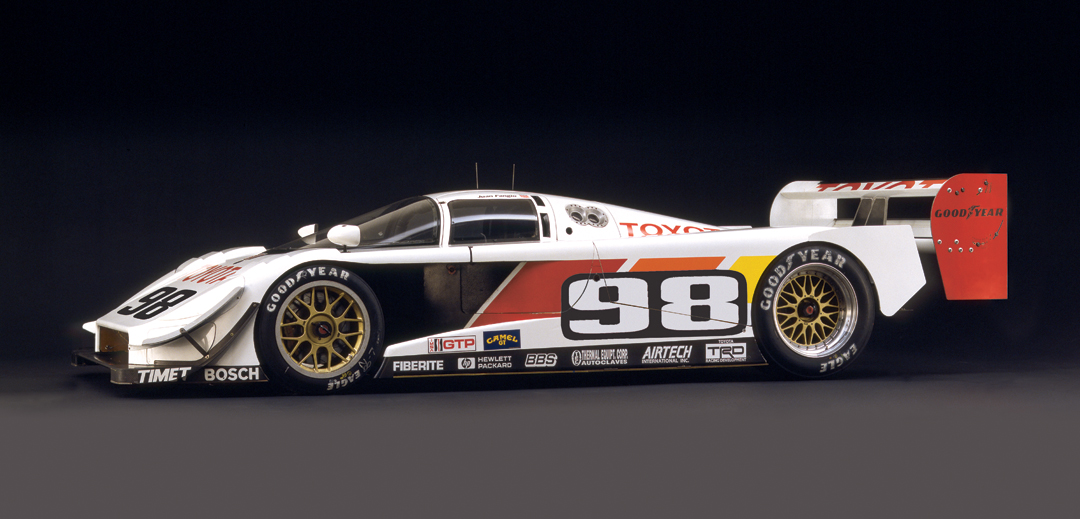
A Long Beach travel agent, Chris Pook, rang Dan Gurney about a street race; Toyota sponsored the 1976 Formula 1 event and found its American racing partner. Casey Annis on how a floundering Celica GTU program became AAR’s GTP juggernaut.
The newest World Sportscar Championship stories, as they are published.
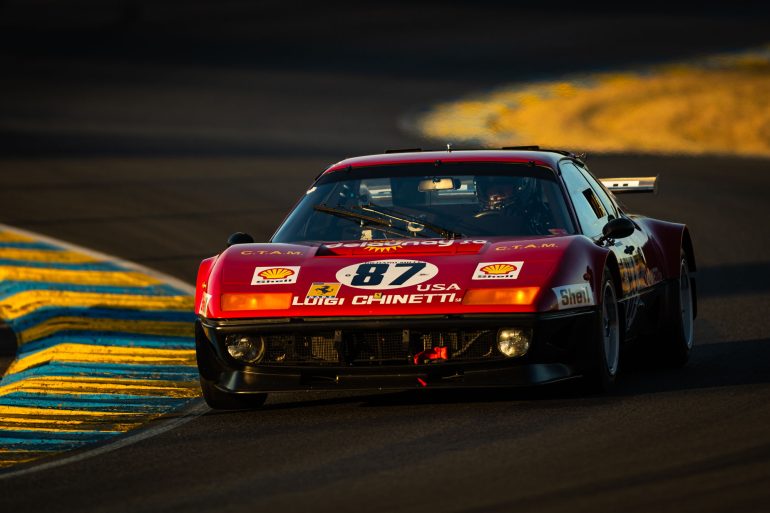
The World Sportscar Championship was the FIA's championship for sports and prototype racing cars, run from 1953 to 1992 under a succession of names, the World Sports Car Championship, the International Championship for Makes, the World Championship for Makes, the World Endurance Championship, the World Sports-Prototype Championship, and finally the Sportscar World Championship, and scored, for most of its life, for manufacturers rather than drivers; a drivers' title was added only in 1981. Its rounds were the classic long-distance races, from the thousand miles of the Mille Miglia and the twenty-four hours of Le Mans to the thousand-kilometre races at the Nürburgring, Spa, Monza and Brands Hatch, and its rulebook, rewritten every few years, decided what the cars were: open sports cars of any size in the 1950s, GT cars and prototypes in the early 1960s, the five-litre Fords and Porsches of 1968 to 1971, the three-litre prototypes of 1972 to 1975, the Group 5 silhouette cars and Group 6 open prototypes of the late 1970s, and from 1982 Group C, the closed coupés built to a fuel allowance that produced the Porsche 956, the Jaguar XJR-9 and the Sauber-Mercedes C9. The championship was the making of the Ferrari 250 Testa Rossa, the Ford GT40, the Porsche 917 and the 962; it was where Moss, Fangio, Hill, Ickx, Bell and Bellof did some of their best work; and when the FIA tried to turn it into a second Formula 1 with 3.5-litre engines in 1991, it died within two seasons. The archive's coverage runs from Ed McDonough's car profiles and Mike Jiggle's interviews with the men who ran the teams to the Group C grids of today's historic meetings.
The first World Sports Car Championship was announced for 1953 as a championship for makes over seven races, Sebring, the Mille Miglia, Le Mans, Spa, the Nürburgring, the Tourist Trophy at Dundrod and the Carrera Panamericana, and Ferrari won it with the 340 MM and 375 MM, Jaguar's D-types taking Le Mans year after year but never the title. Mercedes-Benz came back in 1955 with the 300 SLR, won the Mille Miglia with Moss and Jenkinson, the Tourist Trophy and the Targa Florio, took the championship at the Targa and withdrew from racing at the end of the year; Ferrari won 1956, 1957 and 1958, the last with the Testa Rossa, the car built for the three-litre limit imposed after the 1955 Le Mans disaster and the 1957 Mille Miglia crash. Aston Martin's DBR1 beat Ferrari to the 1959 title in the final round at Goodwood, where Moss drove two cars after the first caught fire in the pits, the only time a British make won the championship until Jaguar in 1987; Ferrari's Testa Rossas took 1960 and 1961, by which time the Mille Miglia had gone, Sebring, the Targa Florio and the Nürburgring 1000 km had joined Le Mans as the fixed points, and the sports-racing car had become a prototype in all but name. The archive's DBR1, Testa Rossa, D-type and 300 SLR features, and Art Evans's and Casey Annis's race histories, carry these years; the Mille Miglia, Le Mans, Targa Florio, Sebring, Carrera Panamericana and Tourist Trophy pages have each race in full.
For 1962 the FIA rewrote the championship for grand touring cars, homologated production models, with the prototypes relegated to a separate trophy, and Ferrari built the 250 GTO to win it: the GT title in 1962, 1963 and 1964, over Jaguar's E-types and Shelby's Cobras, until the Cobra Daytona coupés took the over-two-litre GT championship for Shelby American in 1965, the only time an American constructor won a world title until Ford. The prototypes, meanwhile, were where the racing was: Ferrari's 250 P and 275 P won Le Mans in 1963 and 1964, the Ford GT40 arrived in 1964 and broke, and the Ferrari 250 LM won Le Mans in 1965 against the first seven-litre Fords. The Ferrari 250 GTO page and The GT Wars era have these years in detail; the Cobra, GTO and E-type features in the archive are the long reads.
In 1966 the championship became the International Championship for Sports-Prototypes and Ford, with the seven-litre Mk II, won Daytona, Sebring and Le Mans and the title; Ferrari answered in 1967 with the 330 P4, Daytona 1-2-3 and the championship, while Ford won Le Mans with the Mk IV and withdrew. The three-litre prototype limit for 1968, with five-litre sports cars admitted if fifty had been built, was meant to end the big-engine war and instead produced its greatest cars: John Wyer's Gulf GT40s won the 1968 title and Le Mans twice, and Porsche, having built twenty-five 917s in a single row at Zuffenhausen to meet the rule, won the championship in 1969 with the 908, and in 1970 and 1971 with the 917 against Ferrari's 512 S and 512 M, the two seasons of Siffert, Rodríguez, Elford, Redman and the 240-mph Mulsanne straight that Steve McQueen filmed. The 917 and 512 were banned for 1972 and the Porsche 917 page tells the whole story; the archive's 908/3, 512 S, GT40, Mirage and 330 P4 features, and Louis Galanos's Daytona race profiles of 1970 and 1971, are the rest; the era page Ford, Ferrari and the Prototypes covers the cars.
With the engines capped at three litres the championship belonged to the Formula 1 engine builders: Ferrari's flat-twelve 312 PB won every round it entered in 1972 and the title, with Ickx, Andretti, Regazzoni, Peterson and Redman in the cars, and skipped Le Mans; Matra's V12 MS670s, with Pescarolo, Larrousse, Cevert and Beltoise, won Le Mans three times and the championships of 1973 and 1974, Ferrari withdrawing to concentrate on Formula 1; Alfa Romeo's Tipo 33TT12, run by Willi Kauhsen, took the 1975 title with Merzario, Pescarolo, Bell and Ickx, while Le Mans, run to a fuel-consumption formula that year, was won by Ickx and Bell in the Gulf-Mirage. The grids thinned, the works teams came and went and the championship's prestige slid; Ed McDonough's 1974 Matra M670B and Alfa 33/3 features and his "Immersed in Matra" piece in the archive are the French and Italian halves of it.
For 1976 the FIA split the championship: the World Championship for Makes was run for Group 5 silhouette cars, production-based specials of which the turbocharged Porsche 935 was the definitive example, and a separate World Championship for Sports Cars for the Group 6 open prototypes, the Porsche 936 and the Renault-Alpine A442. Porsche won the makes title every year from 1976 to 1979 with the 935, which also won Le Mans outright in 1979 in Kremer's K3, and the 936 took the 1976 and 1977 Le Mans wins; Lancia's Beta Montecarlo turbos won the makes championship in 1980 and Porsche took it back in 1981, the year the first drivers' title, for the World Endurance Championship of Drivers, went to the American Bob Garretson in a 935. The archive's Kremer interview, the 935 history and the Porsche 936 and Lancia stories are the Group 5 years; Ickx and Bell's 1981 Le Mans win in the 936/81 closed the era.
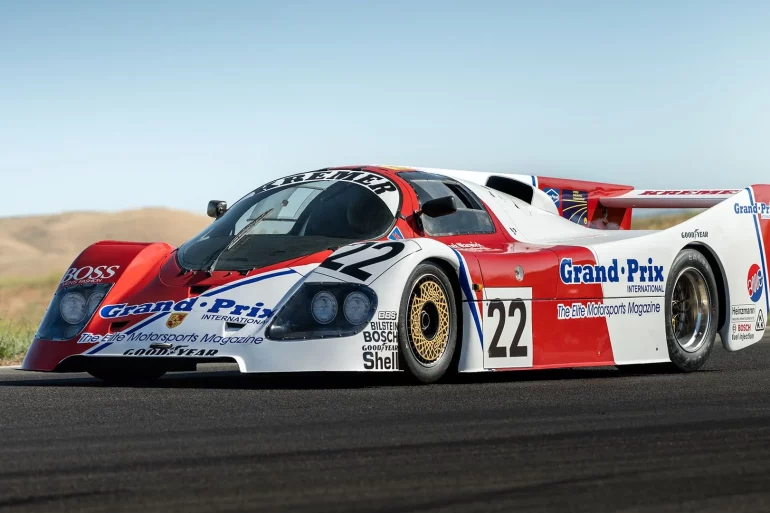
Group C, introduced in 1982, was the championship's great idea: closed two-seat prototypes with no engine limit but a fuel allowance, 600 litres for a thousand kilometres, which rewarded efficiency, let any engine compete and brought the manufacturers back. Porsche's 956, Norbert Singer's first monocoque and ground-effect car, finished 1-2-3 at Le Mans on its first attempt in 1982 and won the championship for Porsche and the drivers' title for Jacky Ickx, and then, as the 956 and its longer-nosed successor the 962C, went on winning: the makes title in 1982, 1983, 1984 and 1985, the drivers' titles of Ickx (1983), Stefan Bellof (1984; his 1983 Nordschleife lap of 6 min 11 sec stood as the record for thirty-five years), Derek Bell and Hans Stuck (1985) and Bell again (1986, with Brun Motorsport the teams' champion), and Le Mans every year from 1982 to 1987. Lancia's LC2, faster but fragile, Mike Jiggle's and Ed McDonough's stories explain why, was the only other works car until Tom Walkinshaw's Silk Cut Jaguars arrived with the V12 XJR-8 and XJR-9: Jaguar's titles in 1987 and 1988 with Raul Boesel and Martin Brundle, and the 1988 Le Mans win that ended Porsche's run. Peter Sauber's Mercedes-engined C9s, the silver cars of 1989, took that year's championship and Le Mans with Jean-Louis Schlesser champion, and the C11 the 1990 title with Schlesser and Mauro Baldi, Michael Schumacher in the junior team; then the FIA, under Jean-Marie Balestre and Bernie Ecclestone, imposed 3.5-litre atmospheric Formula 1 engines for 1991, Jaguar's XJR-14 won the last full championship with Teo Fabi, Peugeot's 905 won Le Mans and the 1992 title with Derek Warwick and Yannick Dalmas in a season of six races and a dozen cars, and the championship was cancelled before 1993 began. The archive has the Singer and Walkinshaw interviews, the 956/962 and XJR-9/12 car profiles, the Lancia LC2 and March 84G stories, the 1989 Le Mans recap and Andy Wallace's and Derek Bell's own accounts; the Turbos, Group B and Group C era page has the winners of every race of the decade.
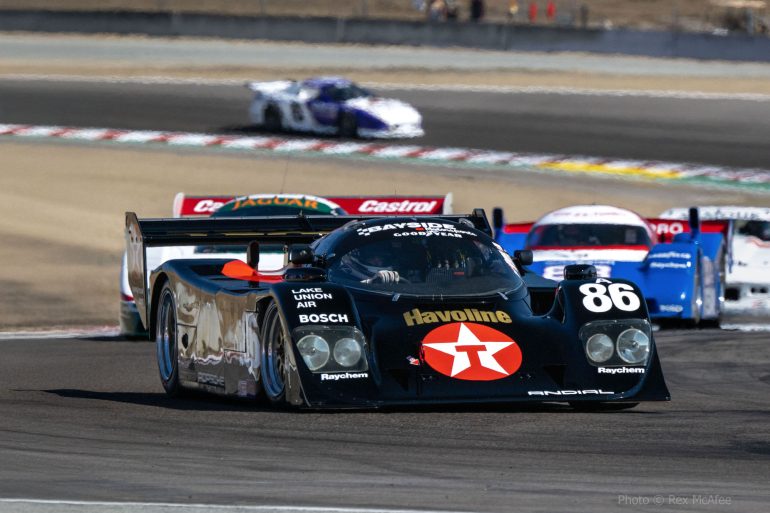
While Group C ran in Europe, IMSA's Camel GT championship in America ran GTP, a similar closed-prototype class without the fuel limit, from 1981 to 1993, and it became the better racing: Porsche's 962, built for IMSA's rules with the driver's feet behind the front axle, won every championship from 1985 to 1987 with Al Holbert and Chip Robinson for Holbert Racing and the Daytona 24 Hours five years running, until Nissan's Electramotive GTP ZX-T, the "Bullet Train" of the archive's story, took the titles of 1988 to 1991 with Geoff Brabham, Jaguar's Group 44 and TWR XJR-9s won Daytona in 1988 and 1990 ("The Pride of Jaguar" and the Tullius interview have Group 44's side), Toyota's Eagle MkIII, built by Dan Gurney's All American Racers, won twenty-one of twenty-seven races in 1992 and 1993, Casey Annis's "Unstoppable Force", and Mazda's rotaries, the BMW GTP of 1986 and the Spice and Lola customer cars filled the grids that Group C could no longer manage. The Daytona and Sebring pages in the archive, Louis Galanos's IMSA history, the Brian Redman interview and Dom Miliano's Spice-Ferrari story carry the series; GTP ended with the 1993 season and IMSA's World Sports Car class, and its name was revived for the Daytona-winning LMDh prototypes of 2023.
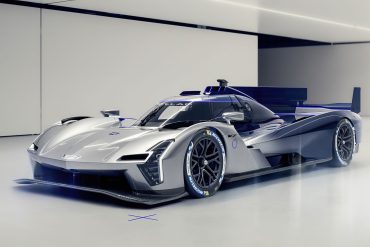
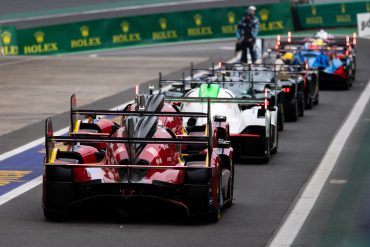
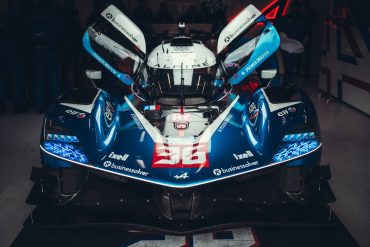
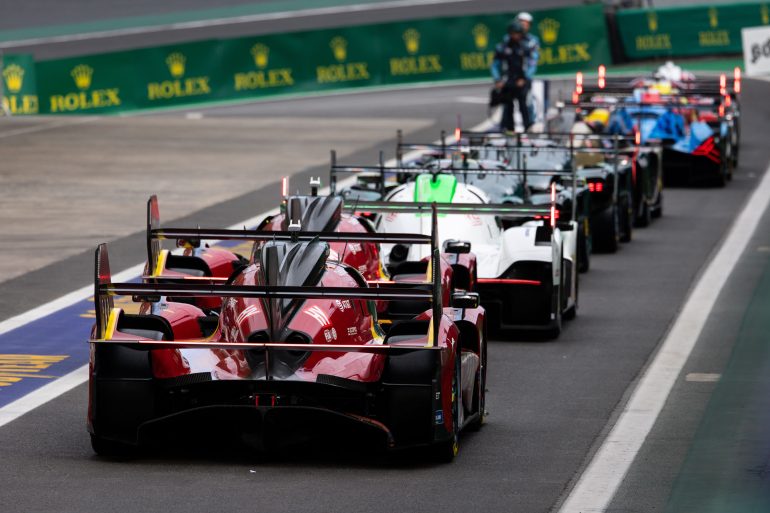
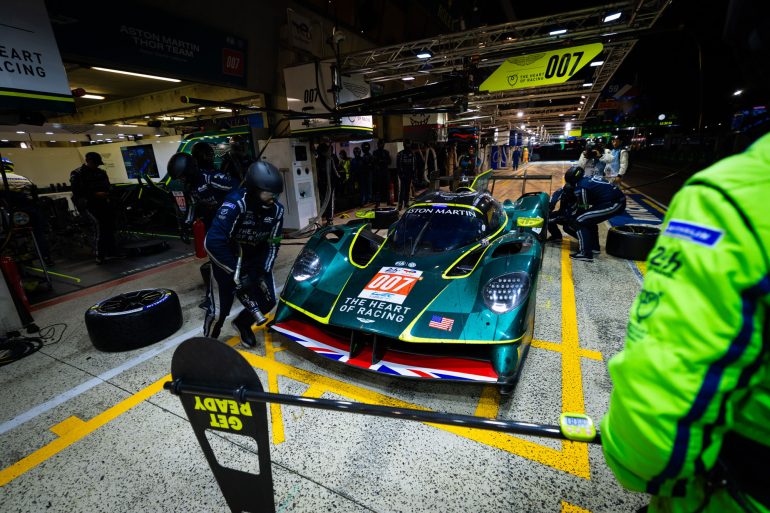
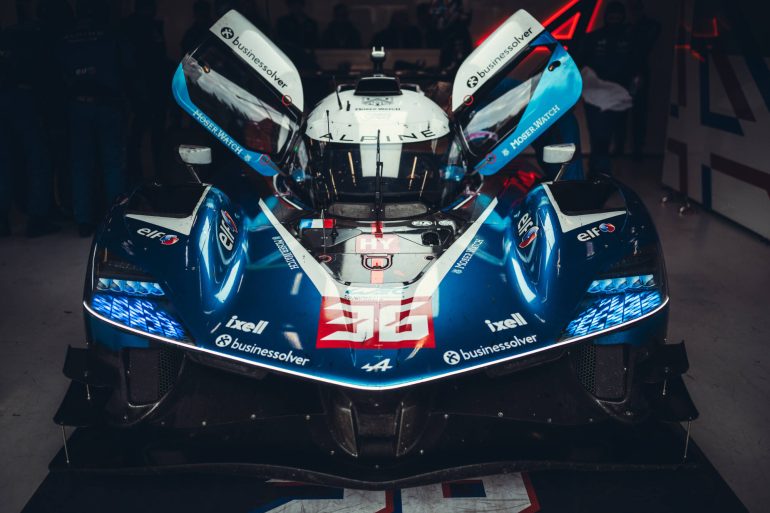
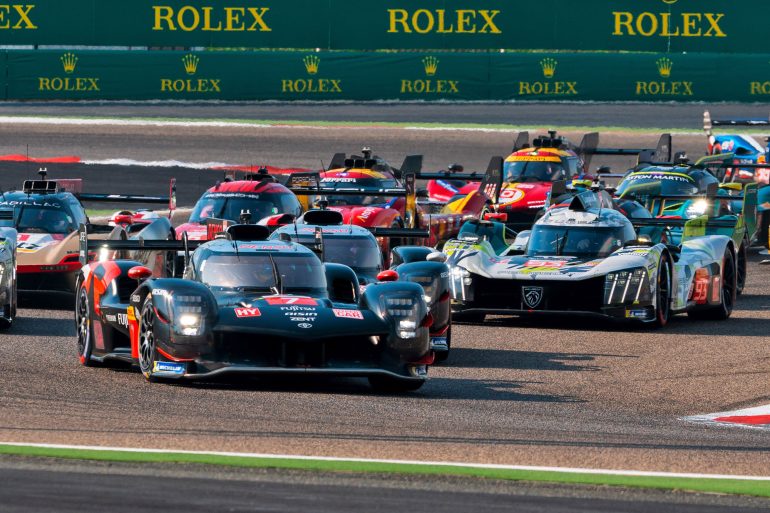
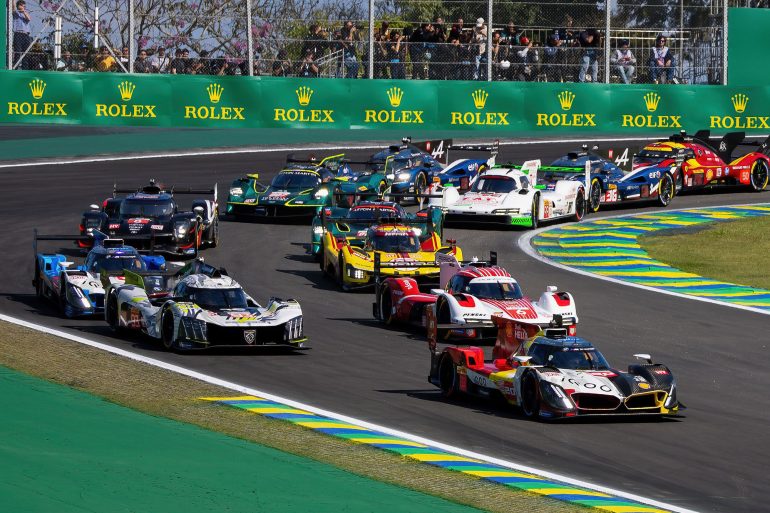
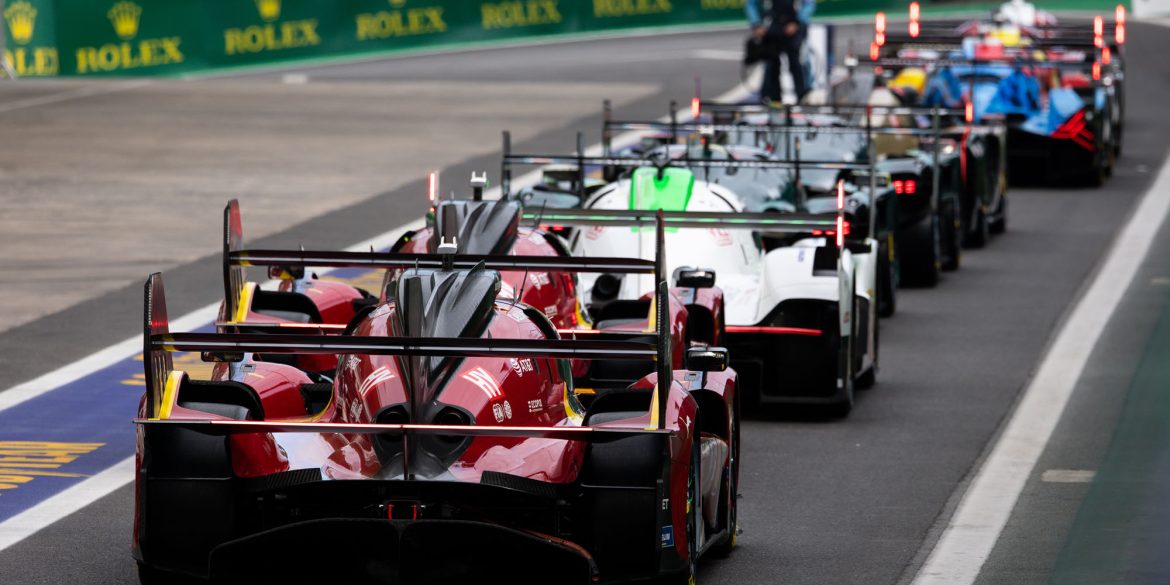
The FIA World Endurance Championship, founded in 2012 by the ACO and the FIA around Le Mans and the Intercontinental Le Mans Cup, is the World Sportscar Championship's successor in all but name, with manufacturers' and drivers' world titles and Le Mans as its centrepiece. Audi's diesel and hybrid R18s won the first two championships; Toyota's TS040 the 2014 titles with Anthony Davidson and Sébastien Buemi; Porsche's 919 Hybrid three in a row from 2015 to 2017 with Mark Webber, Timo Bernhard and Brendon Hartley among the champions; and Toyota, alone in the top class after Porsche and Audi left, every championship from the 2018–19 super-season to 2023, Fernando Alonso a world champion in 2018–19 and Buemi, Hartley and Ryo Hirakawa in 2022 and 2023. The Hypercar rules of 2021, which admit both purpose-built LMH cars and the LMDh prototypes shared with IMSA, brought the grid back to the Group C scale: Ferrari's 499P won Le Mans in 2023, 2024 and 2025 and the 2025 world titles with Alessandro Pier Guidi, James Calado and Antonio Giovinazzi, Porsche's 963 crew of Kévin Estre, André Lotterer and Laurens Vanthoor took the 2024 drivers' title, and in 2026 Toyota won Le Mans and both championships, Buemi, Hartley and Hirakawa champions for the third time, with Cadillac winning the Monza finale, Peugeot leaving and Aston Martin, Alpine, BMW and Genesis on the grid. The Le Mans page has every winner and the GT1 to Hypercar era the cars.
The modern championship in the archive, newest first.
Every champion make or team and, from 1981, every drivers' champion of the World Sportscar Championship, 1953 to 1992, and of the World Endurance Championship since 2012, with the car and the season's story, is in the table below; the cars link to every story on the site about them. The eras read down the table: Ferrari's twelve titles between 1953 and 1972, the Ford and Porsche years, Matra and Alfa Romeo, the Porsche decade from 1976 to 1986, Jaguar, Sauber-Mercedes and Peugeot, and the Audi, Porsche, Toyota and Ferrari championships of the modern era.
The champion make or team, the drivers' champion from 1981, the car and the season's story, for the World Sportscar Championship of 1953–92 and the World Endurance Championship since 2012. Cars link to every story on the site about them.
| Year | Champion make / team | Drivers' champion | Car | The season |
|---|---|---|---|---|
| 1953 | Ferrari | — | Ferrari 340 MM / 375 MM | The first championship for makes, seven races from Sebring to the Carrera Panamericana; Jaguar's C-type wins Le Mans |
| 1954 | Ferrari | — | Ferrari 375 Plus | Le Mans by a lap from Jaguar; Maglioli wins the last Carrera |
| 1955 | Mercedes-Benz | — | Mercedes-Benz 300 SLR | Moss and Jenkinson's Mille Miglia; the Le Mans disaster; the title at the Targa Florio and withdrawal |
| 1956 | Ferrari | — | Ferrari 860 Monza / 290 MM | Fangio's year with Ferrari; Castellotti's Mille Miglia in the rain |
| 1957 | Ferrari | — | Ferrari 335 S / 315 S | De Portago's crash ends the Mille Miglia; Maserati's 450S beaten; the 3-litre limit announced |
| 1958 | Ferrari | — | Ferrari 250 Testa Rossa | The Testa Rossa's first title; Hill and Gendebien win Le Mans in the rain |
| 1959 | Aston Martin | — | Aston Martin DBR1 | Le Mans for Salvadori and Shelby; Moss's two-car Tourist Trophy at Goodwood decides it |
| 1960 | Ferrari | — | Ferrari 250 Testa Rossa | Porsche wins the Targa Florio; Ferrari everything else |
| 1961 | Ferrari | — | Ferrari 250 Testa Rossa | The last year of the open sports-car championship; the 250 GTO in testing |
| 1962 | Ferrari (GT) | — | Ferrari 250 GTO | A championship for GT cars; the prototypes to a separate trophy |
| 1963 | Ferrari (GT) | — | Ferrari 250 GTO | The 250 P wins Le Mans; the GTO wins the GT title again |
| 1964 | Ferrari (GT) | — | Ferrari 250 GTO | The GTO/64 against the Cobras; the GT40 arrives and breaks |
| 1965 | Shelby American (GT) | — | Shelby Cobra Daytona Coupe | The Daytona coupés take the GT title from Ferrari; the 250 LM wins Le Mans |
| 1966 | Ford | — | Ford GT40 Mk II | The International Championship for Sports-Prototypes; Daytona, Sebring and Le Mans for the seven-litre Fords |
| 1967 | Ferrari | — | Ferrari 330 P4 | Daytona 1-2-3; Ford's Mk IV wins Le Mans and withdraws |
| 1968 | Ford | — | Ford GT40 | The 3-litre / 5-litre rules; Wyer's Gulf GT40s win the title and Le Mans |
| 1969 | Porsche | — | Porsche 908 | The 917 unveiled; Ickx beats Herrmann by 120 yards at Le Mans in the GT40 |
| 1970 | Porsche | — | Porsche 917 | Nine wins from ten; Porsche's first Le Mans; the 512 S beaten everywhere but Sebring |
| 1971 | Porsche | — | Porsche 917 | The 5,335-km Le Mans record; Rodríguez killed in July; the five-litre cars banned |
| 1972 | Ferrari | — | Ferrari 312 PB | Three-litre prototypes; ten wins from ten entered, Le Mans skipped |
| 1973 | Matra | — | Matra MS670 | Matra against Ferrari all season; Le Mans and the title to the V12 |
| 1974 | Matra | — | Matra MS670 | Ferrari gone; nine wins for Matra, then withdrawal |
| 1975 | Alfa Romeo | — | Alfa Romeo 33TT12 | Kauhsen's Alfas win seven of eight; the Gulf-Mirage wins a fuel-formula Le Mans |
| 1976 | Porsche | — | Porsche 935 | The championship split: Group 5 makes (935) and Group 6 sports cars (936); Porsche wins both |
| 1977 | Porsche | — | Porsche 935 | The 935 again; Alfa Romeo takes the sports-car title; the 936 wins Le Mans |
| 1978 | Porsche | — | Porsche 935 | Moby Dick; Renault wins Le Mans and leaves for Formula 1 |
| 1979 | Porsche | — | Porsche 935 | The Kremer K3 wins Le Mans outright, the only production-based car to do so |
| 1980 | Lancia | — | Lancia Beta Montecarlo Turbo | Lancia's under-2-litre turbos take the makes title on class points |
| 1981 | Porsche | Bob Garretson | Porsche 935 | The first drivers' title; Ickx and Bell win Le Mans in the 936/81 |
| 1982 | Porsche | Jacky Ickx | Porsche 956 | Group C begins; the 956's Le Mans 1-2-3 on its first attempt |
| 1983 | Porsche | Jacky Ickx | Porsche 956 | Nine 956s in the first ten at Le Mans; Bellof's 6:11 Nordschleife lap |
| 1984 | Porsche | Stefan Bellof | Porsche 956 | Lancia's LC2 the only challenger; Bellof champion at 26 |
| 1985 | Rothmans Porsche | Derek Bell / Hans-Joachim Stuck | Porsche 962C | The 962C; Bellof killed at Spa; a teams' championship replaces the makes title |
| 1986 | Brun Motorsport | Derek Bell | Porsche 962C | Jaguar's XJR-6 wins Silverstone; Jo Gartner killed at Le Mans |
| 1987 | Silk Cut Jaguar | Raul Boesel | Jaguar XJR-8 | Eight wins from ten for Walkinshaw's V12s; Porsche's last Le Mans of the run |
| 1988 | Silk Cut Jaguar | Martin Brundle | Jaguar XJR-9 | Jaguar's Le Mans, the first since 1957; Mercedes returns with Sauber |
| 1989 | Sauber-Mercedes | Jean-Louis Schlesser | Sauber-Mercedes C9 | The silver C9s; Le Mans and seven of eight; 248 mph on the Mulsanne |
| 1990 | Sauber-Mercedes | Jean-Louis Schlesser / Mauro Baldi | Sauber-Mercedes C11 | Schumacher, Wendlinger and Frentzen in the junior team; Jaguar wins Le Mans |
| 1991 | Silk Cut Jaguar | Teo Fabi | Jaguar XJR-14 | The 3.5-litre formula; Mazda's 787B wins Le Mans; Mercedes and Jaguar leave |
| 1992 | Peugeot | Derek Warwick / Yannick Dalmas | Peugeot 905 | Six races, a dozen cars; the championship cancelled for 1993 |
| 1993–2011 | No world championship | — | IMSA GTP ends in 1993; BPR, FIA GT, the ALMS and the Le Mans Series fill the gap; the Intercontinental Le Mans Cup of 2010–11 | |
| 2012 | Audi | Marcel Fässler / André Lotterer / Benoît Tréluyer | Audi R18 | The FIA World Endurance Championship founded; Audi's first hybrid Le Mans win |
| 2013 | Audi | Loïc Duval / Tom Kristensen / Allan McNish | Audi R18 | Kristensen's ninth Le Mans; Allan Simonsen killed |
| 2014 | Toyota | Anthony Davidson / Sébastien Buemi | Toyota TS040 Hybrid | Porsche returns; Audi wins Le Mans, Toyota the title |
| 2015 | Porsche | Timo Bernhard / Mark Webber / Brendon Hartley | Porsche 919 Hybrid | Porsche's 17th Le Mans; Nissan's front-engined GT-R LM fails |
| 2016 | Porsche | Neel Jani / Romain Dumas / Marc Lieb | Porsche 919 Hybrid | Toyota stops on the last lap at Le Mans; Audi leaves |
| 2017 | Porsche | Timo Bernhard / Earl Bamber / Brendon Hartley | Porsche 919 Hybrid | Porsche's third double, then withdrawal; LMP2 nearly wins Le Mans |
| 2018–19 | Toyota | Fernando Alonso / Sébastien Buemi / Kazuki Nakajima | Toyota TS050 Hybrid | The super-season; Toyota's first Le Mans; Alonso world champion |
| 2019–20 | Toyota | Mike Conway / Kamui Kobayashi / José María López | Toyota TS050 Hybrid | Toyota alone in LMP1; Le Mans in September behind closed doors |
| 2021 | Toyota | Sébastien Buemi / Kazuki Nakajima / Brendon Hartley | Toyota GR010 Hybrid | The Hypercar class begins; Alpine and Glickenhaus the opposition |
| 2022 | Toyota | Sébastien Buemi / Brendon Hartley / Ryo Hirakawa | Toyota GR010 Hybrid | Peugeot's wingless 9X8 arrives |
| 2023 | Toyota | Sébastien Buemi / Brendon Hartley / Ryo Hirakawa | Toyota GR010 Hybrid | Ferrari, Porsche, Cadillac and Peugeot join; Ferrari's 499P wins the centenary Le Mans |
| 2024 | Toyota | Kévin Estre / André Lotterer / Laurens Vanthoor (Porsche) | Porsche 963 | Toyota's manufacturers' title, Porsche's drivers'; Ferrari wins Le Mans in the wet; BMW, Alpine and Lamborghini arrive |
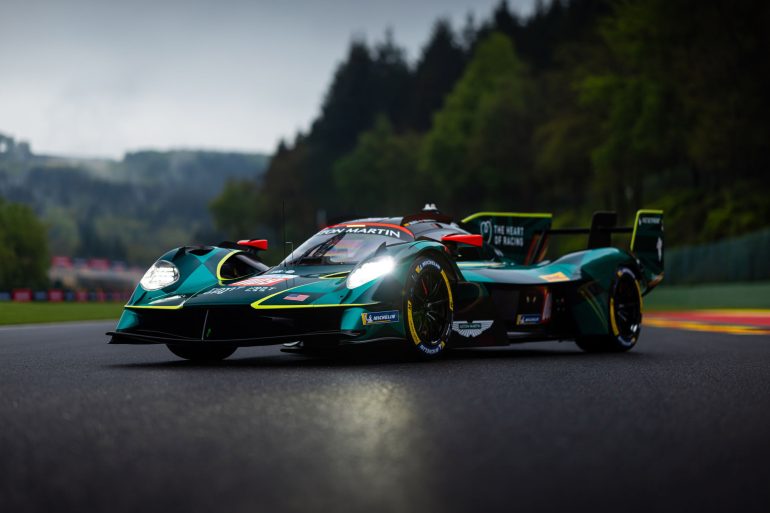
| 2025 | Ferrari | Alessandro Pier Guidi / James Calado / Antonio Giovinazzi | Ferrari 499P | Ferrari's first titles, clinched at Bahrain; the customer 499P wins Le Mans; Aston Martin's Valkyrie |
| 2026 | Toyota | Sébastien Buemi / Brendon Hartley / Ryo Hirakawa | Toyota GR010 Hybrid | Toyota's Le Mans and both titles; Cadillac wins the Monza finale; Genesis arrives, Peugeot leaves |
From 1962 to 1965 the world title was for GT cars, with the prototypes contesting a separate trophy; from 1976 to 1981 the makes title shown is the Group 5 World Championship for Makes. From 1985 the title was awarded to teams rather than makes.
Nine cars that won the championship or defined its eras, from the 300 SLR to the Sauber-Mercedes C9, each linking to every story on the site about it.
Nine cars that won the championship or defined its eras; each links to every story on the site about it.
The championship was scored for makes, which is why its drivers are remembered by their cars: Moss in the 300 SLR and the DBR1, Phil Hill and Olivier Gendebien in the Testa Rossas, Surtees, Parkes and Scarfiotti in the P4s, Siffert, Rodríguez, Elford, Redman, Attwood and Herrmann in the 917s, Pescarolo and Larrousse in the Matras, and above all Jacky Ickx, six times a Le Mans winner and the first two-time drivers' champion, and Derek Bell, five times at Le Mans and champion in 1985 and 1986, whose archive interviews are the inside view of the Porsche years; Bellof, the fastest of them all, killed at Spa in 1985; Jochen Mass, Hans Stuck, Bob Wollek, Klaus Ludwig, Brundle, Wallace, Schlesser, Baldi, Warwick and Dalmas. Behind them the team managers and engineers who ran the championship: John Wyer at Aston Martin, Gulf and Porsche; Mauro Forghieri at Ferrari; Norbert Singer, who built every Porsche from the 917 to the 962 and whose long interview is in the archive; Peter Falk and Helmuth Bott; Tom Walkinshaw and Tony Southgate at Jaguar; Peter Sauber, Jochen Neerpasch and Leo Ress; Jean Todt at Peugeot; and in America Al Holbert, Bob Tullius, Dan Gurney and Don Devendorf. The archive's interviews with Singer, Walkinshaw, Bell, Redman, Wallace, Kremer, Tullius and John Judd, and the portraits of Ickx, Bellof, Siffert and Rodríguez, are the people of the championship.
The Group C and GTP cars are now the fastest historic racing cars in the world and have their own series: Group C Racing, which ran from 2008 and now races at Le Mans Classic, the Spa and Silverstone Classics, the Daytona Classic 24 and the Peter Auto meetings, with 956s, 962s, XJRs, Nissan R90s, Spices and Toyotas on grids of thirty, and in America the HSR Classic 24 at Daytona and the Rolex Monterey Motorsports Reunion's IMSA GTP class. The cars are among the most valuable racing machines of their period: works 956s and 962s, the Le Mans-winning Jaguars and the Sauber C9s sell for seven figures when they sell at all, and the archive's FIA Sports Prototypes market series tracks them. The feeds below are the archive's Group C and IMSA GTP coverage, newest first, from the historic grids to the cars for sale.
The Group C cars in the archive, from the works years to the historic grids, newest first.
The American prototypes, newest first.
Years: 1953–1992 (40 seasons; no championship in 1993–2011 at world level); the FIA World Endurance Championship since 2012. Names: World Sports Car Championship (1953–61), International Championship for GT Manufacturers (1962–65), International Championship for Sports-Prototypes / Makes (1966–71), World Championship for Makes (1972–80), World Endurance Championship (1981–85), World Sports-Prototype Championship (1986–90), Sportscar World Championship (1991–92). Most titles: Ferrari 12 (1953–54, 1956–58, 1960–64, 1967, 1972), Porsche 12 (1969–71, 1976–79, 1981–85 as makes or teams), Jaguar 3 (1987, 1988, 1991), Matra 2, Sauber-Mercedes 2, Mercedes-Benz, Aston Martin, Shelby, Ford (1966, 1968), Alfa Romeo, Lancia, Peugeot. Drivers' champions: Garretson 1981, Ickx 1982–83, Bellof 1984, Bell and Stuck 1985, Bell 1986, Boesel 1987, Brundle 1988, Schlesser 1989, Schlesser and Baldi 1990, Fabi 1991, Warwick and Dalmas 1992. Group C: 1982–92; fuel allowance 600 litres per 1,000 km; the Porsche 956/962's five makes titles and six Le Mans wins; Bellof's 6:11.13 Nordschleife lap, 1983 (the record until 2018). IMSA GTP: 1981–93; Porsche 962 champion 1985–87, Nissan 1988–91, Toyota Eagle MkIII 1992–93 (21 wins from 27). WEC manufacturers' titles: Toyota 8, Porsche 3, Audi 2, Ferrari 1. The archive: 250 World Sportscar Championship stories; 36 Group C and 23 IMSA GTP posts; the Singer, Walkinshaw, Bell, Redman and Wallace interviews; Louis Galanos's Daytona and IMSA histories.
Short answers, with the long ones above.
The FIA's world championship for sports and prototype racing cars, 1953 to 1992, scored for manufacturers (and from 1981 for drivers too), whose rounds were the great endurance races: Le Mans, Sebring, the Mille Miglia, the Targa Florio, the Nürburgring 1000 km, Daytona, Spa and Monza.
Ferrari, twelve times between 1953 and 1972; Porsche twelve times between 1969 and 1985; Jaguar three times (1987, 1988 and 1991).
The FIA's class of closed two-seat prototypes for the World Sportscar Championship from 1982 to 1992, with no engine limit but a strict fuel allowance; it produced the Porsche 956 and 962, the Jaguar XJR-9, the Sauber-Mercedes C9 and the Peugeot 905 and ended when the FIA imposed 3.5-litre Formula 1 engines in 1991.
The 1991 switch to 3.5-litre atmospheric engines, pushed through to align the series with Formula 1, made the cars too expensive for privateers and the manufacturers left one by one; after a six-race 1992 season with a dozen cars the FIA cancelled the 1993 championship.
Group C was the European world-championship class, limited by fuel consumption; GTP was IMSA's American equivalent from 1981 to 1993, with engine-size and weight rules instead, which is why the Porsche 962 was built in two forms and why Nissan, Toyota, Jaguar and Mazda raced on both sides of the Atlantic.
Its successor, the FIA World Endurance Championship, has run since 2012 with Le Mans as its centrepiece and the Hypercar class since 2021; Toyota, Porsche, Audi and Ferrari have been its champions, Toyota in 2026.
Jacky Ickx won the first two drivers' titles and Derek Bell the next two; Stefan Bellof, champion in 1984 and killed at Spa a year later, was the fastest; Hans Stuck, Jochen Mass, Bob Wollek, Klaus Ludwig, Martin Brundle and Jean-Louis Schlesser were the others who defined the decade.
The Group C Racing series at Le Mans Classic, Spa Classic and Silverstone Classic; the HSR Classic 24 at Daytona; the Rolex Monterey Motorsports Reunion; and the Goodwood Festival of Speed's hill.
The whole thread, newest first.