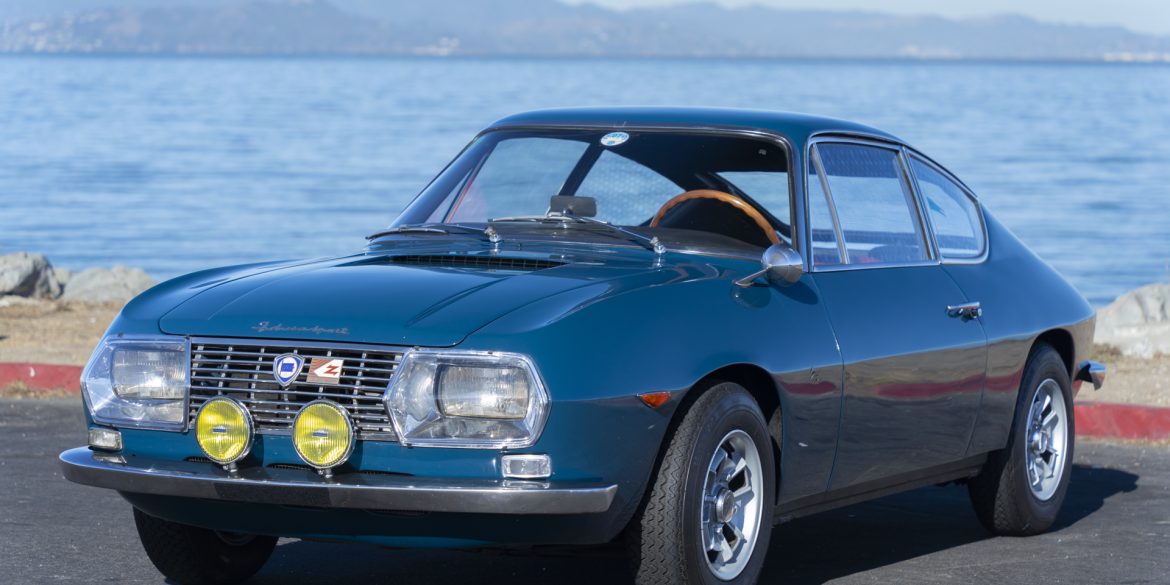
Road & Track called the Fulvia "a precision motorcar, an engineering tour de force" in 1967. Raffi Minasian on the Spada-designed Sport Zagato, the narrow-angle V4 coupe Lancia built in small numbers for buyers wanting a sports car profile.

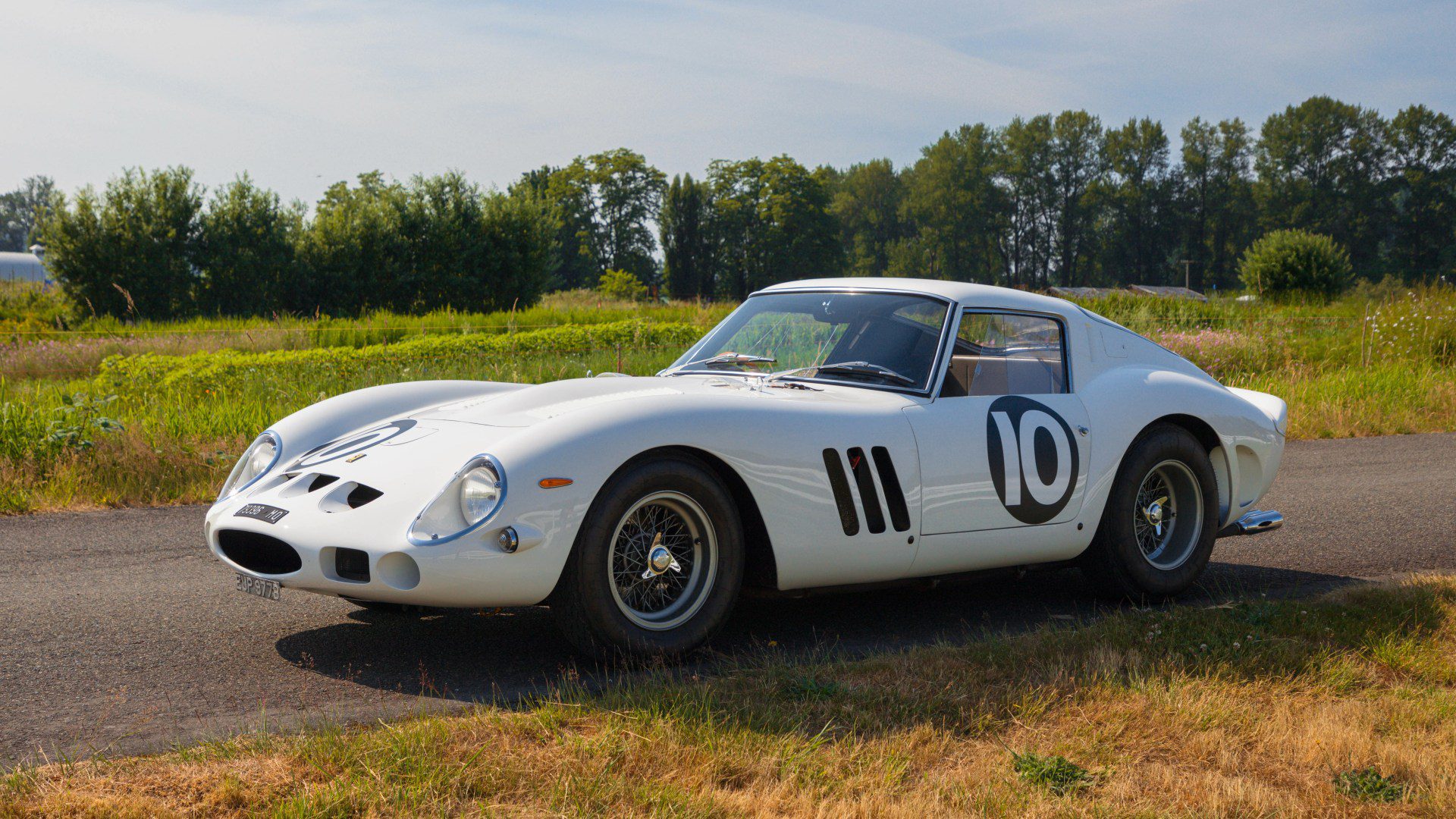
For six seasons, from the Ferrari 250 GT SWB's first Tourist Trophy in 1960 to the Shelby Daytona Coupes' world title in 1965, the most important racing in the world was done by cars that were supposed to be production models. The FIA made the GT championship its headline series in 1962, Ferrari built the 250 GTO to win it, Carroll Shelby built the Cobra to beat the GTO, and Jaguar, Aston Martin, Chevrolet, Porsche and Alfa Romeo joined in with lightweight E-types, Zagato DB4s, Grand Sport Corvettes, 904s and TZs. The cars are now the most valuable in the world. This is the racing side of the grand touring era; the road cars have their own page.
The pieces to start with
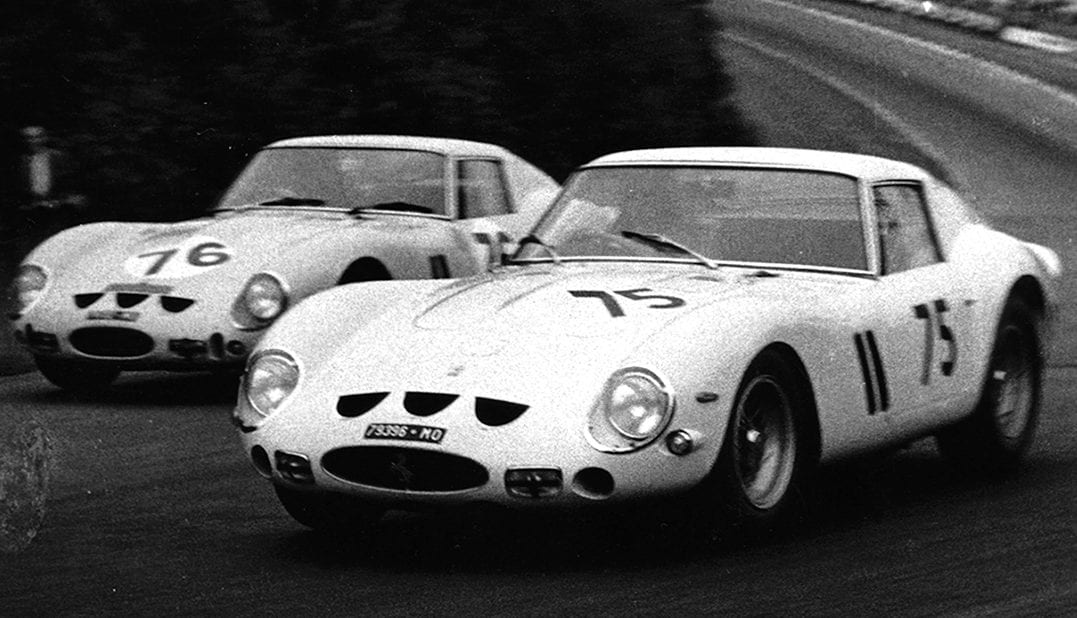
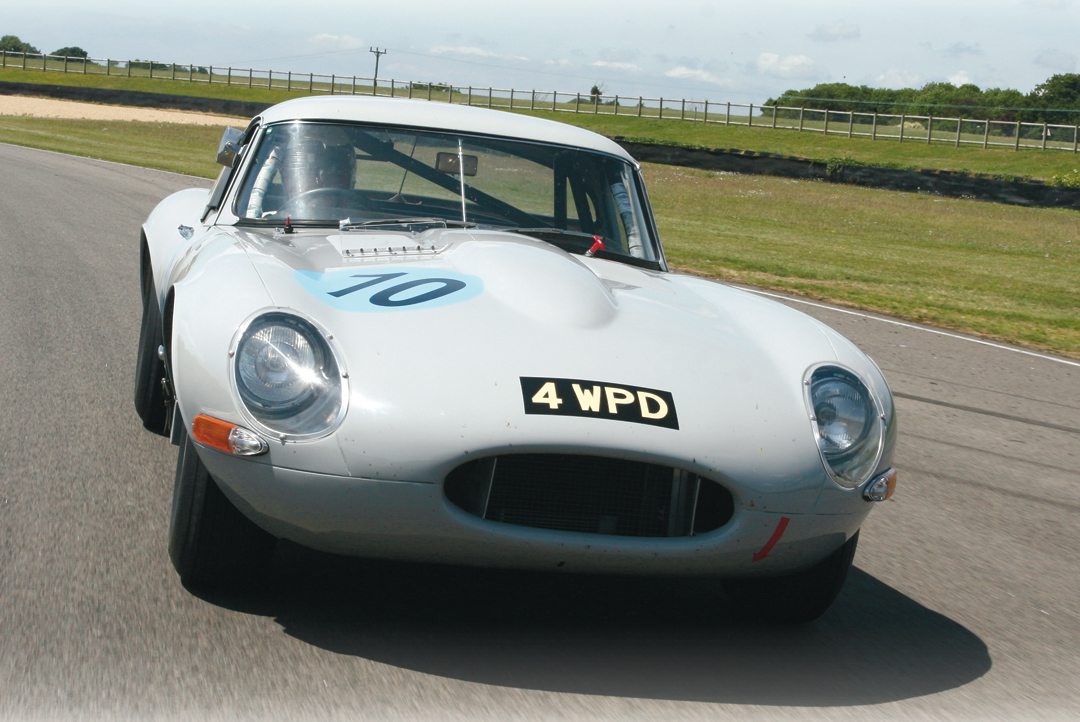
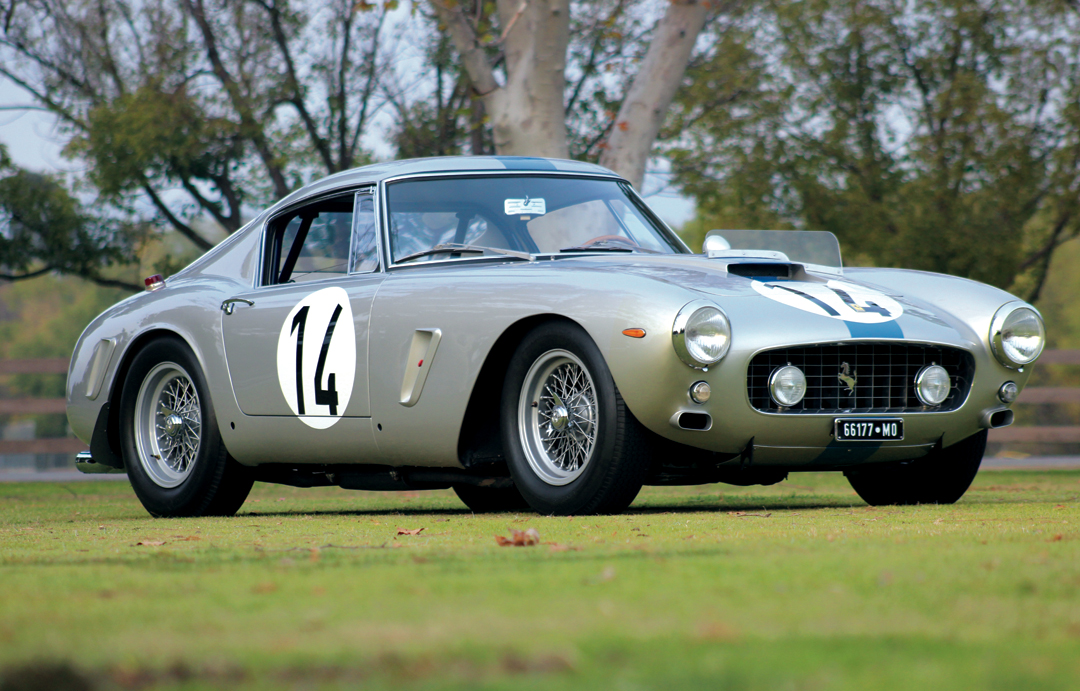
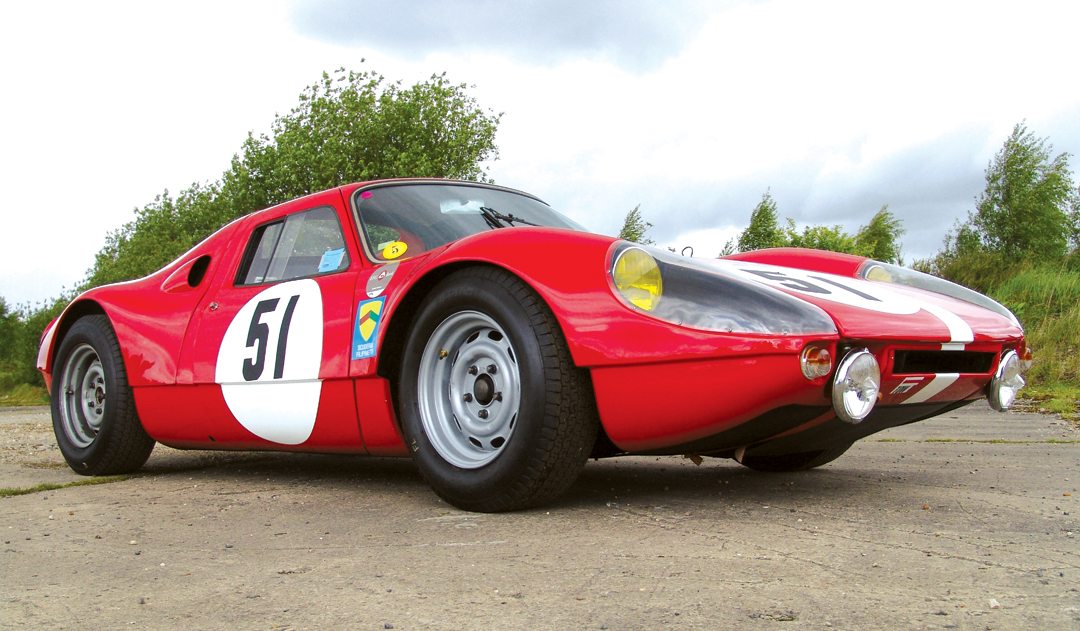
Salvadori's GTO and Graham Hill's, the Daytona Coupe, the Grand Sport, two Lightweight E-types, Enzo's hot-rod SWB, a 904 and Cobra against Grand Sport at Road America.
Roy Salvadori could have chosen his Le Mans-winning Aston Martin DBR1. Instead he picks John Coombs's Ferrari 250 GTO and the 1962 Peco Trophy at Brands Hatch, six GTOs against Graham Hill's E-type and Mike Salmon's Aston Zagato.
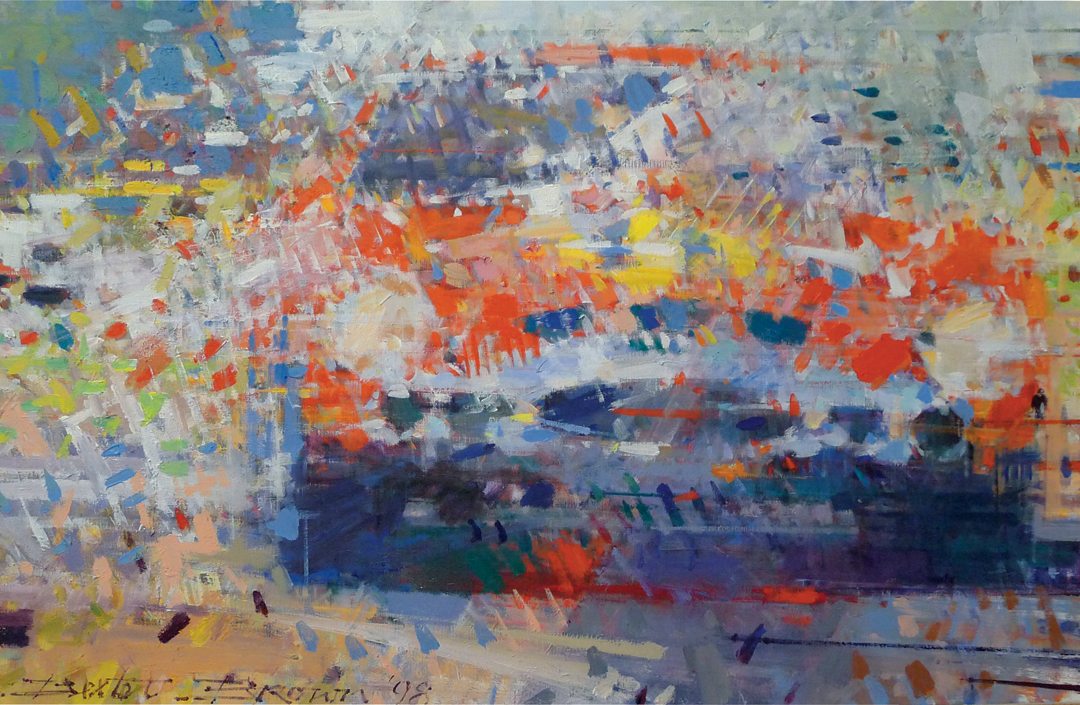
Dexter Brown's acrylic of Graham Hill drifting the Maranello Concessionaires 250 GTO through Madgwick on the way to the 1963 Tourist Trophy, ahead of Parkes's GTO and the Lightweight E-Types of Salvadori and Sears. Signed '98, £9,750 at Speedsport.
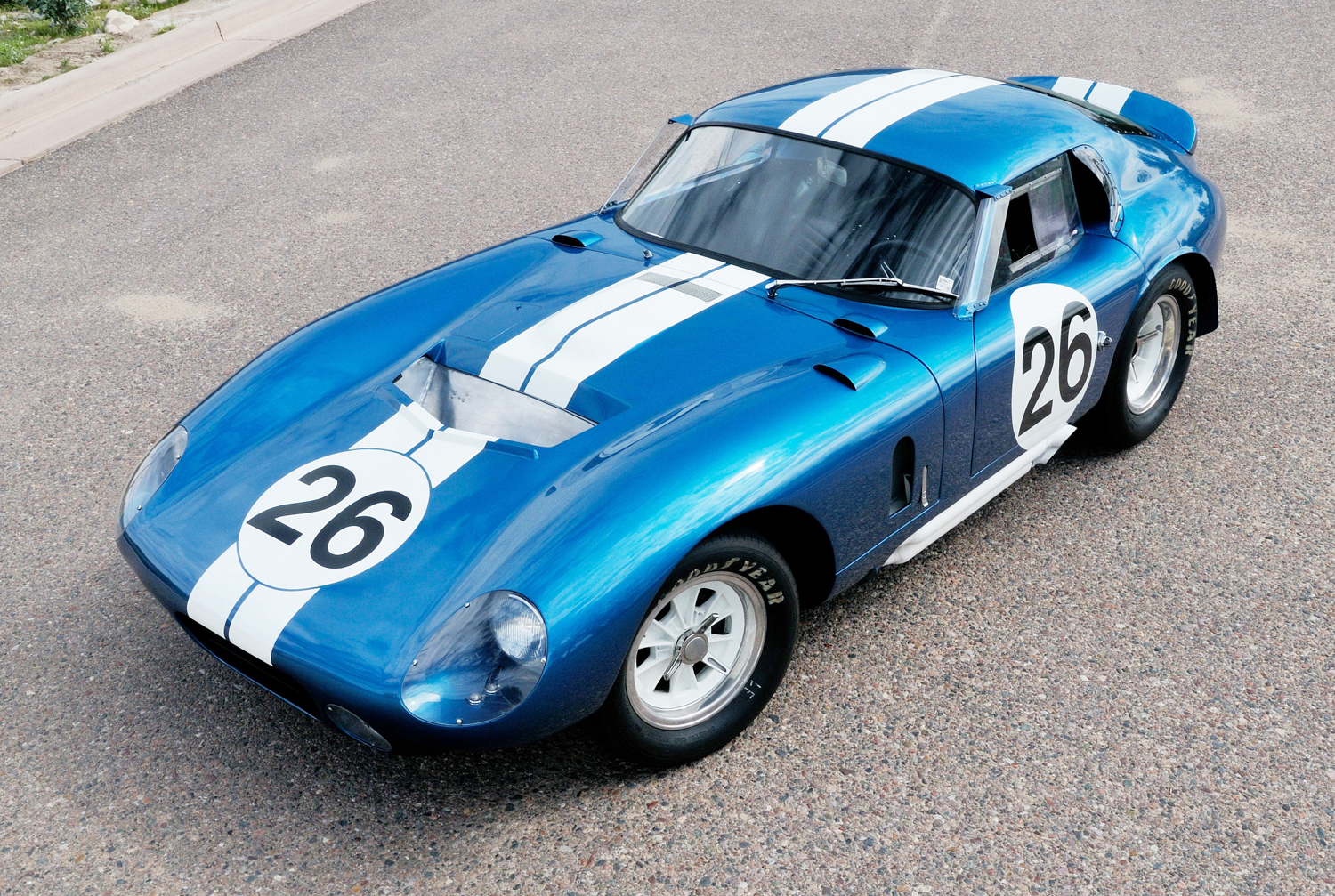
A 100th By Design column, and the writer spends it on what he calls the best American car ever built: Pete Brock's Daytona Coupe, drawn in Venice, California, by a man who had shaped the 1963 Corvette before turning 21.
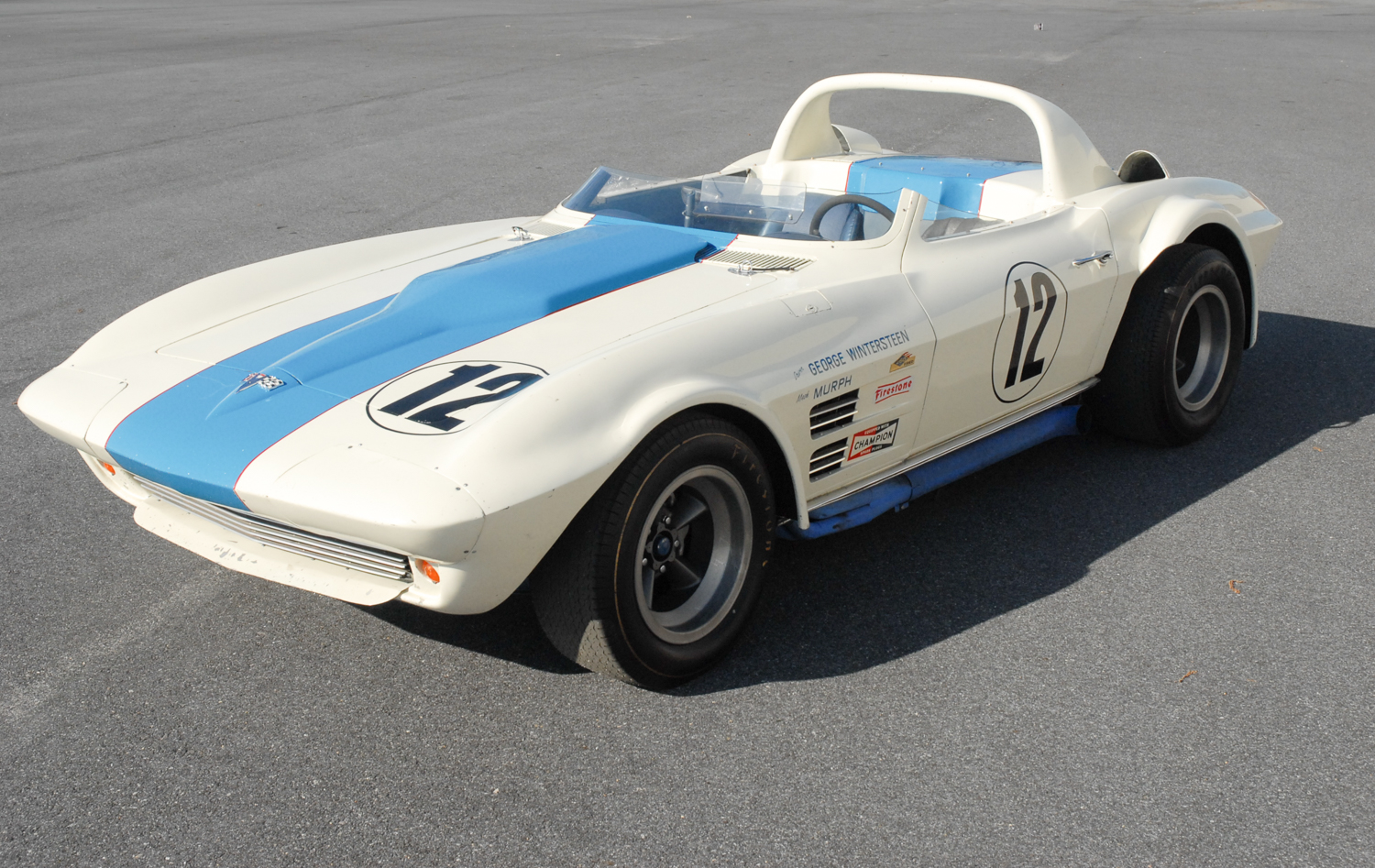
Zora Arkus-Duntov built the first Grand Sports in secret in 1962 and they never won anything that mattered. Doctor Simeone bought #002 anyway, the most original of them. Dom Miliano meets it at the Simeone Foundation Museum in Philadelphia.
In August 1961 Ed McDonough watched a white, finned Jaguar at Bridgehampton that the paddock took for a new D-Type: E2A, with Walt Hansgen driving for Briggs Cunningham. Fifty years on, he tests the Coombs and Qvale Lightweights.
Ferrari's nine Le Mans wins came in a 16-year burst, 1949 to 1965, but its GT-class record through the 1960s is less remembered. Casey Annis on a 1961 250GT SWB Competizione, built for that category.
Ed McDonough first followed racing with Harry Blanchard, the Greenwich Porsche dealer who finished seventh in an RSK at the 1959 US Grand Prix and died in it weeks later at Buenos Aires. He drives a 1964 904 GTS.
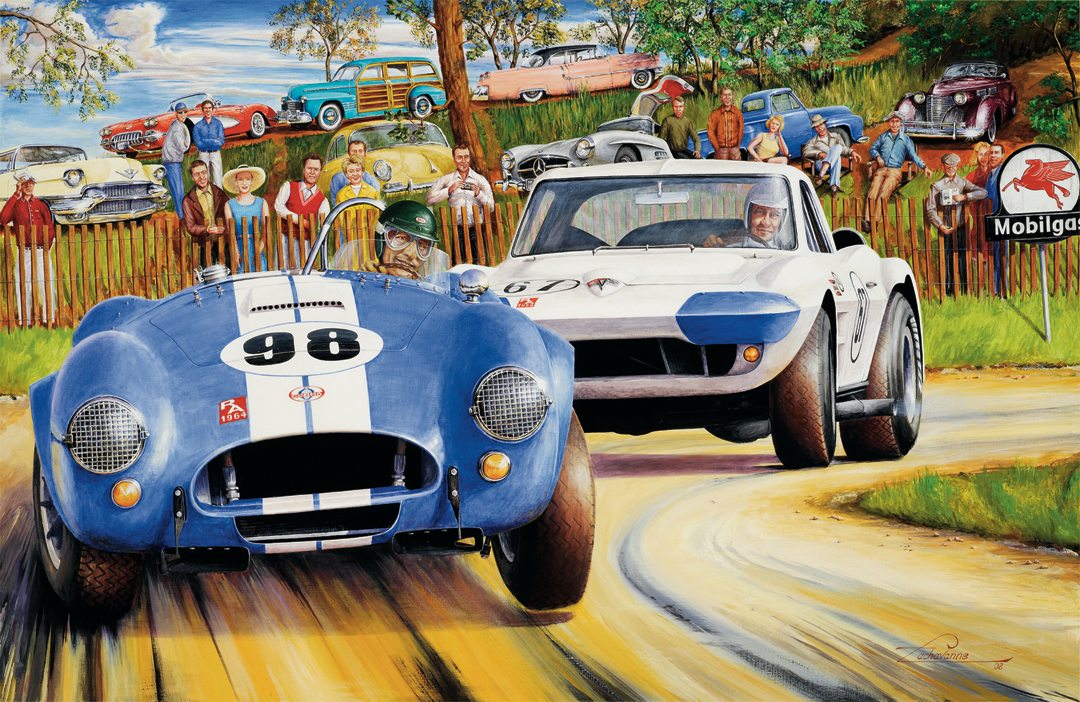
Ken Miles's Cobra, wearing Shelby's own number, ahead of Jim Hall's Corvette Grand Sport at the 1964 Road America 500. Miles won GT and was second overall; Hall, Penske and Sharp third behind the Hansgen/Pabst 250LM. Painting by Fabrice Lachavanne.
The newest long-form writing on the GT wars, as it is published.

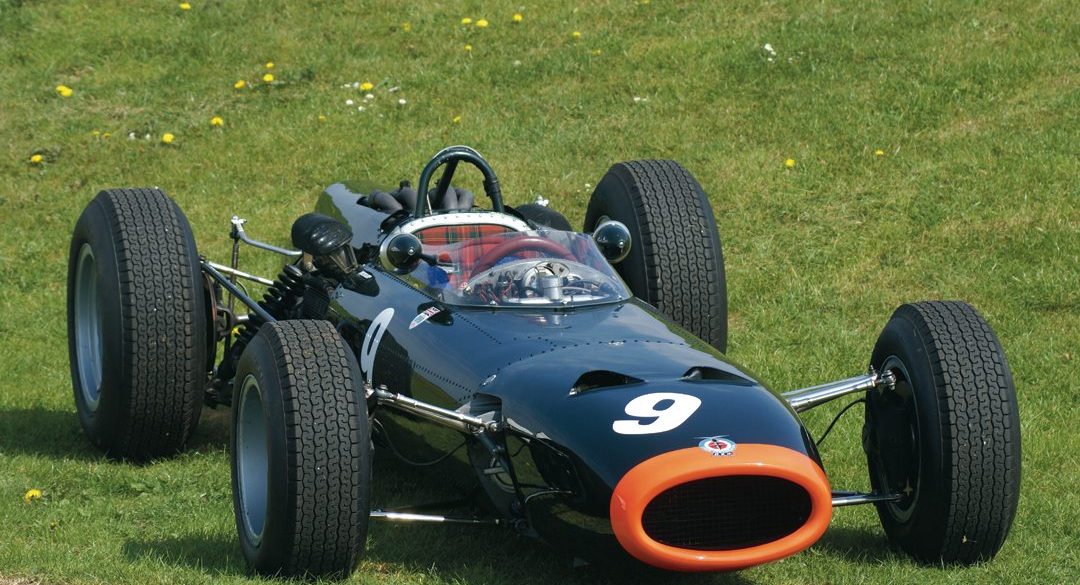
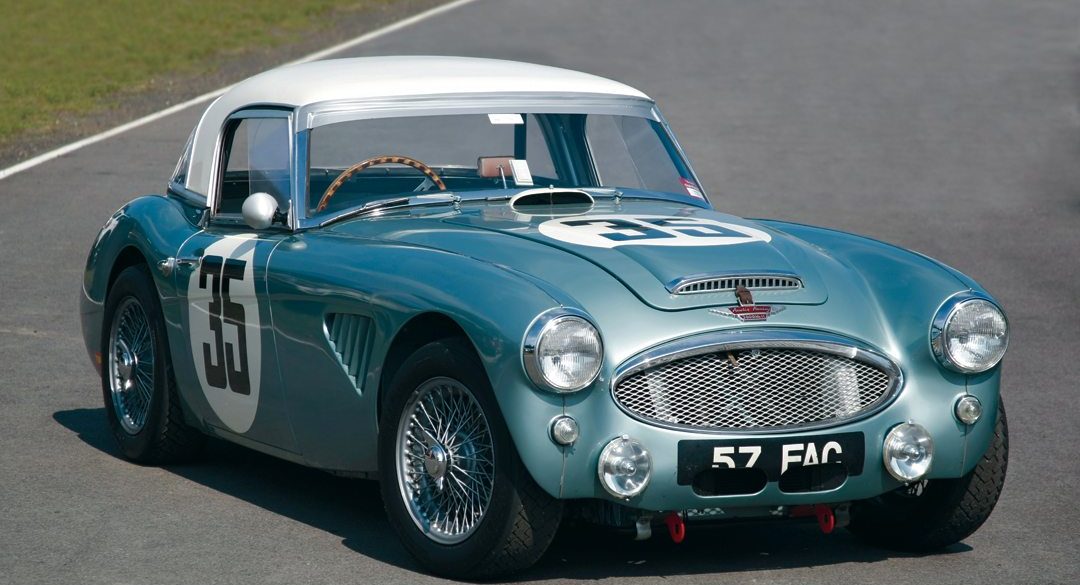
Grand touring cars had always raced — the Tour de France Automobile was theirs, and the Mille Miglia and the Targa Florio had GT classes — but until 1962 they were the supporting act to the sports-prototypes. Then the FIA, alarmed by the speed of the Testa Rossas and the Birdcages, abolished the World Sportscar Championship for makes and replaced it with the International Championship for GT Manufacturers, in three divisions by engine size, scored at Sebring, the Targa Florio, the Nürburgring, Le Mans, the Tourist Trophy and the Tour de France. A GT car had to be homologated: one hundred built, the FIA said, though nobody counted very hard, and the rules allowed "evolutions" of the body and the engine that gave the lawyers of Maranello and Venice, California, a great deal to do. Ferrari won the over-two-litre division in 1962, 1963 and 1964; Shelby American won it in 1965. The fights in between, Ferrari against Cobra, Jaguar against Aston Martin, Porsche against Abarth and Alfa Romeo in the small classes, are the GT wars. The road cars those racers were supposed to resemble are on The Grand Touring Years page; the prototypes that replaced them in 1966 are on Ford, Ferrari and the Prototypes.
The short-wheelbase Ferrari 250 GT Berlinetta, shown at Paris in October 1959, was the car that made the GT class worth winning. With a three-litre V12, disc brakes and an alloy body by Scaglietti on a 2,400-millimetre chassis, it won the GT category of the World Sportscar Championship in 1960 and 1961, the Tour de France both years for Willy Mairesse, the GT class at Le Mans both years, and the Goodwood Tourist Trophy both years for Stirling Moss in Rob Walker's dark-blue car; Casey Annis's Enzo's Hot Rod is the story of one of the 1961 competition cars, and Ed McDonough's Sumptuous Dish the model's. Aston Martin's reply was the DB4 GT of 1959, shorter and lighter than the DB4 with a twin-plug head, and the nineteen Zagato-bodied cars of 1960; Moss won the DB4 GT's first race at Silverstone in 1959, and the Zagatos' battles with the SWBs at Goodwood in 1961 and 1962, Jim Clark and Innes Ireland against Mike Parkes and Graham Hill, were the best racing in Britain. Below them Lotus's glassfibre Elite, profiled here, won its class at Le Mans six years running, and in March 1961 Jaguar launched the E-type at Geneva. On paper it was a road car; by the summer Graham Hill and Roy Salvadori were racing John Coombs's examples against the Ferraris.
Ferrari homologated the 250 GTO as an evolution of the SWB, which was true of the engine and the chassis and not of anything you could see. Giotto Bizzarrini and then Mauro Forghieri lowered the car, moved the dry-sump V12 back and down, fitted a five-speed gearbox and let Sergio Scaglietti find the body shape in the wind tunnel at Pisa and on the Modena autostrada: a long nose with three slots in it, a cut-off Kamm tail and a spoiler. "Omologato" was the point of the name. Thirty-six were built in 1962 and 1963 and three more with a new body in 1964, and in its first season the GTO won the over-two-litre division outright: the GT class at Sebring with Phil Hill and Olivier Gendebien, second overall at Le Mans for Pierre Noblet and Jean Guichet behind a Ferrari prototype, the Tour de France, and the Tourist Trophy at Goodwood for Innes Ireland in the pale-green UDT-Laystall car, the subject of Ed McDonough's Green with Envy. Roy Salvadori's GTO and Graham Hill's are both in the archive, as is a day with the legend at Maranello. The GTO is, by most measures, the most valuable car in the world.
The big-class champion and the GT winners at the races that decided it.
| Year | GT champion (over 2 litres) | Le Mans, GT class | Tour de France | Goodwood Tourist Trophy | What happened |
|---|---|---|---|---|---|
| 1960 | Ferrari (GT category of the sports-car championship) | Tavano / Loustel, Ferrari 250 GT SWB | Mairesse / Berger, Ferrari 250 GT SWB | Moss, Ferrari 250 GT SWB | The short-wheelbase Berlinetta's year; Aston Martin's DB4 GT Zagato appears at London in October |
| 1961 | Ferrari | Noblet / Guichet, Ferrari 250 GT SWB | Mairesse / Berger, Ferrari 250 GT SWB | Moss, Ferrari 250 GT SWB | Jaguar launches the E-type at Geneva; Coombs is racing one by summer |
| 1962 | Ferrari | Noblet / Guichet, Ferrari 250 GTO (2nd overall) | Simon / Dupeyron, Ferrari 250 GTO | Ireland, Ferrari 250 GTO | The GT championship begins; the GTO wins its division; the Cobra's first race at Riverside in October |
| 1963 | Ferrari | Beurlys / Langlois van Ophem, Ferrari 250 GTO (2nd overall) | Guichet / Behra, Ferrari 250 GTO | G. Hill, Ferrari 250 GTO | Twelve Lightweight E-types; five Grand Sports beat the Cobras at Nassau; Cobras win the USRRC |
| 1964 | Ferrari, after the Monza round was cancelled | Gurney / Bondurant, Shelby Daytona Coupe (4th overall) | Bianchi / Berger, Ferrari 250 GTO | G. Hill, Ferrari 330 P (overall) | The Daytona Coupe; the Porsche 904 wins the Targa Florio outright; the FIA refuses the 250 LM |
| 1965 | Shelby American | Sears / Thompson, Shelby Daytona Coupe (8th overall) | — | — | Daytona Coupes win the class at Daytona, Sebring, Monza, the Nürburgring, Le Mans and Reims; the first American world champions |
Car names link to every story on the site about that model; the race names to their own pages.
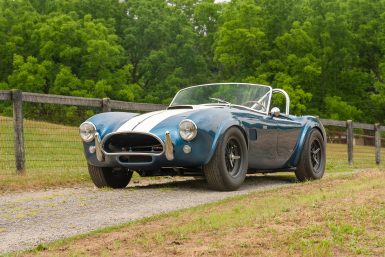
Carroll Shelby, retired from driving with a bad heart and a Le Mans win, wrote to AC Cars in Thames Ditton in 1961 to ask whether the Ace chassis would take a Ford V8. It would. The first Cobra, with Ford's new 260-cubic-inch small-block, was built in Dean Moon's shop in Santa Fe Springs in February 1962 and raced for the first time at Riverside that October, where Billy Krause led until a hub broke. By 1963, with 289 cubic inches, Ken Miles, Dave MacDonald and Bob Holbert driving and Phil Remington engineering, the Cobras owned American road racing, winning the USRRC manufacturers' championship and beating the Corvettes everywhere; the archive has Miles, MacDonald, Remington and a 17,000-word Bob Bondurant interview. In Europe the open roadster was a different matter: too much drag for the Mulsanne. A Cobra finished seventh at Le Mans in 1963 for Ed Hugus and Peter Jopp, and the GTOs ran away from it. Shelby's answer was a coupé body, and Pete Brock drew it. Shelby himself is interviewed and remembered in the archive, and Art Evans wrote the strange story of his death.
Jaguar never raced the E-type as a works car, but in 1963 it built twelve "Lightweight" competition cars with aluminium monocoques and bodies, alloy-block engines with fuel injection and wide-angle heads, and gave them to favoured privateers: Coombs, Briggs Cunningham, Peter Lumsden and Peter Sargent, Dick Protheroe, Kjell Qvale. Ed McDonough drove the Coombs and Qvale cars for the magazine and told the story of the Low Drag coupé that Malcolm Sayer designed for Le Mans. They were quick, they were beautiful, and against a GTO they were about a second a lap short; Salvadori chasing the GTOs home in the 1963 Tourist Trophy was the high point. The rest of Britain raced what it sold: the big Austin-Healey 3000s at Sebring and on the rallies, the MGBs that Qvale ran at Sebring, Morgan's Plus 4 Super Sports that won its class at Le Mans in 1962, the Sunbeam Tiger, the TVR Grantura and, at the end of the era, the Lotus Elan 26R. Aston Martin's last throw was the Project 212, 214 and 215 cars of 1962 and 1963, DB4 GT-based coupés that led Le Mans in 1963 and won nothing.
General Motors was bound by the industry's 1957 agreement not to go racing, which did not stop Zora Arkus-Duntov. The Corvette Sting Ray of 1963, with its split rear window and independent suspension, was offered with the Z06 competition package, and Duntov built five Grand Sport Corvettes in secret: tube frames, aluminium bodies, 377-cubic-inch engines, about 1,000 pounds lighter than a Sting Ray and intended to be homologated at 125 cars. GM found out and stopped the programme, but the five cars escaped to John Mecom, Roger Penske, Jim Hall and others, and at the Nassau Speed Weeks in December 1963 they humiliated the Cobras. Dom Miliano's feature on the Grand Sport, the Grand Sport 'Vettes and the archive's account of Cobra against Grand Sport at the 1964 Road America 500 tell the story; Mickey Thompson's Z06 covers the production car that did the week-in, week-out work. Without homologation the Grand Sport could never race for the championship, and the Cobra remained America's GT.
Each links to every story on the site about that car; the model pages come next.
The over-two-litre fight got the headlines, but the championship had two other divisions and some of the best cars raced in them. In Division I, up to a litre, Carlo Abarth's Fiat-Abarth coupés won almost everything; in Division II, one to two litres, Abarth's Simca-engined cars fought Alfa Romeo's Giulia TZ, Zagato-bodied and tube-framed, driven here, and from 1964 the Porsche 904, Butzi Porsche's glassfibre coupé with the four-cam Carrera engine, which won the Targa Florio outright in its first season with Colin Davis and Antonio Pucci; Ed McDonough's Swiss Spyder is a 904 GTS. The 904 took the two-litre title in 1964 and 1965, Abarth the one-litre every year, and the TZ became the TZ2, which was a racing car with a licence plate. Lotus's Elan 26R and Alpine's A110 appeared in the same classes at the end of the era, and the Elite kept winning the 1,300-cc class at Le Mans.
Single-car stories: GTOs, Cobras, Lightweights, Zagatos, Grand Sports, 904s and TZs.
Pete Brock's Cobra Daytona Coupe, a Kamm-tailed body on the 289 chassis built by Cal Metal Shaping in six weeks, ran for the first time at Daytona in February 1964 and led the GT class until a pit fire; at Sebring it won the class, and at Le Mans Dan Gurney and Bob Bondurant finished fourth overall and first GT, the first Le Mans class win for an American-built GT. The perfect car at the perfect time is the archive's account of it. Ferrari, meanwhile, had built the mid-engined 250 LM and asked the FIA to homologate it as a GT, as the GTO had been, on the grounds that it was an evolution of the 250 GT. The FIA counted the cars — thirty-two, eventually — and refused. Ferrari withdrew from the final Italian round at Monza in protest, the race was cancelled, and with it went Shelby's last chance of the 1964 title; Ferrari won the over-two-litre championship by a few points with the 1964-bodied GTOs. Enzo Ferrari then handed his racing licence back to the Italian federation and ran his cars for the rest of the year in the white and blue of Luigi Chinetti's NART. Bizzarrini at Le Mans in 1964 covers the man who had designed the GTO and now raced against it, and Robert Newman's two-part Ferrari according to Forghieri has Maranello's side of the year.
With Ford's money behind him and the GT40 programme in his shop as well, Shelby sent the Daytona Coupes to Europe for a full season under Alan Mann Racing. They won the GT class at Daytona, Sebring, Monza, the Nürburgring, Le Mans — Jack Sears and Dick Thompson, eighth overall — and the Reims 12 Hours, where Bondurant and Jo Schlesser took the race that clinched it, and Shelby American became the first American manufacturer to win an FIA world championship. Ferrari had already stopped developing the GTO; the 275 GTB/C that replaced it was a road car with alloy panels, and Maranello's attention was on the prototypes. Six Daytona Coupes were built, all survive, and the first, CSX2287, was the first car listed on the United States' National Historic Vehicle Register. The 427 Cobra arrived the same year and missed homologation by fifty cars; it raced in America as a sports car and sold as the fastest road car anyone had driven.
The GT wars were personal. Carroll Shelby wanted to beat Enzo Ferrari, who had, Shelby believed, treated him badly as a driver; Zora Arkus-Duntov wanted to beat Shelby; Jaguar wanted to beat both without appearing to try. The drivers moved between the camps: Phil Hill won Sebring's GT class in a GTO in 1962 and drove for Ford against Ferrari from 1964; Dan Gurney raced GTOs, Cobras and almost everything else; Graham Hill, Roy Salvadori, Mike Parkes, John Surtees, Jim Clark, Innes Ireland and Jack Sears drove the British cars and the Ferraris turn and turn about at Goodwood. Shelby's team was a club of Californians: Ken Miles, the English-born engineer-driver who did the testing and died in the J-car in 1966; Dave MacDonald, killed at Indianapolis in 1964; Bob Holbert; Bob Bondurant, who did the European season and then taught the world to drive; Phil Remington, who could build anything; Pete Brock, who drew the coupé in his twenties and was told it would never work. On the Italian side were Bizzarrini and Forghieri, Scaglietti, who died in 2011, the privateers Noblet and Guichet, Willy Mairesse, Lucien Bianchi, and the Rodríguez brothers, Ricardo and Pedro, who drove GTOs for NART. And at the top of it all Enzo Ferrari, who never saw his GTOs race and sold every one of them to a customer.
Drivers, engineers and team owners of the GT wars.
The FIA rewrote the rules again for 1966. The championship went back to prototypes and to a new Group 4 sports-car class with a fifty-car minimum, and the GT category became a sideshow; the Ford GT40 and the Ferrari 330 P3 took over the front of the grid, and that story is on the prototypes page. The GTO's last international win was in 1965, the Daytona Coupes were sold off, the Lightweight E-types went to club racing, and the Cobra lived on as a road car and a legend. What the era left behind was a set of cars whose values now have no ceiling: a GTO sold for 70 million dollars privately in 2018 and 51.7 million at auction in 2023, a Daytona Coupe for 7.25 million in 2009, Lightweight E-types and DB4 GT Zagatos for ten million or more, and Cobras in the millions for ordinary cars and tens of millions for the famous ones. They are raced still, hard, at the Goodwood Revival's TT Celebration every September, which is the GT wars rerun for an hour with the same cars and, now and then, the same drivers' sons.
Race profiles and racing stories from the GT years, newest first.
Thirty-six Ferrari 250 GTOs were built with the 1962–63 body and three with the 1964 body; all thirty-nine survive. Six Daytona Coupes, twelve Lightweight E-types, nineteen DB4 GT Zagatos, five Corvette Grand Sports and about 106 Porsche 904s were built. Ferrari won the over-two-litre GT championship in 1962, 1963 and 1964 and Shelby American in 1965; Abarth won the one-litre division every year from 1962 to 1965, and Porsche the two-litre in 1964 and 1965. The GTO's best overall results were second at Le Mans in 1962 and 1963; the Daytona Coupe's was fourth in 1964. The first American-built GT to win its class at Le Mans was the Daytona Coupe in 1964, and the first American manufacturer to win an FIA world championship was Shelby American in 1965. Stirling Moss won the Goodwood Tourist Trophy in a 250 GT SWB in 1960 and 1961; Innes Ireland and Graham Hill won it in GTOs in 1962 and 1963. The most expensive car ever sold at auction, as of 2023, was a 1962 250 GTO at 51.7 million dollars; the most expensive ever sold privately, the 70-million-dollar GTO of 2018, was until the Uhlenhaut 300 SLR coupé sold in 2022.
Short answers, with the long ones above.
The six seasons, 1960 to 1965, when grand touring cars were the headline class of international racing: the FIA's International Championship for GT Manufacturers from 1962, fought between the Ferrari 250 GTO and the Shelby Cobra in the big class, with Jaguar, Aston Martin, Chevrolet, Porsche, Abarth and Alfa Romeo in support.
Thirty-nine were built, all survive, each has a documented racing history, the car won three championships and is widely regarded as the most beautiful Ferrari; the last front-engined Ferrari to win a world title. One sold for 70 million dollars in 2018 and another for 51.7 million at auction in 2023.
In America, constantly, from 1963. In the world championship the Daytona Coupe beat the GTO at Le Mans in 1964 and took the 1965 title after Ferrari had stopped developing the car. In 1964 the open Cobras and the coupé were a few points short when Ferrari's protest over the 250 LM got the Monza round cancelled.
Six, in 1964 and 1965, with bodies by Cal Metal Shaping in California and Carrozzeria Gransport in Modena. All six survive; the first, CSX2287, is on the US National Historic Vehicle Register.
Not as a works car. Jaguar built twelve Lightweight E-types in 1963 and supplied them to private teams such as John Coombs, Briggs Cunningham and Peter Lumsden. They were quick but about a second a lap short of a GTO.
Zora Arkus-Duntov's secret 1963 lightweight Corvette, five built before General Motors stopped the programme. It was never homologated, so it raced as a sports car rather than a GT, and beat the Cobras at Nassau in 1963.
Because it was a mid-engined car of which fewer than a hundred would be built, not an evolution of the 250 GT as Ferrari claimed. Ferrari's protest cost Shelby the 1964 title when the Monza round was cancelled, and Ferrari ran its cars in American colours for the rest of the year.
At the Goodwood Revival's RAC TT Celebration each September, which is for closed-cockpit GTs of 1960 to 1964, and in historic GT grids at Le Mans Classic, Spa and the Monterey Motorsports Reunion.
The whole thread, newest first.