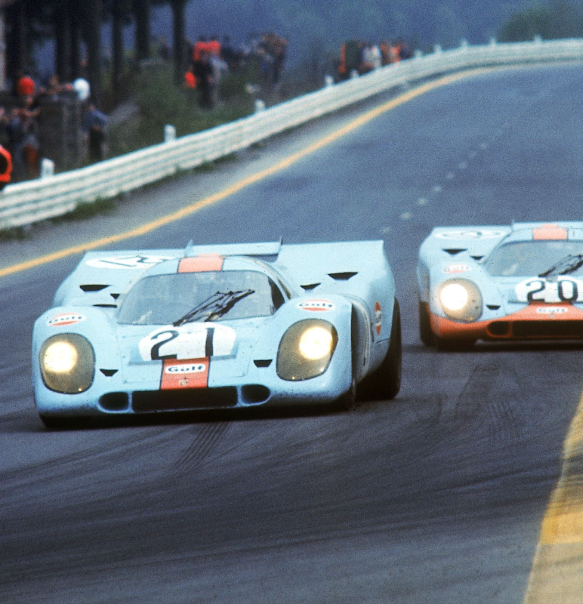
Photo: Robert Harrington

The Sadler Formula Libre

Probably the most important thing I considered in designing a racecar back in the ’50s was to try to achieve the maximum possible power-to-weight ratio. To that end, I was always figuring out how I could safely reduce the car’s weight while maximizing the horsepower. Of course, things like handling, brakes and control were always important, but starting with a higher power-to-weight ratio was a built-in advantage, especially in the acceleration and braking areas.

Bill Sadler
Bill Sadler

During the years of 1959–1960, we were building our Sadler Formula Junior cars with a small production run of 12 units. These were affordable front-engined cars that would give beginning racers a chance to get on the track. However, I couldn’t help eyeing these cars and wondering if I should try to build one with a Chevy V-8 engine in it. This seemed like a preposterous idea at first, but the thought of a Chevrolet-powered, open-wheeled test car was appealing and could be fun.

Members only$29 / year

Keep going. This is where it gets good.

Sports Car Digest Membership is for people who'd rather spend an hour with one chassis number than skim ten headlines. The rest of this story — and every other one like it — is a few seconds away.

  • 5,000+ members-only stories

    Concours, auctions, race history, driven classics and the full archive.

  • No ads. None.

    The whole site reads like a magazine, on every device.

  • The market, every week

    Auction results and classic-car values from the people who were there.

  • 30% off the shop

    Every Sports Car Digest shirt and piece of merch, all year.

Join Sports Car Digest — Keep Reading

$29 a year. Cancel anytime, no hoops.
Already a member? Sign in

BY CAR PEOPLE, NOT A NAMELESS MEDIA COMPANY. Your membership keeps a small independent team of historians, photojournalists and racing drivers doing this.
Join — Keep Reading $29/yr